
Мембраната Gore-Tex има пори, които OutdoorGearLab измерва като 20 000 пъти по-малки от водна капка, и въпреки това тя все пак не може да запази суха усърдно движещата се туристка.
Прочетох това число, след това прочетох десет поредни обзора на „най-добрата екипировка за дъжд при туризъм“ и забелязах, че всеки от тях отговаря на един и същ тесен въпрос: кой яке.
Нито един от тях не отговори на въпроса, който всъщност имах по време на прехода, а именно защо продължавах да се мокря, докато носех препоръчаното от тях яке.
Отговорът е, че яке е една от четирите части и четирите части трябва да работят заедно.
Защитата от дъжд при туризъм е система с четири задачи: торсът ви, краката ви, раницата ви и стъпалата ви.
Сравних как сайтовете за класации разглеждат всяка задача и моделът винаги е един и същ: те класират обвивката на торса в детайли и третират останалите три като нещо второстепенно.
Тази статия решава това, като ви дава правилата за сглобяване, така че да си тръгнете със система, съобразена с вашето пътуване, вместо с списък за пазаруване, съобразен с никого.
Какво ще научите
Създадох това ръководство около решенията, а не около класацията на продуктите, защото продуктите са лесната част, а сглобяването е мястото, където туристите се намокрят.
Ето какво ви помага да изясните всеки раздел, преди да похарчите пари.
Бърз отговор
Най-добрата екипировка за дъжд за туризъм е най-леката система, която запазва сухи точните неща за вашето конкретно пътуване, а точните неща рядко са всичките вие.
Съпоставете всяка задача първо според това колко се потите, и второ според това колко неприятна би била влажната нощ.
Останалата част от това ръководство ви показва защо всеки ред е такъв, какъвто е, и как да съпоставите собственото си пътуване с него.
Четирипозиционната система за дъжд
Научете се да обичате раниците в дъжда - CleverHiker.com
Спрях да възприемам екипировката за дъжд като дреха и започнах да я виждам като четири задачи в деня, в който осъзнах, че моята скъпа външна мембрана всъщност защитаваше само една четвърт от проблема.
Торсът поддържа ядрото ви топло и блокира дъжда, носен от вятъра.
Краката са избор за терморегулация, а не за водоустойчивост.
Задачата на опаковането е да се поддържа системата ви за сън суха, което е различна задача от това да се поддържа суха материята на раницата.
Работата на краката е свързана с оттичането и топлината, защото продължителният дъжд печели битката за сухи крака всеки път.
Причината четирите задачи да имат по-голямо значение от имената на марките е физически проблем, който маркетингът прикрива.
Водоустойчива и дишаща мембрана пропуска водните пари бавно, но катерещ се турист отделя пот много по-бързо, отколкото която и да е мембрана може да я отвежда, така че влагата се кондензира от вътрешната страна и в крайна сметка пак се намокряте.
Ето защо купуването на по-висока стойност за водоустойчивост никога не решава проблема с намокрянето от пот и защо всяко истинско решение на пазара е вентилация, цип или по-свободна форма.
Всяка работа отговаря на два въпроса: колко силно ще се потите и колко катастрофално би било, ако даден предмет се намокри.
Прочетете системата отгоре надолу, след това прегледайте взаимодействията, защото изборът на торса често решава вместо вас избора на раница.
Ако запомните само едно правило, запомнете, че нито един отделен продукт не е система — точно това не може да ви покаже класиран списък с якета.
Задача 1: Обвивката на торса, където вентилацията е по-важна от рейтинга
Изключително лека туристическа екипировка за раница и дъждобран - CleverHiker.com
Ето твърдението, което афилиейт сайтовете омекотяват, казано направо: нито една водоустойчива и дишаща външна обвивка не е достатъчно дишаща, за да запази изкачващ се с голямо усилие турист сух отвътре.
Според експертния съвет на REI относно дъждобраните, „няма универсален тестов стандарт, нито независим сертифициращ орган, който да измерва ефективността на дишаемостта“, което е забележително признание от търговец на дребно, който продава якетата.
Така че думата „дишащ“ на етикет е маркетингово твърдение, а не измерена спецификация, и никакво пазаруване не може да поправи число, което изобщо не е било регламентирано.
CleverHiker признава същия проблем от другата страна, като пише, че кондензацията вътре в якето ви в студен дъждовен ден „не е валеж, а вашата пот.“
Така че решението за торса не е „какъв рейтинг“, а „как да отвеждам топлината по-бързо, отколкото я генерирам“.
При топло изкачване под горната граница на гората проветрението е водещо, поради което един турист в r/Ultralight с 27 гласа „за“ написа, че „като цяло ще се потите по-малко с пончо, заради максималната вентилация.“
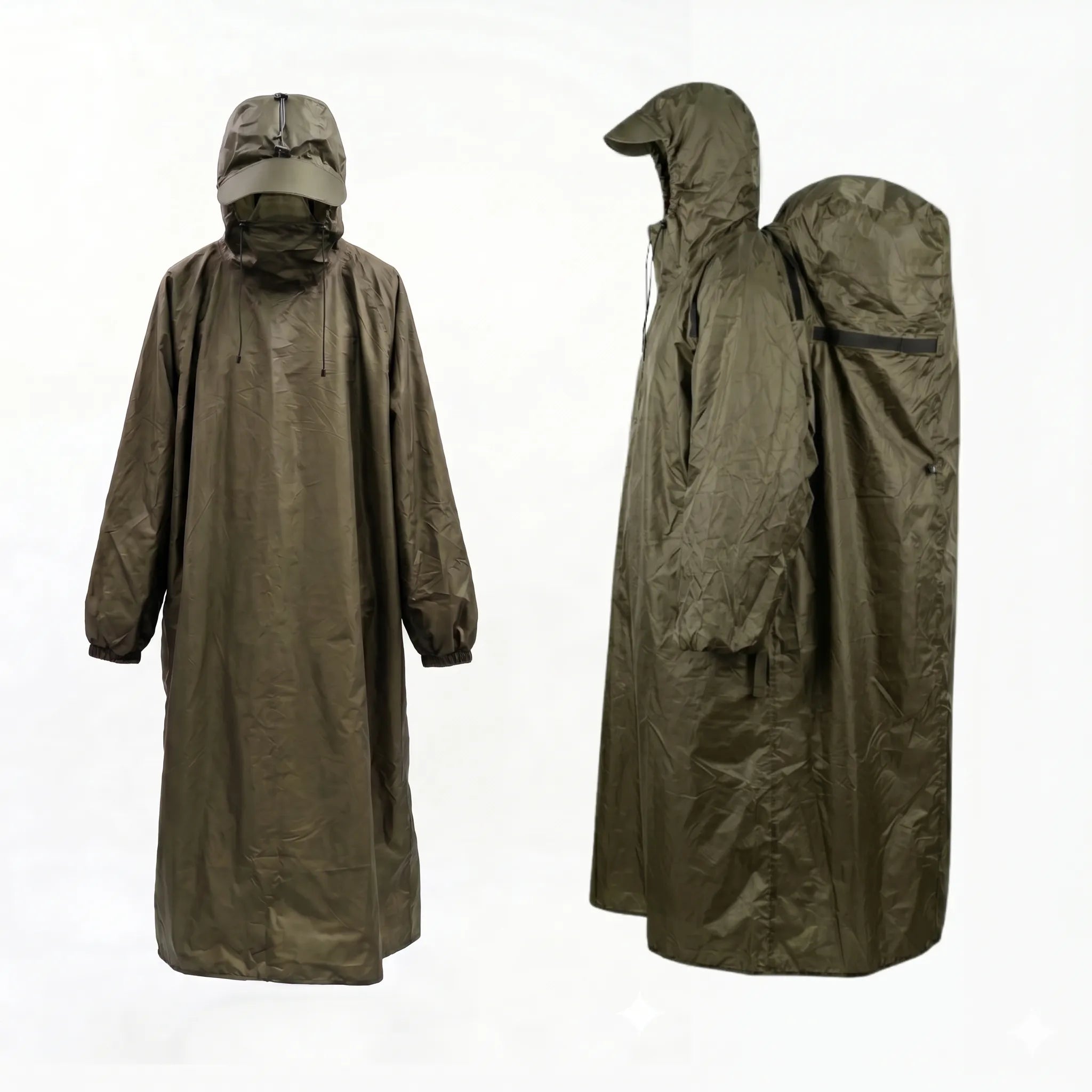
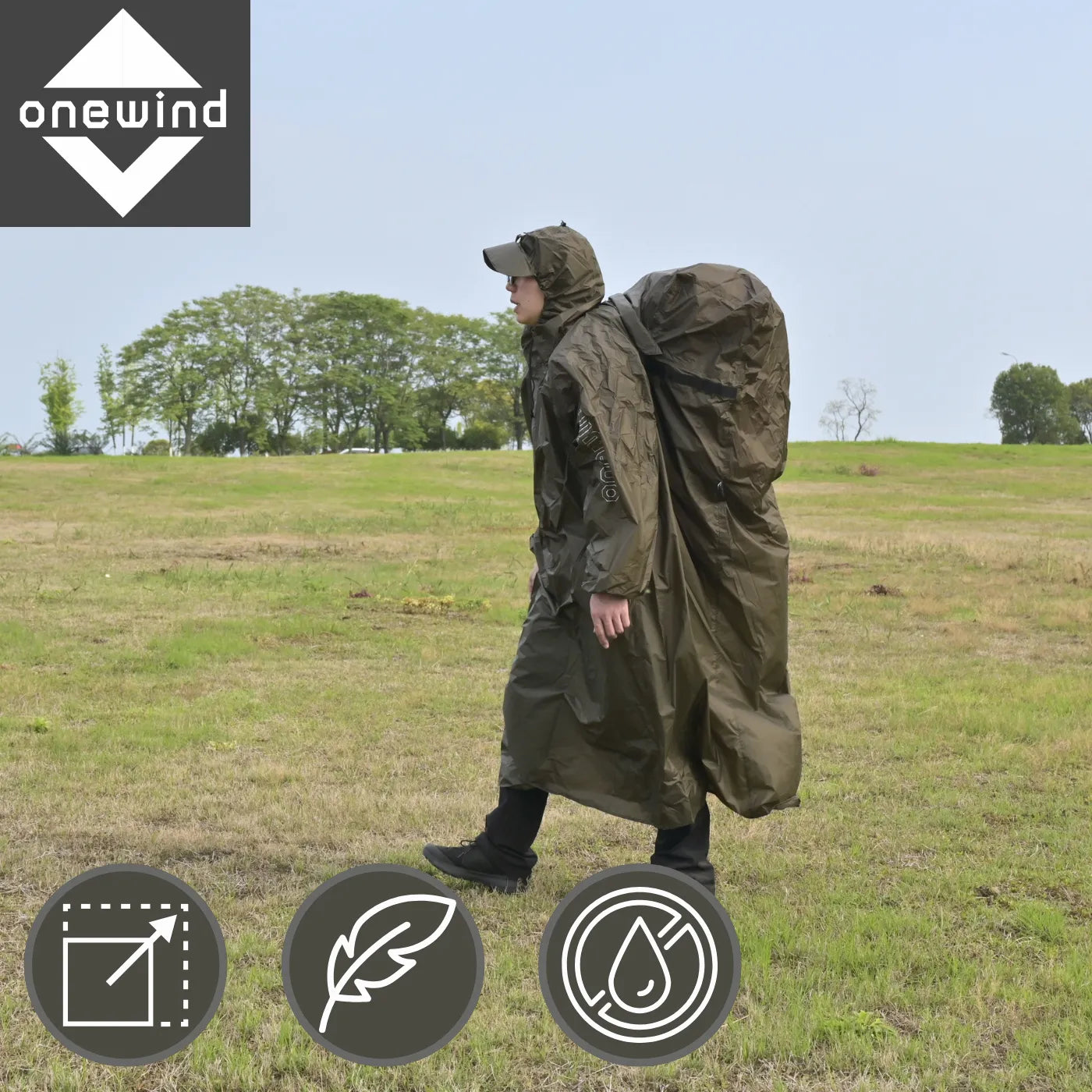
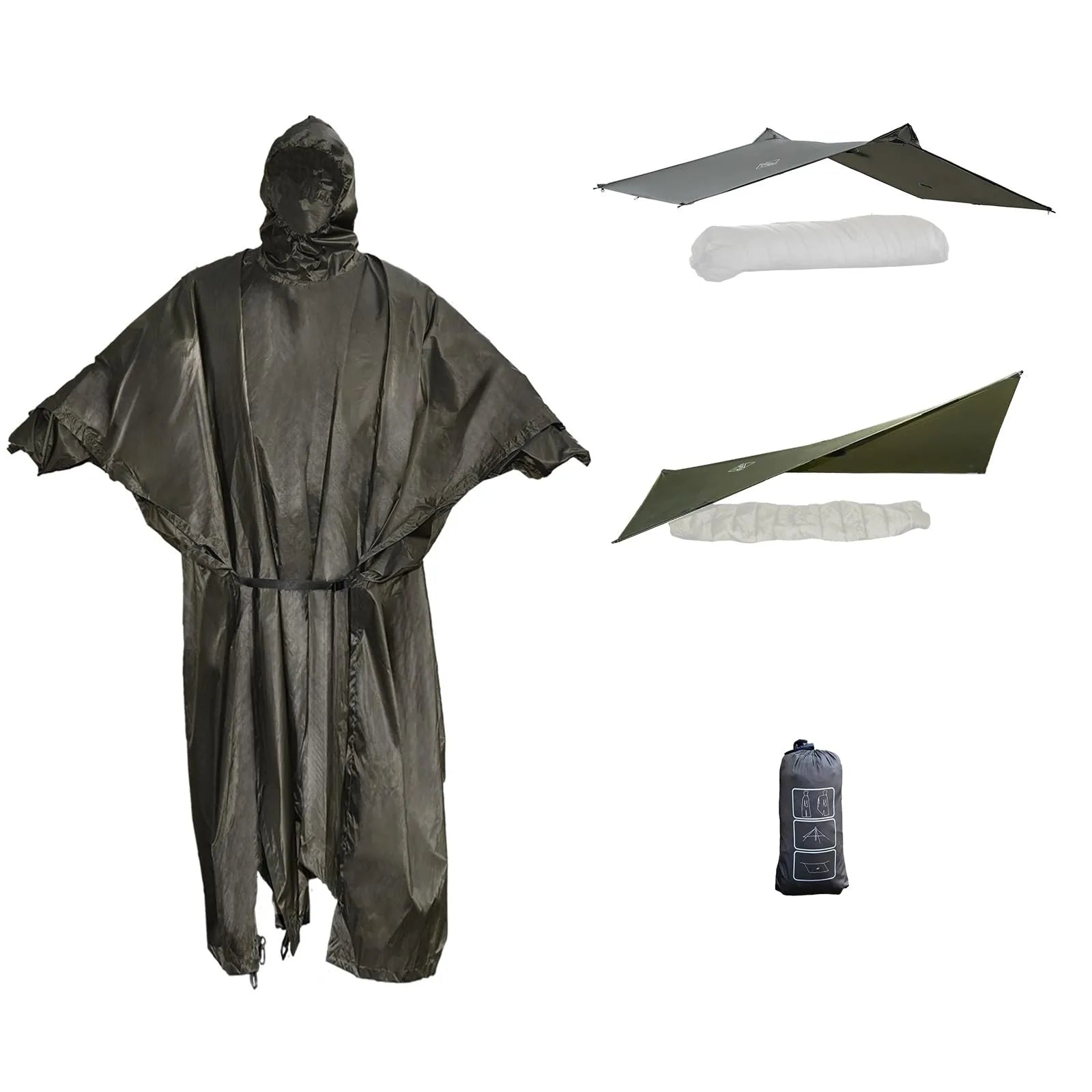
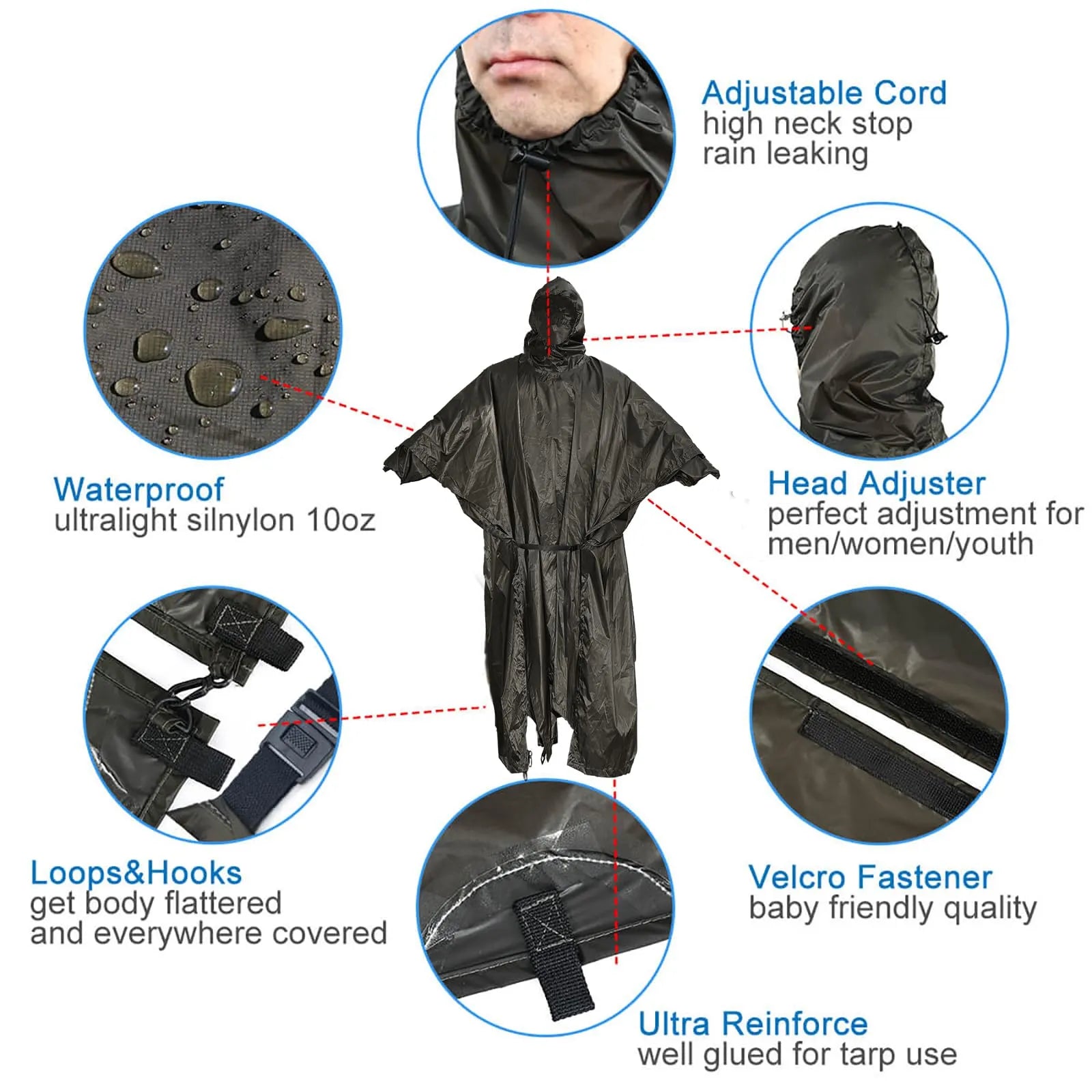
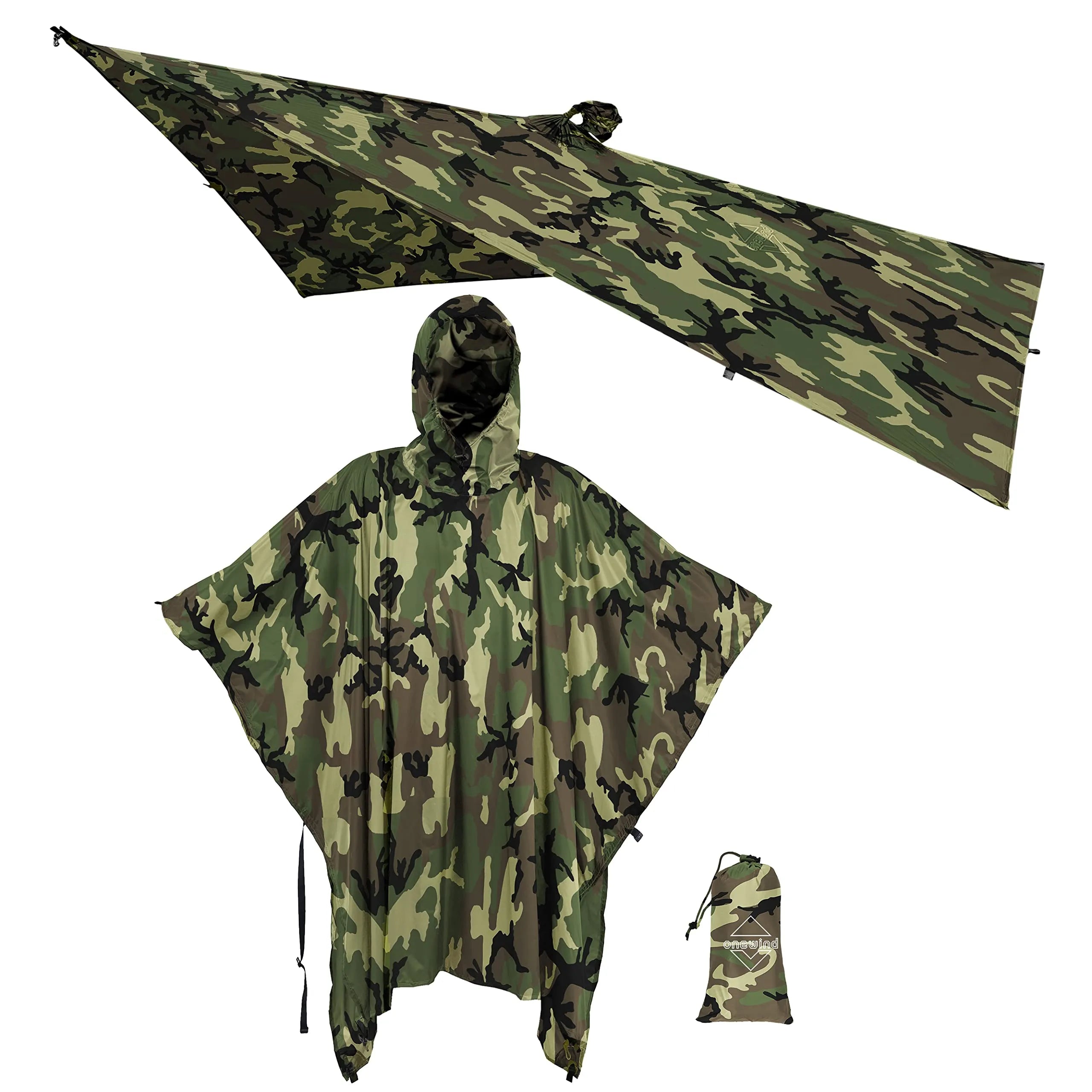
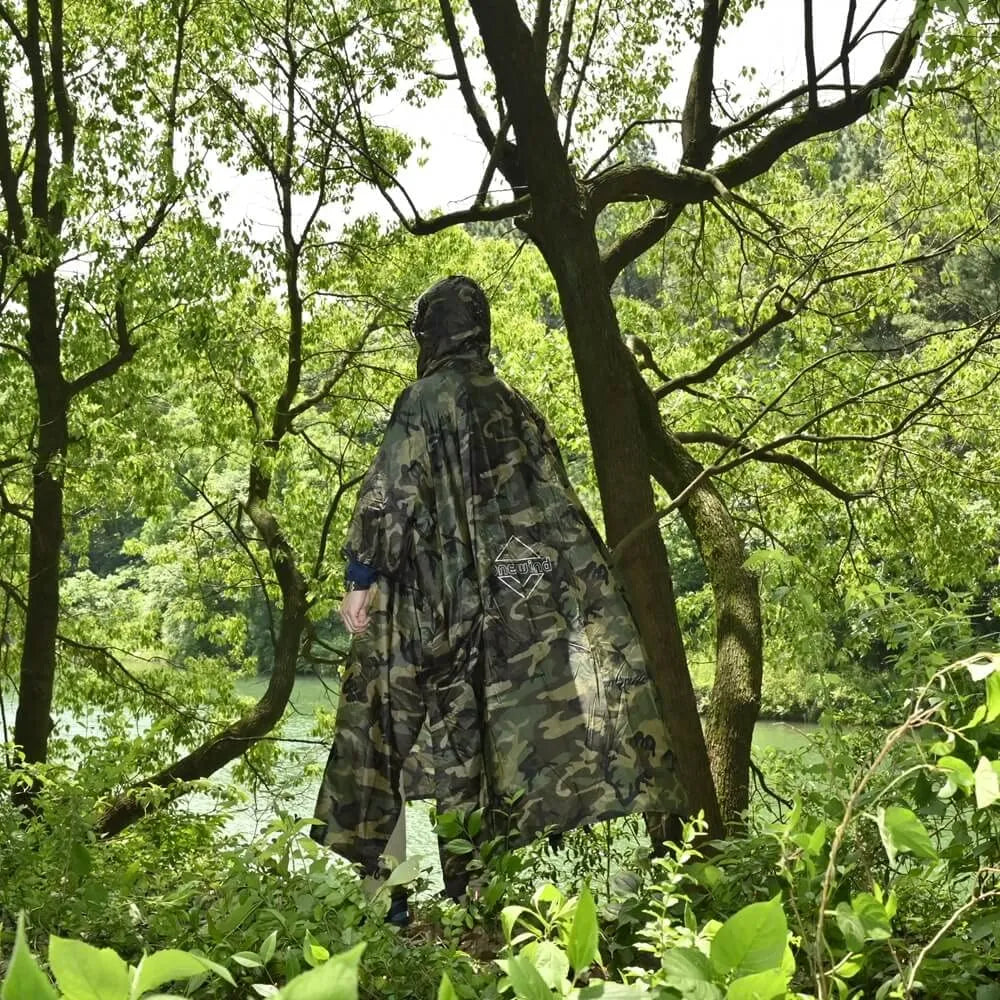
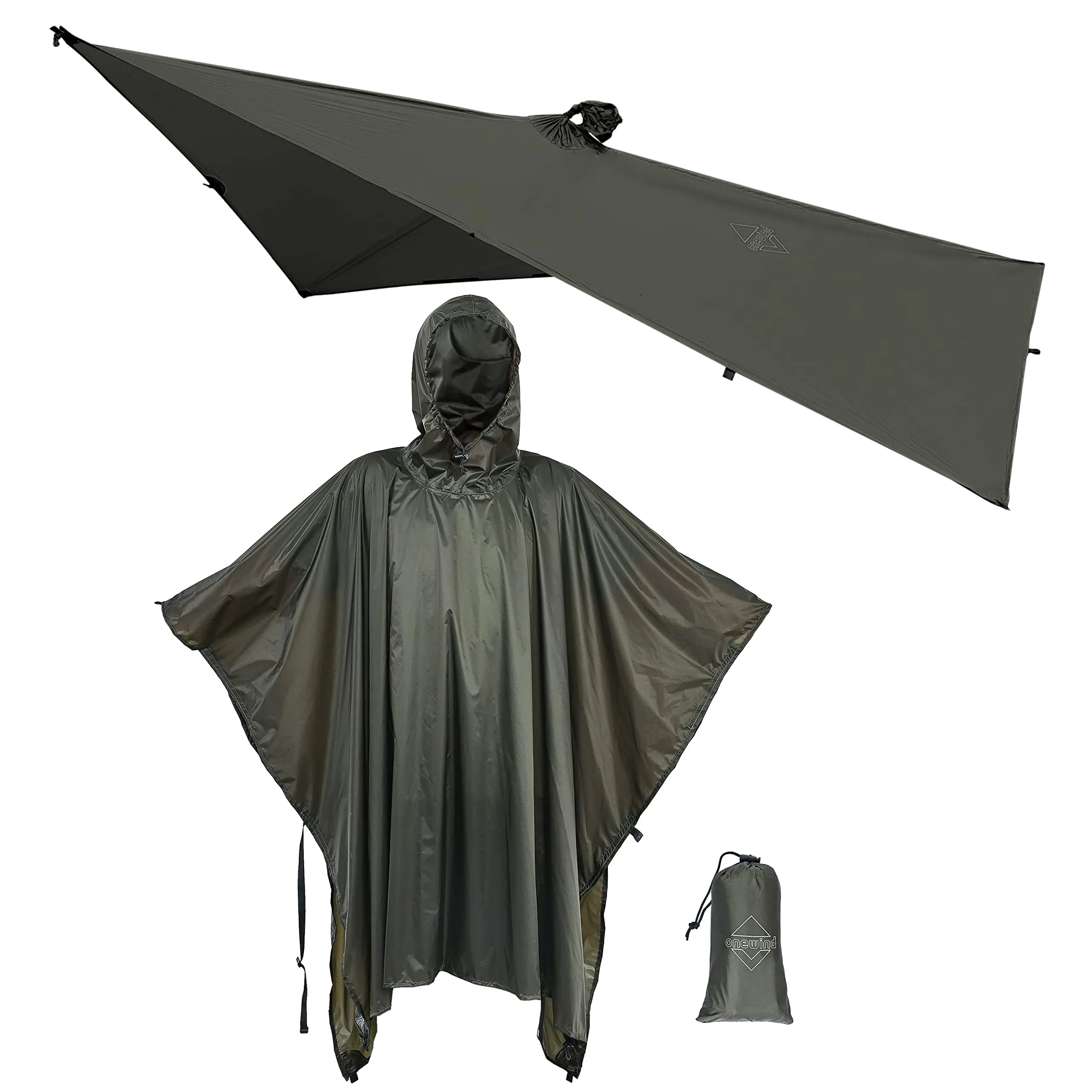
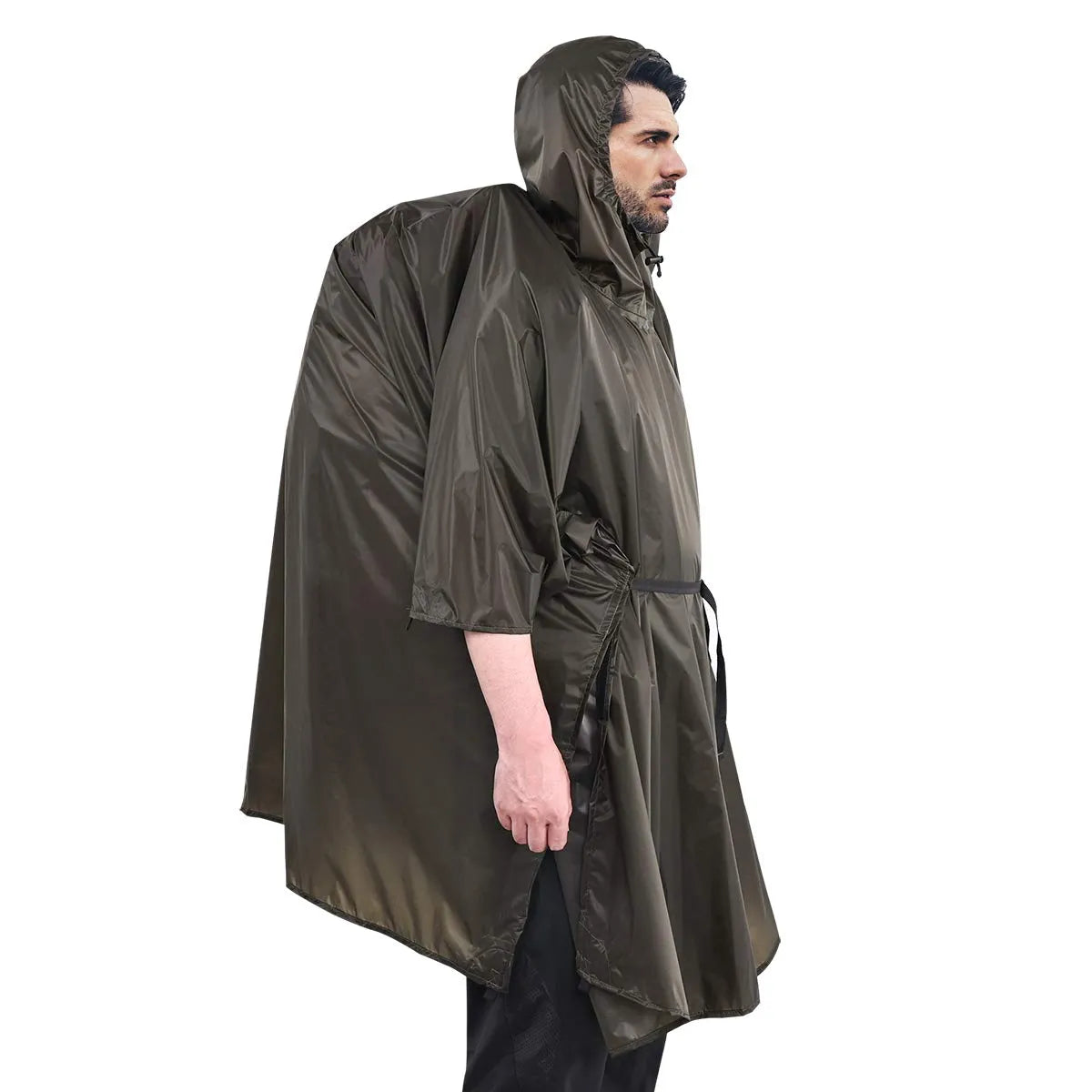
А дъждобран-пончо това е опцията за максимален въздушен поток в този случай и едновременно с това покрива раницата ви, макар че при истински вятър се превръща в платно и аз не бих взел такова над границата на гората.
Когато е студено, ветровито и изложено на атмосферните условия, подходящо водоустойчиво и дишащо яке с вентилационни ципове под мишниците е правилният избор, защото пончото не може да задържа телесната топлина, а напоената с вода външна дреха на вятър се държи като неопренов костюм.
Ако все пак изберете яке, честната картина е трилема без един-единствен победител, а общността я обяснява по-добре от техническите спецификации.
Планинар, който работи в индустрията, обясни в r/Ultralight, с 21 гласа „за“, че Gore-Tex Shakedry „никога няма да се напои, защото мембраната по своята същност е водоотблъскваща“, а след това добави, че неговата „ахилесова пета определено е издръжливостта“.
Друг турист в същата нишка наблюдава как Outdoor Research Helium „се намокри толкова бързо“ под дъжда в Коста Рика, което е дължимият данък за издръжливостта.
Строителната скала, която REI описва, е практичната версия на този компромис: 2-слойните обвивки са евтини и влажни, 2,5-слойните обвивки са леки и компактни, но отвътре се усещат влажни, а 3-слойните обвивки са най-издръжливи и най-добре дишащи, но и най-скъпи.
Класираните обобщения се свеждат до същите две опорни точки, така че можете да ги използвате като ориентир.
Пълният решение за торса между пончо и яке има свои собствени правила за всяко пътуване, продиктувани от излагането и терена, и си заслужава първо да ги уточните, преди да се спрете на външна обвивка.
Изберете: вентилация за топло време и под границата на гората, запечатано и дишащо яке за студено и открито време, и спрете да пазарувате според рейтинг, който ще реши проблема с изпотяването, защото такъв не съществува.
Задание 2: Крака, където полата обикновено надвива панталоните
Краката са най-честата грешка на туристите, защото дъждобранните панталони изглеждат като сериозния избор, а обикновено не са.
Андрю Скурка, който е водил хиляди мили по пътеките, носи дъждобранни панталони за студ и вятър, но откровено заявява, че при топли преходи пълните панталони се превръщат в сауна, през която така или иначе се изпотявате.
Той е също толкова откровен и в обратната посока, като пише, че е „опитвал да ходи без дъждобранен панталон и резултатите са много неудобни“, щом температурата падне, така че това е истински компромис, а не еднопосочно правило.
Дъждобранна пола или килт проветряват слабините и бедрата, където отделяте най-много топлина, и точно затова съществуват.
Ходът, който свързва Задача 1 и Задача 2, е да използвате горе вентилирана обвивка и отдолу дишаща пола, за да не задържате топлината едновременно и в двата края.
Изчисленията за теглото го потвърждават, а аз сравних съобщените от общността стойности една с друга.
Потвърденото тегло на полата от около 51 грама в сравнение с дъждобранни панталони от около 85 грама идва от тема за NOBO Long Trail в r/Ultralight, а леките дъждобранни поли от малки производители са с тегло под три унции.
А дъждобранна пола попада в категорията с дишащи крачоли за топло време и ще бъда честен, че почти не ви защитава при студен вятър, където панталоните оправдават мястото си.
Едно предупреждение от Skurka, което любителите на полите пропускат: полата оставя горната част на краката ви открита, така че в обрасли мокри храсти босите ви крака се намокрят и надраскват.
Препоръчва се: по подразбиране изберете пола за топъл, интензивен преход, носете панталони, когато е студено, ветровито или се движите през гъста растителност, и пропуснете и двете при лек дневен преход.
Задача 3: Раницата, спечелена отвътре с подплата
Това е задачата, която обзорите почти никога не класират, и именно тя решава дали пътуването ви ще приключи по-рано.
Покривалото за раница защитава външната страна на раницата ви, но спалният ви чувал е от вътрешната страна и това не е едно и също.
Най-ясните данни дойдоха от тема в Reddit в r/Ultralight, където според най-горния коментар по въпрос за подплата срещу покривало, с 13 гласа „за“: „Определено подплатата. Покривалото не осигурява пълно покритие, водата се стича по гърба ви и прониква вътре.“
Друг турист в същата тема обобщи начина на повреда в едно изречение: покритието „не ви е от полза, ако се подхлъзнете при преминаване на поток“.
Вътрешната подплата е торба за пресоване на отпадъци или строителна торба, струва около пет долара, тежи около една унция и е единственото нещо между вашия юрган и една подгизнала нощ.
Покривалото за раница все още има истинска функция, която е да предпазва самата материя на раницата от попиване на вода и увеличаване на теглото ѝ, и една калъф за раница прави това добре.
Правилото е да ги сдвоявате или, още по-добре, да оставите едно пончо Покритие отвън, докато подплата защитава отвътре.
Изберете: подложка като основна бариера при всяко многодневно пътуване, покривало като вторична защита за теглото на раницата и никога не разчитайте само на покривало за вашата система за сън.
Задача 4: Краката – проблем с отводняването, а не с уплътняването
Прекарах години в опити да държа краката си сухи по време на мокри преходи, а писанията на Skurka са това, което накрая ме убеди да спра.
Неговият извод, след като е тествал водоустойчиви обувки, водоустойчиви чорапи и двуслойни чорапи, е, че при продължителен дъжд „всичко се мокри“, така че целта се измества от уплътняване към управление.
Водоустойчивите чорапи ви купуват един час, а после задържат водата вътре, както прави ботушът, а вторият сух чифт остава сух само до първото преминаване на река, затова той напълно се отказа да гони запечатаното ходило.
Той се появява в нишка в r/CampingandHiking по същия въпрос и го казва с четири думи, които останаха в съзнанието ми: „управлявай, не запечатвай.“
Водоустойчивите ботуши влошават проблема, след като водата мине над маншета, защото, както каза един турист, „всичко, което не пуска водата навън, ще я задържи вътре.“
Непромокаемите обувки за трейл бягане отвеждат водата и изсъхват бързо, поради което водещият отговор в тази тема беше просто „обувки, които се отцеждат добре, тънки чорапи“.
Тънките чорапи от мериносова вълна задържат по-малко вода от дебелите омекотени чорапи, така че краката ви остават по-топли дори когато са мокри, което всъщност е целта.
Гети и водоустойчиви ботуши все още са по-добрият избор в студ, сняг и дълги алпийски преходи, където задържането на малко топлина е по-важно от бързото оттичане.
Препоръчва се: бързосъхнещи трейл маратонки и тънки мерино чорапи за топъл дъжд, а ботуши и гети — само когато студът прави задържането на топлина по-важно от изсъхването.
Сценарий 1: Топла и влажна гора с натоварена раница
Покорявате летен маршрут в Югоизточна Азия или горска пътека в Тихоокеанския северозапад, температурата е над 60 градуса и се изкачвате с напълно натоварена раница.
Това са повечето реални дъждовни дни за повечето туристи и именно там скъпото запечатано яке се проваля най-сериозно.
Ще се изпотите по-бързо, отколкото всяка мембрана може да отвежда влагата, така че запечатан 3-литров външен слой ще ви остави мокри отвътре почти толкова, колкото и дъждът.
Консенсусът в r/Ultralight за точно този случай е конфигурация с пола плюс пончо или пола плюс проветриво яке-обвивка над приблизително 40 до 50 градуса при слаб вятър.
Обувките с дренаж се справят с локвите, тънките чорапи поддържат краката ви топли, докато са мокри, а подплата пази завивката ви суха по време на къмпинг.
Единственото подобрение, което наистина си заслужава тук, е пончо вместо яке, защото същата въздушна циркулация, която ви държи хладни, също се спуска върху раницата ви и зачерква калъфа от списъка ви.
Разхождал съм се по абсолютно същия профил на влажен горски терен с вентилирана екипировка и пристигнах влажен, но топъл, което е честният най-добър възможен резултат, а не сухата и удобна фантазия, която рекламират якетата.
Присъда: насочете се към въздушен поток, носете пончо или отворенатаципна обвивка с пола, приемете, че ще бъдете влажни, и дръжте системата си за спане запечатана в подплата.
Сценарий 2: Студен, открит алпийски рид
Сега сте над горската граница, вятърът е постоянен, а температурата спада към точката, при която да сте мокри е проблем за безопасността, а не за комфорта.
Всичко, което правеше пончото да печели в гората, сега работи срещу вас.
Вятърът превръща пончото в платно, а REI отбелязва, че „не е нужен много вятър, за да направи пончото до голяма степен неефективно.“
Задържането на топлината е по-важно от вентилацията тук, така че водоустойчиво-дишащо яке, което уплътнява срещу вятъра, си заслужава влагата си.
Дъждобранните панталони спират да бъдат сауна и започват да осигуряват истинска защита от вятър и топлина, точно затова Skurka посяга към тях.
Един турист в нишката за пола срещу панталоните обясни правилото просто: „ако ти е студено, вземи дъждобранени панталони.“
Добавете ботуши и гети, защото когато е студено и краката са мокри, дренажът вече не е достатъчен.
Това е и единственият случай, в който плащането на повече за издръжлива трислойна външна обвивка се изплаща, тъй като в алпийски условия провалът от намокряне се превръща в опасност, а не просто в неудобство.
Докладът от класираните обобщения съвпада с това: техните най-защитни предложения, като Arc'teryx Beta SL с тегло около 12 унции, са създадени точно за такова открито, високорисково използване.
Присъда: Запечатайте добре, носете водоустойчиво и дишащо яке и дъждобранни панталони с ботуши и гети и оставете пончото и полата у дома за този случай.
Сценарий 3: Многодневно пътуване, при което лагерът трябва да остане сух
При многодневен преход ходенето е въпрос на преговори, но системата за сън не е, защото мокрото одеяло превръща влажния ден в опасна нощ.
Планирам това пътуване наобратно от лагера и първото нещо, което опаковам, е подплатата, а не якето.
Вътрешен чувал за строителни отпадъци плюс сух чувал за одеялото е неизменимото ядро, а консенсусът в r/Ultralight за вътрешните чували е създаден точно за това.
След като вътрешността на раницата е гарантирано суха, имате право да се облечете леко за ходенето и просто да сте мокри през целия ден.
Това е умственият преход, който обзорите никога не предлагат: не се опитвате да останете сухи, а да пристигнете със сухо легло.
Всеки опитен раницар, с когото сравних бележките си, беше установил, че същият трик — строителски чувал за пет долара — превъзхожда скъпите покривала, с които са започнали.
Допълнителната суха торба за юргана е евтина застраховка и това е единственото място, от което отказвам да пестя тегло при пътуване, по-дълго от една нощ.
The Колекция дъждобрани покрива износената страна на тази система, а пончото печели допълнителни точки тук, като покрива раницата, докато вървите.
За водоустойчивостта на който и да е от тези продукти, числата за хидростатичното налягане са обяснени в Ръководство за водоустойчивост срещу водоотблъскване така че няма да ги повтарям тук.
Присъда: първо защитете съдържанието на раницата с вътрешна подплата и сухи торби, след това се облечете леко за ходенето, защото сухият лагер е по-добър от сухия преход всеки път.
Сценарий 4: Кратък дневен поход при слаб дъжд
Последният сценарий е този, за който планинарите най-често се екипират прекомерно — кратък еднодневен преход при слаб дъжд.
Излизате за няколко часа, температурата е приятна, а в края ви очаква топъл автомобил или суха къща.
Тук честният отговор е, че просто можете да се намокрите и след това да се стоплите.
Ветровка или евтина непропусклива яке са напълно достатъчни, а алпийско яке за 500 долара е излишно тегло и пари за това пътуване.
Не ви е необходима подплата, защото раницата ви е лека и последствията от влажна торбичка за закуски са нулеви.
Направих точно този преход само с ветровка и бях доволен, че бях оставил системата у дома.
Присъда: дръжте го минимално, вземете ветроустойчив слой или бюджетна външна обвивка, пропуснете раницата и защитата за краката и оставете началната точка на маршрута да ви подреди.
Чести грешки при избора на водоустойчива екипировка за походи
Почти всяка история за намокряне и нещастие, която съм чувал, се свежда до това да се довериш на етикет или категория вместо да съобразиш екипировката с пътуването.
Купуването на по-висок водоустойчив рейтинг за справяне с изпотяването. Яке с воден стълб 20 000 мм и яке с воден стълб 10 000 мм ще ви изпотят с еднаква скорост, защото хидростатичният напор е статичен тест за налягане, който не казва нищо за дишаемостта. Инвестирайте във вентилация, а не в по-голямо число.
Да се доверите на покривало за раница да запази чантата ви суха. Калъфът прави платнището на раницата по-леко, но водата все пак се стича по гърба ви и навлиза вътре, така че спалният чувал, който сте защитавали, се намокря така или иначе. Облицовката е бариерата, която има значение.
Търсите водоустойчиви ботуши за сухи крака. Водоустойчивите ботуши не пропускат вода, докато тя не надвиши горната част, а след това я задържат до кожата ви с часове, докато трейл маратонките биха я отцедили за минути. При продължителен дъжд планирайте да се справяте с мокри стъпала, вместо да се опитвате да ги предотвратите.
Бързият контролен списък за вземане на решение
Прегледайте този списък, преди да купите каквото и да е, и оставете реалните си пътувания, а не пътуването, което си представяте, да определят всеки ред.
Най-добрата екипировка за дъжд при туризъм е системата, която можете да защитите ред по ред въз основа на собствените си преходи.
Купете четирите задачи, направете взаимодействията правилно и ще останете толкова сухи, колкото всъщност позволява времето, което е максимумът, който всяка екипировка може да обещае.