
A 40-degree day in steady rain can push you toward hypothermia faster than a dry night below zero, and most rain advice never mentions it.
Every article about hiking in the rain tells you to stay dry.
Andrew Skurka, who has guided thousands of trail miles, says it plainly: in prolonged rain, staying dry is "probably an impossible goal."
I compared a dozen rain guides against what wilderness-medicine sources and experienced hikers actually say, and the gap was the same every time.
The listicles optimize for dryness, and dryness is the wrong target.
Rain only becomes dangerous when it makes you cold, so the real skill is staying warm and safe while wet, not chasing a dryness you will never keep.
This guide gives you the three rules that turn rain from a threat into an inconvenience, and it hands each gear decision off to a deeper guide so you can focus on the skills.
What You'll Learn
I built this around staying warm and safe, not around a shopping list, because the gear is the easy part and the decisions are what keep you alive.
Here is what each section settles.
Quick Answer
You do not stay dry hiking in the rain, you stay warm and safe and manage being wet.
Rain becomes dangerous only through cold, so make warmth the goal, protect one dry set of clothes, and respect the hazards rain creates.
The rest of this guide explains why each move is what it is, and how the pieces fit into one system.
Stay Warm, Not Dry: The Three Rules
How to Enjoy Hiking in the Rain!
I stopped fighting the rain the day I understood that being wet is fine, and being cold is what hurts you.
A rain hiker has three jobs, and none of them is staying dry.
The first is to stay warm, because hypothermia, not water, is the threat.
The second is to protect your ability to get warm again, which means keeping one dry set of clothes and your sleep system sacred.
The third is to respect the things rain rewrites on the trail, because moving water and lightning are what actually kill people.

Get all three right and rain is an inconvenience you can even enjoy.
Get any one wrong and a mild, drizzly afternoon can turn into a genuine emergency.
Rule 1: Stay Warm, Because Cold Is the Real Threat
The danger of hiking in the rain is not the water, it is what the water does to your body temperature.
According to the wilderness-medicine experts at NOLS, "wet clothing and skin significantly increase the risk of hypothermia," which is why a wet 45-degree day outranks a dry cold one for danger.
A hiker on Reddit's r/WildernessBackpacking, with 106 upvotes, put the trap in plain terms: experienced backpackers "felt colder and more uncomfortable at 40F in the pouring rain than in below-zero temperatures with snow and dry cold."
That is not a fringe opinion; it is the data behind why wet cold is the sneakier danger, because water pulls heat from your body far faster than still air at the same temperature.
So the whole game is generating and keeping heat while wet.
Keep moving, because your muscles are your furnace, but do not push so hard that you soak your layers from the inside.
That is the part the listicles miss: even perfect outer waterproofing leaves you wet with trapped sweat, so dress to run slightly cool and open your vents on climbs rather than sealing up.
Never wear cotton, which REI warns "holds water, including your sweat, and chills you," a chain that "can lead to hypothermia"; wool and synthetics keep warming when damp.
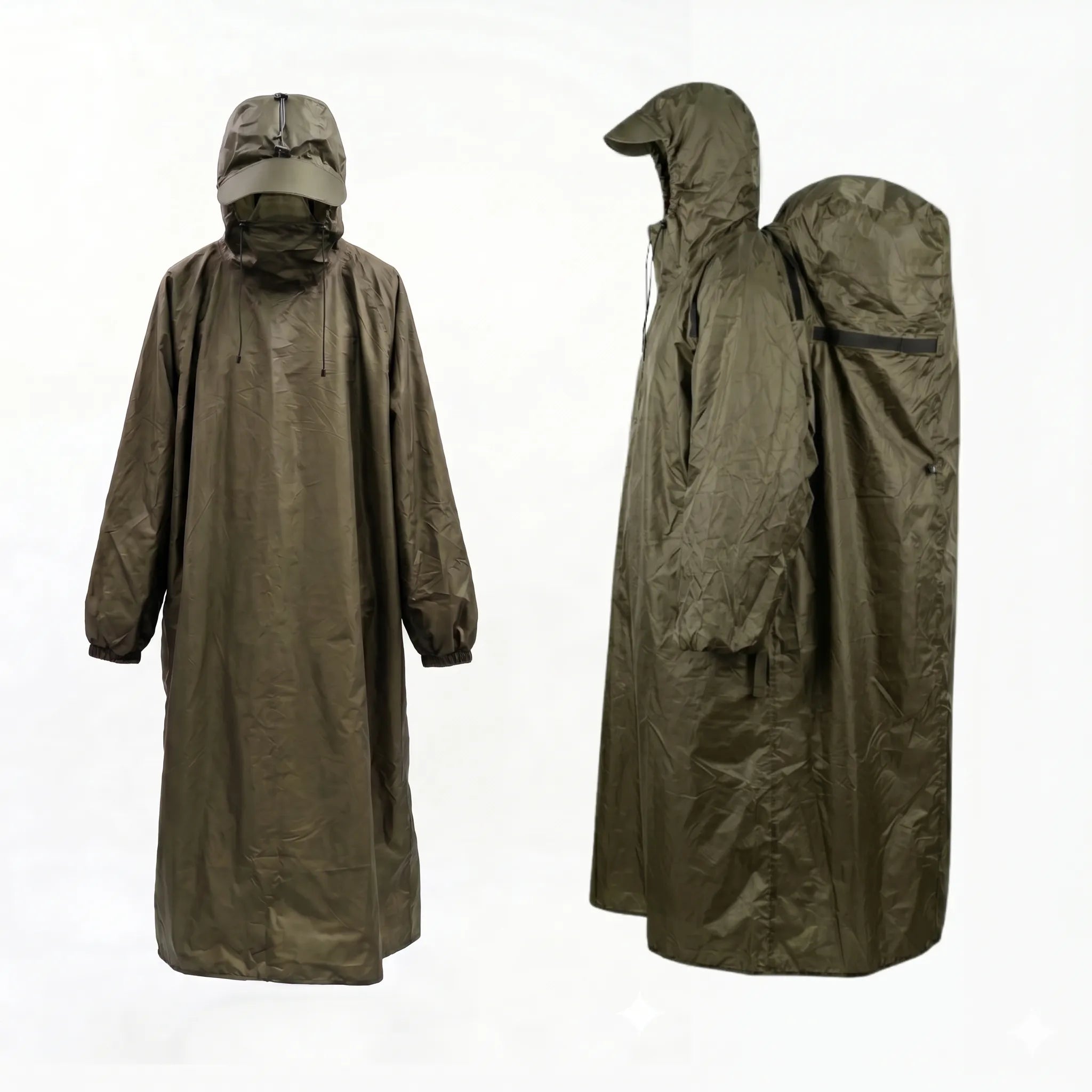
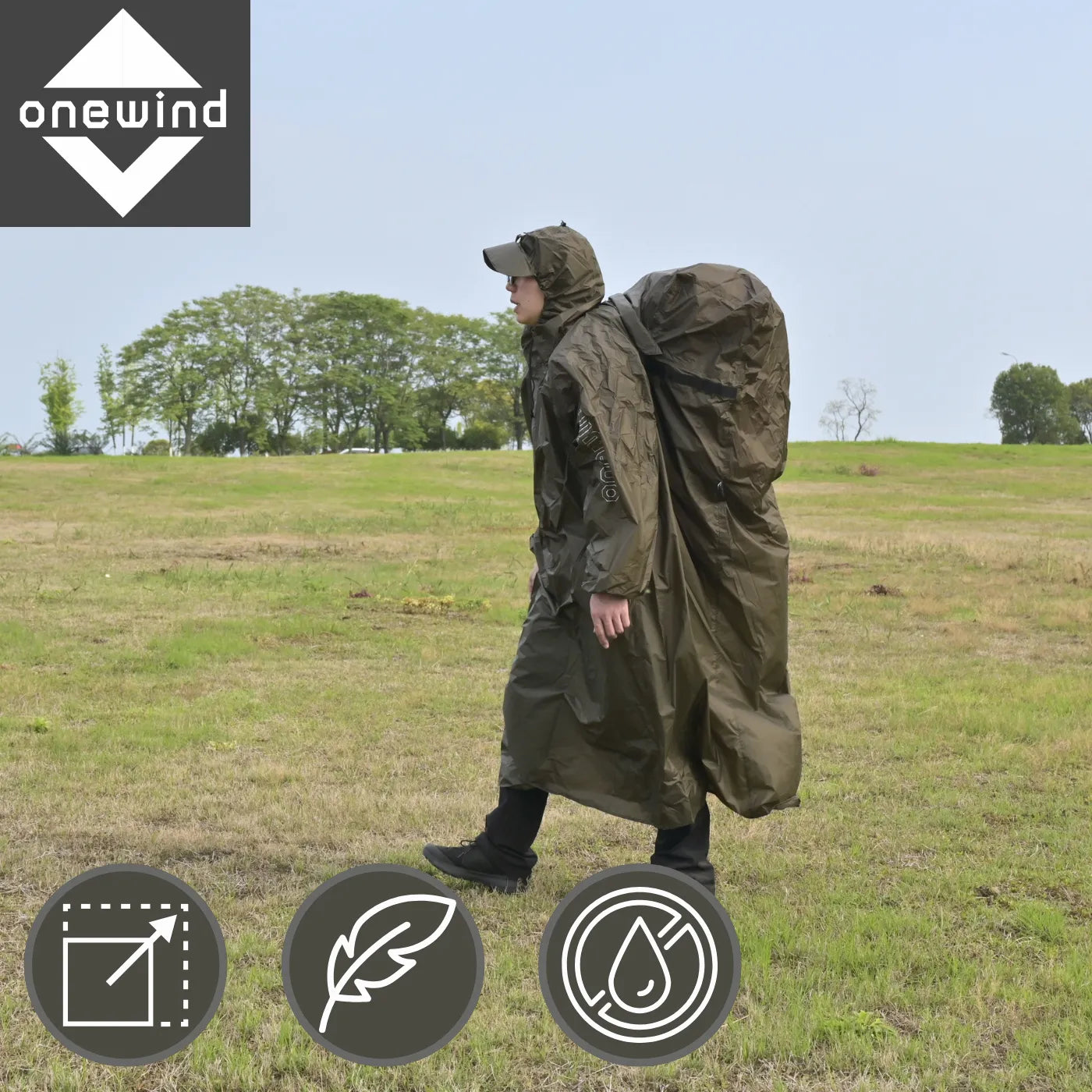
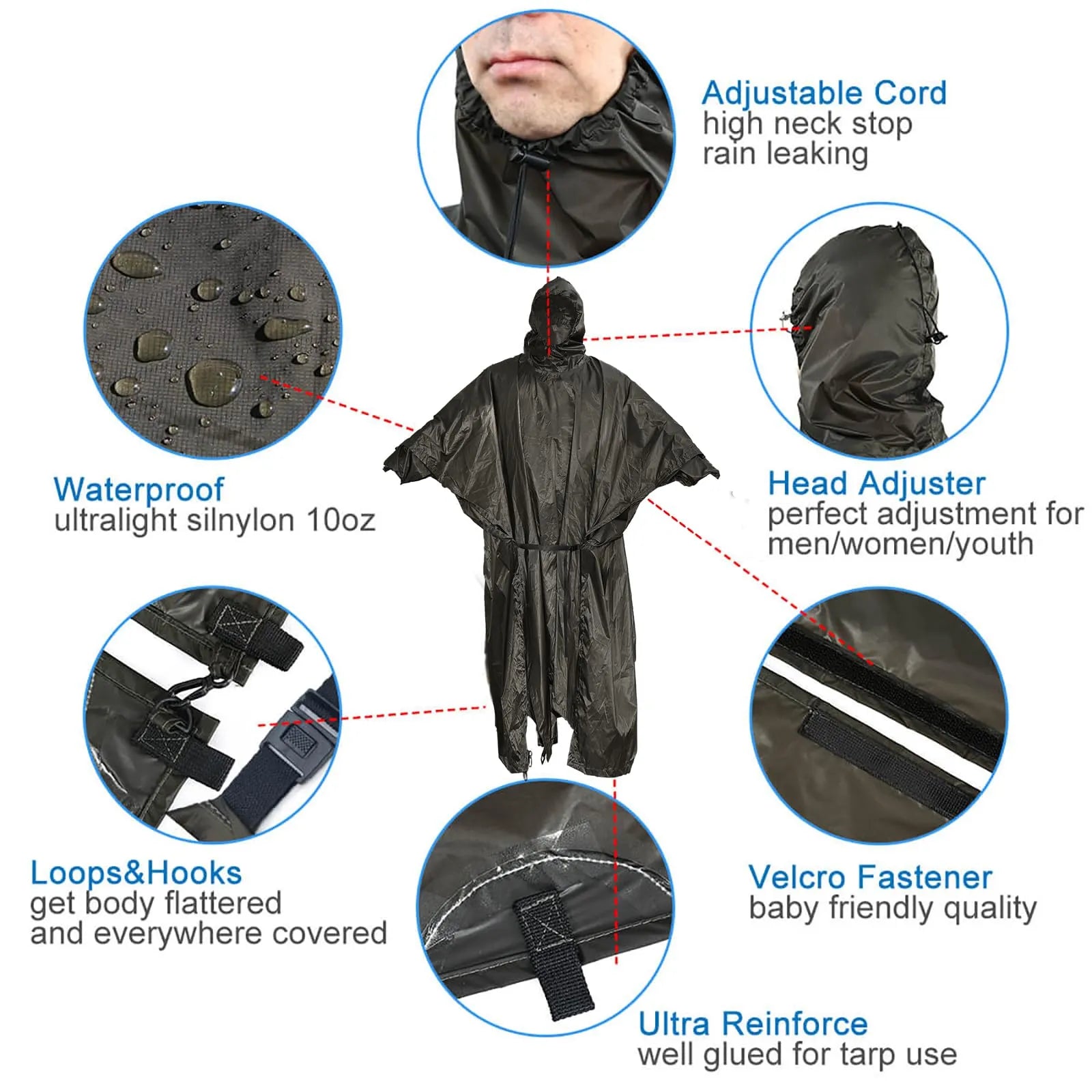
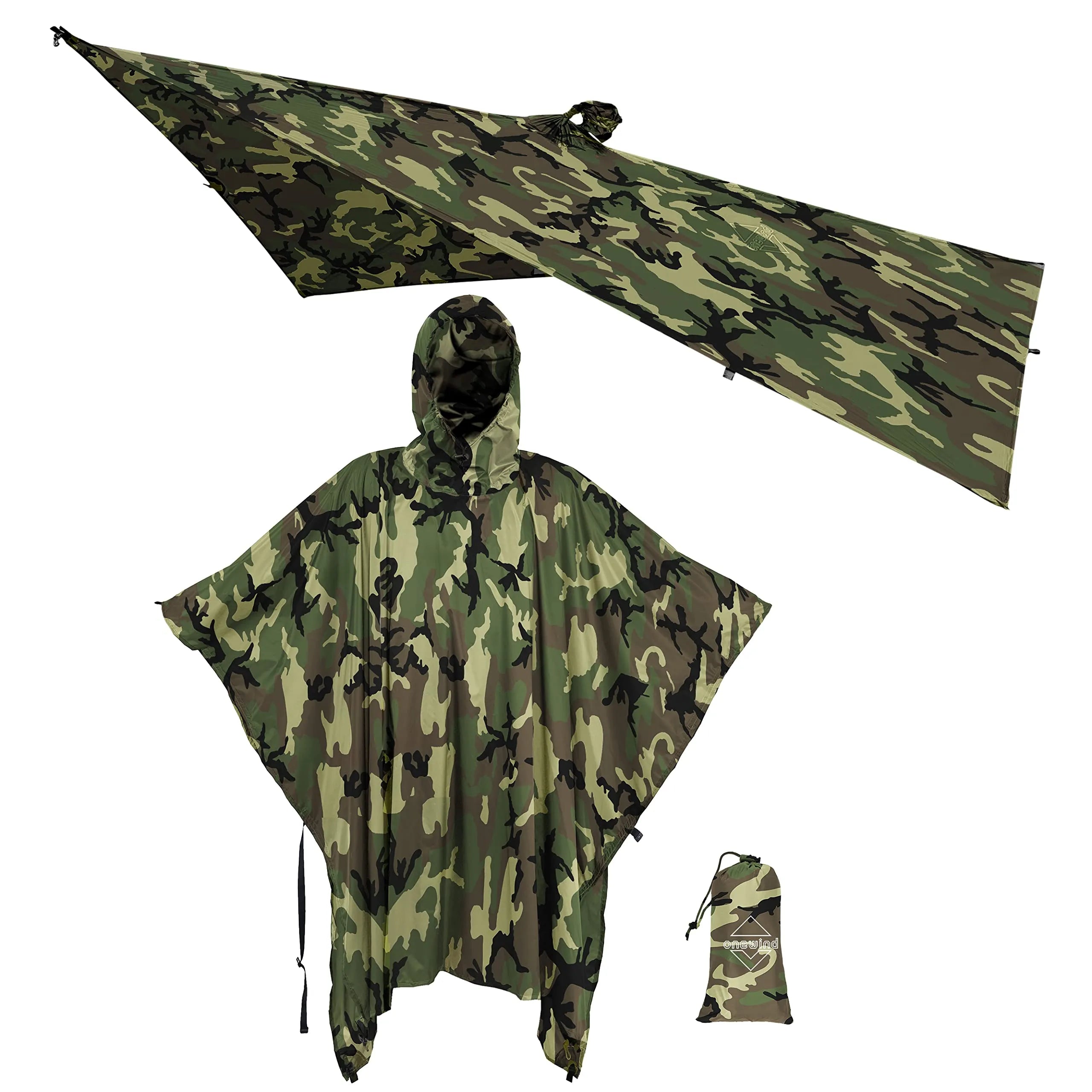
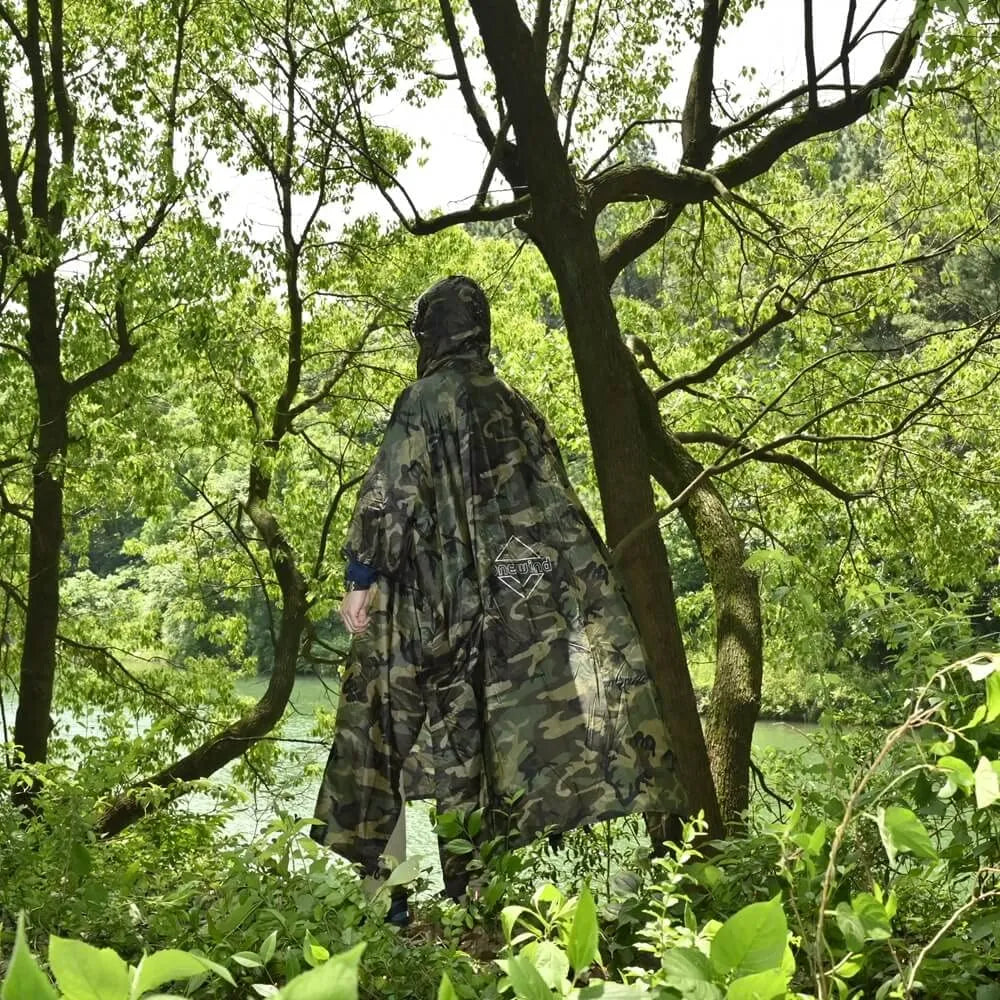
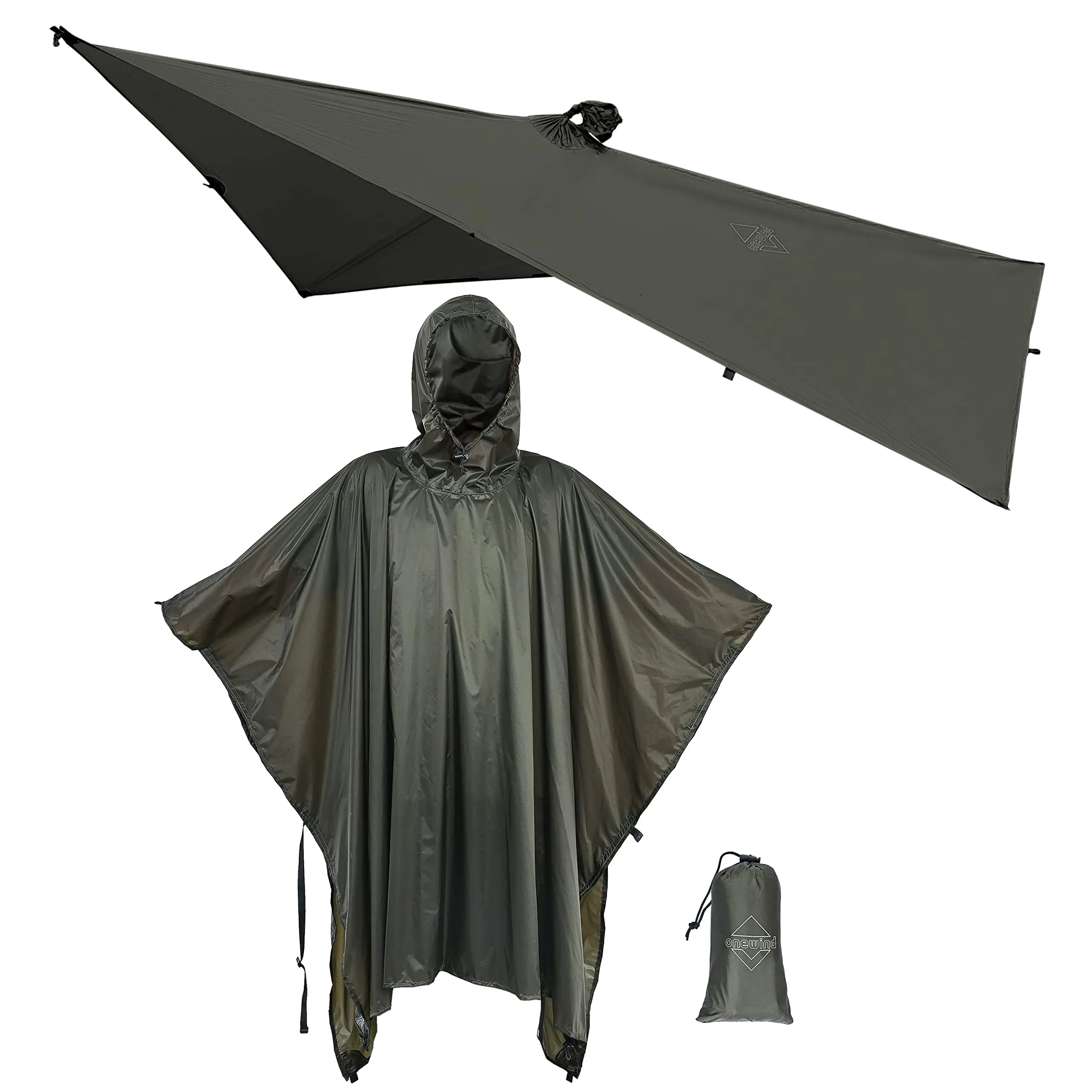
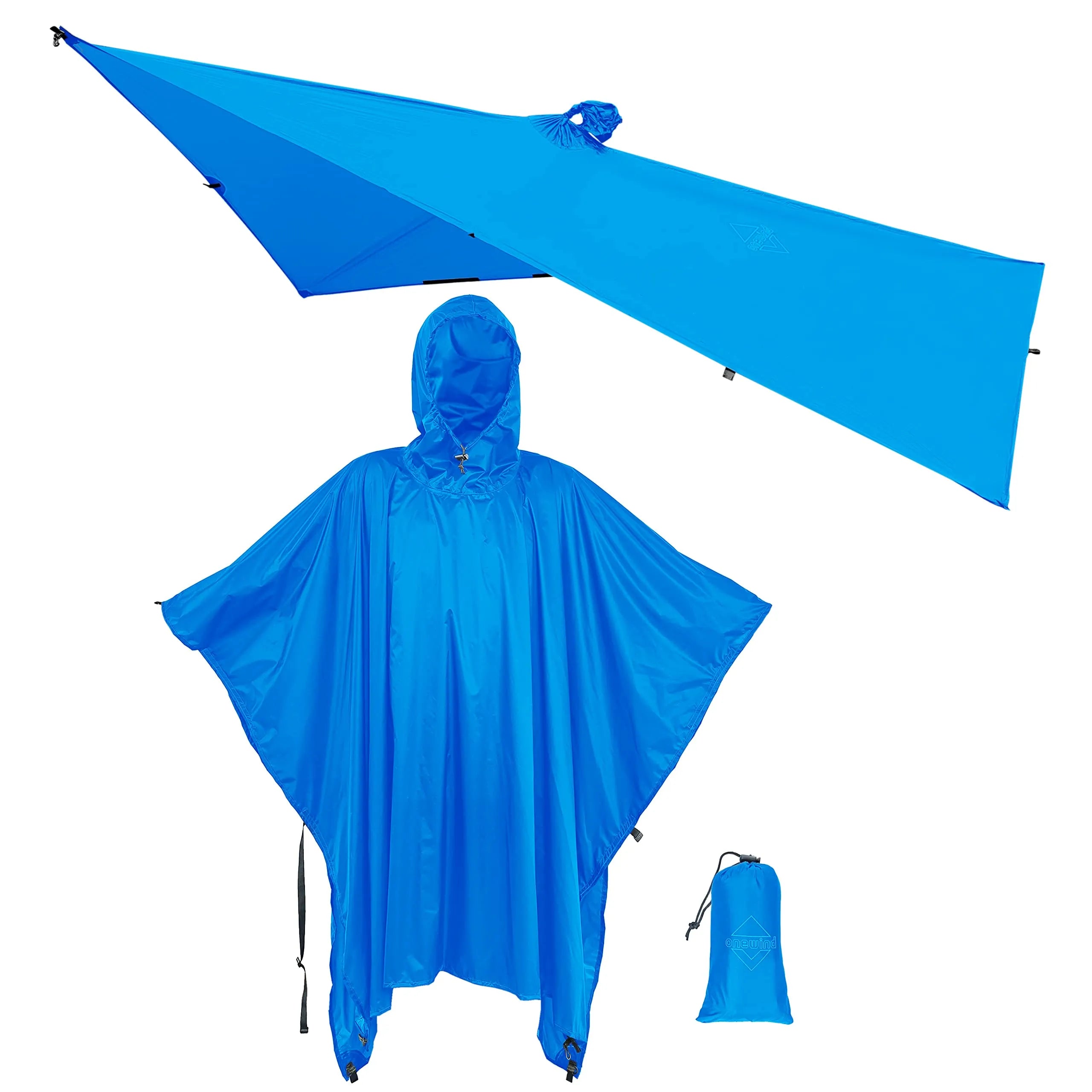
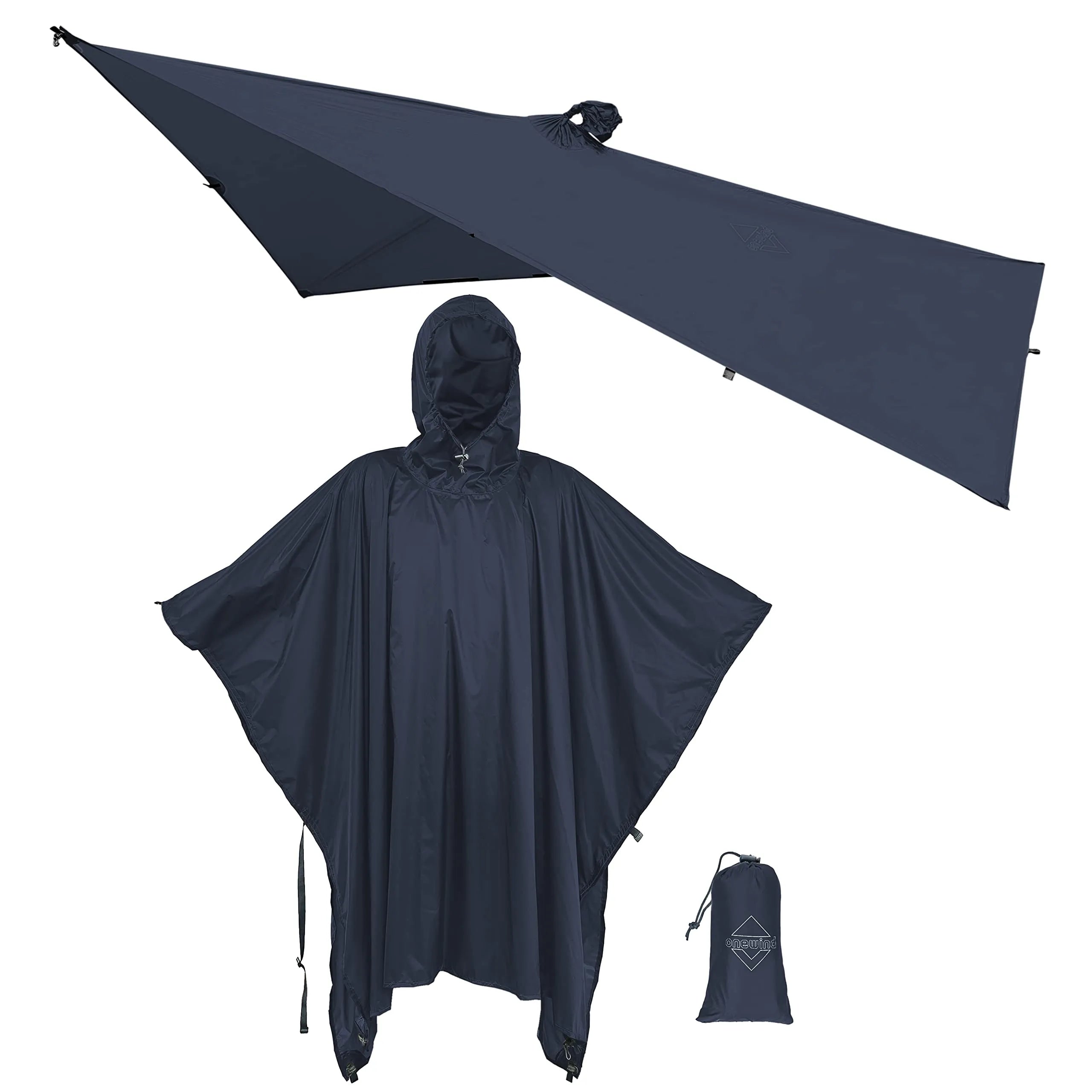
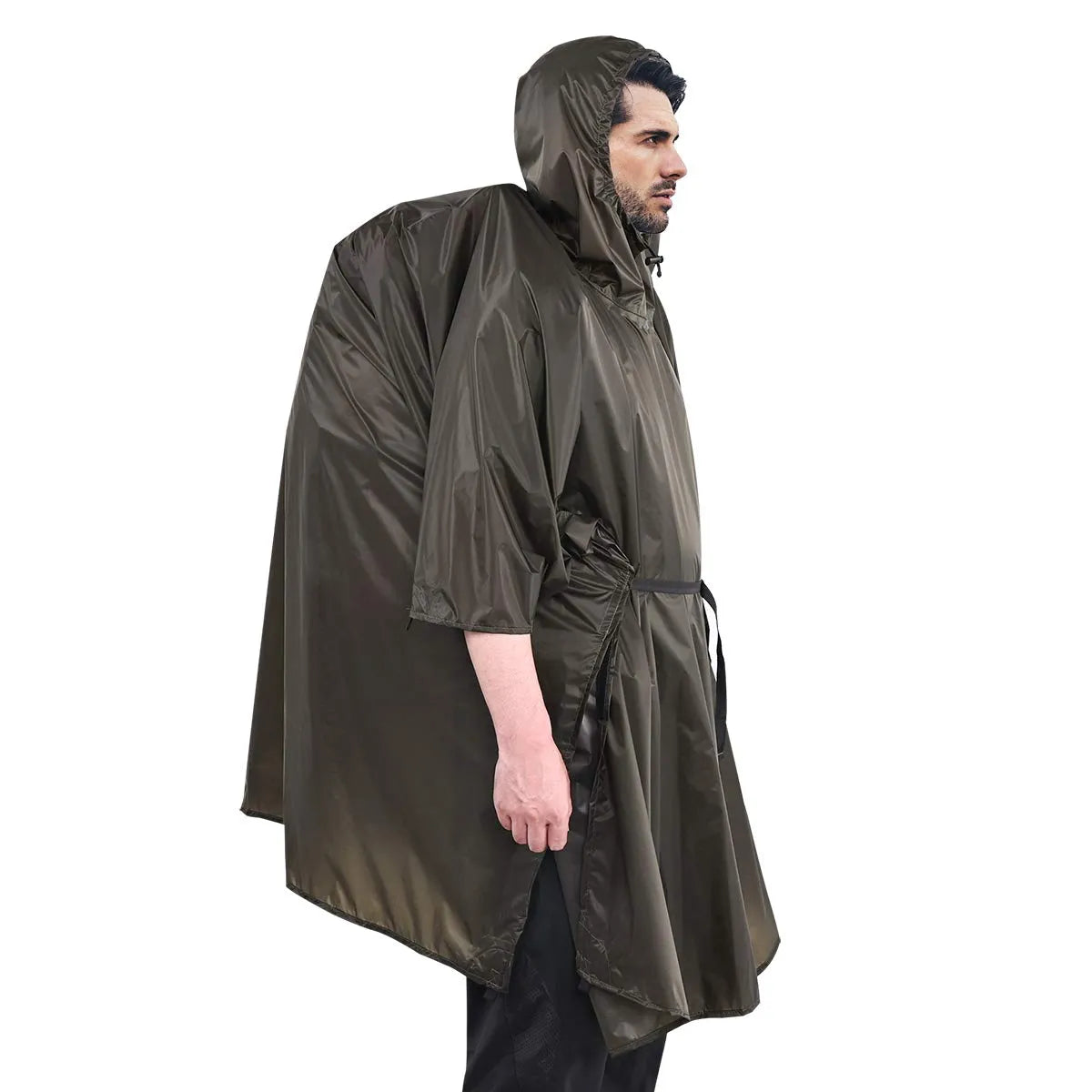
One reason experienced hikers reach for a rain poncho in warm rain is exactly this ventilation problem.
A SectionHiker report notes a poncho covers your pack and body and "seem[s] to breathe better than a full rain jacket," which "wet[s] out where your pack touches."
Eat and drink more often than you would in the sun, because calories are the fuel your body burns for heat, a point both REI and NOLS make directly.
Warm fluids do double duty here, since a hot drink delivers calories and a morale lift at the same time, and one reddit thread on staying comfortable in the rain singled out "hot water bottles, tea and jolly ranchers" as trail-tested warmth tools.
Watch for the earliest warning signs, which both sources call the umbles: mumbling, fumbling, stumbling, and grumbling are the signal to stop, add a layer, and get hot food in you before things get worse.
The gear that does this job well is its own decision, and the full torso and system choices live in the best rain gear for hiking guide, with the jacket-versus-poncho call in the poncho versus rain jacket article.

Choose: warmth over dryness, ventilation over sealing up, and food and movement over standing still and shivering.
Rule 2: Keep One Dry Set Sacred
7 Tips EVERY BACKPACKER Should Know To STAY DRY On Trail
The entire rain system exists to protect one thing: your ability to get warm again at camp.
That protection has two non-negotiable parts, and both are habits more than gear.
The first is a dedicated set of sleep clothes that you never, ever hike in, which Skurka calls a "half-pound investment" that changes everything.
The discipline is brutal but simple: those clothes stay dry in your pack all day, you change into them at camp, and, as Skurka warns, "in the morning, unfortunately you will need to change back into your wet hiking clothes."
A backpacker on r/WildernessBackpacking described the same habit from the field, carrying "the warmest, fluffiest socks possible, only for the sleeping bag," which is as much a morale anchor as a warmth one.
The second part is keeping your insulation and sleep system dry inside the pack, which is the job of a pack liner, not the pack's outer fabric.
A simple trash-compactor bag inside the pack beats a cover that lets water run down your back, and the full pack-protection logic is laid out in the best rain gear for hiking system guide; a pack cover still helps keep the pack fabric from soaking up weight.
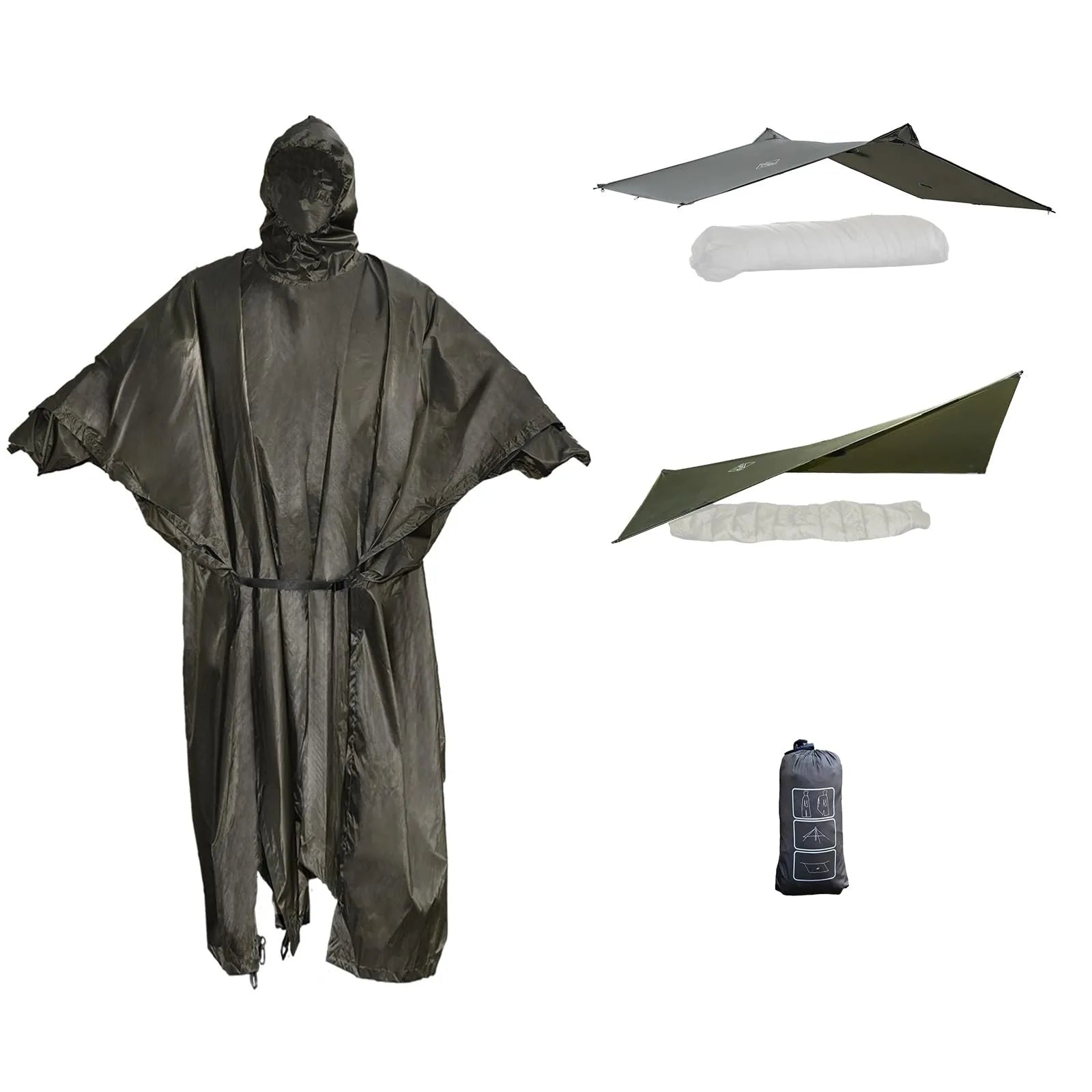
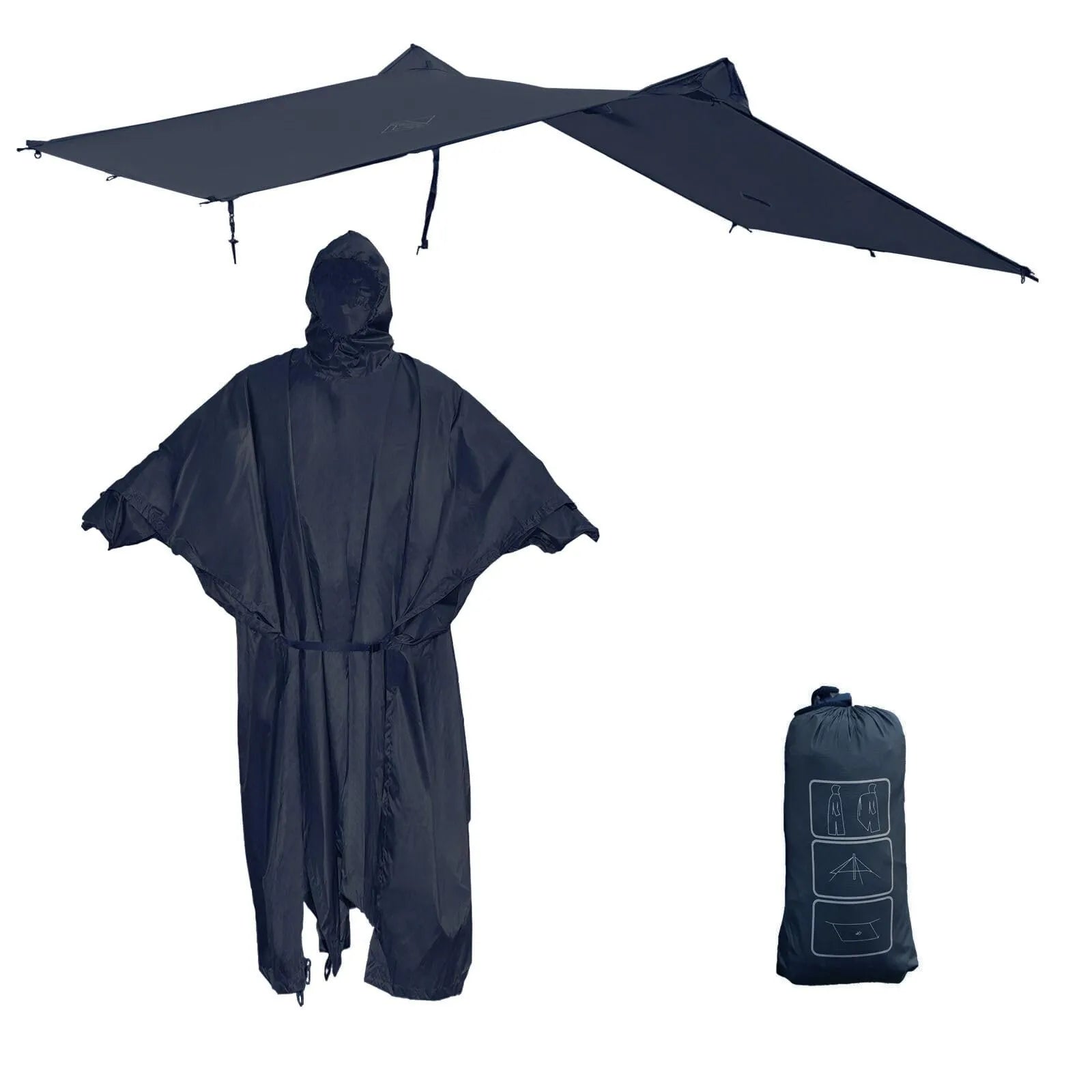
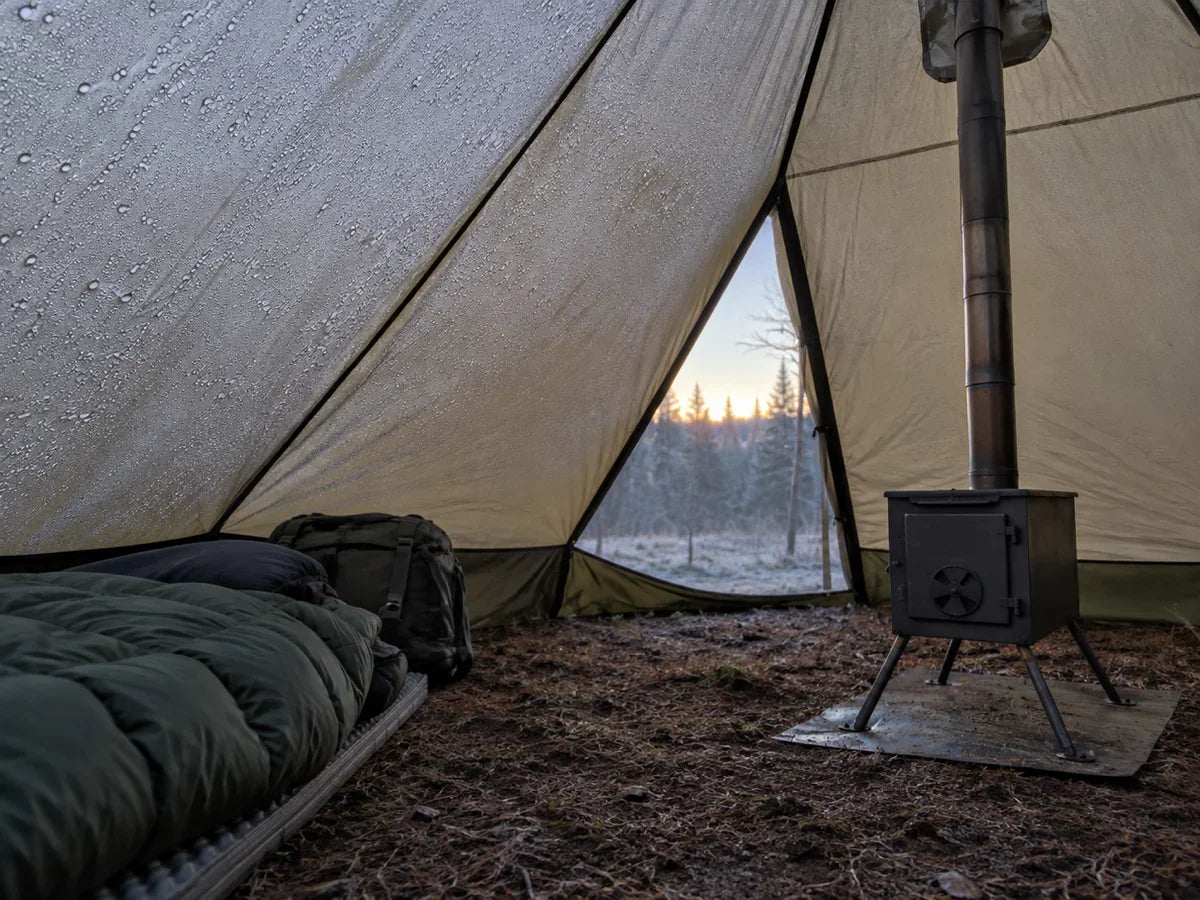
If you can get under cover to change and warm up, so much the better, and a poncho that doubles as a tarp can be that cover, which the poncho shelter guide walks through.

Recommend: treat your dry sleep set and your pack liner as survival gear, not comfort items, and never break the rule that sleep clothes are never hiked in.
Rule 3: Respect What the Rain Rewrites
Rain changes the trail itself, and two of those changes are what actually kill hikers.
The first is moving water.
According to the National Weather Service, "each year, more deaths occur due to flooding than from any other thunderstorm related hazard," and "a mere 6 inches of fast-moving flood water can knock over an adult."
A swollen creek that was an ankle-deep step in the morning can become impassable by afternoon, and a flash flood can arrive, in the words of the Park Service, "within minutes or even seconds" as a "wall of water 12 feet high" from a storm miles away.
The rule from experienced hikers is unambiguous: if a crossing is fast and above the thigh, make camp and try in the morning when snow-fed levels are lowest, and if you must cross, face upstream, angle slightly downstream, and use your poles as a third leg.
The second hazard is lightning.
The Park Service is blunt: "if you hear thunder, you are close enough to be struck," there is "no place outside that is safe during a thunderstorm," and you should wait "at least 30 minutes" after the last thunder before moving again.
Get off ridge tops, open ground, and away from lone trees, and in rain season time any exposed section for the morning before afternoon storms build.
The quieter changes matter too: wet rock and roots turn footing treacherous, and shorter, darker days shrink your safe hiking window, so plan a slower, earlier day and make honest turn-around decisions.

Verdict: no crossing and no summit is worth a drowning or a strike, so when the water or the sky says stop, you stop.
Your Feet: A Timed, Preventable Injury
Wet feet are not just uncomfortable, they are a specific injury on a clock, and you can beat the clock.
Prolonged moisture causes maceration, which Skurka describes as skin that "becomes sore, itchy, and soft, which makes it prone to blistering," and then to painful cracking as it finally dries out.
The prevention has a strict timing window that most people miss.
A wax-based foot balm "must be applied before your feet get wet, ideally hours before," because, as Skurka notes, applying it to already-wet feet gives "very limited" effect.
At camp, dry warm socks give your feet "8-9 hours of recovery time," and at any rest stop longer than 20 minutes you should pull your shoes and air them out.
Do not chase dry feet with waterproof boots, because in sustained rain they fill and hold the water your shoes would have drained; that footwear decision is covered in the rain system guide.
The community shorthand is simple: wool socks are the one thing worth carrying two of, wring and body-dry the spare pair, and you can avoid trench foot "by just drying your feet at night and wearing socks."
Merino is worth the money here, because it keeps some warmth when damp and, in Skurka's words, "is less chilling than polyester" against wet skin.
The whole foot routine is really the same idea as the dry-set rule, applied below the ankle: you cannot keep your feet dry all day, so you protect their ability to recover overnight and at breaks, and you never sleep in the socks you hiked in.

Choose: balm before the rain starts, dry socks reserved for camp, and mid-day airing over pretending your feet will stay dry.
Scenario 1: The Mild Wet Day Hike
You are out for a few hours, it is 45 degrees and drizzling with a light wind, and the trip feels low-stakes.
This is the scenario that catches people, because mild plus wet plus wind is a hypothermia setup that does not look dangerous.
Keep moving to stay warm, eat and drink more often than you would on a sunny day, and leave the cotton hoodie at home.
Vent your shell on the climbs so you do not arrive at the top soaked in your own sweat, and keep a warm layer dry in your pack for the moment you stop.
Watch yourself and your partners for the umbles, because slurred words and clumsy hands are the early warning that you need to stop and warm up now.
I have turned a pleasant drizzle-walk into a shivering slog by under-dressing on the theory that it was "just a day hike," and the fix was food, movement, and a dry layer.
The reason this scenario earns respect is that the danger arrives slowly.
You feel merely uncomfortable right up until you are genuinely cold, and by then your judgment and fine-motor control are already fraying.
A short hike near the car is forgiving.
The same conditions an hour deep on an exposed trail are how mild days become rescue calls, so carry the warm layer even when the map says you are close.
Verdict: go, but treat it as a cold-management day, not a fair-weather one, and carry one warm dry layer you have not sweated into.

Scenario 2: The Cold Multi-Day Trip
Now you are out for several nights, temperatures are dropping, and staying warm is no longer about comfort, it is about getting through each night.
Here the dry-set discipline becomes survival gear.
Your sleep clothes and your insulation ride in a pack liner and never get used during the day, and you accept the misery of pulling on cold wet hiking clothes each morning to keep them that way.
A synthetic sleeping bag, which one r/WildernessBackpacking hiker recommended for exactly these "damp conditions," keeps loft when a down bag would collapse if it got wet.
Use any break in the weather, a patch of sun or a town stop, to reset dry, because a few dry hours buys you the ability to endure the next wet stretch.
If you cannot keep your sleep system and one dry set dry on this trip, that is your signal that the trip is beyond your current setup.
Verdict: the dry-set and pack-liner discipline is non-negotiable, and if you cannot hold it, do not commit to the cold multi-day route.

Scenario 3: The Swollen Stream Crossing
You reach a crossing that was a gentle step on the map, and after a day of rain it is now fast, muddy, and pushing above your knees.
This is the moment the statistics are about, and the decision is not a macho one.
Six inches of moving water can already knock an adult down, and this is well past that.
If the water is fast and above the thigh, the experienced-hiker rule is to make camp and try in the morning, when rain-swollen and snow-fed levels are at their lowest.
If you judge it genuinely safe and must cross, unbuckle your hip belt so you can shed the pack, face upstream, side-step while angling slightly downstream, and plant your poles as a third and fourth leg.
If it feels unsafe as you enter, it is unsafe, and backing out is the skilled choice, not the cowardly one.
Time matters as much as technique here.
A snowmelt-fed river is lowest at dawn and rises through the day, so the same crossing that stops you at 4 p.m. may be an easy step at 6 a.m.
Watch upstream for the flash-flood signs the Park Service names, muddy water, floating debris, and a rising roar, and if you see them, climb, because "even a few feet higher may save your life."
A crossing is one of the few places on a rainy trail where a single bad decision is unrecoverable, which is exactly why the experienced answer is so conservative.
Verdict: turn around or wait; a crossing you are unsure about is one you do not make, and the trail will still be there tomorrow.

Scenario 4: Thunder on an Exposed Ridge
You are climbing toward a high, open ridge when the sky darkens and you hear the first roll of thunder.
The rule here is memorized, not calculated: if you hear thunder, you are close enough to be struck.
Turn around and lose elevation, get off the ridge top and away from lone trees and open boulder fields, and drop into a lower stand of trees if that is your only option.
There is no safe place outside in a thunderstorm, so the goal is simply to be the least attractive target and to wait it out.
Wait at least 30 minutes after the last thunder before you climb back toward the exposed ground, because the storm that seems to have passed can still throw a strike from miles away.
If you are caught fully in the open with nowhere lower to go, spread your group out so a single strike cannot injure everyone.
Crouch low on the balls of your feet rather than lying flat on the ground.
In rain season, when afternoon storms are routine, the real fix is planning, timing any exposed traverse for the morning so you are down before the sky builds.
The pattern across all of Rule 3 is the same: the mountain rewards patience and punishes ego, and the hikers who have long careers are the ones who turned back early and often.
Verdict: descend and wait; a summit is never worth a lightning strike, and the mountain is not going anywhere.

Common Mistakes When Hiking in the Rain
Almost every rain-hiking horror story traces back to one of these, and all three come from chasing dryness instead of managing warmth and risk.

Sealing up and sweat-soaking your layers. Zipping every vent to stay dry just traps your sweat, so you arrive wet from the inside and then chill; dress to run slightly cool and vent on the climbs instead.
Having nothing dry to change into. If everything in your pack is as wet as you are, you have no way to warm up at camp, which is why one dry sleep set and a pack liner are the rules you never break.
Pushing across water or up a ridge you should have skipped. The dangerous decisions in rain are not about comfort, they are about moving water and lightning, and the skilled move is almost always to wait or turn around.
The Quick Decision Checklist
Run this before and during a rainy hike, and let the conditions, not your schedule, make the calls.
The best rain hikers are not the ones who stay driest, they are the ones who stay warm, protect one dry set, and know when to stop.
Learn those, and a rainy forecast stops being a reason to cancel and starts being a trail with fewer people on it.