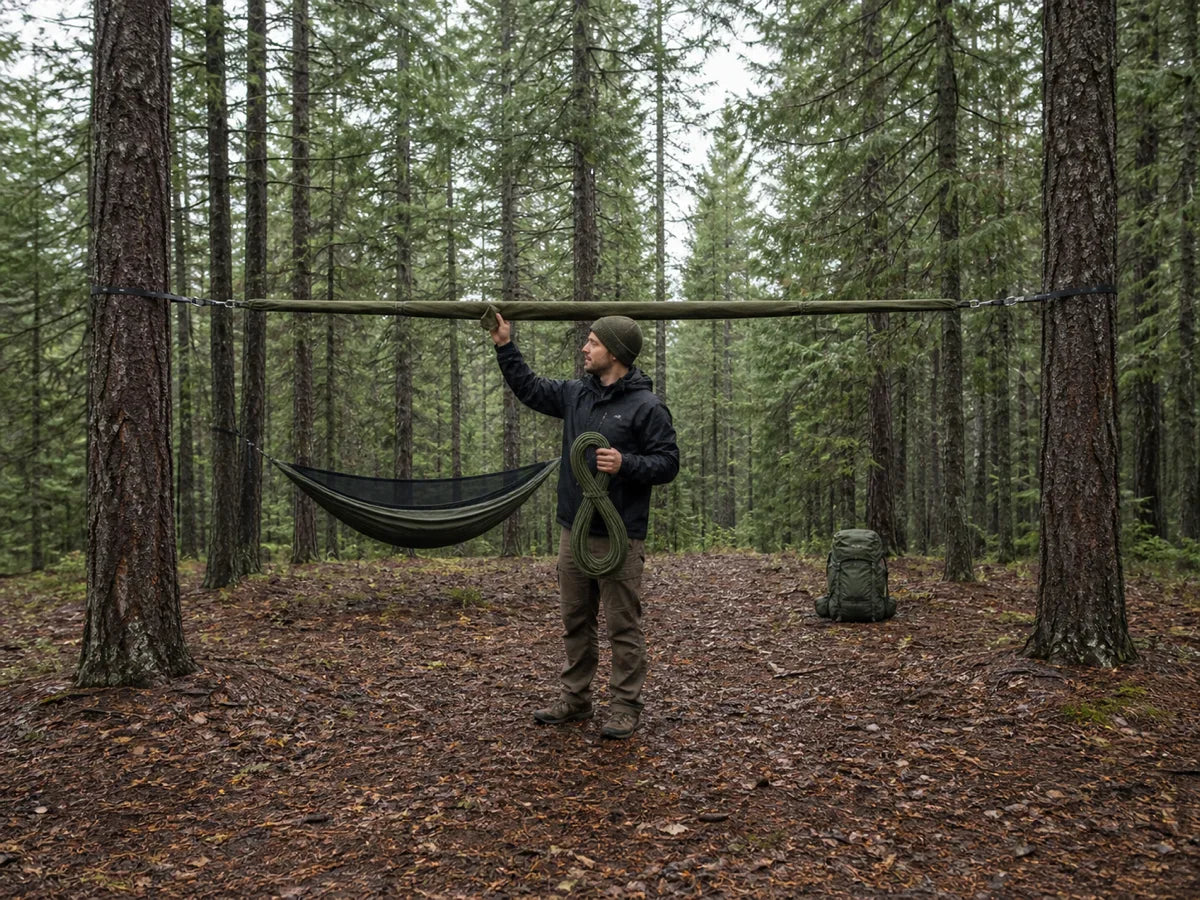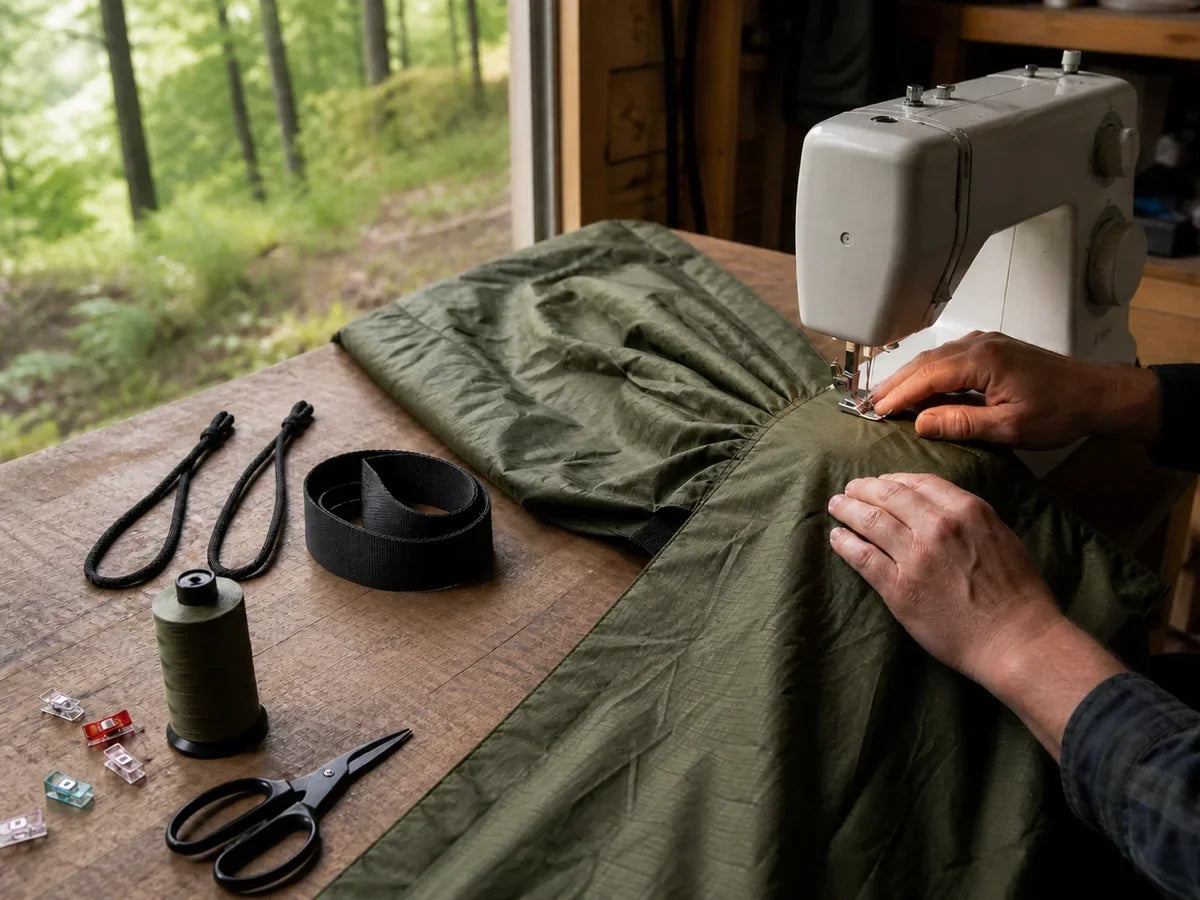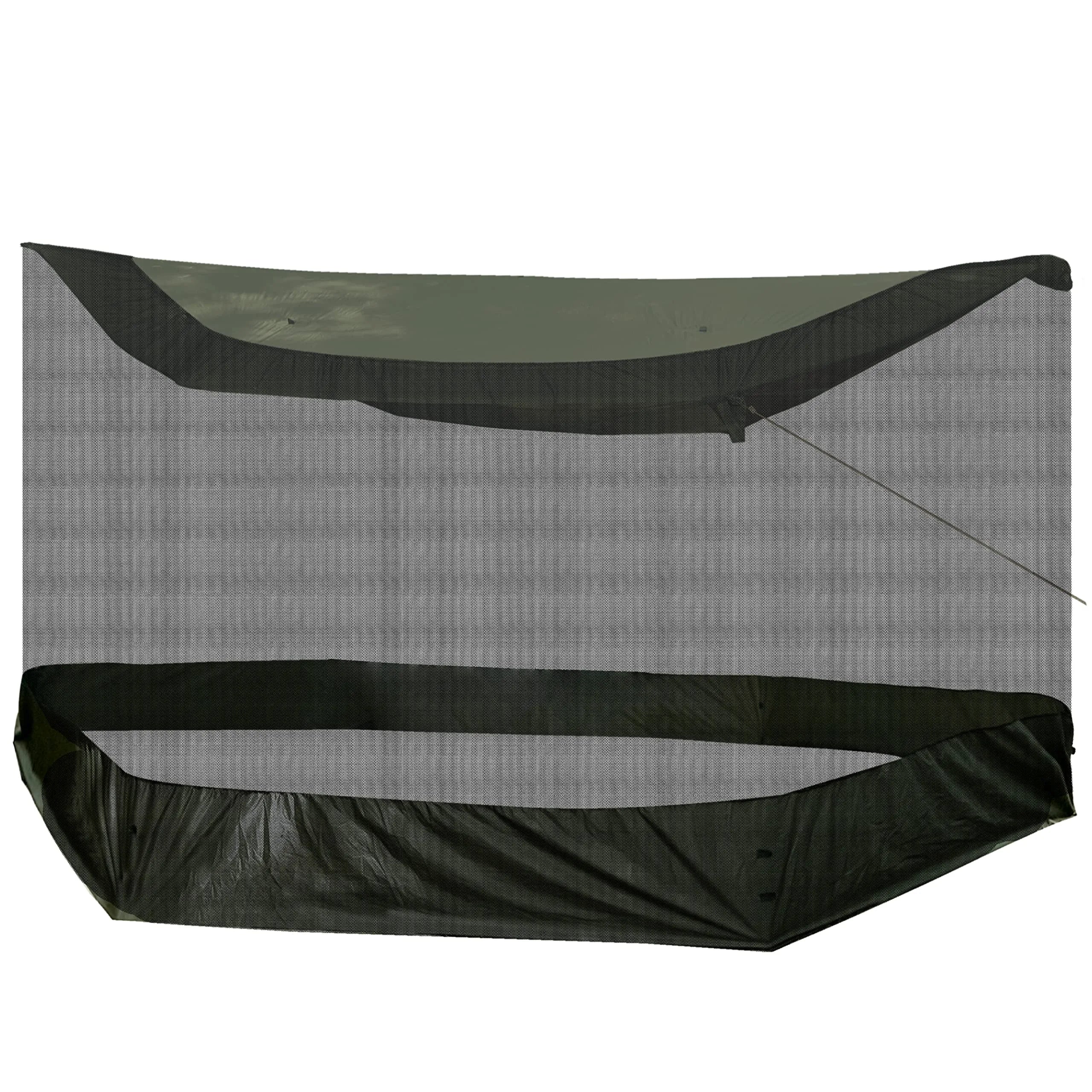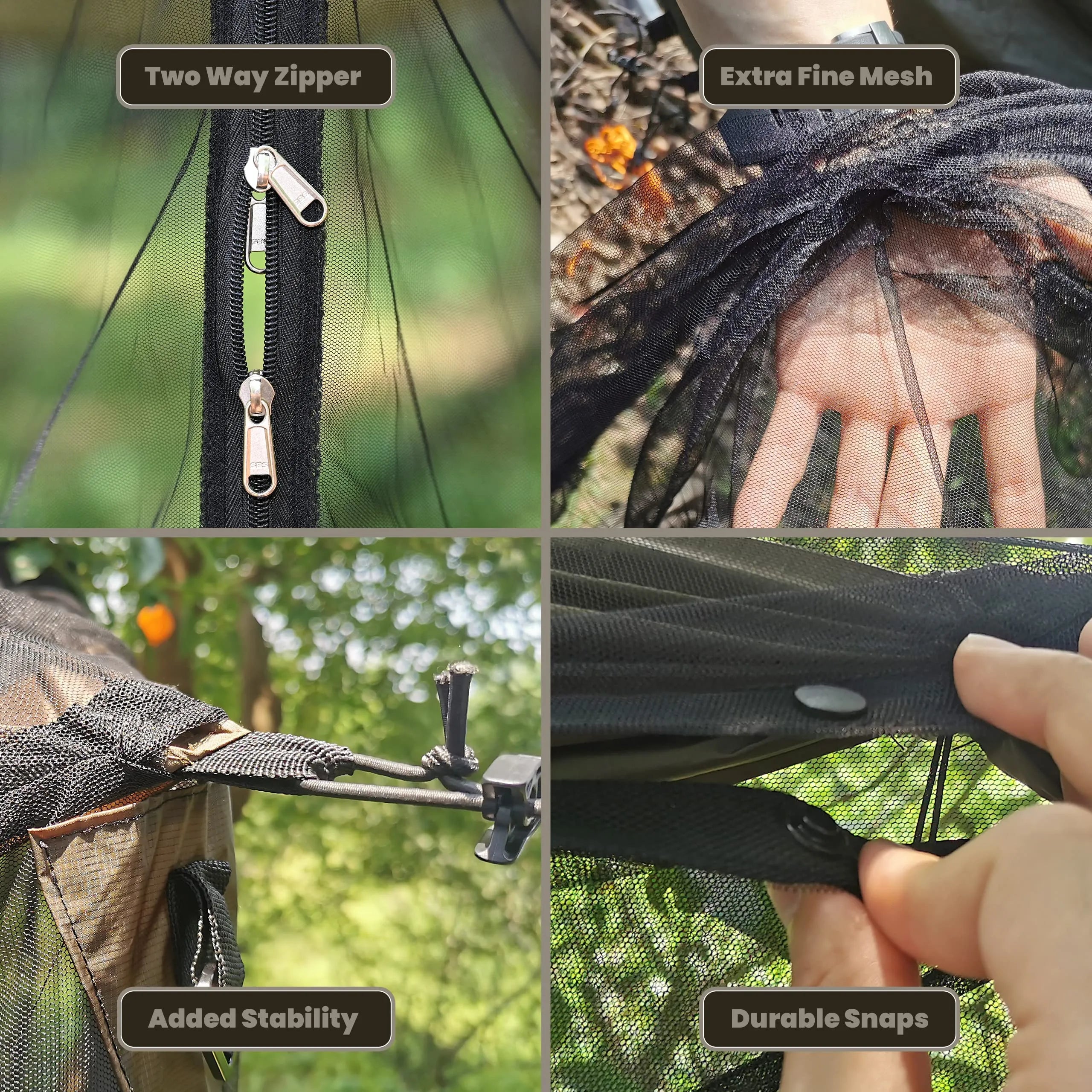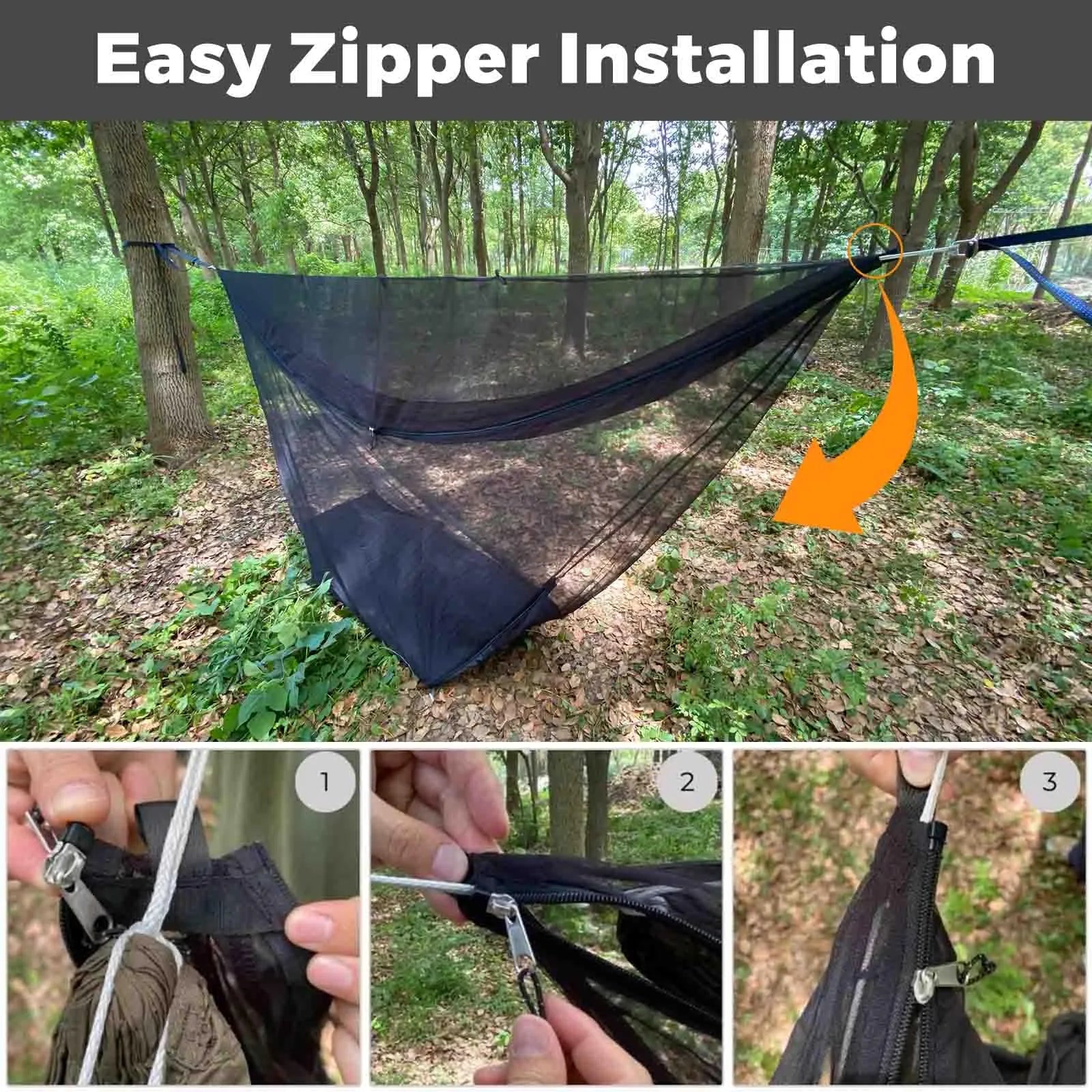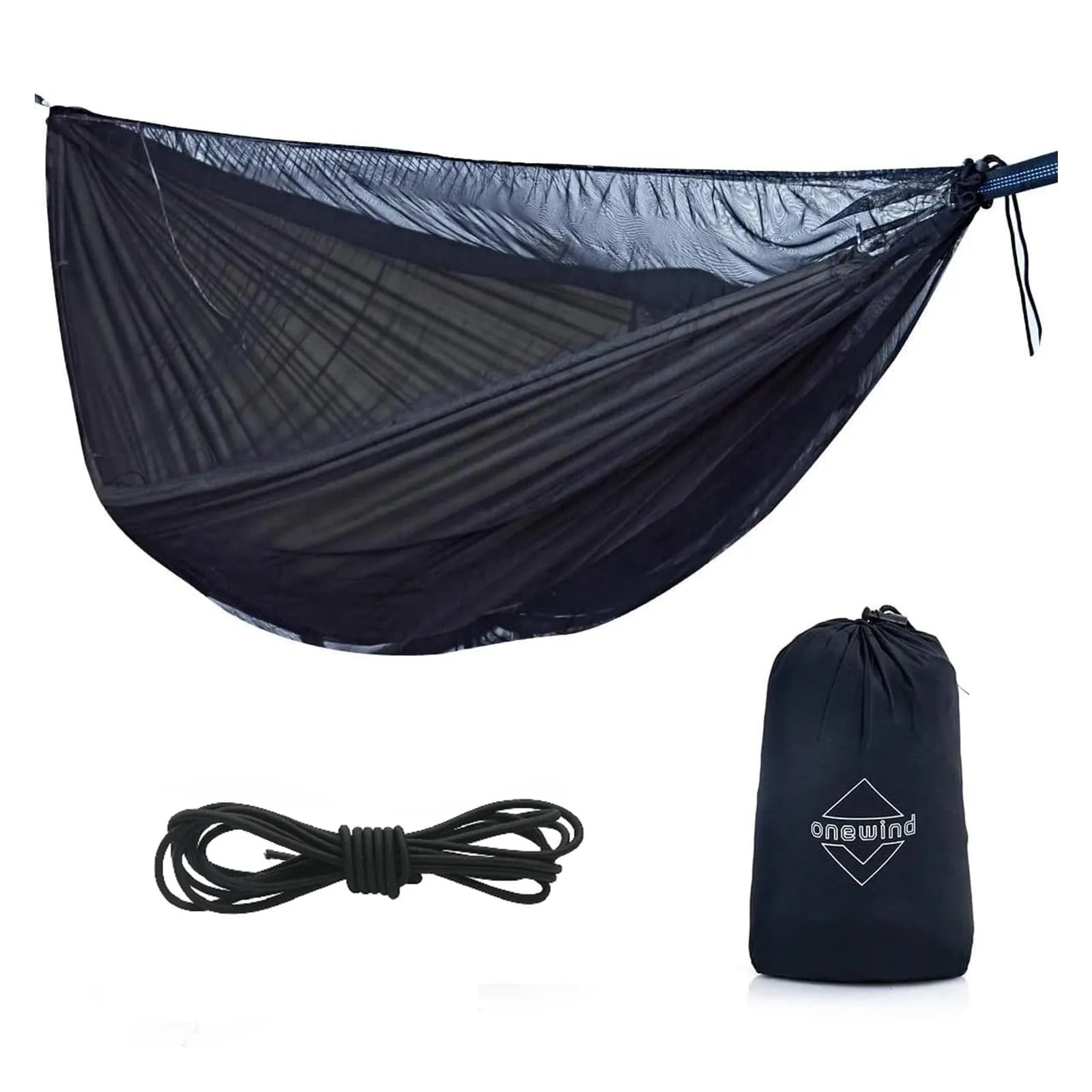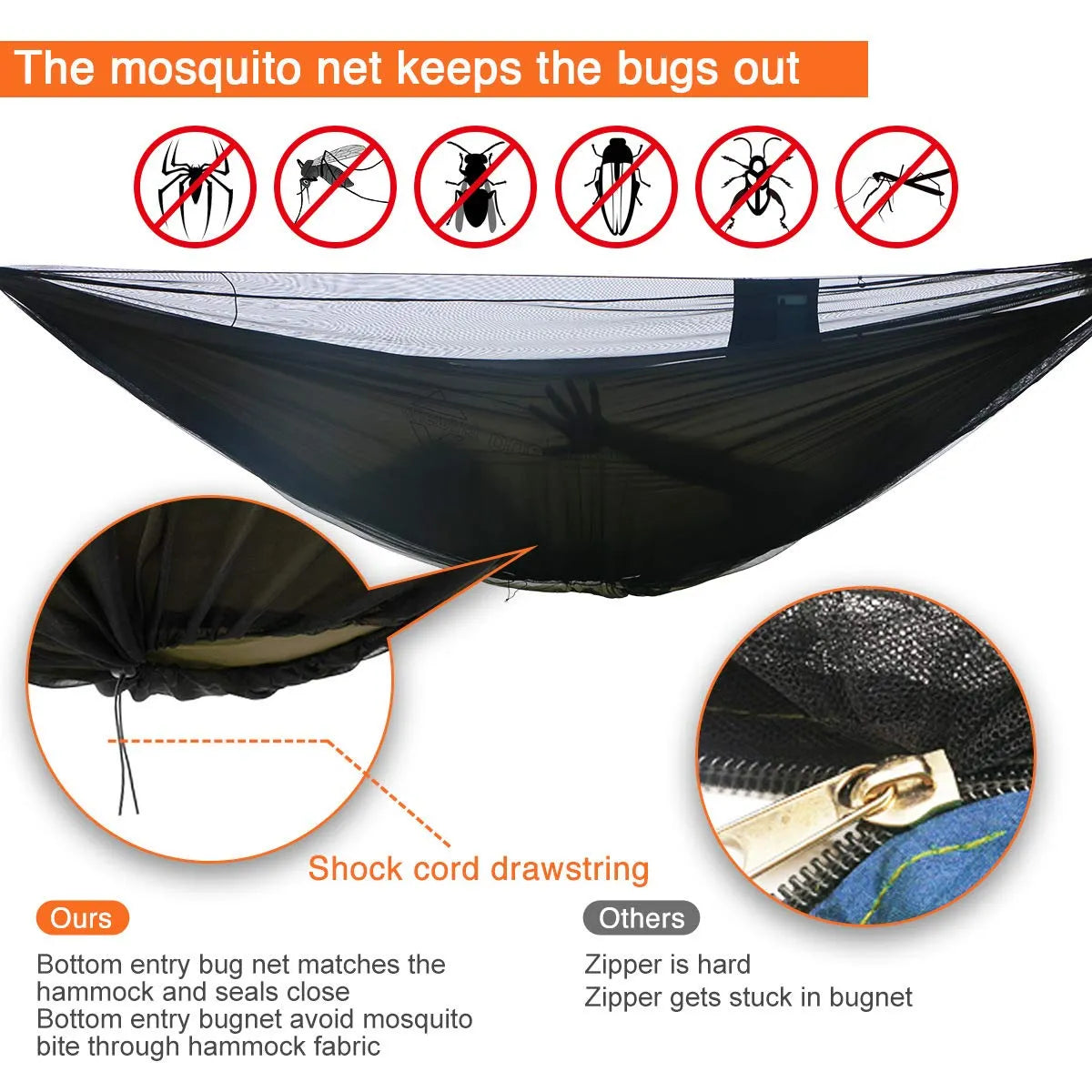

Et insektnet i no-see-um-mesh holder insekter ude helt ned til 0,6 millimeter med over 500 huller pr. kvadrattomme stof.
Standard myggenet har cirka 200 huller pr. kvadrattomme, og alt mindre end en almindelig myg flyver lige igennem.
Efter at have gennemgået seks insektnet-konfigurationer på tværs af hængeture i tre sæsoner i Sydøst, var resultatet konsekvent: no-see-um-mesh stoppede alt, og almindeligt myggenet slog ikke til over for knott, småmyg og no-see-ums.
Hvis du camperer under 4.000 fod mellem april og oktober, i nærheden af stillestående vand eller øst for Mississippi, er et insektnet ikke valgfrit udstyr.
Hvis du udelukkende camperer i koldt vejr, i høj højde eller under tørre ørkenforhold, kan du helt undlade insektnettet og spare 7 til 20 ounces.
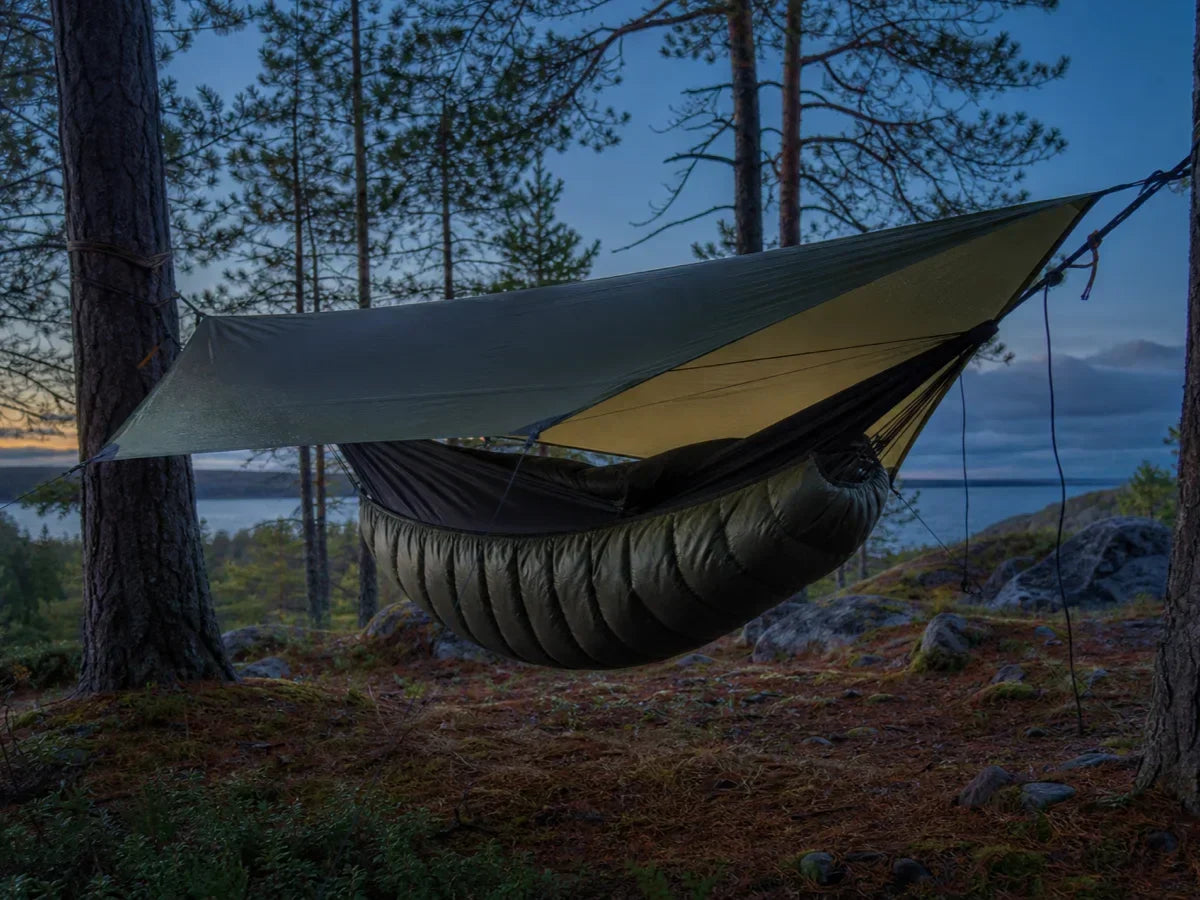
Denne artikel gennemgår præcist, hvornår du har brug for et insektnet, hvilken type der passer til dit eksisterende hængekøje-setup, og hvordan insektnettet integreres med dit tarp, din hængekøje og din underquilt som et komplet beskyttelsessystem.
Hvad du vil lære
Denne artikel gennemgår de tre beslutninger, som de fleste hængekøje-campister springer over, når de køber et myggenet.
Hver anbefaling inkluderer en specifik vægt, maskestørrelse eller prisinterval, så du kan sammenligne med dit nuværende udstyr.
Målet er en klar beslutning, ikke et produktkatalog.
Hurtigt svar
De fleste hængekøje-campister har brug for et myggenet til brug i tre sæsoner, men typen afhænger af dit eksisterende udstyr, og hvordan du camperer.
Det første spørgsmål er ikke “hvilket myggenet skal jeg købe”, men “har jeg overhovedet brug for et”.
Hvis du camperer under trægrænsen mellem april og oktober, er et insektnet standardudstyr.
Hvis din camping udelukkende foregår over trægrænsen eller om vinteren, så brug i stedet pengene på isolering.
Beslutningsrammen
Beslutningen om myggenet har tre dele, og de fleste købsguides springer direkte til del tre.
Beslutning 1: Har du overhovedet brug for et myggenet?
Ikke alle hængekøjerejser kræver insektbeskyttelse.
Højhøjdesturing over 1.220 meter, vinterture under frysepunktet og tørre ørkenforhold giver et minimalt insekttryk.
r/hammockcamping-fællesskabet bekræfter, at insektnet er uundværlige i områder med mange insekter som Midtvesten, det sydøstlige USA og overalt tæt på vand, men valgfrie i kolde, tørre eller højthliggende forhold.
Hvis din camping udelukkende passer i kategorien "ingen insekter", så spring nettet over og spar 7 til 20 ounce i oppakningsvægt.
Beslutning 2: Indbygget eller separat?
Denne beslutning afhænger af én variabel: ejer du allerede en hængekøje, som du gerne vil beholde?
Ifølge Hammock Gear er indbyggede net samlet set lettere, fordi de eliminerer det ekstra netpanel, som eftermonterede net hænger under hængekøjen.
Hammock Forums’ fællesskabets konsensus: Hvis du køber en ny hængekøje, er en integreret løsning lettere og nemmere; hvis du allerede ejer en hængekøje, du har tillid til, bevarer et separat myggenet din investering.
Beslutning 3: Hvilken mesh og hvilken opsætningsstil?
No-see-um-mesh med 500+ huller pr. kvadrattomme er den eneste seriøse mulighed til camping i tre sæsoner.
Mine Open Country-sammenligningsdata viser, at standard myggenet med 200 masker pr. kvadrattomme lader småmyg, knot og sværmere passere frit igennem.
Prisforskellen mellem myggenet og no-see-um-net ligger typisk på 5 til 15 USD.
Opsætningens stil bestemmer balancen mellem vægt og bekvemmelighed.
Reddit-brugere på r/hammockcamping fortæller, at sokke-lignende adgang gør de fleste så frustrerede, at de skifter til modeller med lynlås eller indbygget adgang inden for to til tre ture.
Det samme mønster ses i anmeldelser af udstyr: sokkestil sparer vægt, men gør hvert toiletbesøg midt om natten langsommere.
{% youtube HMRekhqR7UQ %}
Scenarie 1: Budgetbegynder, der spekulerer på, om vedkommende har brug for et insektnet til sin første tur
Du har købt en hængekøje til weekendens bilcamping, og du planlægger din første overnatning i en statspark.
Campingpladsen ligger nær en sø i 800 fods højde i juli.
Bugs vil være aggressive.
Et myggenet er ikke valgfrit til denne tur.
Den billigste løsning er et separat insektnet med lynlås i prisklassen 20 til 40 dollars.
Mine anmeldelser af Open Country nævner Wise Owl SnugNet til 20 ounce og cirka 30 $ som det bedste budgetvalg.
Den bruger no-see-um-mesh, passer til de fleste hængekøjer på 9 til 11 fod og har indgang med lynlås for nem adgang.
Vægten er ikke vigtig til bilcamping, og $30 er en lavrisiko-investering til en testtur.
Køb ikke en indbygget hængekøje til din første tur.
Du ved endnu ikke, om du foretrækker hængekøjscamping frem for teltcamping, og at udskifte en hængekøje til 100 $ for at opgradere myggenettet er spild af penge, hvis du skifter tilbage til et telt efter to weekender.
Efter tre ture, hvis hængekøjecamping bliver en vane, kan du opgradere til en hængekøje med indbygget net som den Onewind 11 fod lynlåscamping-hængekøje og behold det separate net som en reserve.
Konklusion: Køb et separat insektnet med lynlås og no-see-um-mesh for 20 til 40 $. Hold det enkelt i prøveperioden. Opgrader kun til en model med indbygget insektnet, når du har bekræftet, at hængekøjecamping er din foretrukne stil.
Scenarie 2: Nuværende hængekøjeejer, der vælger mellem et separat insektnet og en ny hængekøje med indbygget net
Du ejer en hængekøje på 11 fod, som du har brugt på et dusin ture, og du vil tilføje insektbeskyttelse til sommer.
Beslutningen afhænger af, om din nuværende hængekøje er værd at beholde.
Hvis din hængekøje er mindre end to år gammel, er i god stand, og du kan lide, hvordan den hænger, så køb et separat myggenet.
Et separat net beskytter en hængekøje, som du allerede kender og har tillid til.
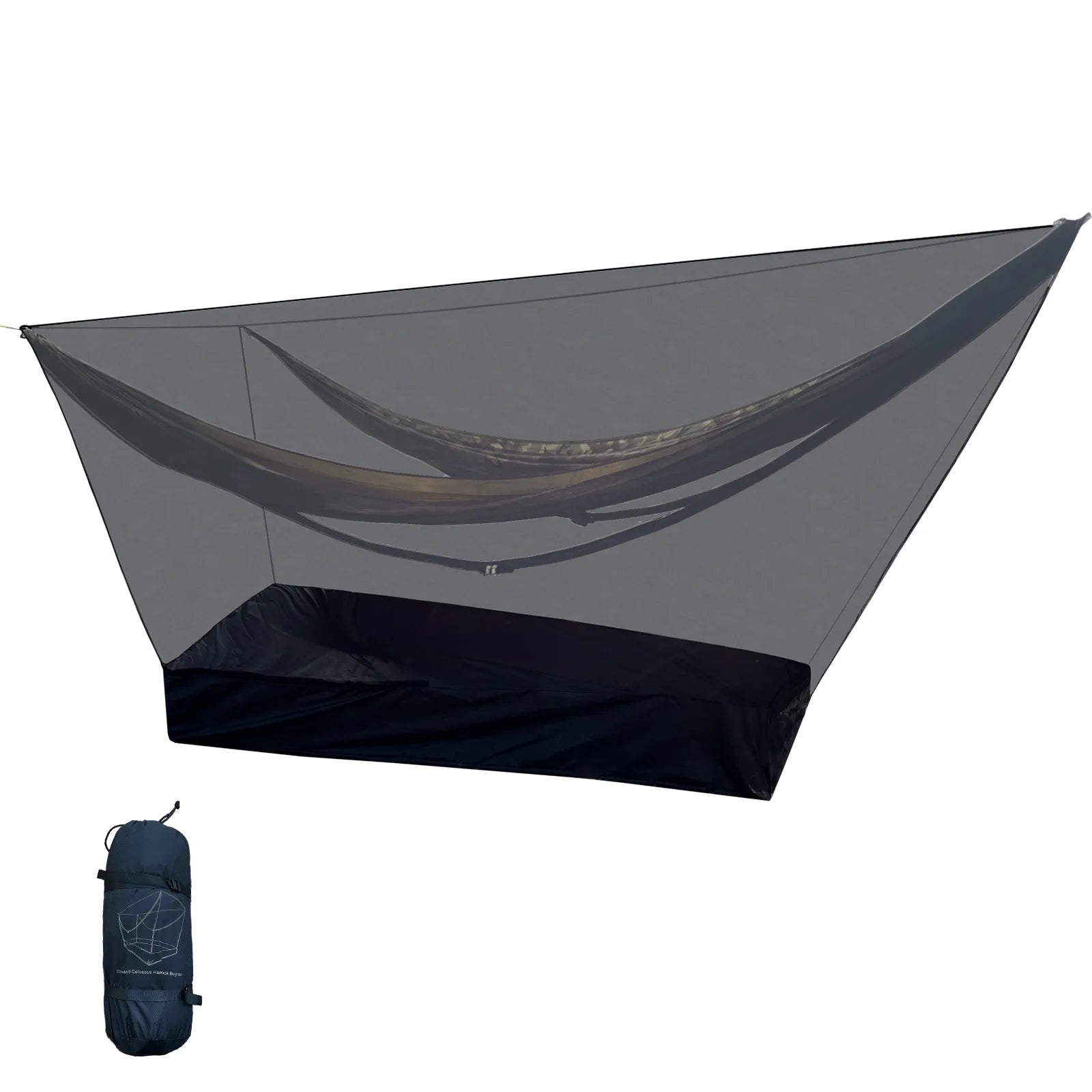
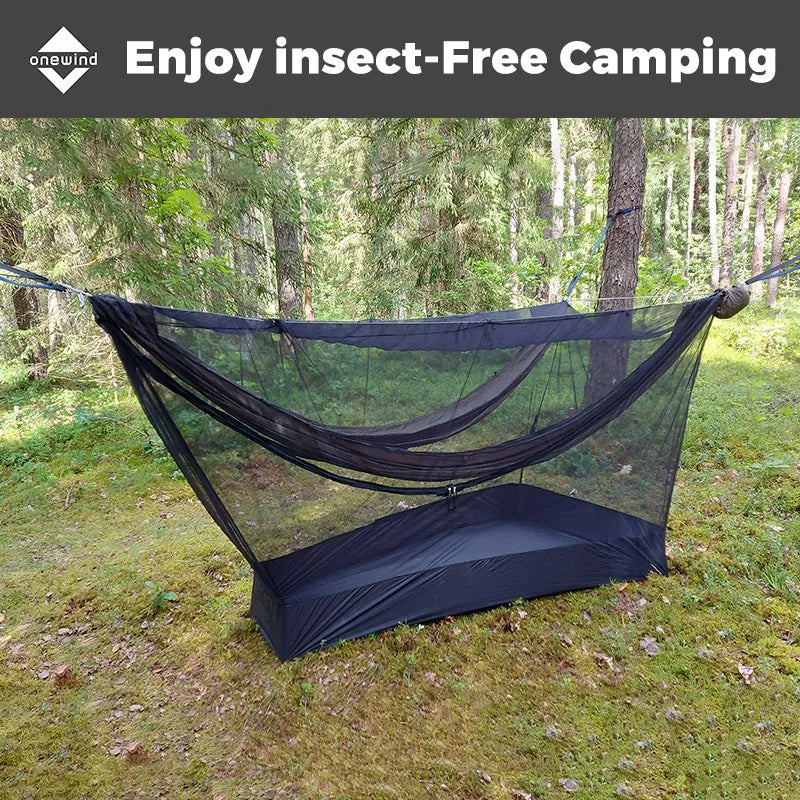
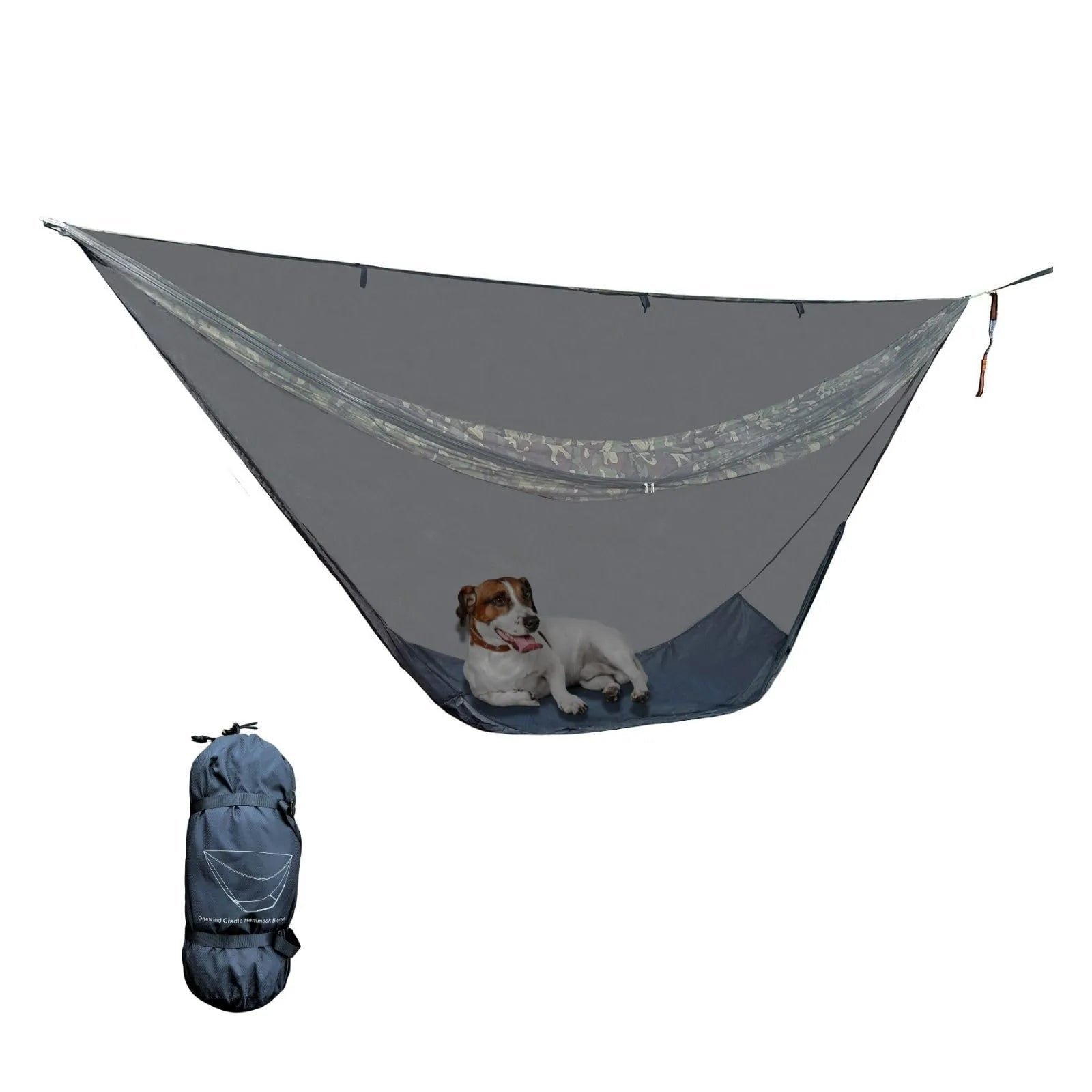
Den Onewind enkelt myggenet fastgøres til din eksisterende ridgeline og passer til standard 11-fods hængekøjer med no-see-um-mesh og indgang med lynlås.
Hvis din hængekøje er slidt op, for kort eller mangler de funktioner, du ønsker, så udskift den med en indbygget model i stedet for at tilføje et net til udstyr, der allerede har passeret sin brugstid.
Hammock Gears guide bekræfter, at indbyggede net sparer 2 til 4 ounce i den samlede systemvægt sammenlignet med separate net, fordi de fjerner det overflødige nederste meshpanel.
Omkostningssammenligningen betyder noget her.
Et separat net koster fra 25 til 60 dollars.
En ny hængekøje med indbygget net koster 80 til 150 dollars.
Hvis din nuværende hængekøje stadig har to eller flere sæsoner tilbage i sig, sparer det separate net dig 50 til 100 dollars sammenlignet med at udskifte hele opsætningen.
Vurdering: Behold din hængekøje, hvis den er i god stand, og tilføj et separat net med lynlås. Udskift kun hængekøjen med en model med indbygget net, hvis du alligevel har brug for en ny hængekøje.
{% youtube 5WFtChrRKmk %}
Scenarie 3: Ultralet rygsæksvandrer, der sammenligner muligheder under 10 oz
Du planlægger en fire-dages delvandring, hvor hvert eneste gram i din basisvægt betyder noget.
Myggenet-kategorien har en vægtforskel på 37 ounce fra lettest til tungest.
Mine Open Country-data viser, at Outdoor Vitals StormLoft med 7,6 ounces er den letteste selvstændige løsning, efterfulgt af ENO Guardian SL med 9 ounces og Kammok Dragonfly med 9,8 ounces.
Alle tre bruger no-see-um-net.
Vægtreduktionen kommer fra sokkelignende eller forenklede indgangsdesigns, som fjerner tung lynlåshardware.
Mine Open Country-holdbarhedsnoter viser, at ENO's lidt tungere konstruktion på 9 ounces giver et mærkbart mere robust net, som bedre modstår, at grene inde i hængekøjen sætter sig fast, end de 7,6 ounces fra Outdoor Vitals.
Afvejningen er reel: det letteste net kræver mere forsigtig håndtering.
For ultralette langdistanceturvandrere er en hængekøje med indbygget insektnet ofte det letteste samlede systems vægt.
Nettet tilføjer 3 til 5 ounce til selve hængekøjen, men eliminerer den separate opbevaringspose, fastgørelsesclipsene og det overflødige bundpanel.
Reddit-fællesskabet r/ultralight anbefaler konsekvent indbyggede modeller til thru-hikers, med den Onewind 11 ft ultralet campinghængekøje nævnt for sit bundindføringsdesign, der holder den samlede systemvægt minimal.
Vurdering: For det letteste selvstændige insektnet er Outdoor Vitals med 7,6 oz eller ENO Guardian SL med 9 oz de bedste valg. For den laveste samlede systemvægt slår en hængekøje med indbygget insektnet ethvert separat net med 2 til 4 ounce.
Scenarie 4: Campist til tre sæsoner, der har brug for beskyttelse fra april til oktober
Du camperer regelmæssigt fra forår til efterår, og insektpresset varierer fra kraftigt i juni til ikke-eksisterende i slutningen af oktober.
Det tre-sæsoners vindue skaber et problem, som købere af enkeltrejser aldrig står over for: du har brug for insektnettet i seks måneder, og det bliver en død vægt i de andre seks.
Et separat, aftageligt insektnet håndterer dette bedre end et indbygget.
Når myggene er flest fra maj til august, kommer nettet op.
Når oktober kommer, og nattemperaturerne falder til under 4 grader, forsvinder insekterne, og nettet bliver i bilen.
En hængekøje med indbygget myggenet kan ikke tilbyde denne fleksibilitet uden at bære vægten af nettet hele året rundt.
Brugere på Hammock Forums bekræfter denne afvejning: indbyggede net er lettere for campister, der kun camperer om sommeren, men campister til tre sæsoner har fordel af muligheden for at lade nettet blive hjemme.
For selve nettet giver en model med lynlås i vægtklassen 12 til 16 ounces en god balance mellem vægt og bekvemmeligheden ved sideindgang på varme nætter, når du ønsker hurtig adgang.
Foxelli XL på 16 ounces passer til dobbelthængekøjer på 12 fod, hvilket giver ekstra plads til de større opsætninger, der er almindelige ved camping i tre sæsoner.
Den Onewind 12 fod insektnet Dækker dobbelte hængekøjer med no-see-um-net og fuld adgang med lynlås til samme anvendelsesområde.
Før hver tur skal du tjekke, om destinationen har aktive insektobservationer på iNaturalist eller opdateringer fra den lokale rangerstation.
Vurdering: Køb et separat insektnet med lynlås og no-see-um-mesh. Lad det blive hjemme på ture, hvor nattemperaturen falder under 40 grader. Et aftageligt net giver dig den bedste vægtstyring gennem hele perioden fra april til oktober.
Almindelige fejl, der ødelægger begynder-ture
Hver fejl på denne liste er en udstyrs- eller opsætningsbeslutning, der blev truffet, før du forlod huset, ikke en fejl i teknikken på campingpladsen.
Mønstret forbinder alle fem: at springe et trin over i beskyttelsessystemet og håbe, at det resterende udstyr kompenserer.
Disse fem fejl står for størstedelen af klagerne om insekter på r/hammockcamping og udendørsfora.
At købe standard myggenet i stedet for no-see-um-net
Standard myggenet stopper almindelige myg, men lader knott, no-see-ums og sværmere trænge igennem de større åbninger.
Min købsguide til Open Country fremhæver nettypen som den enkelt vigtigste specifikation, foran vægt, størrelse og opsætningstype.
Prisforskellen mellem myggenet og no-see-um-net ligger typisk på 5 til 15 $.
At købe det billigere net for at spare 10 $ betyder, at du skal udskifte hele nettet inden for én sæson, når mindre insekter gør det ubrugeligt.
Jeg gennemgik otte produktannoncer på Amazon og REI, og kun tre angav maske-tætheden i titlen eller punktformerne.
Se efter "no-see-um" eller "625+ mesh" i produktbeskrivelsen, før du bestiller.
Hvis opslaget siger "myggenet" uden at angive masketæthed, skal du antage, at det er standardmaske og fortsætte med at kigge.
Efterlader huller i bunden af nettet
Et insektnet, der dækker toppen og siderne, men efterlader en åbning på to tommer i bunden, er funktionelt ubrugeligt.
Myg orienterer sig mod CO2, som du udånder nedad i en hængekøje.
De nærmer sig nedefra, ikke oppefra.
Hammock Gears opsætningsvejledning understreger, at bunden skal være helt lukket, enten ved at stramme en snøre tæt omkring hængekroppen eller ved at stikke nettet ind under din liggeunderlag.
Parked in Paradise's placeringsråd passer: net over hængekøjen, under regnflydugen, stram bunden for at eliminere alle åbninger.
Almindelige feltberetninger på r/hammockcamping beskriver campister, der om morgenen finder 10 til 15 myg inde i netdelen fra en åbning, de aldrig lagde mærke til i mørket.
Løsningen tager 30 sekunder: Træk i snoren, indtil meshmaterialet ligger tæt mod hængekøjestoffet, og inspicér det visuelt nedefra, før du kravler op i den.
At få systemets lagdelingsrækkefølge forkert
Hammock Gears købeguide beskriver den fulde systemintegration: tarp over giver beskyttelse mod regn og vind, og underquilten hænger under hængekøjen uden for insektnettet.
Hvis du sætter insektnettet uden på teltdugen, siver regnen gennem maskerne og samler sig mod hængekøjestoffet.
Hvis du placerer underquiltet inde i insektnettet, presser det maskerne mod hængekøjen og skaber indgangspunkter for insekter ved fastgørelsesclipsene.
Intet øverste SERP-resultat forklarer denne lagdelingsrækkefølge som et klart beslutningsframework, og derfor gør begyndere det forkert ved deres første opsætning.
Husk rækkefølgen én gang: tarp, insektnet, hængekøje, underquilt udefra og ind.
Brug af DEET i nærheden af hængekøjestof
DEET-baserede insektmidler opløser nylon og polyester ved kontakt.
Én enkelt påføring af 30 % DEET-spray kan svække insektnetmaskerne nok til, at de kan revne inden for få timer.
Hammock Gears købsguide advarer udtrykkeligt om, at DEET ødelægger hængekøje- og insektnetstof.
Reddit-fællesskaberne r/ultralight og r/hammockcamping gentager ofte denne advarsel, fordi skaden er permanent og irreversibel.
Brug picaridinspray i en koncentration på 20 % som et direkte hudpåført alternativ til DEET.
Behandl dit tøj og dit myggenet med permethrin i en koncentration på 0,5 % inden turen for langvarig insektafvisning, som ikke skader syntetiske stoffer.
Kombinationen af permethrin-behandlet tøj og picaridin-hudspray giver samme eller bedre beskyttelse end DEET uden nogen risiko for dit udstyr.
At springe myggenet over på "formentlig myggefri" ture
Den mest almindelige fortrydelse i rejseberetninger på r/hammockcamping er at ankomme til en lejrplads nær vand i juni uden et insektnet, fordi "det så ikke insektfyldt ud på parkeringspladsen."
Insekttrykket topper i skumringen, præcis når du er færdig med at slå lejr op.
En campingplads, der ser fin ud kl. 16, kan være fyldt med sværmende myg kl. 19.
Bjergtemperaturer falder 3 til 5 grader pr. 1.000 fod, og insektaktivitet følger temperaturen tæt.
En parkeringsplads ved en vandrerute i 2.000 fods højde er ofte 10 grader varmere end din lejrplads i 4.000 fods højde.
Vægttabet ved at bære et insektnet "bare for en sikkerheds skyld" er 7 til 16 ounce.
Straffen for ikke at have en, når du har brug for den, er ingen søvn.
Hvis der er nogen risiko for insekter på din destination mellem april og oktober, så medbring nettet.
Et kompakt myggenet som det Onewind enkelt myggenet pakkes ned til størrelsen af en vandflaske og vejer under et pund.
Hurtig tjekliste til beslutningstagning
Brug denne tjekliste, før du køber dit næste insektnet.
Beslutningen er enklere, end de fleste udstyrsguides får den til at se ud.
Tjek, om din campingregion og sæson medfører insekter.
Vælg myggenet uden undtagelser.
Vælg mellem integreret og separat baseret på, om du allerede ejer en hængekøje, der er værd at beholde.
Den Onewind 11 fod camping-hængekøje fungerer med alle de separate myggenetsmuligheder, der er beskrevet i denne artikel, og de indbyggede modeller fjerner helt opsætningstrin for campister, der ønsker det enklest mulige system.