
OutdoorGearLabは現在、従来の重量に関する説明だけでは不十分なカテゴリーにおいて、ビビィサックと超軽量テントの両方を比較しています。
私は、ビヴィとテントのどちらを選ぶかを、実際に旅を台無しにする問題と照らし合わせて比較しました。つまり、濡れた断熱材、装備を置く場所がないこと、設営場所に合わないシェルター、悪天候の中で張るのに時間がかかりすぎるシェルター、そして1泊目は問題なくても3泊目にはつらく感じる寝床です。
後悔の少ない選択が、必ずしもより広いテントとは限りません。
より後悔の少ない選択は、その旅の失敗の仕方に合ったシェルターです。
穏やかな気候での短いソロトリップでは、ビビィまたはビビィテントが、小さく収納でき、必要な設置面積が少なく、体長分の寝るスペースがあればほぼどこでも泊まれるため、優れた選択肢になります。
持続的な雨、共有するシェルター、大量の虫、または布の下で何時間も待つ可能性のある旅では、通常、テントのほうがより安全な余裕を確保できます。
学べること
ビビーが、テントと重量がほとんど変わらない場合でも、より賢いシェルターになり得る理由がわかるはずです。
同じビビィが、どのような場合に危険な選択になるかもご理解いただけます。
私はビビィサック、ビビィテント、そしてタープ+ビビィシステムを別々に扱います。なぜなら、それぞれ異なる問題を解決するからです。
比較には、製品ラベルだけでなく、現場の条件を使用します。
最終的には、天気予報、設営場所の種類、持っていく装備、自分の快適性の許容範囲を見て、迷わず選べるようになるはずです。
簡単な回答
ビビィは、シェルターに小ささ、素早さ、設営場所の柔軟性が求められるときに最適です。
テントは、シェルターを小さな居住空間にする必要があるときに真価を発揮します。
その誤りは、比較を「ビビィは軽量、テントは快適」と捉えていることです。
現代の超軽量テントは十分に軽量化が進んでいるため、私はまず旅の課題から考え始めます。
夜が失敗する原因は何かを尋ねる。
答えが「平らなテント用敷地が見つからない」なら、ビビィの出番が増えます。
答えが「私のキルトが3晩連続で湿るかもしれない」であれば、テントはより強くなります。
意思決定フレームワーク
ビビィ対タープ対ウルトラライトテント(実際に使えるのはどれ?)
私は旅行日数から始めます。なぜなら、不快感は時間とともに増していくからです。
金曜の夜には効率的に感じる細いシェルターも、雨が2日続くと濡れた袖のように感じることがあります。
OutdoorGearLabのビビィの評価によると、天候からの保護性能と快適性は、単純なシェルタータイプのスコアではなく、別々に評価する必要があります。
私は天候を2番目の条件として使っています。
ビビーは、寝袋、マット、そして呼吸するための空間をシェルターの壁の近くに配置します。
それは通気性とタープの計画と相性が良いです。
また、結露を睡眠用断熱材に対する直接的な脅威に変えることもあります。
サイトサイズは3番目の関門です。
テントには、床、ペグ、出入り口、そして多くの場合は前室へのアクセスのために、十分に平らな地面が必要です。
ビビィには、体長分のパッチと、出入りするための少しのスペースだけが必要です。
それは、森林の落ち葉層、バイクパッキングの休憩地点、岩場、そして小さな平らな場所がひとつしか確保できないような場所で重要です。
重量だけがすべてではない:ビヴィ対テントの物語
古い議論では、ビビィはより軽いとされていました。
それは依然として当てはまる可能性がありますが、最初の絞り込み条件としては十分に信頼できません。
最新のウルトラライトテント比較データでは、いくつかのウルトラライトテントがトレイル重量で非常に近い競争を繰り広げていることが示されています。
ビビーの利点は、むしろ収納時の体積、設置面積、そして設営の速さにあります。
収納時の容積を重視しています。というのも、少し重くても自転車のフレームバッグを丸ごと飲み込むシェルターは、実際の旅ではかえって不便になることがあるからです。
バイクパッカーは、バックパッカーよりもその問題を早く感じます。
テントポールセットは、小さなフレームでは扱いにくい場合があります。
コンパクトなビビィまたはビビィテントは、テント一式では収納システムの中で収まりにくいスペースにも収めることができます。
それでも、ビビーシェルだけを数えるのはズルです。
入口やギアを雨から守るためにタープが必要な場合は、タープを含めてください。
低い耐候性のテントを張るために追加のペグが必要な場合は、ペグの本数を数えてください。
結露が現実的なリスクであるため、より大きなドライバッグが必要な場合は、それも考慮してください。
ビビィがより優れている点
ビヴィは、夜のほとんどを眠ることに費やす場合に最適です。
ラウンジ、着替え室、またはギア用ガレージを装っていません。
その制限こそが、適切な旅程では非常にうまく機能する理由です。
私は、到着が遅くなったときのためのビビーの考え方が気に入っています。なぜなら、一日の終わりに下す判断の数を減らせるからです。
安全な寝場所を一つ見つけてください。
断熱材を乾いた状態に保ってください。
シェルターを換気してください。
睡眠。
それは、天候が協力してくれるときのシステム全体です。
ビビィは、マイクロサイトへのアクセスも提供します。
根、岩、下草の間にある小さな保護されたスペースを使えば、テントの床が斜面に張り出したり、植生に引っかかったりするのを避けられます。
それは、脆い地面の上で寝るべきだという意味ではありません。
つまり、このシェルターは、あまり組み替えなくても、耐久性のある小さなスペースに収まるということです。
テントがより優れている点
キャンプが旅の一部になると、テントはより丈夫になります。
雨はシェルターの役割を変えます。
虫も、寒い朝も、濡れた靴下も、長い夜も、そして共同の決断もです。
テント内では、濡れたアイテムは寝具に触れないように、前室や管理された隅に置くことができます。
中で座ったままシェルターを立て直すことができます。
悪天候でも、狭いシェルの中で横になったまま待つ必要はありません。
それらの機能は、装備の一覧表では快適性を高める追加要素に見えるかもしれません。
3日目の夜には、彼らはリスク管理になる。
初心者の初めての雨天時の旅行には、より余裕のあるシェルターを選びます。
初心者でも入ることができ、ドアを閉め、ギアを整理し、あらゆる動作で壁に触れることなく学べます。
その学習の余裕は、最初の多くの旅行で十分に価値があります。
結露こそが本当のビヴィリスクです
結露は単なる厄介なものではありません。
狭いシェルターでは断熱材により早く到達するため、これが主な故障モードです。
Redditのウルトラライトに関する議論では、いつも同じ論点に戻ります。ビビィの小さな設置面積を気に入るユーザーもいれば、湿気が入り込むとテントのほうが結局はシンプルだと感じるユーザーもいます。
そのユーザーレポートは、どちらも正しい可能性があります。
違いは旅にあります。
短い晴天の行程は、湿ったビビィに回復の余地を与えます。
長時間の濡れた旅では、その空間はなくなります。
1泊目にキルトが湿ってそのまま乾かなければ、シェルターの選択ですでに暖かさを失っています。
私は、正確な換気とタープの設営をすでに試していない限り、雨の多い複数泊のルートでビビィを主要なシェルターとして使うことはありません。
多くのキャンパーにとって、タープ+ビビィは、雨天時により優れたビビィシステムです。
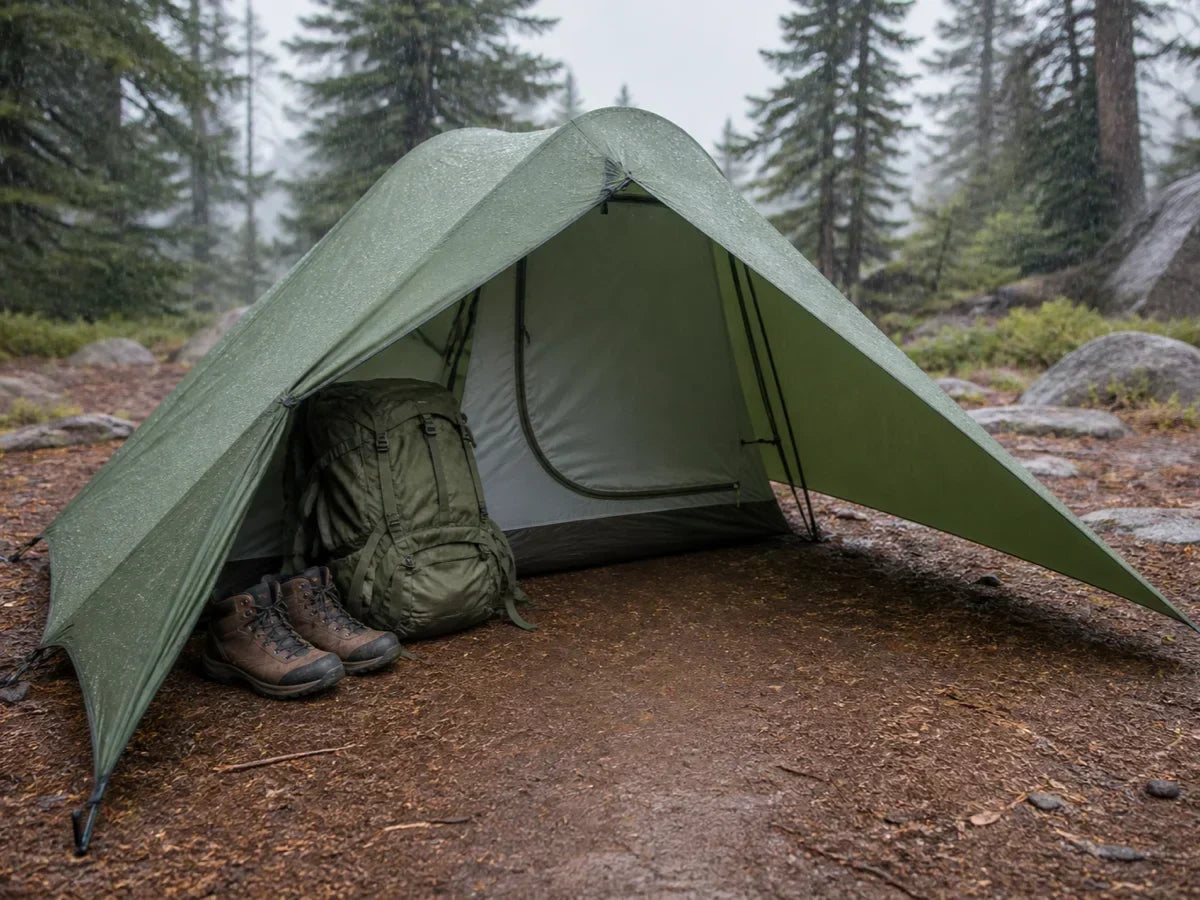
タープは、出入口、ギア、そして調理に近いシェルターのニーズに対応します。
ビビーは地面からの保護、虫の侵入防止、就寝時の包み込みを担います。
ビビー テント ハイブリッドはカテゴリの中間に位置する
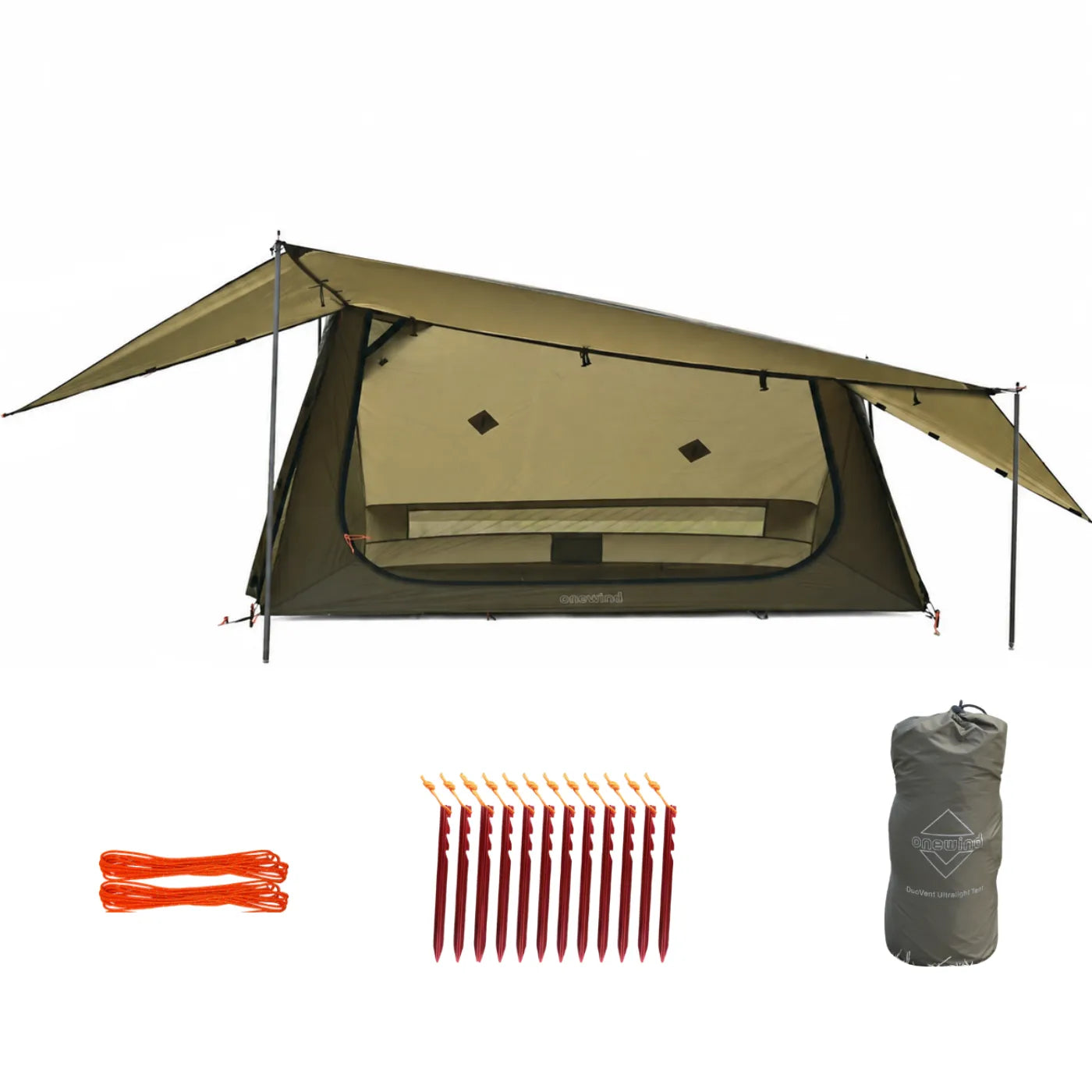
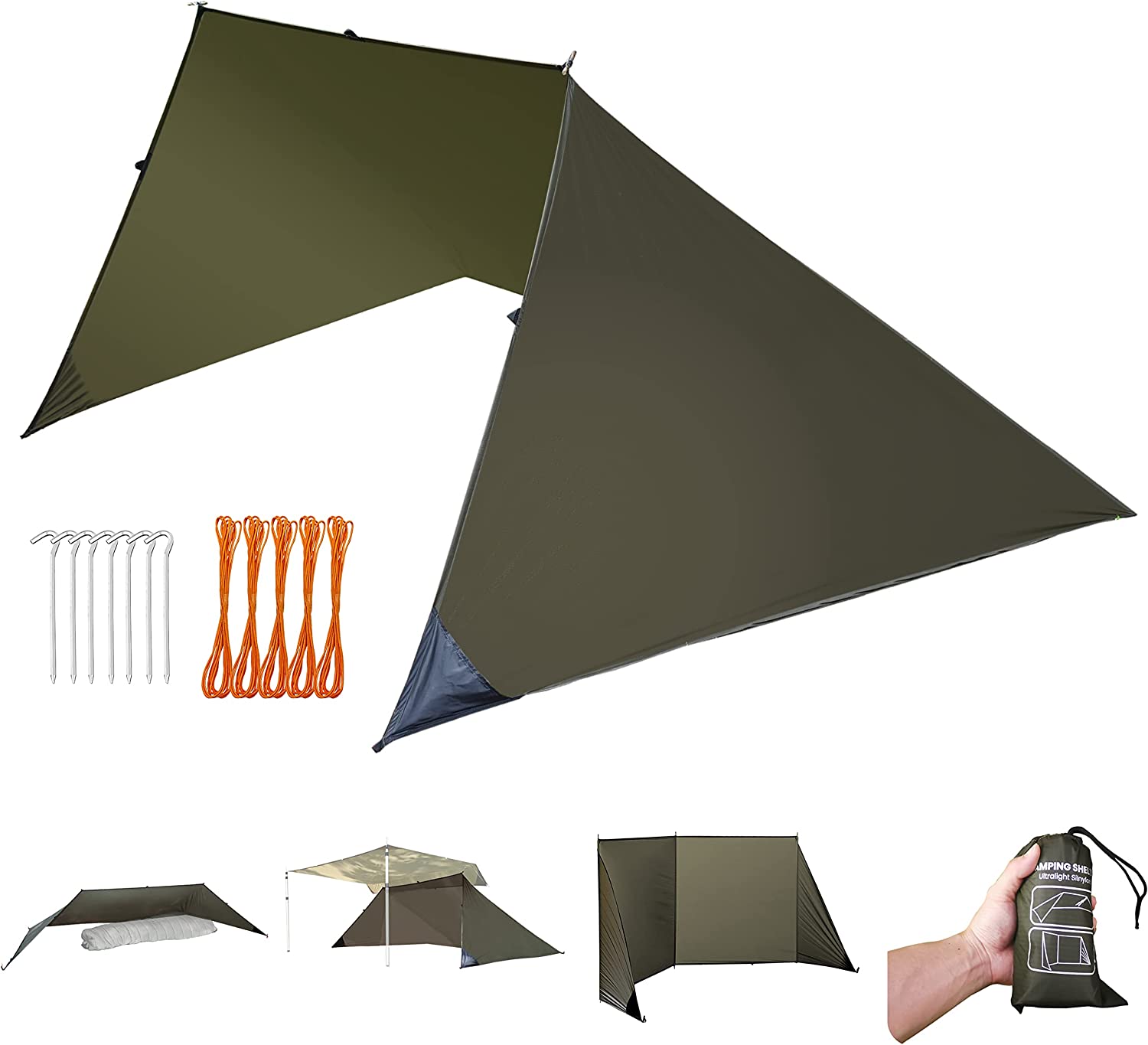
ザ・ Onewind 超軽量 SoloVent ビビィテント 平らな非常用バッグではないため、議論する価値があります。
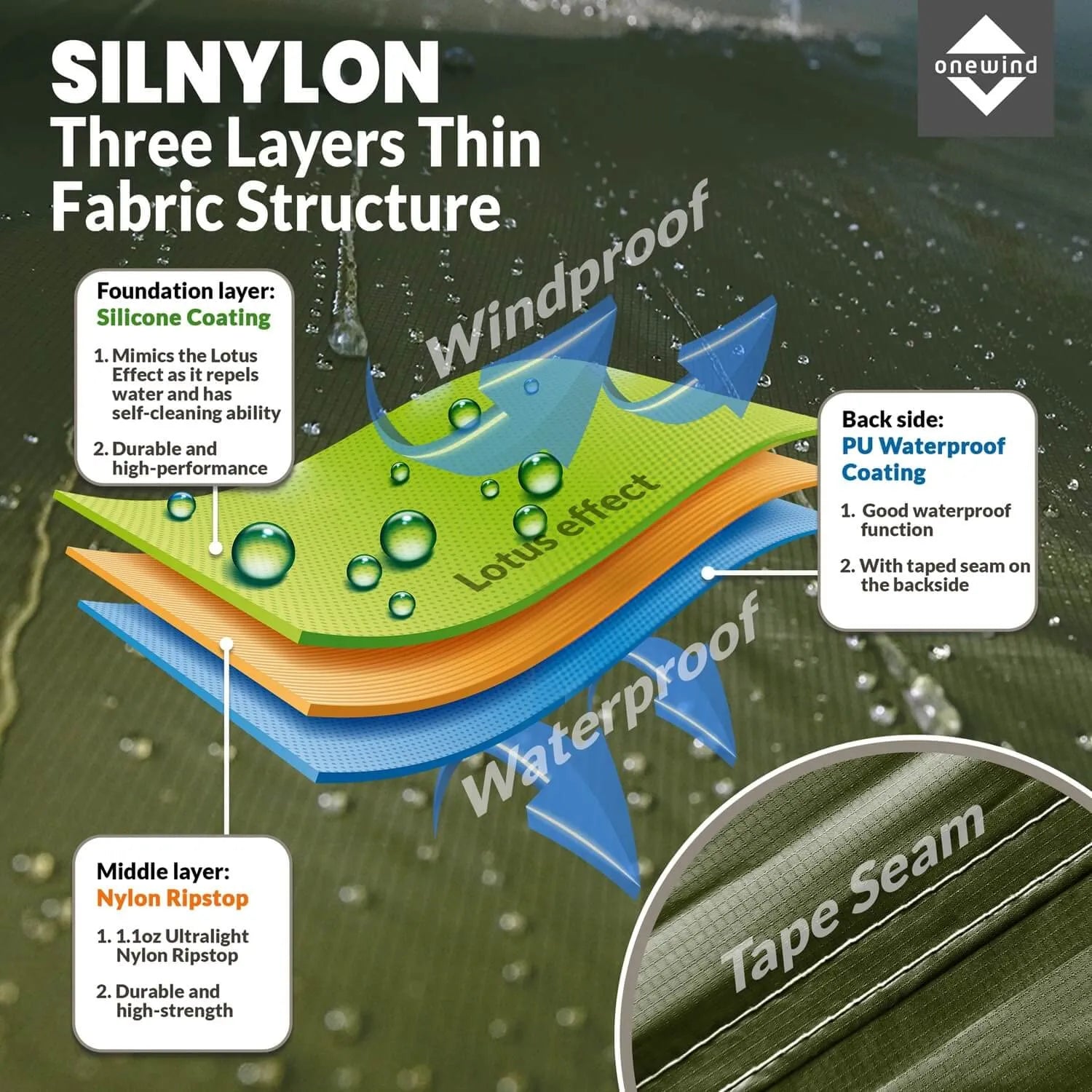
ライブ商品ハンドル付きのビビィテントで、ODグリーンのバリエーション、シルナイロンシェルターの配置、メッシュと通気の画像があり、139.90ドルの価格が表示されています。
Onewindの製品データには1100gのバリエーションの重量項目も記載されているため、これを純粋に軽量化を追求したビビィとは位置づけません。
標準的なテントよりも低く、小さく、よりコンパクトな設営を求めるキャンパー向けのソロシェルターとして位置づけます。
その違いは重要です。
ビビィテントは、構造、メッシュ、よりゆとりのある呼吸スペースを追加することで、いくつかのサックの問題を軽減できます。
雨の日の午後に過ごせるような前室は作れません。
また、予報が雨のときにタープの覆い方を考える必要がなくなるわけではありません。
最小の、睡眠を最優先にしたソロシェルターを求めるなら、これを検討する価値があります。
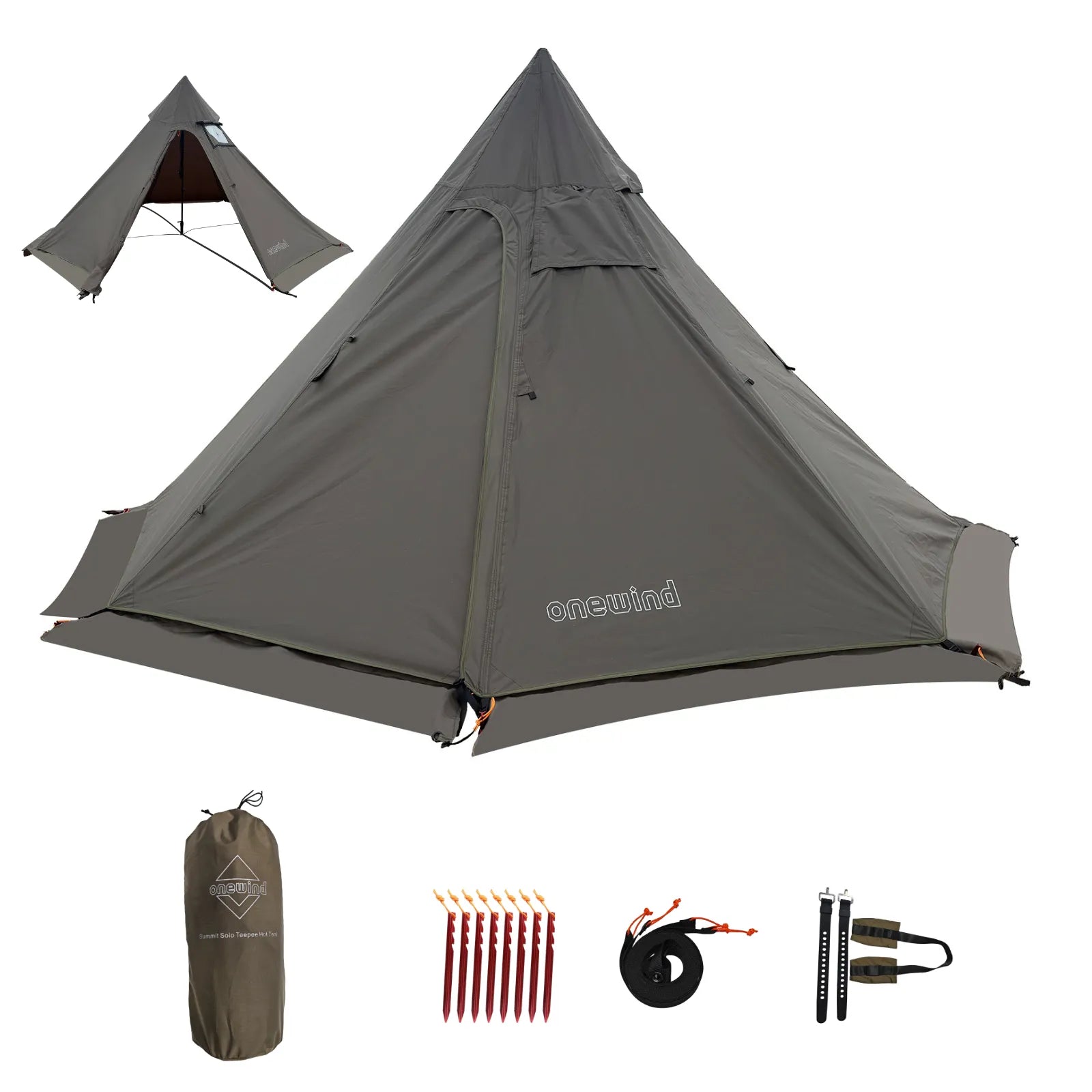
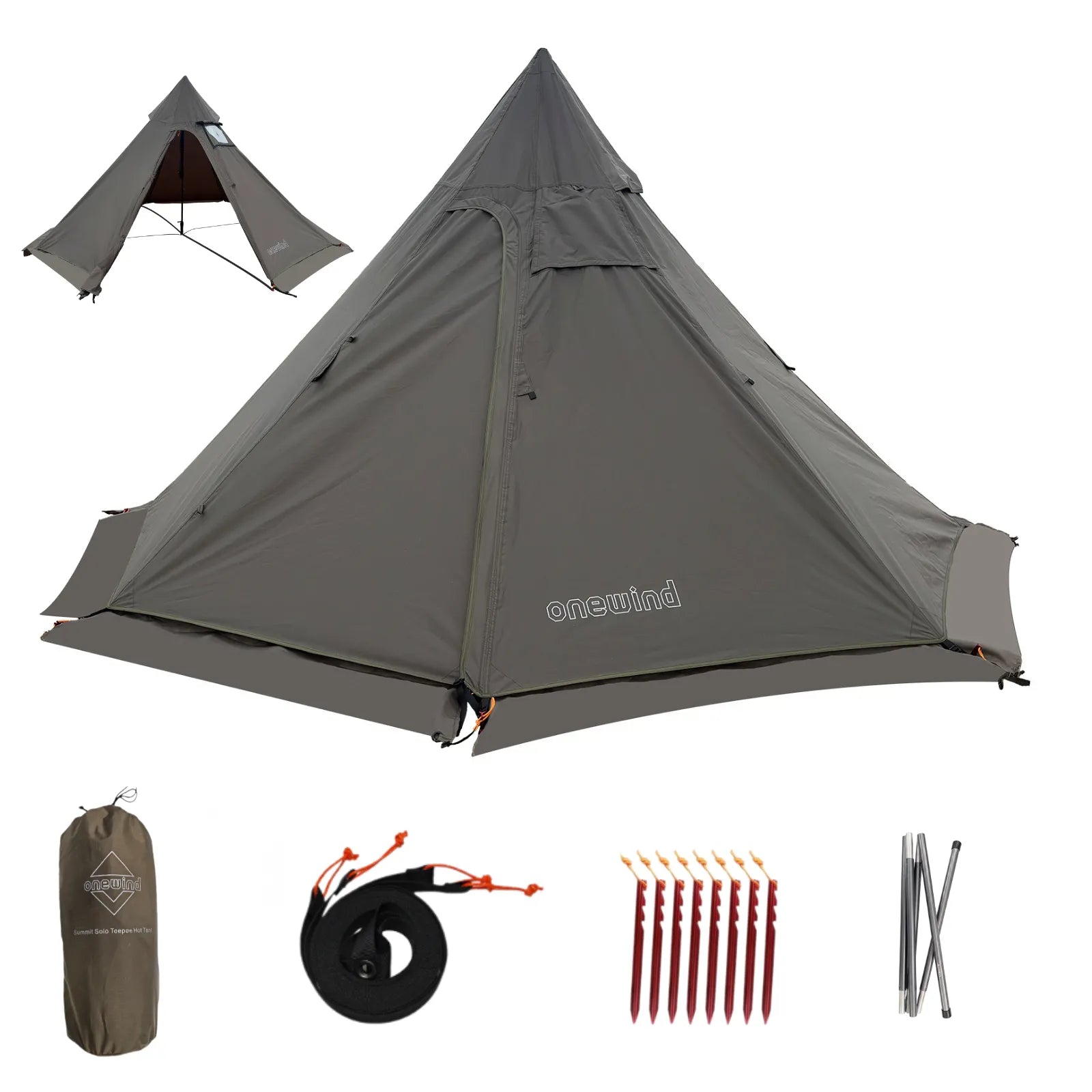
天候に対応できる部屋が欲しいなら、テントを選んでください。 シェルターコレクション.
シナリオ1:週末のソロバックパッカー、1〜2泊の穏やかな夜
週末のソロトリップは、最もスマートなビビーの勝ち方です。
旅は短く、シェルターの用途も限られており、多少の不快感による影響も限定的です。
予報が安定しており、ルートに安全なキャンプ地があり、万が一湿った朝を迎えても対応できる睡眠システムであれば、これが適しています。
テントパッドの状況が不確かな場合でも、これなら適しています。
ビビーまたはビビーテントを使えば、テントでは設営できないような小さく平らな場所も利用できます。
出発する前に、私はまだ2つのことを確認します。
まず、家でマットとキルトを使ってビビィに寝転んでみてください。
第二に、濡れた靴や衣類を寝袋の保温材の上に引きずらないようにしながら、出入りの練習をしてください。
そのテントが庭で窮屈に感じるなら、午前2時になっても改善しません。
OnewindのSoloVentスタイルのビビィテントは、シンプルなサックでは窮屈すぎるものの、フルサイズのテントは不要に感じるこのユーザーに適しています。
判定: 短いソロの温暖な天候の旅で、ルート前に狭い寝床の空間を試したことがあるなら、ビビィまたはビビィテントを選びましょう。
シナリオ2:結露を心配する湿潤気候のバックパッカー
ビビィサック vs テント:メリット・デメリット|次のキャンプ旅行に最適なのはどちら?
湿潤な気候での旅行では、このテントの推奨度がさらに高まります。
問題は、ビビィが雨に耐えられるかどうかではありません。
問題は、あなたの睡眠用断熱材が繰り返しの湿った夜でも乾いた状態を保てるかどうかです。
OutdoorGearLabのビビィテスト手法は、耐候性と快適性を分けて評価しており、これはここでの現場での課題に合致しています。
そのレポートは、雨を遮れるシェルターであっても、湿気の逃げ場がないと管理しにくく感じられる理由を説明するのに役立ちます。
予報に寒くて湿度が高く、長雨が続き、確実に乾かせる時間がないなら、私はテントを選びます。
まだビビーフットプリントを使いたいなら、タープを追加してシステム全体を判断してください。
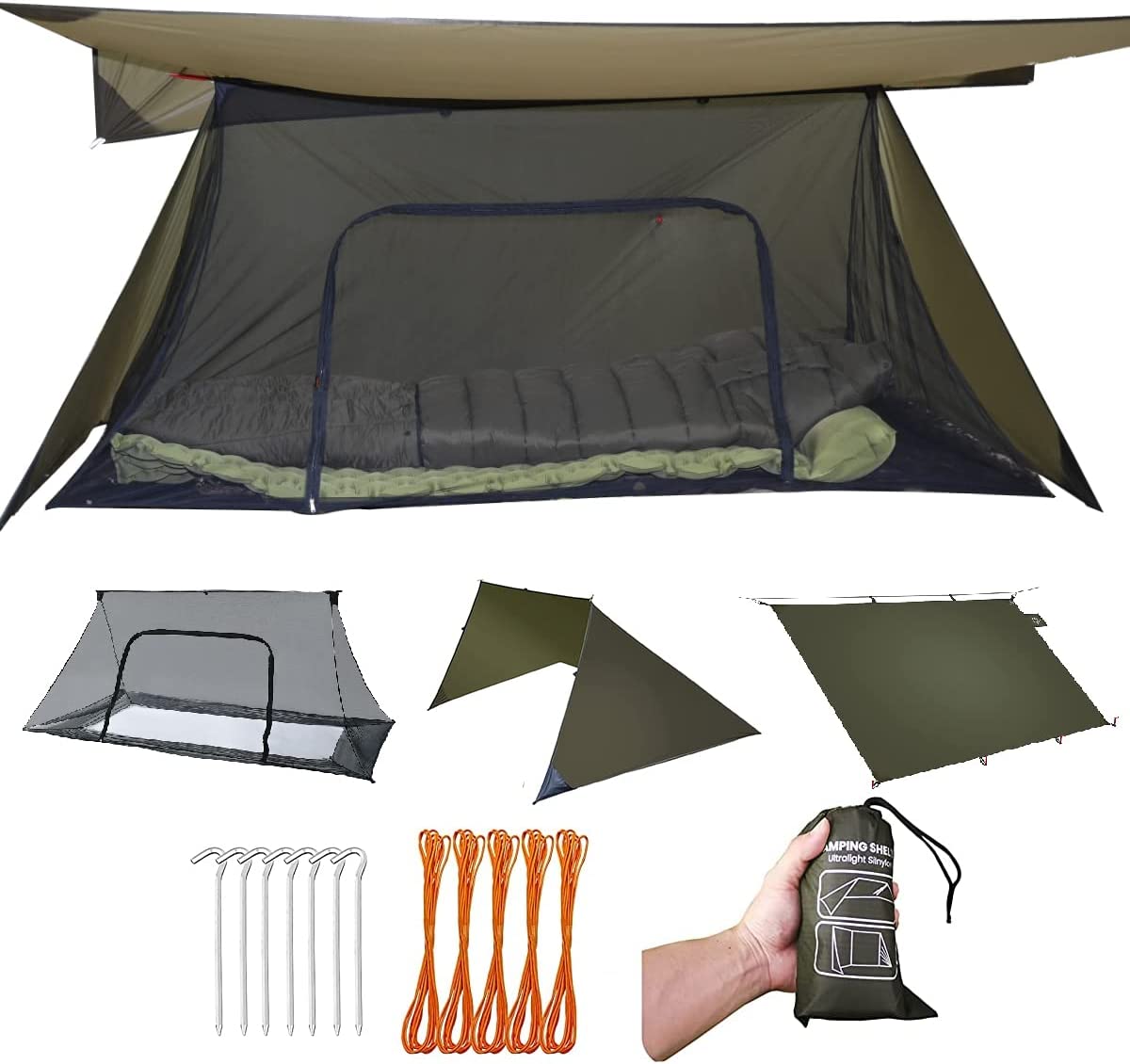
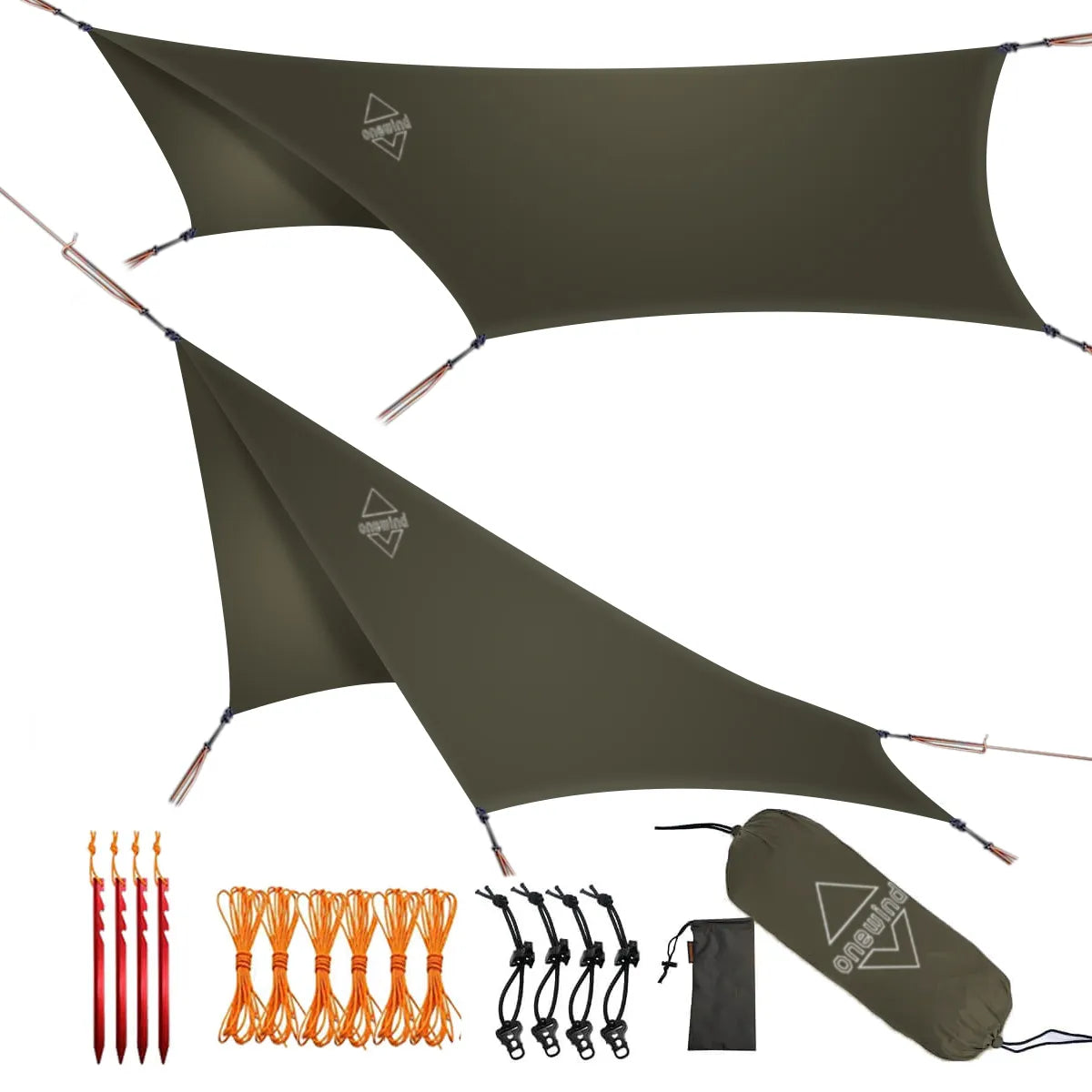
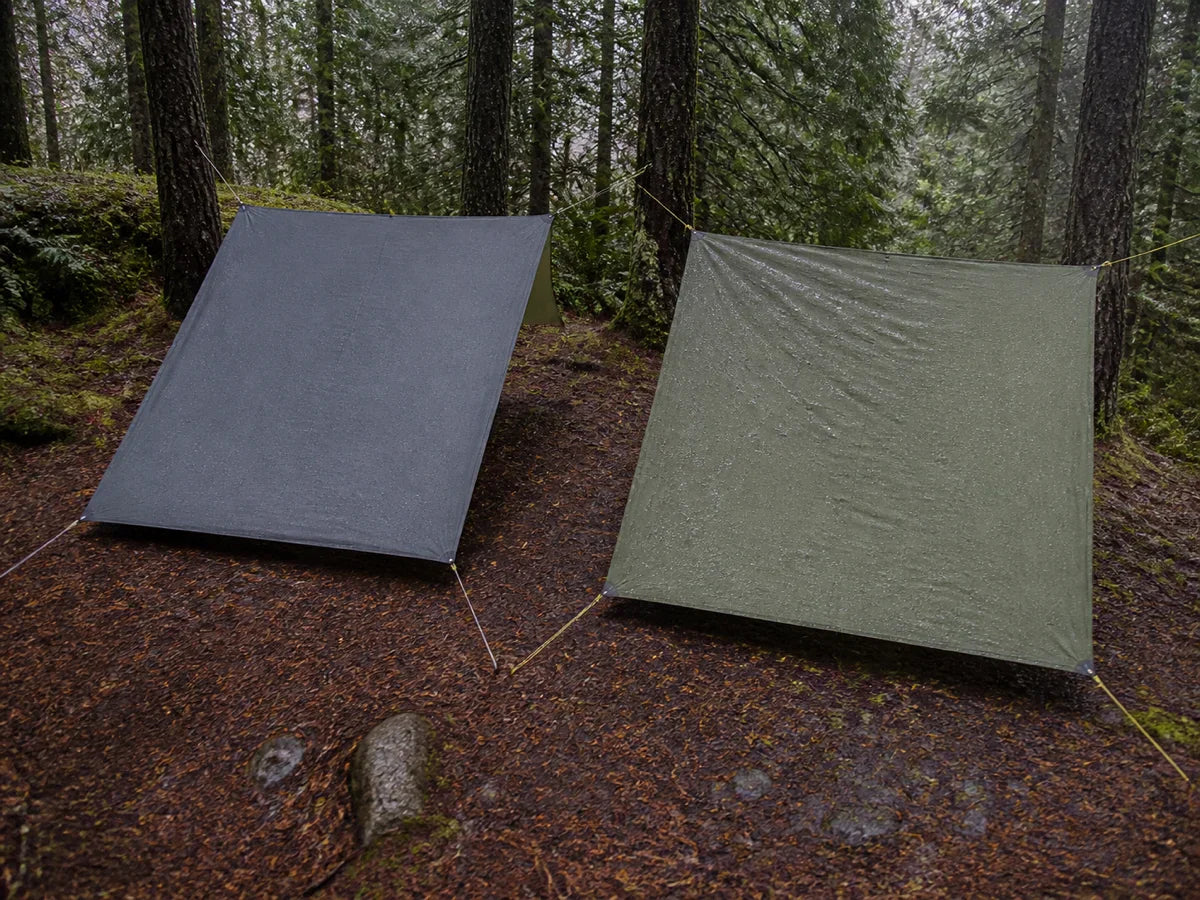
ザ・ Onewind 12フィート シルナイロンタープ そのシステムに属する内部オプションの一種であり、ビビィの上にエントリーと装備のカバーを提供します。
タープは結露をなくすものではありません。
ビビィ周りで、より乾いた作業環境を提供します。
ビビィを開いて層を移動させ、寝具システムを雨に直接さらすことなくブーツを保護できます。
判定: 似たような条件ですでにタープとビビィの換気プランをテスト済みでない限り、雨の多い複数泊の旅行にはテントを選んでください。
シナリオ3:フレームバッグのスペースが限られているバイクパッカーまたはファストパッカー
バイクパッキングでは、詰めたときの形状が重要になるため、比較の見方がスプレッドシートだけで示されるよりも変わってきます。
テントは軽量でも、扱いにくいことがあります。
ポール、フライ、インナー、およびペグは、ハンドルバーバッグ、フレームバッグ、シートバッグに分けて収納する必要がある場合があります。
コンパクトなビビィシステムは、柔らかい寝具のように扱えるため、設置しやすくなります。
それは、すでに自転車に工具、食料、水、重ね着が載っているときに重要です。
ファストパッカーは、より小さなパックでも同様の問題に直面しています。
サイドポケットに収納できるシェルターは、わずかに軽いもののメインコンパートメントを塞いでしまうシェルターよりも優れています。
走行距離、遅い到着、コンパクトな収納が主な制約である場合は、ビビィを選びます。
ルートに長いキャンプ滞在時間や繰り返しの天候による遅延が含まれる場合は、テントを選びます。
収納時の圧迫が睡眠中のリスクを打ち消さないようにしてください。
フレームバッグは結露を気にしませんが、キルトは気にします。
判定: 収納時の容積が厳しい制限で、かつ短期間の行程で居住性が二の次である場合は、ビビィまたはビビィテントを選びましょう。
シナリオ4:ビビーのシンプルさに惹かれる初心者
ビビィは部品が少ないため、よりシンプルに見えます。
初心者にとって、部品が少ないからといって、必ずしも問題が少ないとは限りません。
テントは、より大きな誤差の余裕を与えます。
装備を中に持ち込むことができ、メッシュを閉じて虫を防ぎ、座った姿勢を保ち、レイヤーを整理し、あらゆる失敗が寝袋に触れる前に天候の変化を学べます。
初心者がビビィで直面するリスクは、ハイキングが終わってから、閉所恐怖症、虫の圧迫感、または結露に気づくことです。
旅行の前にそれらをテストしてください。
ビビーセットアップで、裏庭または車中泊のキャンプを一晩まるごと過ごしてください。
同じマット、キルト、枕、衣類、そして入場時の手順を使用してください。
起きて、内壁が湿っているか確認してください。
狭い設営でも問題なければ、ビビィテントはすっきりした一人用シェルターになります。
座ったり、ギアを整理したり、メッシュから逃れたりしたいなら、テントを選びましょう。
前の Onewind ビビィテントガイド この比較の後に読む価値があります。というのも、より広いビビィテントの使用シーンをカバーしているからです。
判定: 初めての不安な一泊にはテントを選び、または、十分な広さに耐えられることを一晩の完全なテストで確認してからビビィだけを選んでください。
シナリオ5:緊急バックアップユーザー
緊急用ビビーは、主要なシェルターのように評価すべきではありません。
その役割は保険です。
予定が崩れたり、天候が変わったり、誰かが遅れたり、あるいは軽量なデイキットに急きょ一晩分の保護が必要になったりしたときに役立ちます。
快適さが最優先ではありません。
生存余裕、収納性、視認性、そして速度の方がより重要です。
間違いは、非常用ビヴィを購入し、その購入を理由に、計画した一泊の行程で本格的なシェルターを持っていかないことを正当化してしまうことです。
それらは別々の仕事です。
メインシェルターは、睡眠の質、換気、出入り、天候、そしてギアに対応できなければなりません。
緊急用シェルターは、何もないよりも安全を確保できなければなりません。
旅行が計画されたキャンプである場合は、条件に合った主なシェルターを選んでください。
長い日帰り旅行、狩猟、サイクリング、または遅延の可能性がある端境期のルートであれば、緊急用ビビーが予備として役立ちます。
判定: 非常用のツェルトは保険として携行してください。ただし、ツェルト泊を前提にした計画でない限り、主たるテントの代替とは考えないでください。
ビビープラス タープ vs テント
タープとビビィの組み合わせは、正直でちょうどよい中間の選択です。
低いスリープ時の設置面積を維持しながら、上部に作業スペースを追加します。
それは重要です。なぜなら、ビビィで起こる多くの問題は、出入りや装備の扱いの際に発生するからです。
タープにより、雨を睡眠システムに直接落とさずにビビィを開けることができます。
ブーツと荷物を覆われたエリアに入れます。
穏やかな雨のときは、ビビィをそれほど厳重に密閉する必要がないため、閉塞感も軽減できます。
その代わり、複雑さが増します。
現在は、ペグ、ガイライン、設営方向、風向き、滴下経路、タープの高さを管理する必要があります。
その時点で、システム全体をテントに例えて比較してください。
タープとビヴィーの組み合わせが、あなたのテントよりも重く、設営が難しく、快適でないなら、テントのほうが優れています。
タープとビビィの組み合わせのほうがよりコンパクトに収納でき、テントでは対応できない場所にも設営できるなら、ハイブリッドのほうが優れています。
ビビィとテントに関するよくある間違い
多くの良くないビビィとテントの選択は、カテゴリー名を信じてしまうことから生まれます。
ラベルでは、そのシェルターが天候、設置場所、荷物、または使用者に適しているかどうかはわかりません。
私は、ビビィに本来うまくできない役割を無理に担わせるよりも、キャンパーが適切な雨天ルートに合わせてより重いテントを選ぶほうを見たい。
比較記事でビヴィ泊を極端なもののように感じさせられたため、私はむしろ、キャンパーが適切な短いソロ旅行でテントを持ち運ぶよりも、ビヴィを使うのを見たいです。
判断は、実際に旅を試してみて初めて明確になります。
間違い1:システムではなくビビィシェルを数えること
ビビィシェル単体では、必ずしもシェルターシステムとは限りません。
乾燥した天候では、それで十分かもしれません。
雨天時には、タープ、ペグ、ガイライン、地面保護、そしてより優れたドライバッグの使い方を追加するとよいでしょう。
それらのピースは有効です。
テントには、その構造の一部が1つのパッケージに含まれています。
ビヴィシェルだけをフルテントと比較すると、ビヴィのほうが、キャンプで実際に感じる以上に優れて見えることがあります。
本物のパッキングリストを作成してください。
すべてのペグ、コード、スタッフサック、そして濡れたギアの扱いまで、しっかり検討してください。
その後、システムを比較してください。
ミス2:ビビィが虫を自動的に解決してくれると考えること
ビビィは、メッシュ、入口、そして寝る位置が連携して機能して初めて、虫対策に役立ちます。
シンプルな緊急用ビビィには、実際の防虫対策がない場合があります。
ビビィサックは顔を保護できますが、虫の多い状況では出入りがしづらくなることがあります。
メッシュ構造のビビィテントはより優れていますが、それでもテントのインナーより居住スペースは狭くなります。
眠る前に何が起こるか考えてみてください。
寝床スペースに虫を入れずに着替えることはできますか?
ヘッドランプ、靴下、水を、全部開けずに仕分けできますか?
メッシュが顔に当たらないようにできますか?
答えが「いいえ」の場合は、実績のあるメッシュクリアランスを備えたテントまたはビビィテントを選んでください。
ミス3:たった一晩快適だっただけで、長旅でも大丈夫だと判断してしまうこと
ビビィは1泊なら快適に感じられても、そのルートには適していないことがあります。
快適さには時間の要素があります。
湿気には時間の要素があります。
精神的な耐性には時間的要素があります。
1泊のテストで、そのシェルターで一晩眠れることが証明されます。
4日間にわたり、濡れた断熱材、汚れた衣類、そして窮屈な出入り口を管理できることを証明するものではありません。
3泊以上の場合、同様の天候でビビイシステムが試験されていない限り、テントの評価を上げます。
そのルールはビヴィに反していません。
それは、ビビィが本来とは違う用途で使われて責められるのを防ぎます。
ミス4:ビビィテントを購入したのに、テント並みの居住空間を期待してしまう
ビビィテントは、賢い妥協策になり得ます。
フラットなサックと比べて、メッシュ、頭上空間、耐候性のある形状を追加でき、より呼吸しやすくなります。
名前に「テント」と入っていても、完全なテントにはなりません。
ザ・ Onewind SoloVent ビビィテント 低いソロシェルターと判断されるべきです。
それは実際のユースケースです。
それは、1時間座って過ごし、前室から調理し、すべてのギアをそばに置いておくシェルターとは同じではありません。
目標が低いソロシェルターであれば、ビビィテントをお買い求めください。
保護された居住空間が目的なら、テントを購入してください。
ミス5:入場ルーティンを無視すること
入口は、多くのビヴィーシステムで複雑になりがちな部分です。
濡れた靴、湿ったジャケット、冷たい手、そしてまだ位置を調整する必要のあるパッドを持って到着します。
テントがあれば、清潔なエリアと汚れたエリアを分けるためのスペースをより広く確保できます。
ビビィは、よりきっちりとした手順を求めます。
シェルを開く前にパックを配置してください。
ブーツをどこに置くか決めてください。
キルトを雨から守ります。
就寝のためにシェルターを密閉する前に換気してください。
日中にその手順を練習してください。
旅行前にルーティンが不安定に感じられる場合は、テントを選ぶか、タープの覆いを追加してください。
迅速な判断チェックリスト
- ✓ ビビィを選ぶのは、居住空間よりも、最小限の設置面積、素早い設営、コンパクトな収納が重視される旅に適しています。
- ✓ 天候、虫、ギアの収納、または長期のキャンプ時間を重視する場合は、テントを選びましょう。
- ✓ タープ+ビビーを選ぶと、ビビーフットプリントはそのままに、より乾いた出入り口とギアの扱いができます。
- ✓ 緊急用ビビィは、ビビィキャンプを前提に計画された山行でない限り、あくまで予備として選びましょう。
- ✓ 遠隔ルートで主なシェルターとして使う前に、どんなビビー設営も必ず一晩丸ごと試してみてください。
最終結論
ビヴィとテントの選択は、性格診断ではなく、旅に合うかどうかの判断です。
ルートが短く、ソロで、コンパクトで、状況が十分に管理されていて、最小限の設置面積とパック容量が最も重要な場合は、ビビィを選んでください。
ルートが濡れている、長い、共有している、虫が多い、装備が多い、または快適さを重視していて、シェルターが居住可能な保護された空間である必要がある場合は、テントを選んでください。
ビビータイプのソロシェルターを選ぶなら、まずそれが解決する具体的な問題から始めましょう。
ザ・ Onewind 超軽量 SoloVent ビビィテント ゆったりしたテントの代わりではなく、低い目立たないソロ用ビビィテントを求めるキャンパーに最適です。
より広い頭上の保護をお求めの場合は、ビビィとタープを組み合わせるか、より幅広い選択肢をご覧ください Onewind シェルターコレクション.
あなたのシェルターは、キャンプで失敗する前に、紙の上で失敗すべきです。
チェックリストを実行し、システム全体を点検し、入室手順をテストして、実際に必要な睡眠を守るシェルターを選びましょう。