
Den almindelige fejl med ultralette bivy’er er at bedømme shelteren ud fra tallet, der står trykt ved siden af "vægt".
Det var for simpelt.
Ifølge REI's ekspertvejledning om bivakker omfatter brugere af bivakker ofte solorejsende i baglandet, cykelcampister, klatrere, vintercampister og folk, der vil spare hvert eneste mulige gram. Det lyder som en ren vægthistorie.
Men den samme kilde adskiller traditionelle bivy-poser fra mere teltlignende bivy-sheltere, fordi ventilation, hovedplads, vejrbeskyttelse og insektbeskyttelse ændrer shelterets funktion.
Det er den del, jeg bekymrer mig om nu.
En ultralet bivy sack er kun ultralet, hvis hele sovesystemet forbliver enkelt, efter at du har tilføjet de skjulte dele: tarp-overdækning, pløkker, barduner, insektbeskyttelse, håndtering af vådt udstyr, opbevaring af madlugt og en tør indstigningsrutine.
Hvis de ekstra tilføjelser forbliver små, kan en bivaksæk være et fremragende valg til solo-ly.
Hvis disse tilføjelser bliver det egentlige shelter, er det lettere udseende valg fejlet.
Denne guide er ikke endnu en liste over de letteste sække.
Det er en systemvægtkontrol.
Spørgsmålet er ikke "Hvad er den letteste bivy-sovepose?"
Det bedre spørgsmål er: "Hvad vejer dette setup, efter at det kan overleve den nat, jeg faktisk tager af sted på?"
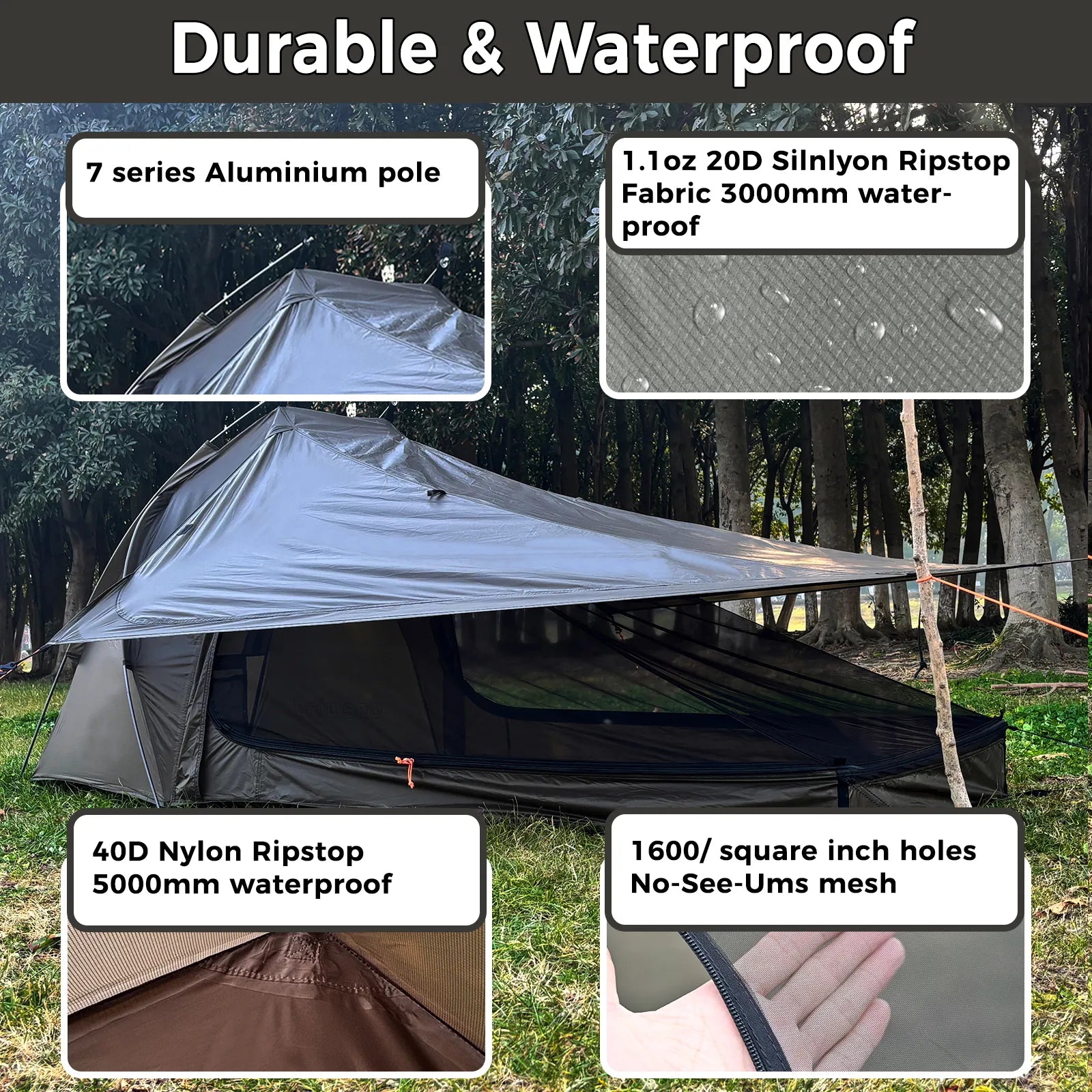
Produktdataene giver nyttige benchmarks. SoloVent er opført med en vægt på 37 ounces med en baldakin på 3000 mm og gulv på 5000 mm, mens 12 ft-presenningen er opført med en samlet vægt på 1,86 lb og en vandtæt belægning på 4000 mm. Disse tal er ikke konkurrenter i samme kategori. De er referencepunkter for gennemgangen af hele systemet.
Hvad du vil lære
Jeg vil bruge "ultralight bivy sack" i den brede betydning, som mange kunder bruger det i.
Det inkluderer flade bivy-sække, bøjlede bivy-telte og bivy-lignende shelters.
Men jeg vil adskille dem, når beslutningen ændrer sig.
En flad sæk og et struktureret lavt shelter løser ikke den samme nat.
Den sondring forhindrer, at artiklen bliver til vag snak om udstyr.
Hurtigt svar
Vælg den ultralette bivysæk, når sækken forbliver ly.
Undgå det, når sækken kun bliver én del af et krævende shelters puslespil.
For de fleste rolige solo-overnatninger er skillelinjen ikke komfort eller luksus. Det handler om, hvorvidt du kan holde soveposen tør, holde insekter ude, håndtere kondens og gå ind eller ud uden at slæbe vand ind i systemet.
Derfor sammenligner jeg ikke kun bivy-sække ud fra vægt i ounces.
Jeg sammenligner hele natten.
Beslutningsrammen
Brug denne kontrol før du køber eller pakker.
Rammen er bevidst uden pynt.
Hvis sæk plus presenning plus pløkker plus insektplan plus rutine til vådt udstyr plus opbevaring af madlugt forbliver lettere og mere rolig end et struktureret solotelt, så vælg den ultralette bivuaksæk-løsning.
Når insekter, regnindtrængning, kondens eller vådt udstyr bliver det reelle problem, så vælg hellere et struktureret enmandsly eller et mere rummeligt tarp-telt end at jagte den lavest angivne pakkeposevægt.
Den lettere vare er ikke altid det lettere system.
Jeg behandler også nødsituationstasker anderledes end planlagte shelters.
En nød-bivy kan være en klog forsikring.
Det bør ikke automatisk blive dit primære hjem til en planlagt våd overnatning.
Pasformstest 1: Tæl den skjulte vægt
Splash Bivy | Produktgennemgang
Den nemmeste fejl er kun at veje posen.
Det tal føles rent.
Det er også ufuldstændigt.
REI bemærker, at et teltlignende bivy-ly tilføjer beskyttet hovedrum og fuld afskærmning mod dårligt vejr og insekter. Disse ekstra fordele øger vægten, men de kan til gengæld erstatte separate nødløsninger.
Det er den skjulte matematik.
Jeg kan godt lide at lave en simpel audit af den pakkede vægt.
Sæt bivyen, tarp, pløkkerne, snorene, bundbeskyttelsen og insektbeskyttelsen på den samme liste.
Sammenlign derefter det tal med et mere komplet ly.
Nogle gange vinder bivuakken stadig.
Nogle gange er et struktureret shelter til én person kun lidt tungere og meget nemmere at bo i.
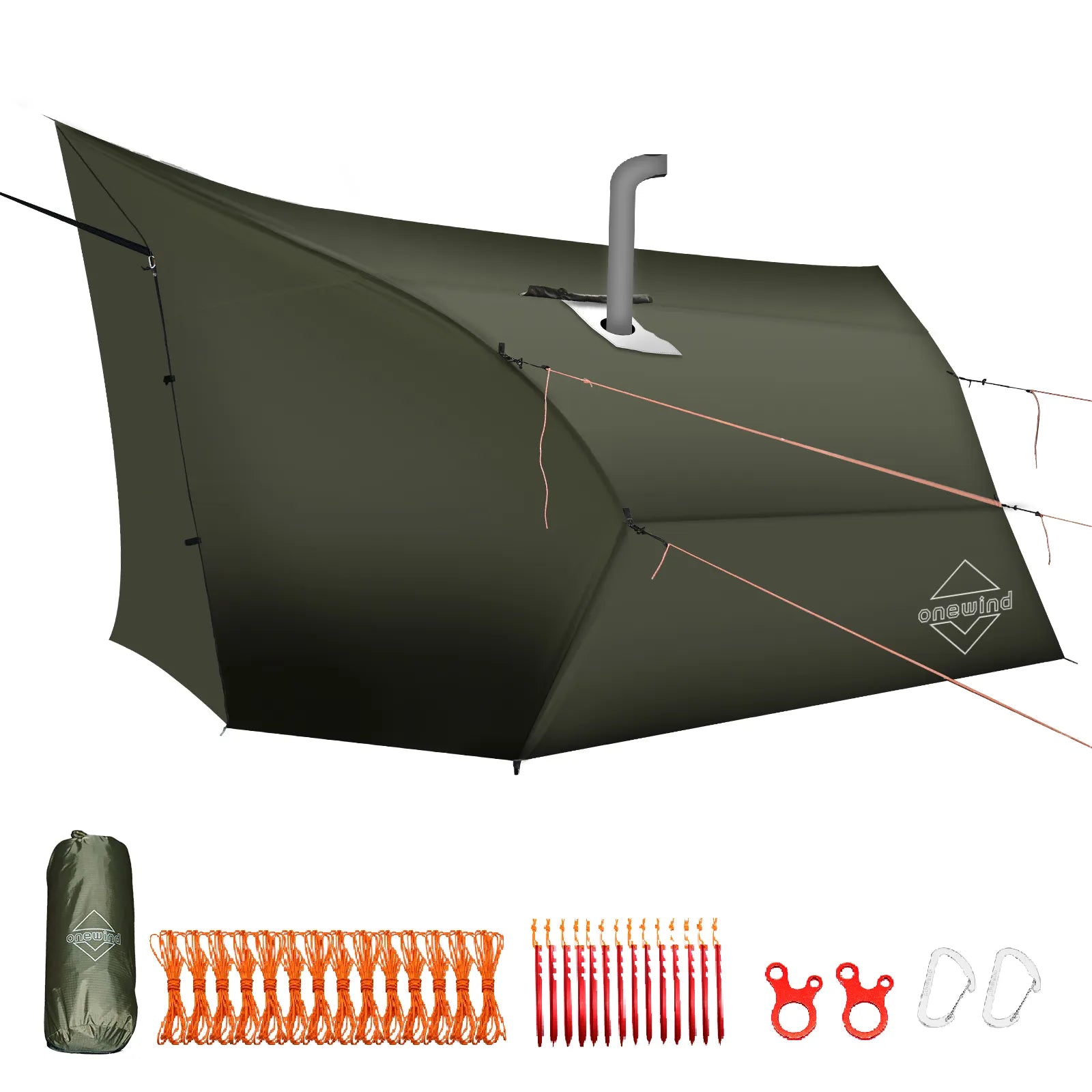
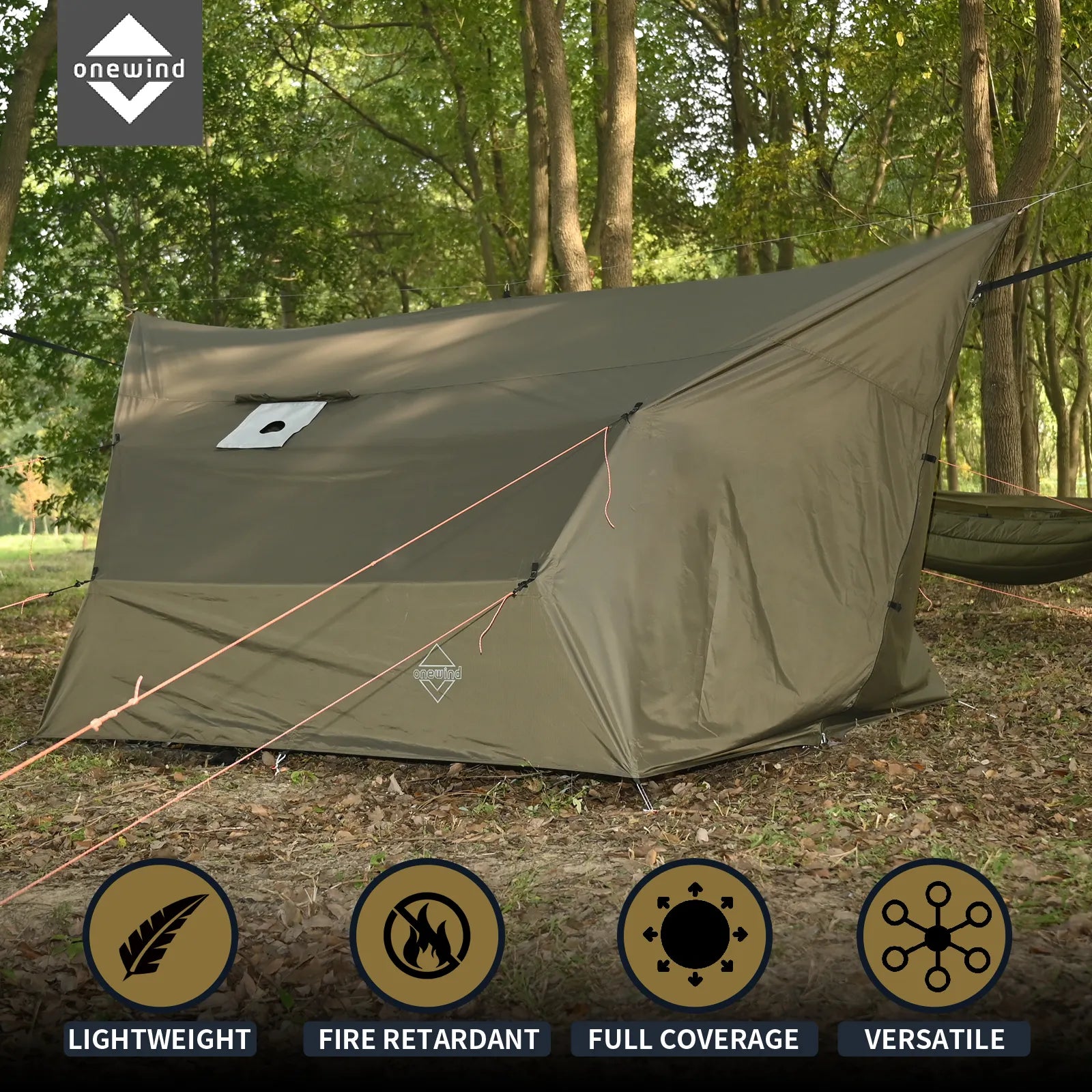
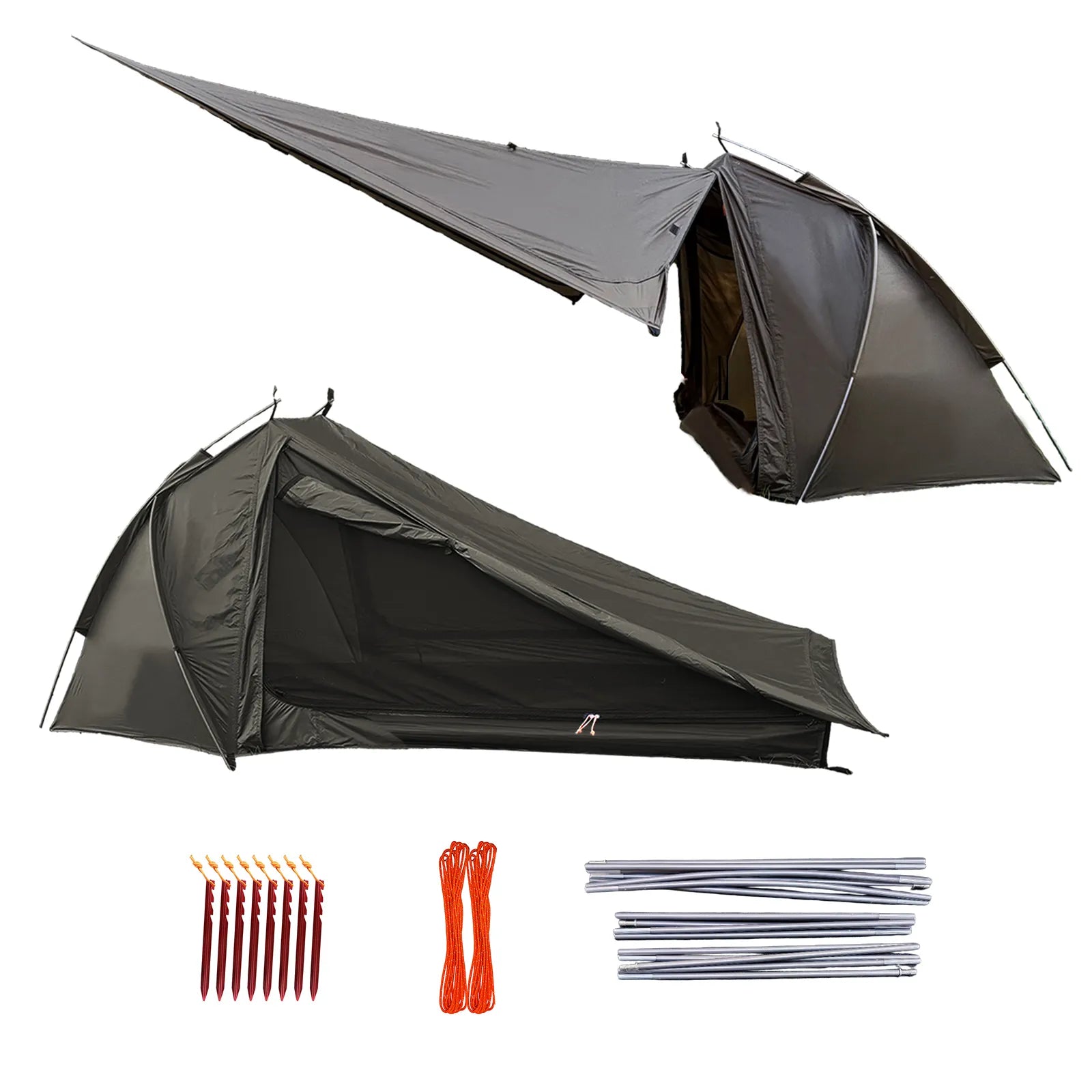
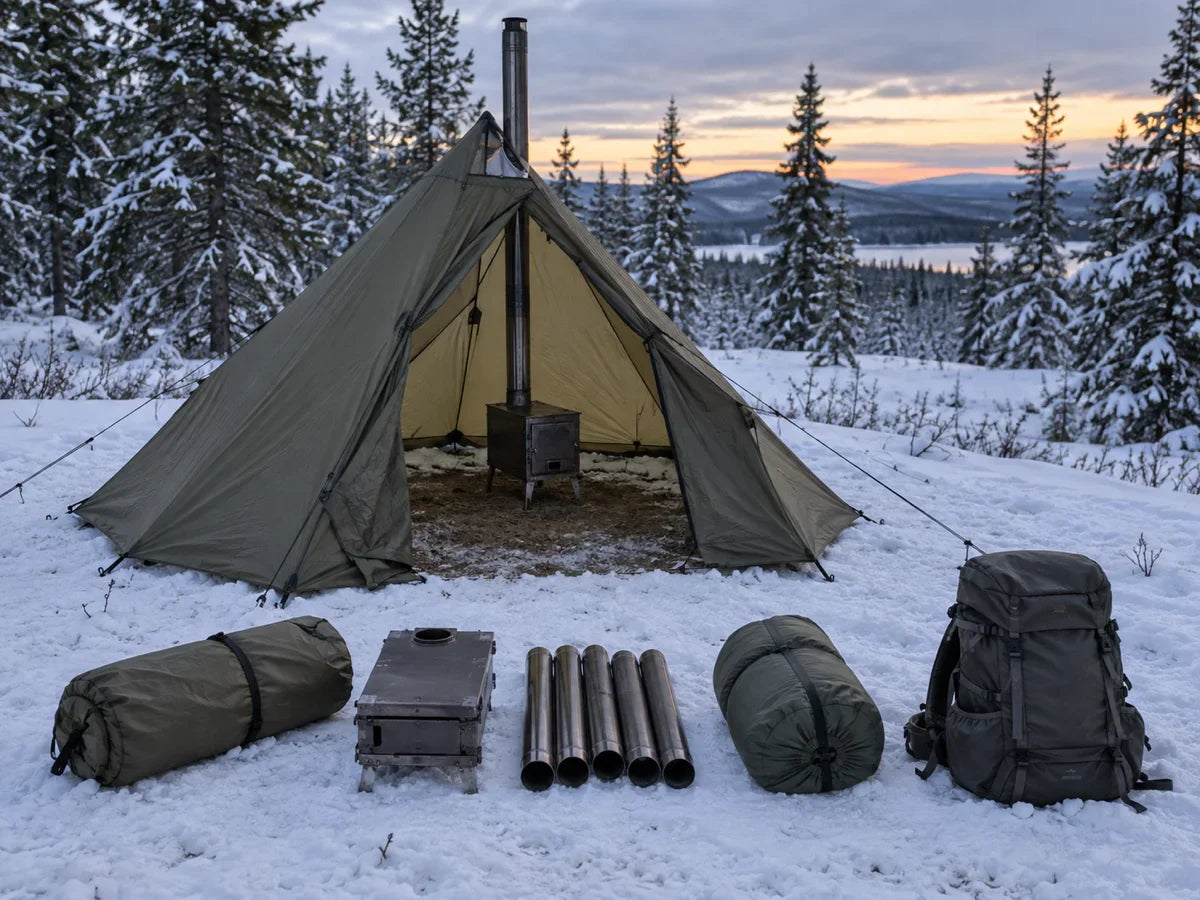
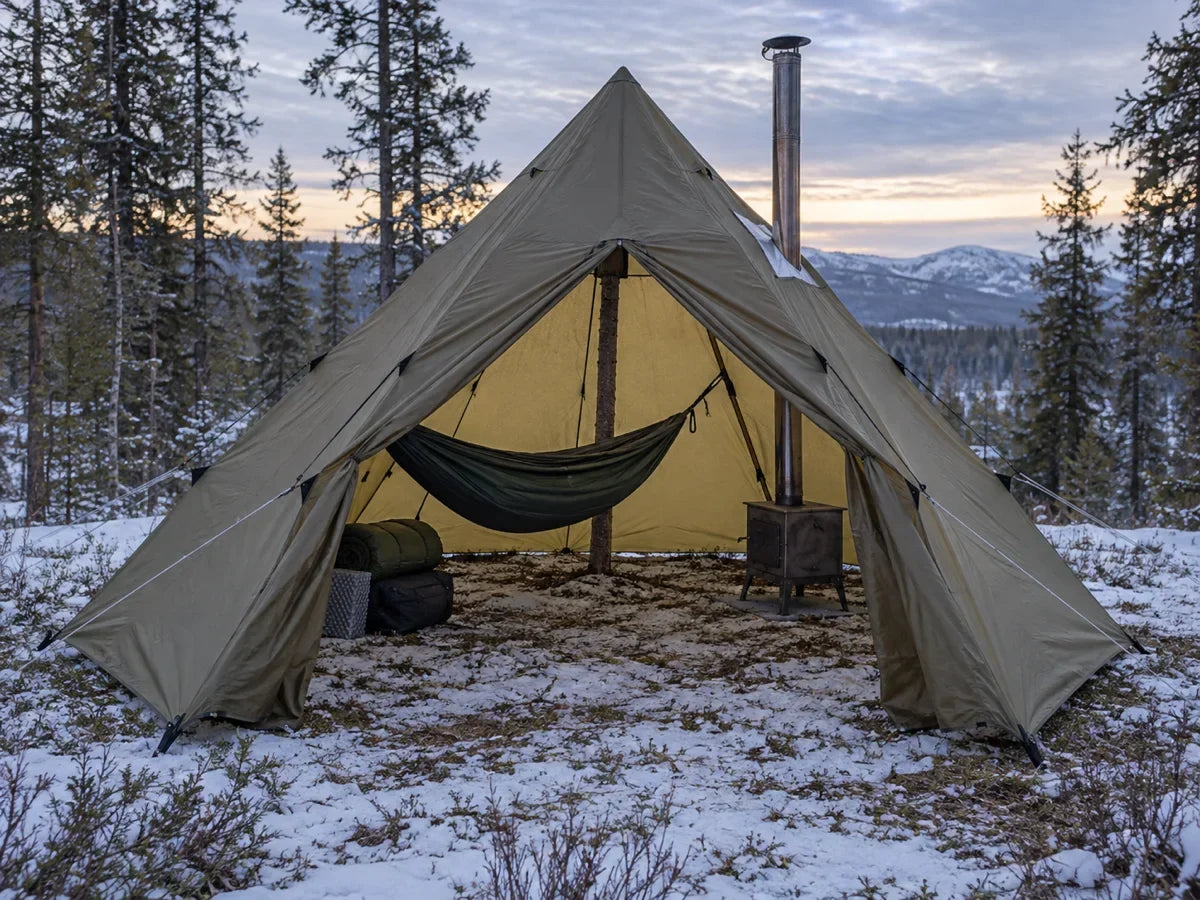
Det er her, et lavt fodaftryk som ly Onewind Ultralet SoloVent bivuaktelt går ind i samtalen. Det er ikke en flad bivy-sæk. Det er et enmands bivy-telt, der er velegnet til campister, som ønsker net, loftshøjde, en vandtæt bund, pløkker, barduner og hurtigere lukning i ét lavt ly.
Den angivne vægt på 37 ounce er ikke det samme som en bar sæk.
Det er en anden kategori.
Denne kategori kan give mening, når den erstatter flere mindre tilføjelser.
Pasformtest 2: Vejr og kondens tæller stadig
En bivy-sæk placerer stof tæt på dit sovesystem.
Det er godt til små campingpladser og hurtig opsætning.
Det er ikke automatisk godt for fugt.
REI forklarer, at kondens kan opstå, fordi en bivy fungerer som et telt med enkelt væg. Fugt fra din krop og din ånde kan møde koldere luft og samle sig på den indre væg.
Det betyder ikke, at hver eneste nat i en bivy er våd.
Det betyder, at ventilation og valg af placering er en del af vægtsystemet.
Hvis du lukker alt tæt for at blokere regn, der drives af vinden, kan du reducere luftstrømmen.
Hvis du åbner hovedområdet for luftgennemstrømning, kan regn eller insekter blive et problem.
Hvis du slår lejr under træer for at reducere dug, kan du risikere at få harpiks, grene og andet snavs eller dårlig dræning.
Hvis du flytter ind på en eng for udsigt, kan dug og eksponering stige.
Derfor kan den letteste sæk kræve den største disciplin.
Et tarp ændrer rutinen.
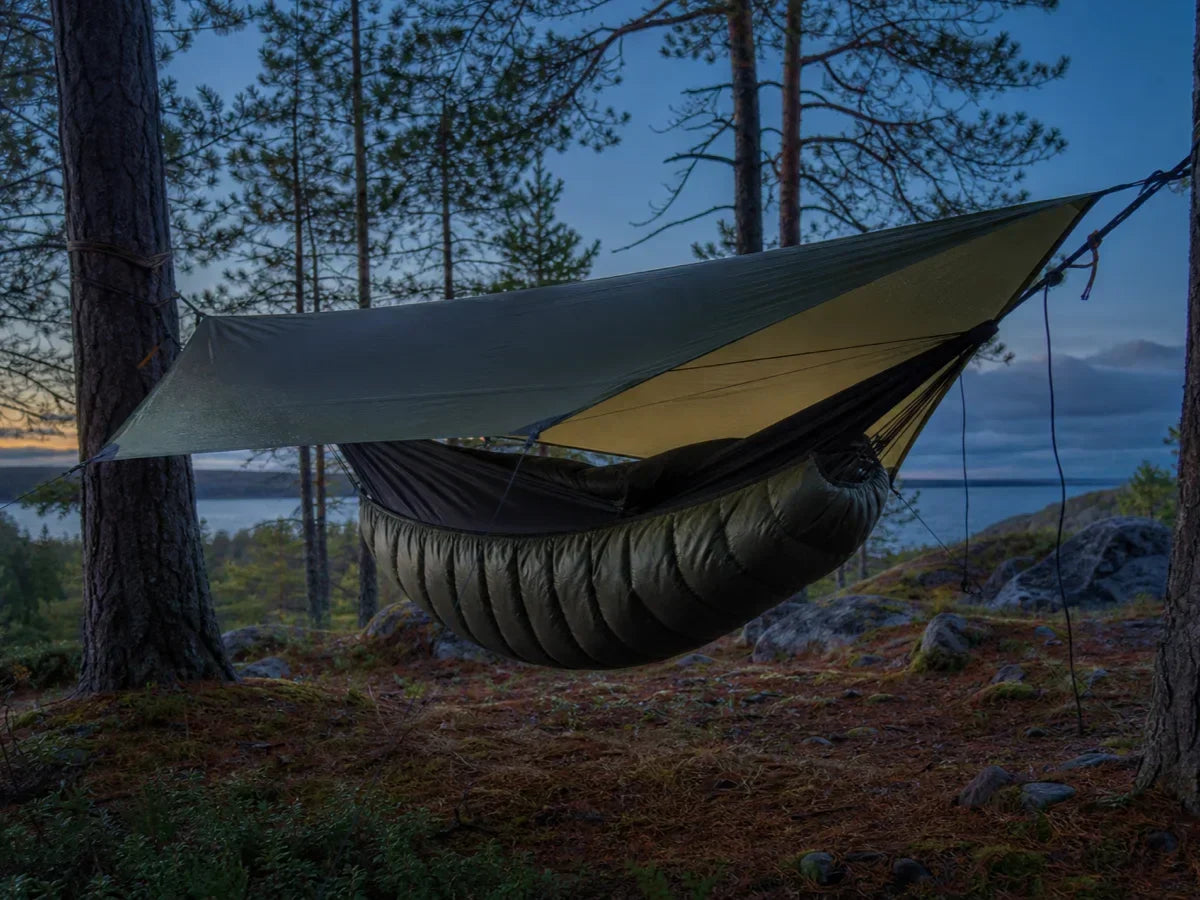
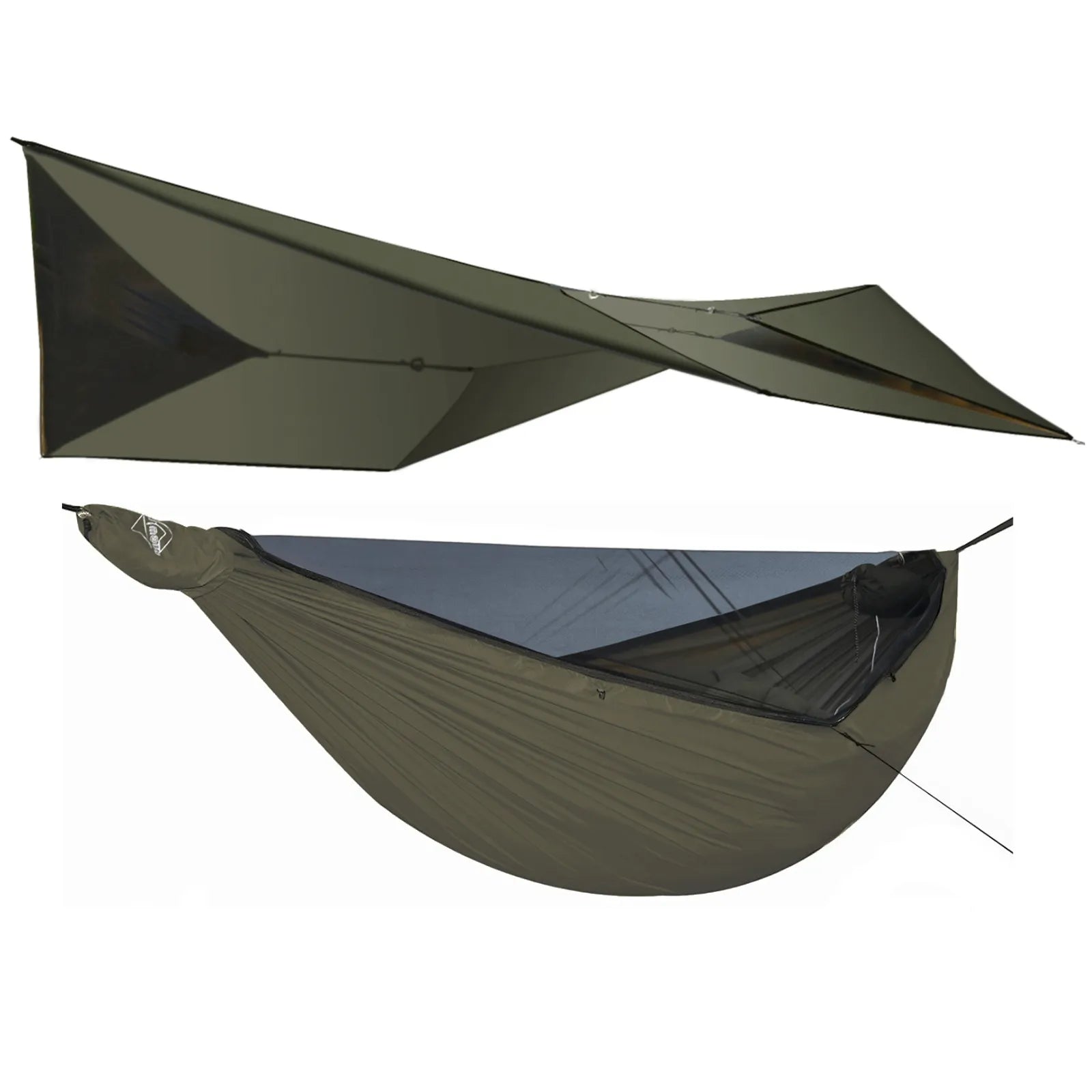
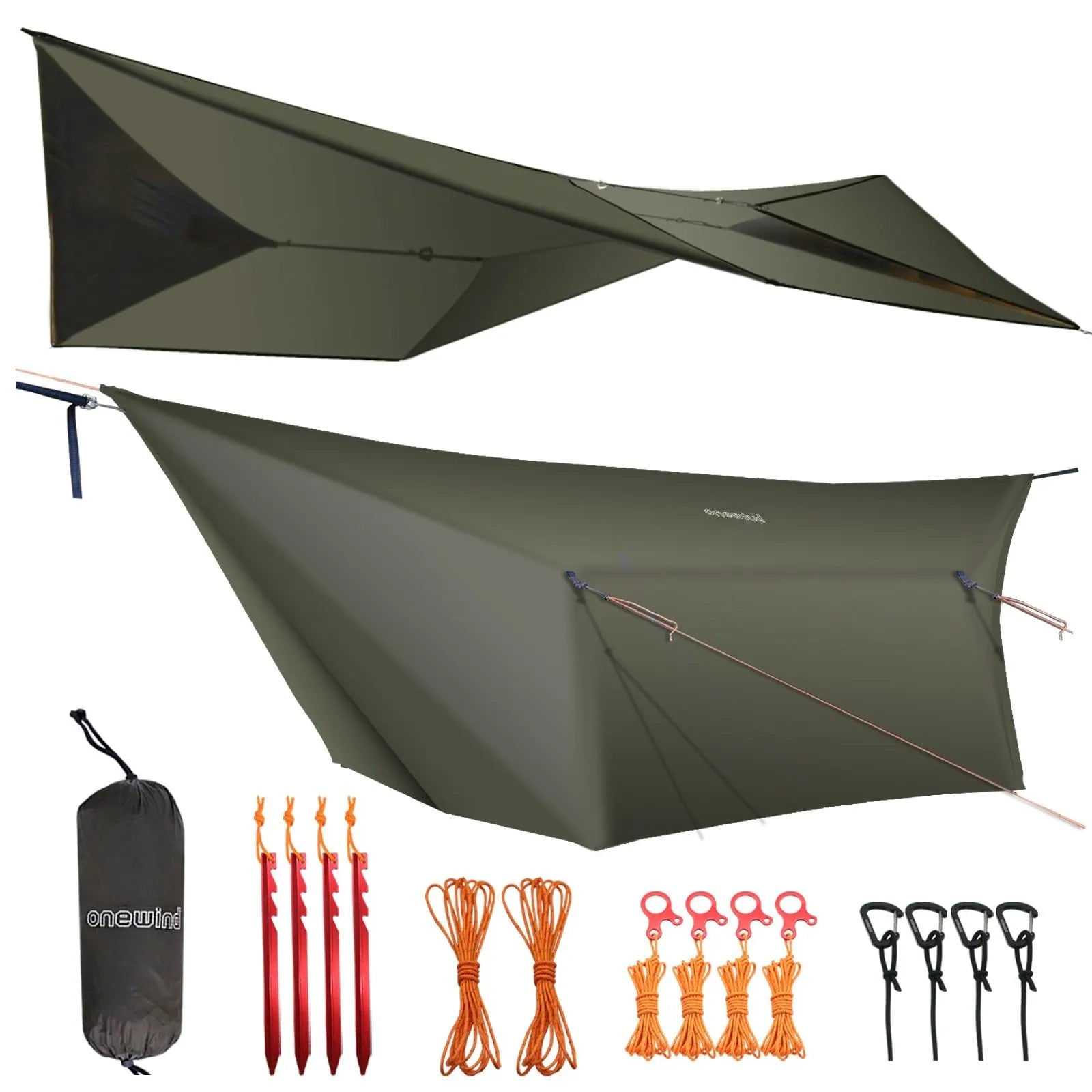
Den 12 ft Onewind silnylon presenning er ikke en bivy-sæk, men den kan gøre et minimalistisk jordsovesystem mere beboeligt ved at give dig en tør indgangszone, plads til støvler og beskyttelse mod stænk. Dens angivne dækning på 12' x 9,7' og samlede vægt på 1,86 lb er værd at regne ærligt med som systemdata, ikke at ignorere som "ekstra."
Til nogle ture er den tarp for meget.
Til andre ture er tarpen grunden til, at bivuakken fungerer.
Pasformstest 3: Myg, flåter og problemet med åbent hoved
Insektbeskyttelse er dér, hvor mange minimalistiske bivy-planer bliver mindre minimalistiske.
En flad pose kan beskytte soveposen og den nederste del af kroppen, men lade åbningen ved hovedet være det svage punkt.
Du kan spænde den stramt.
Du kan tilføje et myggenet til hovedet.
Du kan sove under et myggenet-telt.
Hvert svar ændrer vægt, komfort eller hastighed.
CDC’s vejledning om flåter er vigtig her, fordi terrænet ikke er neutralt. CDC anbefaler at undgå krat og højt græs, bruge EPA-registrerede insektmidler, behandle støvler og udstyr med permethrin og tjekke for flåter efter ophold i naturen.
Det er ikke frygt.
Det er en arbejdsgang.
Hvis dit ultralette setup får dig til at kravle ned i græsset, holde støvlerne løst ved siden af dit ansigt og springe tjek over, fordi alt er trangt, så sparer teltlyet gram og bruger opmærksomheden.
Jeg foretrækker en insektfælde, der er synlig før mørkets frembrud.
Hvor skal støvlerne hen?
Hvor skal pakken hen?
Kan jeg nå min pandelampe?
Kan jeg sidde nok op til at tjekke sokker og manchetter?
Kan nettet holdes væk fra mit ansigt?
Hvis svaret er nej, bør du overveje et struktureret bivy-telt eller et mere rummeligt soloshelter, før du kalder den flade sæk for "enklere."
Pasformstest 4: Kend shelterkategorien
Ordet "bivy" dækker over flere forskellige produkter.
Sammenlign ikke disse, som om de er den samme vare.
De løser forskellige fejl.
Hvis problemet er, at "min sovepose kan komme i kontakt med fugtig jord," kan en sæk løse det.
Hvis fejlen er "myg vil svæve over mit ansigt hele natten", kan sækken have brug for net.
Hvis fejlen er "regn vil ramme, mens jeg skifter lag," kan sækken have brug for en presenning som betræk.
Hvis fejlen er "jeg får panik, når stoffet er få centimeter over mit ansigt," er sækken ikke den rigtige kategori.
Til en enkelt camper, der ønsker mere plads uden at flytte ind i et fuldt traditionelt telt, er den Solo Skyshade Tartent er den rummeligere sti for én person. Den er tungere end en flad sæk, men den ekstra plads kan give bedre komfort ved indgang, insektbeskyttelse og en mere rolig morgenrutine.
Det er et gyldigt ultralet valg, selv når det ikke er den absolut letteste genstand.
Scenarie 1: Solovandrer, der vil reducere pakkens vægt ved udsigt til overvejende tørt vejr
Dette er den bedste tænkelige situation for en ultralet bivy-sæk.
Du er alene.
Vejrudsigten er stabil.
Stedet har god dræning.
Insekttrykket er lavt.
Du har ikke tænkt dig at sidde og vente i timevis på regnen.
I dette tilfælde kan bivyen forblive tæt på sin oprindelige opgave: at beskytte sovesystemet med mindst muligt teltvolumen.
Jeg ville stadig pakke med en fejlkontrol.
Kan soveposen hæve sig uden at røre ved vådt stof?
Kan bivuakåbningen vende væk fra vinden?
Kan du holde sko og oppakning inden for rækkevidde uden at blokere åbningen?
Kan du ventilere nok til at reducere kondens?
Hvis de svar er klare, giver ultralet bivy-sæk-vejen mening.
Gør det ikke til en falsk hytte.
Pak den enkleste version, der passer til den aktuelle nat.
Dom: vælg den ultralette bivy-sæk, når vejrudsigten, insekterne og lejrpladsen alle gør det muligt, at sækken forbliver det primære ly i stedet for at være én del af et kompliceret backupsystem.
Scenarie 2: Cykelpakker, der ankommer sent til et sted med mange insekter
Sådan opsætter du ANDA Ultra Light Bivy
Bikepacking gør bivy-poser attraktive.
Pakningsformen er vigtig.
Hurtig opsætning er vigtig.
Et lille fodaftryk på campingpladsen betyder noget.
Men sen ankomst ændrer beslutningen.
Du har måske ikke tid til at lede efter den perfekte dræning.
Du kan slå op nær græs, krat eller en tvivlsom vandkilde.
Du er måske træt nok til at springe den omhyggelige rutine over, som får minimalistiske læskure til at fungere.
På det tidspunkt begynder den mindste pakkede genstand at se mindre overbevisende ud.
Det bedste shelter til sent om aftenen er det, du kan slå op korrekt, mens du er træt.
Hvis din bivy-plan kræver en præcis tarp-vinkel, et separat insektnet, omhyggelig placering af støvler og en gåtur til madopbevaring efter mørkets frembrud, kan systemet være for besværligt til situationen.
Et struktureret lavt ly kan være smartere, fordi det samler mere af opgaven.
Til bikepacking-ture, hvor du stadig ønsker et lavt areal for én person, er den SoloVent bivy-telt passer bedre til kategorien "mindre bøvl i skumringen" end en flad sæk plus flere løse løsninger.
Dom: Vælg kun den flade ultralette bivy, hvis din sen-ankomst-rutine allerede er indøvet; ellers vælg et mere selvstændigt og insektafskærmet shelter.
Scenarie 3: Hurtig-og-let vandrer med en nødposelignende sæk
Dette er den risikable situation.
En nødsæk kan være nyttig.
Det er lille.
Det kan tilføre varme.
Det kan være en hjælp i løbet af en uplanlagt nat.
Men en reservegenstand er ikke automatisk et planlagt ly.
Problemet begynder, når en vandrer siger: "Jeg har en bivy, så jeg behøver ikke et shelter."
Måske virker det i en klar og tør nødsituation.
Det er en dårlig plan til en almindelig overnatning med regn, insekter, våde sko og gentagen ind- eller udgang.
REI's traditionelle bivy-beskrivelse er snæver: at beskytte soveposen og give ekstra varme er de primære opgaver. Det betyder ikke, at sækken håndterer boligareal, plads over hovedet, ventetid i regn eller organisering af udstyr.
Hvis du planlægger at overnatte udendørs, så planlæg hele sovesystemet.
Det kan betyde en presenning.
Det kan betyde et insektshelter.
Det kan betyde at gå fra en nødsæk til et ægte bivy-shelter.
Det kan betyde at acceptere et lidt tungere telt, fordi ruten indebærer vejrrisiko.
Dom: Medbring en nødbivy som ekstra sikkerhed, men regn den ikke som dit primære ultralette ly, medmindre presenningsdækning, insektkontrol og håndtering af vådt udstyr allerede er løst.
Scenarie 4: Dug i skuldersæsonen, kondens og vådt udstyr
Skuldersæsonen straffer dovent vægtregnestykke.
Luften køler hurtigt af.
Dug dannes.
Regntøj bliver fugtigt.
Din ånde har færre varme udveje.
En lav sæk kan beskytte soveposen mod fugt udefra, men kan stadig samle indvendig kondens, hvis ventilationen er dårlig.
Under de forhold foretrækker jeg normalt mere sikkerhedsmargin.
Den margen kan komme fra en tarp-opstilling, der giver bivy’en luft og beskyttelse mod sprøjt.
Det kan komme fra et struktureret bivuaktelt med mesh og plads til hovedet.
Det kan komme fra et mere rummeligt tarp-telt til én person, som gør, at du kan håndtere våde lag uden at trække dem hen over quilten.
Det letteste setup er ikke det, der ser heroisk ud på et udstyrsfoto.
Det er den, der stadig virker kl. 5 om morgenen, når græsset er gennemblødt, og din jakke er våd.
Hvis du vælger bivuaksækkens rute, så vælg din plads, før det bliver mørkt.
Undgå fordybninger.
Vent åbningen, når vejret tillader det.
Hold vådt udstyr uden for soveposens område.
Brug en tarp, hvis ind- og udgang bliver våd.
Dom: I skuldersæsonens fugtige forhold bør du kun vælge den ultralette bivysæk, hvis du bevidst har planlagt tarp og ventilation; ellers bør du vælge et mere struktureret lavt telt eller et mere rummeligt enmandstelt.
Produktplacering: Hvor Onewind-udstyr passer ind
Jeg ville ikke tvinge alle læsere af ultralette bivy’er ind i det samme produkt.
Beslutningsforløbet er vigtigt.
Denne tabel er ikke en indkøbsliste.
Hele tarp-shelter-kollektion hører hjemme i den samme sammenligning, når turen har brug for mere overdækning over hovedet end en mindre sæk.
Det er et kategorikort.
Hvis du allerede ejer en tarp og kan slå den op hurtigt, har du måske ikke brug for et mere struktureret ly.
Hvis du hader at slå tarp op i regn, kan et mere komplet solotelttag være en lettere mental belastning.
Det er den slags vægt, der ikke kan ses på en vægt.
Almindelige fejl med ultralet bivysæk
De fleste dårlige bivy-nætter skyldes ikke ét dramatisk svigt.
De kommer af at stole for meget på én specifikation.
Vægt er vigtig.
Det samme gør campingpladsen.
Det samme gælder vejret.
Det gør brugeren også.
Fejlene nedenfor deler alle det samme mønster: campisten købte en let genstand og glemte opgaven omkring den.
Fejl 1: At betragte den oplyste vægt som systemets vægt
Den oplyste vægt er nyttig.
Det er ikke det endelige svar.
Hvis biven kræver en tarp, så medregn tarpen.
Hvis presenningen kræver pløkker og barduner, skal de medregnes.
Hvis siden har fejl, så medregn fejlrettelsen.
Hvis vådt græs er sandsynligt, skal du medregne grundrutinen.
Hvis soveposen skal forblive beskyttet, så medregn den tørre opbevaring.
En retfærdig sammenligning placerer hver nødvendig del i den samme kolonne.
Først da kan du sige, at bivi-systemet er lettere.
Reddit-brugeres diskussioner om ultralette bivy-poser ender ofte med den samme vurdering: Posen kan være let, men tarp, pløkker, bundlag og insektløsning afgør, om opsætningen forbliver let i felten.
Denne feltrapport er nyttig, fordi den matcher den målte sammenligning, jeg ønsker, at læseren skal kunne lave derhjemme.
Fejl 2: At købe vandtætning og glemme ventilation
Vandtæt stof er betryggende, indtil indersiden bliver klam.
Det er derfor, den eksisterende guide til vandtæt bivy-sæk adskiller regnbeskyttelse fra kondenskontrol.
For denne artikel er læren mere snæver.
Lad ikke vandtæthedsgraden skjule problemet med luftgennemstrømningen.
Hvis du skal lukke sækken helt tæt for at blokere regn, har du brug for en anden måde at håndtere fugt på.
Det kan betyde valg af sted.
Det kan betyde en presenning.
Det kan betyde et bivy-ly med mere plads omkring ansigtet.
Det kan betyde, at man vælger et mere rummeligt shelter, fordi turen er for fugtig til en flad sæk.
Fejl 3: At ignorere madlugte, fordi lyet er lille
Et lille shelter får ikke duftende genstande til at forsvinde.
NPS's vejledning om opbevaring af mad behandler mad, affald, toiletartikler, solcreme, insektmiddel, brændstof og køkkengrej som duftende genstande.
Det er vigtigt i bivyakamping, fordi der ikke er noget fortelt til at opfange rodede vaner.
Sov ikke med madindpakninger ved siden af dit ansigt.
Læg ikke insektmiddel i bivy’en, bare fordi det er praktisk.
Brug ikke pakken som et skab til duftende genstande, og læn den derefter op ad soveåbningen.
Planlæg lugtzonen før mørkets frembrud.
Jo mindre teltet er, desto mere ren skal rutinen være.
Fejl 4: At antage, at insekttryk kun er et spørgsmål om komfort
Insekter er ikke bare irriterende.
De ændrer kategorien for shelteret.
CDC's vejledning om flåter peger på konkrete rutiner: undgå krat og højt græs, brug insektmidler, behandl støvler og udstyr, og tjek din krop efter eksponering.
En bivy-sæk, der gør disse rutiner vanskelige, er ikke velegnet til ujævnt terræn.
Dette er især tilfældet, når sækkens åbning sidder tæt på græs.
Hvis du har brug for mesh, så vælg mesh.
Hvis du har brug for en mere ren rutine, når du står eller sidder, så vælg mere læ.
Hvis du har brug for en presenning til at holde støvler og bukser organiseret væk fra soveåbningen, så tag den med i beregningen.
Fejlstyring er ikke en luksusfunktion.
Det er en del af overnatningssystemet.
Fejl 5: At behandle enhver bivak som den samme type ly
En flad sæk, en bøjlet bivy, et bivy-telt og et tarp-telt er ikke udskiftelige.
Den brede Bivy vs telt-guide dækker sammenligningen af det større shelter.
Her er fejlen mere specifik.
Køb ikke én kategori og forvent en anden kategoris fordele.
Hvis du vil have det mindste backup-lag, så vælg en sæk og accepter begrænsningerne.
Hvis du ønsker loftshøjde og insektnet, så vælg et struktureret lavt shelter.
Hvis du vil have plads til at håndtere udstyr, så vælg et mere rummeligt solotelt eller tarp-telt.
Hvis du ønsker fleksibelt overliggende dække, så byg et system med tarp og bivy.
Den rigtige kategori sparer mere frustration end den laveste produktvægt.
Fejl 6: At glemme morgenudgangen
Morgenen er det tidspunkt, hvor mange bivy-opsætninger afslører sandheden.
Kan du nå dine sko uden at slæbe dug med ind i soveposen?
Kan du pakke quilten, før den våde yderskal rører ved den?
Kan du sidde op nok til at have tøj på i flere lag?
Kan du tage regntøj på, før du forlader ly for vejret?
Kan du holde mudder, græs og flåter ude af sovesystemet?
Hvis svaret er nej, kan bivuakken godt være let, men rutinen er tung.
Jeg kan godt lide at gennemgå morgenen i mit hoved, før jeg accepterer opsætningen.
Hvis morgenafgangen lyder klodset i godt vejr, vil den være endnu værre i regn.
Den hurtige beslutningscheckliste
- ✓ Vælg en ultralet bivy-sæk, når det samlede system forbliver enkelt.
- ✓ Medregn tarp, pløkker, barduner, insektbeskyttelse og håndtering af vådt udstyr, før du vurderer vægten.
- ✓ Betragt nødbivyposer som en backup, medmindre hele shelterplanen er løst.
- ✓ Brug et struktureret bivy-shelter, når mesh, hovedplads og hurtig lukning erstatter flere midlertidige løsninger.
- ✓ Brug et mere rummeligt soloshelter, når et par ekstra ounces giver lettere adgang, bedre komfort og mere kontrol om morgenen.
- ✓ Brug en presenning, når regnindtrængning, støvleforberedelse og sprøjtebeskyttelse er de reelle problemer.
- ✓ Forkast den letteste sæk, når den tvinger dig til at improvisere i buske, regn, vådt græs eller kondens i skuldersæsonen.
Den bedste ultralette bivysæk er ikke altid den mindste genstand i indkøbskurven.
Det er den, der efterlader dig med den letteste arbejdsnat.

Compare the low-profile solo shelter path
Shop Now →