Most first-time campers do not fail because they forgot one expensive item.
Most first-time campers fail because they run the right tasks in the wrong order.
They set up kitchen gear before shelter.
They wait too long to solve water.
They treat weather as a forecast problem instead of a system problem.
Then one small issue compounds into a rough night.
This guide fixes that pattern.
It gives you the 10 essential camping skills in risk order.
It also gives you a concrete 48-hour practice plan that turns reading into action.
According to public guidance from REI, NPS, USDA, NOAA, and Leave No Trace education, the safest beginner progression is not gear-first.
It is sequence-first.
You secure shelter, water, and weather decisions first.
Then you layer cooking, navigation, and comfort decisions.
This article keeps that structure from start to finish.
The framework is grounded in data from public safety and education sources rather than opinion alone.
A recurring report pattern across those sources is clear: late shelter and water decisions create most first-night failures.
A practical study takeaway from beginner education content is that routine quality predicts comfort better than gear volume.
What You'll Learn in This Guide
You will learn which camping skills actually prevent first-trip failures.
You will learn what to practice before departure instead of improvising in the dark.
You will learn how to make IF/THEN decisions when weather, site quality, or group complexity changes.
You will learn when to buy gear first and when to borrow first.
You will learn how to apply all of this through six field scenarios.

Quick Answer
The Ultimate Beginner's Guide to Camping
If you only remember one thing, remember this: sequence beats shopping.
Secure site, shelter, weather, and water first.
Then build fire and food workflow.
Then add navigation confidence, wildlife control, and leave-no-trace discipline.
Finally optimize comfort and speed.
- ✓ Prioritize the next 12 hours, not the perfect gear list.
- ✓ Build a repeatable routine before buying more items.
- ✓ Keep one written shutdown checklist at camp.
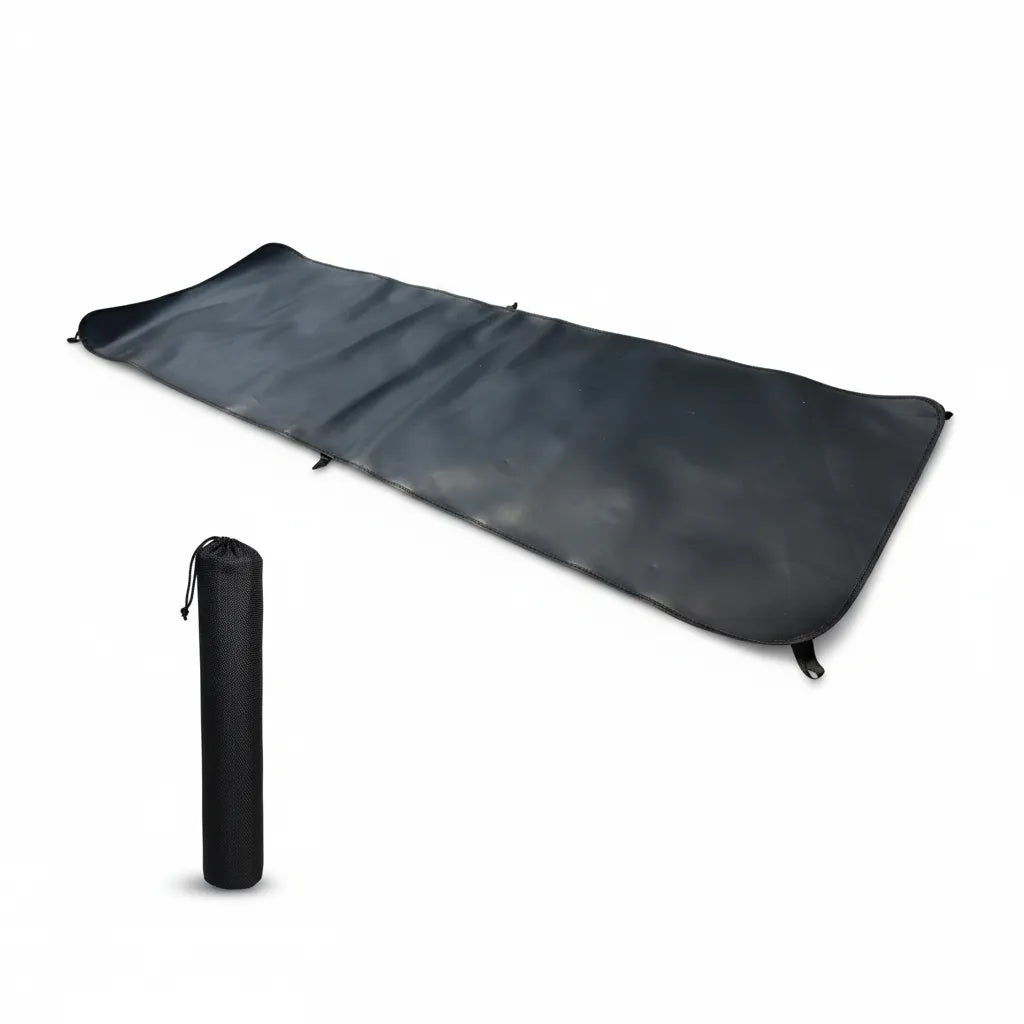
If you need a simple shelter baseline, a beginner-friendly option like the SmartPeak Teepee Tent 2 Person can reduce setup complexity while you build skill consistency.
The 10 Skills, Ranked by First-Trip Risk
This ranking focuses on beginner failure cost.
A lower rank does not mean the skill is unimportant.
It means early failure in that skill is usually less catastrophic than failure in the skills above it.

The ranking also matches a recurring Reddit pattern in beginner threads.
People rarely regret buying one less accessory.
They regret arriving late with no sequence and no fallback.
That is why this guide keeps skills tied to action order.
Skill-by-Skill Playbook
Campfires 101: Essential Tips for Beginner Campers
This section turns each skill into a practical starter protocol.
Use it as your training card.
You do not need to master everything in one trip.
You need a repeatable base layer.
Skill 1: Site Selection and Shelter Placement
Pick flat ground first.
Then check drainage paths.
Then evaluate wind exposure.
Do not reverse that order.
A beautiful view that floods is still a bad site.
A dry site with moderate wind protection is a better first-night teacher.
When placing shelter, think in zones.
Sleep zone should be dry and stable.
Kitchen zone should be downwind and separate.
Gear zone should be organized around next-use priority.
If your site is exposed, pair shelter with weather backup.
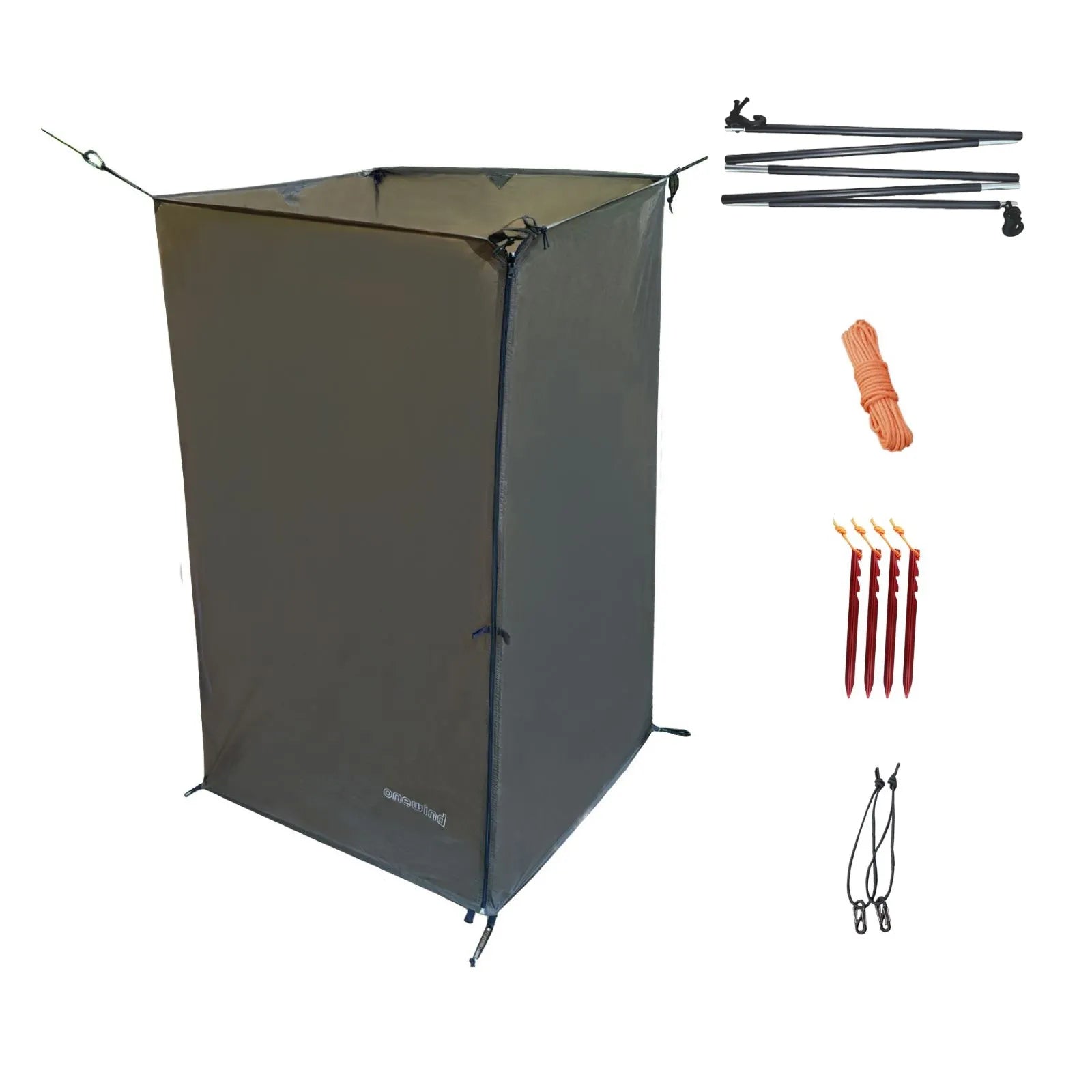
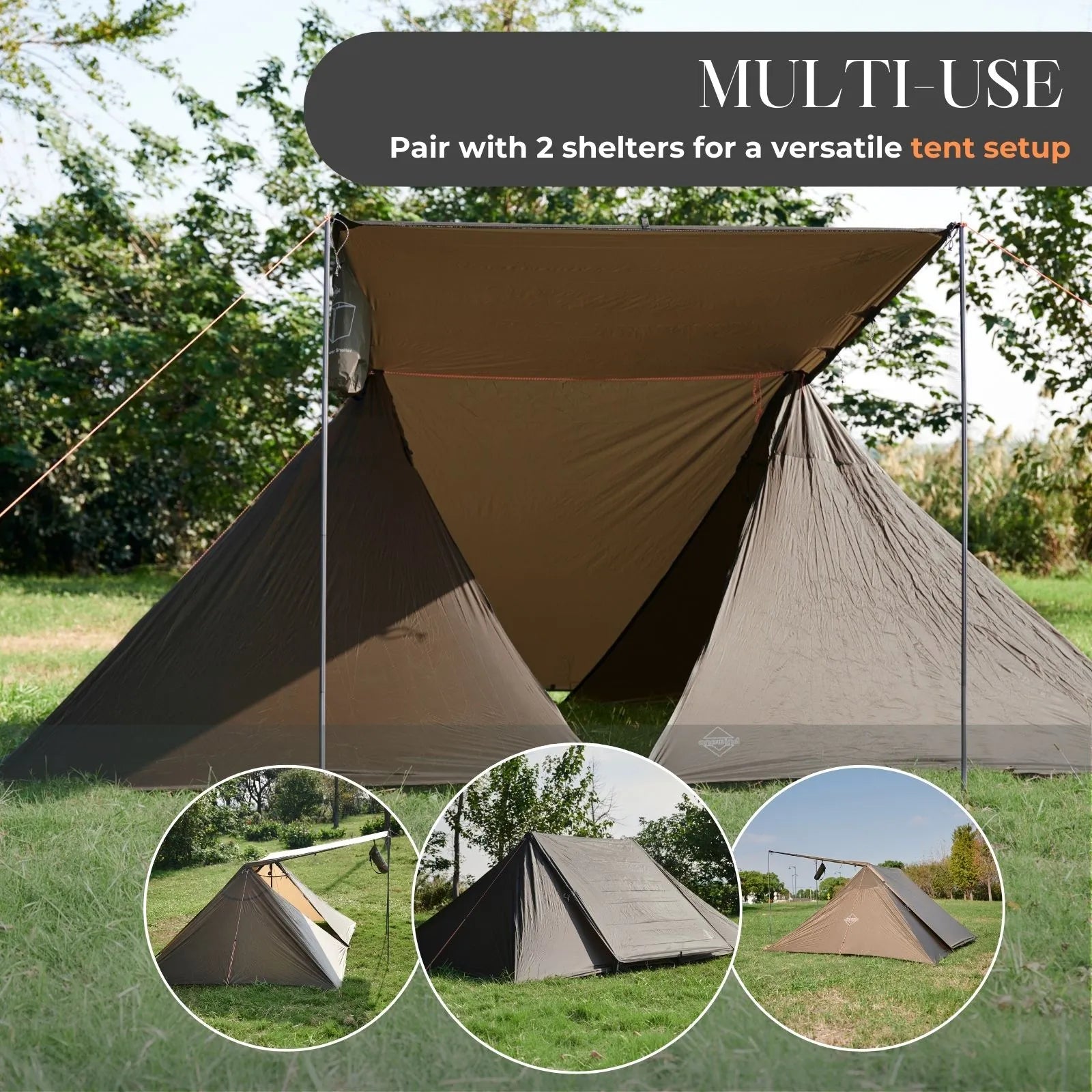
A tarp option like the Billow Ultralight Hammock Tarp Shelter 12' can give you faster rain contingency coverage.

Skill 2: Weather Readiness Workflow
Forecast is not enough.
You need a trigger-based plan.
Define your thresholds before arrival.
Example: if wind rises above your comfort level, reinforce all guy points and reduce exposed kitchen setup.
Example: if rain probability rises, stage dry layers and shelter-first tasks before any leisure task.
According to NOAA safety guidance, weather changes are a planning issue, not a surprise excuse.
Treat weather readiness as an active routine.
Not as a passive check.
Skill 3: Water Sourcing and Purification
NPS guidance repeatedly emphasizes water as a primary need.
Beginner planning should reflect that hierarchy.
Set your drinking volume first.
Then set cooking volume.
Then set cleanup volume.
If your source confidence is low, simplify route and campsite choice.
Do not rely on uncertain backcountry collection on trip one.
If you are collecting water, define treatment steps before you need them.
Filtered but uncontained water is still a process failure.
Skill 4: Fire and Stove Safety
For many beginners, stove-first is the safer default.
Fire can be added once shelter and water systems are stable.
If you run fire, keep a strict ignition and shutdown routine.
USDA fire safety publications and public land notices repeatedly emphasize full extinguish discipline.
No glow.
No heat.
No ambiguity.

Skill 5: Food Storage and Kitchen Hygiene
Food skill is not just cooking skill.
It is storage, contamination control, and cleanup timing.
EPA handling guidance for outdoor chemical use and public wildlife advisories both point to one theme: sloppy process creates avoidable risk.
Set a clean prep zone.
Set a waste zone.
Set a sealed storage zone.
Keep those boundaries clear at all times.
Skill 6: Navigation Basics
You do not need expert navigation for your first trip.
You do need minimum navigation control.
Carry a map and compass.
Set a turnaround time.
Set a check-in rule for any route deviation.
If confidence is low, favor developed campgrounds and shorter loops.
This is a decision quality issue.
Not an ego issue.
Skill 7: First Aid and Incident Response
First aid planning for beginners should be scenario-based.
Cuts, burns, blisters, mild sprains, and dehydration are common.
Write your first response steps for each one.
Then keep the list visible.
The goal is fast stabilization.
Not heroics.
If your plan depends on memory under stress, it is not a real plan.
Skill 8: Wildlife Awareness and Boundaries
Wildlife safety starts with camp behavior.
Not with dramatic encounters.
Store food cleanly.
Limit scent spread.
Keep distance discipline.
APHIS firewood and pest movement guidance adds a related operational point: buy local fuel where you burn it.
That reduces ecosystem transfer risk and simplifies compliance.
Skill 9: Leave No Trace Execution
Leave No Trace is practical skill, not moral decoration.
Use it to make your site faster to manage and easier to exit.
Pack out all waste.
Restore disturbed surfaces where reasonable.
Avoid creating new impact when a durable surface exists.
LNT education sources frame this as system behavior.
That is exactly how beginners should use it.
Skill 10: Comfort Pacing and Energy Management
Fatigue is a hidden failure multiplier.
Set a realistic arrival window.
Protect sleep timing.
Assign roles early.
Break tasks into short blocks.
If one person carries every task, camp quality drops quickly.
A simple comfort item such as a Camping Pillow is not mandatory for survival, but sleep quality can materially improve next-day decision quality.
IF/THEN Decision Framework
When uncertainty rises, use explicit triggers.
Do not improvise every decision in real time.
This table gives you a beginner-safe sequence.
This logic also maps well to the Family camping checklist if you are coordinating multiple people.
That post emphasizes sequence.
This post emphasizes skill quality within sequence.
Together they create a practical beginner system.
6 Field Scenarios
Scenarios help you pressure-test your decisions before the trip starts.
Use them as rehearsal scripts.

Scenario 1: Solo First-Time Camper at a Developed Campground
You have one night and limited setup experience.
Your biggest risk is sequence drift.
If you start with optional tasks, darkness catches your critical setup.
Verdict: prioritize shelter, water, and lighting in the first hour.
Use a strict shutdown checklist before sleep.
Scenario 2: Couple on a One-Night Test Trip With Uncertain Weather
Forecast confidence is moderate.
Temperature swing is likely.
Your risk is delayed weather response.
Verdict: build weather backup before comfort upgrades.
Treat dry layers and rain routing as non-negotiable.
Scenario 3: Family With Kids Who Need Strict Camp Routines
You are managing more transitions and more interruptions.
Your risk is coordination fatigue.
Verdict: assign clear roles and simple movement rules.
One adult owns shelter and weather checks.
One adult owns kitchen and cleanup flow.
Kids own personal lights and simple repeatable tasks.
Scenario 4: Beginner Strong on Gear but Weak on Navigation
Your gear is good.
Your route discipline is weak.
Your risk is time loss and poor return decisions.
Verdict: shorten routes and enforce turnaround rules.
Use map checkpoints and simple bearing confirmation.
Scenario 5: Beginner Choosing Stove-Only vs Fire-Plus-Stove Workflow
You want campfire experience but skills are still early.
Your risk is unsafe multitasking.
Verdict: default to stove-first on early trips.
Add controlled fire practice only when shutdown discipline is consistent.
Scenario 6: First Trip in Shoulder Season With Colder Nights
Comfort assumptions from summer no longer hold.
Your risk is nighttime cold stress and poor sleep.
Verdict: over-index on insulation, dry layers, and wind reduction.
Keep morning rewarm workflow ready before sleep.
48-Hour Practice Plan (Before You Leave)
Most skill confidence problems can be reduced before you drive out.
Use this short rehearsal schedule.
It is built for beginners with limited prep time.
A simple hardware improvement can reduce friction here.
For faster repeatable shelter anchoring, Aluminum Tent Stakes are a practical upgrade over mixed improvised stakes.
Common Mistakes That Break Beginner Trips
Mistakes are usually process mistakes.
The fix is usually sequence clarity.
This pattern also appears in beginner forum and Reddit discussion summaries.
People do not complain most about lacking premium gear.
They complain about avoidable process collapse.
Gear Map: Buy First vs Borrow First
You do not need to buy everything now.
Buy where reliability and safety matter most.
Borrow where variability is acceptable.
For beginners building a compact system, the Camping Gear Collection is easier to evaluate when used through this buy-first vs borrow-first lens.
If weather backup is your weak link, start from the Tarp Shelter Collection.
Final Verdict
For most beginners, essential camping skills are best learned in this order: shelter, weather, water, safety, then comfort.
That order protects the first night.
It also protects decision quality on day two.
The skill stack is not about camping harder.
It is about making the trip predictable.
Predictable camps are safer camps.
Safer camps are repeatable camps.
Repeatable camps are where confidence grows.
Post-Trip Debrief Scorecard
Do not end the trip without a short debrief.
A 10-minute review turns one weekend into better performance on the next one.
Use this scorecard while memories are still fresh.
If one category scores below 3, that category becomes your only upgrade target for the next trip.
This prevents random spending and keeps your skill development focused.
If two categories score below 3, prioritize the one that created night stress first.
Night stress usually predicts next-day mistakes.
Also record one process win.
Examples include faster tent pitch, cleaner food storage, or better route timing.
Small wins are useful because they show which habits are already working.
Keep those habits unchanged on the next trip.
Change one bottleneck at a time.
If you execute this roadmap, your first trip will feel structured instead of reactive.
That is the real beginner win.