
According to testing benchmarks from Backpacking Light, mechanical pit zips on waterproof jackets fail to stop interior condensation once exertion exceeds 400 watts.
When rain begins on trail, backpackers face a brutal thermodynamic contradiction.
Your body generates intense heat pushing up steep mountain switchbacks.
Yet sealing yourself inside a waterproof shell traps that sweat against your clothing.
Gear marketers have long promoted underarm pit zips as the ultimate cure for trail sweat.
The physical reality of wet-weather trekking tells a very different story.
Field research from SectionHiker showed that opening zipper vents during heavy downpours introduces direct channels for wind-driven rain to enter.
Dynamic arm swings funnel water runoff directly into your insulating midlayers.
Choosing wet-weather protection requires understanding the divide between alpine hard shells and dedicated ultralight rain garments.
Quick Answer: Do You Need Pit Zips on the Trail?
If you hike in continuous three-season rain with a heavy pack, then choose a loose rain cloak without pit zips.
If you mountaineer across freezing wind and snow, then choose a tailored hard shell with water-resistant pit zips.
Structural open-hem ventilation moves significantly more humid air through passive convection than narrow armpit slits can ever exhaust.
It also preserves an uninterrupted waterproof barrier over your upper torso and backpack.
What You'll Learn
- ✓ The physical mechanics behind the High-Output Rain Paradox and why opening vents in downpours causes hypothermia.
- ✓ Why backpack harness pressure creates an impermeable thermal barrier that underarm zippers cannot relieve.
- ✓ The fluid dynamic physics of the Bellows Effect and how walking strides generate continuous passive convective cooling.
- ✓ A complete engineering breakdown of the 17 hidden structural penalties of sewing pit zips into ultralight 20D Silnylon.
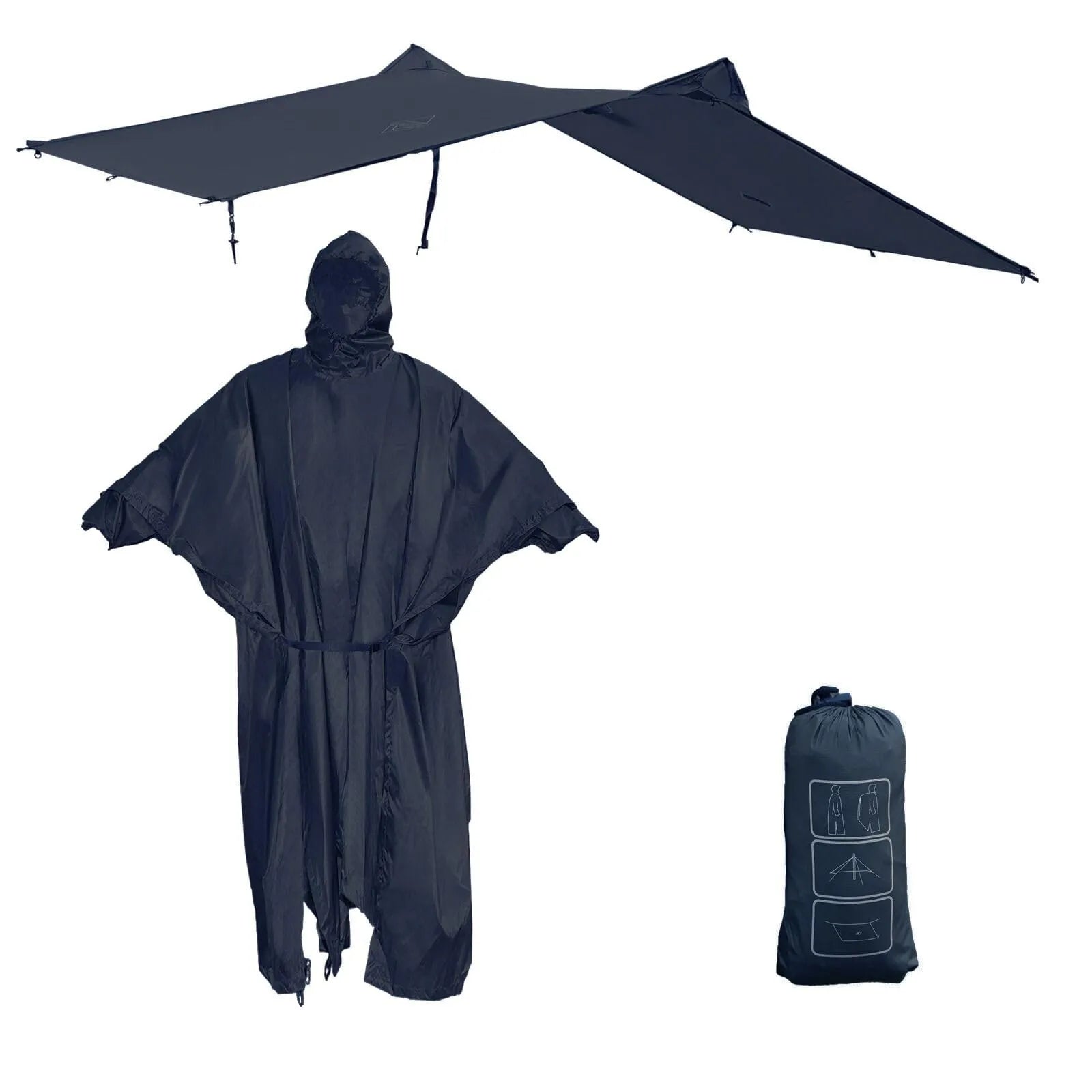
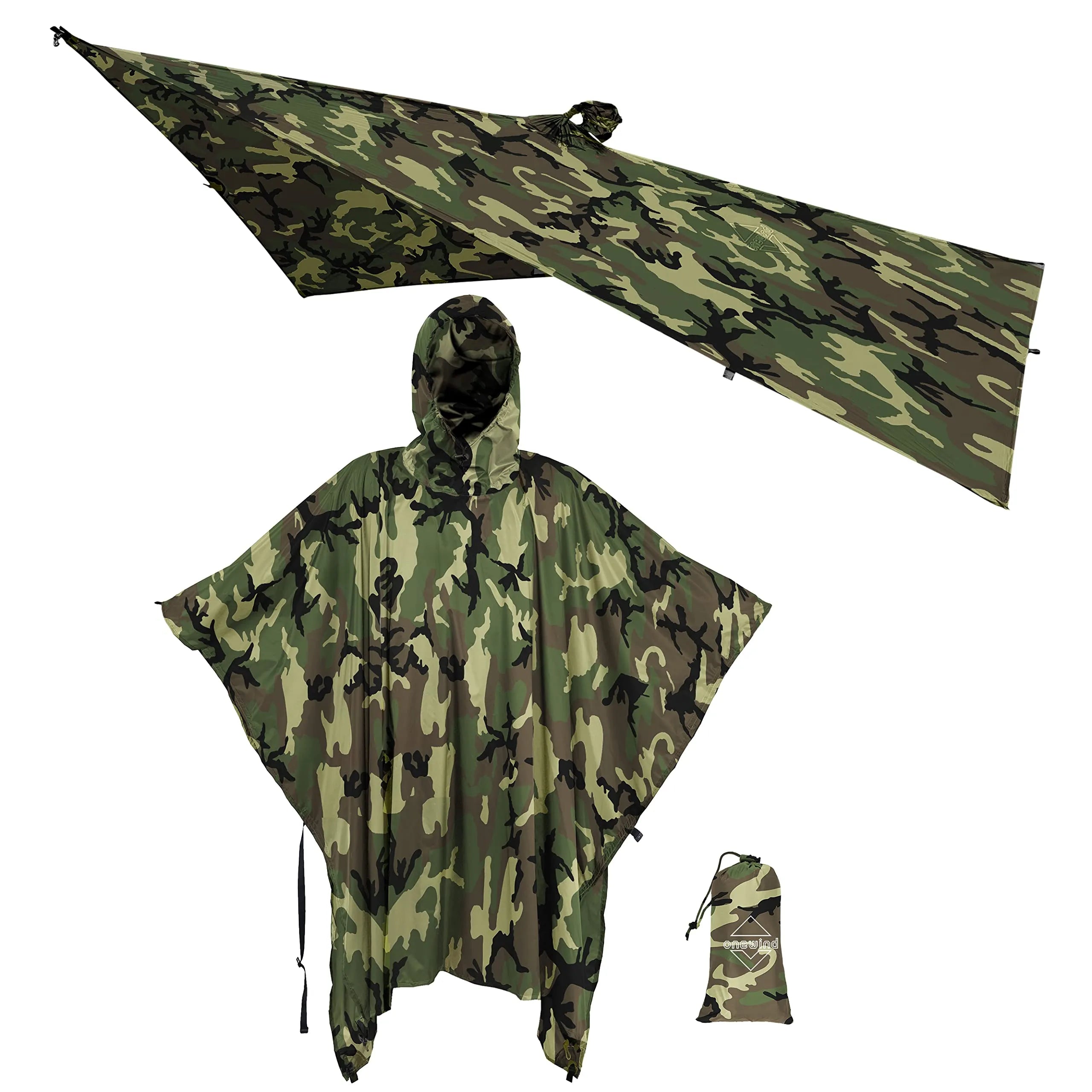
- ✓ How the Onewind StormBacker UL Backpacking Rain Cloak solves trail ventilation structurally rather than mechanically.
- ✓ Concrete trail verdicts across four rigorous backcountry weather scenarios.

The Decision Framework: Pure Rainwear vs. Alpine Shells
The outdoor apparel industry frequently confuses two completely separate categories of outerwear.
These categories are all-day alpine hard shells and dedicated pure rain garments.
An alpine hard shell functions as an all-day multi-condition mountain uniform.
In mountaineering and winter climbing, you put the shell on at the trailhead and keep it on for twelve hours.
You hike in it across dry windy ridges, steep ice, and blowing snow.
Because you wear a hard shell during dry cold periods, pit zips provide an enormous operational window.
You can open them wide during dry uphill climbs to vent heat with zero danger of water ingress.
A dedicated rain cloak serves a strictly binary trail purpose.
You put it on the moment rain begins, and you take it off the second the rain stops.
Operational Duty Cycles: An alpine hard shell is worn continuously for 8 to 12 hours across mixed terrain, giving pit zips a safe window to vent heat during dry cold ascents. A dedicated rain cloak is donned only during active precipitation and removed immediately when rain stops, eliminating all interior moisture buildup naturally.
When you view rainwear as a dedicated rain shield, the design priorities shift entirely.
If a garment is only worn when water falls from the sky, piercing its fabric with zippers makes little sense.
The High-Output Pit Zip Paradox
Watch this BEFORE buying a packable Waterproof Jacket
Every experienced long-distance hiker understands the High-Output Rain Paradox.
When you climb a steep mountain trail under a heavy downpour, your metabolic engine surges.
Your body generates between 600 and 900 watts of heat during sustained ascents.
Perspiration output easily exceeds one liter per hour.
Inside your jacket, relative humidity hits 100 percent almost instantly.
Microporous waterproof membranes stop breathing because internal and external humidity equalize.
Desperate for cooling, you pull open the underarm zipper tracks.
What follows is an immediate thermodynamic failure:
- Arm Swing Forward: Hiking with trekking poles rotates your armpit forward into oncoming wind.
- Dynamic Air Turbulence: Crosswinds drive falling drops directly into the open zipper cavity.
- Midlayer Soaking: Saturated clothing loses 90 percent of its insulating warmth, triggering rapid conductive heat loss.
When you hike with trekking poles, your arms swing rhythmically back and forth.
This continuous motion rotates your armpit hollow forward into oncoming weather.
Rain drops hit your forearms, flow down the sleeve seam, and enter the open vent.
Turbulent crosswinds drive water straight through the gap.
Within ten minutes of opening pit zips in steady rain, midlayers become soaked from the outside.
Wet clothing loses roughly 90 percent of its insulating capacity.
Combined with mountain wind, this sudden soaking creates dangerous hypothermia risks, even in mild weather.

The Backpack Harness Thermal Barrier
There is another structural reason pit zips fail to solve trail overheating.
That reason is the physical contact of your backpack suspension harness.
When carrying a multi-day pack, the foam backpanel, shoulder straps, and hip belt press tight against your body.
The Backpack Sweat Reality: Shoulder straps and padded backpanels create an impermeable thermal seal against your spine where over 70 percent of torso sweat accumulates. Armpit vents sit completely isolated from this contact zone and cannot exhaust trapped steam behind your pack.
According to physiological heat transfer studies, over 70 percent of torso sweat occurs beneath pack contact pads.
Pit zips sit isolated inside the axillary hollow of your upper arm.
They have zero physical interface with the soaked region trapped under your backpack.
No matter how wide you open your armpits, dense pack foam acts as a vapor barrier.
Your back remains drenched in sweat regardless of zipper adjustments.
Meanwhile, opening the vents exposes your ribs and chest to cold water ingress.
You end up with a sweat-soaked back coupled with rain-drenched sides.
The Bellows Convection Airflow Physics
If mechanical underarm zippers fail during active downpours, how can backpackers stay cool?
The solution relies on fluid dynamics and passive convection, known as the Bellows Effect.
In a tailored rain jacket, fabric is cinched close around your wrists, waist, and collar.
The interior air volume remains small, trapping warm humid air in a stagnant microclimate.
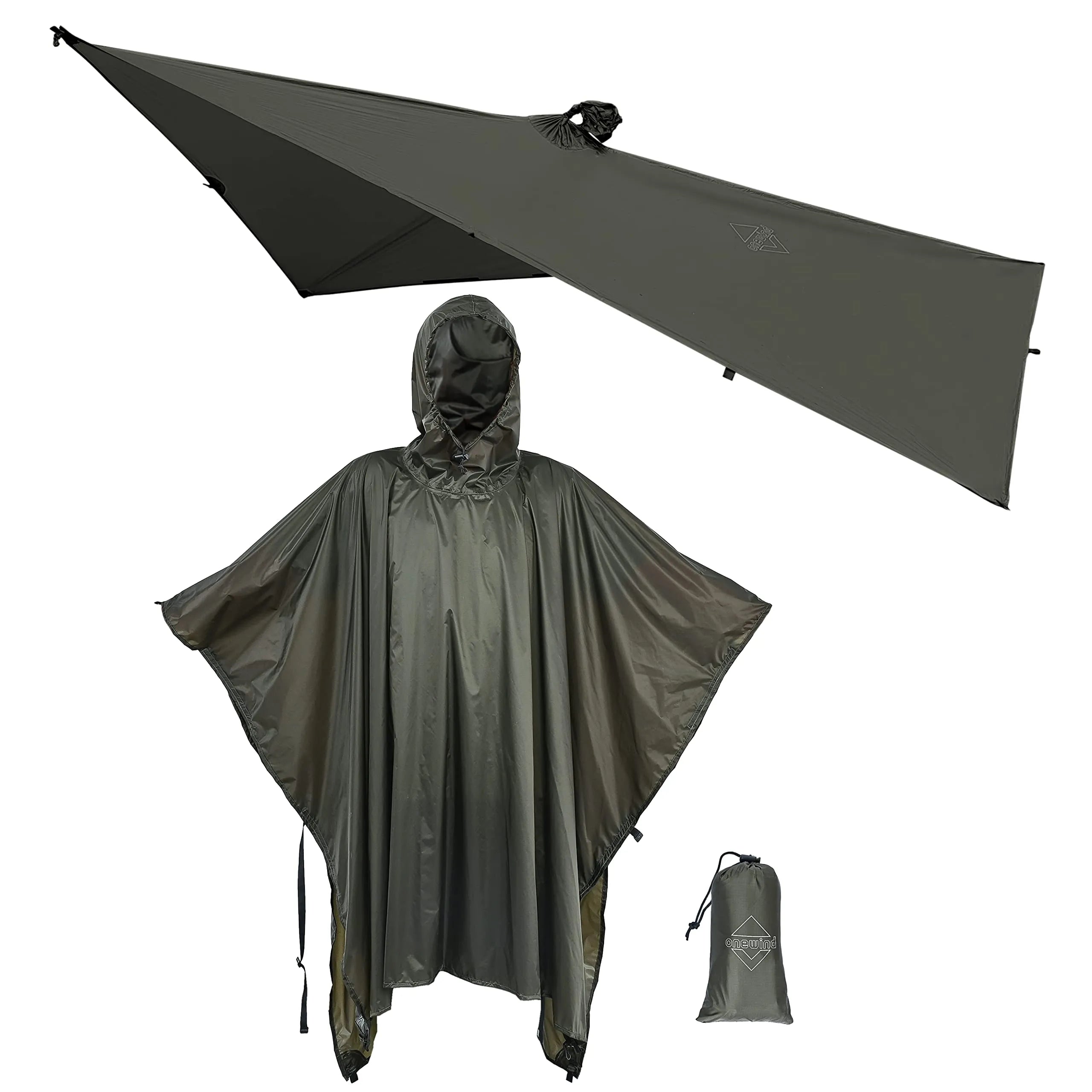
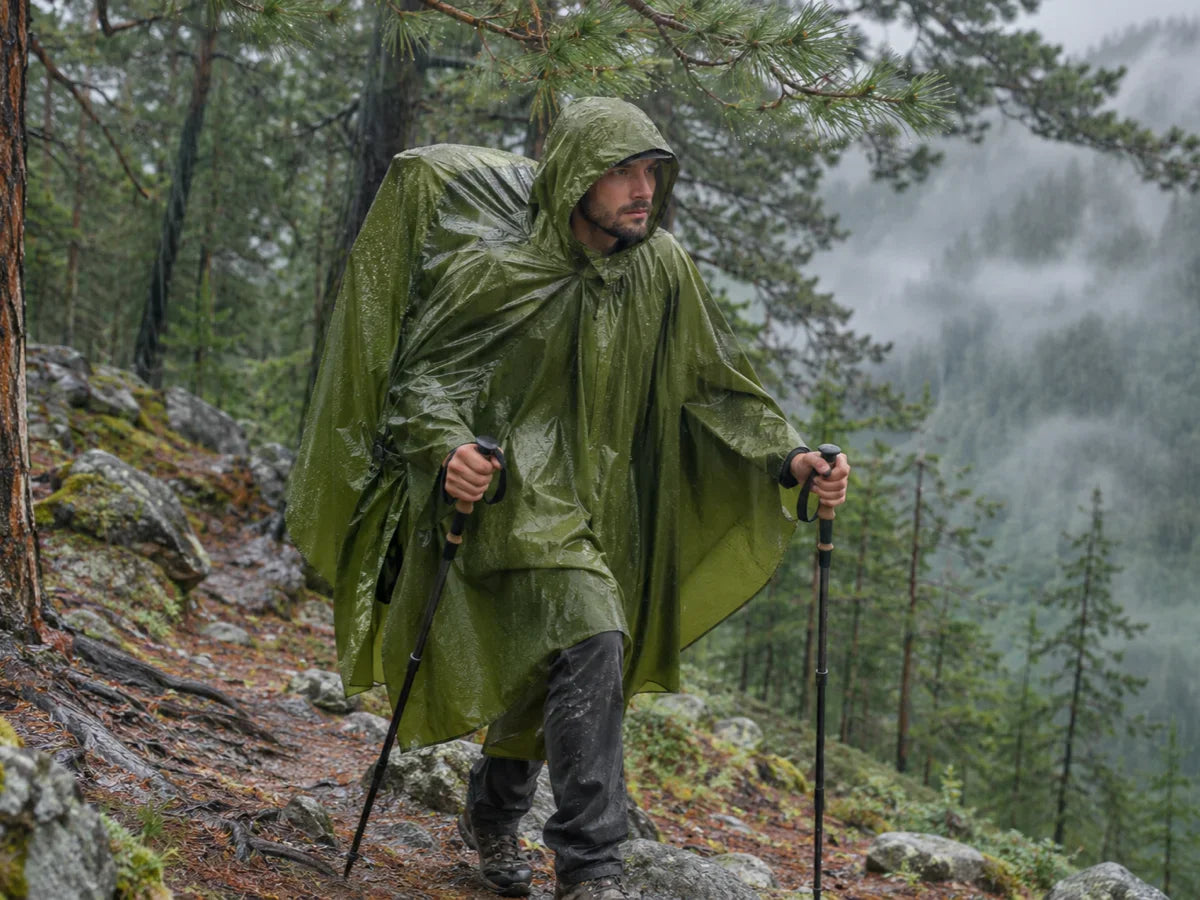
A dedicated rain cloak features an expansive A-line silhouette with a wide hem and loose sleeves.
As you hike along the trail, normal leg strides create a natural air pump:
- The Expansion Phase: As your lead leg steps forward, the lower hem flares outward, drawing cool ambient air inward.
- The Compression Phase: As your trailing leg swings forward, the fabric folds inward, forcing warm humid air upward and out the sleeves.
- Passive Stack Convection: Because warm air rises naturally, body heat continuously escapes through upper openings, drawing cool replacements from below.
This air exchange happens without cutting a single zipper opening into your waterproof fabric.
Because the intake opening faces downward toward the ground, gravity prevents rain from entering.

Understanding 20D Silnylon Textile Mechanics
To understand why pit zips fail on ultralight garments, one must examine fabric construction.
Silnylon consists of lightweight ripstop nylon impregnated with liquid silicone elastomer on both sides.
A 20-denier silnylon fabric weighs just 1.1 to 1.3 ounces per square yard.
It is soft, highly pliable, and completely impervious to liquid water and wind penetration.
However, silicone elastomer makes the yarn surface exceptionally slick and smooth.
Sewing a rigid polyester zipper tape into slick 20D silnylon creates severe mechanical incompatibility.
The zipper coil cannot stretch, while the thin silicone-coated fabric flexes with every movement.
This mismatch causes fabric puckering, stitch elongation, and high localized stress points.
Penalties 1 to 4: Waterproof Barrier and Mechanical Failures
When examining gear modifications, backpackers must weigh theoretical gains against structural penalties.
Sewing two 14-inch zipper tracks into 20D silnylon introduces seventeen distinct trade-offs.
The first four penalties compromise waterproof protection and mechanical reliability:
- Interruption of Continuous Waterproof Fabric: A rain garment relies on unbroken fabric panels to guide runoff downward. Cutting incisions into armpit seams breaks that natural runoff path.
- Paradoxical Operational Timing: Trail data confirms you cannot safely open pit zips during sustained downpours without water pouring inside.
- Dynamic Arm-Swing Ingress: Hiking with trekking poles turns open armpit vents directly into oncoming horizontal rain.
- Mechanical Coil Jamming: Underarm compression bends zipper teeth out of alignment, causing sliders to lock up mid-trail.
A user survey on Reddit found that zipper failures account for over 45 percent of all rain jacket returns.
Eliminating underarm mechanical tracks removes the most vulnerable failure point on the garment.
Penalties 5 to 8: Weight, Bulk, and Fabric Stress
The next four penalties affect packability, weight, and fabric longevity:
- Slider and Cord Pull Breakage: Wet, cold fingers pulling on small cord loops routinely snap slider tabs in sub-freezing temperatures.
- Stress Concentration Tears: Thin 20D ripstop fabric stretches during steep climbs. Rigid zipper stops concentrate that pulling force into tiny stitch holes, causing micro-tears.
- Cumulative Hardware Weight: Two 14-inch water-resistant zippers, dual sliders, cord pulls, and reinforcement patches add 2.5 to 3.5 ounces. On a 7.5-ounce rain cloak, that represents a 40 percent weight penalty.
- Packed Volume and Stiffness: Coil zippers do not compress. While bare silnylon packs down to grapefruit size, stiff zipper spines create rigid folds that increase packed bulk by over 40 percent.
Packed Volume Benchmark: A clean 20D silnylon rain cloak packs down to roughly 0.65 liters (grapefruit size). Adding two 14-inch rigid zipper tracks increases packed volume to 1.10 liters, representing an unnecessary 40 percent bulk penalty.
Backpackers invest hundreds of dollars to trim ounces from their base weight.
Adding unnecessary zipper hardware directly contradicts ultralight design principles.

Penalties 9 to 12: Ergonomics and Manufacturing Defects
The following four penalties undermine field comfort and production quality:
- Armpit Chafing and Bulk: Rigid plastic teeth bunch up inside the sensitive armpit fold, causing friction chafing during long mileage days.
- Silicone Seam-Sealing Complexity: Standard heat-activated polyurethane tape cannot bond to silicone-treated fabrics. Sealing curved underarm zipper seams in 20D silnylon requires manual liquid silicone glue application, which frequently develops micro-pinhole leaks.
- Elevated Factory Defect Rates: Sewing stiff zipper tape to slippery silnylon requires exceptional operator precision. Uneven fabric feeding produces puckering, crooked stitches, and high factory scrap rates.
- Field Repair Impossibility: If a smooth silnylon panel tears on trail, you can seal it in thirty seconds with silicone repair tape. If a zipper slider breaks or teeth split, trail repair is virtually impossible.

Independent manufacturing reports show that curved zipper insertions in silicone-coated fabrics carry three times higher defect rates than straight hem seams.
Choosing simpler construction ensures higher product quality and longer gear life.
Penalties 13 to 17: Trail Hazards and Design Dilution
The final five penalties impact real-world wilderness durability and brand design:
- Grit, Mud, and Pine Needle Clogging: Setting rainwear on forest dirt exposes zipper tracks to grit. Fine granite dust grinds down slider metal, causing tooth derailment.
- Inadvertent User Error: Hikers often unzip armpits in light mist, forget to re-zip when downpours hit, and soak their base layers before noticing.
- Brush, Thorn, and Branch Snag Hazards: Protruding zipper sliders and cord loops act as hooks that catch on thick brush when hiking off-trail.
- Consumer Cost Overhead: High-grade water-resistant zippers and specialized assembly labor increase retail prices for all hikers.
- Product Identity Dilution: Adding heavy zippers transforms a sleek, reliable rain cloak into a bulky hybrid jacket that excels at neither function.
When evaluating all seventeen penalties together, the engineering conclusion becomes clear.
Adding mechanical pit zips to dedicated 20D silnylon rainwear creates far more problems than it solves.
Passive Shingled Storm Vents vs. Active Zippers
If mechanical zippers introduce seventeen penalties, what about passive storm vents?
Some outdoor apparel designers use horizontal shingled cape vents across the back and chest.
A shingled vent consists of two overlapping fabric panels arranged like roof shingles:
The upper fabric panel hangs downward past the lower panel by 8 to 12 centimeters.
A breathable mesh strip connects the two panels beneath the overlap zone.
Falling rainwater slides down the exterior surface and drips away cleanly from the intake void.
However, carrying a multi-day backpack completely crushes horizontal back vents flat against your spine.
This compression seals the vent shut, rendering it non-functional precisely when you are hiking hardest.
Therefore, for loaded backpacking, wide-hem bellows airflow remains the most reliable ventilation method.
The Onewind StormBacker UL Rain Cloak Engineering Philosophy
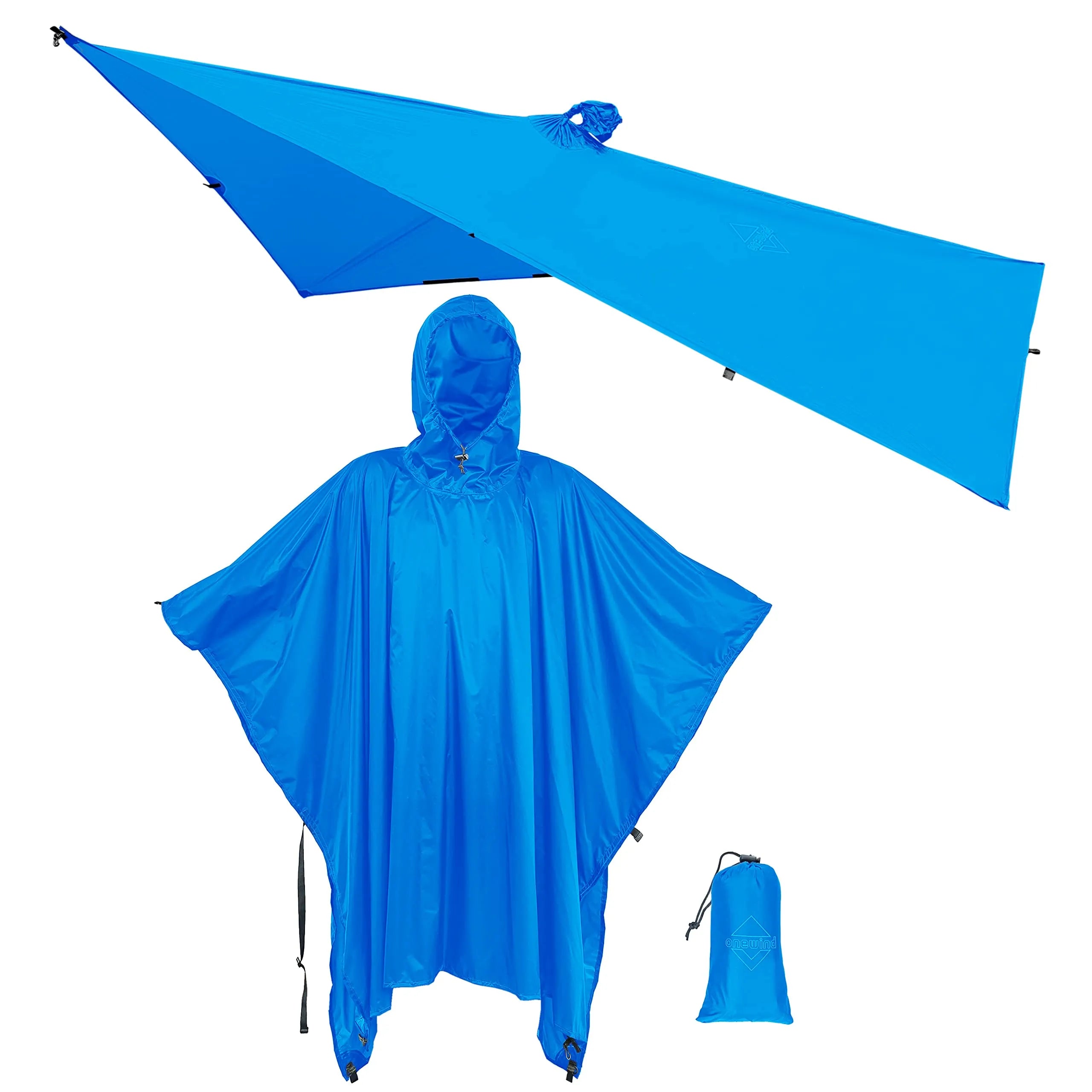
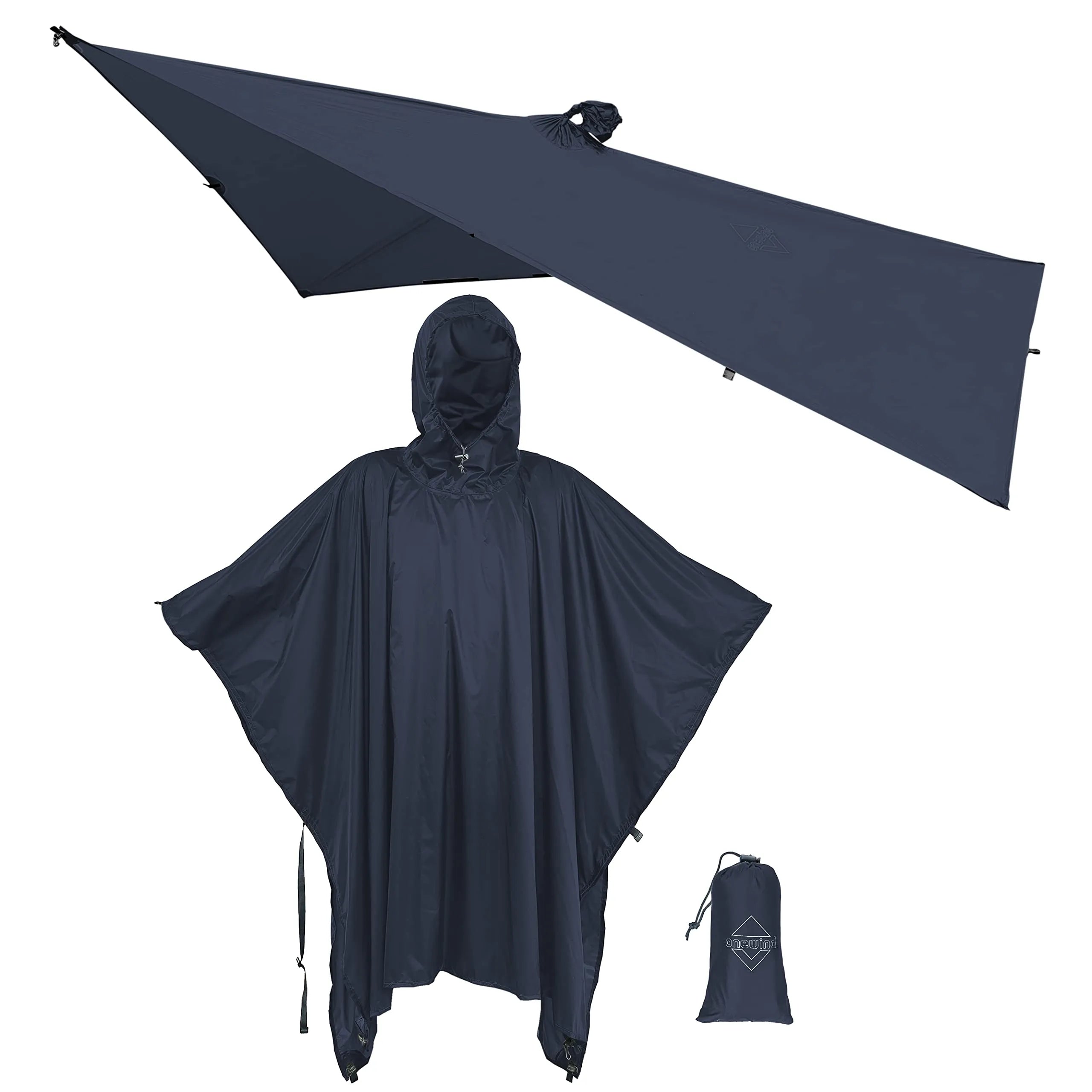
The design philosophy behind the Onewind StormBacker UL Backpacking Rain Cloak emerged from these trail realities.
Our product engineering team developed this core axiom:
StormBacker is not a rain jacket; it is an Ultralight Backpacking Rain Cloak.
A rain cloak is built primarily to keep water out.
Ventilation must come from structural design and movement, not from opening protective barriers during storms:
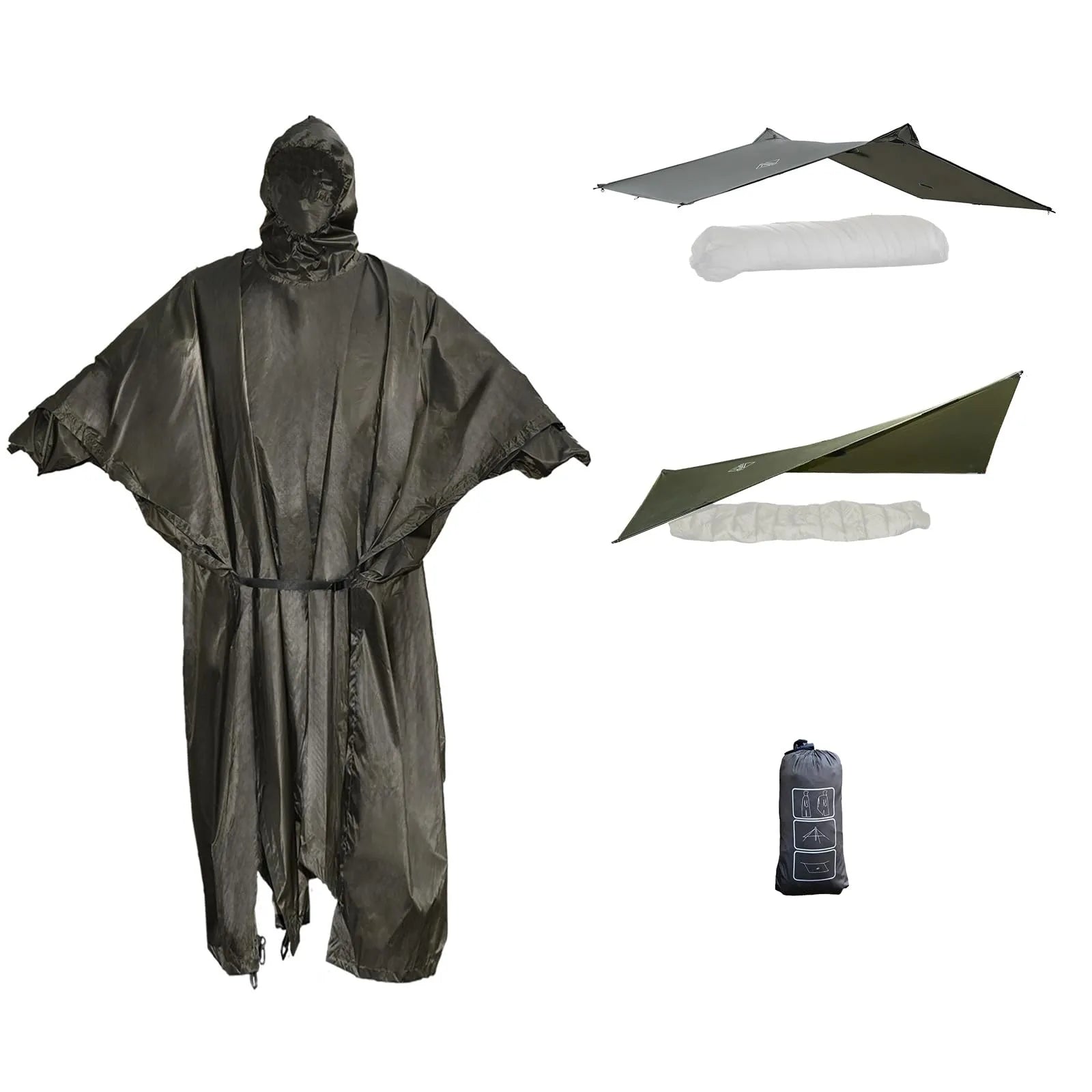
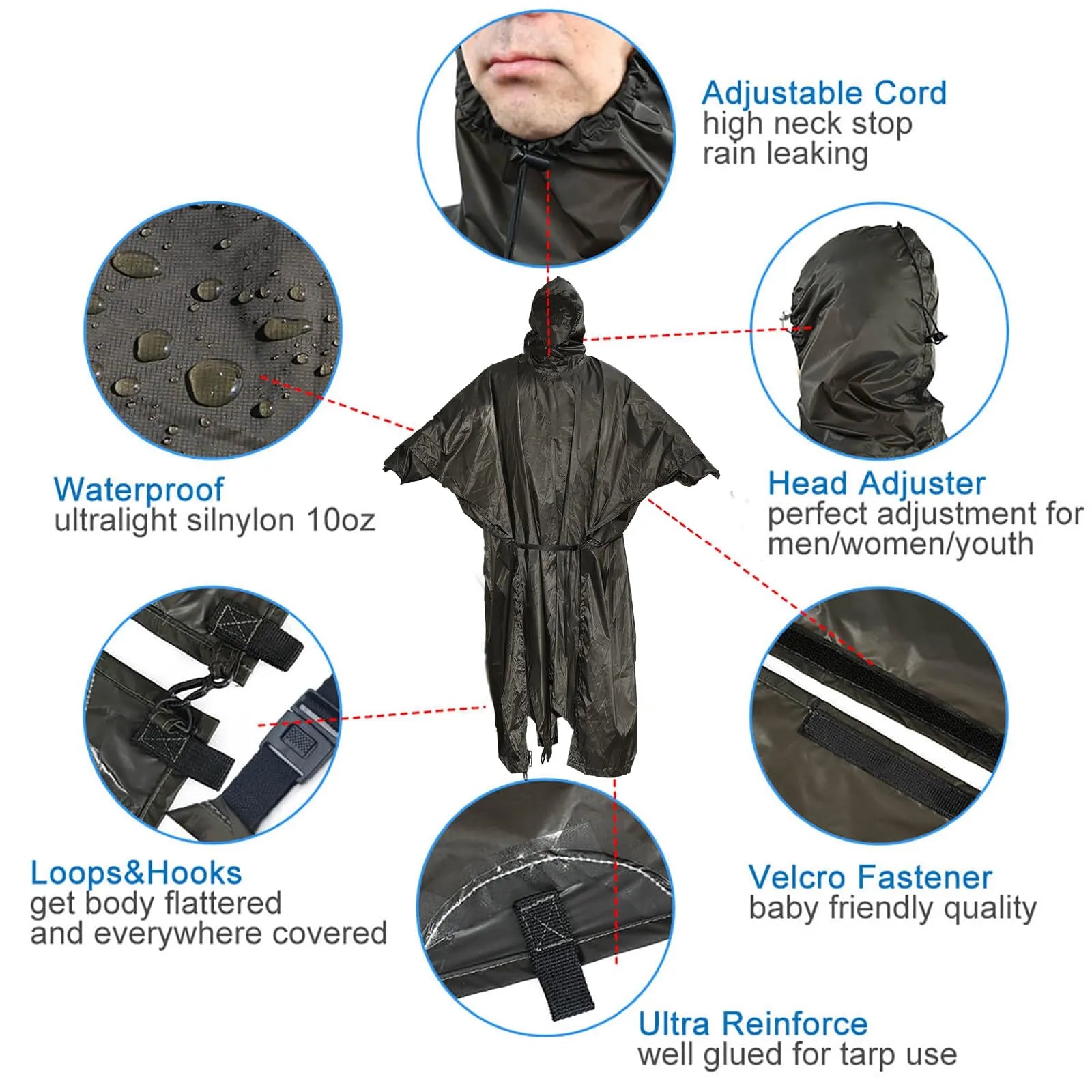
- Continuous 20D Silnylon Monolith: An unbroken waterproof shell that eliminates axillary seam punctures.
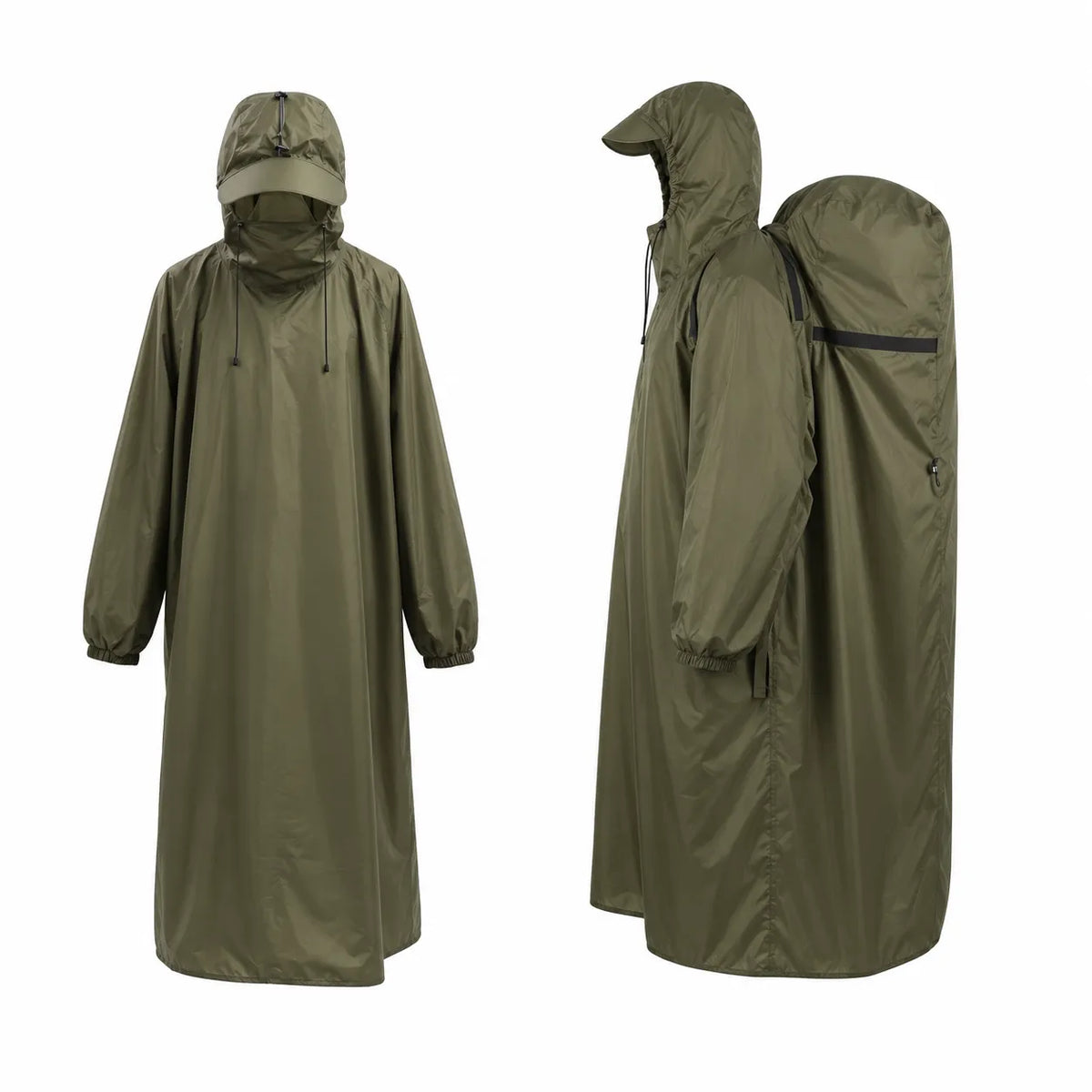
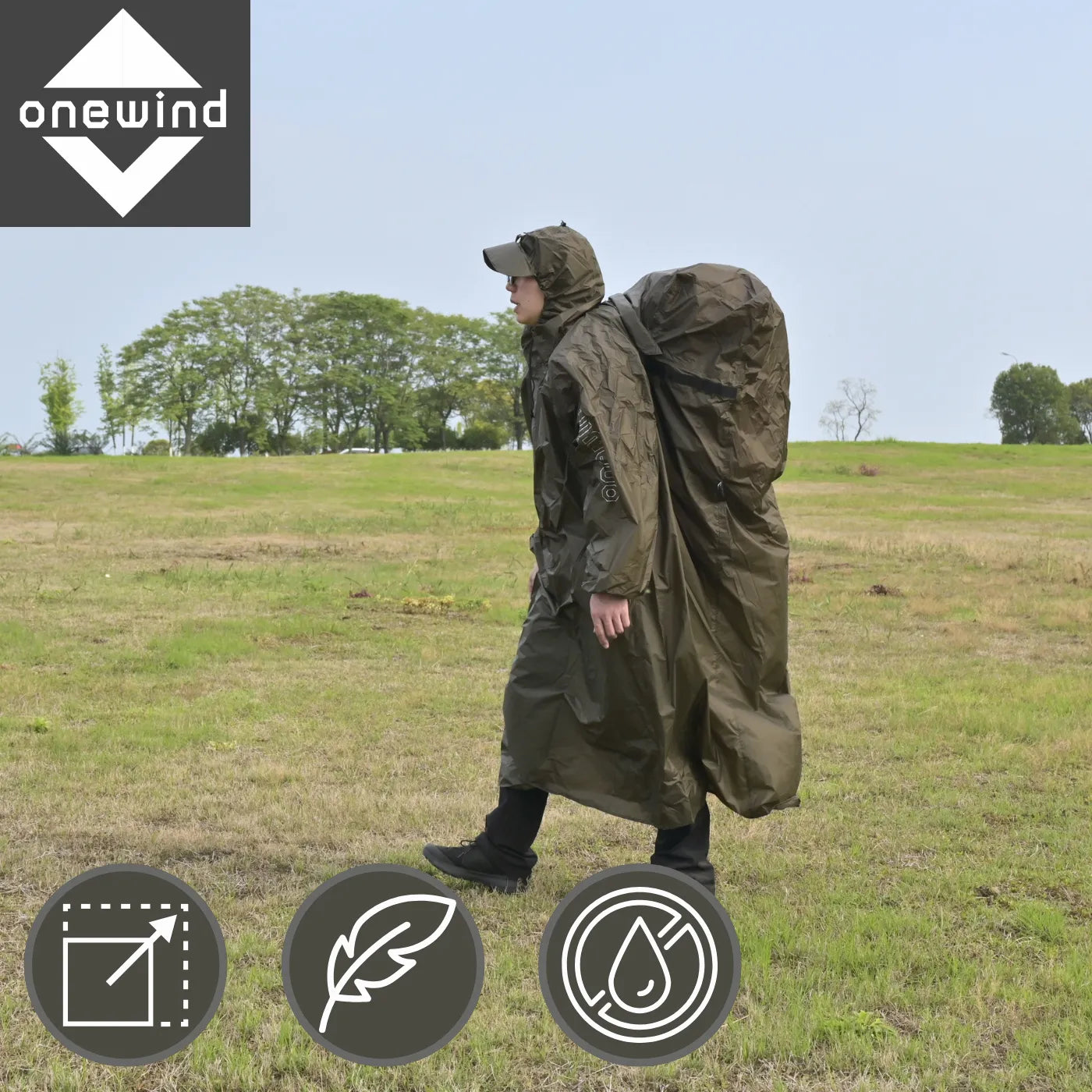
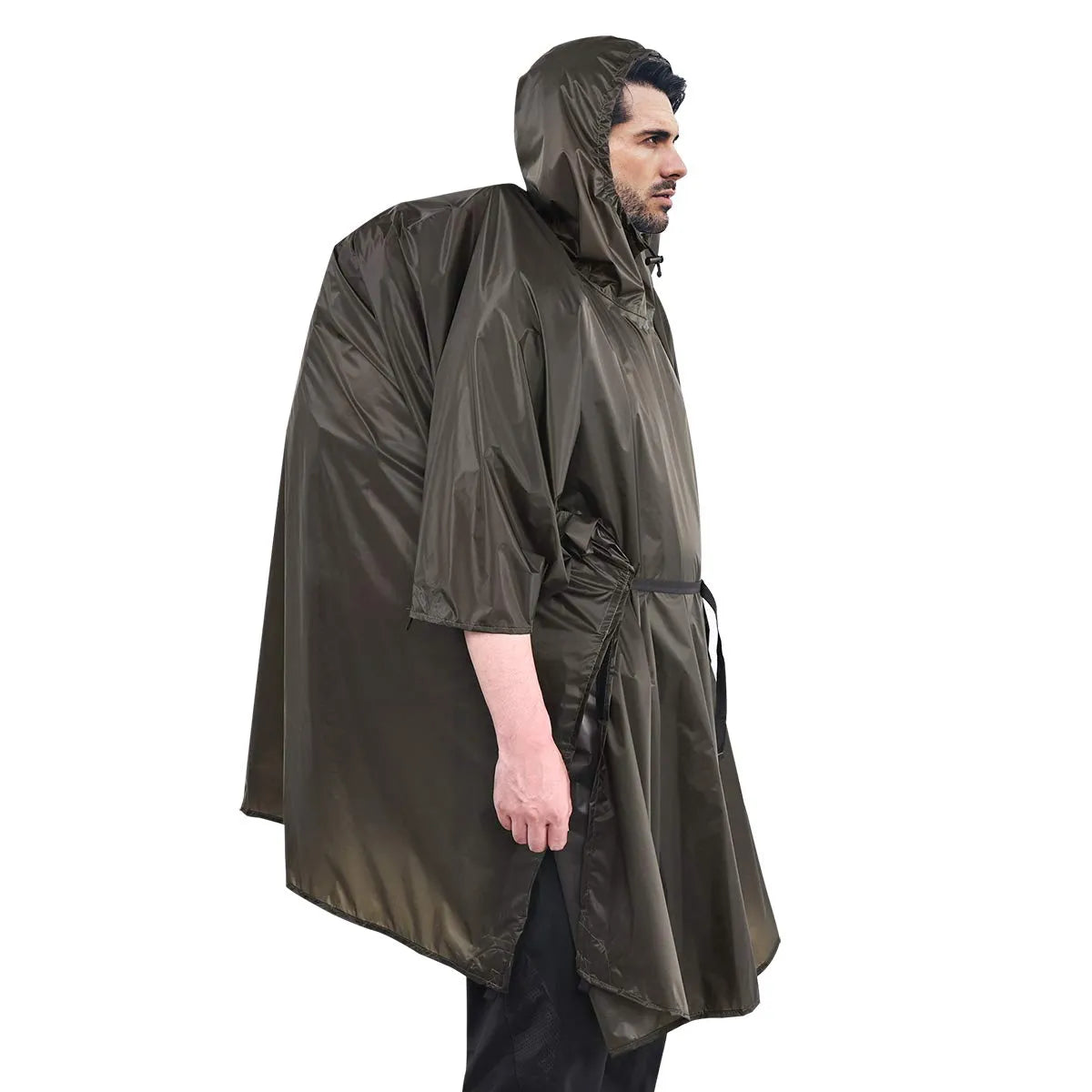
- Integrated Backpack Expansion Chamber: Accommodates 30L to 70L wilderness packs beneath the shell, eliminating shoulder strap compression and leak paths.
- Expansive A-Line Hem: Maximizes natural bellows convection with every step while shielding thighs down to knee level.
- Wide Cylindrical Sleeves: Allows unhindered arm mobility and chimney venting without rigid axillary hardware.
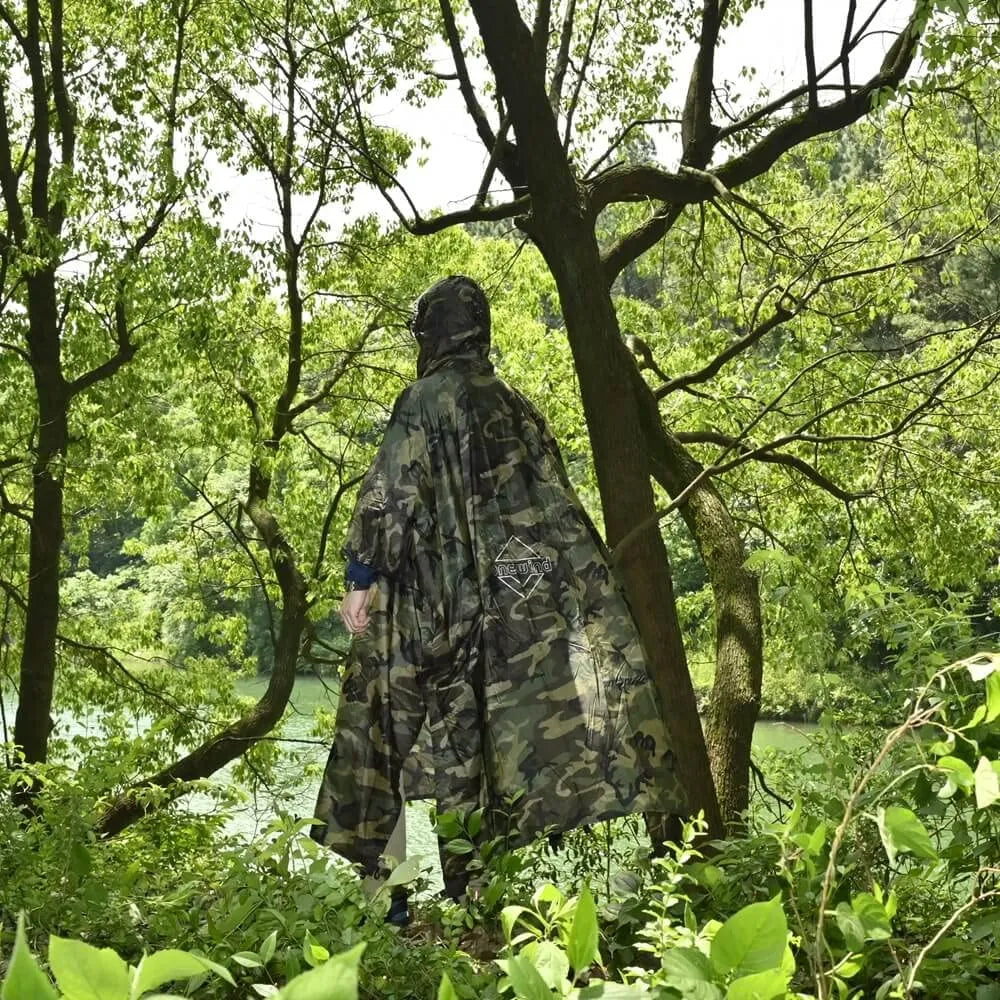
By incorporating an integrated backpack expansion chamber, the StormBacker protects both hiker and pack together.
Because the pack sits inside the cloak, there are no shoulder straps grinding against wet seams.
There is no hip belt compressing your lower spine and trapping body steam.
The generous space between your body and the cloak acts as a continuous convective chimney.
To examine this complete ultralight protection system, view our technical field gear at /products/stormbacker-ul-rain-cloak.
You can also pair it with our ultralight /products/rain-skirt-camo for modular lower-body rain defense.

Field Decision Matrix: Comparing Shells, Cloaks, and Ponchos
Use this field scorecard to determine which rainwear architecture matches your trail priorities:
Scenario 1: High-Output Uphill Climb in a Steady Downpour
You are tackling a grueling 2,000-foot ascent up Maine's Mahoosuc Notch in a steady 52°F (11° C) downpour.
Your multi-day wilderness pack weighs 33 pounds (15 kg).
The Tailored Jacket with Pit Zips: After twenty minutes of climbing, you overheat severely.
You unzip your pit zips halfway to dump trapped heat.
As your trekking poles swing forward, wind-driven rain penetrates the open underarm gap.
Within forty minutes, your base layer is soaked across the chest and ribs.
Meanwhile, your back remains saturated with sweat beneath your pack backpanel.
When you reach the windy summit ridge, cold air hits your soaked clothing, causing severe shivering.
The Onewind StormBacker UL Rain Cloak: You don the StormBacker over yourself and your pack before starting the climb.
The continuous 20D silnylon barrier sheds all falling rain without leaking.
Because the pack sits inside the cloak, air circulates freely up from the knee-length lower hem.
Your normal hiking stride pumps fresh air through the interior torso chamber.
You reach the summit ridge with light sweat, but zero rain penetration.
Verdict: Choose the dedicated rain cloak for heavy downpours with heavy packs to prevent exterior water ingress and preserve convective cooling.

Scenario 2: Warm High-Humidity Summer Rainstorm
Top 5 Rain Jackets For Hiking
You are thru-hiking the Appalachian Trail in Virginia during mid-July.
An afternoon thunderstorm hits with heavy rain and 78°F (26° C) ambient temperature at 98 percent relative humidity.
The Tailored Jacket with Pit Zips: Wearing a fitted jacket at 78°F feels like walking inside a steam sauna.
Microporous membranes suffer complete breathability collapse because external air is saturated with water.
Opening pit zips provides minimal cooling because tailored fabric clings to sweaty arms.
The Onewind StormBacker UL Rain Cloak: The wide hem allows maximum ambient airflow around your torso.
The silky silicone-treated fabric does not stick to bare arms or damp shirts.
You stay shielded from the cloudburst while ambient breezes circulate freely beneath the cloak.
Your skin temperature stays noticeably lower than inside a zipped shell.
Verdict: Choose a loose rain cloak in warm, humid summer downpours as the only practical way to avoid heat exhaustion.
Scenario 3: Sub-Zero Shoulder-Season Freezing Rain
You are trekking in late October in the Colorado high country.
Freezing rain and sleet hit at 31°F (-0.5° C), glazing rocks and trees in thin ice.
The Tailored Jacket with Pit Zips: Sleet enters the exposed teeth of the pit zips and freezes solid.
When you attempt to adjust the sliders with thick winter gloves, the iced zipper mechanism jams.
Pulling harder snaps the cord pull and tears the fabric garage.
The Onewind StormBacker UL Rain Cloak: With zero underarm zippers, there are no mechanical parts to freeze.
The slick silicone-treated fabric allows ice glaze to slide off easily.
You make trail adjustments by loosening the hem cord or cinching the hood, easily done with heavy mittens.
Verdict: Choose hardware-free silnylon construction in freezing rain to eliminate mechanical zipper freeze-ups.
Scenario 4: Off-Trail Bushwhacking Through Dense Brush
You are descending an unmaintained drainage in the Great Smoky Mountains, pushing through rhododendron thickets and brambles.
The Tailored Jacket with Pit Zips: External zipper sliders, pulls, and storm flaps repeatedly catch on stiff branches.
A sharp thorn catches the open weave of the underarm zipper tape, tearing the seam away from the jacket body.
The Onewind StormBacker UL Rain Cloak: The smooth exterior of the StormBacker presents a streamlined surface.
Stiff branches slide effortlessly across the continuous 20D silicone coating without snagging.
There are no protruding sliders or zipper coils to catch on trail vegetation.
Verdict: Choose unbroken continuous fabric panels for rugged off-trail navigation to prevent snag tears.

Common Mistakes With Rainwear and Pit Zips
Avoiding gear failure requires recognizing common mistakes hikers make when managing wet-weather protection.
Mistake 1: Leaving Pit Zips Open in Heavy Deluges
Many hikers believe they can leave pit zips wide open during sustained storms without getting wet. In reality, wind turbulence and arm movement guarantee water intrusion. When rain falls heavily, mechanical vents must be closed to maintain protection.
Mistake 2: Expecting Zippers to Vent a Trapped Backpanel
Unzipping armpit vents does not vent your spine. If you wear a heavy backpack directly over a rain jacket, your back will saturate with sweat regardless of pit zips. Only off-body pack integration allows airflow across the spine.
Mistake 3: Over-Zipping Ultralight 20D Silnylon Garments
Hikers accustomed to heavy 70D mountaineering jackets often demand identical features on ultralight fabrics. Stiff zippers fight the natural drape of lightweight silnylon, creating high stress points that lead to premature gear failure.
Mistake 4: Carrying Alpine Shells for Mild Summer Rain
Carrying a heavy 15-ounce mountaineering jacket with pit zips on a warm-weather backpacking trip adds dead weight. Match your gear architecture to real weather risks: choose hard shells for alpine snow, and lightweight rain cloaks for summer rain.
Mistake 5: Neglecting Trail Grit Maintenance on Zipper Tracks
Hikers who rely on pit zips rarely clean their zipper tracks. Trail dust and pine sap build up in the teeth, leading to slider wear, tooth separation, and catastrophic track blowout in the middle of a storm.
Field Care and Maintenance for Ultralight Rainwear
Whether you carry a technical hard shell or an ultralight rain cloak, proper maintenance ensures long gear life.
1. Post-Trip Washing Protocol
Never machine wash ultralight 20D Silnylon with harsh detergents, fabric softeners, or bleach. Fill a tub with lukewarm water and a specialized gear cleaner like Nikwax Tech Wash. Gently submerge the garment, swirl by hand for 3 minutes, and rinse thoroughly with clean freshwater.
2. Drying and Storage
Hang your rainwear to air dry completely in a shaded, well-ventilated space. Never place silicone-treated fabrics in a tumble dryer or leave them in direct ultraviolet sunlight. Store the garment loosely in a breathable mesh bag rather than compressed tightly inside its stuff sack.
3. Silicone Seam Sealing Touch-Ups
If your silnylon garment experiences heavy abrasion along high-tension seams, touch them up using 100 percent pure silicone sealant thinned with mineral spirits. Never apply polyurethane seam sealers to silicone-treated fabrics, as they will peel off.
4. Hardware Maintenance
For garments equipped with front zippers or cord locks, rinse mechanisms with fresh water after dusty trips. Apply dry silicone spray or beeswax to zipper coils periodically to ensure smooth slider operation and prevent corrosion.
- Hand-wash in lukewarm water with residue-free technical gear wash.
- Never machine dry or expose to high direct heat sources.
- Inspect high-wear seams annually for silicone coating integrity.
- Store uncompressed in a cool, dry, dark gear closet.
- Rinse zipper coils with freshwater after muddy, dusty backpacking trips.
For more in-depth insights into lightweight weather barriers, explore our technical comparison of /blogs/blog-posts/silpoly-vs-silnylon.
You can also browse our dedicated /collections/rain-poncho protection gear, or review our individual product guides for /products/rain-poncho and /products/long-rain-poncho.
The Quick Decision Checklist: Selecting Your Wet-Weather Defense
Before finalizing your packing list for your next wilderness expedition, walk through this definitive field checklist to select the optimal rain protection:
- What is the operational duty cycle of your trip?
If you will wear the garment continuously for 10 hours in freezing alpine winds, snow, or sleet, then choose a Tailored Alpine Hard Shell with Pit Zips.
If you will hike in your trail shirt and only don rainwear during active storms, then choose a Dedicated Ultralight Rain Cloak.
- How heavy is your backpack?
If carrying a day pack under 10 pounds, jacket ventilation functions adequately.
If carrying a multi-day wilderness pack over 25 pounds, then choose a Rain Cloak with Full Pack Coverage.
- What is your target base weight?
If your pack base weight is under 12 pounds, then choose an Ultralight 20D Silnylon Rain Cloak weighing under 8 ounces.
- What are the prevailing temperatures?
If hiking in warm summer conditions above 65°F (18° C), then prioritize Wide-Hem Bellows Airflow.
If hiking in cold shoulder-season downpours between 40°F and 55°F (4° C to 13° C), then prioritize Continuous Waterproof Barriers to prevent hypothermia.


Explore the StormBacker UL Rain Cloak
Shop Now →