
Wilderness camping safety is not a single gear item or one last-minute checklist.
It is a sequence of decisions you make before dark: where you sleep, how you handle weather, where your food and footwear go, how you move at night, and what you will do if the plan changes.
The safest campsite is usually the one that gives you margin before anything goes wrong.
Use this guide as a practical overnight routine for staying safer while camping in the wilderness, especially when you are away from campground lights, cell reception, quick road access, and familiar terrain.
Quick Answer: The Wilderness Safety Routine

If you only remember one rule, make it this: finish the safety-critical parts of camp before you relax.
Cook, store food, secure shelter, stage water, place footwear, and set your light before darkness makes every task harder.
1. Share A Trip Plan Before You Leave

A wilderness trip starts before the trailhead.
Tell a reliable person where you are going, where you expect to camp, what route you plan to take, who is with you, what vehicle you are driving, and when they should expect to hear from you.
Do not make the plan vague.
"Camping somewhere near the lake" is less useful than a trailhead name, route, campsite area, and return window.
The National Park Service hiking safety guidance emphasizes planning ahead, checking conditions, and carrying the right supplies before heading out.
That advice matters even more when your campsite is beyond cell service.
For remote trips, consider a satellite messenger or personal locator beacon rather than relying on a phone.
A phone is useful, but it is not an emergency plan by itself.
2. Check Weather, Fire Rules, And Local Hazards

Wilderness safety changes with location and season.
A calm forest site, desert wash, alpine basin, and coastal camp all have different failure points.
Check the forecast, wind, overnight low, storm timing, fire restrictions, water availability, wildlife notices, road closures, and local rules before you leave.
Then check again close to the trailhead if service is available.
Weather does not need to be extreme to create risk.
Cold rain can overwhelm clothing.
Wind can pull stakes.
Lightning can make exposed ridges unsafe.
Dry conditions can turn a small campfire mistake into a serious wildfire risk.
For fire decisions, follow current local restrictions first.
The National Park Service campfire guidance is clear that campfires require preparation, control, and full extinguishing before you leave them.
If fire danger is high, skip the fire and use a stove where allowed.
3. Choose A Campsite That Reduces Risk

A safe wilderness campsite should protect you from predictable hazards rather than force your gear to compensate for them.
Look up, look down, and look around before pitching shelter.
Look up for dead branches, leaning trees, loose rock, and storm-exposed limbs.
Look down for drainage channels, pooling water, ant activity, sharp debris, and fragile vegetation.
Look around for wind direction, animal trails, cliff edges, unstable slopes, and how water would move through the site in rain.
If a site needs too many explanations to feel safe, move.
A few extra minutes of walking is better than spending the night under a dead branch or in a drainage path.
4. Set Shelter Before Comfort Tasks

Set up your shelter before cooking, exploring, or unpacking small comfort items.
Bad weather, darkness, and fatigue make shelter mistakes harder to fix.
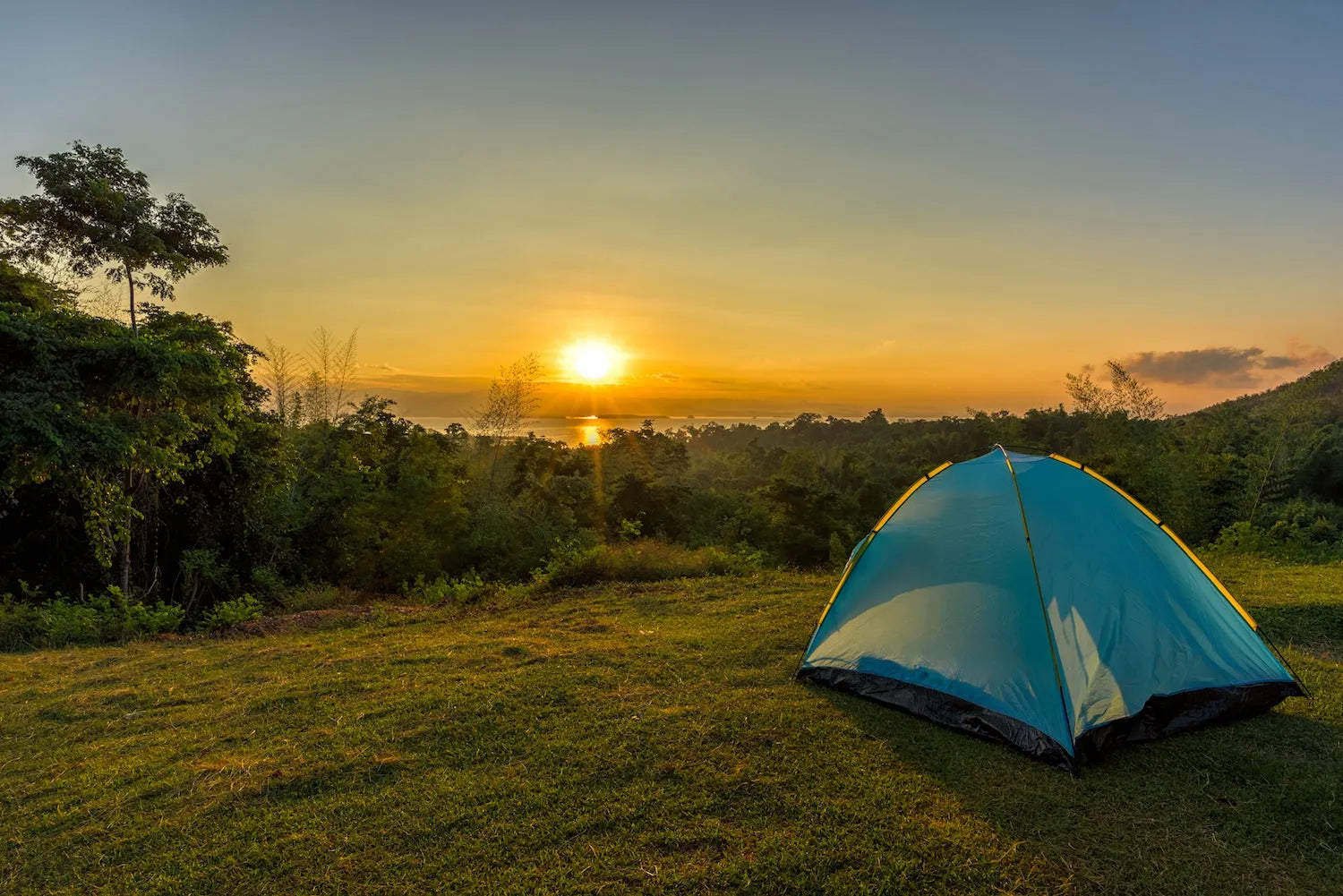
Stake your tent or tarp properly, tension guylines, check the rain path, and make sure doors, vents, and edges work for the forecast.
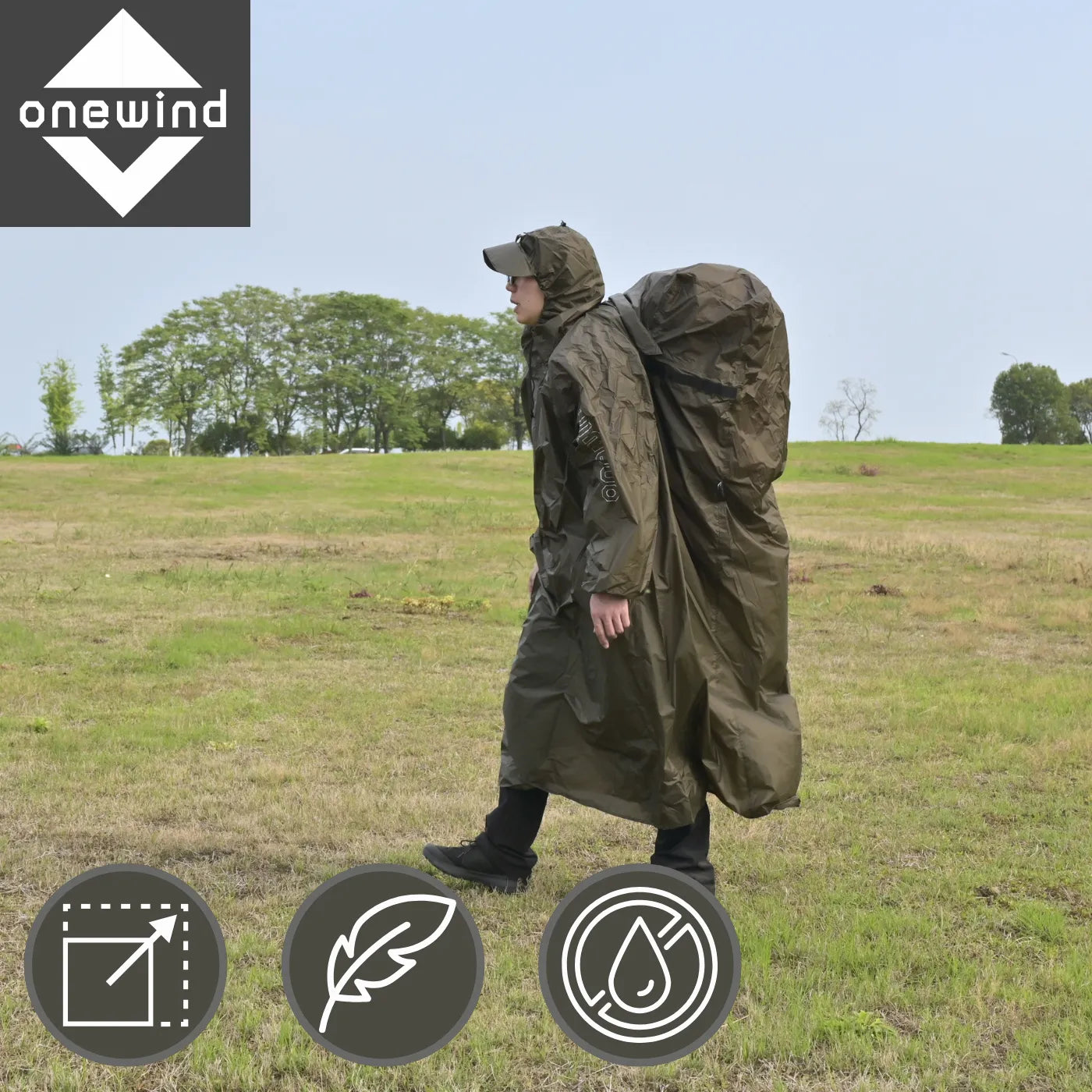
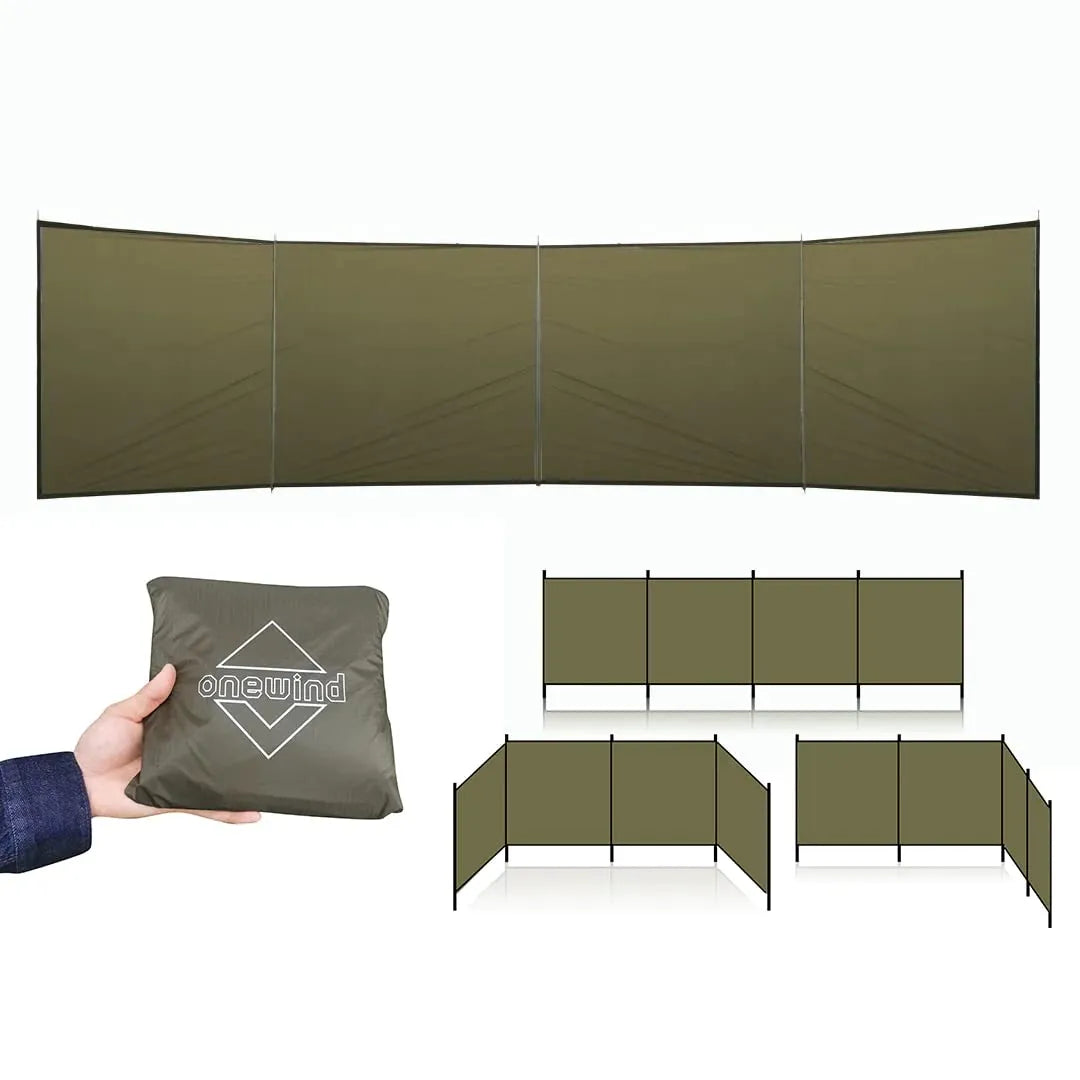
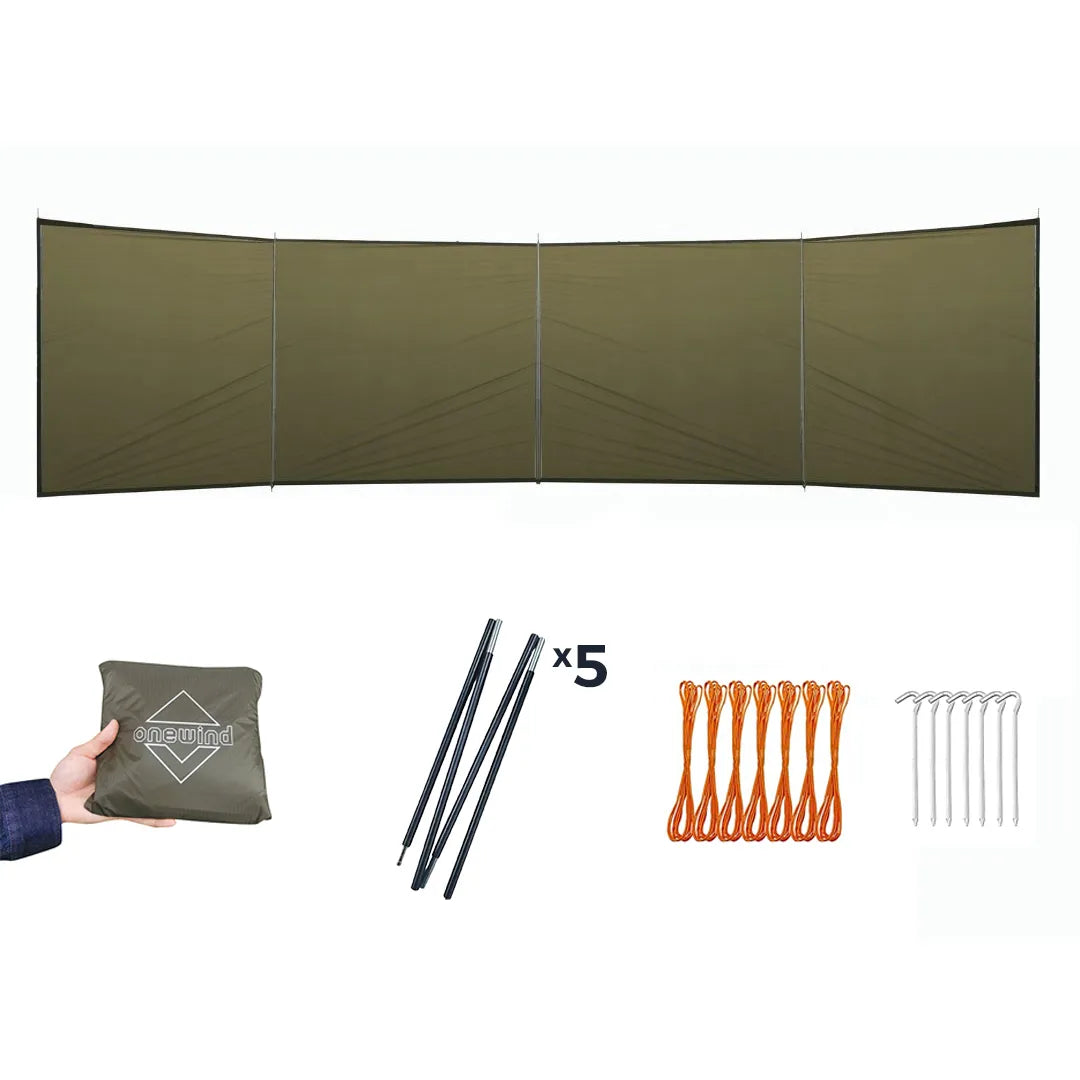
If the trip may include wind or rain, a reliable tarp can add useful margin around your sleep area, cooking pause, or gear staging zone.
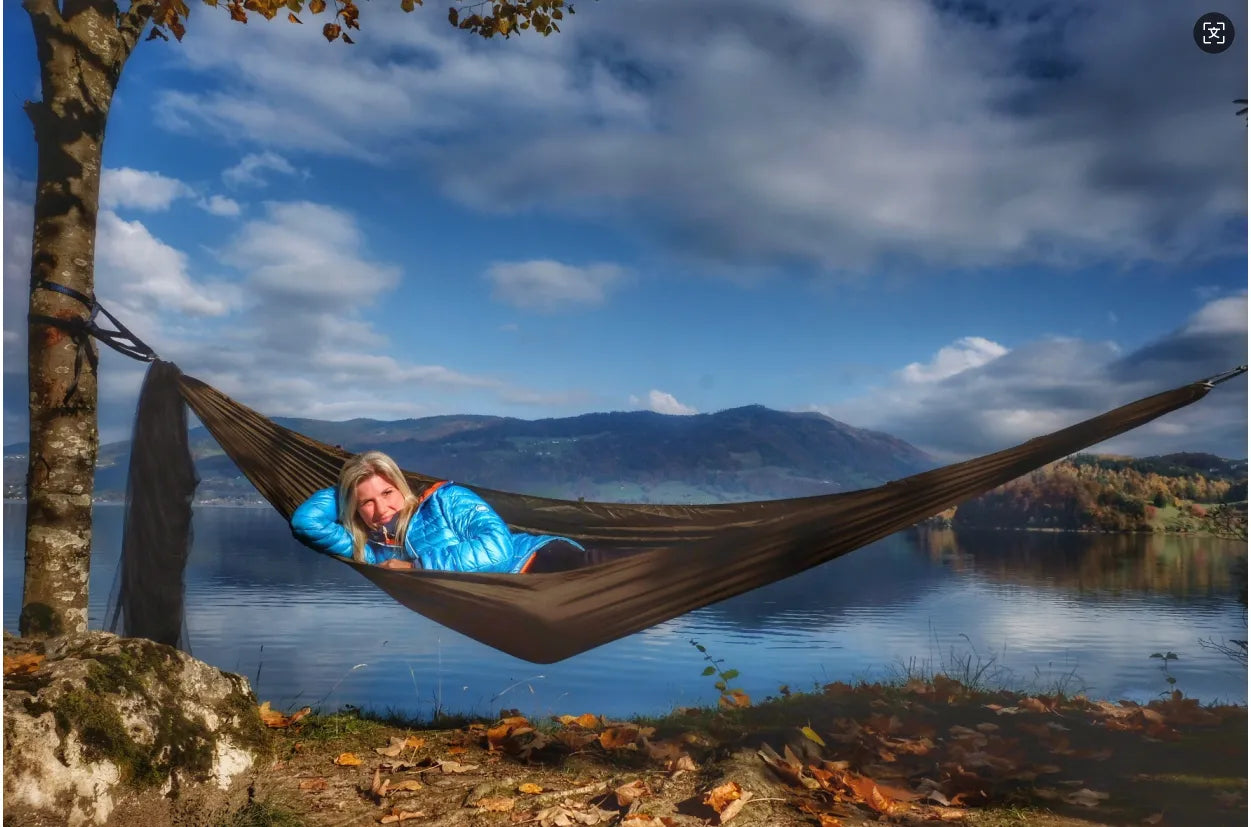
For hammock and tarp campers, a waterproof shelter such as the Onewind 12ft waterproof silnylon tarp is most useful when it is pitched with real coverage before weather arrives.
Do not wait for rain to learn where water will run.
Walk around the shelter and ask what happens if wind shifts, rain comes sideways, or you need to exit quickly at night.
5. Treat Water As A Safety System

Bring enough water to reach camp, make dinner, get through the night, and handle the next morning until your next reliable source.
If you plan to collect water, bring a treatment method and know how to use it before the trip.
A filter, chemical treatment, boil method, or purifier is only useful if it matches the water source and you can operate it in cold, dark, or wet conditions.
Stage water before bed.
You should not need to search for a bottle at 2 a.m. or walk to a creek half-awake because you forgot to fill up.
6. Store Food, Trash, And Scented Items Away From Sleep

Wildlife safety begins with camp hygiene.
Food, trash, cookware, toothpaste, sunscreen, lip balm, and scented wipes can all attract animals in some areas.
Follow the local rule for the land you are visiting.
Some places require bear canisters.
Some allow hangs.
Some have food lockers.
Some areas require extra care with smaller animals that chew through packs or shelters.
Do not cook where you sleep if the area has wildlife food-storage rules or obvious animal pressure.
Keep a clean sleep area, close food packages, pack out trash, and avoid leaving scraps in fire rings.
The goal is not to "beat" wildlife.
The goal is to avoid teaching wildlife that campsites contain easy food.
7. Protect Yourself From Ticks, Insects, And Night Surprises

Small hazards can ruin a wilderness trip as quickly as dramatic ones.
Ticks, biting insects, and crawling insects are part of many camping environments.
According to CDC tick prevention guidance, people should check clothing, gear, and pets after being outdoors and shower soon after coming inside when possible.
In camp, that translates into simple field habits: use appropriate repellent, wear protective clothing when needed, keep bedding off the ground when possible, and inspect gear that sat outside overnight.
Footwear deserves special attention.
Shoes left open on the ground can collect dew, insects, mud, or debris.
Before putting shoes on in the morning, shake and inspect them.
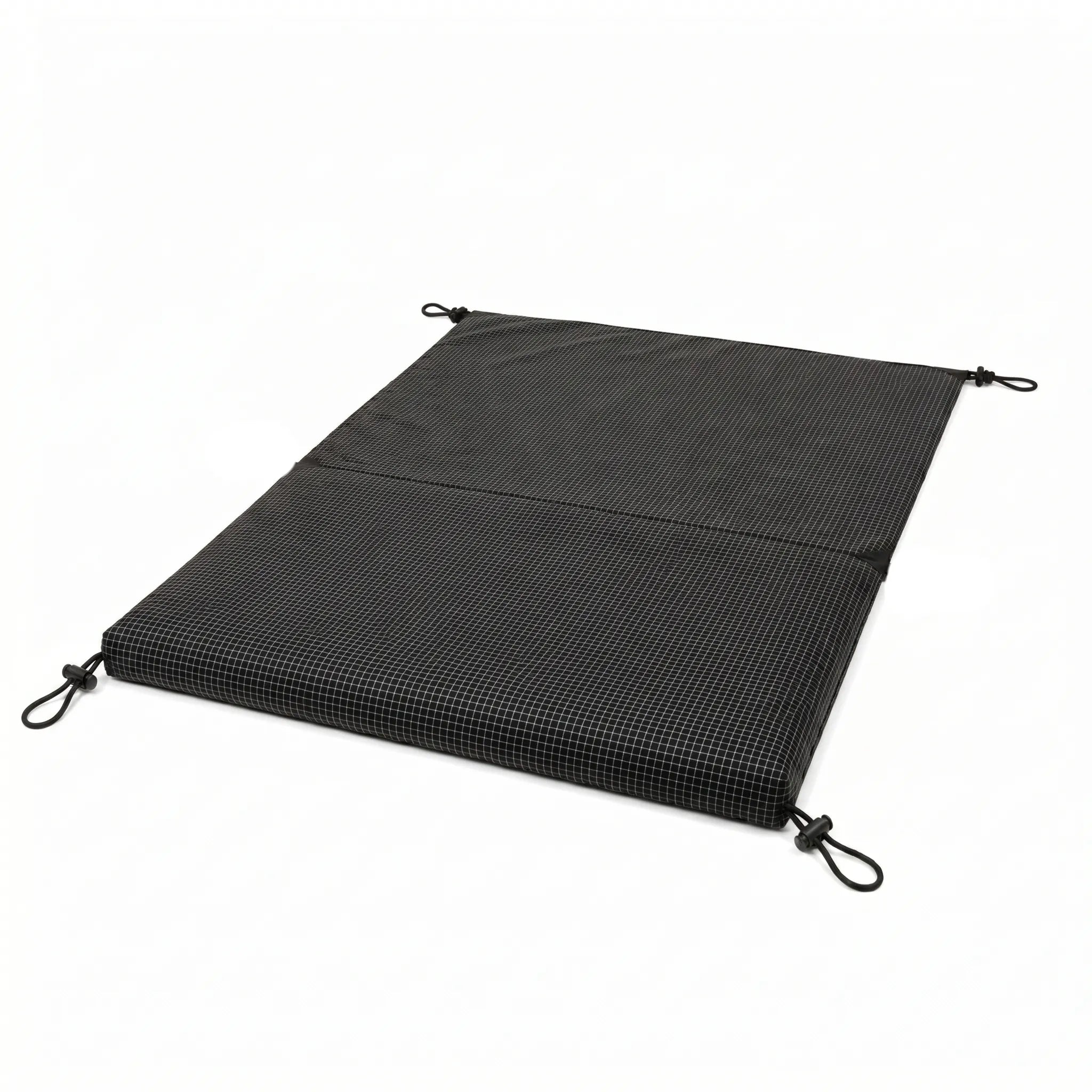
If you want a cleaner boundary for boots or camp shoes, a lightweight storage item such as the Onewind Boots Sack for Camping can help keep footwear contained and away from sleep gear.
A sack does not replace inspection.
It simply makes storage more controlled than leaving shoes loose in wet grass or leaf litter.
8. Make Night Movement Boring

Night movement should be predictable.
Before sleeping, put your headlamp in the same place every night, keep footwear pointed the right way, clear guylines from the main walking path, and choose a bathroom route that avoids steep ground, water, and dense brush.
Do not rely on memory alone.
A campsite that looks simple at sunset can feel confusing when you wake up cold, tired, and half-asleep.
9. Carry The Right Emergency Basics
Ready.gov emergency kit guidance focuses on practical supplies such as water, food, light, first aid, communication, and backup power.
For wilderness camping, adapt that idea to your route length, weather, group size, and distance from help.
At minimum, carry navigation, light, insulation, first aid, fire-starting method where appropriate, repair items, water treatment, extra food, and a communication plan.
For exposed or remote trips, add a more serious emergency shelter plan.
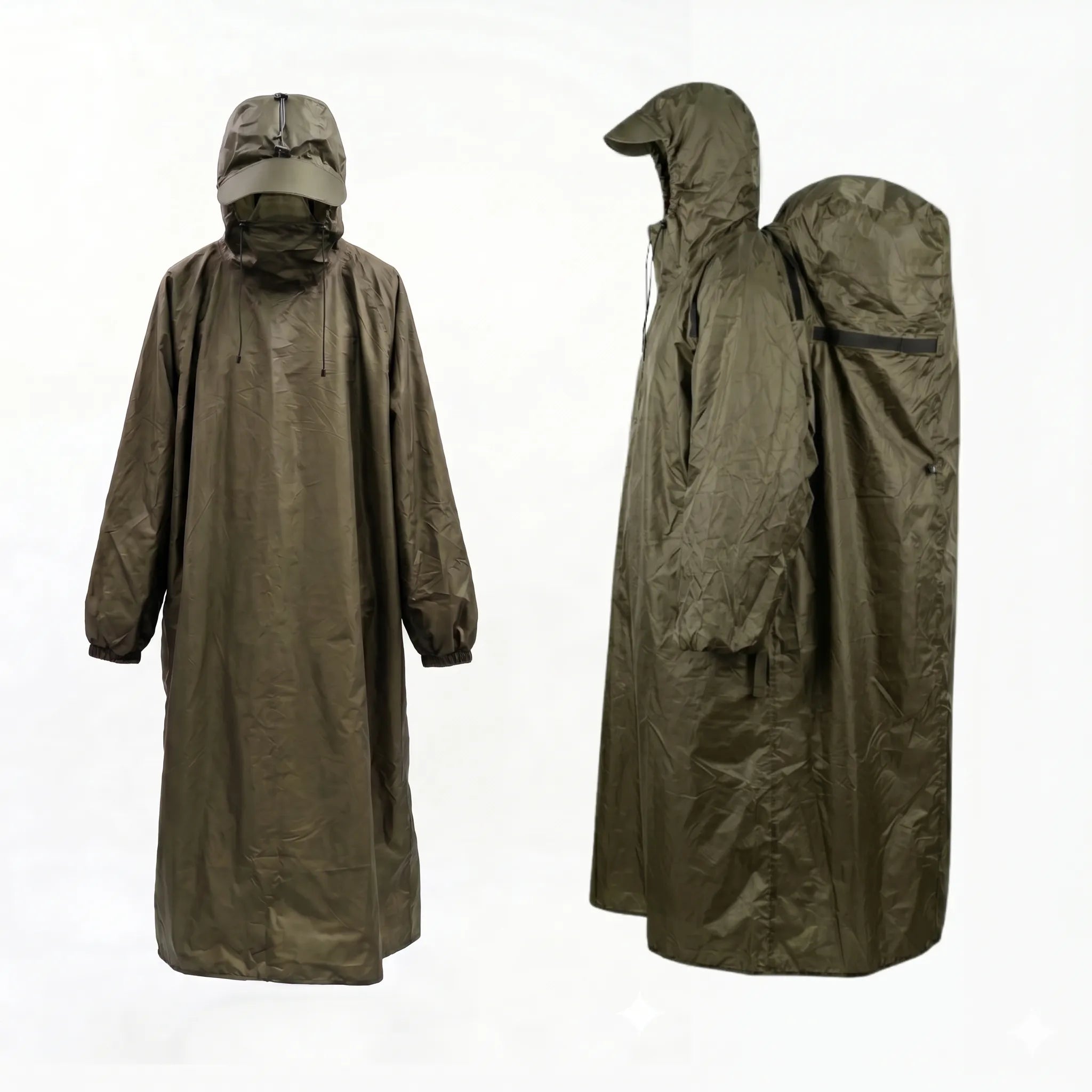
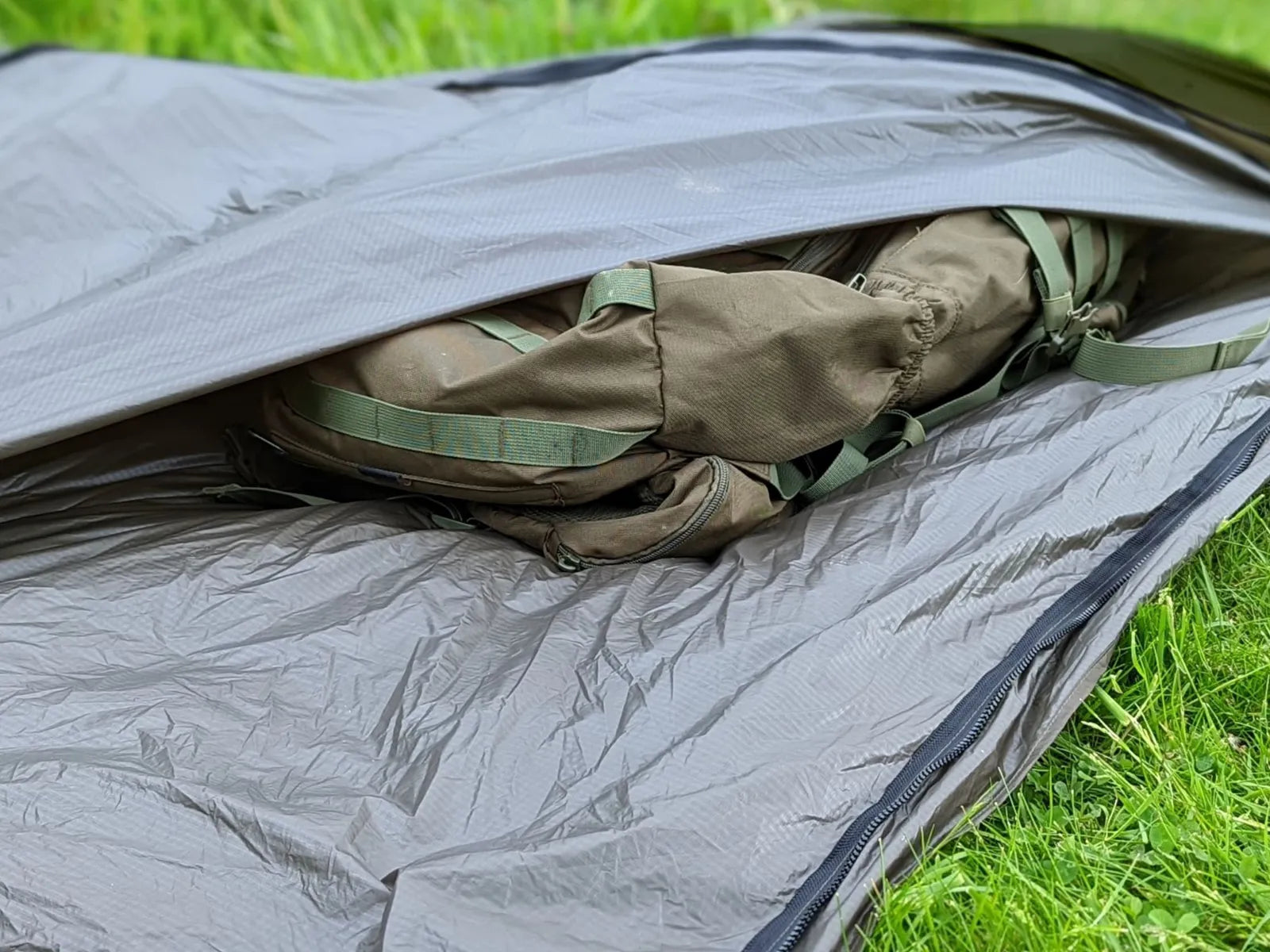
A compact backup such as a lightweight survival shelter can be part of that plan when weather, injury, or route delay could force an unplanned stop.
The right emergency kit is not the biggest kit.
It is the kit you can carry, find quickly, and use correctly under stress.
10. Know When To Turn Around Or Change Camp
One of the safest wilderness skills is stopping before a small problem becomes a chain of problems.
Turn around, move camp, or shorten the trip when weather worsens beyond your gear, someone is injured, water is uncertain, navigation is unclear, fire risk is high, or the campsite has hazards you cannot remove.
Do not let sunk cost make the decision.
A campsite can be beautiful and still be wrong for that night.
A route can be planned and still be wrong after the forecast changes.
A fire can feel traditional and still be wrong under current restrictions.
Wilderness Safety Checklist Before Bed
- Trip plan shared with a reliable contact.
- Weather, fire rules, and local hazards checked.
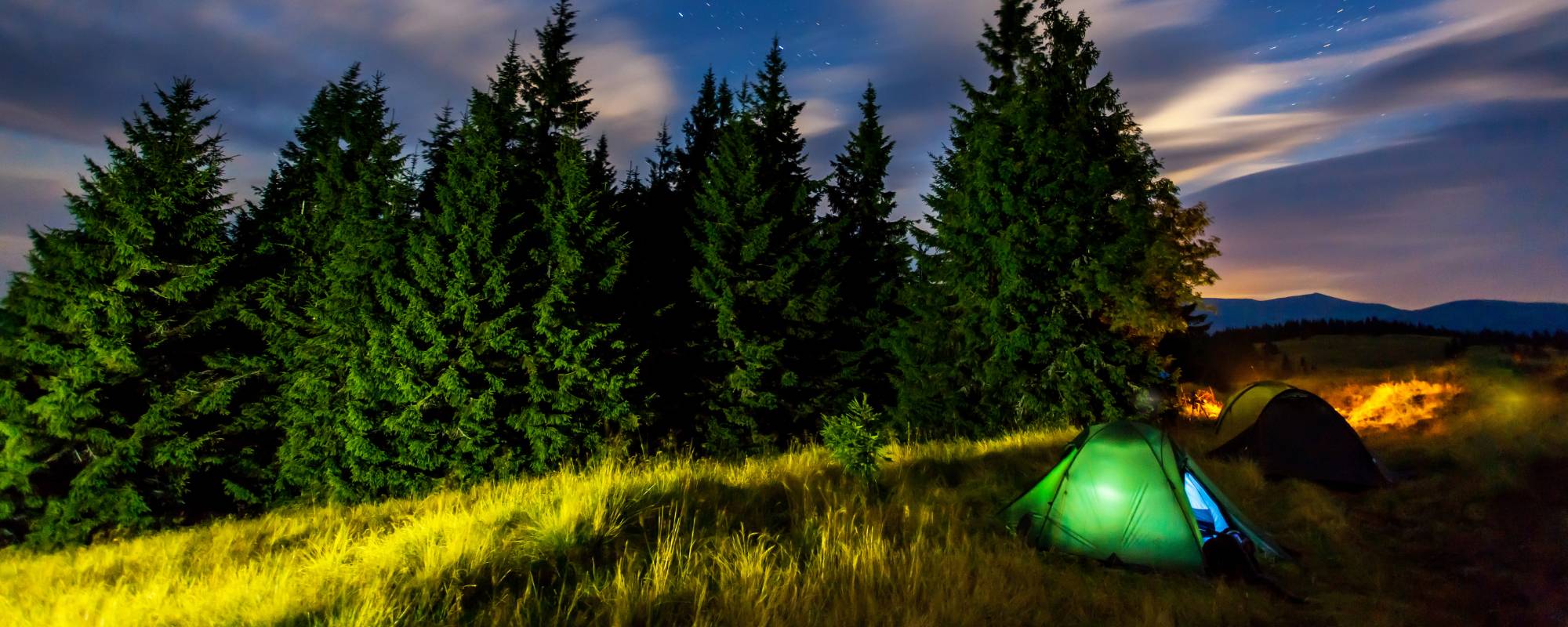
- Shelter pitched before dark and tested for wind or rain.
- Water treated and staged for overnight use.
- Food, trash, cookware, and scented items stored by local rules.
- Footwear stored, visible, and easy to inspect in the morning.
- Headlamp, warm layer, and emergency item reachable from bed.
- Bathroom route and emergency exit path clear of major trip hazards.
- Campfire fully controlled or skipped when conditions do not allow it.
- Turnaround or evacuation decision point agreed on before there is pressure.
You can build this routine into any camping style.
Start with durable, practical camping gear, but do not let gear replace judgment.
The safest wilderness campers are not the ones carrying the most equipment.
They are the ones who make the high-consequence decisions early, while there is still daylight and energy to fix the setup.
Sources And Further Reading