
Къмпингът сред дивата природа е вълнуващо приключение, което ви позволява да се свържете с природата и да се откъснете от стреса на ежедневието. Въпреки това е важно да поставите безопасността на първо място, докато се наслаждавате на престоя си на открито. Ето няколко съвета как да останете в безопасност, когато къмпингувате сред дивата природа:
1. Планирайте предварително
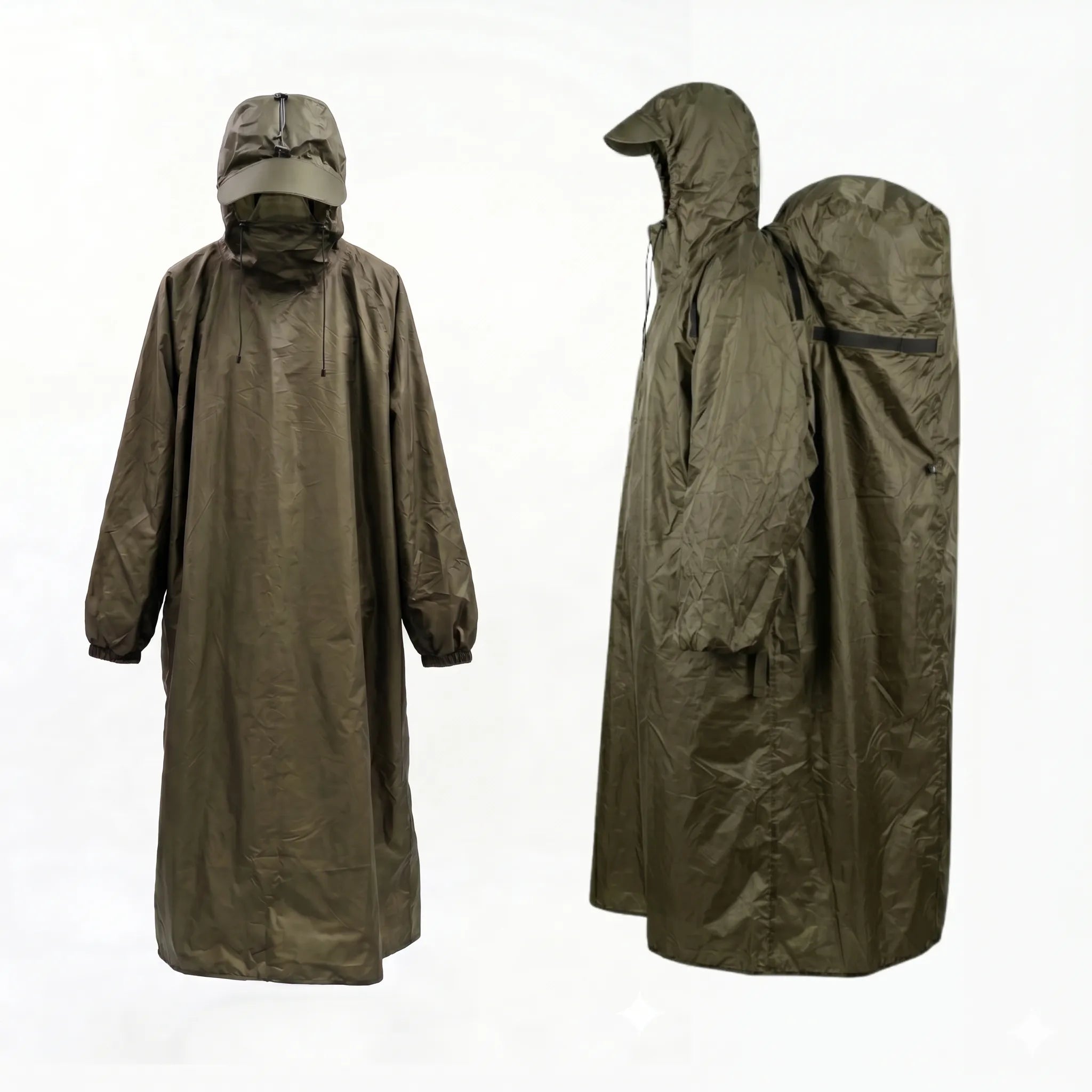
Преди да се отправите на къмпинг пътуването си, е важно да проучите района и да разберете потенциалните рискове и опасности. Запознайте се с терена, дивата природа и метеорологичните условия в района. Уверете се, че носите подходяща екипировка и консумативи, като комплект за първа помощ, навигационни средства и достатъчно храна и вода.
2. Разпънете лагера безопасно
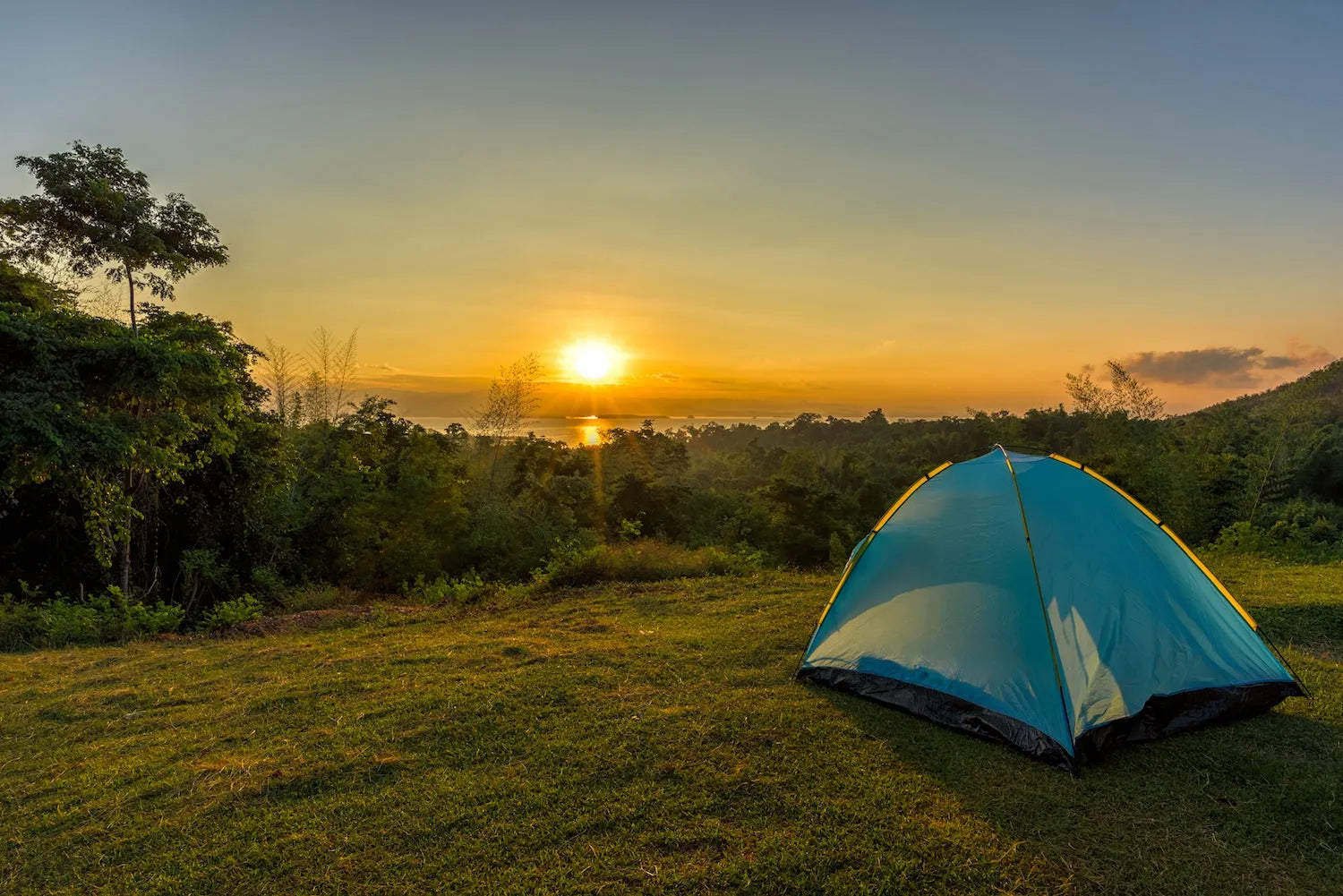
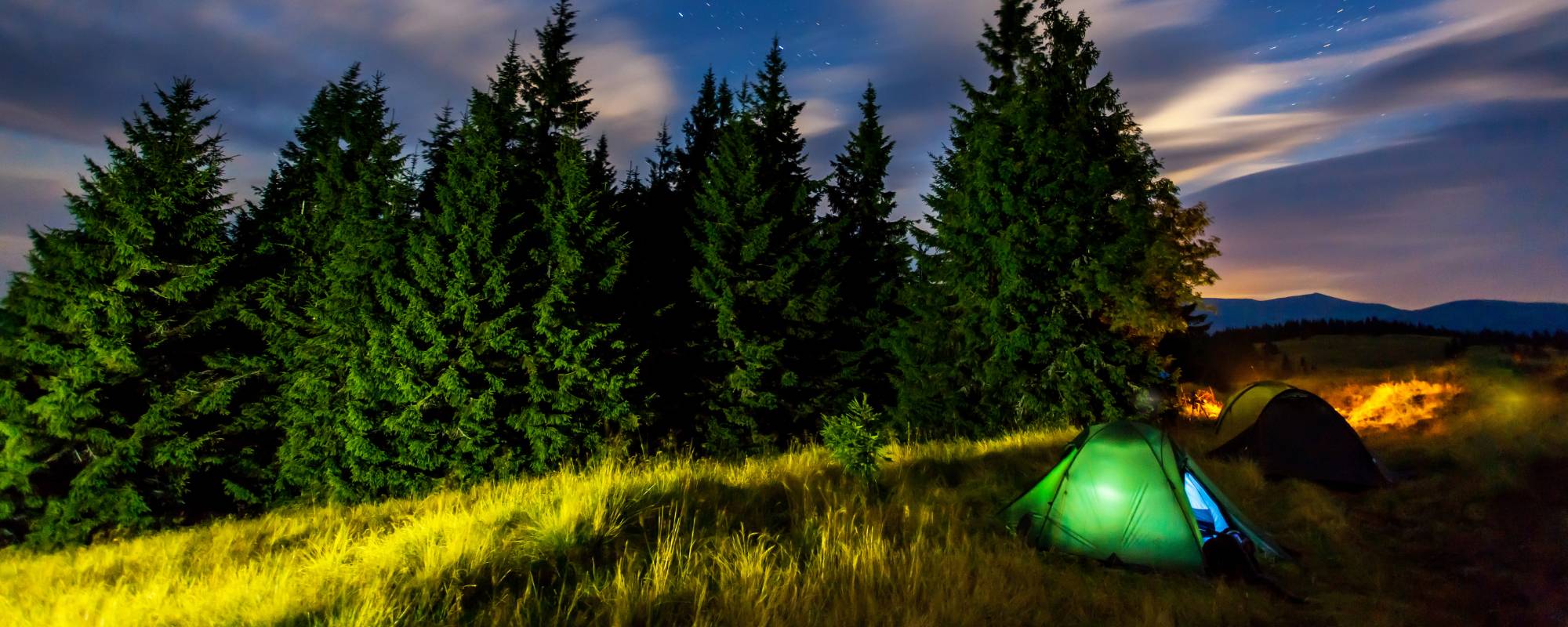
Изберете подходящо къмпинг място, което е свободно от опасности като падащи дървета или свличане на камъни. Избягвайте да разпъвате лагера си близо до скали или в райони с нестабилен терен. Разпънете палатката си на равна земя и се уверете, че е закрепена правилно, за да предотвратите срутването ѝ или отнасянето ѝ от вятъра.
3. Спазвайте пожарна безопасност
Къмпинг огньовете са популярна част от изживяването при къмпинг, но могат да бъдат и опасни, ако не се борави с тях правилно. Преди да запалите огън, проверете за евентуални ограничения за палене на огън в района и се уверете, че огнището е свободно от всякакви отпадъци или запалими материали. Дръжте наблизо кофа с вода или пожарогасител в случай на спешност.
4. Бъдете подготвени за срещи с диви животни
Макар че срещата с диви животни може да бъде вълнуващо преживяване, важно е да бъдете предпазливи и подготвени. Проучете дивата природа в района и разберете как да избягвате срещи с нея или как да реагирате безопасно при такава. Съхранявайте храната и отпадъците в устойчиви на мечки контейнери или ги окачвайте на дърво далеч от къмпинга си.
5. Общуване с другите
Уведомете някого за маршрута си и очакваното време на завръщане и поддържайте редовна връзка с него. Носете средство за комуникация, като сателитен телефон или личен аварийно-спасителен маяк, в случай на извънредни ситуации.
В заключение, къмпингуването в дивата природа може да бъде възнаграждаващо преживяване, но е важно да се даде приоритет на безопасността. Като планирате предварително, разположите лагера си безопасно, спазвате правилата за безопасно боравене с огън, бъдете подготвени за срещи с диви животни и поддържате връзка с други хора, можете да си осигурите безопасно и приятно къмпингуване.