
Две постелки за спане с ширина 25 инча изискват 50 инча ширина на пода, преди да добавите обема на юргана, наклонените стени, мократа екипировка или пространството, което е необходимо на двама уморени туристи, за да се движат, без да се блъскат с лакти.
Тази една-единствена цифра променя начина, по който сравнявам всяка ултралека двуместна палатка за раница.
Най-лекото убежище не винаги е убежището с най-малко съжаление.
Добра двуместна туристическа палатка е най-лекото убежище, което все още отговаря на реалното пътуване: ширина на постелката, резерв срещу дъжд, достъп до входа, начин на разпъване и изложеност на атмосферните условия.
Използвайте 2-местна палатка под 3 паунда, когато пробегът и теглото на раницата са от първостепенно значение.
Изберете по-голяма ширина на пода или по-голям капацитет, когато имате нужда от две широки постелки, куче, висок спящ човек или реално пространство за съхранение във вестибюла.
Приемете по-тежък заслон тип пирамида или тип типи, когато устойчивостта при буря, височината за седене и лесният монтаж за начинаещи са по-важни от минималното тегло за носене по пътеката.
Какво ще научите
Ръководството на REI за покупка на палатка ясно посочва основния принцип: капацитетът на палатка за раница не е стандартизиран, така че размерите имат по-голямо значение от означението за капацитет.
Докладването на ултралеките заслони на CleverHiker добавя и страната на компромиса в решението: по-леките палатки често струват повече и може да изискват повече грижа, повече умения за разпъване или по-добра преценка за времето.
Данните за 2-местните палатки на Outdoor Life показват колко широк е този сегмент, като посочените модели варират от компактни заслони за раница до по-просторни палатки с по-висока максимална височина и по-голямо тегло в сгънато състояние.
Дискусиите на потребителите в Reddit показват същото напрежение на разбираем език.
Хората обикновено не съжаляват, че носят няколко допълнителни унции, защото една електронна таблица е изглеждала грешно.
Съжаляват за нощта, когато и двете постелки опряха и в двете стени, мушицата увисна под дъжда и изходът изискваше да пристъпят през другия човек.
Бърз отговор
Как да изберете палатки за раница || REI
За повечето раницаджии най-безопасният избор по подразбиране не е най-леката палатка в категорията.
По-безопасният избор по подразбиране е най-лекият палатка, който осигурява на вашата система за спане достатъчно реална ширина и на вашето пътуване достатъчен запас от защита срещу лошо време.
Ако вие и вашият партньор използвате две подложки с размер 20 инча, може да се използва плътно 2P.
Ако използвате две подложки по 25 инча, приемайте 50 инча за стартова линия, а не за финална линия.
Ако къмпингувате при влажно време в преходните сезони, добавете преддверие и резерв за вентилация, преди да свалите последните няколко унции.
Ако сте начинаещи в раницарството, не позволявайте ниското тегло на маршрута да скрие труден наклон.
youtube: https://youtu.be/EhxQhLghMeQ
Рамката за вземане на решения
Започнете с три ленти.
Първата лента е 2P с минимално тегло.
Това е правилният избор, когато и двамата туристи използват тесни подложки, маршрутът е дълъг, наклонът е познат и прогнозата е типично време за трисезонен рафтинг с раница.
Lane две е real-comfort 2P.
Това е подходящият вариант, когато в палатката трябва да се поберат два широки постелки, по-високи спящи, екипировка, която не може да остане отвън, или партньор, който се нуждае от по-лесно излизане.
Полоса три е метеорологично-устойчива 2P.
Това е правилният избор, когато откритите към атмосферните влияния места за къмпинг, дъждът, вятърът, лесната първоначална настройка или височината на сядане са по-важни от грамовете.
Сравнявам палатките в този ред, защото само теглото дава лош съвет.
Палатка с тегло 2 паунда, в която не се побират постелките, не е лека.
Това е скъп начин да спиш зле.
Докладът за туристическите палатки на Adventure Alan за 2026 г. е полезен тук, защото разглежда палатките като системи: теглото, обемът в сгънато състояние, обитаемото пространство и лекотата на употреба са еднакво важни.
Това е правилният начин за пазаруване.
Палатката трябва да пасва на маршрута и на телата вътре в нея.
Сценарий 1: Двама раницаджии използват два спални подложки с размер 25 инча
Най-добрата двойна постелка за спане за двама души при туристически преходи за двойки? Обзор на Big Agnes Rapide SL Double
Присъда: Изберете по-широк заслон за 2 души или преминете към по-голям размер, ако подът не осигурява повече от 50 инча използваема ширина.
Това е сценарият, който проваля много покупки на двупосочни палатки.
Две стандартни широки подложки са по 25 инча всяка.
Заедно те запълват 50 инча, преди някой от спящите да се размърда.
Тази стойност не включва обема на вата на юргана.
Не включва стеснена зона за краката.
Не включва наклонени странични стени, които притискат мокрия плат по-близо до чантата ви.
Също така не включва емоционалната цена от това да пълзиш над някого в 2 часа сутринта.
Насоките на REI за капацитета са важни тук, защото обозначението 2P не е стандарт за измерване.
Обърнете внимание на ширината на пода при главата и краката, а не само на обявената площ на пода.
След това проверете броя на вратите.
Две врати обикновено правят двуперсонната палатка да се усеща по-голяма, защото всеки турист получава изход и зона пред входа.
Една врата може да свърши работа, но превръща малката палатка в преговори.
Обсъжданията в Reddit за 2-местни палатки често се връщат към точно този проблем: палатката технически е достатъчно голяма, но постелките, одеялата и хората не оставят никакъв полезен резерв.
Ако подът е близо до 50 инча в най-широката си точка и се стеснява рязко, третирайте го като тесен 2P.
Ако и двамата туристи използват тесни подложки, това пак може да е напълно наред.
Ако някой от двамата туристи използва подложка с дължина 25 инча, предпочитам да нося повече ширина на пода, отколкото да прекарам мокра нощ, притиснат до стената.
youtube: https://youtu.be/z8uOz55A1OU
Сценарий 2: Самостоятелен турист избира двуместна палатка за място за екипировка
Присъда: Изберете лек 2P само ако допълнителното пространство решава реален проблем: мокра екипировка, дълги бури, фотографска техника, куче или конденз през преходните сезони.
Самостоятелните туристи често купуват двуместна палатка за повече комфорт.
Това може да бъде умно.
Също така може да бъде тих начин да се добави тегло, което никога не оправдава мястото си.
Истинският въпрос не е „Мога ли да го нося?“
Истинският въпрос е: „Каква е ролята на допълнителната площ на пода?“
За сухи летни нощувки по-лекият приют за 1 човек често е по-разумен избор.
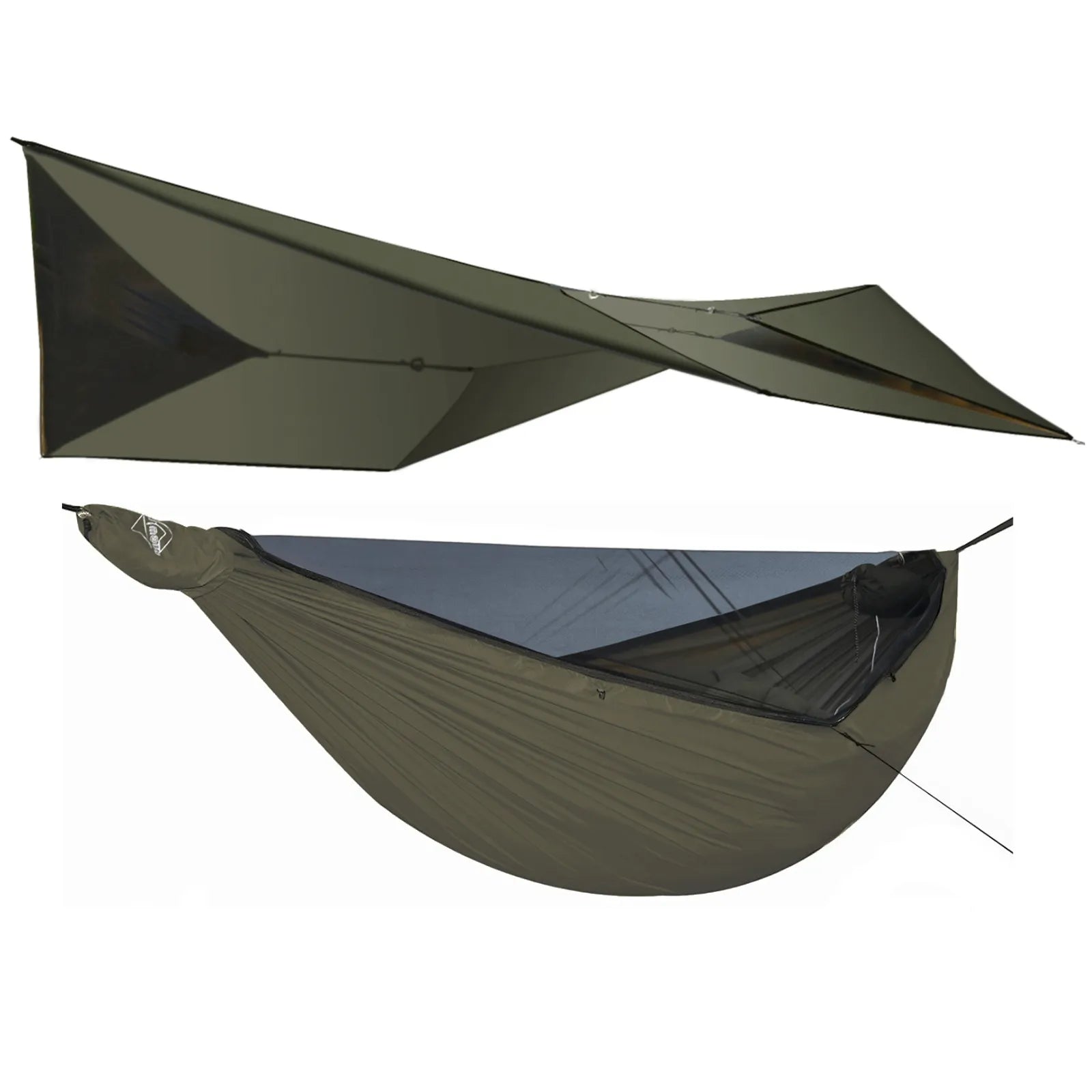
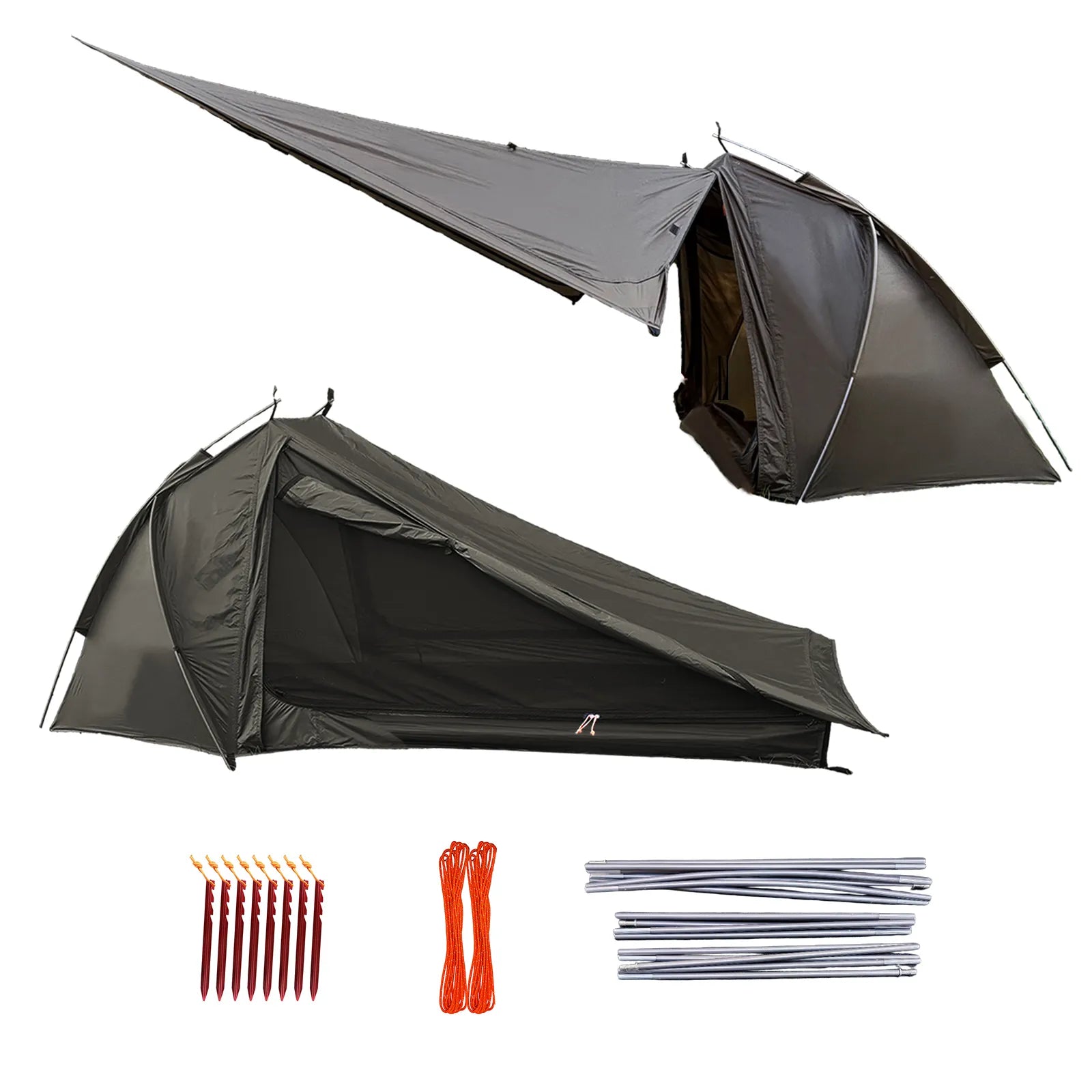
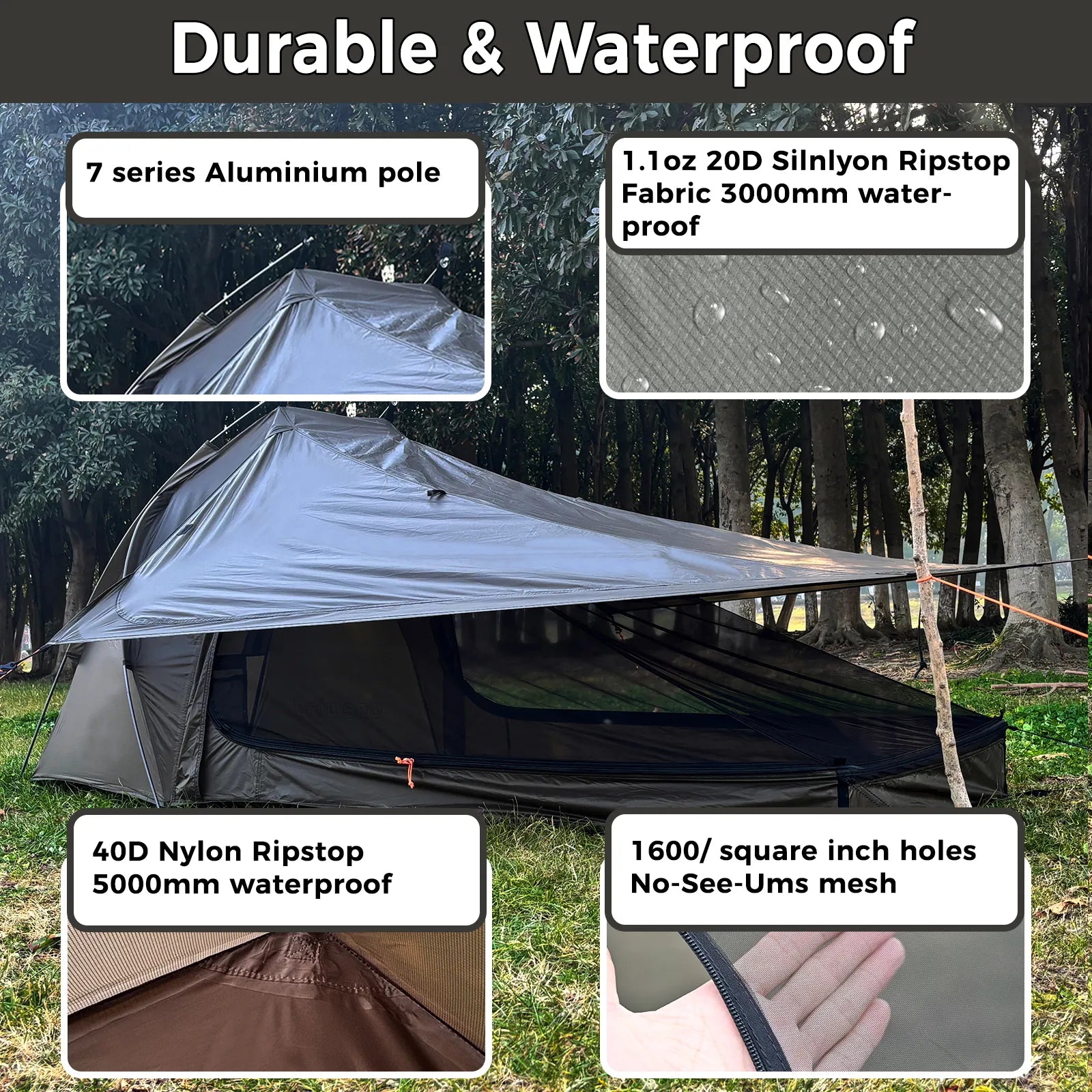
на Onewind Палатка за 2 души Спецификациите са полезни като леко самостоятелно справочно средство, въпреки че продуктовият запис звучи повече като компактно убежище за един човек: 37 oz / 1.04 kg, 82.7 x 23.6 x 39.4 inches, 1.1 oz silnylon, 3000 mm покривало и под с 5000 mm 40D.
Такъв тип заслон е предназначен за ниско тегло при опаковане и проста защита за самостоятелно ползване.
За самостоятелен турист, който иска наистина много място за екипировка, истински под за 2 души може да си заслужава компромиса.
Ценността изпъква при лошо време.
Можете да подреждате мокри слоеве, без да лежите върху тях.
Можете да държите раница вътре, когато гризачи, дъжд или открити места правят съхранението във вестибюла по-малко привлекателно.
Можете да издържите буря, без да се чувствате затворени в платнен калъф.
Ако тези задачи наистина са реални по време на пътуванията ви, ъпгрейдът до 2P има своето предназначение.
Ако тези задачи са теоретични, останете по-леки.
Сценарий 3: Двойка разделя теглото на подслона по време на дълъг преход по пътека
Присъда: Изберете най-леката 2P палатка, която побира и двете системи за спане, и я разделете
Двама души могат да накарат подслон с тегло 3 паунда да изглежда по-лек, отколкото е.
Един турист носи външния тент и вътрешната част.
Другият носи рейки, колчета, подложка и комплект за ремонт.
Това разделение е по-важно от самостоятелна електронна таблица.
Палатка с тегло 3 паунда, разделена между двама души, е по 1,5 паунда на човек.
Палатка с тегло 4,4 паунда, разделена между двама души, се равнява на 2,2 паунда на човек преди колчетата и аксесоарите.
Тези числа все още позволяват носене в раница за много преходи, но описват различни цели.
Отчетите на CleverHiker за ултралеко оборудване са полезни, защото правят компромиса видим: колкото по-лека става една заслонна система, толкова повече обикновено ви е грижа за грижата за плата, качеството на опъването и цената.
Ако двойката е опитна, по-леките туристически щеки или полусамостоятелният подслон могат да бъдат правилното решение.
Ако двойката е нова, изтощена или често пристига късно в лагера, простотата на разпъването може да струва реално тегло.
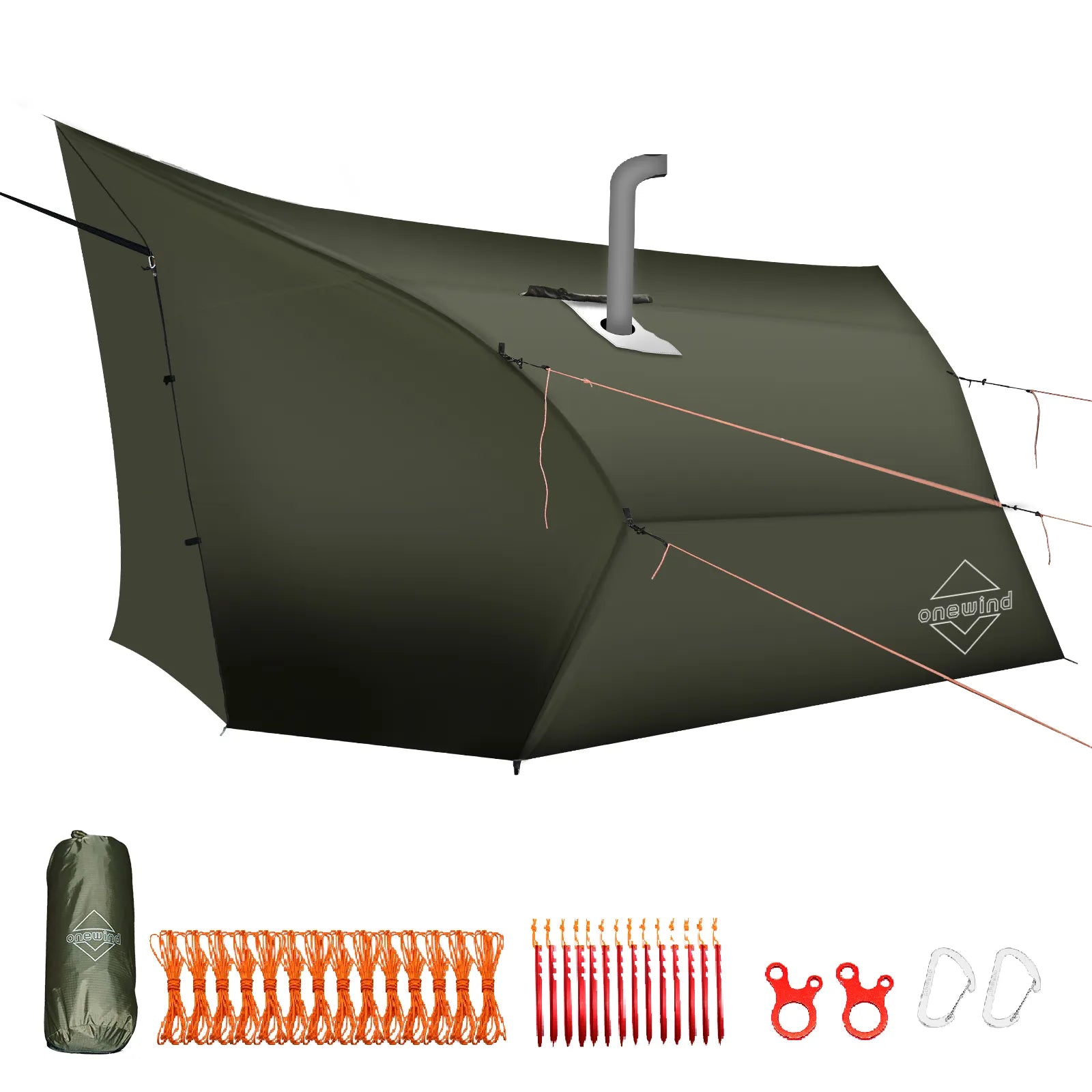
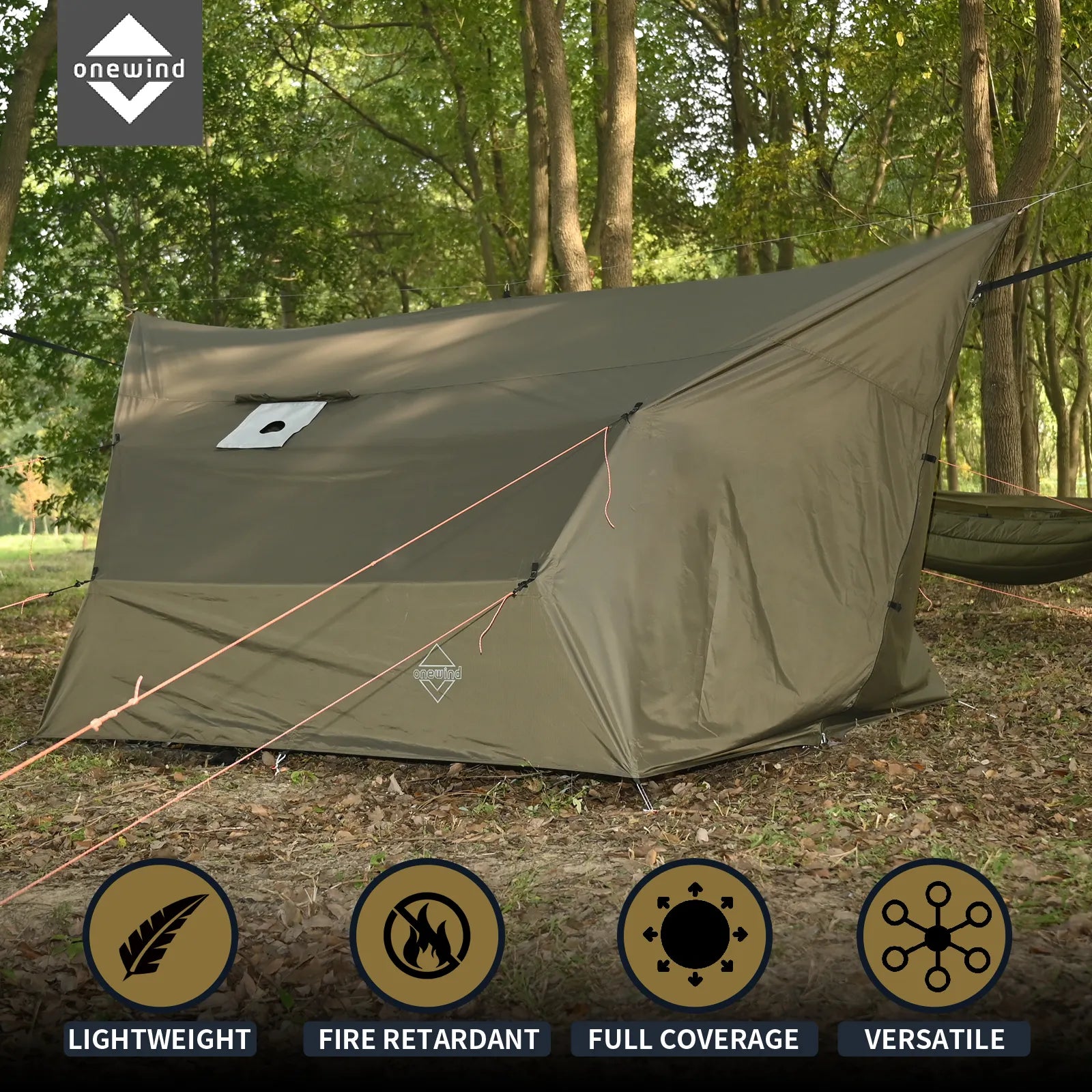
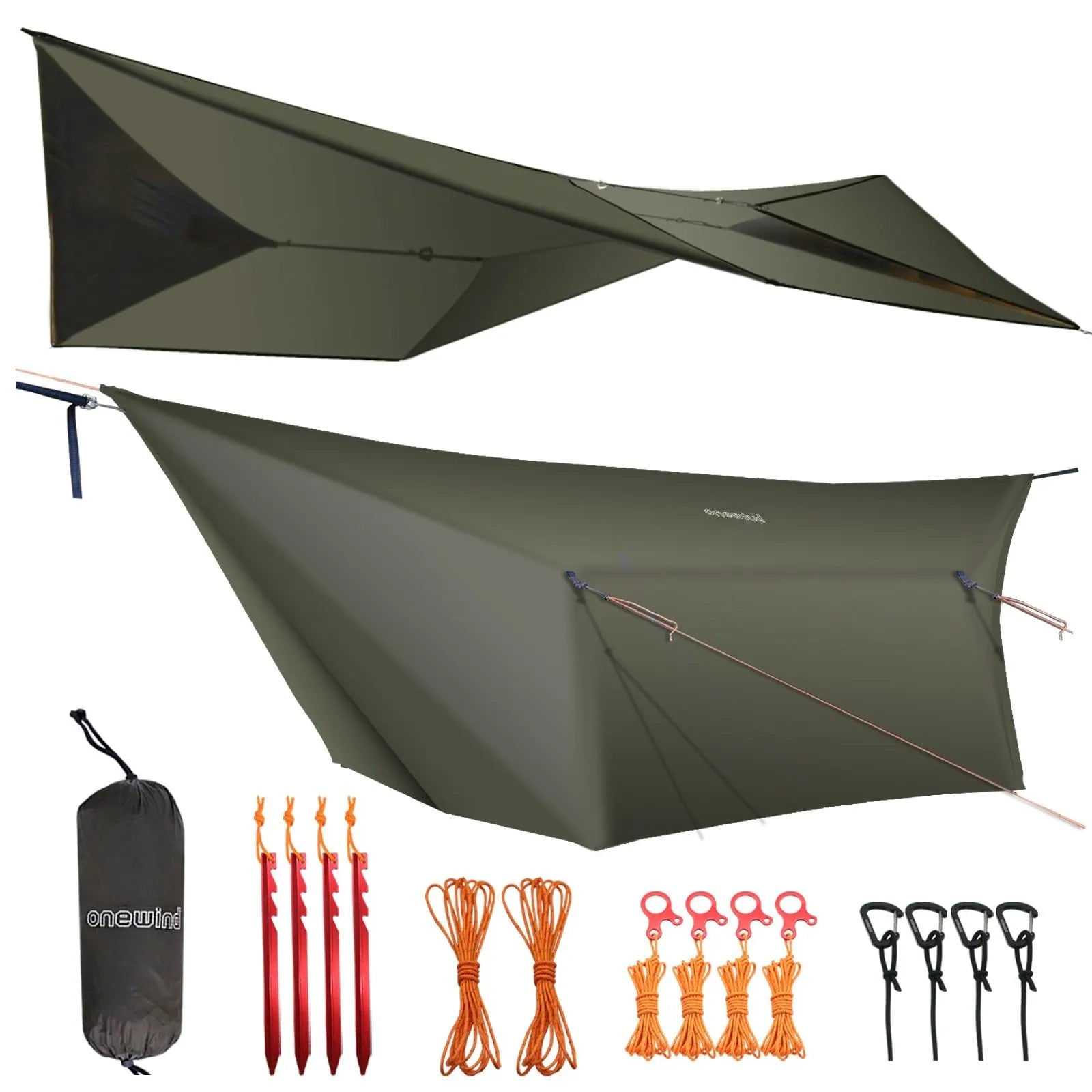
За Onewind, the Blackthorn ултралек брезентен палатка-тент подхожда по-добре на модулната ултралека концепция, отколкото на висококомфортната палатъчна концепция.
Това е вид заслон, който си струва да се обмисли, когато двойка вече разбира от опъване на брезент, избор на подложка за земята и избор на място.
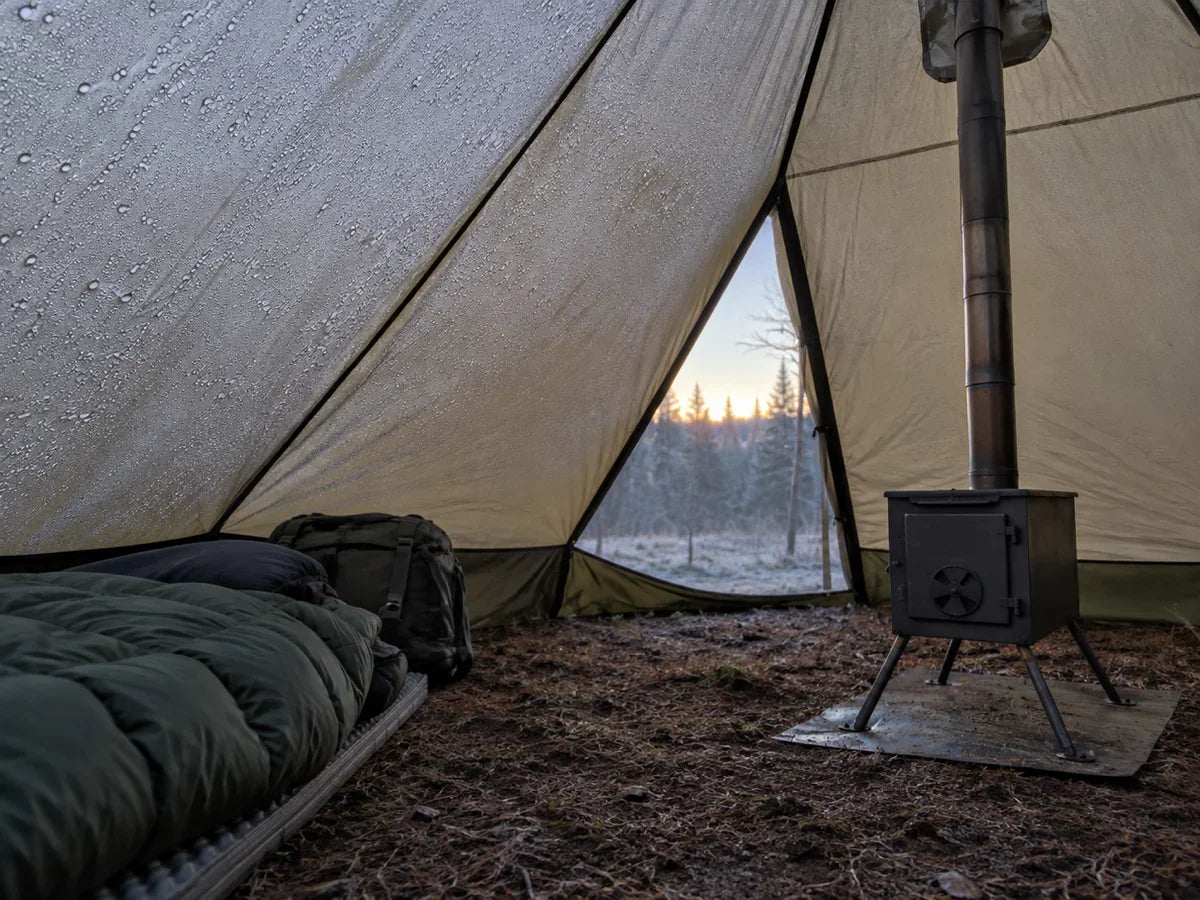
The Палатка SmartPeak подхожда на друга лента.
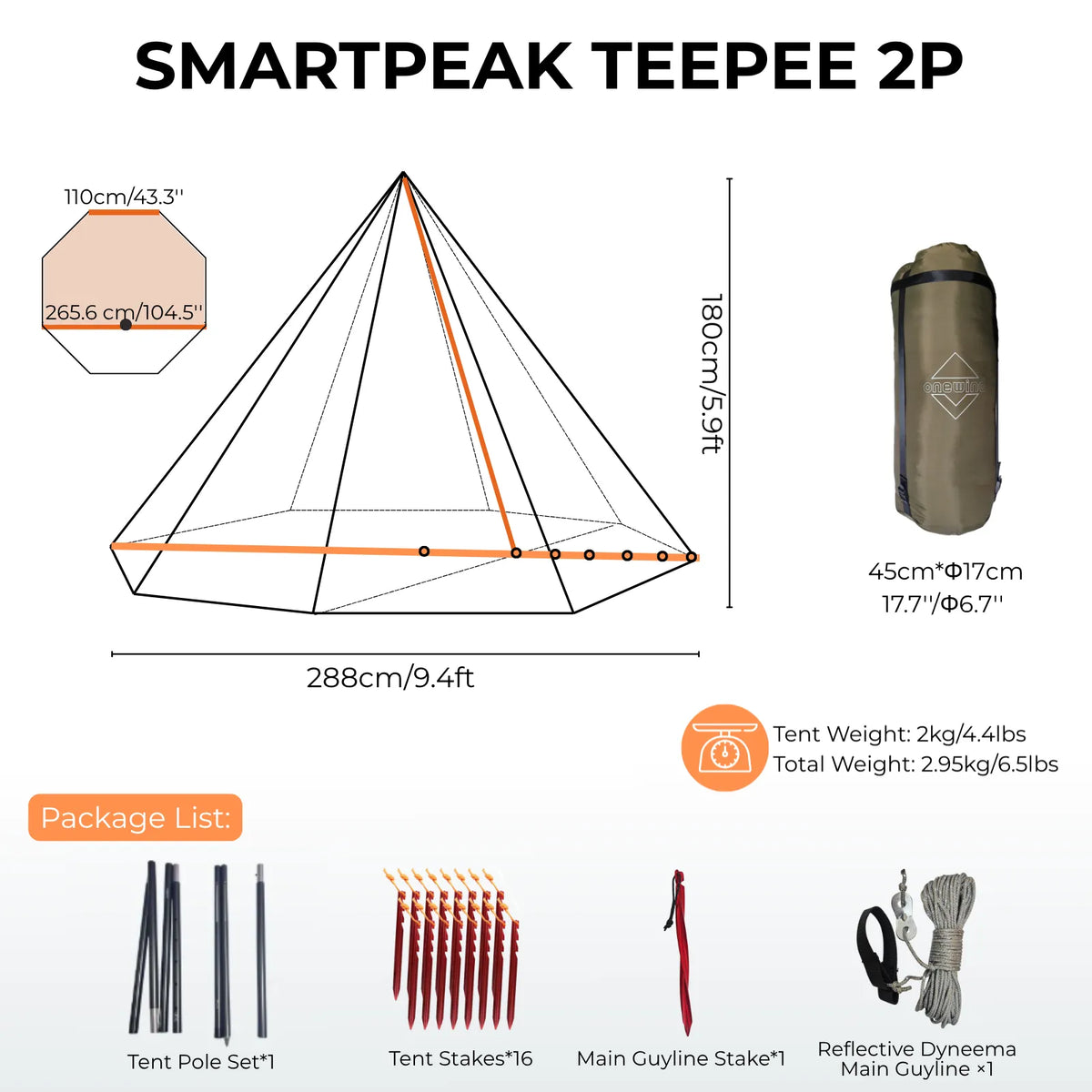
Нейната единица на палатката е 2 кг / 4,4 lb, пълният пакет е 2,95 кг / 6,5 lb, а се
Това не е състезателен подслон под 2 паунда.
Това е комфортен подслон с резерв срещу времето за хора, които ценят височината, водоустойчивостта от 4000 мм и по-защитената конструкция.
Сценарий 4: Начинаещ турист с раница, който иска лесно разпъване и защита при буря
Присъда: Изберете резерв за времето пред минималното тегло, ако все още се учите на избор на място за лагер, опъване и настройка при дъжд.
Начинаещите туристи често купуват твърде прибързано.
Виждат ниско тегло на опакования продукт и предполагат, че палатката ще бъде по-лесна за носене.
Понякога е вярно обратното.
По-лек навес може да изисква по-добро разположение на колчетата.
Може да са необходими туристически щеки, настроени на правилната височина.
Може да има по-малък запас от плат, когато вятърът се промени през нощта.
Може също да използва по-тънки тъкани, които не понасят грубо боравене.
Ръководството за покупка на REI разделя избора на палатка според сезонност, тегло, удобство за обитаване, поставяне и материали поради причина.
Тези категории си взаимодействат.
Storm margin не е само водоустойчив рейтинг.
Става въпрос също за геометрията на прътите, броя на колчетата, покритието на външното платнище, вентилацията и дали можете да опънете заслона правилно, когато ръцете ви са студени.
Числата на Onewind SmartPeak сочат към този вариант за лошо време: тента от силиконово-обработен найлон, под от 40D найлон, воден стълб 4000 мм, 16 червени триъгълни назъбени колчета, основно обтягащо въже от отразяващ Dyneema и множество отвори за вентилация.
Компромисът е очевиден.
Общото тегло на пакета е 2,95 кг / 6,5 lb.
За дълги ултралеки маршрути това е твърде тежко за лентата с минимално тегло.
За начинаеща двойка през влажните уикенди в преходните сезони това може да е по-спокойното решение.
Най-добрата палатка е тази, която можете да разпънете правилно, преди времето да се влоши.
Сценарий 5: Висок раницач, собственик на куче или родител, който решава дали да изберe по-голям размер
Присъда: Изберете по-голям размер, когато дължината на тялото, движението на животното, позицията на спане на детето или съхранението на екипировката ще отнемат от свободното пространство на пода всяка нощ.
Етикетите за капацитет предполагат спящи с подредена поза.
Пътуванията рядко се случват по този начин.
Висок турист се плъзга надолу по постелката.
Куче се обръща настрани.
Дете лежи, разплутo.
Мокрият пакет трябва да се пази от дъжд.
Тези малки реалности заемат допълнителното пространство, с което леката палатка за 2 души едва разполагаше.
Сравненията на 2-местните палатки на Outdoor Life са полезни, защото посочват размерите на пода, височината в най-високата точка, теглото и цените при много различни конструкции.
Такъв вид данни са по-полезни от числото в класацията.
За висок потребител проверете използваемата дължина и наклона на стената.
За куче проверете издръжливостта на подовата настилка и къде ще стъпят калните лапи.
За родител проверете достъпа до входа и дали детето може да спи, без да блокира вратата.
За съхранение на екипировка проверете пространството във вестибюла и покритието на външното платно.
Ако тези отговори са слаби, по-леката палатка може да струва комфорт всяка нощ.
За пазаруващите от Onewind, the Палатка за 3 души или конфигурацията на брезент-убежище може да бъде по-добра отправна точка за планиране, отколкото да се насилва всяко пътуване да се вписва в тясна 2P форма.
Целта не е допълнително пространство само по себе си.
Целта е да има достатъчно резерв, така че заслонът да продължава да работи, когато къмпингът не е перфектен.
Често срещани грешки, които провалят пътуванията на начинаещи
Повечето грешки при покупка идват от това, че се възприема палатката като едно единствено число.
Хората сравняват опакованото тегло, а след това пренебрегват ширината на пода, трудността на разпъване, преддверията, грижата за тъканта и излагането на атмосферните условия.
Изследванията на REI, CleverHiker, Adventure Alan, Outdoor Life и Reddit сочат към същия модел.
Грешката започва още преди пътуването, защото критериите за покупка са твърде ограничени.
Решението е да се възложи задача на всяка палатка.
Една палатка е за дълги преходи.
Една палатка е за две широки постелки.
Една палатка е за влажни уикенди на начинаещи.
Една палатка е предназначена за потребители на модулни брезенти.
Тези задачи не бива да се смесват, без да се признае компромисът.
Грешка 1: Купувате етикета за капацитет вместо планировката на пода
Етикетът 2P е отправна точка.
Това не е доказателство, че двама възрастни ще спят удобно.
Важните числа са ширина на главата, ширина на краката, дължина на пода, височина на върха, брой врати, разположение на преддверието и наклон на стените.
Тестът с подложка от 50 инча е най-бързият филтър.
Ако два подложки запълват пода от край до край, нямате никакъв резерв за конденз, обем на юргана или движение.
Ако подът се стеснява рязко близо до краката, числото за ширина на челото може да ви подведе.
Ако палатката има една врата, вътрешният потребител може да се наложи да премине през външния потребител.
Това не е фатален недостатък.
Това е цена за удобство.
Запишете тази цена преди да купите.
Грешка 2: Да се приема, че всеки къмпинг е равностоен
Палатка, която се усеща перфектно в защитена гора, може да се усеща несигурна на открит рид.
Текстурата на земята също влияе върху избора.
Меката тоалетна е прощаваща.
Острият чакъл наказва тънките подове.
Мократа трева увеличава проблемите с кондензацията и влагата от земята.
Вятърът изисква повече от геометрията на прътите и колчетата.
Преди да изберете палатка, картографирайте местата, на които най-вероятно ще я използвате.
Горските къмпинги, пустинните подложки, алпийските котловини и калните къмпинги не изискват едни и същи неща от материята и конструкцията.
Именно там заслоните с марж за лошо време си заслужават теглото.
Ако пътуванията ви остават защитени и предвидими, заложете на по-лек вариант.
Ако пътуванията ви включват влажни и открити места, предвидете по-голям запас.
Грешка 3: Да се третира рейтингът за водоустойчивост и устойчивостта при буря като едно и също нещо
Степента на водоустойчивост има значение.
Това не е цялата история на бурята.
Номерът на плата не ви казва как се опъва палатката при вятър.
Не ви казва дали мрежата за комари се отцежда чисто.
Не се посочва дали вентилационните отвори остават отворени при дъжд.
Не ви казва колко пръски достигат до мрежата.
Спецификациите на продукта на Onewind показват разликата между показателя на тъканта и ролята на заслона.
Палатката за 2 души използва муха от силиконизиран найлон с воден стълб 3000 мм и под от 40D с воден стълб 5000 мм, с тегло 37 oz / 1.04 kg.
SmartPeak използва водоустойчивост 4000 мм, по-висока конструкция в стил типи и по-голямо тегло на аксесоарите.
Това са различни отговори.
Единият предпочита ниско тегло.
Другото е предпочитано заради защита, височина и монтажен запас.
Изберете първо работата.
Грешка 4: Купуване на премиум оборудване преди първия тест за прилягане
Премиум ултралеки палатки могат да бъдат отлични.
Те също могат да бъдат скъпи уроци.
Преди да купите, направете тест за съвместимост с вашата реална система за спане.
Разгънете и двете подложки.
Добавете юргани или спални чували.
Добавете екипировката, която трябва да остане суха.
Маркирайте 50 инча ширина на пода, ако използвате две широки подложки.
След това проверете дали палатката, която искате, има достатъчно използваемо пространство след стеснението и наклона на стените.
Докладите на потребителите в Reddit постоянно се връщат към един и същ проблем: едно убежище може да изглежда идеално онлайн, а след като двама реални спящи влязат вътре, да се окаже твърде тясно.
Това не означава, че палатката е лоша.
Това означава, че купувачът е пропуснал теста за размер.
За първа система за подслон Onewind, разгледайте брезенти и заслони по задача, а не по една единствена целева тежест.
Грешка 5: Пренебрегване на промените във времето в деня на пристигането
Времето в деня на пристигането разкрива лошия избор на палатка.
Подслон, който изисква перфектно опъване, става по-труден за поставяне при вятър.
Малко преддверие става досадно при дъжд.
Тесният вътрешен слой се овлажнява, когато вентилацията е лоша.
Чупливият под се превръща в проблем при песъчлива почва.
Проверете прогнозата, но планирайте за къмпинга, който всъщност може да получите.
Ако е вероятен дъжд, дайте приоритет на покритието на външния тент, работния поток във вестибюла и вентилацията.
Ако се очаква вятър, дайте приоритет на геометрията на колчетата и стабилността на опъването.
Ако мястото може да е каменисто, добавете защита за пода или изберете по-здрава основа.
Ако издигането може да се случи след свечеряване, изберете заслон, който можете да разпънете без да гадаете.
The Подложка за палатка Onewind е подходящото допълнение, когато износването или мократа повърхност са проблемът за пода.
Палатката все пак трябва да издържа на времето над нея.
Бързият контролен списък за вземане на решение
Това ръководство използва три практични проверки преди окончателното решение за покупка.
Таблицата за съвместимост с пода проверява дали палатката може да побере вашите реални постелки, завивки и наклон на стената.
Таблицата за тегловен клас проверява дали заслонът попада в категорията под 2 lb, 2-3 lb или 4-6 lb.
Контролният списък за вземане на решение проверява дали времето, умението за наклон, преддверията и спътниците в пътуването променят отговора.
Тези три проверки предотвратяват често срещаната грешка да се разглежда палатката като една единствена стойност за теглото в опаковано състояние.
Те също така държат изборите на Onewind честни.
SmartPeak принадлежи в категорията за лошо време, защото неговата височина от 180 см и рейтинг 4000 мм решават различен проблем от този на подслон с трекинг щеки под 2 фунта.
Blackthorn lane е по-модулен.
Референтната палатка за 2 души е по-лека и по-стегната.
Нито един от тези избори не е автоматично правилен.
Правилният избор е този, който преминава теста за съвместимост с пътуването, на което всъщност тръгвате.
Препоръчвам да завършите с един ясен тест.
Начертайте системата си за спане на пода, преди да купите.
Две подложки от 25 инча създават първите 50 инча.
След това добавете мястото, което истинските пътувания отнемат: юргани, лакти, мокри слоеве, кучешки лапи, наклон на стената, изходи от преддверието и запас за конденз.
Ако палатката все още работи след този тест, тя заслужава място в краткия ви списък.
Ако работи само на спецификационния лист, изберете друг подслон.
За минимално тегло изберете най-леката двуместна палатка, която преминава теста за съвместимост.
За истински комфорт изберете по-голяма ширина или по-голям размер.
За резерв при лошо време приемайте подслон като SmartPeak lane, при който височината, водоустойчивостта, закрепването с колчета и увереността при разпъване са по-важни от ниското заявено тегло за пътека.
Това е разликата между това да купите ултралек туристически палатка за 2 души и да купите палатка, която наистина е подходяща за двама туристи с раници.