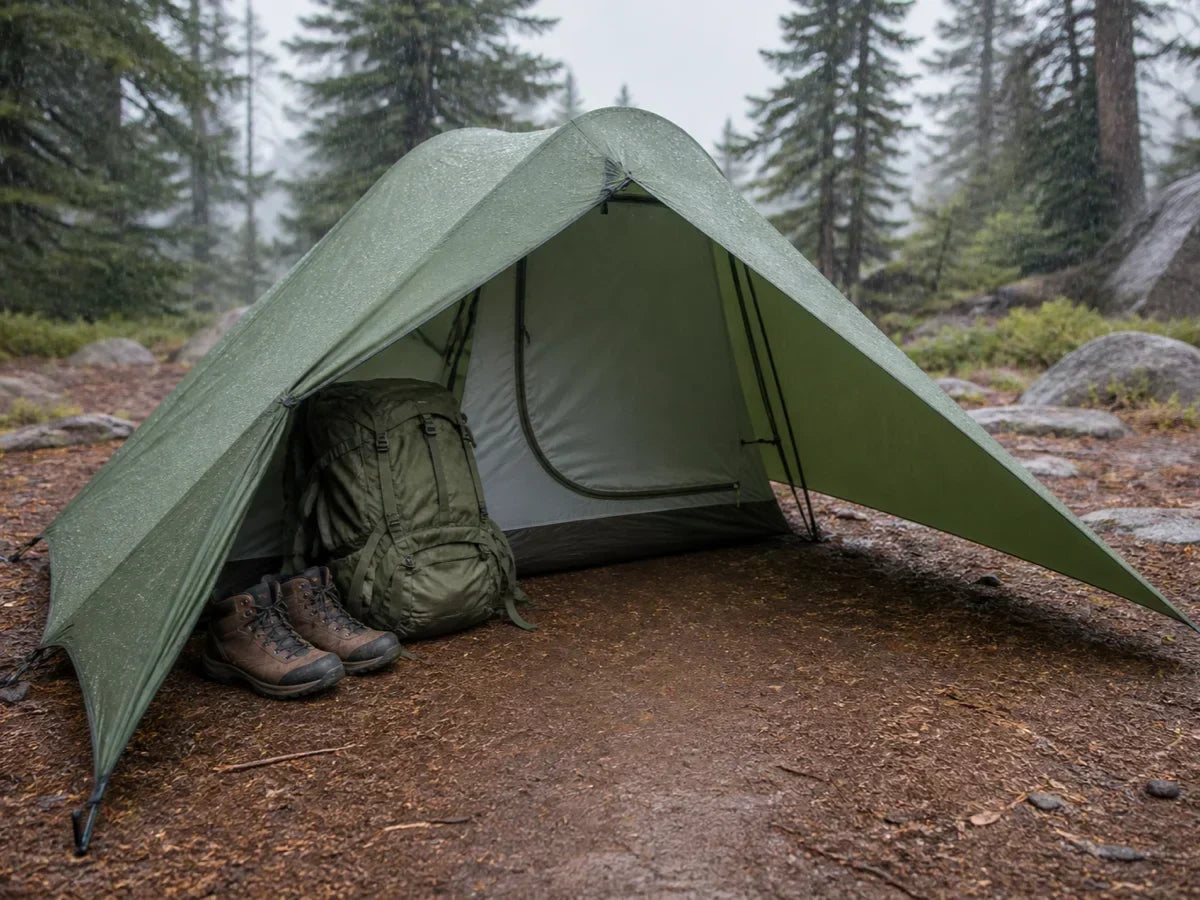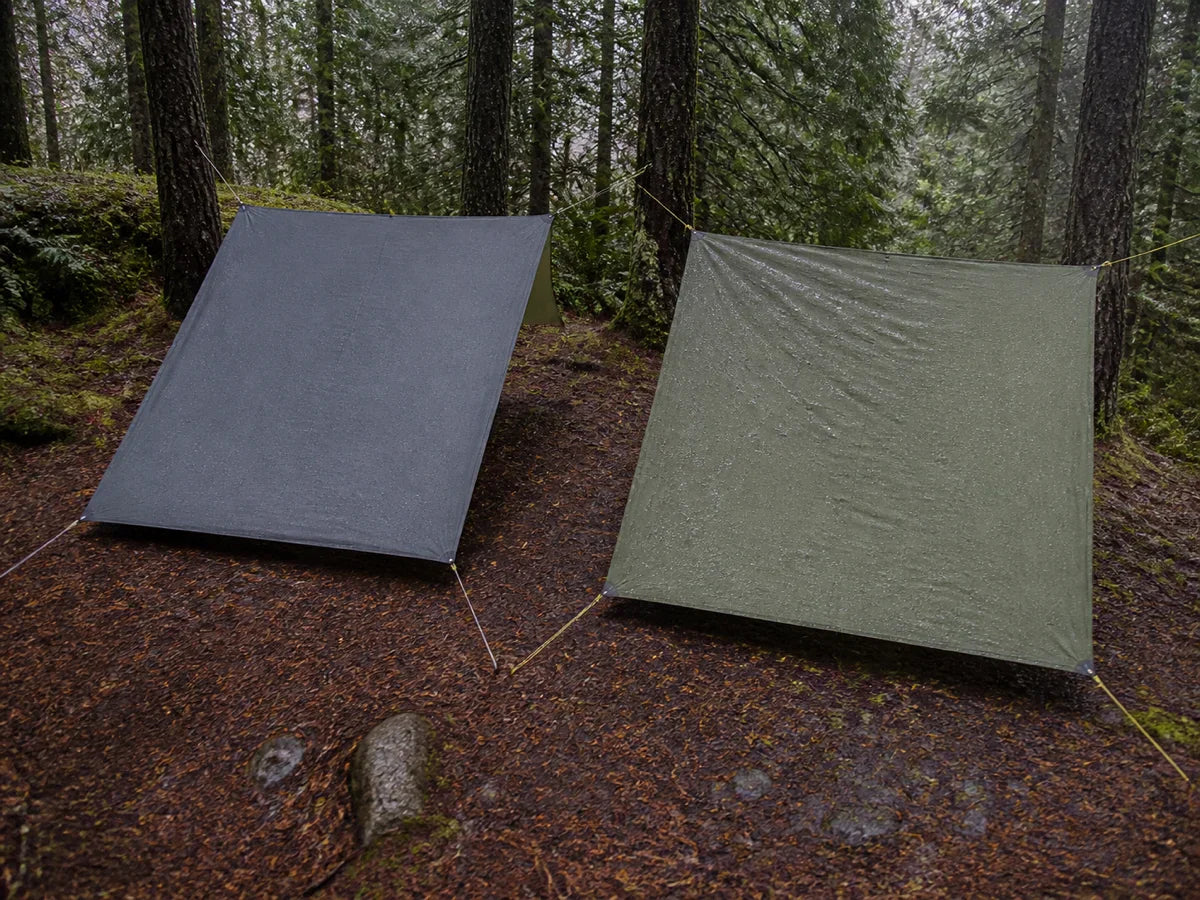

OutdoorGearLab now compares both bivy sacks and ultralight tents in categories where the old weight story is no longer enough.
I compared the bivy vs tent decision against the problems that actually ruin a trip: wet insulation, no place for gear, a shelter that will not fit the site, a shelter that takes too long to pitch in weather, and a sleep space that feels fine for one night but miserable by night three.
The lower-regret choice is not always the roomier tent.
The lower-regret choice is the shelter that matches the trip's failure mode.
For a short solo trip with mild weather, a bivy or bivy tent can win because it packs small, needs little ground, and lets you stop almost anywhere a body-length sleep space exists.
For sustained rain, shared shelter, heavy bugs, or a trip where you may spend hours waiting under fabric, a tent usually gives the safer margin.
What You'll Learn
You will know why a bivy can be the smarter shelter even when a tent is close in weight.
You will also know when that same bivy becomes the risky choice.
I will treat bivy sacks, bivy tents, and tarp plus bivy systems separately because they solve different problems.
The comparison will use field conditions, not only product labels.
By the end, you should be able to look at the forecast, the site type, your pack, and your own comfort tolerance, then choose without guessing.
Quick Answer
A bivy wins when the shelter needs to be small, fast, and site-flexible.
A tent wins when the shelter needs to become a small living space.
The mistake is treating the comparison as "bivy is light, tent is comfortable."
Modern ultralight tents have narrowed the weight gap enough that I would start with the trip problem instead.
Ask what would make the night fail.
If the answer is "I cannot find a flat tent pad," the bivy gets stronger.
If the answer is "my quilt may get damp for three straight nights," the tent gets stronger.
The Decision Framework
Bivy vs Tarp vs Ultralight Tent (Which One Actually Works)

I start with trip length because discomfort compounds.
A narrow shelter that feels efficient on Friday night can feel like a wet sleeve after two rain days.
According to OutdoorGearLab's bivy coverage, weather protection and comfort need separate judgment rather than one simple shelter-type score.
I use weather as the second gate.
A bivy puts your sleeping bag, pad, and breathing space close to the shelter wall.
That can work well with ventilation and a tarp plan.
It can also turn condensation into a direct threat to sleep insulation.
Site size is the third gate.
A tent needs enough flat ground for the floor, stakes, entry, and often vestibule access.
A bivy only needs a body-length patch and a little room for entry.
That matters in forest duff, bikepacking pullouts, rocky terrain, and places where one small flat spot is all you get.
Weight Is Not the Whole Bivy vs Tent Story

The old argument said bivy equals lighter.
That can still be true, but it is not reliable enough to be the first filter.
Data from modern ultralight tent comparisons shows that some ultralight tents now compete closely on trail weight.
The bivy advantage often moves to packed volume, footprint, and setup speed instead.
I care about packed volume because a shelter that weighs a little more but swallows a bike frame bag can be worse for the actual trip.
Bikepackers feel that problem sooner than backpackers.
A tent pole set can be awkward on a small frame.
A compact bivy or bivy tent can slide into spaces where a tent package fights the packing system.
Still, counting only the bivy shell is cheating.
If you need a tarp to keep rain off the entry and gear, count the tarp.
If you need more stakes to tension a low weather pitch, count the stakes.
If you need a larger dry bag because condensation is a real risk, count that too.
What a Bivy Does Better

A bivy is best when the night is mostly about sleeping.
It does not pretend to be a lounge, a changing room, or a gear garage.
That limitation is exactly why it can work so well on the right trip.
I like the bivy logic for late arrivals because it reduces the number of decisions at the end of the day.
Find one safe sleeping spot.
Keep the insulation dry.
Vent the shelter.
Sleep.
That is the whole system when the weather cooperates.
A bivy also gives you micro-site access.
You can use small protected pockets between roots, rocks, and brush where a tent floor would hang over a slope or snag on vegetation.
That does not mean you should sleep on fragile ground.
It means the shelter can fit durable small spots with less rearranging.
What a Tent Does Better

A tent is stronger when camp becomes part of the trip.
Rain changes the shelter job.
So do bugs, cold mornings, wet socks, long nights, and shared decisions.
In a tent, wet items can live in a vestibule or a controlled corner instead of touching the sleep system.
You can sit up and reset the shelter from inside.
You can wait through bad weather without lying flat inside a narrow shell.
Those features may look like comfort extras in a gear spreadsheet.
On the third night, they become risk management.
I would choose a tent for a beginner's first wet-weather trip because the shelter gives more room for mistakes.
The beginner can enter, close the door, sort gear, and learn without every movement brushing the wall.
That learning margin is worth weight on many first trips.
Condensation Is the Real Bivy Risk

Condensation is not just an annoyance.
It is the main failure mode because it reaches the insulation faster in a narrow shelter.
Reddit's ultralight discussions keep returning to the same friction: some users love the bivy footprint, while others end up saying a tent is simpler once moisture enters the system.
Those user reports can both be right.
The difference is the trip.
A short dry trip gives a damp bivy more room to recover.
A long wet trip removes that room.
If the quilt gets damp on night one and never dries, the shelter decision has already cost you warmth.
I would not use a bivy as the primary shelter for a wet multi-night route unless I had already tested the exact ventilation and tarp setup.
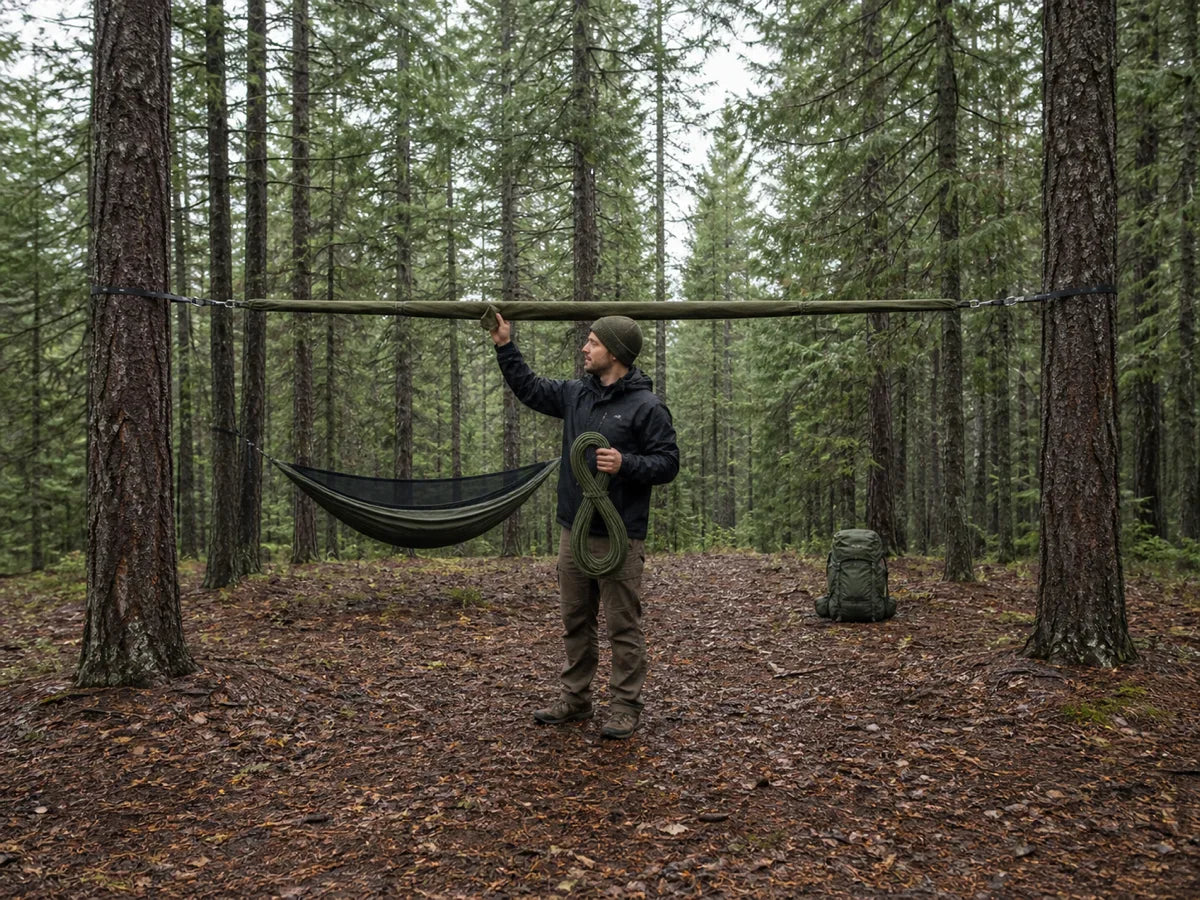
For many campers, tarp plus bivy is the better wet-weather bivy system.
The tarp handles entry, gear, and cooking-adjacent shelter needs.
The bivy handles ground protection, bug separation, and sleep containment.
Bivy Tent Hybrids Sit Between the Categories

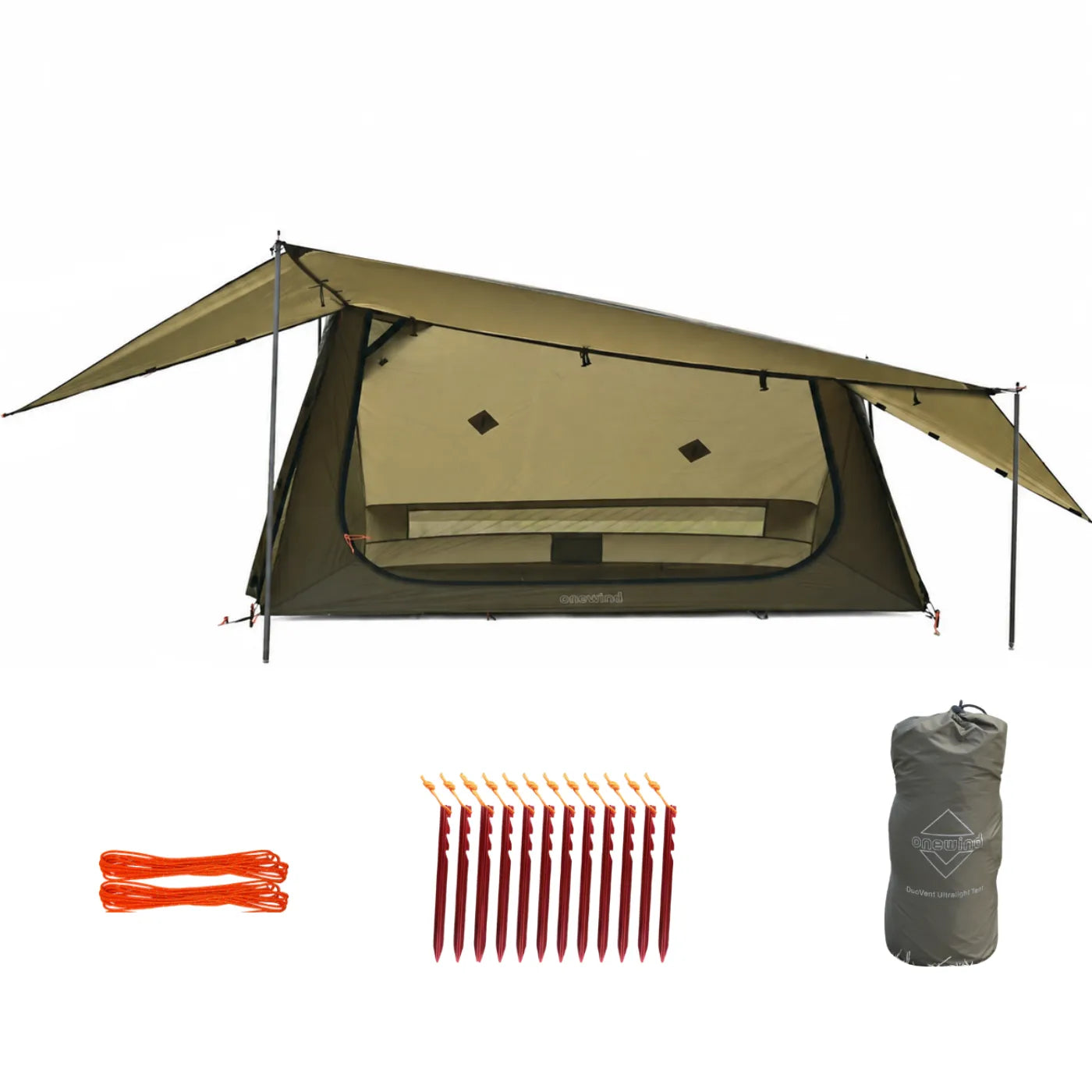
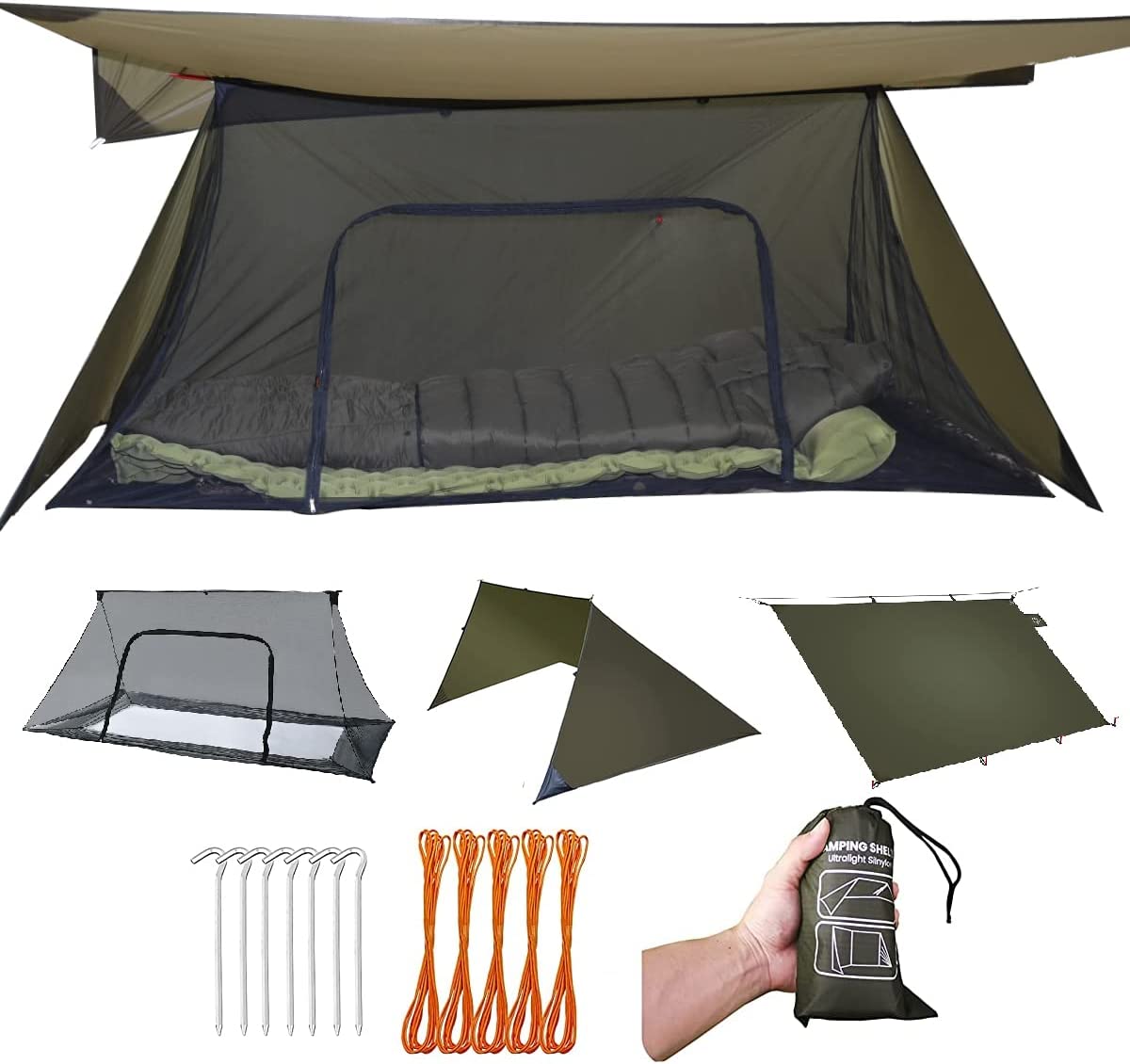
The Onewind Ultralight SoloVent Bivy Tent is useful to discuss because it is not a flat emergency bag.
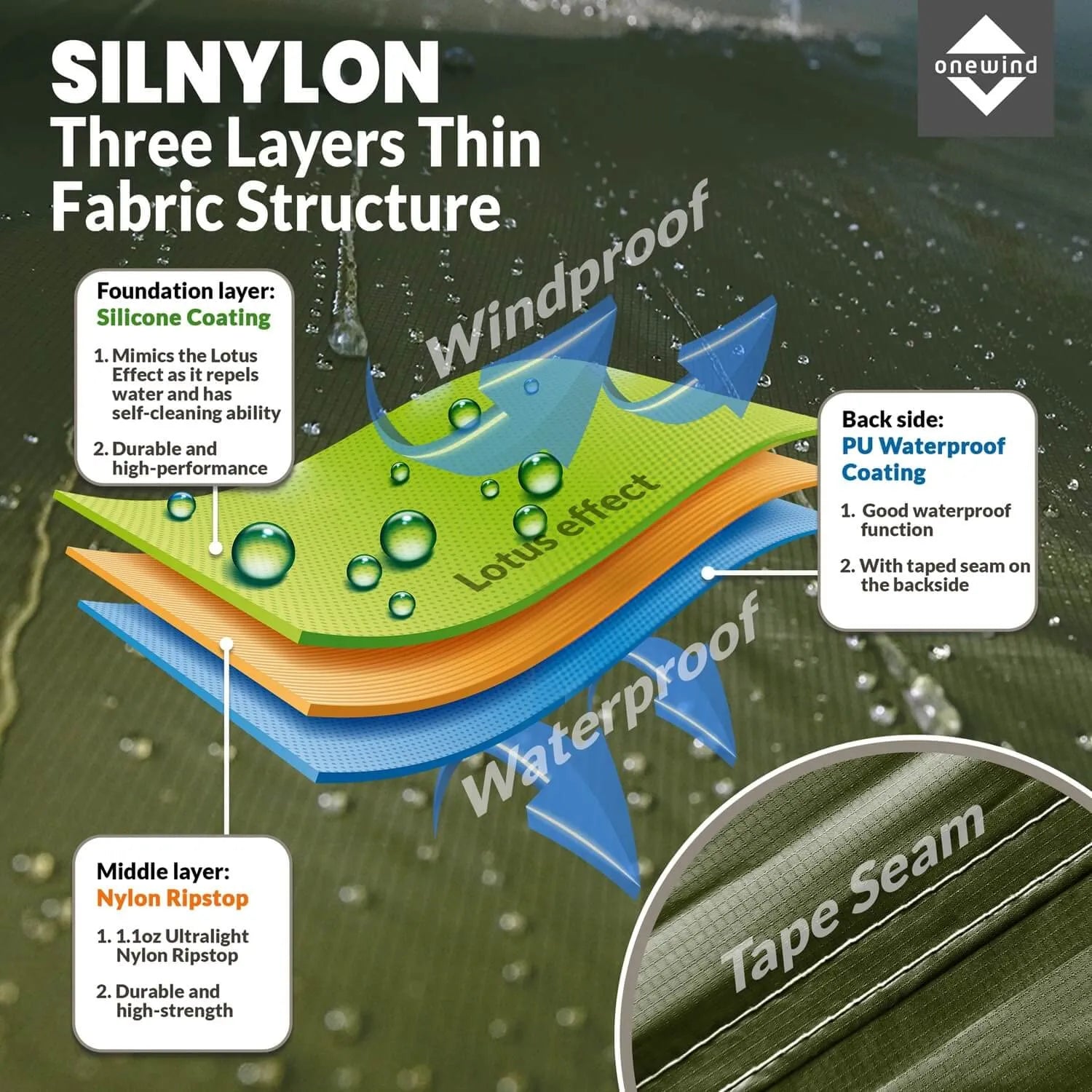
It is a bivy tent with a live product handle, OD Green variant, silnylon shelter positioning, mesh and ventilation imagery, and a listed $139.90 price.
Onewind product data also lists an 1100 g variant weight field, so I would not frame it as a pure gram-chasing bivy.
I would frame it as a solo shelter for campers who want a lower, smaller, more contained setup than a standard tent.
That distinction matters.
A bivy tent can reduce some sack problems by adding structure, mesh, and easier breathing space.
It does not create a vestibule you can live in for a rainy afternoon.
It also does not remove the need to think about tarp coverage when the forecast is wet.
If you want the smallest sleep-first solo shelter, it belongs in the conversation.
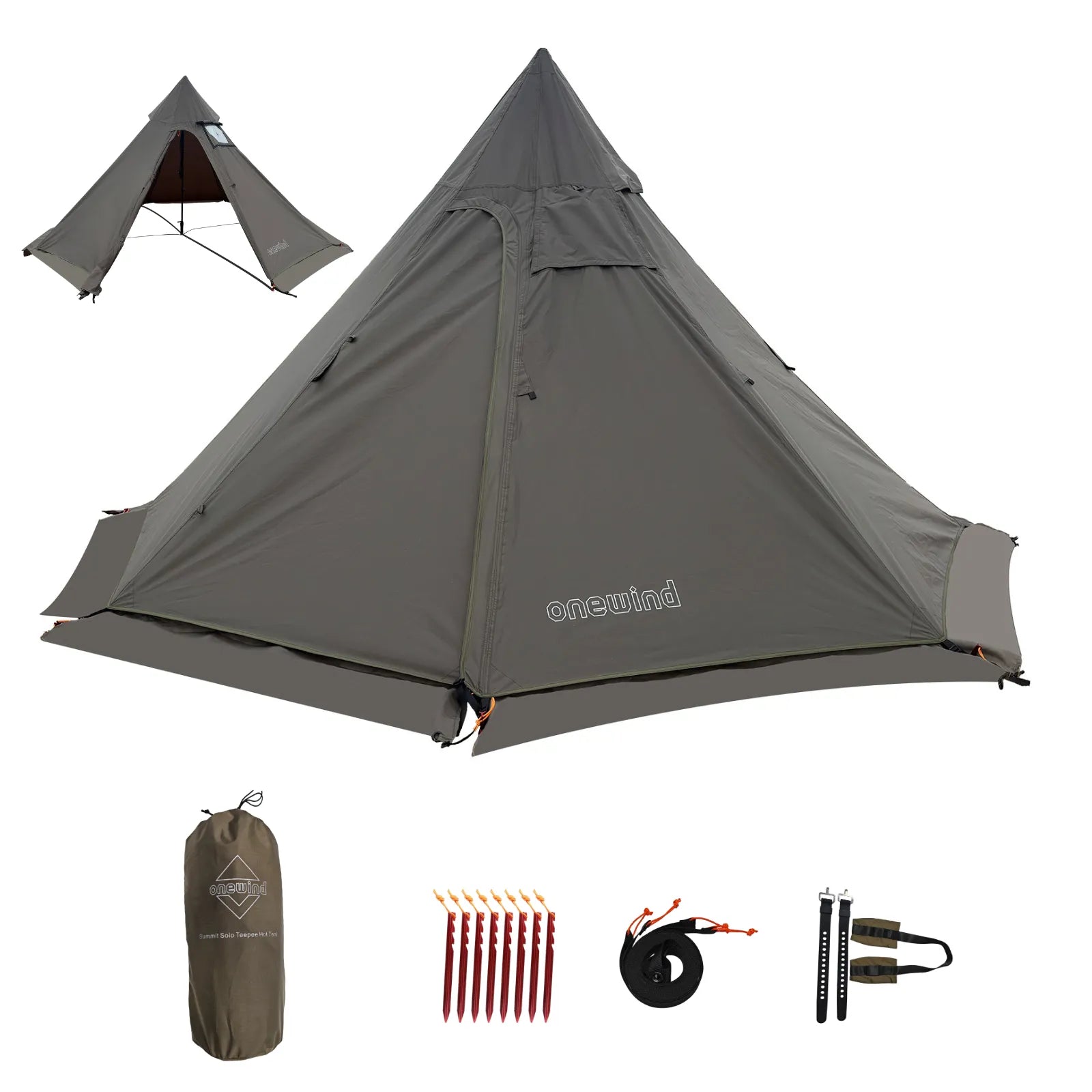
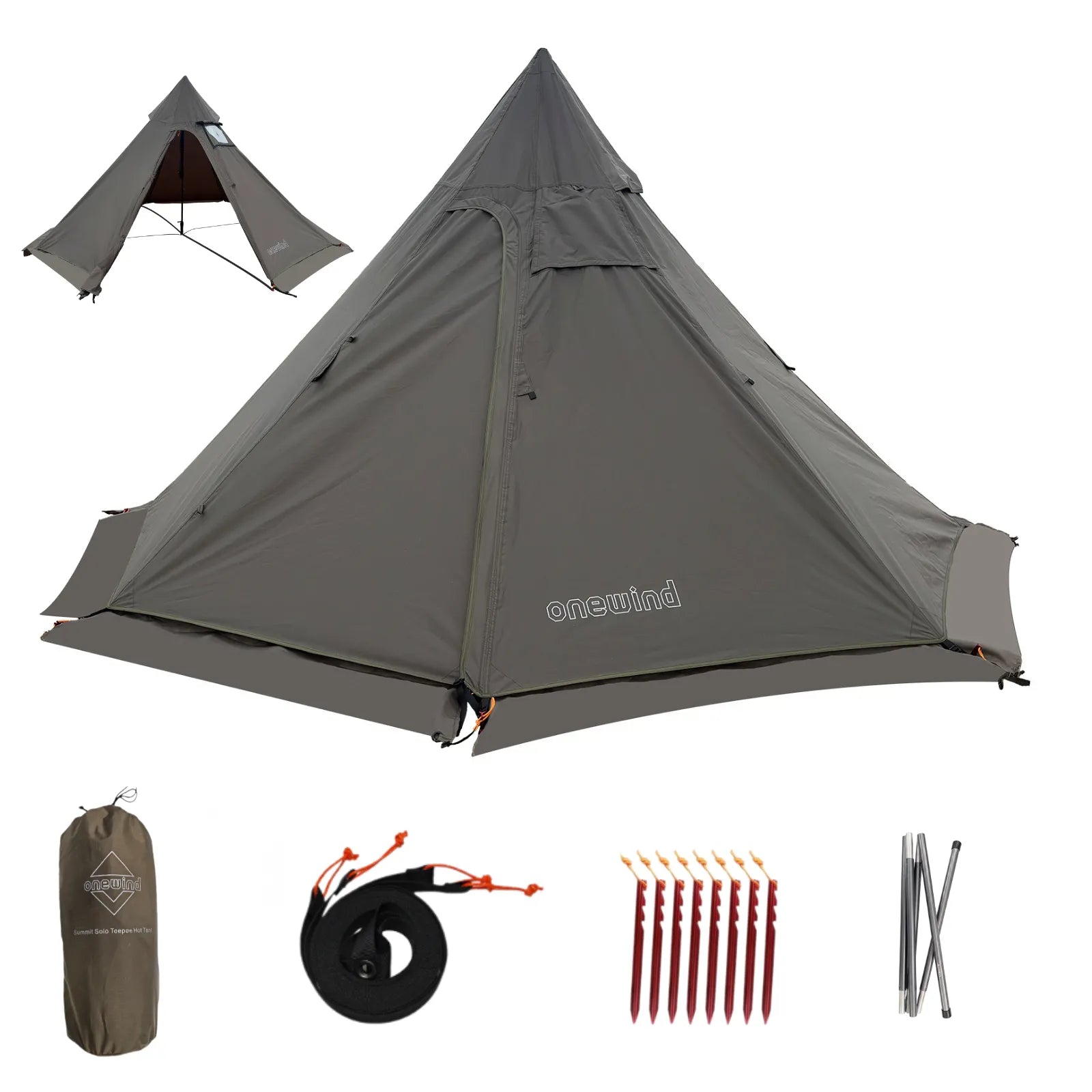
If you want a weather room, choose a tent from the shelter collection.
Scenario 1: Weekend Solo Backpacker, 1 to 2 Mild Nights

The weekend solo trip is the cleanest bivy win.
The trip is short, the shelter job is narrow, and the consequences of mild discomfort are limited.
You fit this if the forecast is stable, the route has protected camps, and your sleep system can handle one damp morning if it happens.
You also fit this if the tent pad situation is uncertain.
A bivy or bivy tent lets you use small flat spots that a tent may reject.
I would still check two things before leaving.
First, lie in the bivy with your pad and quilt at home.
Second, practice entering and exiting without dragging wet shoes or clothing across the sleep insulation.
If that test feels claustrophobic in the yard, it will not improve at 2 a.m.
The Onewind SoloVent style of bivy tent can fit this user when a simple sack feels too tight but a full tent feels unnecessary.
Verdict: choose a bivy or bivy tent for a short solo mild-weather trip if you have tested the narrow sleep space before the route.
Scenario 2: Wet-Climate Backpacker Worried About Condensation
Bivy Sack Vs Tent: Pros and Cons | Which is Best for Your Next Camping Trip

Wet-climate trips make the tent recommendation stronger.
The issue is not whether a bivy can survive rain.
The issue is whether your sleep insulation can stay dry through repeated wet nights.
OutdoorGearLab's bivy testing approach separates weather resistance from comfort, which matches the field problem here.
That report helps explain why a shelter can block rain and still feel hard to manage when moisture has nowhere to go.
If the forecast shows cold humidity, long rain, and no reliable drying window, I would choose a tent.
If you still want the bivy footprint, add a tarp and judge the whole system.
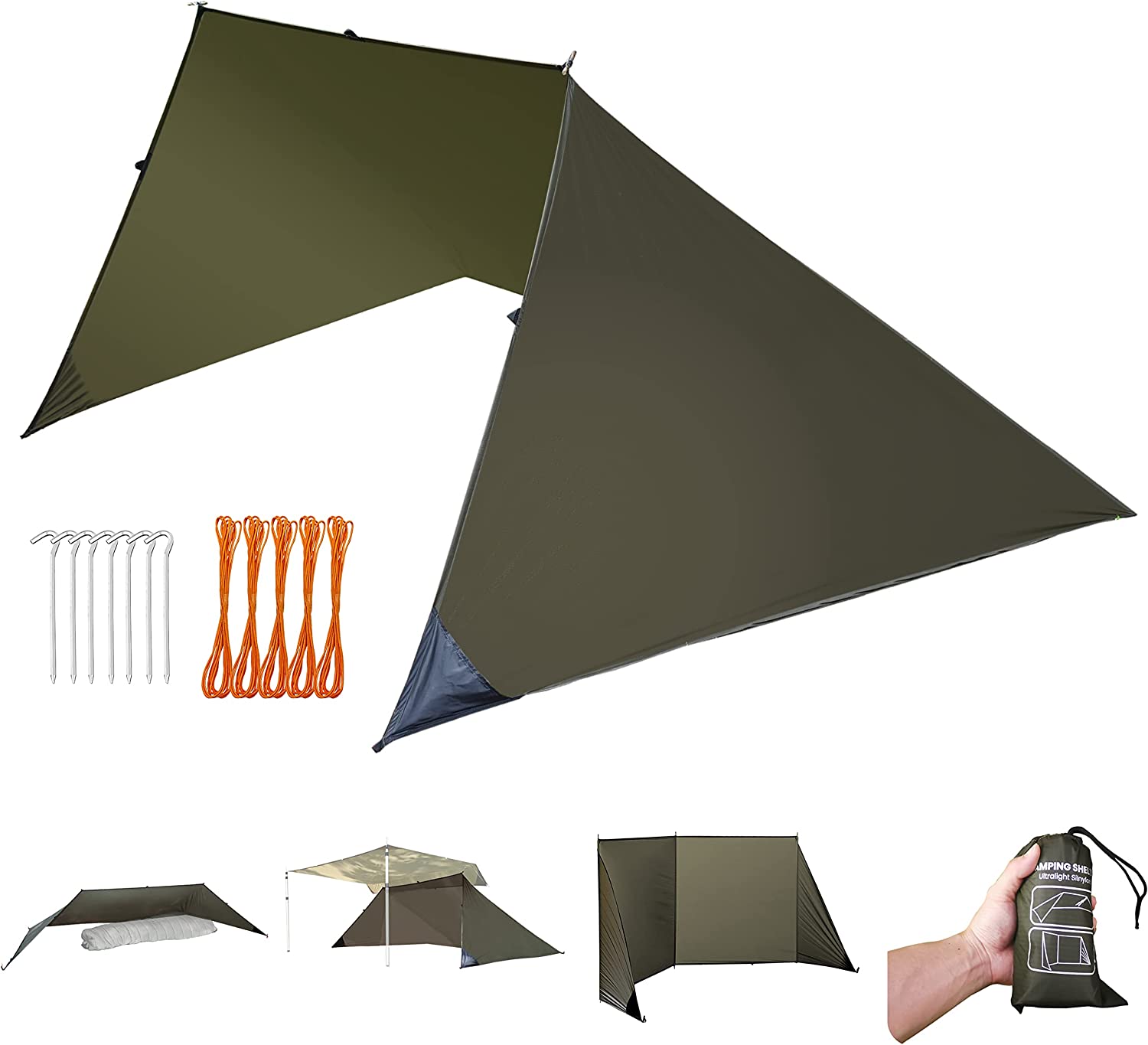
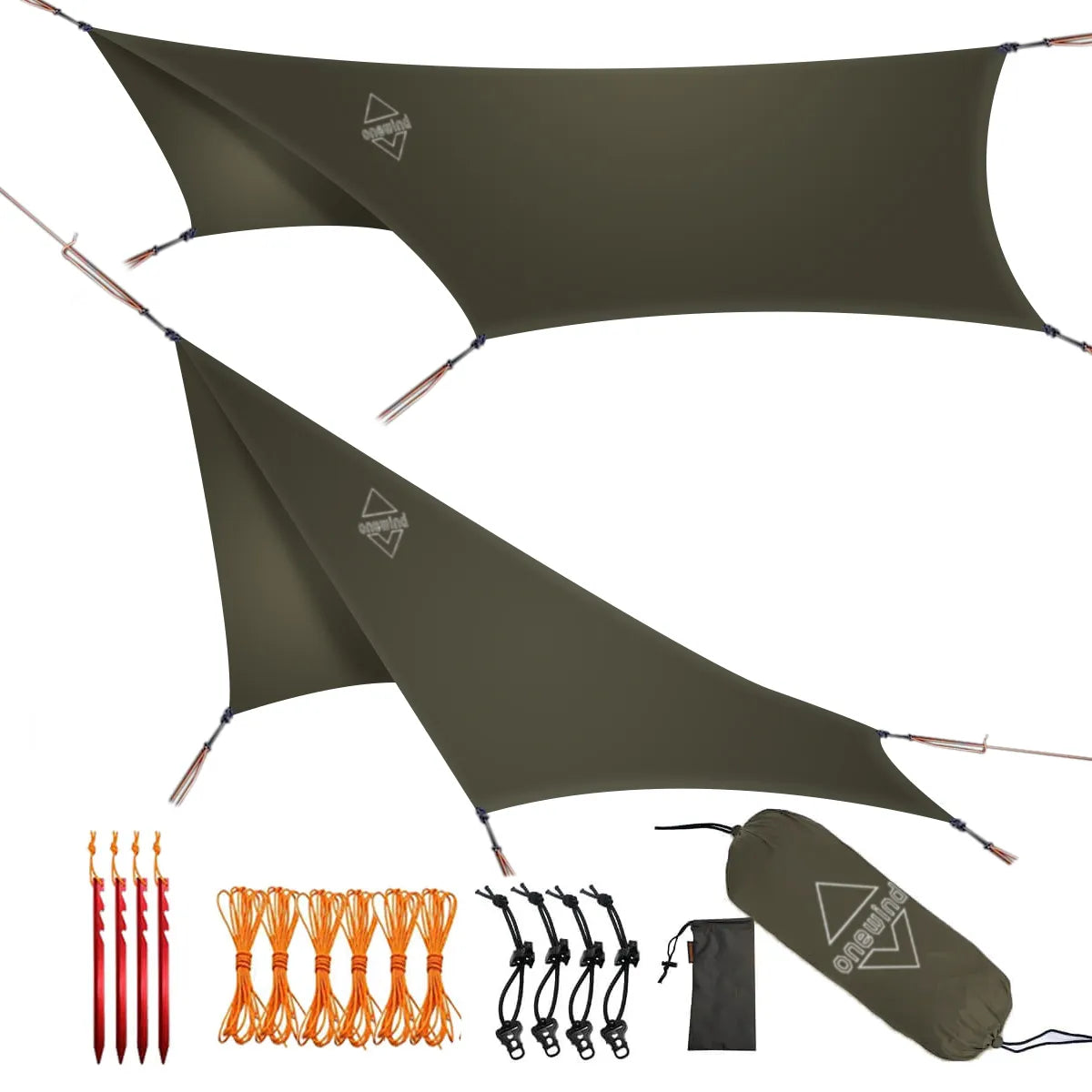
The Onewind 12 ft silnylon tarp is the kind of internal option that belongs in that system because it gives entry and gear coverage above the bivy.
The tarp does not make condensation disappear.
It gives you a drier workflow around the bivy.
You can open the bivy, move layers, and protect boots without exposing the sleep system directly to rain.
Verdict: choose a tent for wet multi-night trips unless your tarp plus bivy ventilation plan has already been tested in similar conditions.
Scenario 3: Bikepacker or Fastpacker With Limited Frame-Bag Space

Bikepacking changes the comparison because packed shape matters more than the spreadsheet suggests.
A tent can be light and still awkward.
Poles, fly, inner, and stakes may need to split across handlebar, frame, and seat bags.
A compact bivy system can be easier to place because it behaves more like soft sleep gear.
That matters when the bike already carries tools, food, water, and layers.
Fastpackers see a similar problem in smaller packs.
The shelter that disappears into a side pocket can beat the shelter that weighs slightly less but blocks the main compartment.
I would choose the bivy when mileage, late arrival, and compact packing are the main constraints.
I would choose the tent if the route includes long camp time or repeated weather delays.
Do not let the packing win erase the sleeping risk.
Your frame bag does not care about condensation, but your quilt does.
Verdict: choose a bivy or bivy tent when packed volume is the hard limit and the trip is short enough that livability is secondary.
Scenario 4: Beginner Tempted by Bivy Simplicity

A bivy looks simpler because it has fewer parts.
For a beginner, fewer parts do not always mean fewer problems.
A tent gives a larger error buffer.
You can bring gear inside, close mesh against insects, sit up, sort layers, and learn weather behavior without every mistake touching the sleeping bag.
The beginner bivy risk is discovering claustrophobia, bug pressure, or condensation after the hike is already done.
Test those things before the trip.
Spend one full backyard or car-camp night in the bivy setup.
Use the same pad, quilt, pillow, clothes, and entry routine.
Wake up and check whether the inside wall is damp.
If the narrow setup feels fine, a bivy tent can be a clean solo shelter.
If you find yourself wanting to sit up, sort gear, or escape the mesh, choose a tent.
The previous Onewind bivy tent guide is worth reading after this comparison because it covers broader bivy tent use cases.
Verdict: choose a tent for a first unsure overnight, or choose a bivy only after one full test night proves you tolerate the space.
Scenario 5: Emergency Backup User

An emergency bivy should not be judged like a primary shelter.
Its job is insurance.
It helps when the plan breaks, weather changes, someone gets delayed, or a lightweight day kit suddenly needs overnight protection.
Comfort is not the primary score.
Survival margin, packability, visibility, and speed matter more.
The mistake is buying an emergency bivy, then using that purchase to justify skipping a real shelter on a planned overnight.
Those are different jobs.
A primary shelter must handle sleep quality, ventilation, entry, weather, and gear.
An emergency shelter must keep you safer than having nothing.
If your trip is a planned camp, choose the primary shelter that fits the conditions.
If your trip is a long day, hunt, bike ride, or shoulder-season route where a delay is possible, an emergency bivy can be backup.
Verdict: carry an emergency bivy as insurance, but do not count it as your primary tent replacement unless the trip plan is built around bivy camping.
Bivy Plus Tarp vs Tent

Tarp plus bivy is the honest middle path.
It keeps the low sleep footprint but adds overhead working space.
That matters because many bivy problems happen during entry, exit, and gear handling.
The tarp lets you open the bivy without letting rain fall straight into the sleep system.
It gives boots and pack a covered zone.
It can also reduce the closed-up feeling because you do not need to seal the bivy as aggressively in mild rain.
The tradeoff is complexity.
You now have stakes, guylines, pitch direction, wind angle, drip path, and tarp height to manage.
At that point, compare the whole system to a tent.
If tarp plus bivy is heavier, harder, and less comfortable than your tent, the tent wins.
If tarp plus bivy packs better and fits sites the tent cannot, the hybrid wins.
Common Mistakes With Bivy vs Tent

Most bad bivy vs tent decisions come from trusting the category name.
The label does not tell you whether the shelter fits the weather, site, pack, or user.
I would rather see a camper choose a heavier tent for the right wet route than force a bivy into a job it cannot do well.
I would also rather see a camper use a bivy on the right short solo trip than carry a tent because comparison articles made bivy camping sound extreme.
The decision only gets clear when you test the trip.
Mistake 1: Counting the Bivy Shell Instead of the System

A bivy shell by itself is not always the shelter system.
In dry weather, it may be enough.
In wet weather, you may add a tarp, stakes, guylines, ground protection, and a better dry bag strategy.
Those pieces count.
A tent includes some of that structure in one package.
If you compare only the bivy shell to the full tent, the bivy looks better than it may feel at camp.
Make a real packing list.
Put every stake, cord, stuff sack, and wet-gear decision on the table.
Then compare the systems.
Mistake 2: Assuming a Bivy Solves Bugs Automatically

A bivy can help with insects only if the mesh, entry, and sleeping position work together.
A simple emergency bivy may have no real bug management.
A bivy sack may protect the face but leave entry awkward during heavy insect pressure.
A bivy tent with mesh structure can be better, but it still gives less living space than a tent inner.
Think about what happens before sleep.
Can you change clothes without letting insects into the sleep space?
Can you sort a headlamp, socks, and water without opening everything?
Can you keep the mesh off your face?
If the answer is no, choose a tent or a bivy tent with proven mesh clearance.
Mistake 3: Treating One Good Night as Proof for a Long Trip

A bivy can feel great for one night and still be wrong for the route.
Comfort has a time component.
Moisture has a time component.
Mental tolerance has a time component.
A 1-night test proves you can sleep in the shelter once.
It does not prove you can manage wet insulation, dirty clothes, and cramped entry for four days.
For 3+ nights, I raise the tent score unless the bivy system has been tested in similar weather.
That rule is not anti-bivy.
It protects the bivy from being blamed for the wrong job.
Mistake 4: Buying a Bivy Tent But Expecting Tent Living Space

A bivy tent can be a smart compromise.
It can add mesh, head room, weather shape, and easier breathing compared with a flat sack.
It does not become a full tent because the name includes "tent."
The Onewind SoloVent Bivy Tent should be judged as a low solo shelter.
That is a real use case.
It is not the same as a shelter where you sit up for an hour, cook from a vestibule, and keep all gear beside you.
Buy the bivy tent when the low solo shelter is the goal.
Buy a tent when protected living space is the goal.
Mistake 5: Ignoring the Entry Routine

Entry is where many bivy systems get messy.
You arrive with wet shoes, a damp jacket, cold hands, and a pad that still needs positioning.
A tent gives you more room to separate clean and dirty zones.
A bivy asks for a tighter routine.
Stage the pack before opening the shell.
Decide where boots go.
Keep rain off the quilt.
Vent before sealing the shelter for sleep.
Practice the routine in daylight.
If the routine feels fragile before the trip, choose a tent or add tarp coverage.
The Quick Decision Checklist
- ✓ Choose a bivy when the trip rewards small footprint, fast setup, and compact packing more than living space.
- ✓ Choose a tent when weather, bugs, gear storage, or long camp time matter more than packed volume.
- ✓ Choose tarp plus bivy when you want the bivy footprint but need a drier entry and gear workflow.
- ✓ Choose an emergency bivy only as backup unless the trip is deliberately planned around bivy camping.
- ✓ Test any bivy setup for one full night before making it your primary shelter on a remote route.
Final Verdict

Bivy vs tent is a trip-fit decision, not a personality test.
Choose the bivy when the route is short, solo, compact, and controlled enough that tiny footprint and pack volume matter most.
Choose the tent when the route is wet, long, shared, buggy, gear-heavy, or comfort-sensitive enough that the shelter must become a livable protected space.
If you choose a bivy-style solo shelter, start with the exact problems it solves.
The Onewind Ultralight SoloVent Bivy Tent fits the camper who wants a low-profile solo bivy tent rather than a roomy tent replacement.
If your decision points toward more overhead coverage, pair the bivy with a tarp or browse the broader Onewind shelter collection.
Your shelter should fail on paper before it fails in camp.
Run the checklist, count the whole system, test the entry routine, and pick the shelter that protects the sleep you actually need.

Shop the SoloVent Bivy Tent
Shop Now →