
De veelgemaakte fout bij ultralichte bivakzakken is het beoordelen van de schuilplaats op basis van het getal dat naast "gewicht" staat.
Dat was te simpel.
Volgens de deskundige bivakzakrichtlijnen van REI omvatten bivakzakgebruikers vaak solo-achterlandreizigers, fietskampeerders, klimmers, winterkampeerders en mensen die elk mogelijk grammetje willen besparen. Dat klinkt als een puur gewichtsverhaal.
Maar dezelfde bron scheidt traditionele bivakzakken van meer tentachtige bivakschuilplaatsen, omdat ventilatie, hoofdruimte, weerbestendigheid en bescherming tegen insecten de functie van de schuilplaats veranderen.
Dat is het deel waar ik me nu om geef.
Een ultralichte bivy-zak is alleen ultralicht als het hele slaapsysteem eenvoudig blijft nadat je de verborgen onderdelen toevoegt: tarp-hoes, haringen, scheerlijnen, bescherming tegen insecten, omgang met natte uitrusting, opslag voor etensgeur en een droge instaproutine.
Als die extra onderdelen klein blijven, kan een bivakzak een briljante keuze voor een solo-shelter zijn.
Als die add-ons de echte schuilplaats worden, is de lichtere keuze mislukt.
Deze gids is niet zomaar weer een lijst van de lichtste zakken.
Het is een systeemgewichtscontrole.
De vraag is niet: "Wat is de lichtste bivakzak?"
De betere vraag is: "Hoeveel weegt deze opstelling nadat hij de nacht kan doorstaan die ik daadwerkelijk meeneem?"
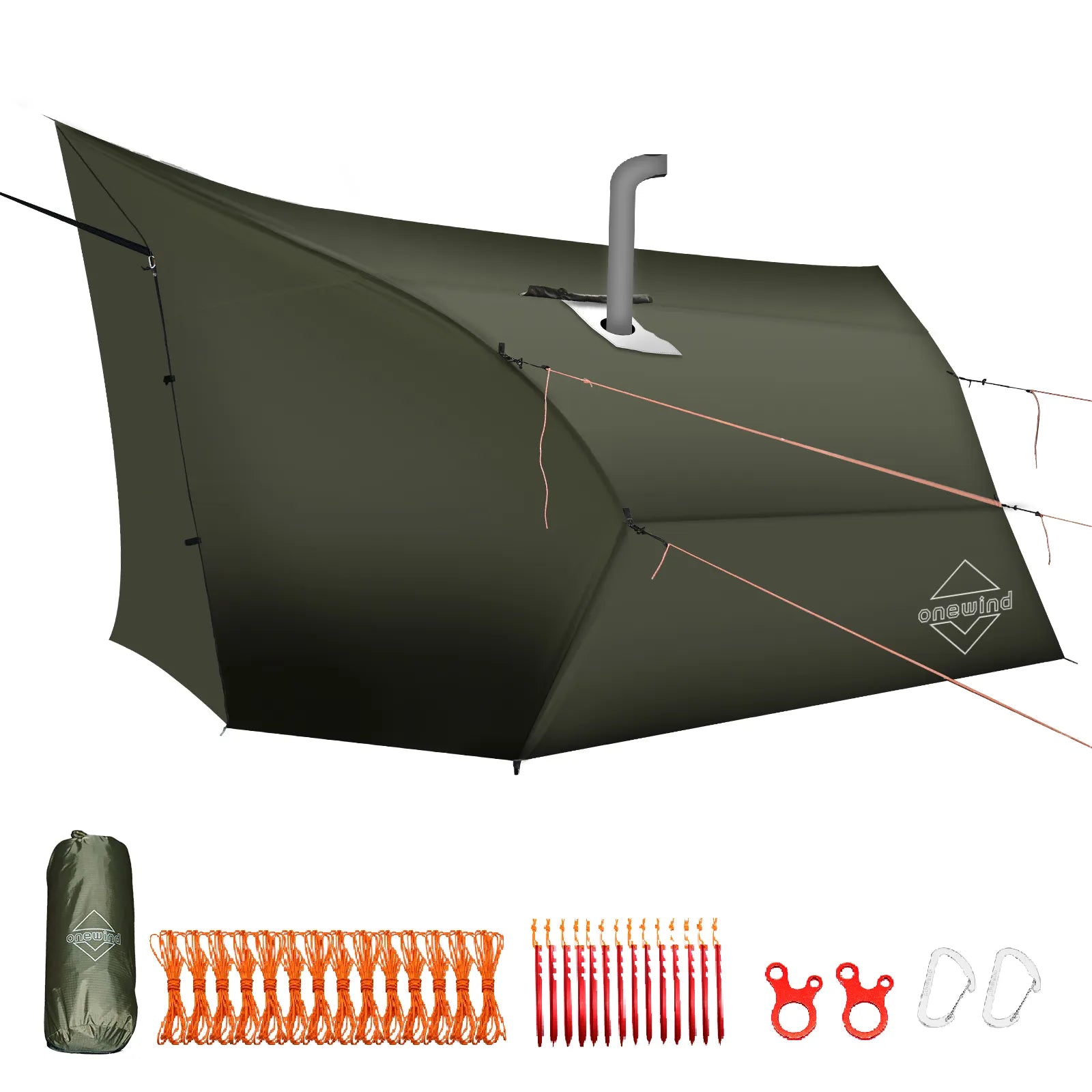
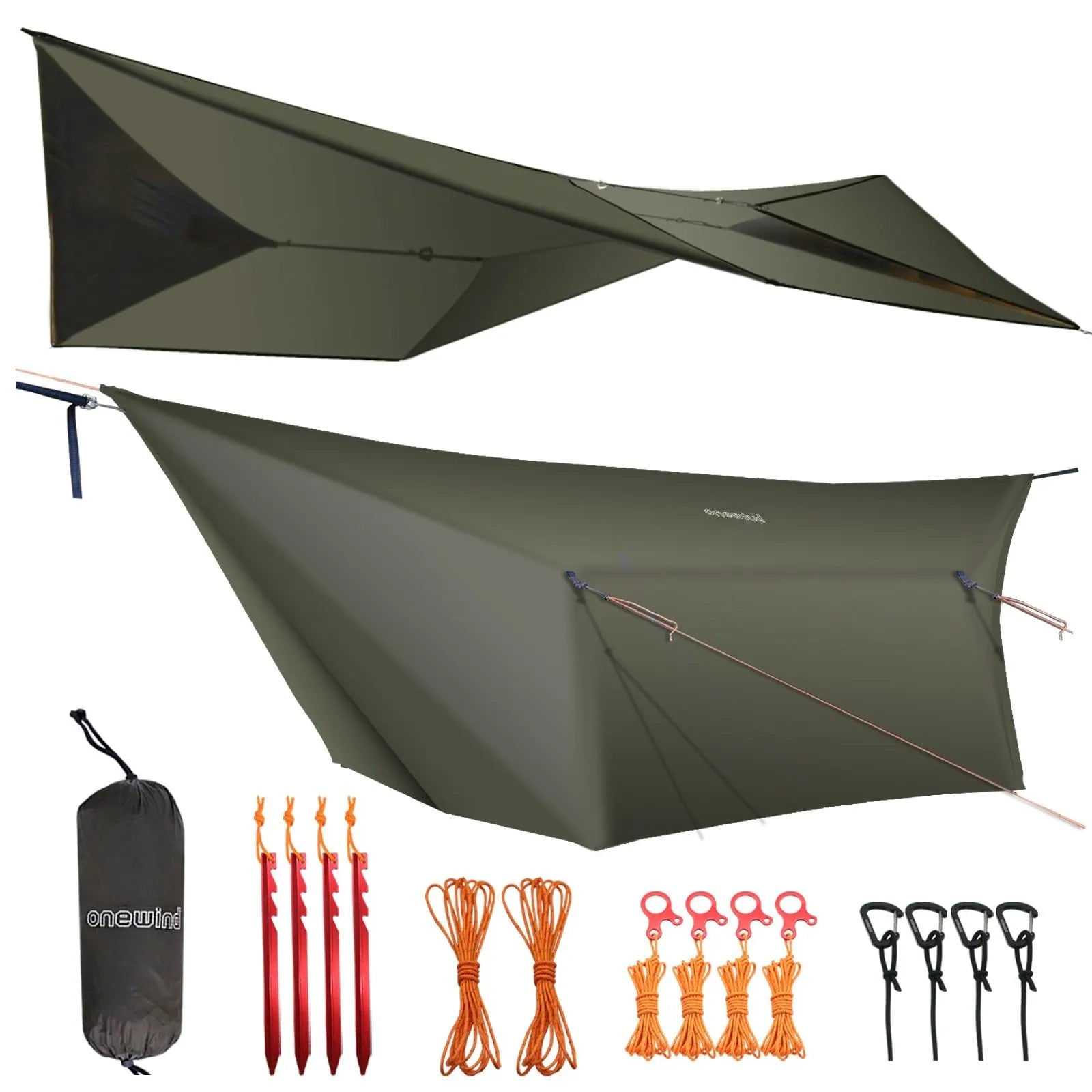
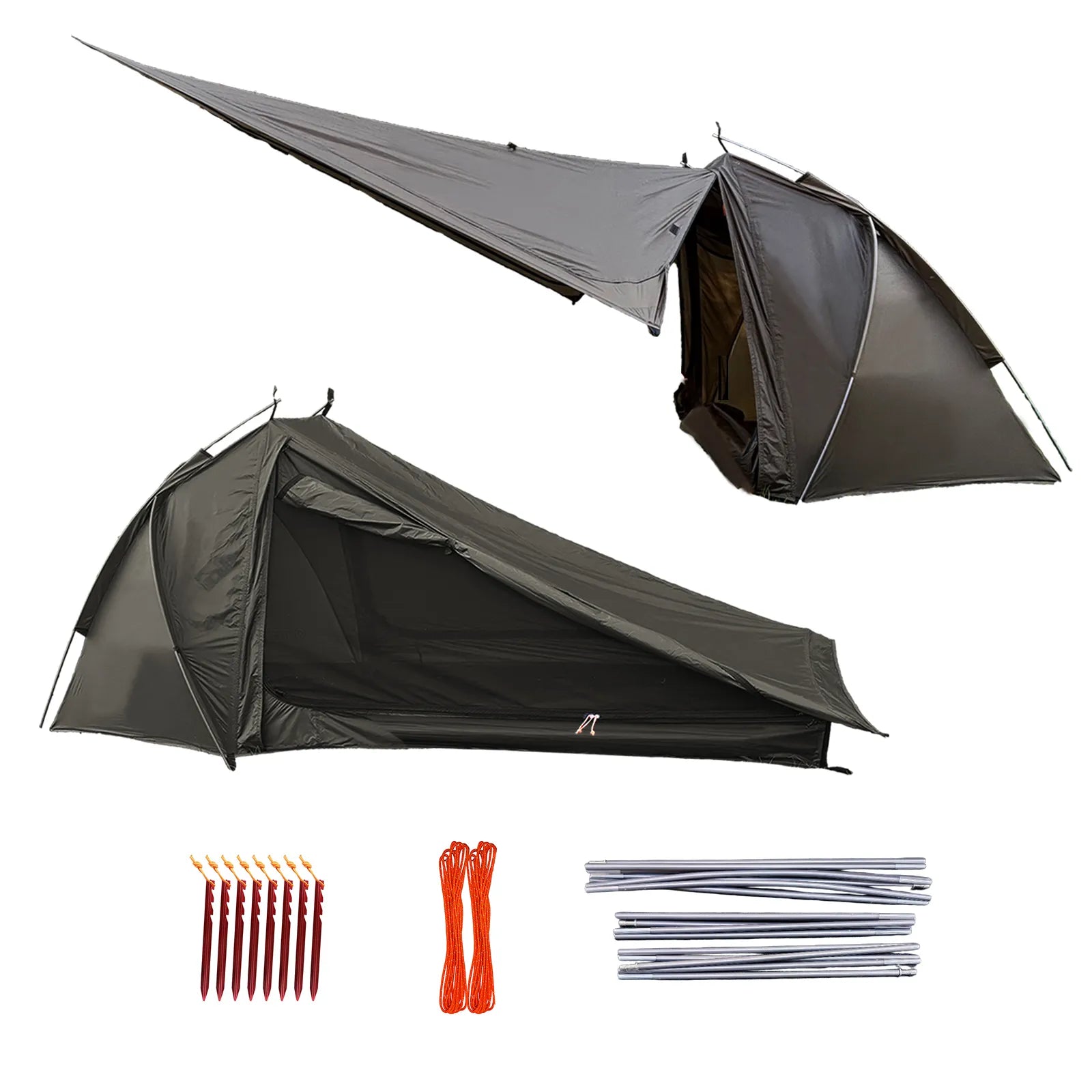
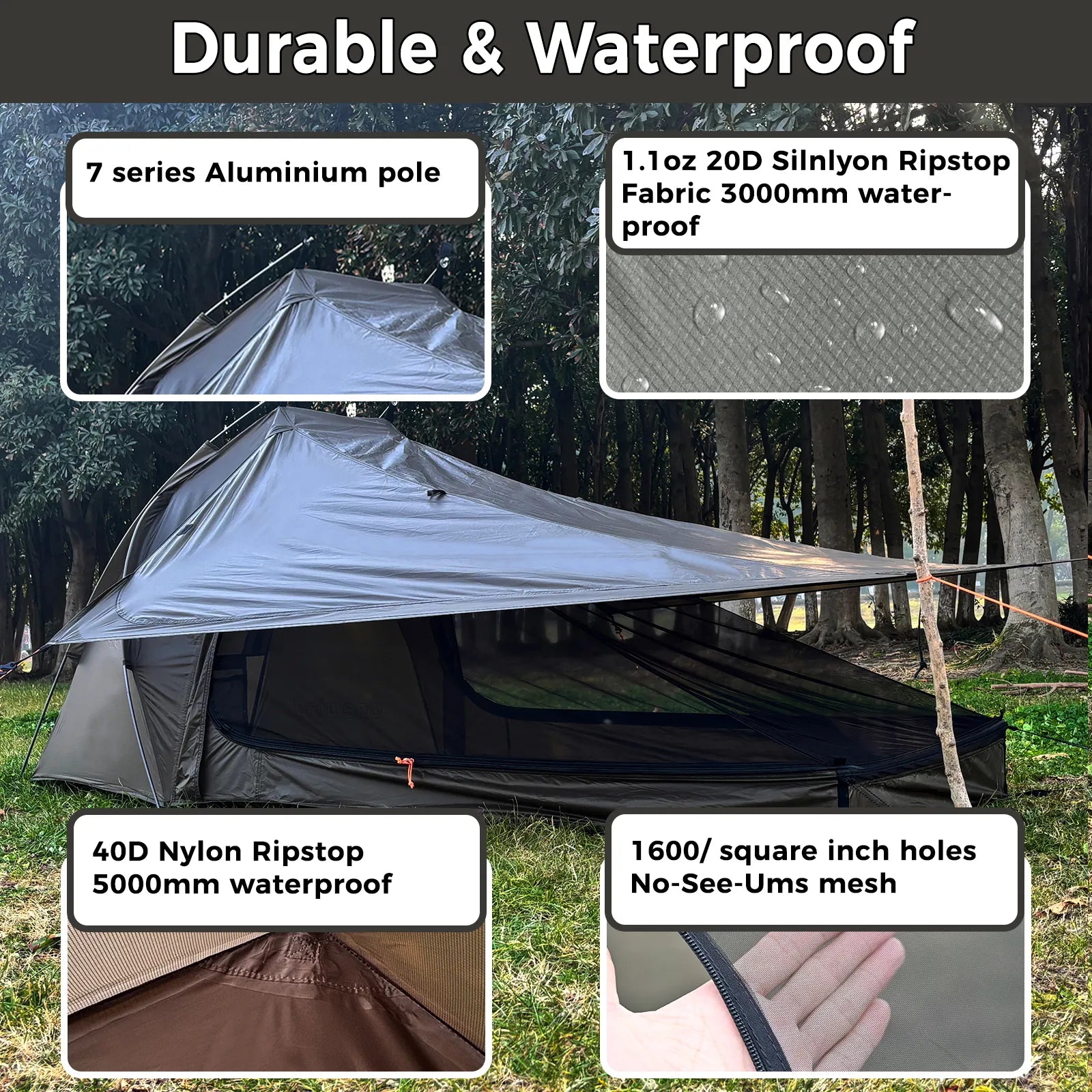
De productgegevens geven nuttige referentiepunten. SoloVent staat vermeld op 37 ounce met een luifel van 3000 mm en een vloer van 5000 mm, terwijl de tarp van 12 ft wordt vermeld met een totaalgewicht van 1,86 lb en een waterdichte coating van 4000 mm. Die cijfers zijn geen concurrenten in dezelfde categorie. Het zijn referentiepunten voor de volledige systeemcontrole.
Wat je zult leren
Ik zal "ultralichte bivakzak" gebruiken in de brede betekenis waarin veel kopers het gebruiken.
Dat omvat platte bivakzakken, bivakzakken met boog en shelters in bivakstijl.
Maar ik zal ze scheiden wanneer de beslissing verandert.
Een platte zak en een gestructureerde lage schuilplaats lossen niet dezelfde nacht op.
Dat onderscheid voorkomt dat het artikel verzandt in vaag gepraat over uitrusting.
Snelle antwoord
Kies het pad van de ultralichte bivakzak wanneer de zak de schuilplaats blijft.
Vermijd het wanneer de zak slechts één onderdeel wordt van een omslachtige beschuttingpuzzel.
Voor de meeste rustige solo-overnachtingen is de scheidslijn niet luxe comfort. Het gaat erom of je de slaapzak droog kunt houden, insecten buiten kunt houden, condensatie kunt beheersen en kunt in- of uitstappen zonder water het systeem in te slepen.
Daarom vergelijk ik bivakzakken niet alleen op basis van ounces.
Ik vergelijk de hele nacht.
Het besluitvormingskader
Gebruik deze controlelijst voordat u koopt of inpakt.
Het raamwerk is opzettelijk bot.
Als een zak plus zeil plus haringen plus insectenplan plus routine voor natte uitrusting plus opslag van etensgeur lichter en rustiger blijft dan een gestructureerde solo-shelter, kies dan voor de ultralichte bivakzak.
Wanneer insecten, binnendringende regen, condensatie of natte uitrusting het echte probleem worden, kies dan liever voor een gestructureerde eenpersoons schuilplaats of een ruimere tarp-tent dan voor het najagen van het laagst vermelde pakgewicht.
Het lichtere item is niet altijd het lichtere systeem.
Ik behandel noodzakken ook anders dan geplande schuilplaatsen.
Een noodbivak kan een slimme verzekering zijn.
Het zou niet automatisch je belangrijkste thuisbasis moeten worden voor een geplande natte overnachting.
Pas test 1: Tel het verborgen gewicht
Splash Bivy | Productrondleiding
De gemakkelijkste fout is alleen de zak te wegen.
Dat getal voelt mooi aan.
Het is ook onvolledig.
REI merkt op dat een bivakschuilplaats die op een tent lijkt, extra beschutte hoofdruimte en volledige afsluiting biedt voor slecht weer en insecten. Die extra’s voegen gewicht toe, maar kunnen afzonderlijke noodoplossingen vervangen.
Dat is de verborgen wiskunde.
Ik doe graag een eenvoudige audit van het verpakte gewicht.
Zet de bivy, tarp, haringen, lijnen, grondbescherming en insectenoplossing op dezelfde lijst.
Vergelijk dat aantal vervolgens met een meer complete shelter.
Soms wint de bivakzak toch.
Soms is een gestructureerde schuilplaats voor één persoon slechts iets zwaarder en veel prettiger in gebruik.
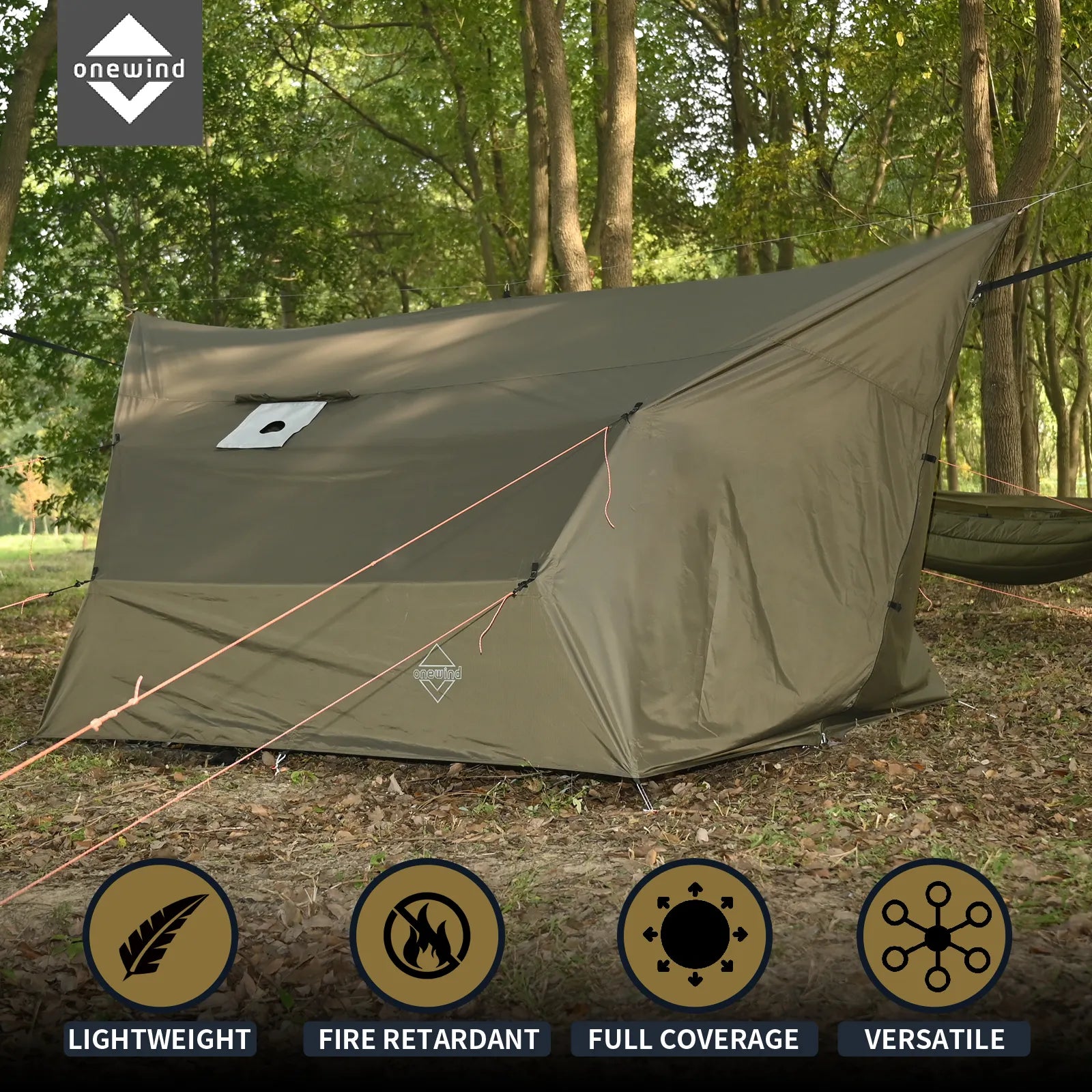
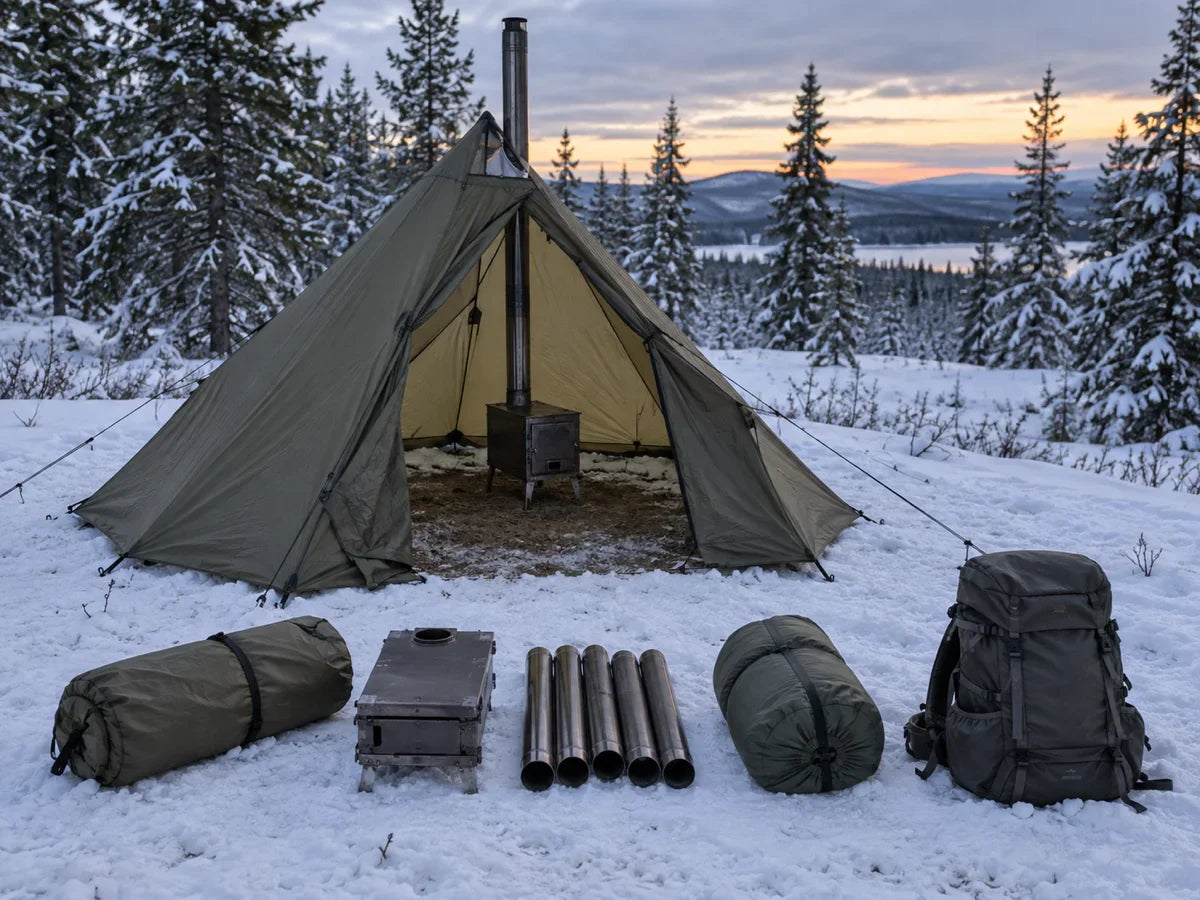
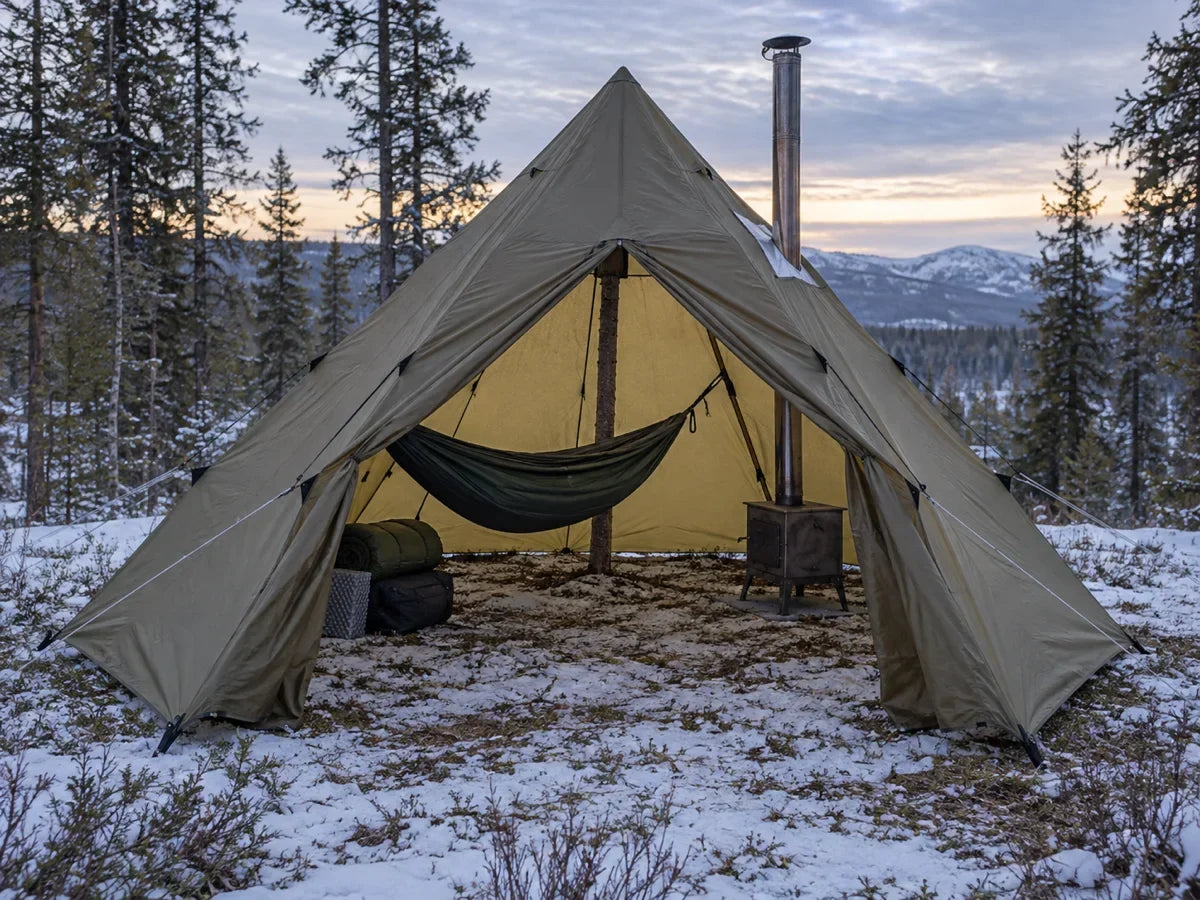
Dat is waar een schuilplaats met een kleine ecologische voetafdruk zoals de Onewind Ultralichte SoloVent Bivaktent maakt deel uit van het gesprek. Het is geen platte bivakzak. Het is een eenpersoons bivaktent voor kampeerders die gaas, voldoende hoofdruimte, een waterdichte vloer, haringen, scheerlijnen en een snellere sluiting in één lage schuilplaats willen.
Het vermelde gewicht van 37 ounce is niet hetzelfde als een lege zak.
Het is een andere categorie.
Die categorie kan logisch zijn wanneer deze verschillende kleinere uitbreidingen vervangt.
Pas test 2 aan: Weer en condensatie tellen nog steeds mee
Een bivakzak plaatst stof dicht bij uw slaapsysteem.
Dat is geschikt voor kleine campings en een snelle opzet.
Het is niet automatisch goed voor vocht.
REI legt uit dat condensatie kan optreden omdat een bivakzak zich gedraagt als een tent met één wand. Vocht uit je lichaam en adem kan in contact komen met koudere lucht en zich verzamelen op de binnenwand.
Dat betekent niet dat elke bivaknacht nat is.
Het betekent dat ventilatie en locatiekeuze deel uitmaken van het gewichtsysteem.
Als je alles goed afsluit om door de wind voortgedreven regen tegen te houden, kan de luchtstroom afnemen.
Als u het hoofdeinde opent voor ventilatie, kunnen regen of insecten een probleem worden.
Als je onder bomen opzet om dauw te verminderen, kun je last krijgen van hars, vuil of slechte afwatering.
Als u naar een weide verhuist voor het uitzicht, kunnen dauw en blootstelling toenemen.
Daarom kan het lichtste zakje de meeste discipline vereisen.
Een tarp verandert de routine.
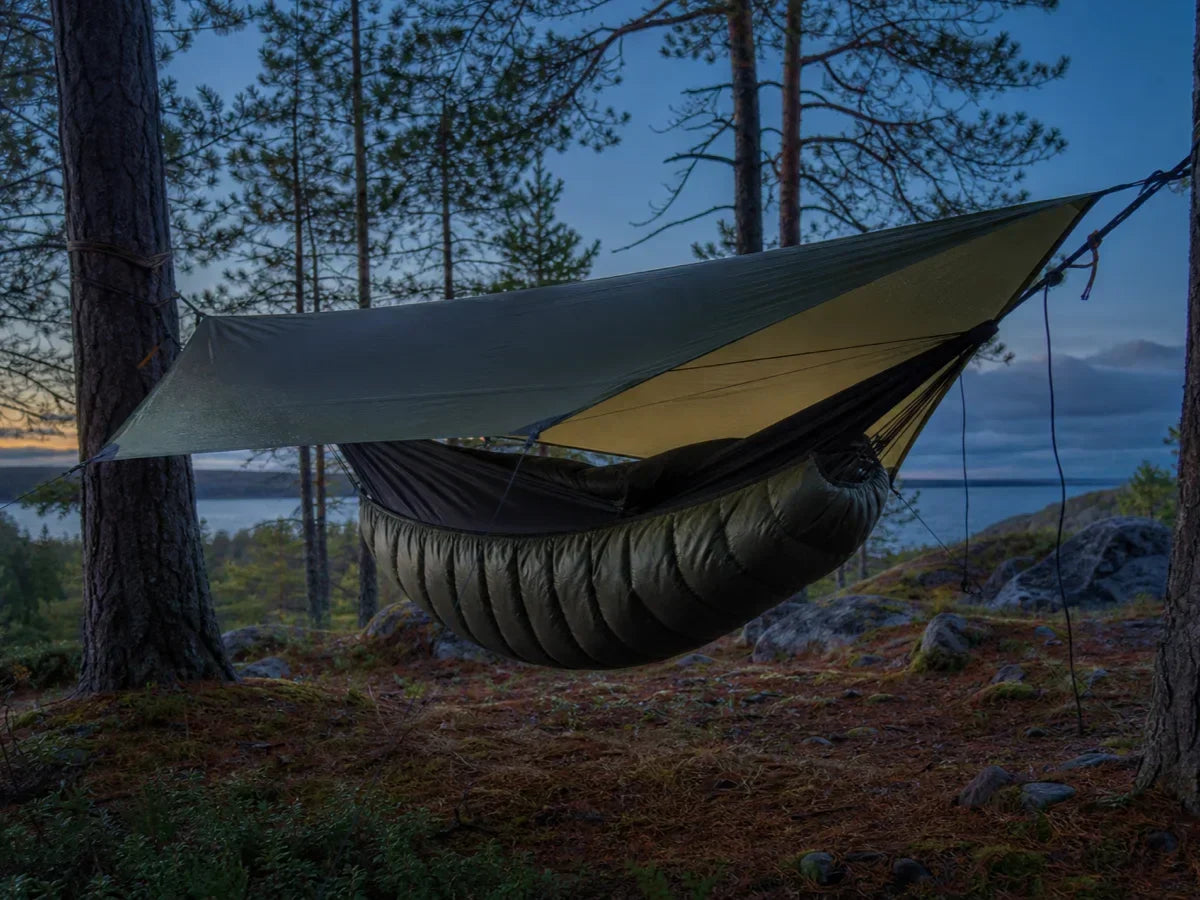
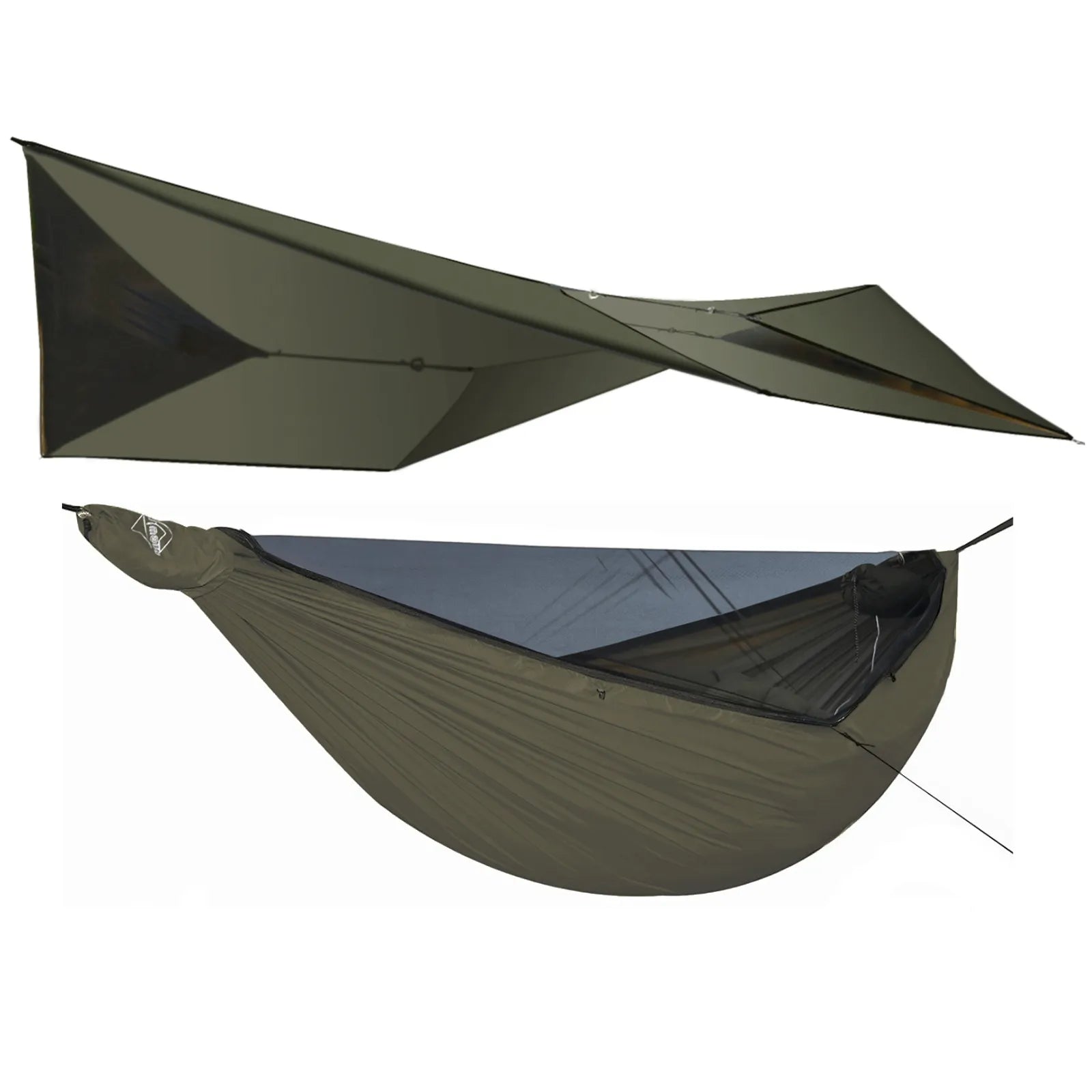
De 12 ft Onewind silnylon tarp is geen bivy sack, maar kan een minimalistisch grondslaperssysteem leefbaarder maken door je een droge instapzone, een plek voor je laarzen en spatbescherming te bieden. De vermelde bedekking van 12' x 9.7' en het totale gewicht van 1.86 lb zijn het waard om eerlijk mee te tellen als systeemgegevens, niet te negeren als “extra”.
Voor sommige tochten is die tarp te veel.
Voor andere tochten is het zeil de reden dat de bivakzak werkt.
Pas test 3: insecten, teken en het probleem met de open kop
Bescherming tegen insecten is het punt waarop veel minimalistische bivy-plannen minder minimalistisch worden.
Een platte zak kan de slaapzak en het onderlichaam beschermen, maar laat de opening bij het hoofd als zwak punt.
Je kunt hem strak aantrekken.
Je kunt een hoofdnet toevoegen.
Je kunt onder een gaasbeschutting slapen.
Elk antwoord verandert het gewicht, het comfort of de snelheid.
CDC-richtlijnen voor teken zijn hier belangrijk omdat de ondergrond niet neutraal is. CDC raadt aan om struikgewas en hoog gras te vermijden, door EPA geregistreerde afweermiddelen te gebruiken, laarzen en uitrusting met permethrine te behandelen en na blootstelling te controleren op teken.
Dat is geen angst.
Het is een werkstroom.
Als je ultralichte uitrusting ervoor zorgt dat je in het gras moet kruipen, je laarzen los naast je gezicht moet houden en controles overslaat omdat alles krap is, dan heeft de shelter wel grammen bespaard, maar je aandacht gekost.
Ik geef de voorkeur aan een tentstokkenplan dat zichtbaar is vóór het donker.
Waar gaan de laarzen heen?
Waar gaat de verpakking naartoe?
Kan ik bij mijn hoofdlamp komen?
Kan ik rechtop genoeg gaan zitten om sokken en manchetten te controleren?
Kan het gaas van mijn gezicht af blijven?
Als het antwoord nee is, overweeg dan een gestructureerde bivaktent of een ruimere solo-schuilplaats voordat je de platte zak als "eenvoudiger" bestempelt.
Pas test 4 aan: Ken de schuilcategorisering
Het woord "bivy" verbergt verschillende producten.
Vergelijk deze niet alsof het hetzelfde artikel is.
Ze lossen verschillende problemen op.
Als de situatie is dat mijn slaapzak mogelijk de vochtige grond raakt, kan een zak dat oplossen.
Als de tekortkoming is dat “muggen de hele nacht boven mijn gezicht blijven zoemen”, heeft de zak mogelijk gaas nodig.
Als de mislukking is "regen zal vallen terwijl ik van laag wissel", heeft de zak misschien een afdekking van zeildoek nodig.
Als de reden is: "Ik raak in paniek wanneer de stof centimeters boven mijn gezicht hangt", dan is de zak niet de juiste categorie.
Voor een solo-kampeerder die meer ruimte wil zonder over te stappen op een volledige traditionele tent, de Solo Skyshade Tartent is het ruimere eenpersoons pad. Het is zwaarder dan een platte zak, maar de extra ruimte kan instapcomfort, bescherming tegen insecten en een rustiger ochtendroutine opleveren.
Dat is een verstandige ultralichte keuze, zelfs als het niet het absoluut lichtste item is.
Scenario 1: Solo backpacker die het pakgewicht verlaagt bij een grotendeels droge weersverwachting
Dit is het ideale scenario voor een ultralichte bivakzak.
Je bent alleen.
De voorspelling is stabiel.
De locatie is goed gedraineerd.
Bugdruk is laag.
Je bent niet van plan om urenlange regen uit te zitten.
In dit geval kan de bivakzak dicht bij zijn oorspronkelijke functie blijven: het slaapsysteem beschermen met zo min mogelijk volume aan beschutting.
Ik zou nog steeds inpakken met een foutcontrole.
Kan de slaapzak opbollen zonder in aanraking te komen met natte stof?
Kan de opening van de bivy van de wind af gericht zijn?
Kun je schoenen en de verpakking bereikbaar houden zonder de opening te blokkeren?
Kun je voldoende ventileren om condensatie te verminderen?
Als die antwoorden duidelijk zijn, is de ultralichte bivakzak de juiste keuze.
Maak er geen nepkabine van.
Pak de eenvoudigste versie die past bij de daadwerkelijke nacht.
Oordeel: Kies de ultralichte bivakzak wanneer de weersverwachting, insecten en locatie het mogelijk maken dat de zak de hoofdschuilplaats blijft in plaats van een onderdeel van een ingewikkeld noodsysteem.
Scenario 2: Bikepacker die laat aankomt op een door bugs geteisterde camping
Hoe stel je de ANDA Ultra Light Bivy op
Bikepacken maakt bivakzakken aantrekkelijk.
Opgevouwen formaat is belangrijk.
Snelle implementatie is belangrijk.
Een kleine kampeerplaatsafdruk is belangrijk.
Maar een late aankomst verandert de beslissing.
U heeft misschien geen tijd om te zoeken naar perfecte afwatering.
U kunt op gras, struiken of bij een buggy waterbron kamperen.
Je bent misschien vermoeid genoeg om de zorgvuldige routine over te slaan die minimalistische schuilplaatsen goed laat werken.
Op dat moment begint het kleinste ingepakte item minder overtuigend te lijken.
De beste schuilplaats voor laat op de avond is degene die je correct kunt opzetten terwijl je moe bent.
Als je bivakplan een precieze tarp-hoek, een apart muggennet, zorgvuldige plaatsing van je laarzen en een wandeling voor voedselopslag na het donker vereist, is het systeem misschien te omslachtig voor deze situatie.
Een gestructureerde lage shelter kan slimmer zijn omdat die meer van het werk bundelt.
Voor bikepackingtochten waarbij je nog steeds een kleine voetafdruk voor één persoon wilt, de SoloVent Bivaktent Past beter in de categorie "minder gepruts in de schemering" dan een platte zak plus verschillende losse oplossingen.
Oordeel: Kies de platte ultralichte bivakzak alleen als je routine voor laat aankomen al geoefend is; kies anders een meer zelfstandig, insectenwerend onderkomen.
Scenario 3: Snel-en-licht wandelaar met een noodachtige zak
Dit is het risicovolle scenario.
Een zak in noodgevallenstijl kan handig zijn.
Het is klein.
Het kan warmte toevoegen.
Het kan helpen tijdens een onverwachte nacht.
Maar een reserve-item is niet automatisch een geplande schuilplaats.
Het probleem begint wanneer een wandelaar zegt: "Ik heb een bivakzak, dus ik heb geen schuilplaats nodig."
Misschien werkt dat voor een duidelijke, droge noodsituatie.
Het is een slecht plan voor een normale overnachting met regen, insecten, natte schoenen en herhaaldelijk in- of uitgaan.
De traditionele beschrijving van een bivakzak bij REI is beperkt: het beschermen van de slaapzak en extra warmte bieden zijn de kernfuncties. Dat betekent niet dat de zak bedoeld is voor leefruimte, voldoende hoofdruimte, wachten in de regen of het organiseren van uitrusting.
Als je van plan bent buiten te slapen, plan dan het hele slaapsysteem.
Dat kan een zeil betekenen.
Het kan een insectenopvang betekenen.
Het kan betekenen dat je overstapt van een noodbivakzak naar een echte bivakschuilplaats.
Het kan betekenen dat je een iets zwaardere tent accepteert omdat de route weersrisico’s met zich meebrengt.
Oordeel: Draag een nood-bivakzak als verzekering, maar beschouw deze niet als je primaire ultralichte schuilplaats, tenzij tarpdekking, insectenbeheersing en het omgaan met natte uitrusting al zijn opgelost.
Scenario 4: Dauw, condensatie en natte uitrusting in het schouderseizoen
Het tussenseizoen straft slordige gewichtsberekeningen af.
De lucht koelt snel af.
Dauw vormt zich.
Regenkleding wordt vochtig.
Je adem heeft minder warme ontsnappingsroutes.
Een lage zak kan de slaapzak beschermen tegen vocht van buitenaf, maar toch interne condensatie verzamelen als de ventilatie slecht is.
Onder die omstandigheden geef ik meestal de voorkeur aan wat meer marge.
Die marge kan komen van een tarp-opstelling die de bivy lucht- en spatbescherming geeft.
Het kan afkomstig zijn van een gestructureerde bivaktent met gaas en hoofdruimte.
Het kan afkomstig zijn van een ruimere tarp-tent voor één persoon, waardoor je met natte lagen kunt werken zonder ze over het donsdeken te slepen.
De lichtste opstelling is niet degene die er heroïsch uitziet op een foto van de uitrusting.
Het is degene die nog steeds werkt om 5 uur 's ochtends wanneer het gras doorweekt is en je jas nat is.
Als je voor de bivakzak kiest, kies dan je plek voordat het donker wordt.
Voorkom verzakkingen.
Ventileer de opening wanneer het weer het toelaat.
Houd natte uitrusting buiten de slaapzakzone.
Gebruik een tarp als de ingang en uitgang nat zullen zijn.
Oordeel: Bij vochtigheid in het tussenseizoen kiest u de ultralichte bivakzak alleen met een doordacht tarp- en ventilatieplan; anders gaat u over op een gestructureerde lage shelter of een ruimere solo-shelter.
Productpad: Waar Onewind Gear past
Ik zou niet elke ultralichte bivy-lezer in hetzelfde product dwingen.
Het beslissingspad is belangrijk.
Deze tafel is geen boodschappenlijst.
De volledige tarp beschutting collectie hoort in dezelfde vergelijking wanneer de reis meer bovenbedekking nodig heeft dan een kleinere zak.
Het is een categorielijst.
Als je al een tarp hebt en die snel kunt opzetten, heb je misschien geen meer gestructureerde schuilplaats nodig.
Als je een hekel hebt aan het opzetten van een tarp in de regen, kan een completere solo schuilplaats de mentale belasting verlichten.
Dat is het soort gewicht dat niet op een weegschaal te zien is.
Veelgemaakte fouten met een ultralichte bivakzak
De meeste slechte bivaknachten ontstaan niet door één dramatische mislukking.
Ze ontstaan doordat men te veel vertrouwt op één specificatie.
Gewicht is belangrijk.
Dus doet de camping dat ook.
Ook het weer.
Dus de gebruiker ook.
De onderstaande fouten volgen allemaal hetzelfde patroon: de kampeerder kocht een licht item en vergat de klus eromheen.
Fout 1: De vermelde gewicht als systeemgewicht beschouwen
Het vermelde gewicht is nuttig.
Het is niet het uiteindelijke antwoord.
Als de bivy een tarp vereist, tel dan de tarp mee.
Als de tarp haringen en scheerlijnen vereist, tel die dan mee.
Als de site fouten bevat, tel de bugoplossing mee.
Als nat gras waarschijnlijk is, tel dan de grondoefening mee.
Als de slaapzak beschermd moet blijven, telt de droge opslag mee.
Een eerlijke vergelijking zet elk vereist onderdeel in dezelfde kolom.
Pas dan kun je zeggen dat het bivaksysteem lichter is.
Reddit-gebruikersdiscussies over ultralichte bivvy’s komen vaak uit op dezelfde afweging: de bivzak mag licht zijn, maar de tarp, haringen, grondzeil en insectenoplossing bepalen of de opstelling in de praktijk licht blijft.
Dat veldrapport is nuttig omdat het overeenkomt met de gemeten vergelijking die ik wil dat de lezer thuis maakt.
Fout 2: Waterdichting kopen en ventilatie vergeten
Waterdichte stof is geruststellend totdat de binnenkant klam wordt.
Dat is waarom de bestaande waterdichte bivakzakgids scheidt regenbescherming van condensatiebeheersing.
Voor dit artikel is de les beperkter.
Laat de waterdichtheidsclassificatie het luchtstroomprobleem niet verbergen.
Als je de zak stevig moet sluiten om regen buiten te houden, heb je een andere manier nodig om vocht te beheersen.
Dat kan locatiekeuze betekenen.
Het kan een tarp betekenen.
Het kan betekenen dat een bivakschuilplaats meer ruimte bij het gezicht heeft.
Het kan betekenen dat je kiest voor een ruimere schuilplaats, omdat de tocht te vochtig is voor een platte zak.
Fout 3: Voedselgeuren negeren omdat de schuilplaats klein is
Een kleine schuilplaats laat geurende items niet verdwijnen.
De NPS-richtlijnen voor voedselopslag beschouwen voedsel, afval, toiletartikelen, zonnebrandcrème, insectenwerend middel, brandstof en kookgerei als geurende voorwerpen.
Dat is belangrijk bij bivakkamperen, omdat er geen voortent is om rommelige gewoonten op te vangen.
Slaap niet met etensverpakkingen naast je gezicht.
Stop geen insectenwerend middel in de bivy omdat het handig is.
Gebruik de tas niet als geparfumeerde opbergkast en laat hem vervolgens tegen de slaapopening leunen.
Plan de geurplek vóór het donker.
Hoe kleiner de shelter, hoe strakker de routine moet zijn.
Fout 4: Ervan uitgaan dat insectendruk alleen een comfortprobleem is
Bugs zijn niet alleen vervelend.
Ze wijzigen de categorie van de shelter.
CDC-richtlijnen over teken wijzen op echte routines: vermijd struikgewas en hoog gras, gebruik insectenwerende middelen, behandel laarzen en uitrusting, en controleer uw lichaam na blootstelling.
Een bivakzak die die routines moeilijk maakt, is niet geschikt voor een terrein met veel insecten.
Dit geldt vooral wanneer de opening van de zak dicht bij gras zit.
Als je gaas nodig hebt, kies dan gaas.
Als u behoefte hebt aan een nettere staande of zittende routine, kies dan voor meer beschutting.
Als je een tarp nodig hebt om laarzen en broeken georganiseerd weg te houden van de slaapopening, reken die dan mee.
Foutbeheer is geen luxe functie.
Het maakt deel uit van het systeem voor overnachtingen.
Fout 5: Elke bivakzak als hetzelfde type schuilplaats beschouwen
Een platte zak, een bivakzak met hoepel, een bivaktent en een tarp-tent zijn niet uitwisselbaar.
De breedte bivy versus tent gids dekt de grotere tentvergelijking.
Hier is de fout specifieker.
Koop niet één categorie en verwacht de voordelen van een andere categorie.
Als je de kleinste extra laag wilt, kies dan een zak en accepteer de beperkingen.
Als je extra hoofdruimte en muggengaas wilt, kies dan voor een gestructureerde lage shelter.
Als je ruimte wilt om je uitrusting op te bergen, kies dan voor een ruimere eenpersoons schuilplaats of tarp-tent.
Als je een flexibele overkapping boven je hoofd wilt, bouw dan een systeem met tarp en bivakzak.
De juiste categorie bespaart meer frustratie dan het laagste productgewicht.
Fout 6: De ochtenduitgang vergeten
De ochtend is het moment waarop veel bivakopstellingen de waarheid onthullen.
Kun je bij je schoenen zonder dauw mee de slaapzak in te slepen?
Kun je de quilt inpakken voordat de natte buitenlaag hem raakt?
Kun je genoeg rechtop zitten om kleding in laagjes te dragen?
Kun je regenkleding aantrekken voordat je de schuilplaats verlaat?
Kun je modder, gras en teken uit het slaapsysteem houden?
Als het antwoord nee is, mag de bivy misschien licht zijn, maar de routine is zwaar.
Ik oefen de ochtend graag in mijn hoofd voordat ik de opstelling accepteer.
Als het ochtenduitstappen in mooi weer onhandig aanvoelt, zal het in de regen nog erger zijn.
De snelle beslissingschecklist
- ✓ Kies een ultralichte bivakzak wanneer het complete systeem eenvoudig blijft.
- ✓ Tel het grondzeil, de haringen, scheerlijnen, bescherming tegen insecten en het opbergen van natte uitrusting mee voordat je het gewicht beoordeelt.
- ✓ Beschouw nood-bivakzakken als back-up, tenzij het volledige schuilplan is uitgewerkt.
- ✓ Gebruik een gestructureerde bivaktent wanneer gaas, hoofdruimte en snelle sluiting meerdere omwegen vervangen.
- ✓ Gebruik een ruimere eenpersoonsschuilplaats wanneer een paar extra ounces zorgt voor gemakkelijkere instap, meer comfort en betere controle in de ochtend.
- ✓ Gebruik een tarp wanneer inregenen, het neerzetten van laarzen en spatbescherming de echte problemen zijn.
- ✓ Weiger de lichtste zak wanneer die je dwingt te improviseren bij insecten, regen, nat gras of condensatie in het tussenseizoen.
De beste ultralichte bivakzak is niet altijd het kleinste item in het winkelwagentje.
Het is degene die je de lichtste werkende nacht bezorgt.

Compare the low-profile solo shelter path
Shop Now →