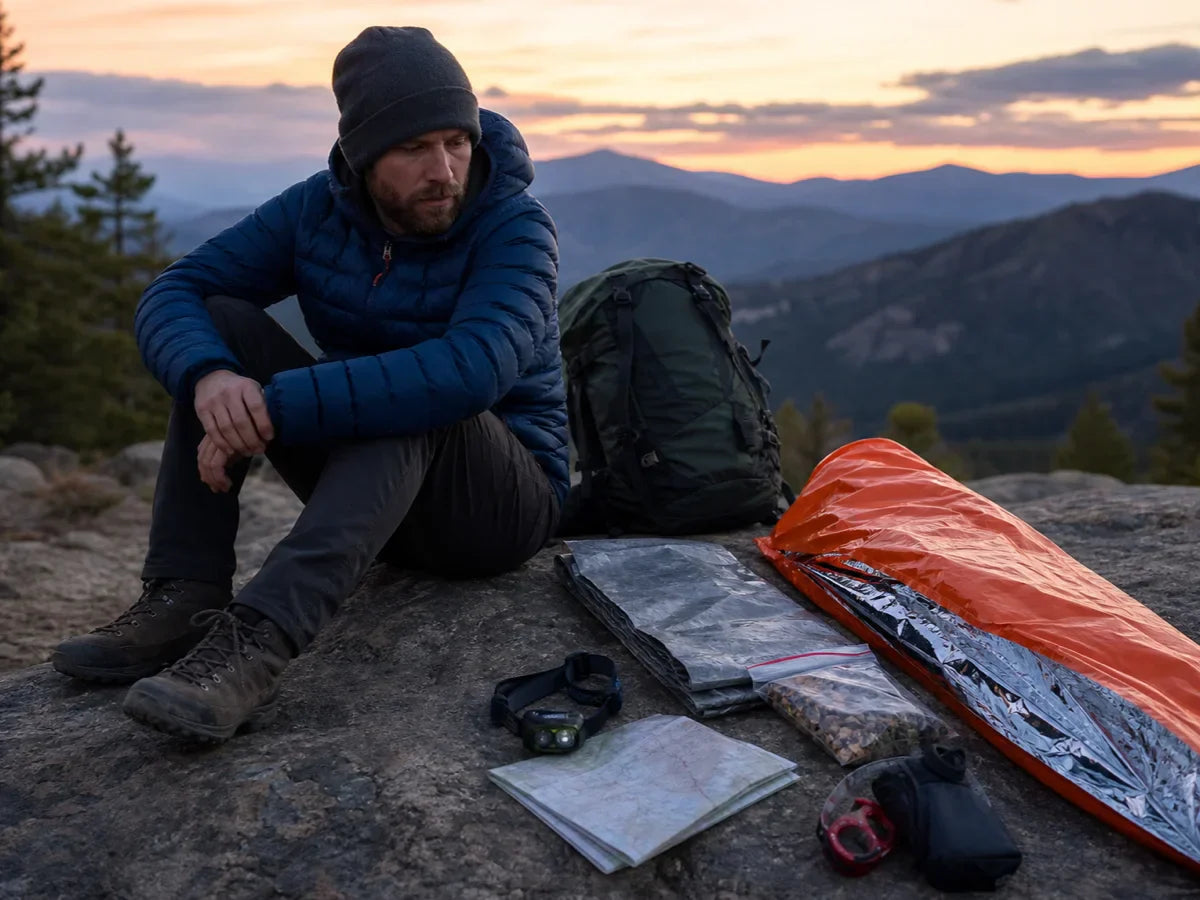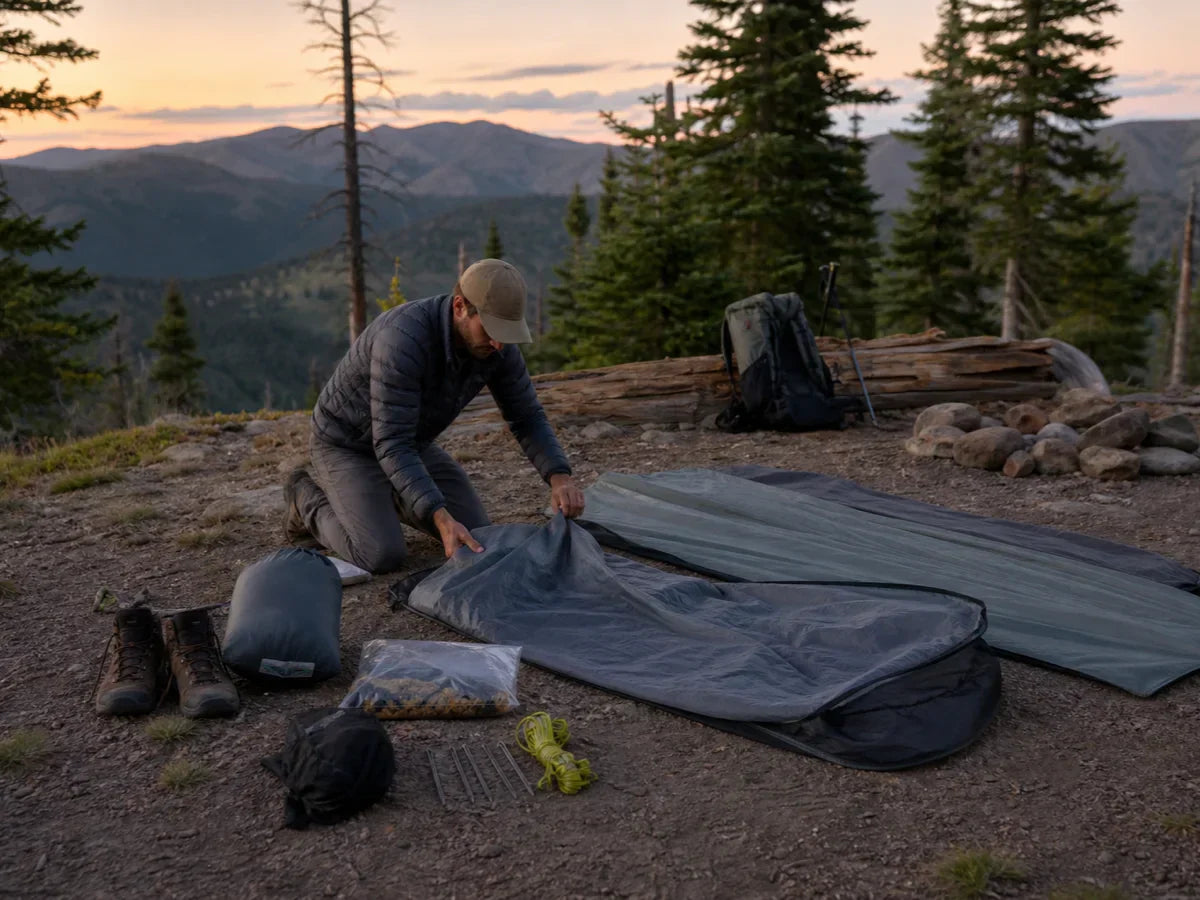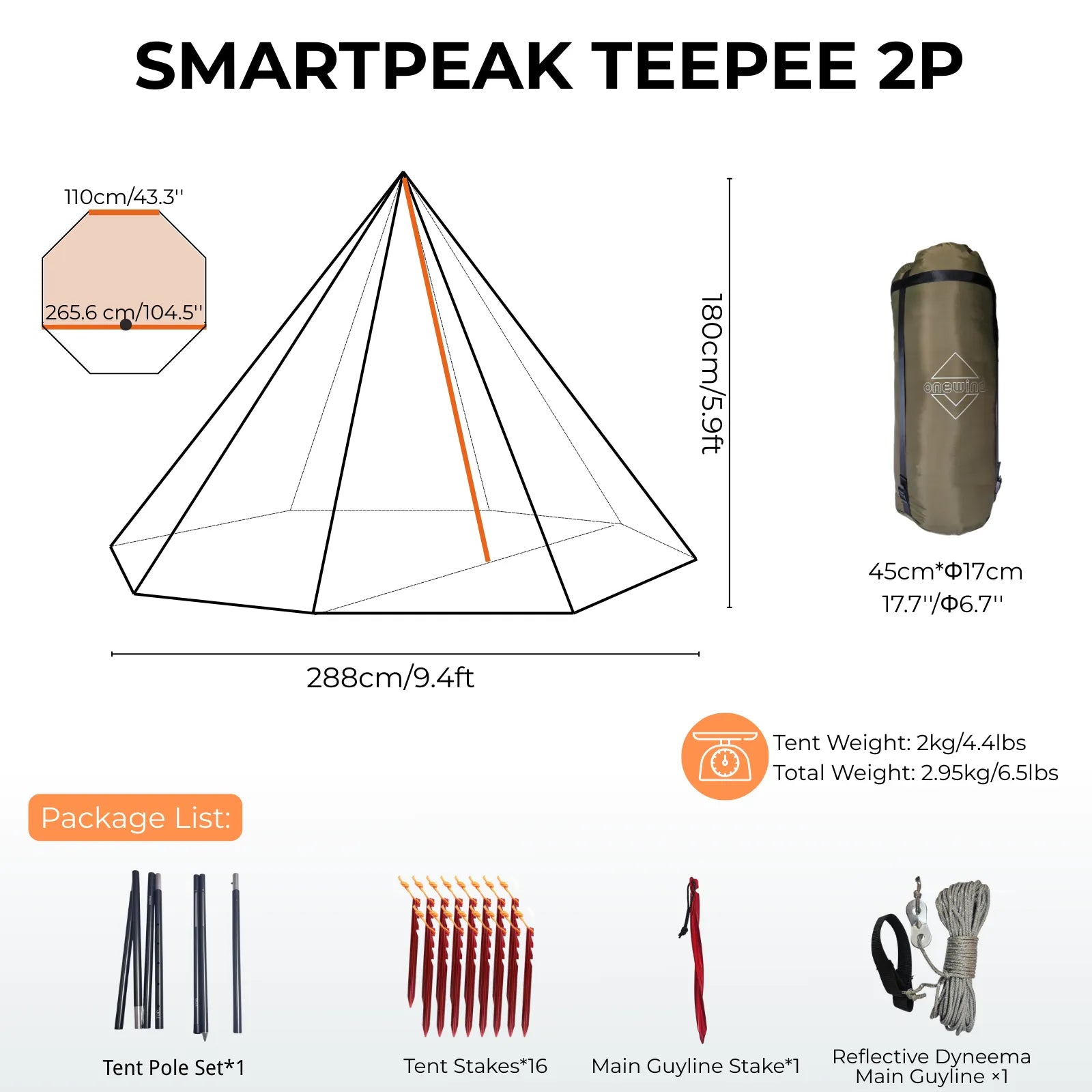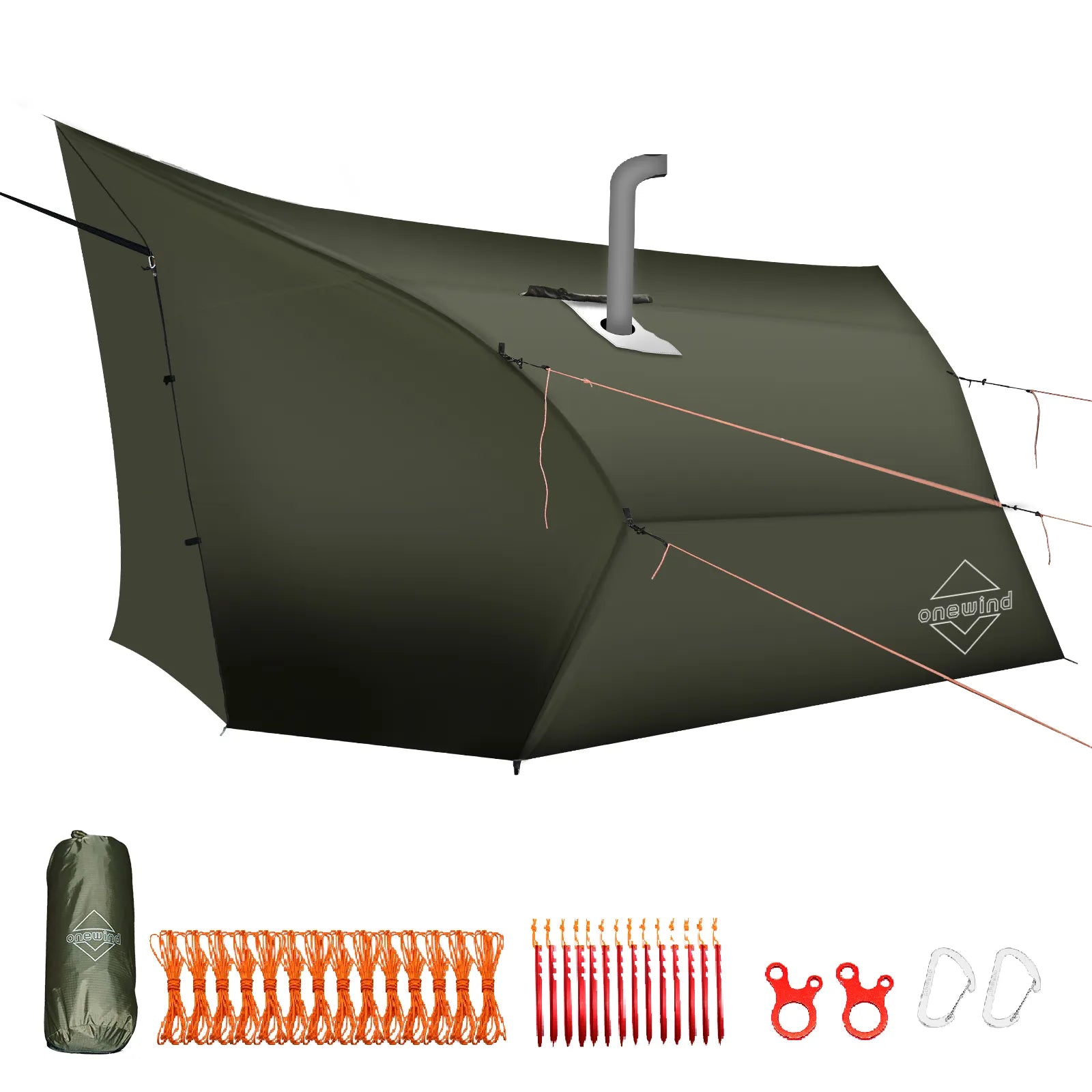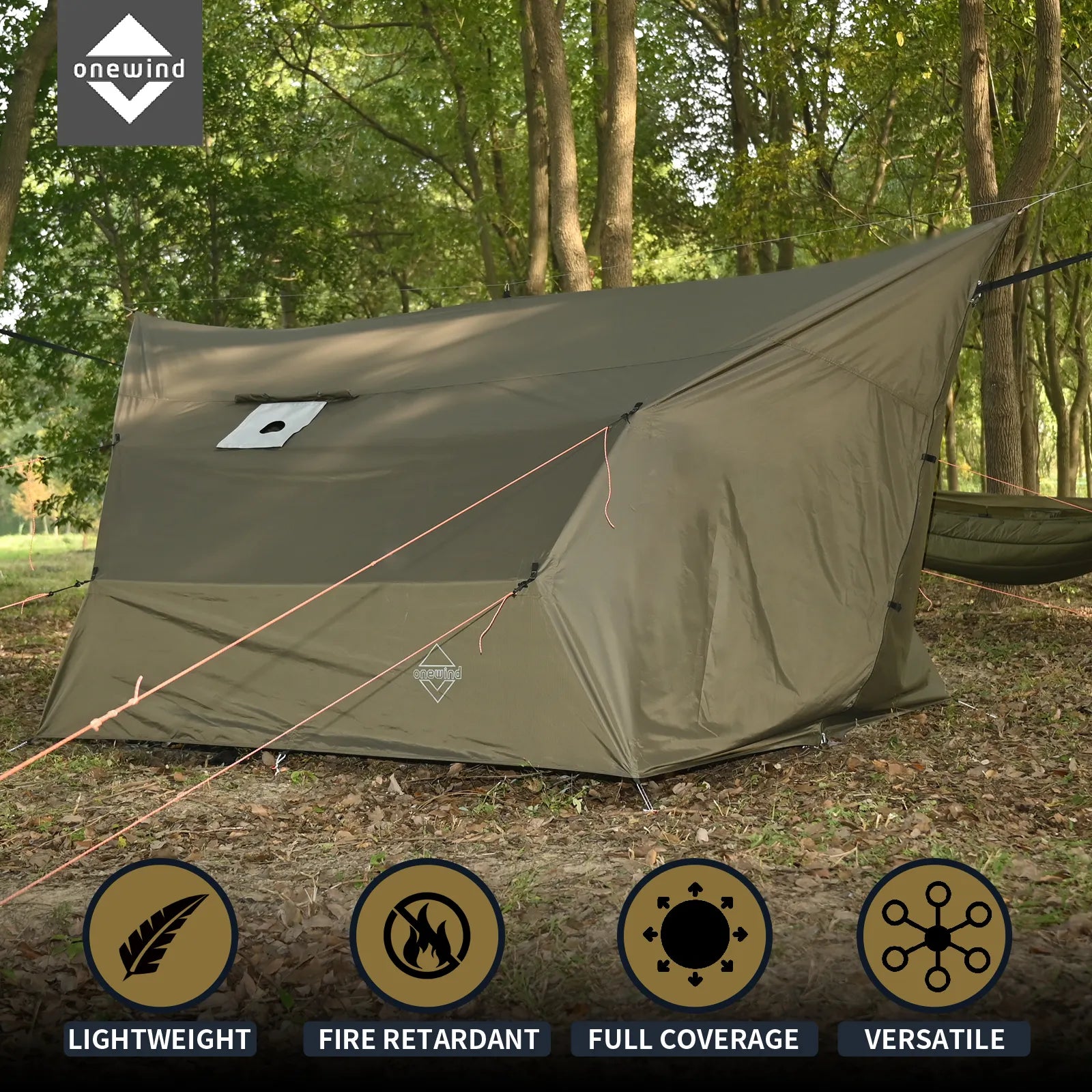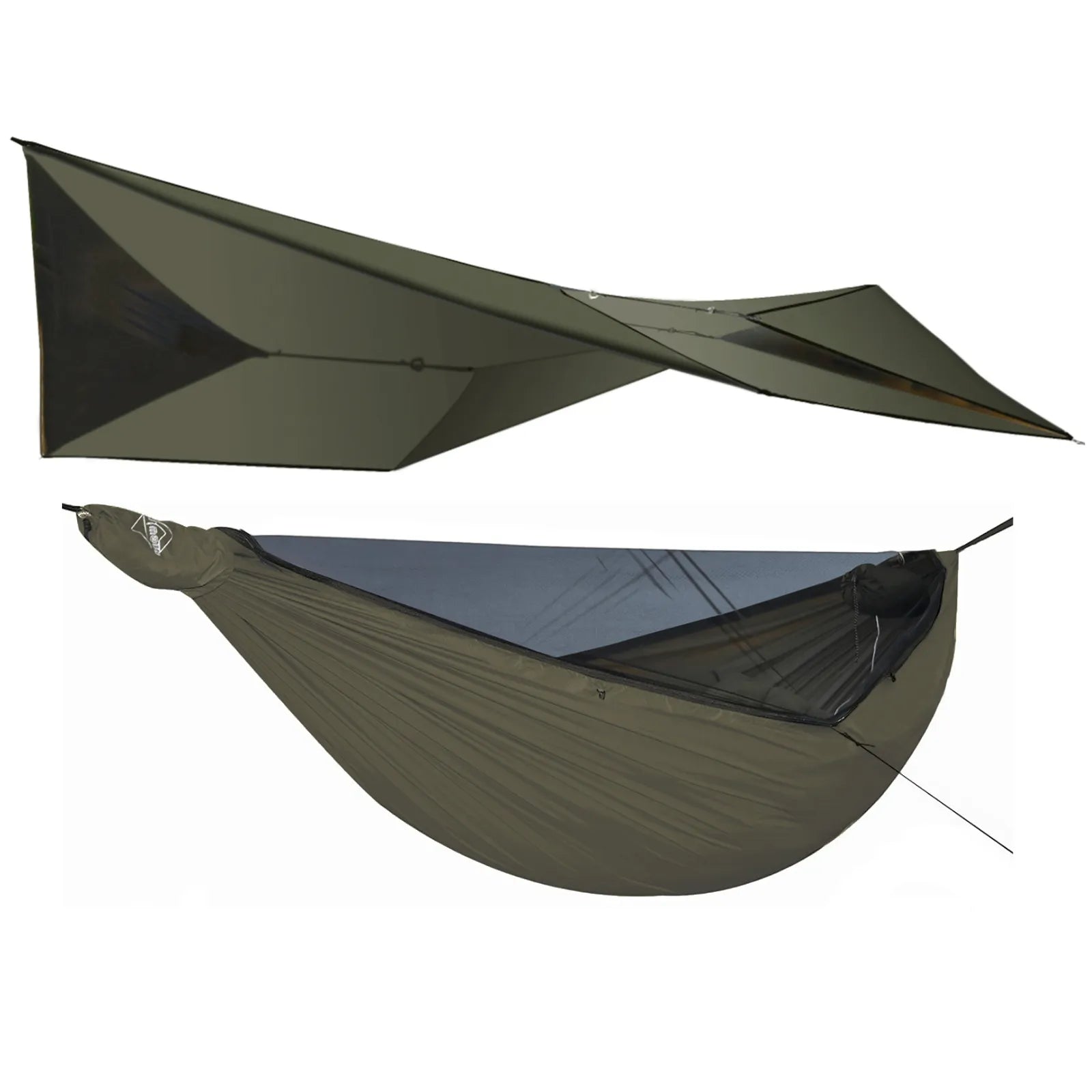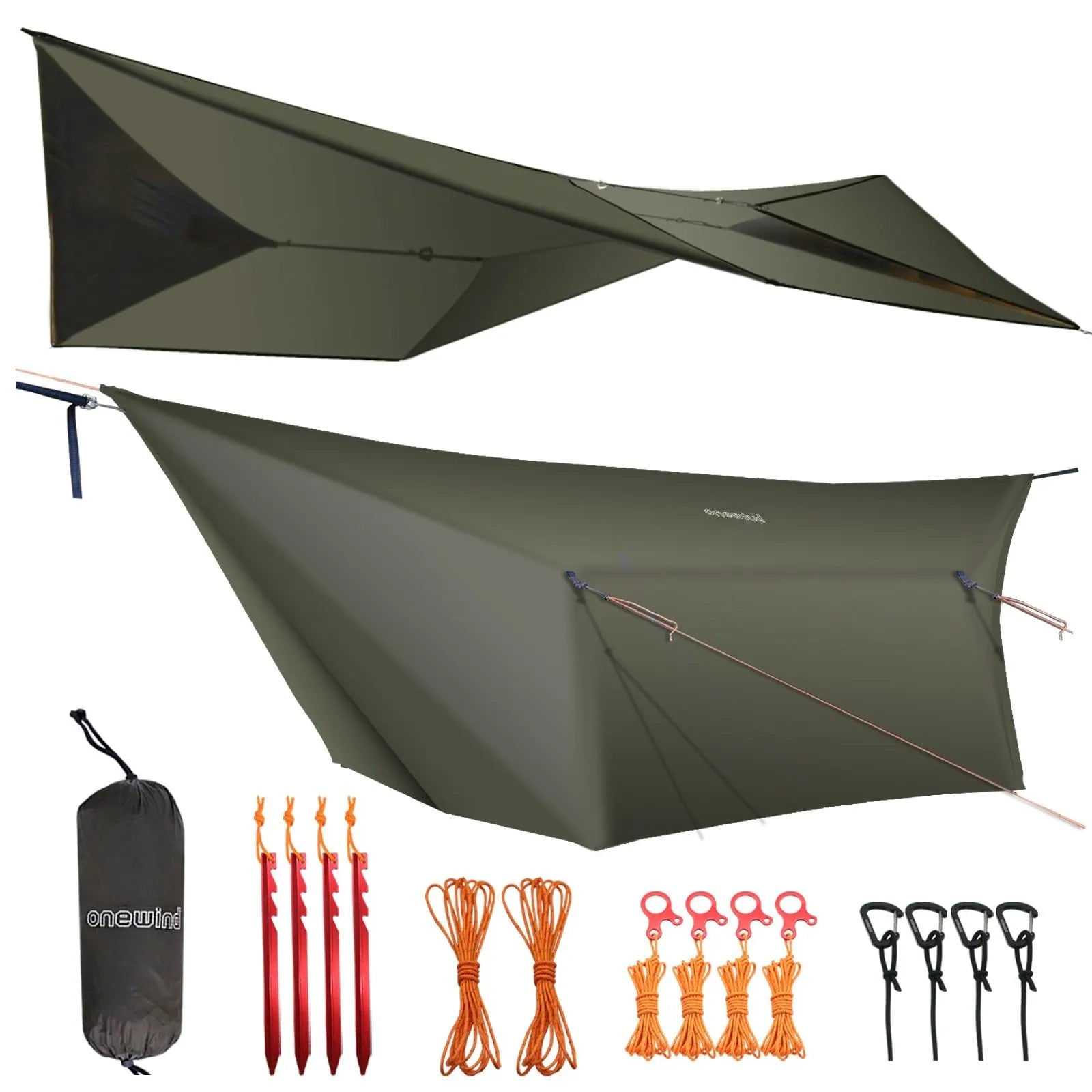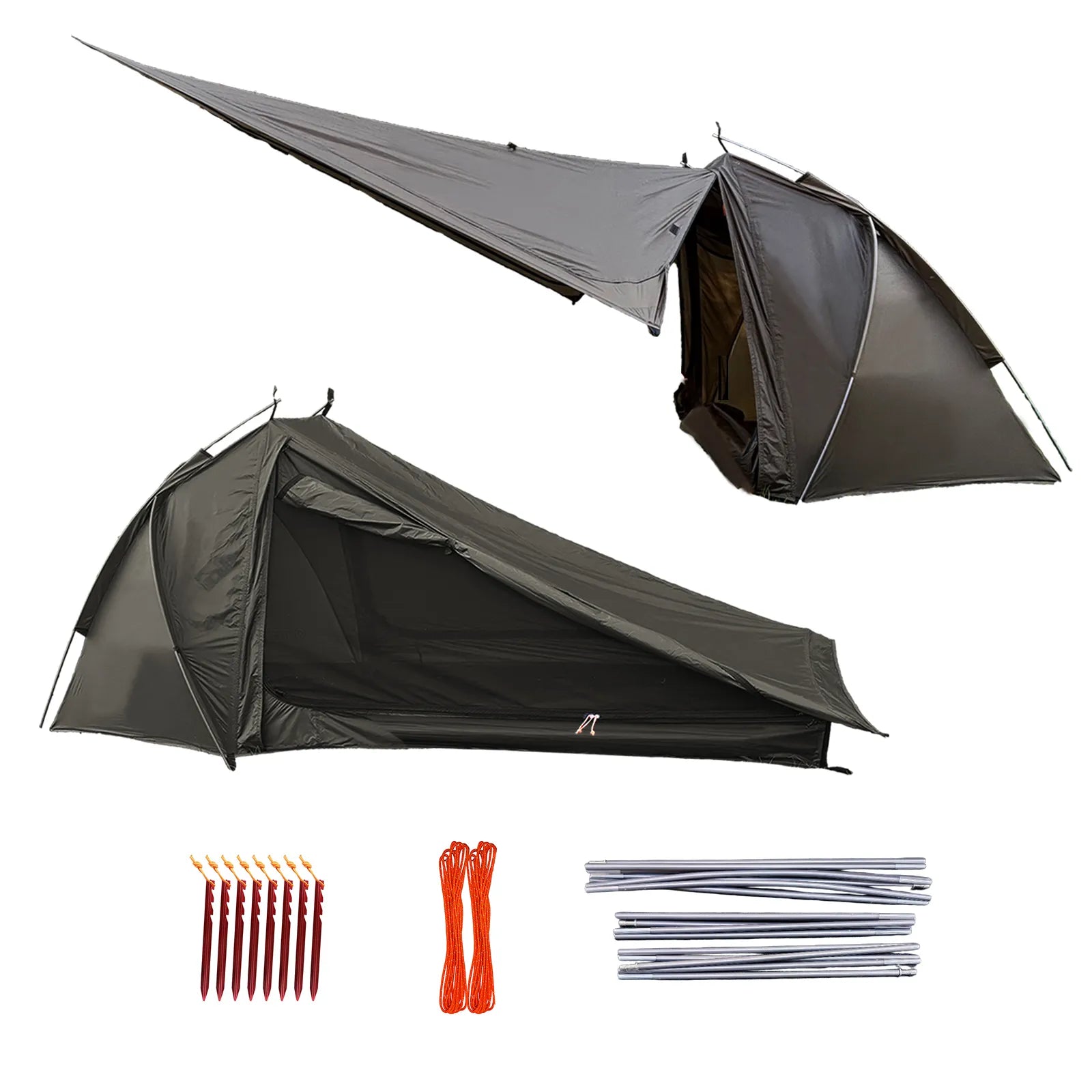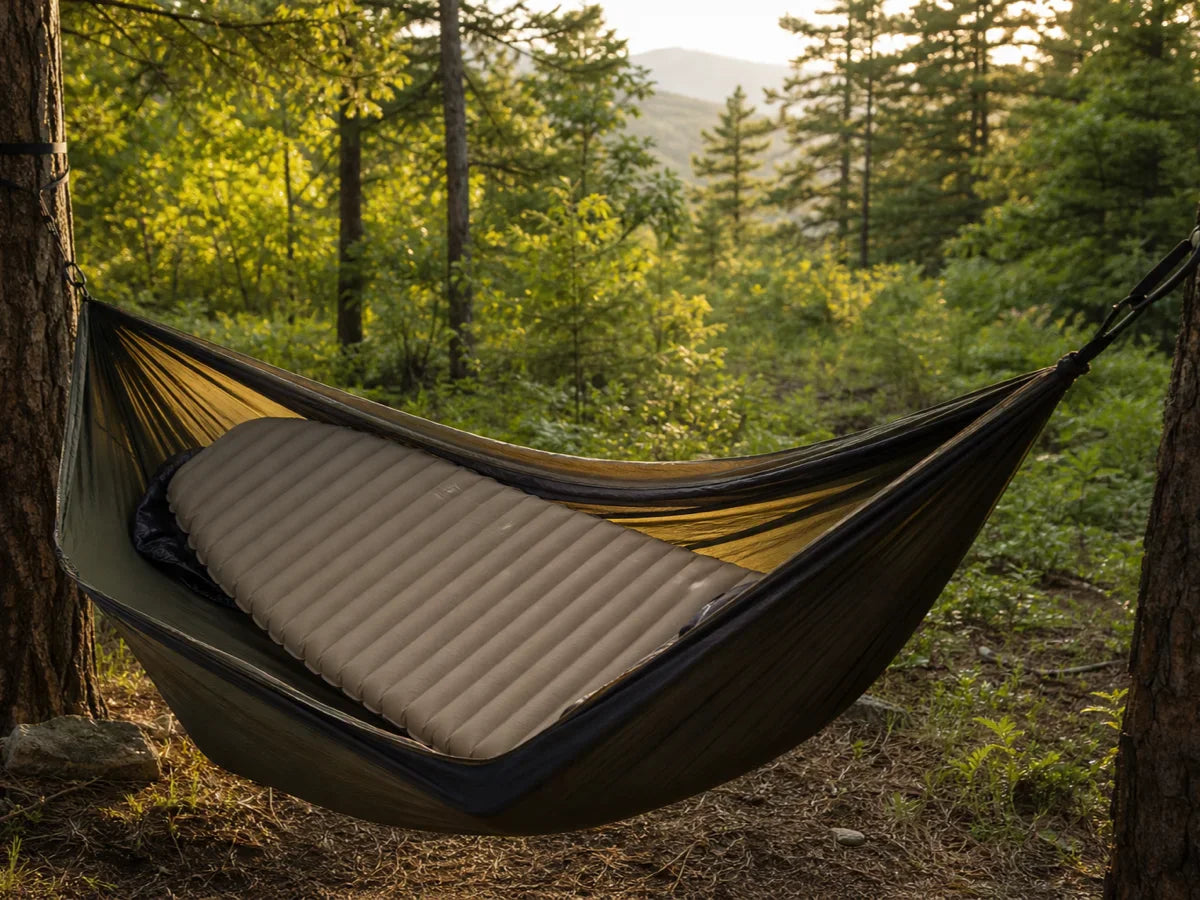

Egy 2 személyes bivak sátor a lehető legkisebb megoldásnak hangzik két alvó számára.
Általában nagyobb döntés, mint amit a címke sugall.
Az REI bivakzsákokra vonatkozó útmutatása elkülöníti az egyszerű bivakzsákokat a sátorszerűbb bivakmenedékektől, mert a rovarvédelem, az időjárás elleni záródás, a fejmagasság és a páralecsapódás mind befolyásolják az élményt.
Ez a különbség még fontosabbá válik, amikor két ember érintett.
Az REI szakértői forrása szerint a bivakmenedékek védelmet nyújthatnak az eső és a rovarok ellen, de a szűk hely és a páralecsapódás továbbra is kompromisszumot jelentenek.
Egy alacsony menedéknek két testet, két fekvőbetétet, két nedves esőkabátot, két pár csizmát, két légzési zónát és két különböző éjféli kijutási szokást kell kezelnie.
Ezt az útmutatót egy szigorúbb teszt köré építettem.
Ne kérdezd, hogy „Két ember elfér benne?”
Kérdezd meg: „Mindkét ember szárazon, stresszmentesen, harapások nélkül és még mindig egymással beszélve ébred fel?”
Egy közös, alacsony bivaksátor bizonyos, szűk körű utakhoz megfelelő lehet.
Két különálló egyszemélyes menedék, két tágasabb egyszemélyes ponyvasátor, vagy egy közös ponyva külön alvóterületek fölött gyakran nyugodtabb megoldás.
Ez különösen igaz, amikor az éjszaka része a harmat, a kullancsok, az ételszagok, a nedves felszerelés és az eső bejutása.
Mit fogsz megtanulni
- ✓ Vásárlás előtt végezzen egy kétszemélyes meghibásodási tesztet egy alacsony, közös menedéken.
- ✓ Döntse el, hogy egy párnak közös alacsony menedéket kell-e használnia, vagy két különálló egyszemélyes rendszert kell-e vinnie.
- ✓ Tartsd a nedves csizmákat, hátizsákokat, rovarriasztót, élelmiszerszagokat és esőfelszerelést az alvózónán kívül.
- ✓ Értsd meg, miért a Ultrakönnyű SoloVent bivaksátor és Solo Skyshade Tartent egyszemélyes ösvényekként kell kezelni, nem kétszemélyes menedékekként.
- ✓ Tudd, mikor egy 12 láb szilikonbevonatú ponyva jobban oldja meg a két személyes problémát, mint egy nagyobb bivakmárka.
Ez az útmutató nem helyettesíti az egyéni illeszkedési tesztet a miénkben bivak sátor 1 személyes útmutató.
Másik kérdésre válaszol.
A kérdés itt az, mi történik, amikor két alvó osztozik a téren, az időjáráson, a bogarakon és a hibákon.
Gyors válasz
Egy 2 személyes bivaksátor nem jelent automatikusan okos fejlesztést az egyszemélyes bivakhoz képest.
Ez egy partner-kompatibilitási teszt.
Válasszon egy közös, alacsony menedéket csak akkor, ha mindkét alvó el tudja viselni a korlátozott fejtérmagasságot, a szűk vállteret, az egyetlen zavart bejárati zónát és a nagyon kevés védett felszerelési helyet.
Válasszon két egyszemélyes menedéket, ha bármelyik alvó gyakran ébred, külön kijáratra van szüksége, nem szereti a szűk tereket, vagy önálló szellőzést szeretne.
Válasszon poncsó-előtérre épülő felállítást, ha az időjárási probléma a vizes felszerelés, az eső bejutása vagy egy közös, száraz zóna.
Inkább látnék két embert két kompakt egyszemélyes menedékben aludni egyetlen ponyva alatt, mintsem nézni, ahogy egy közös bivakzsákot olyan feladatra kényszerítenek, amelyre nem alkalmas.
A döntéshozatali keretrendszer
Öt kérdést teszek fel, mielőtt bármilyen kétfős bivakfelszerelést ajánlanék.
Mindkét alvó fekhet úgy, hogy ne legyen vállnyomás, párnaátfedés vagy hálózsákfal-érintkezés?
Bármelyikük el tud menni éjszaka anélkül, hogy átmászna a másik emberen?
Mindkét ember tudja szellőztetni a menedéket úgy, hogy közben egyikük sem zárja el az egyetlen légáramlási utat?
Maradhatnak a csizmák, hátizsákok, nedves rétegek és főzőeszközök az alvózónán kívül, de mégis védetten?
Az illatosított termékek követhetik a helyi tárolási szabályokat anélkül, hogy bármelyik személy feje közelébe kerülnének?
Ha bármelyik kérdésre a válasz nem, akkor a kisebb megbánással járó út általában a különválás.
Ez két alacsony, egyszemélyes bivak menedéket is jelenthet.
Ez jelenthet két tágasabb egyszemélyes menedéket.
Ez jelentheti azt, hogy egy nagy ponyva van két különálló alvórendszer fölött.
Az alak kevésbé számít, mint a munkafolyamat.
Két ember számára a munkafolyamat többet számít, mint a kapacitás.
Illeszkedési teszt 1: A kapacitás nem egyenlő a kompatibilitással
Az alvózsák használatának igazsága – mikor, hol, miért és miért nem
A kapacitás azt mutatja meg, hogy a menedékhely állítása szerint hány személyt képes befogadni.
A kompatibilitás megmutatja, hogy mindkét ember valóban tud-e aludni.
Azok nem ugyanazok a méretek.
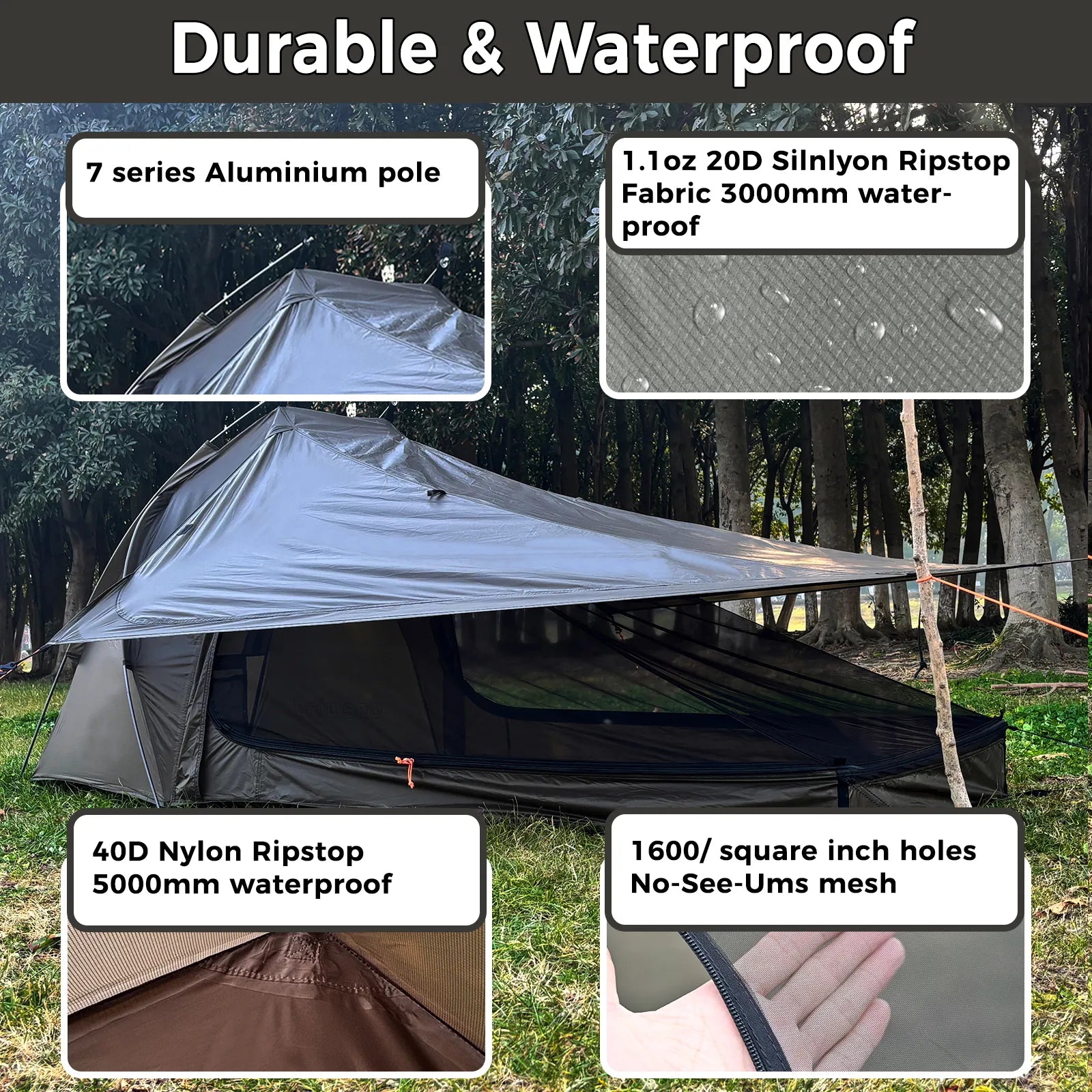
Az Onewind SoloVent termékadatai egy 1 személyes menedéket sorolnak fel, 82,7 hüvelykes hosszúsággal, 23,6 hüvelykes szélességgel, 39,4 hüvelykes magassággal és 37 unciás megadott tömeggel.
Ez egy alacsony helyigényű, egyéni használatra alkalmas megoldássá teszi.
Nem teszi a egy személyes megoldást kétszemélyessé.
A Solo Skyshade Tartent szintén egyszemélyesként van feltüntetve, hossza 90,5 hüvelyk, szélessége 35,5 hüvelyk, amely 27,5 hüvelykre szűkül, magassága pedig 39,4 hüvelyk.
Az a plusz hely egy ember éjszakáját nyugodtabbá teheti.
Továbbra sem alakít át egy egyszemélyes sátrat kétszemélyes sátrává.
Bármilyen két személyes bivak állítást először a pontosan megadott matracokkal és hálózsákokkal tesztelnék.
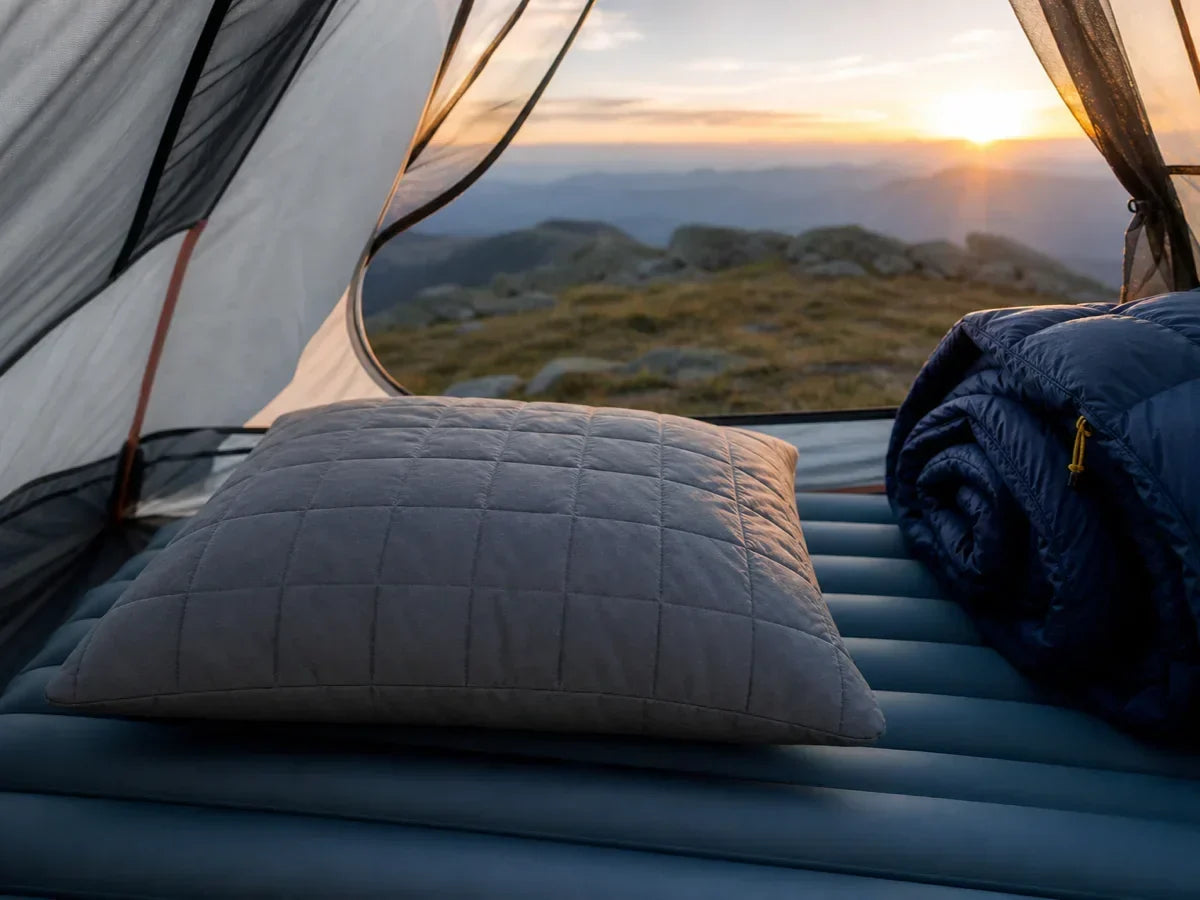
Tedd mindkét betétet belülre.
Húzza be vagy zárja le a menedéket, mintha eső kezdődne.
Egy személy gördüljön oldalra.
Kérd meg a másik személyt, hogy húzza le a cipzárt, és lépjen ki.
Ha a próba könyökléssé, térdekké, nedves anyaggá és a válásról szóló tréfákká válik, a menedék már az utazás előtt megbukott.
Illeszkedési teszt 2: Két ember két páralecsapódási problémát okoz
Hogyan csökkentsük a páralecsapódást a bivakban
Az REI arra figyelmeztet, hogy a bivakzsákoknál páralecsapódás jelentkezhet, mivel kis, egyrétegű menedékként viselkednek.
Két alvóval a ráhagyás kisebb lesz.
Ez a jelentés az oka annak, hogy a kétfős szellőztetést nem kényelmi extra, hanem vizsgához kötött, teljesítendő követelményként kezelem.
Egy személy lehelete kezelhető, ha a menedékben megfelelő a légáramlás és elegendő a belmagasság.
Két ember lehelete, a nedves zoknik, a vizes kabátok és a zárt szellőzőnyílások ugyanazt a héjat reggeli letörölgetős feladattá változtathatják.
A vízálló szövet csak egy része a megoldásnak.
A vízálló szövet megakadályozza, hogy az eső kívülről bejusson.
Nem tudja eltávolítani azt a nedvességet, amelyet mindkét alvó bevisz.
A kétfős elrendezés célja a légáramlás védelme, nem pedig annak megszüntetése.
A közös ponyva segíthet, mert lehetővé teszi a pár számára, hogy az ajtónyílást vagy a hálós részt nyitottabban hagyják szitáló esőben.
Két különálló menedék azért hasznos, mert így minden alvó egy kisebb párabuborékot kezel.
Bármelyik válasz felülmúlja az egyetlen szűk, alacsony menedéket, amely mindenütt be van cipzárazva.
Illesztési teszt 3: A bogarak, a kullancsok és az illatosított termékek rendszert igényelnek
A CDC iránymutatása szerint a kullancsok füves, bozótos és erdős területeken fordulnak elő.
A CDC továbbá javasolja a csizmák, ruházat és kempingfelszerelés 0,5%-os permetrinnel történő kezelését, ahol ez megfelelő, az EPA által engedélyezett riasztószerek használatát, valamint a felszerelés és a test ellenőrzését az expozíció után.
A CDC szerint a felszerelés átvizsgálása azért fontos, mert a kullancsok visszajuthatnak a ruházaton és a hátizsákokon, miután a táborhelyet már összepakolták.
Ez azért számít, mert az alacsony menedékek gyakran közelebb hozzák az embereket a fűhöz, a bozótos szegélyeihez és a csomagtartóban lévő rendezetlen holmikhoz.
Két alvóhely további illatos tárgykezelést is igényel.
Az NPS élelmiszertárolási útmutatója az élelmiszert, a szemetet, a tisztálkodási szereket, a naptejet, a rovarriasztót, az üzemanyagot és a főzőedényeket medvét vonzó tárgyaknak tekinti.
Azok a tárgyak nem kerülhetnek alvó menedékbe csak azért, mert a menedéknek nincs előtere.
Az NPS-forrás az oka annak, hogy az ajánlott elrendezésben nem helyezek rovarriasztót vagy tisztálkodási szereket az alvó fejének mellé.
A tábort három zónára osztanám.
Alvózóna.
Csizma- és csomagolási zóna.
Illatosított termékek zónája.
Ha a tervezett 2 személyes bivak sátor nem tudja támogatni ezeket a zónákat, az úthoz ponyvára vagy különálló menedékekre van szükség.
Termékútvonal: Milyen Onewind felszerelés illik valójában hozzá
Ez a szakasz azért fontos, mert a hibás termékállítás félrevezetné az olvasót.
A Ultrakönnyű SoloVent bivaksátor egyszemélyes bivaksátor útvonal.
A Solo Skyshade Tartent Ez egy egyszemélyes menedékút is.
Két személy esetében a természetes felhasználási mód két külön egység vagy egy vegyes rendszer, nem pedig egyetlen egység, amelyet két felnőtt oszt meg.
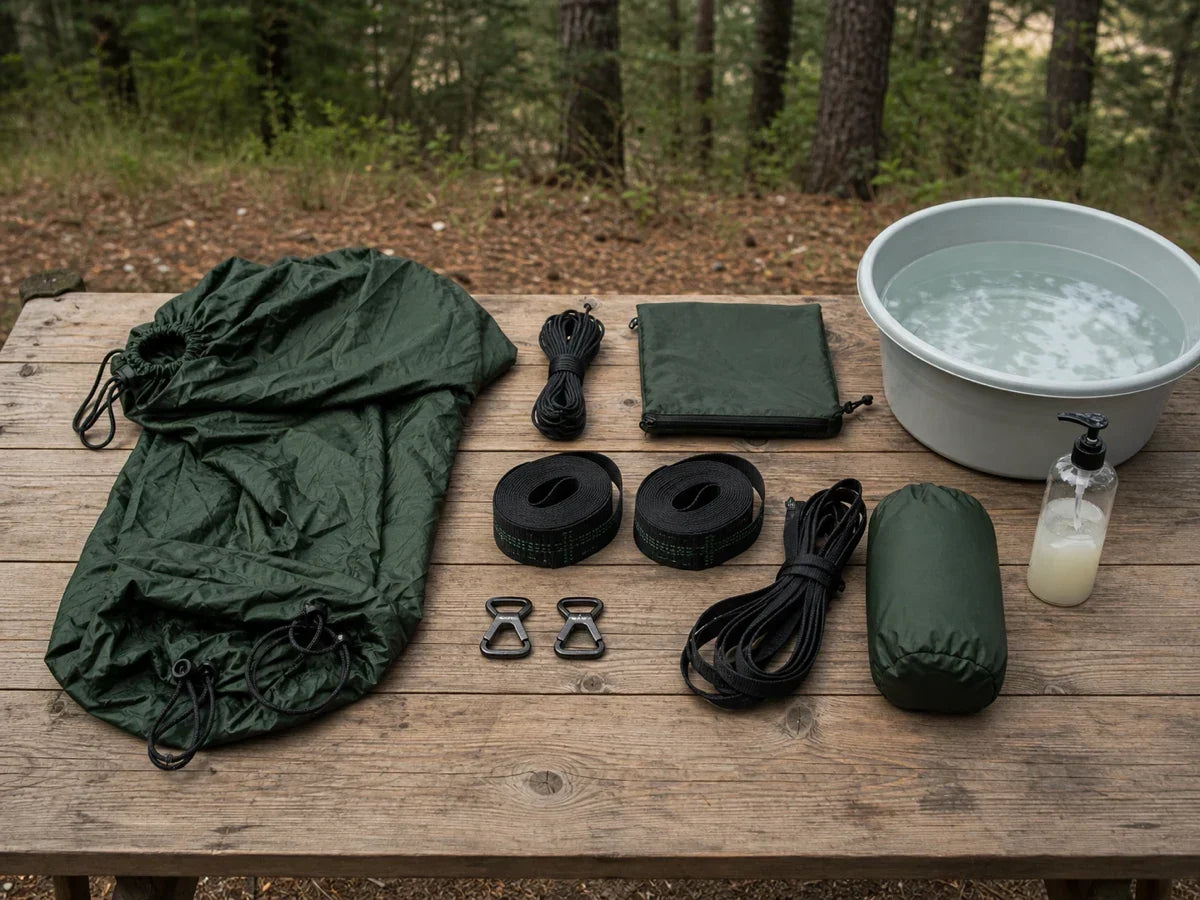
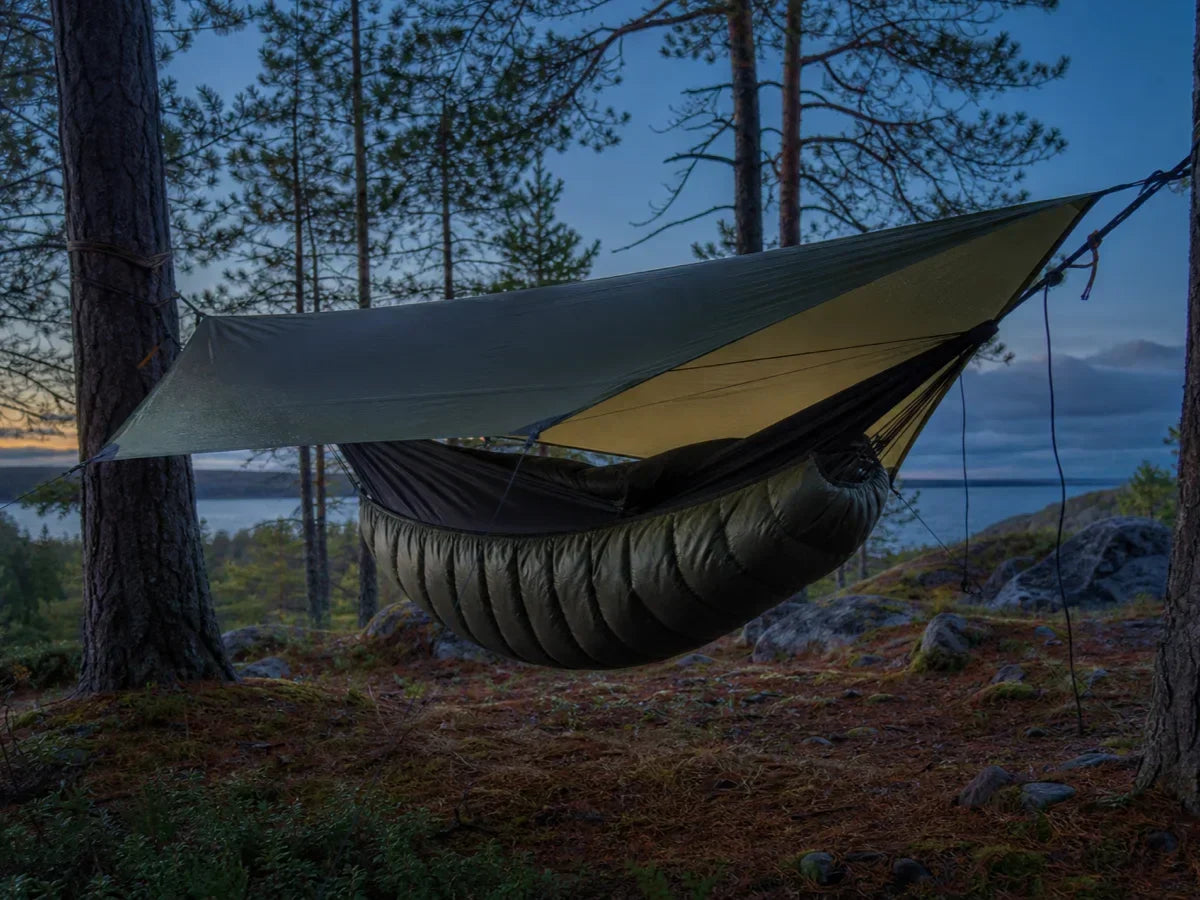
A 12 láb szilikonbevonatú ponyva az a termék, amely a legközvetlenebbül megoldja a közös problémát.
Két ember számára közös, száraz munkaterületet biztosít, miközben a külön alvótereket megőrzi.
Ez az a pontos kompromisszum, amelyet sok pár elmulaszt felismerni.
Nagyobb alvóhéjat vásárolnak, amikor a hiányzó elem valójában a fedett bejárat és a felszerelés előkészítő tere.
1. forgatókönyv: Egy pár a lehető legkisebb éjszakai menedéket szeretné
A kísértés nyilvánvaló.
Egy menedék könnyebbnek, olcsóbbnak és egyszerűbbnek hangzik.
Ez a logika csak akkor működik, ha a párnak ugyanarra van szüksége az éjszakától.
Ha mindkét ember mozdulatlanul alszik, elviseli a szűk helyet, és csak rövid, szárazból vegyes körülmények közötti éjszakai használatra van szükség védelemre, akkor egy közös bivakstílusú menedék megfelelő lehet.
Ha az egyik félnek több helyre van szüksége, későig olvas, gyakran felébred, vagy éjszaka felkel, az egyszerűség eltűnik.
Most egy cipzár két embernek is megfelel.
Egy páralecsapódási hiba két zsákot érint.
Egy vizes csomó csizma elzárja a közös bejáratot.
Ezt inkább egy hátsó udvari próbaként kezelném, nem pedig egy első éjszakai kockázatként.
Állítsd fel a menedéket otthon.
Használj valódi alátéteket és táskákat is.
Töltsön legalább 30 percet bent, miközben a bejárat úgy van beállítva, mintha esőben lenne.
Minden személy egyszer távozzon.
Ítélet: Válasszon egy közös bivakot csak akkor, ha mindkét személy teljesíti a mozgási és kijárási próbát; egyébként válasszon két egyéni menedéket.
2. forgatókönyv: Két kerékpáros túrázó későn érkezik
A bikepacking megváltoztatja az egyenletet, mert a csomagolt térfogat és a felállítás sebessége számít.
Két kerékpáros fáradtan, éhesen és kevés nappali fénnyel érkezhet.
A kisebb alapterület fontosabb lehet a belső kényelemnél.
De két kimerült ember több hibát is elkövet.
Egy ember nedves kesztyűket dobhat a bejárat közelébe.
Lehet, hogy a másiknak újra ki kell nyitnia a menedéket egy fejlámpáért, egy harapnivalóért vagy egy akkumulátorcsomagért.
Ebben a helyzetben két kompakt, egyszemélyes rendszer gyakran felülmúlja az egyetlen közös, szűkös héjat.
Minden lovas külön-külön állíthatja fel.
Minden lovas külön-külön szellőztethet.
Minden utas úgy tud kiszállni, hogy közben nem ébreszti fel a másikat.
Egy közös ponyva továbbra is lefedheti a kerékpárokat, a cipőket vagy a táskákat, ha eső várható.
Nem tenném a menedéket közös szűk keresztmetszetté, hacsak a helyszín nem olyan kicsi, hogy egyetlen kis alapterületű megoldás az egyetlen etikus lehetőség.
Ítélet: A legtöbb későn érkező bikepacking partner esetében válasszon két kompakt egyszemélyes menedéket, és adjon hozzá közös ponyvaborítást, amikor az időjárás fenyeget.
3. forgatókönyv: A harmat, a kullancsok és a rovarok valószínűek
A rovarszezon a kétfős bivakot alváskérdésből belépési rutinná változtatja.
A probléma nem csak az, hogy létezik-e a háló.
A probléma az, hogy milyen gyakran nyílik ki a háló.
Egy személy később főzhet.
Egy személy a csizmáit kint hagyhatja a nedves fűben.
Egy személy behozhat rovarriasztót az alvóhely közelébe, mert máshol nincs hová tenni.
A CDC kullancsokra vonatkozó útmutatása a csizma- és ruházati tervet a menedékterv részévé teszi.
Az NPS illatosított tárgyakra vonatkozó útmutatása a riasztószert, a fogkrémet, a csomagolóanyagokat és az élelmiszeres zsákot is a menedékterv részévé teszi.
Az sok ahhoz, hogy egyetlen alacsony ajtónyíláson keresztül mozgassák.
A közös ponyva megkönnyíti a rutint, mert mindkét ember fedett helyen készítheti elő a bakancsokat és a hátizsákokat, mielőtt belépne a saját alvózónájába.
A különálló menedékek azt is csökkentik, hogy egy személy késői érkezése mekkora kárt okoz.
Ítélet: Hibás és harmatos körülmények között részesítsd előnyben a két külön tiszta bejáratú megoldást közös takarással egyetlen közös alacsony bivakhelyett.
4. forgatókönyv: Az egyik partner még nem tesztelt szűk sátorokat
A szűk helytűrés nem egy táblázatkezelőben szereplő szám.
A tapasztalt bivakhasználók kedvelhetik az alacsony menedékeket.
Az alacsony profilú menedéket először használók tíz perc után csapdába esve érezhetik magukat.
Az egyetlen őszinte próba, ha kipróbálod az igazi utazás előtt.
Ez még inkább számít egy pár esetében, mert az egyik ember pánikszerű távozása a másik ember éjszakáját is megzavarja.
Az is számít, mert az eső mindent kisebbnek éreztet.
Egy száraz hátsó udvari bivakteszt elnéző.
Egy nedves, távoli kemping nem az.
Soha nem használnék egy első, közösen töltött, alacsony menedékű éjszakát a kapcsolat próbájaként.
Hadd tesztelje először mindenki egyedül a bejáratot, a cipzárt, a fejtér nagyságát és az oldalfekvési pozíciót.
Ezután tesztelje a kétfős elrendezést.
Ha egy személy habozik, lépjen feljebb a térben.
A Solo Skyshade Tartent ez egy logikusabb egyszemélyes fejlesztési út, amikor a probléma a személyes szoba, nem a közös alvótér.
Ítélet: Ha bármelyik partner még nem próbált szűk menedékeket, inkább válasszatok két külön rendszert vagy egy tágasabb egyszemélyes menedéket, mielőtt közös bivakkal próbálkoznátok.
5. forgatókönyv: Az eső miatt a közös fedél hasznosabb, mint a közös alvás
Az eső feltárja a különbséget az alvóhely és a munkaterület között.
Egy bivakzsák védi az hálózsákot.
Nem automatikusan hoz létre száraz helyet a zoknik cseréjéhez, a csomagok rendezéséhez, az étkezéshez vagy a héjak felvételéhez.
Két embernek nagyobb szüksége van arra a száraz helyre, mint egynek.
Egy közös ponyva jobb befektetéssé válik, amikor az eső felborítja a tábori rutint.
Egy ponyva közös verandát hozhat létre.
Két különálló alvórendszer elférhet a takaró alatt vagy mellett.
A csizmák a hálóanyagból kívül maradhatnak.
A csomagok fedve maradhatnak.
Az egyik személy korán felkelhet anélkül, hogy átmászna a másikon.
A 12 láb szilikonbevonatú ponyva jobban illik ehhez a szerephez, mint megpróbálni egy hálózsákot nappalivá alakítani.
Ítélet: Ha az eső ruhát, csizmát, hátizsákot vagy főzést érint, először a közös fedést oldja meg, és csak utána válasszon alvómenedéket.
Gyakori hibák egy 2 személyes bivaksátorral kapcsolatban
A legtöbb hiba abból ered, hogy a kapacitáscímkének nagyobb bizalmat adunk, mint az esti rutinunknak.
Ez a rossz sorrend.
Két embernek először el kell döntenie, hogyan fognak bemenni, szellőzni, tárolni a felszerelést, kezelni a szagokat, elkerülni a bogarakat, és kijutni.
Ezután válasszák ki a menedék formáját.
Az alábbi hibákat ellenőrizném, mielőtt pénzt költenék.
Hiba 1: A kapacitás alvásminőségi ígéretként való kezelése
Két fekhely a földön még nem bizonyít két jó éjszakát.
A hiányzó mérték a mozgás.
Mindkét személy fel tudja tekerni?
Tud-e egy ember annyira felülni, hogy megtaláljon egy fejlámpát?
Le lehet venni egy nedves kabátot anélkül, hogy megérintenénk a másik ember paplanját?
Nyitható az ajtó anélkül, hogy ráne csöpögne a második alvóra?
Ha a válasz nem, akkor a menedék nem kompatibilis, még akkor sem, ha műszakilag teljes.
Én a kapacitást csak az első szűrőként kezelném.
A kényelem, a szellőzés és a kijárat szabályozása az igazán fontos szűrők.
2. hiba: Egy alacsony menedékhely felszereléses gardróbként való használata
Egy kétfős menedék nem teszi el két ember felszerelését.
Csak azt változtatja meg, hogy hová kerül a felszerelés.
Négy csizma, két csomag, két esőkabát, két főzőkészlet és két készlet apróság gyorsan összeadódik.
Ha mindez egy alacsony bivakzsákban mozog, az alvótér összeesik.
Ha fedél nélkül marad kint, a harmat és a rovarok lesznek a reggeli probléma.
A ponyva az első kérdésként tartja őszintén a felszerelési tervet.
Hol fog lakni a felszerelés, ha hajnali 2-kor esik az eső?
Ha nincs válasz, a menedékterv hiányos.
3. hiba: Az illatosított termékek elfelejtése
Az étel nem az egyetlen illatos tárgy.
Az NPS a szélesebb illatosított termékek problémakörébe sorolja a szemetet, a tisztálkodási szereket, a naptejet, a rovarriasztót, az üzemanyagot és a főzőedényeket.
Ez különösen fontos egy alacsony menedékben, mert a könnyű hiba az, hogy a kisebb tárgyakat a fejed mellé teszed.
Két ember megduplázza annak az esélyét, hogy valaki megtegye azt.
Használd ezt a szabályt csomagolás előtt.
Ha a helyi szabályok biztonságos tárolást írnak elő, kövesse azokat.
Ha a termék étel-, üzemanyag-, riasztószer-, szappan- vagy szemétszagú, ne használja az alvómenedéket tárolórekeszként.
Ez egy újabb ok arra, hogy miért lehet hasznos egy közös száraz zóna.
Lehetővé teszi a rendszerezést anélkül, hogy az alvózónát éléskamrává alakítaná.
Hiba 4: A hátsó udvari mozgásteszt kihagyása
A hátsó udvari teszt túl egyszerűnek hangzik, ezért az emberek kihagyják.
Pontosan ezért működik.
Egy kétfős bivaksátor-tesztnek tartalmaznia kell mindkét alátétet, mindkét hálózsákot, mindkét párnát, mindkét fejlámpát, mindkét esőkabátot és mindkét pár cipőt.
Zárd be a menedéket.
Nyisd ki a menedéket.
Egy személy szálljon ki.
Hívja vissza azt a személyt.
Mindkét embert gördítse oldalra.
Ha a folyamat száraz fűben bosszantó, esőben még rosszabb lesz.
Ne fedezd fel ezt éjfélkor.
5. hiba: közös alvás vásárlása, amikor a valódi szükséglet a közös takaró
Sok kétfős bivakprobléma valójában tarp-probléma.
A bivakok körüli Reddit-beszélgetések újra és újra ugyanarra a felhasználói panaszra térnek vissza: a kis menedékek hatékonynak tűnhetnek, amíg a pára, a nedves felszerelés vagy a bejutással járó nehézségek sötétedés után meg nem jelennek.
A párnak nincs szüksége egy nagyobb alvócsőre.
Szükségük van egy száraz helyre a belépéshez, a csizmák átmeneti elhelyezéséhez, a csomagok kinyitásához és a nedves rétegek kezeléséhez.
Ezért gyakran jobb két különálló egyszemélyes menedék egy közös ponyva alatt, mint egyetlen közös, alacsony menedék.
Minden személy személyre szabott alvásvezérlést kap.
Mindkét személy közös fedést kap.
A ponyva azt a kapcsolatot is védi, mert az egyik ember rendetlensége kint marad a másik hálózsákjából.
Azokat a szerkezeteket választanám, amikor az előrejelzés valódi esőt vagy erős harmatot jelez.
A gyors döntési ellenőrzőlista
Ez a legtisztább módja a döntésnek.
Válassz közös, 2 személyes bivaksátrat csak akkor, ha mindkét személy megfelel a szűk térre, a be- és kilépésre, valamint a felszerelés elhelyezésére vonatkozó teszteken.
Válasszon kettőt SoloVent-stílusú bivak menedékek amikor mindenki alacsony lábnyomú, csak alvásra szolgáló felszerelést szeretne.
Válasszon kettőt Solo Skyshade Tartent stílusú menedékek, amikor mindenki több személyes teret szeretne.
Válassz egyet 12 láb hosszú ponyva A különálló alvórendszerek helyett inkább arra összpontosíts, hogy a valódi probléma az eső bejutása, a csizmák, a hátizsákok vagy a közösen használt száraz munkaterület.
Ha még mindig nem biztos benne, ne a legszorosabb opcióval kezdje.
Kezdje a szétválasztással és a közös fedéllel.
Az a felállás papíron valamivel kevésbé romantikus.
Gyakran sokkal jobb hajnali 3-kor.

Shop the recommended setup
Shop Now →