
O membrană Gore-Tex are pori pe care OutdoorGearLab îi măsoară de 20.000 de ori mai mici decât o picătură de apă și totuși nu poate menține uscat un drumeț care depune efort. Pentru că nu poți rămâne uscat, abilitatea pe care o oferă acest echipament este rămânând cald și în siguranță în ploaie.
Am citit acel număr, apoi am citit la rând zece clasamente „cel mai bun echipament de ploaie pentru drumeții” și am observat că fiecare răspunde aceleiași întrebări înguste: ce jachetă.
Niciunul dintre ei nu a răspuns la întrebarea pe care o aveam de fapt pe traseu, și anume de ce continuam să mă ud, deși purtam jacheta pe care mi-au recomandat-o.
Răspunsul este că o jachetă este o parte din patru, iar cele patru părți trebuie să funcționeze împreună.
Protecția împotriva ploii pentru drumeții este un sistem cu patru roluri: trunchiul, picioarele, rucsacul și picioarele tale.
Am comparat modul în care site-urile de clasament tratează fiecare sarcină, iar modelul este mereu același: clasifică în detaliu carapacea trunchiului și tratează celelalte trei ca pe un aspect secundar.
Acest articol remediază asta, oferindu-ți regulile de asamblare, astfel încât să pleci cu un sistem adaptat excursiei tale, în loc de o listă de cumpărături care nu se potrivește nimănui.
Ce vei învăța
Am construit acest ghid în jurul deciziilor, nu al clasamentelor de produse, deoarece produsele sunt partea ușoară, iar asamblarea este locul în care excursioniștii se udă.
Iată ce te ajută să stabilești fiecare secțiune înainte să cheltuiești bani.
Răspuns rapid
Cel mai bun echipament de ploaie pentru drumeții este sistemul cel mai ușor care păstrează uscate lucrurile potrivite pentru excursia dvs. specifică, iar lucrurile potrivite rareori înseamnă totul despre dvs.
Potrivește fiecare activitate cu cât de tare transpiri mai întâi și, pe al doilea loc, cu cât de neplăcut ar fi o noapte udă.
Restul acestui ghid vă arată de ce fiecare rând este așa cum este și cum să vă comparați propria călătorie cu acesta.
Sistemul de ploaie cu patru poziții de lucru
Învață să iubești drumețiile cu rucsacul în ploaie - CleverHiker.com
Am încetat să mă mai gândesc la echipamentul de ploaie ca la o haină și am început să mă gândesc la el ca la patru sarcini în ziua în care mi-am dat seama că hardshell-ul meu scump proteja doar un sfert din problemă.
Trunchiul îți menține nucleul cald și blochează ploaia purtată de vânt.
Picioarele reprezintă o alegere de termoreglare, nu una de impermeabilizare.
Rolul rucsacului este să vă păstreze sistemul de dormit uscat, ceea ce este o sarcină diferită de a menține uscat materialul rucsacului.
Rolul picioarelor ține de drenaj și căldură, deoarece ploaia prelungită câștigă întotdeauna lupta pentru picioare uscate.
Motivul pentru care cele patru joburi contează mai mult decât numele mărcilor este o problemă de fizică pe care marketingul o ascunde.
O membrană impermeabilă și respirabilă lasă vaporii de apă să treacă încet, dar un drumeț care urcă produce transpirație mult mai repede decât o poate elimina orice membrană, așa că umezeala se condensează pe interior și ajungi oricum ud.
De aceea, cumpărarea unui indice de impermeabilitate mai mare nu rezolvă niciodată problema umezelii cauzate de transpirație și de aceea orice soluție reală de pe piață este o aerisire, un fermoar sau o formă mai lejeră.
Fiecare muncă răspunde la două întrebări: cât de mult vei transpira și cât de catastrofal ar fi un obiect îmbibat cu apă.
Citiți sistemul de sus până jos, apoi verificați interacțiunile, deoarece alegerea trunchiului decide adesea pentru dumneavoastră alegerea rucsacului.
Dacă reții doar o singură regulă, reține că niciun produs individual nu este un sistem, ceea ce este exact ceea ce nu îți poate spune o listă ierarhizată de jachete.
Job 1: Carcasa trunchiului, unde ventilația contează mai mult decât ratingul
Îmbrăcăminte ultraușoară pentru drumeții cu rucsacul și echipament de ploaie - CleverHiker.com
Iată afirmația pe care site-urile afiliate o atenuează, spusă pe față: nicio carcasă impermeabilă și respirabilă nu este suficient de respirabilă pentru a menține uscat pe interior un excursionist care urcă intens.
Conform sfaturilor experților REI privind îmbrăcămintea de ploaie, „nu există un standard universal de testare, nici un organism independent de certificare, care să măsoare performanța de respirabilitate”, ceea ce este o recunoaștere remarcabilă din partea unui retailer care vinde aceste jachete.
Așadar, cuvântul „respirabil” de pe o etichetă agățată este marketing, nu o specificație măsurată, iar nicio cantitate de cumpărături nu poate repara un număr care, de la bun început, nu a fost niciodată reglementat.
CleverHiker recunoaște aceeași problemă din cealaltă perspectivă, scriind că condensul din interiorul jachetei tale într-o zi rece și ploioasă „nu este precipitație, ci transpirația ta.”
Deci, decizia privind trunchiul nu este „ce rating aleg”, ci „cum elimin căldura mai repede decât o produc”.
Pe o urcare caldă, sub limita pădurii, ventilația câștigă, motiv pentru care un drumeț de pe r/Ultralight, cu 27 de voturi pozitive, a scris că „în general vei transpira mai puțin într-un poncho, datorită ventilației maxime.”
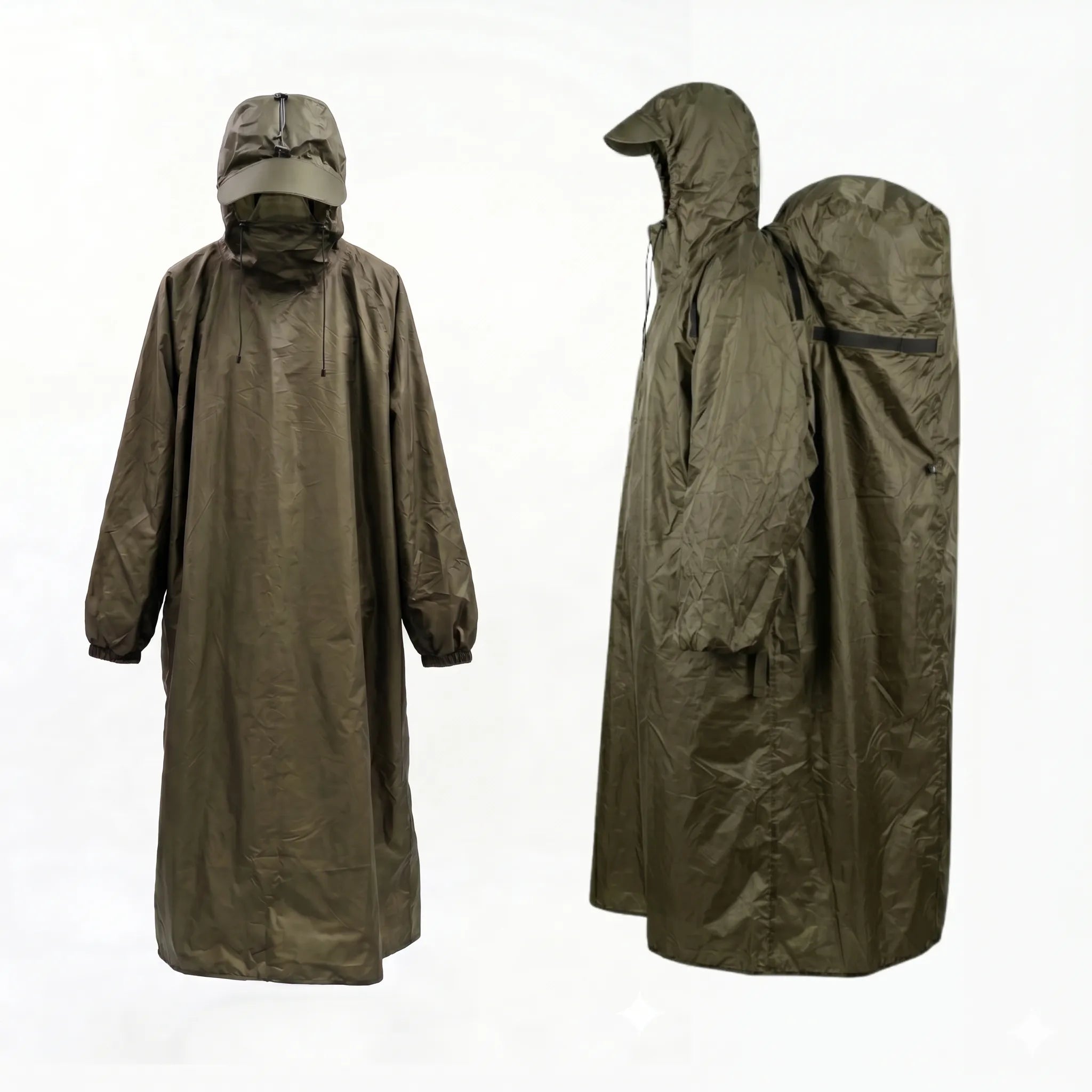
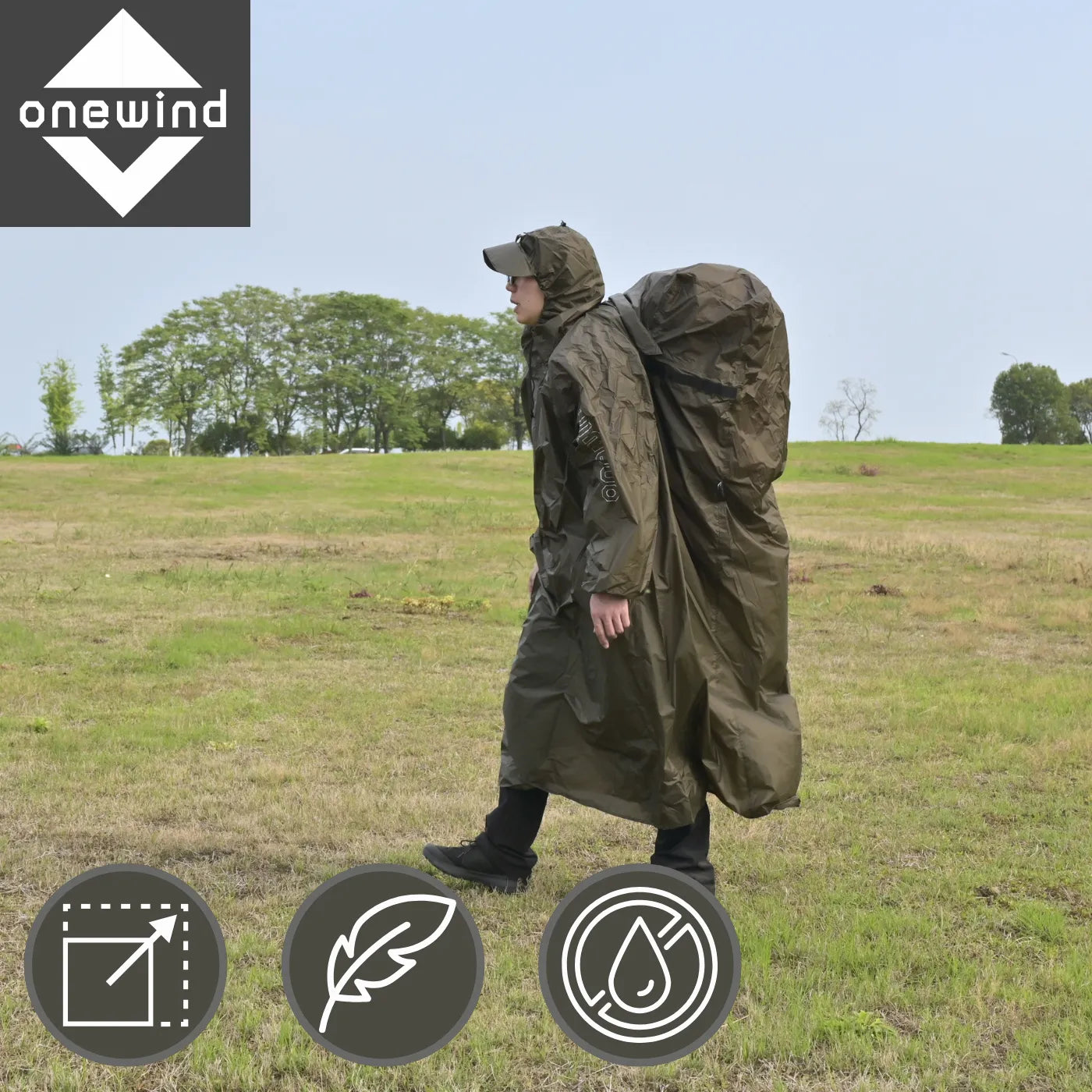
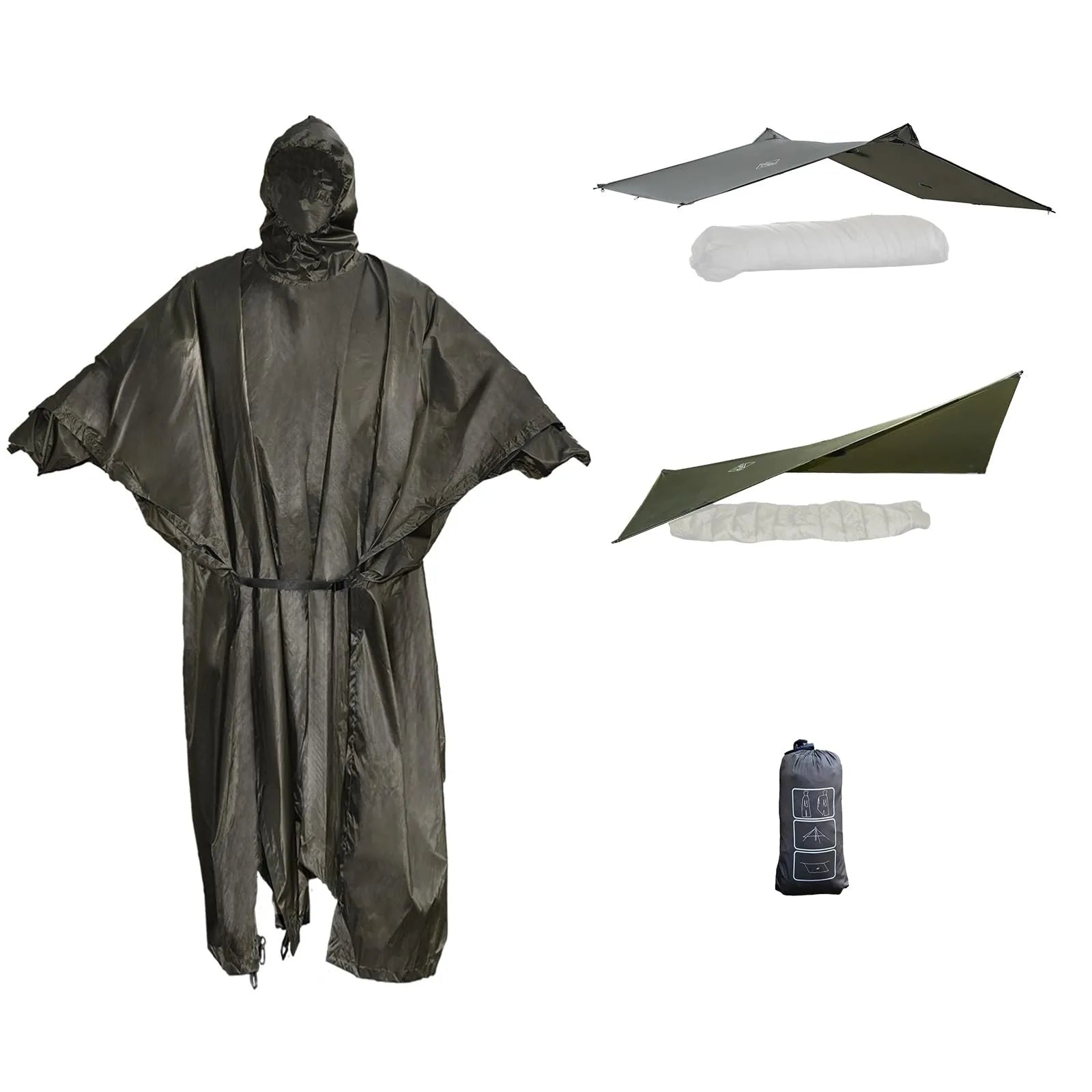
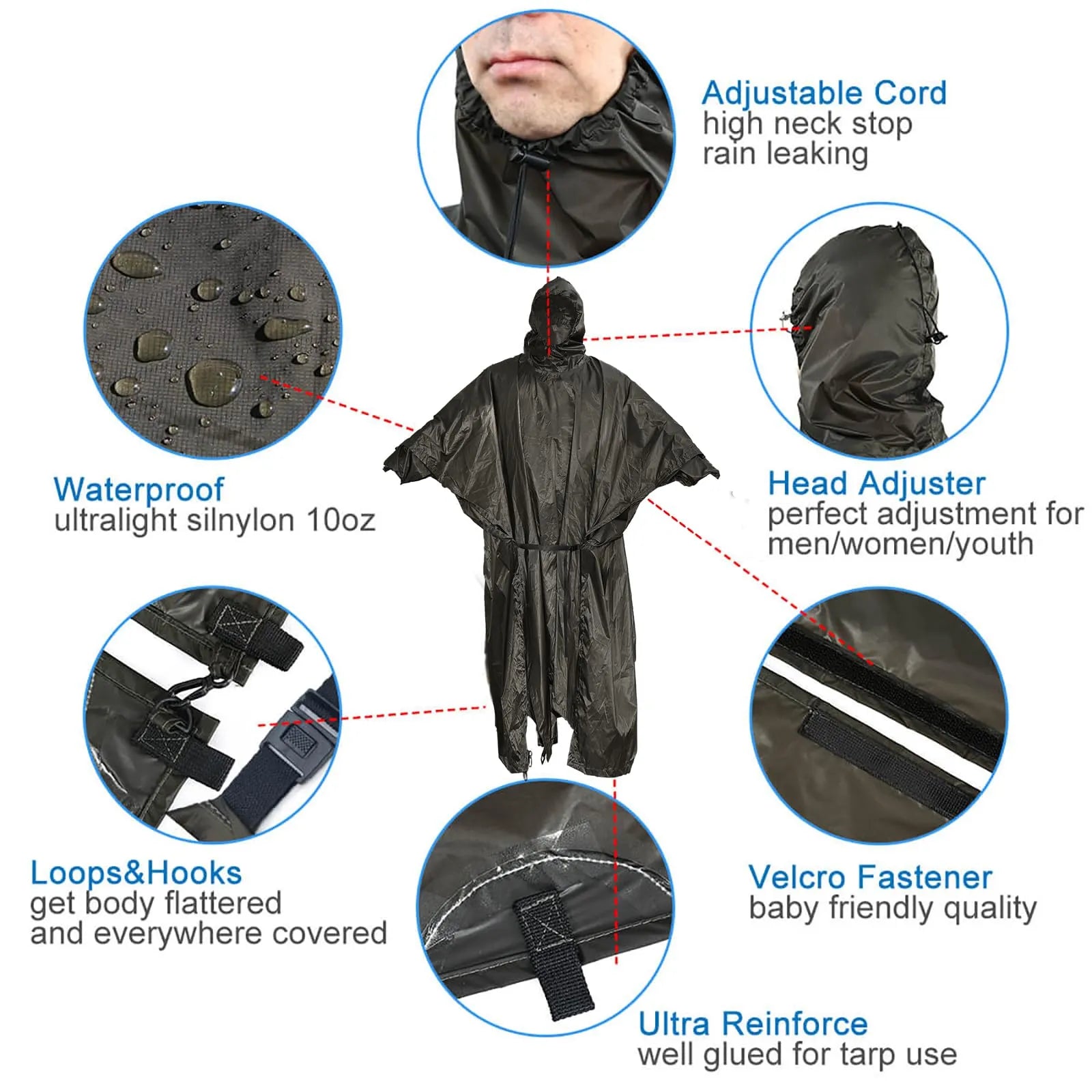
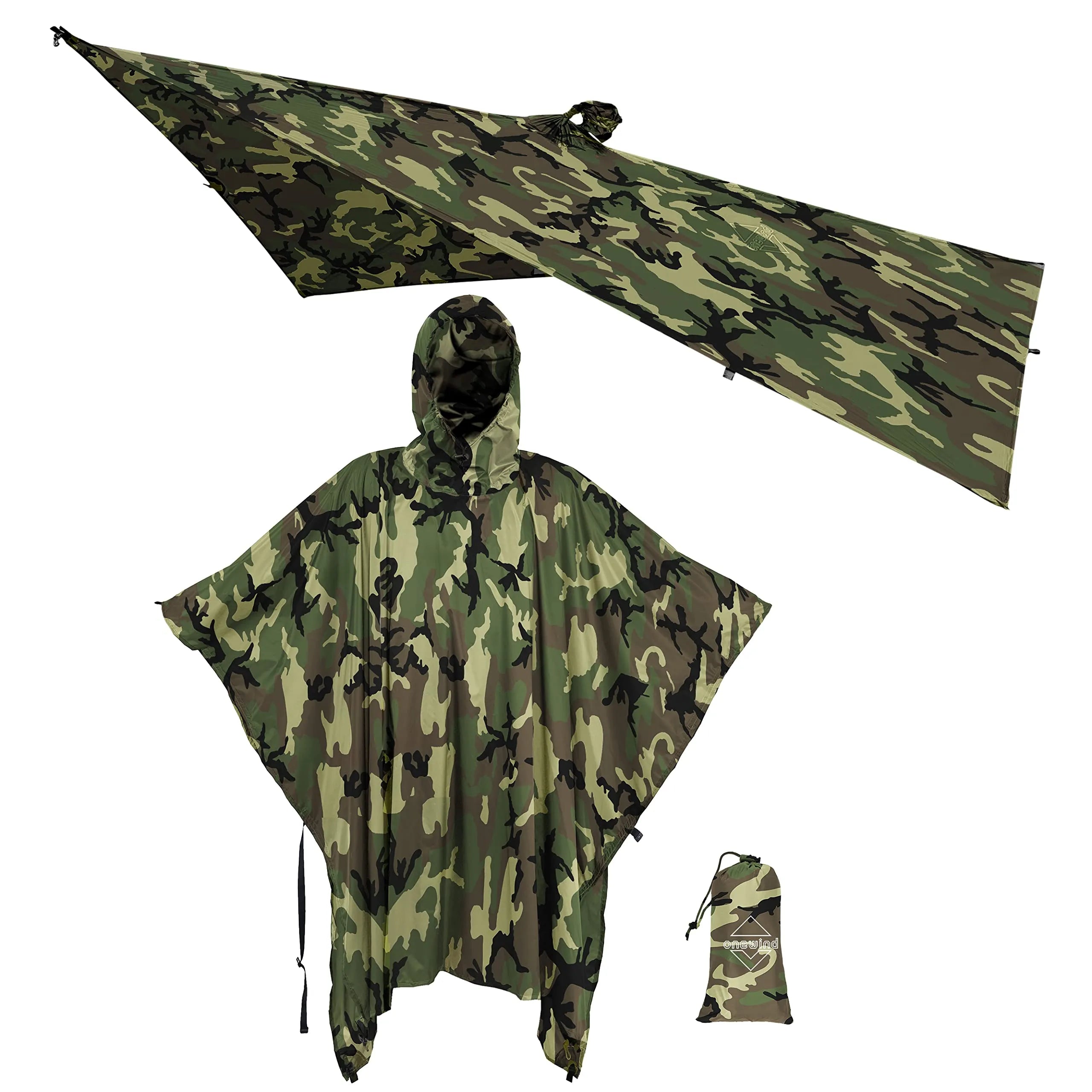
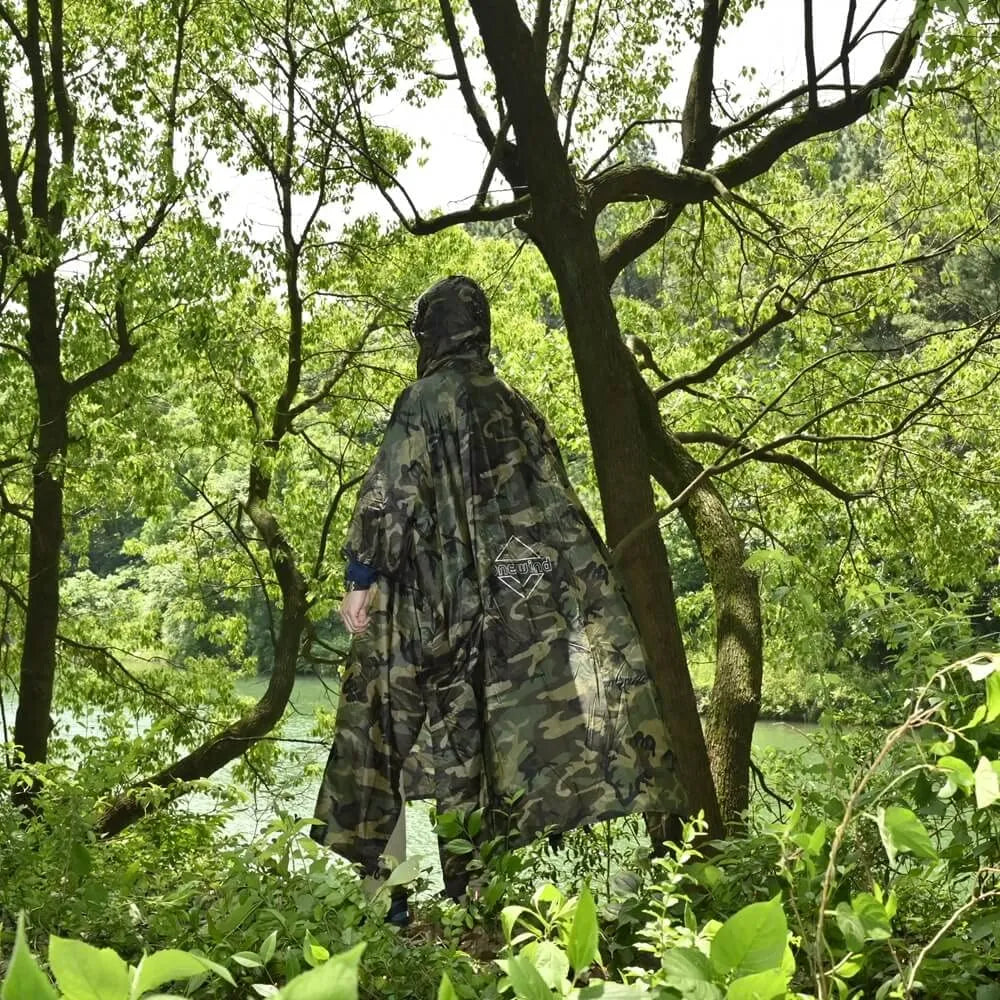
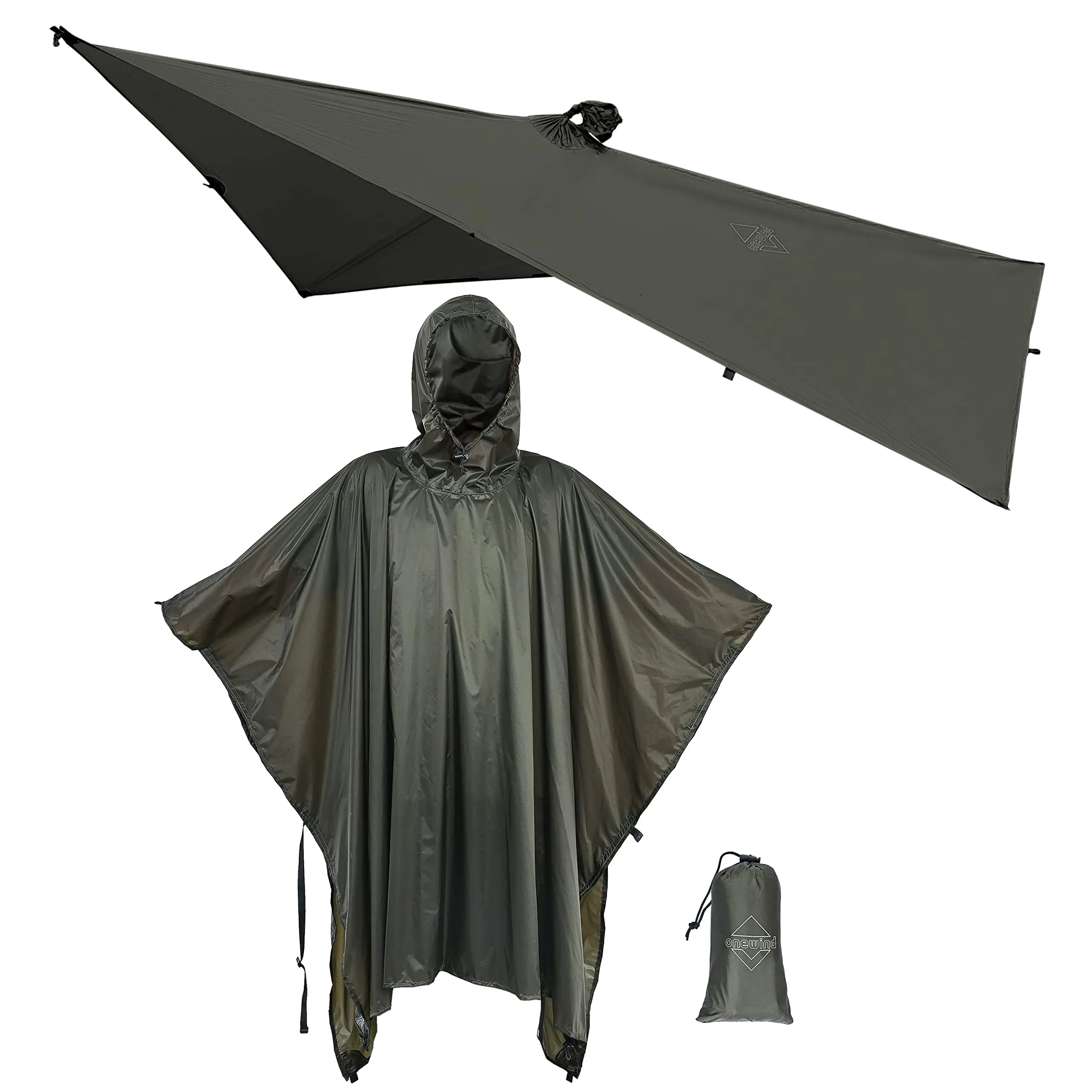
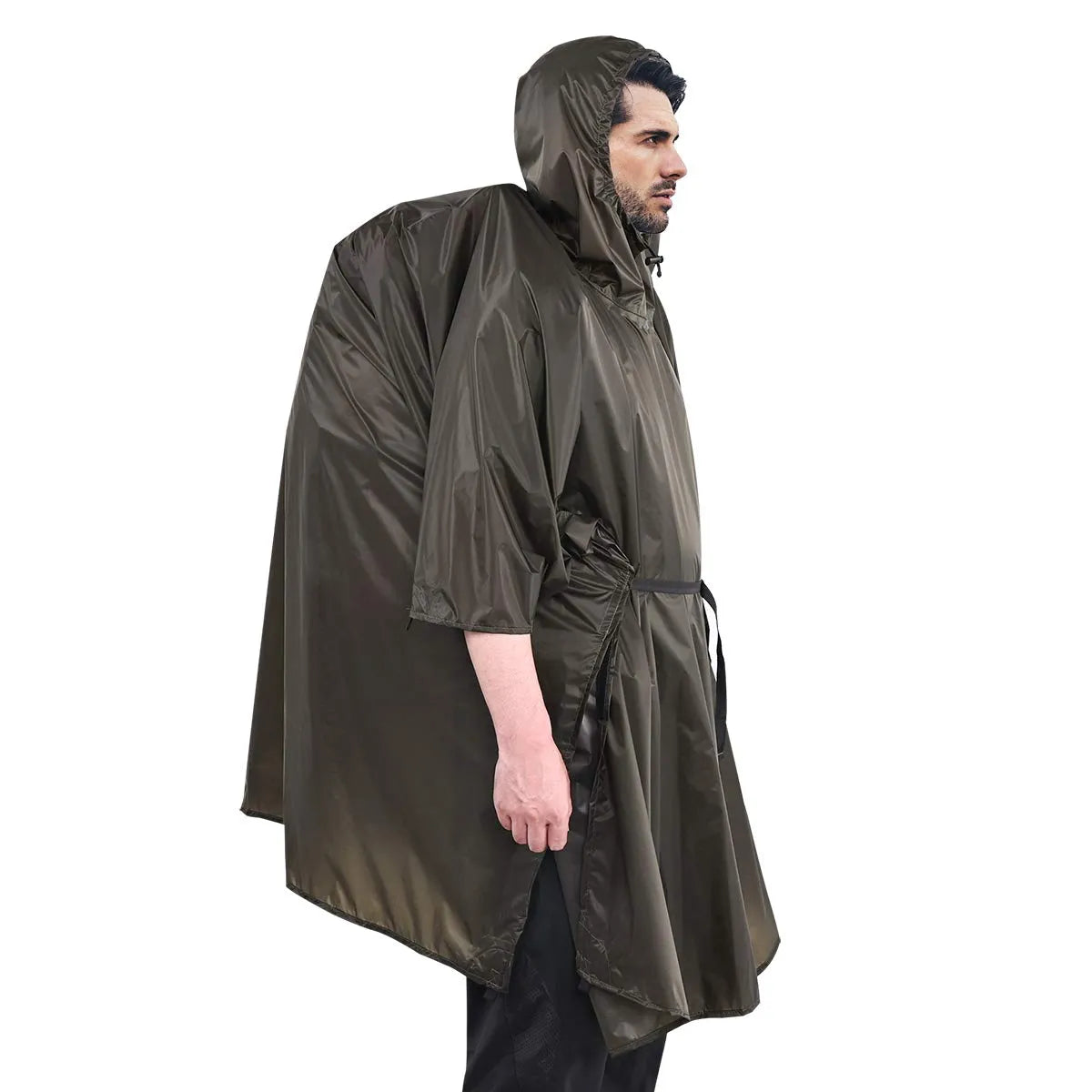
A pelerină de ploaie este opțiunea cu fluxul de aer maxim, iar în acest caz îți acoperă și rucsacul în același timp, deși devine o velă în vânt puternic și nu aș lua una deasupra limitei pădurii.
Când este frig, vânt și expunere, o jachetă impermeabilă și respirabilă, cu fermoare de ventilație la subraț, este instrumentul potrivit, deoarece un poncho nu poate reține căldura corpului, iar un strat exterior îmbibat de apă în vânt se comportă ca un costum de neopren.
Dacă alegi totuși o jachetă, adevărata situație este un trilemă fără un singur câștigător, iar comunitatea o explică mai bine decât fișele tehnice.
Un excursionist care lucrează în industrie a explicat pe r/Ultralight, cu 21 de voturi pozitive, că Gore-Tex Shakedry „nu se va îmbiba niciodată, deoarece membrana este în mod inerent hidrofugă”, apoi a adăugat că „punctul său slab este cu siguranță durabilitatea”.
Un alt excursionist din același fir a observat cum un Outdoor Research Helium s-a „îmbibat” atât de repede în ploaia din Costa Rica, ceea ce înseamnă că se plătește taxa de durabilitate.
Scara de construcție pe care o descrie REI este varianta practică a acestui compromis: carcasele cu 2 straturi sunt ieftine și răcoroase, carcasele cu 2,5 straturi sunt ușoare și compacte, dar se simt umede la interior, iar carcasele cu 3 straturi sunt cele mai durabile și mai respirabile, dar și cele mai scumpe.
Clasamentele converg către aceleași două repere, așa că le puteți folosi ca puncte de referință.
Completul decizie privind trunchiul între un poncho și o jachetă are propriile reguli de la excursie la excursie, determinate de expunere și teren, și merită stabilite de la sine înainte de a te angaja într-o cochilie.
Alegeți: ventilație pentru vreme caldă și sub limita pădurii, o jachetă etanșă și respirabilă pentru frig și zone expuse, și încetați să căutați o clasificare care va rezolva transpirația, pentru că nu există niciuna.
Ziua 2: Picioare, unde fusta de obicei învinge pantalonii
Picioarele sunt partea pe care drumeții o fac cel mai des greșit, pentru că pantalonii de ploaie par alegerea serioasă și, de obicei, nu sunt.
Andrew Skurka, care a ghidat mii de mile pe traseu, păstrează pantalonii de ploaie pentru frig și vânt, dar spune fără ocolișuri că, în excursiile calde, pantalonii lungi devin o saună prin care oricum transpiri.
El este la fel de direct și în privința direcției opuse, scriind că a „încercat să meargă fără pantaloni de ploaie și rezultatele sunt foarte incomode” odată ce temperatura scade, așa că aceasta este o compromis real, nu o regulă într-un singur sens.
O fustă de ploaie sau un kilt ventilează zona inghinală și coapsele, unde generezi cea mai multă căldură, acesta fiind chiar motivul pentru care există.
Mișcarea care leagă Job 1 și Job 2 este să folosești sus un înveliș ventilat și jos o fustă respirabilă, astfel încât să nu reții căldura la ambele capete în același timp.
Calculul greutății confirmă acest lucru, iar eu am verificat între ele valorile raportate de comunitate.
Greutatea verificată a fustei, de aproximativ 51 de grame, față de pantalonii de ploaie de circa 85 de grame provine dintr-un fir NOBO Long Trail de pe r/Ultralight, iar kilturile ușoare de ploaie de la producători artizanali ajung toate sub trei uncii.
A fustă de ploaie se încadrează în categoria pantalonilor respirabili pentru vreme caldă și, sincer, aș spune că oferă puțin în vântul rece, unde pantalonii își câștigă locul.
O precauție de la Skurka pe care o ignoră adepții fustei: o fustă îți lasă coapsele descoperite, așa că, prin tufișuri umede și dese, picioarele tale fără pantaloni se udă și se zgârie.
Recomandare: implicit, alege o fustă pentru drumeții solicitante pe vreme caldă, ia pantaloni când este frig, vânt sau traversezi vegetație deasă, și renunță la ambele într-o drumeție ușoară de o zi.
Jobul 3: Rucsacul, câștigat în interior cu un strat de căptușeală
Acesta este rolul pe care rezumatele aproape niciodată nu îl clasifică, și este cel care decide dacă excursia ta se încheie mai devreme.
O husă de rucsac protejează exteriorul rucsacului tău, dar sacul tău de dormit stă în interior, iar acestea nu au aceeași funcție.
Cele mai clare date au provenit dintr-un fir de discuție de pe Reddit, pe r/Ultralight, unde, conform comentariului de top la o întrebare despre husă versus liner, cu 13 voturi pozitive: „Cu siguranță linerul. O husă nu oferă acoperire completă, apa curge pe spate și se infiltrează.”
Un alt excursionist din același fir a rezumat modul de eșec într-o singură frază: o husă „nu îți face niciun serviciu dacă aluneci într-o traversare a unui pârâu.”
O căptușeală interioară este un sac de compactare a gunoiului sau un sac de constructor, costă aproximativ cinci dolari, cântărește în jur de o uncie și este singurul lucru dintre pilotei tale și o noapte îmbibată.
O husă de rucsac are în continuare un rol real, acela de a împiedica țesătura rucsacului să absoarbă apă și să crească în greutate, iar o husă pentru rucsac face asta bine.
Regula este să le asortezi sau, și mai bine, să lași o poncho Acoperă exteriorul, în timp ce o căptușeală protejează interiorul.
Alegeți: o căptușeală ca barieră principală pentru fiecare drumeție de mai multe zile, o husă ca barieră secundară pentru greutatea materialului rucsacului și nu vă bazați niciodată doar pe o husă pentru sistemul dvs. de dormit.
Sarcina 4: Picioarele, o problemă de drenaj, nu de etanșare
Am petrecut ani încercând să-mi mențin picioarele uscate în timpul excursiilor pe vreme umedă, iar scrierile lui Skurka sunt cele care m-au convins, în cele din urmă, să renunț.
Concluzia sa, după ce a testat pantofi impermeabili, șosete impermeabile și straturi duble de șosete, este că, în ploaie prelungită, „toate se udă”, așa că obiectivul trece de la etanșare la gestionare.
Șosetele impermeabile îți cumpără o oră, apoi rețin apa înăuntru, la fel ca o cizmă, iar o a doua pereche uscată este uscată doar până la prima trecere prin râu, motiv pentru care a renunțat complet să mai urmărească piciorul sigilat.
El apare într-un fir r/CampingandHiking despre exact această întrebare și o spune în patru cuvinte care mi-au rămas în minte: „gestionează, nu sigila.”
Cizmele impermeabile înrăutățesc problema odată ce apa trece de manșetă, deoarece, după cum a spus un excursionist, „orice ține apa afară o va prinde și înăuntru.”
Pantofii de trail care nu sunt impermeabili se scurg și se usucă, motiv pentru care răspunsul de top din acel thread a fost pur și simplu „pantofi care se scurg bine, șosete subțiri”.
Șosetele subțiri din merinos rețin mai puțină apă decât cele groase, cu amortizare, astfel încât picioarele tale rămân mai calde chiar și atunci când sunt ude, ceea ce este, de fapt, scopul.
Ghetele și cizmele impermeabile câștigă în continuare în condiții de frig, zăpadă și ture alpine lungi, unde păstrarea unei anumite călduri contează mai mult decât drenajul rapid.
Recomandare: pantofi de alergare cu drenaj și șosete subțiri din merinos pentru ploaie caldă, bocanci și jambiere doar când este frig, ceea ce face ca păstrarea căldurii să conteze mai mult decât uscarea.
Scenariul 1: Pădure caldă și umedă, cu un rucsac încărcat
Ești pe un traseu de vară în sud-est sau într-o pădure din nord-vestul Pacificului, temperatura este peste 60 de grade și urci cu un rucsac complet.
Aceasta reprezintă majoritatea zilelor reale de ploaie ale celor mai mulți drumeți și este situația în care o jachetă etanșă scumpă cedează cel mai grav.
Vei transpira mai repede decât poate elimina orice membrană, așa că o husă sigilată de 3L te lasă la fel de ud pe interior cum te-ar face și ploaia.
Consensul de pe r/Ultralight pentru acest caz exact este configurația fustă-plus-poncho sau fustă-plus-shell ventilată, peste aproximativ 40 până la 50 de grade, în condiții de vânt slab.
Pantofii cu drenaj fac față bălților, șosetele subțiri îți mențin picioarele calde chiar și atunci când sunt ude, iar un strat de protecție îți menține plapuma uscată la campament.
Actualizarea care își merită greutatea aici este o pelerină de ploaie în locul unei jachete, deoarece același flux de aer care te menține răcoros se așază și peste rucsac și elimină husa de pe lista ta.
Am parcurs exact acest profil de pădure umedă într-un echipament ventilat și am ajuns transpirat, dar cald, ceea ce este, sincer, cel mai bun scenariu posibil, nu fantezia uscată și confortabilă pe care o vând reclamele la jachete.
Verdict: mergi pe fluxul de aer, poartă un poncho sau o carcasă cu fermoar frontal deschisă, cu o fustă, acceptă faptul că vei fi umed și păstrează-ți sistemul de dormit sigilat într-un sac de protecție.
Scenariul 2: Creastă alpină rece și expusă
Acum te afli deasupra limitei pădurii, vântul bate constant, iar temperatura scade spre punctul în care a fi ud devine o problemă de siguranță, nu doar de confort.
Tot ceea ce a făcut ca poncho-ul să câștige în pădure acum lucrează împotriva ta.
Vântul transformă un poncho într-o velă, iar REI notează că „nu va fi nevoie de mult vânt pentru ca un poncho să devină în mare parte ineficient.”
Păstrarea căldurii contează mai mult decât aerisirea aici, așa că o jachetă impermeabilă și respirabilă, care etanșează împotriva vântului, își merită senzația de umezeală și lipicios.
Pantalonii de ploaie încetează să mai fie o saună și încep să ofere o protecție reală împotriva vântului și a frigului, exact atunci când Skurka îi folosește.
Un drumeț de pe firul despre fustă versus pantaloni a formulat regula simplu: „dacă îți este frig, ia cu tine pantaloni de ploaie.”
Adaugă bocanci și jambiere, deoarece frigul plus picioarele ude sunt momentul în care drenajul nu mai este suficient.
Aceasta este, de asemenea, singura situație în care plata în plus pentru o carcasă durabilă cu 3 straturi se justifică, deoarece în mediul alpin o cedare prin îmbibare devine periculoasă, nu doar inconfortabilă.
Raportul din clasamentele sintetice confirmă acest lucru: cele mai protectoare alegeri ale lor, precum Arc'teryx Beta SL, cu aproximativ 12 uncii, sunt concepute exact pentru acest tip de utilizare expusă, cu risc ridicat.
Verdict: etanșați, purtați o jachetă impermeabilă și respirabilă și pantaloni de ploaie cu cizme și ghetre, și lăsați poncho-ul și fusta acasă de data aceasta.
Scenariul 3: Excursie de mai multe zile în care cortul trebuie să rămână uscat
Într-o excursie de mai multe zile, mersul pe jos este negociabil, dar sistemul de dormit nu este, deoarece o pilotă îmbibată transformă o zi umedă într-o noapte periculoasă.
Plănuiesc această excursie în sens invers, pornind de la tabără, iar primul lucru pe care îl împachetez este căptușeala, nu jacheta.
O căptușeală pentru sacul de constructor plus un sac uscat pentru plapumă reprezintă nucleul nenegociabil, iar consensul privind căptușeala de pe r/Ultralight este conceput exact pentru asta.
Odată ce interiorul rucsacului este garantat uscat, ai permisiunea să te îmbraci lejer pentru mers și pur și simplu să fii ud toată ziua.
Aceasta este schimbarea mentală pe care selecțiile nu o oferă niciodată: nu încerci să rămâi uscat, ci încerci să ajungi cu un pat uscat.
Fiecare rucsacist cu experiență cu care am comparat notițe a constatat că aceeași soluție, un sac de gunoi pentru constructori de cinci dolari, a depășit performanța huselor scumpe cu care au început.
Sacul impermeabil suplimentar pentru quilt este o asigurare ieftină și este singurul lucru la care refuz să reduc greutatea într-o excursie mai lungă de o singură noapte.
The Colecția de echipamente pentru ploaie acoperă partea uzată a acestui sistem, iar un poncho câștigă puncte în plus aici prin faptul că acoperă rucsacul în timp ce mergi.
Pentru clasificarea la ploaie a oricăruia dintre aceste articole, valorile coloanei de apă sunt explicate în textul Ghid: impermeabil vs. rezistent la apă așa că nu le voi repeta aici.
Verdict: protejați mai întâi conținutul rucsacului cu o căptușeală interioară și saci impermeabili, apoi îmbrăcați-vă ușor pentru mers, deoarece un campament uscat este întotdeauna mai bun decât o drumeție uscată.
Scenariul 4: Drumeție scurtă de o zi pe ploaie ușoară
Ultimul scenariu este cel pentru care drumeții se echipează cel mai adesea excesiv: o drumeție scurtă de o zi, pe ploaie ușoară.
Ieșiți pentru câteva ore, temperatura este plăcută, iar la capăt vă așteaptă o mașină caldă sau o casă uscată.
Aici, răspunsul sincer este că pur și simplu te poți uda și apoi te poți încălzi după aceea.
O geacă rezistentă la vânt sau o geacă ieftină, care nu respiră, este mai mult decât suficientă, iar o geacă alpină de 500 de dolari este o risipă de greutate și bani pentru această excursie.
Nu aveți nevoie de o căptușeală, deoarece rucsacul dumneavoastră este ușor, iar consecințele unui sac de gustări umed sunt zero.
Am făcut exact această drumeție purtând doar un strat împotriva vântului și m-am bucurat că am lăsat sistemul acasă.
Verdict: ține-l la minimum, ia un strat împotriva vântului sau o husă de buget, renunță la rucsac și la protecția pentru picioare și lasă punctul de plecare al traseului să rezolve lucrurile pentru tine.
Greșeli frecvente la alegerea echipamentului de ploaie pentru drumeții
Aproape fiecare poveste despre umezeală și disconfort pe care am auzit-o se reduce la a avea încredere într-o etichetă sau într-o categorie, în loc să potrivești echipamentul cu drumeția.
A cumpăra un nivel mai ridicat de impermeabilitate pentru a rezolva problema transpirației. O jachetă de 20.000 mm și o jachetă de 10.000 mm te fac să transpiri în același ritm, deoarece coloana de apă este un test de presiune statică care nu spune nimic despre respirabilitate. Investește în ventilație, nu într-un număr mai mare.
A avea încredere într-o husă de rucsac pentru a-ți menține geanta uscată. O husă menține materialul rucsacului mai ușor, dar apa tot curge pe spatele tău și pătrunde înăuntru, așa că sacul de dormit pe care încercai să-l protejezi se udă oricum. Căptușeala este bariera care contează.
Căutarea unor cizme impermeabile pentru picioare uscate. Bocancii impermeabili țin apa afară până când aceasta trece peste carâmb, apoi o mențin lipită de piele ore întregi, în timp ce pantofii de alergare pe traseu ar fi evacuat-o în câteva minute. În ploaie persistentă, planifică să gestionezi picioarele ude, mai degrabă decât să încerci să le împiedici să se ude.
Lista de verificare pentru decizie rapidă
Parcurge această listă înainte de a cumpăra orice și lasă călătoriile tale reale, nu călătoria pe care ți-o imaginezi, să decidă fiecare element.
Cel mai bun echipament de ploaie pentru drumeții este sistemul pe care îl poți apăra punct cu punct în raport cu propriile tale excursii.
Cumpărați cele patru joburi, folosiți corect interacțiunile și veți rămâne la fel de uscat pe cât permite, de fapt, vremea, ceea ce este tot ce poate promite orice echipament.