
Apmēram 68% no Pacific Crest Trail maršruta pārgājiena dalībniekiem 2024. gadā izmantoja segu guļammaisa vietā.
Šis skaitlis ir no žurnāla Backpacker ikgadējās garo pārgājienu gājēju aptaujas, un tas liecina par pārmaiņām, kurām lielākā daļa ekipējuma salīdzinājumu rakstu joprojām nav paspējuši pielāgoties.
Standarta salīdzinājums segas un guļammaisus uzskata par konkurējošiem produktiem.
Tie nav konkurējoši produkti.
Tās ir izolācijas sistēmas augšējā puse, un apakšējā puse pilnībā maina to, kura no tām ir saprātīga.
Guļammaiss aptver visu jūsu ķermeni, taču jūsu svars saplacina apakšējo izolāciju pret paklājiņu vai šūpuļtīkla audumu.
Saspiestai izolācijai nav apjoma un tā nesniedz nekādu siltumu.
Šis izšķērdīgais apakšējais slānis pievieno jūsu mugursomai 8–12 unces, neveicot nekādu siltumizolācijas darbu.
Segas tipa guļammaiss novērš šo lieko svaru un paļaujas uz guļampalikni vai apakšsegu, kas nodrošina apakšējo siltumizolāciju kā atsevišķu, šim nolūkam izstrādātu slāni.
Šis raksts izskaidro šo sistēmas līmeņa lēmumu ar konkrētiem skaitļiem, pieciem reāliem kempinga scenārijiem un IF/TAD ietvaru, ko varat izmantot pirms nākamā aprīkojuma iegādes.
Ja vēlaties tikai īso atbildi: šūpuļtīklu kemperiem ar apakšsegu vajadzētu izmantot virssegu, svaru taupošiem pārgājienu mugursomniekiem vajadzētu pāriet pēc pirmās sezonas, bet visiem pārējiem vajadzētu turpināt lietot savu guļammaisu, līdz viņiem ir konkrēts iemesls to mainīt.
Ko jūs apgūsiet
Šis nav vēl viens plusu un mīnusu saraksts.
Es sakārtoju šo ceļvedi ap tiem lēmumiem, kuri patiešām ir svarīgi, kad jūs stāvat ekipējuma veikalā vai pārlūkojat tiešsaistes atsauksmes.
Katra rekomendācija saistās ar sistēmas līmeņa jautājumu: kas ir jūsu pajumte un kas nodrošina jūsu apakšējo izolāciju?
Ātra atbilde
Izvēle nav starp segu un guļammaisu.
Izvēle ir tāda, kura augšējā izolācija atbilst jūsu apakšējai izolācijai un pajumtes veidam.
Guļammaiss jūs aptver no visām pusēm, taču izolācija zem jūsu ķermeņa jūsu svara dēļ tiek saspiesta un saplacināta.
Saspiestai izolācijai nav apjoma un tā nesniedz nekādu siltumu.
Katrai guļammaisai ir šis mirušais apakšējais slānis, un papildu materiāls pievieno svaru, neveicot nekādu siltumizolācijas darbu.
Stepene pilnībā noņem apakšējo slāni un paļaujas uz guļammaisu paklājiņu vai apakšsegu, lai apakšējā siltumizolācija tiktu nodrošināta atsevišķi.
Lēmumu pieņemšanas sistēma
Katra salīdzinājuma raksta pirmajā Google lapā atkārtojas viens un tas pats modelis: uzskaitiet sešus segas guļammaisu plusus, uzskaitiet sešus guļammaisu plusus un atstājiet lasītājam pašam visu izdomāt.
Šī pieeja neizdodas, jo tā uztver segas un guļammaisus kā atsevišķus produktus.
Tās nav atsevišķi lietojami produkti.
Tās ir izolācijas sistēmas augšējā puse.
Apakšējā daļa ir jūsu guļammaisspēksnis (nometņojot uz zemes) vai jūsu apakšsegas izolācija (hamaka kempingam).
Patversmes veids nosaka, kāda apakšējā izolācija jums ir nepieciešama, un apakšējā izolācija nosaka, kāda augšējā izolācija ir piemērota.
Lūk, kāpēc tas praksē ir svarīgi.
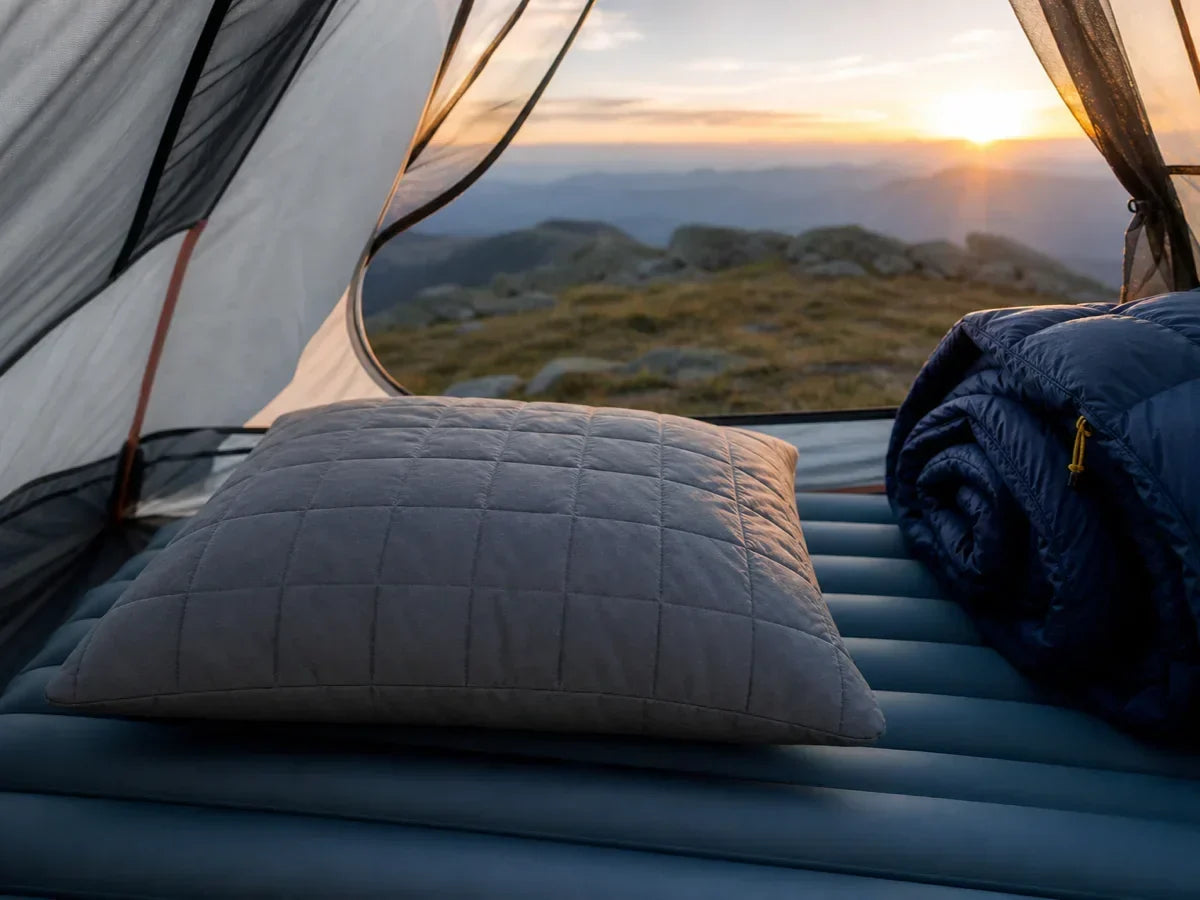
Kad jūs gulējat uz guļampaliktņa teltī, jūsu ķermeņa svars spiež uz paliktņa virsmas.
Paklājiņam ir savs R-vērtības rādītājs, un tas nodrošina apakšējo izolāciju neatkarīgi no tā, kas jūs sedz no augšas.
Jūsu guļammaisa apakšējais slānis saspiežas pret paklājiņu un nepilda nekādu funkciju.
Kad jūs guļat šūpuļtīklā, problēma kļūst vēl nopietnāka.
Gaiss brīvi cirkulē zem šūpuļtīkla auduma, un jebkura saspiesta izolācija starp jūsu ķermeni un šo audumu kļūst par tiešu siltuma tiltu uz auksto gaisu zem tā.
Fizika nemainās atkarībā no cenas vai zīmola.
400 USD guļammaiss saspiežas tāpat kā 100 USD guļammaiss.
{% include 'youtube-embed', id: 'XlSHWlMHVpw' %}
Iepriekš redzamais video soli pa solim salīdzina segu un guļammaisu veiktspēju dažādās patversmes konfigurācijās.
Switchback Travel blakus salīdzinājums apstiprina šīs svara atšķirības vairākās produktu līnijās.
Reprezentatīva segu sistēma sver 22 oz augšdaļā plus 16 oz paliktnis, kopā veidojot gulēšanas sistēmu ar svaru 38 oz.
Salīdzināma guļammaisa sistēma vien sver 34 oz, plus tāds pats 16 oz paklājiņš, kopā 50 oz.
Tā 12 oz starpība ir aptuveni pilnas Nalgene ūdens pudeles svars.
Svara priekšrocība rodas, likvidējot materiālu, kas neveic siltumizolācijas darbu, nevis izmantojot plānāku izolāciju vai lētāku pildījumu.
1. scenārijs: budžeta iesācējs ar jau esošu guļammaisu
Jums pieder 40 °F guļammaiss no lielveikala.
Jūs dodaties savā pirmajā vai otrajā kempinga braucienā.
Jūs neesat pārliecināts, vai kempings kļūs par regulāru nodarbi.
Internets saka, ka jāiegādājas segu, jo tā ir vieglāka, taču kvalitatīva sega no neliela zīmola, piemēram, Enlightened Equipment vai Hammock Gear, maksā 200–400 $.
Tā cena ir salīdzināma ar vidējas klases guļammaisu, nevis budžeta guļammaisu, kas jums jau pieder.
REI eksperta ceļvedis apstiprina, ka segas prasa saderīgu gulēšanas paklājiņu un iemaņu apgūšanu paklājiņa piestiprināšanā un caurvēja novēršanā.
Ja jūs iztērējat 300 USD par guļammaisu un atklājat, ka jums nepatīk kempings, šī nauda ir zudusi.
Ja izmantojat savu esošo guļammaisu un izbaudāt trīs pārgājienus, jūs precīzi zināsiet, kādam temperatūras diapazonam un kāda veida patvērumam optimizēt, kad veiksiet uzlabojumu.
r/ultralight kopiena ir vienisprātis: lai pilnībā apgūtu segu, parasti vajadzīgi 2–3 pārgājieni, un cīnīšanās ar paklājiņa siksnām pirmajā nakšņošanas reizē ir drošs ceļš uz nepatīkamu pieredzi.
Spriedums: pirmajā sezonā paturiet savu guļammaisu. Pārejiet uz segu tikai tad, kad zināt sava patvēruma veidu, sev vēlamo temperatūras diapazonu un to, ka kempingošana būs nodarbe, ko atkārtosiet.
Scenārijs 2: Trīs sezonu mugursomnieks, kas optimizē svaru
Jūs pārgājienā veicat 8–15 jūdzes dienā ar 25–30 mārciņu pamatsvaru.
Katrs grams ir svarīgs, un jūsu guļammaiss ir viena no trim smagākajām lietām jūsu mugursomā.
Switchback Travel salīdzinājums kvantificē ietaupījumu: segas ir aptuveni par 25% vieglākas nekā līdzvērtīgi guļammaisi, jo tām nav apakšējās izolācijas un auduma, ko jūsu ķermenis tāpat saplacina.
REI salīdzinājuma dati rāda, ka 20°F dūnu sega sver 22 oz, salīdzinot ar 20°F mumijas tipa guļammaisu, kas sver 34 oz.
Segas guļammaiss iepakojas 4 litru kompresijas maisā.
Guļammaisam nepieciešams 7 litru saspiešanas maiss, lai sasniegtu līdzīgu tilpumu.
Trīs dienu ceļojuma laikā svara ietaupījums kļūst vēl ievērojamāks, un rīti, kad jāsapakojas un jādodas ceļā, ir ātrāki, jo segai nav ne rāvējslēdzēja, ne kapuces, ne caurvēja aizsarga, ar ko jātiek galā.
Kompromiss ir vilkmes pārvaldība.
Reddit r/ultralight kopiena ziņo par atkārtotu modeli: kemperi, kuri nonāk zem savas segas komforta robežas, pamostas pulksten 2:00 naktī ar aukstu gaisu, kas caur spilventiņa stiprinājuma spraugu iekļūst iekšā.
Savelkot auklas sistēmu, tiek novērsta tūlītējā problēma, taču pats bojājuma veids ir kaut kas tāds, ko guļammaiss pilnībā novērš.
Switchback Travel apskatā ieteikts ieplānot divus līdz trīs pārgājienus kā iestrādes periodu, pirms spriest, vai segu sistēma ir piemērota jūsu ķermenim un gulēšanas stilam.
Verdikts: pārejiet uz segu, ja dodaties pārgājienos ar mugursomu trīs sezonu apstākļos un jūsu nakts zemākās temperatūras saglabājas virs 25 °F. 8–12 oz svara ietaupījums un mazāks iepakojuma apjoms ir tā 2–3 pārgājienu apguves perioda vērts.
Scenārijs 3: Auksti guļošs vai ziemas kemperis
Jūs kempingojat apstākļos, kur temperatūra regulāri noslīd zem 20 °F.
Jums ir auksti guļot, tas nozīmē, ka temperatūrā, kurā citi cilvēki jūtas ērti, jūs jūtat aukstumu.
Guļammaisi šajos apstākļos nodrošina patiesu konstrukcijas priekšrocību.
Mūmijas tipa guļammaiss ar kapuci, pretvilkmes joslu un pilnu rāvējslēdzēju veido hermētisku mikroklimatu ap jūsu ķermeni.
Enlightened Equipment, uzņēmums, kas ražo segas, savā emuārā atzīst, ka guļammaiss ar temperatūras reitingu līdz 20°F, visticamāk, nodrošinās vienmērīgāku siltumu nekā sega ar tādu pašu temperatūras reitingu.
Iemesls ir fizika, nevis mārketings.
Segas tipa guļammaisam caurvēja iedarbības punkti ir katrā stiprinājuma vietas spraugā pie paklājiņa, pie pēdu kastes šuves un gar atvērto augšējo malu. Mierīgos, maigajos apstākļos virs 25 °F šīs spraugas ir viegli kontrolējamas ar pareizu auklas spriegojumu un labi izstrādātu pēdu kasti.
Zem 20°F matemātika mainās. Vējš caur stiprinājuma spraugām iedzen aukstu gaisu, nemierīga gulēšana novelk segu no paliktņa malas, un atvērtās mugurpuses dizains zaudē siltumu ātrāk, nekā jūs spējat to radīt.
Enlightened Equipment pašu testēšanas piezīmes liecina, ka siltuma zuduma ātrums caur caurvēja spraugām pieaug nelineāri, temperatūrai krītoties, padarot atšķirību starp segu un guļammaisu izteiktāku pie 10 °F nekā pie 30 °F.
Reddit r/hammockcamping kopiena ziņo par konsekventu tendenci: segu temperatūras vērtējumi ir mazāk uzticami nekā guļammaisu vērtējumi, un ieteikums ir, pērkot segu, rēķināties ar papildu 10°F komforta rezervi.
Spriedums: paturiet savu guļammaisu ziemas kempingam vai tad, ja jums pastāvīgi ir auksts miegā. Pilnībā slēgtais dizains nodrošina vienmērīgu siltumu, ko segas nevar nodrošināt zem -6 °C.
4. scenārijs: šūpuļtīkla kemperis ar apakšsegu
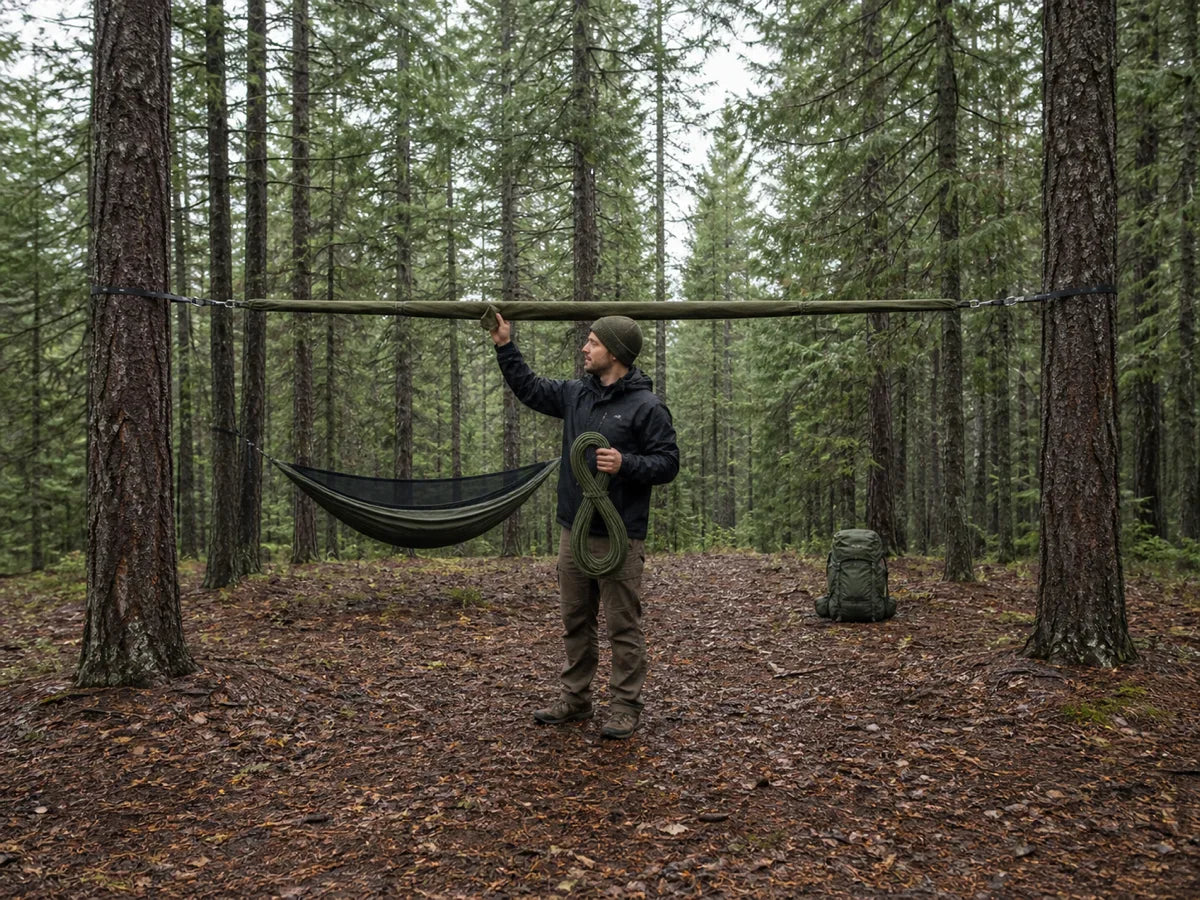
Jūs gulējat šūpuļtīklā, un jums jau pieder vai jūs plānojat iegādāties vienu apakškabata sega.
Šī ir situācija, kurā sistēmas līmeņa ietvars ir vissvarīgākais.
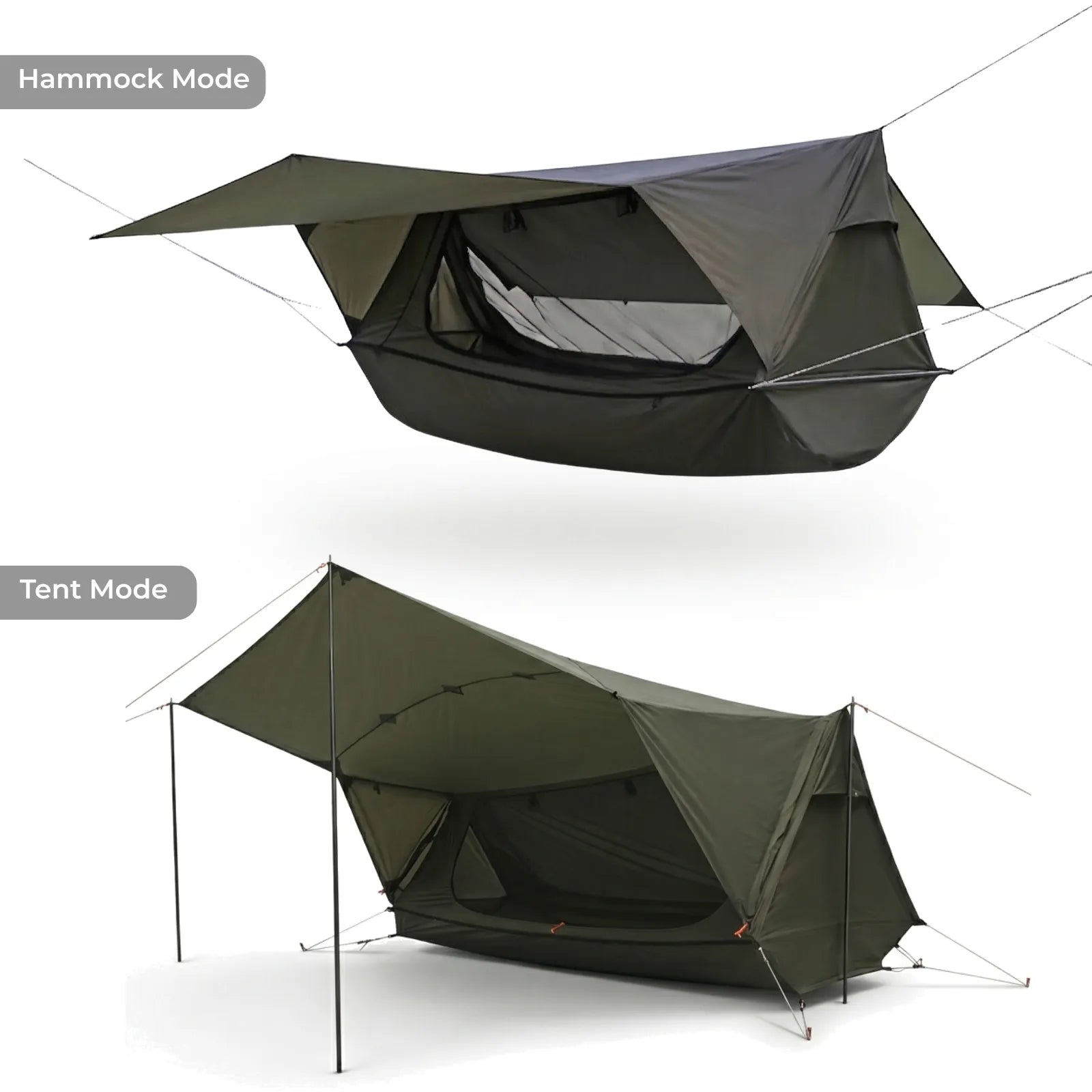
Šūpuļtīklā jūs esat iekārts gaisā.
Gaiss brīvi cirkulē zem auduma un aizvada siltumu prom no jūsu ķermeņa.
Guļammaiss šūpuļtīklā saspiež tā apakšējo siltumizolāciju pret šūpuļtīkla audumu, un šī saspiestā siltumizolācija nenodrošina nekādu siltumu.
Jūs galu galā nesat uz muguras lieku svaru, kas, iekāpjot iekšā, neko nedara.
Virsa sega kopā ar apakšējo segu sadala siltināšanas darbu: apakšējā sega aptver šūpuļtīkla apakšu, lai aizturētu siltu gaisu zem jums, bet virsa sega jūs sedz no augšas.
Katra detaļa apstrādā vienu termisko zonu.
Guļammaisa rāvējslēdzējs arī pretojas šūpuļtīkla dabiskajam kritumam.
Hamakas kemperi vietnē r/hammockcamping ziņo, ka mumijas tipa guļammaiss ierobežo diagonālo gulēšanas pozīciju, kas padara gulēšanu hamakā ērtu, savukārt sega dabiski pārklājas pāri ķermenim, nevelkot un nesavērpjoties kroku veidā.
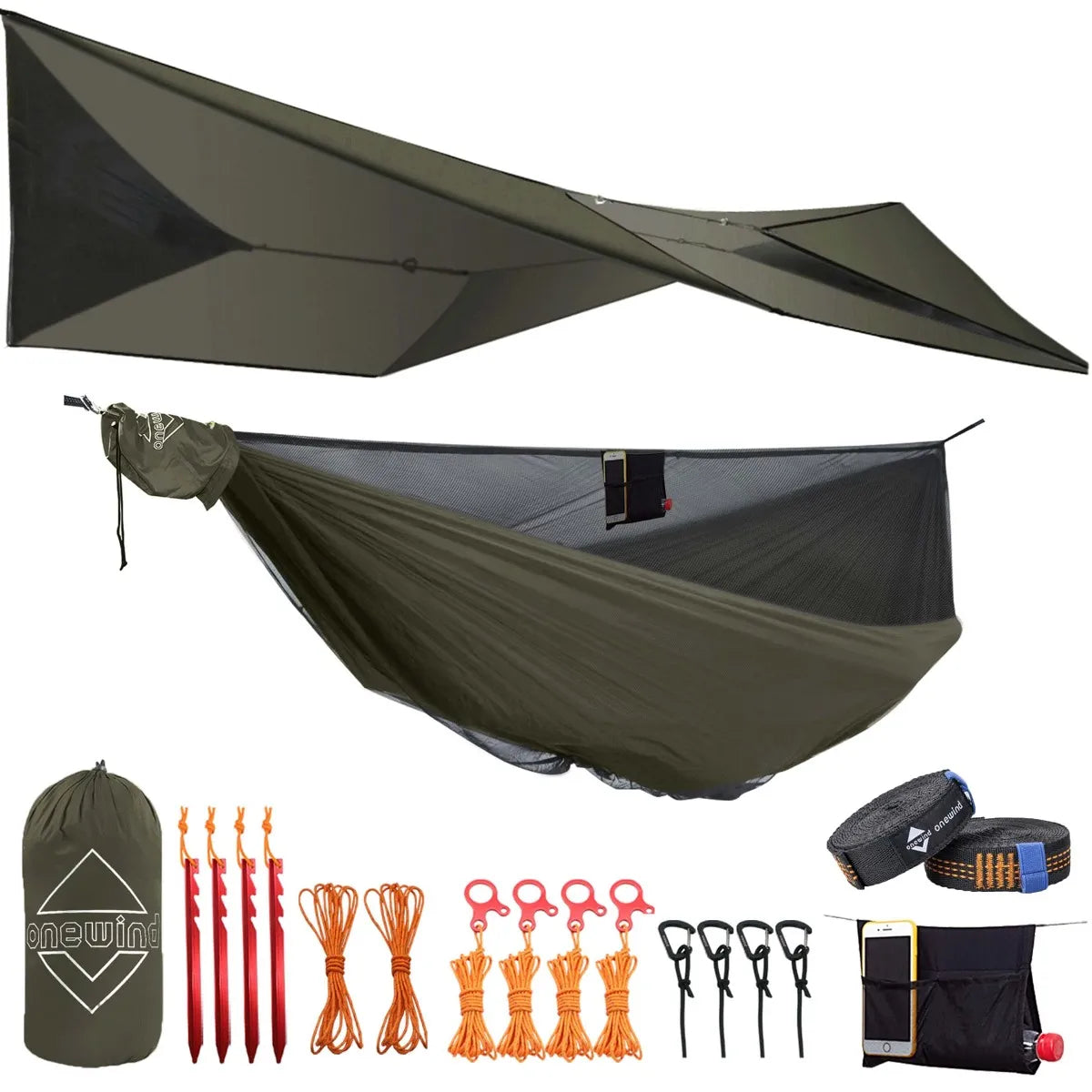
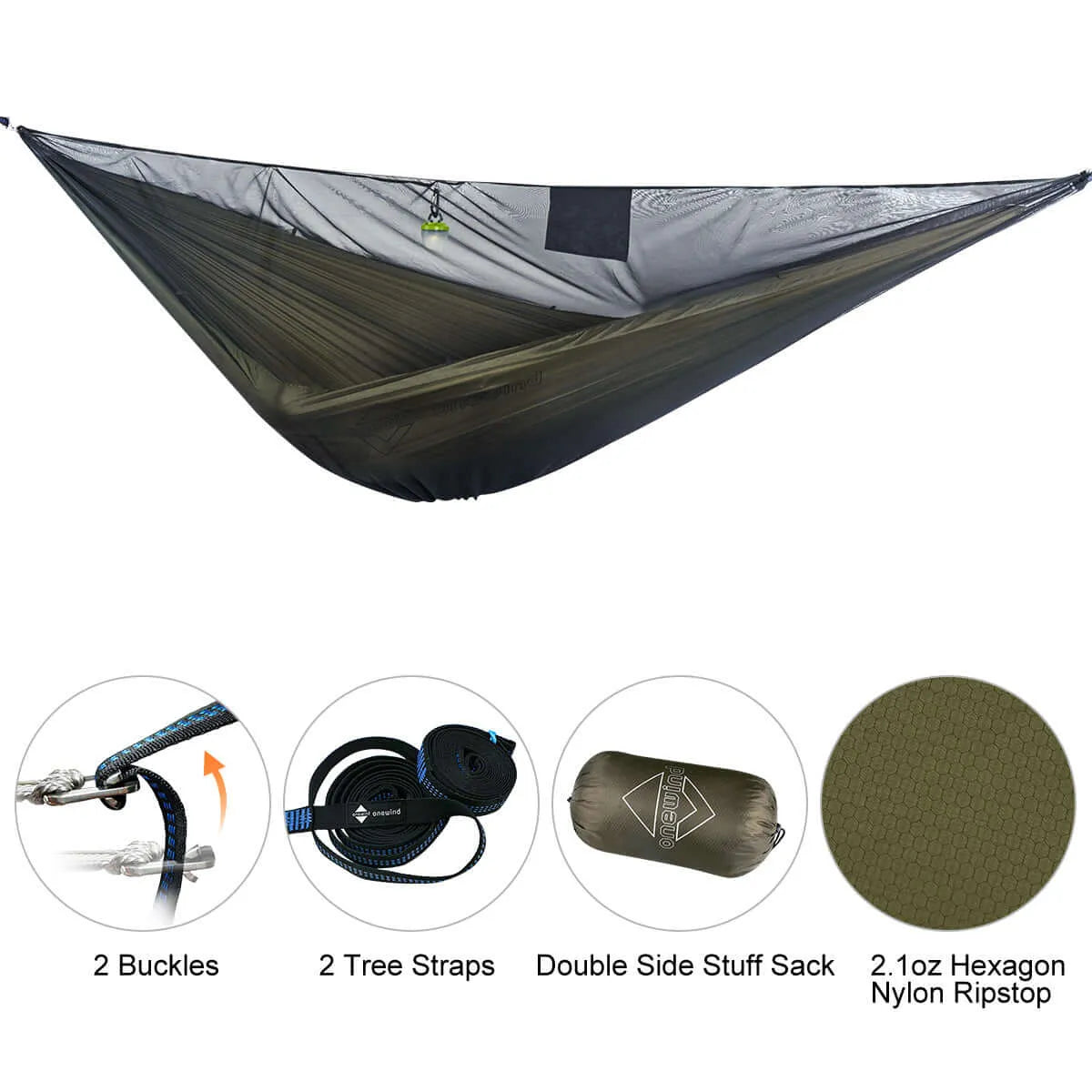
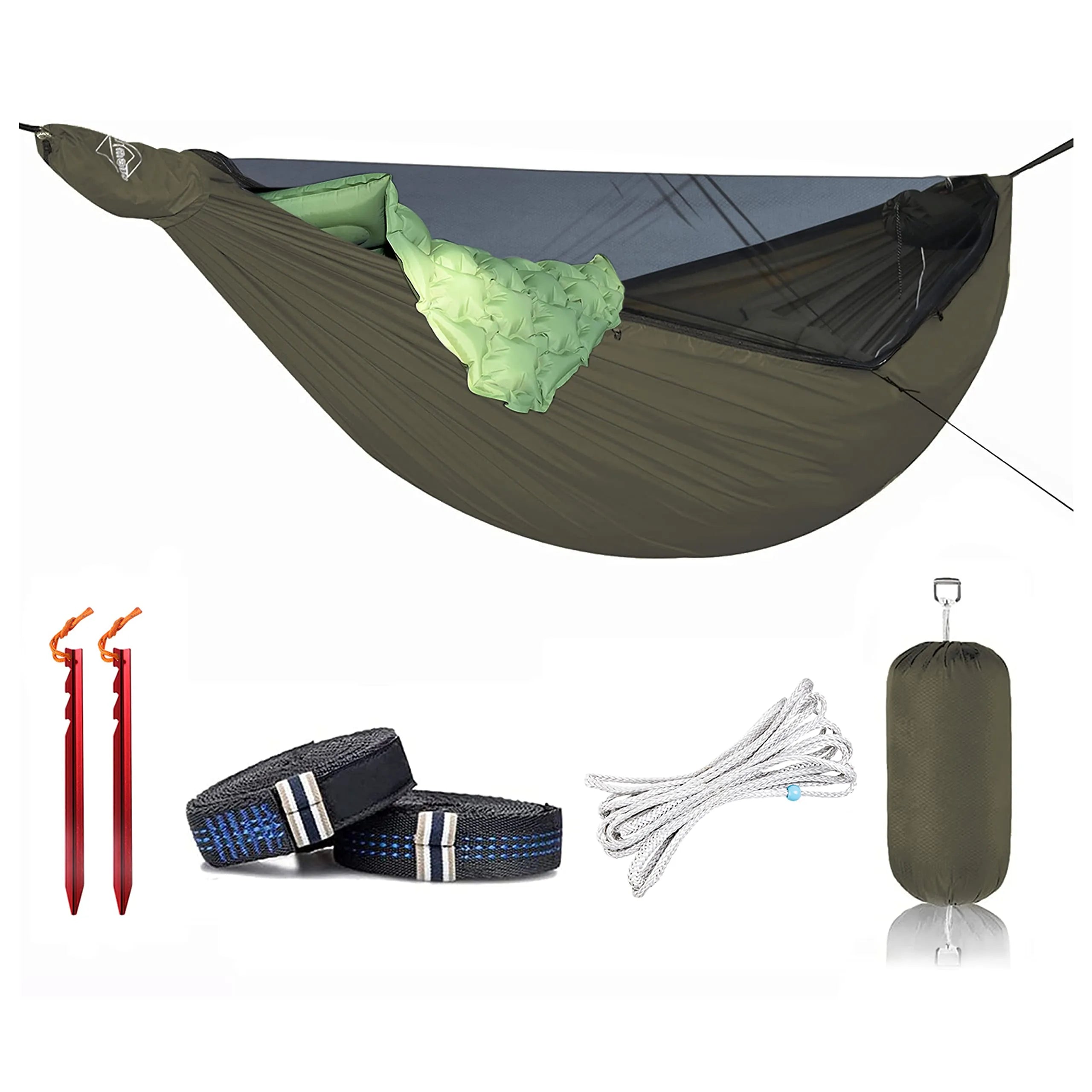
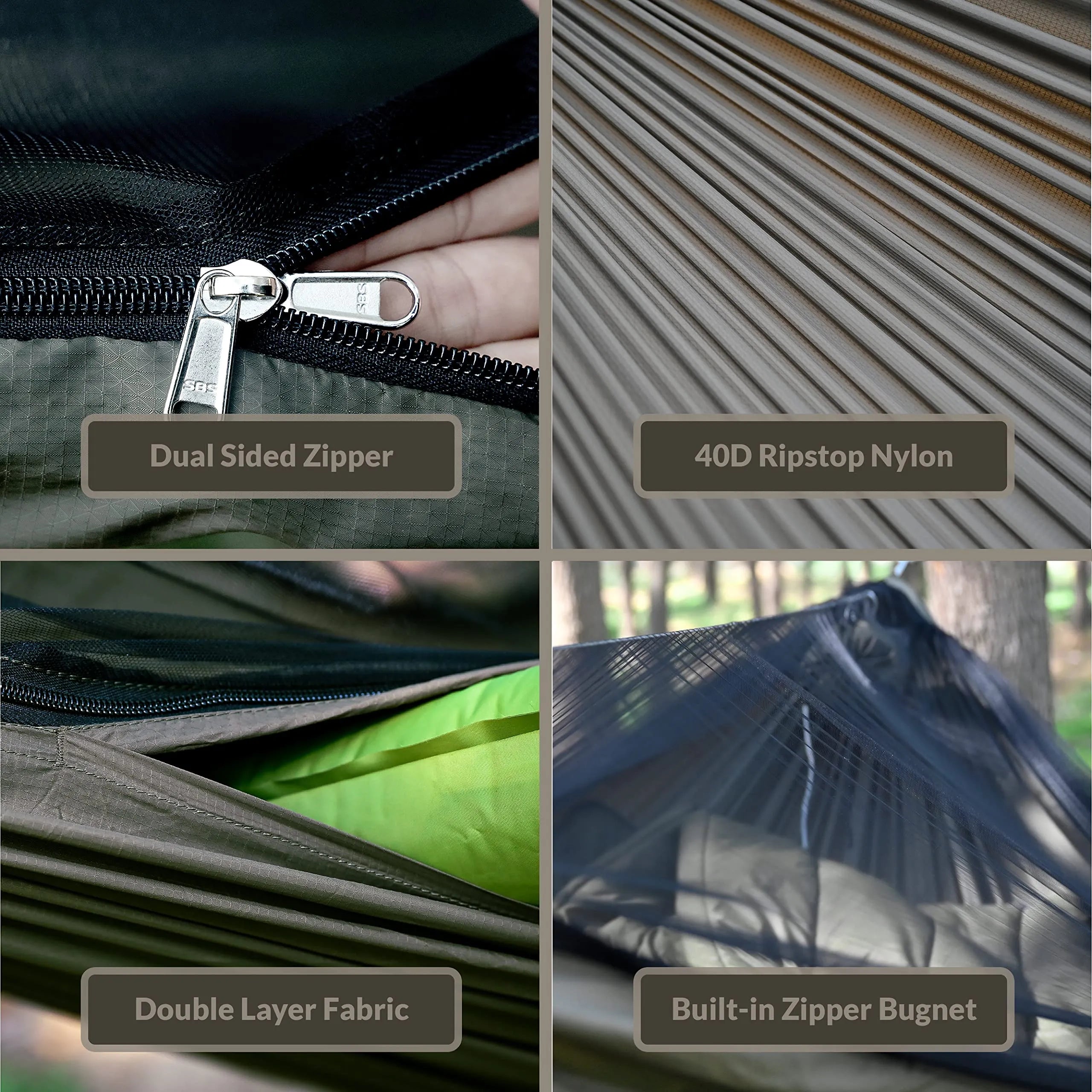
An` Onewind virssegs guļammaiss Kombinācijā ar atbilstošu apakšējo segu tā veido īpaši šim nolūkam izstrādātu izolācijas sistēmu, kur katrs pildījuma grams reāli nodrošina siltumizolāciju.
Tālāk redzamais termiskās attēlveidošanas salīdzinājums parāda siltuma zudumu atšķirību starp saspiesta guļammaisa apakšdaļu un apakšsegu ar saglabātu pildījuma biezumu.
{% include 'youtube-embed', id: 'yiOAbRJHQbE' %}
Infrasarkano staru ieraksts padara redzamu to, ko specifikāciju lapas apraksta tikai skaitļos: saspiesta izolācija spīd auksta, saglabāts apjoms spīd silts.
Šie vizuālie pierādījumi ir iemesls, kāpēc šūpuļtīklu kopiena pārgāja uz segu sistēmām ātrāk nekā zemes kempinga kopiena.
Spriedums: ja jūs nakšņojat šūpuļtīklā ar apakšsegu, virssega ir dabiska un funkcionāli pārāka izvēle. Guļammaiss tērē materiālu, palielina apjomu un traucē šūpuļtīkla gulēšanas pozīcijai.
Scenārijs 5: Karsts gulētājs vasarā
Jūs pārkarstiet guļammaisos pat maigā laikā.
Jūs taču vairumā vasaras nakšu tāpat atverat savu guļammaisu.
Segas šajā situācijā piedāvā izšķirošu priekšrocību, un šai priekšrocībai nav nekāda sakara ar svaru.
Segas guļammaiss ir sega ar pēdu nodalījumu.
Siltā laikā varat to brīvi pārklāt, temperatūrai pazeminoties, cieši pievilkt, vai arī pilnībā pacelt vienu pusi, lai dažu sekunžu laikā novadītu siltumu.
Guļammaisam ir jāatver rāvējslēdzējs, lai nodrošinātu ventilāciju, un rāvējslēdzēja atvēršana izjauc blīvējumu pret caurvēju, kas notur siltu gaisu iekšā.
Pēc izpakošanas guļammaiss kļūst par neveiklu segu, kas dabīgi nekrīt.
REI ceļvedī ir norādīts, ka segas ir daudzpusīga izvēle ne tikai pārgājieniem ar mugursomu, bet var kalpot arī kā papildu slānis auto kempingam vai vasaras ugunskuriem.
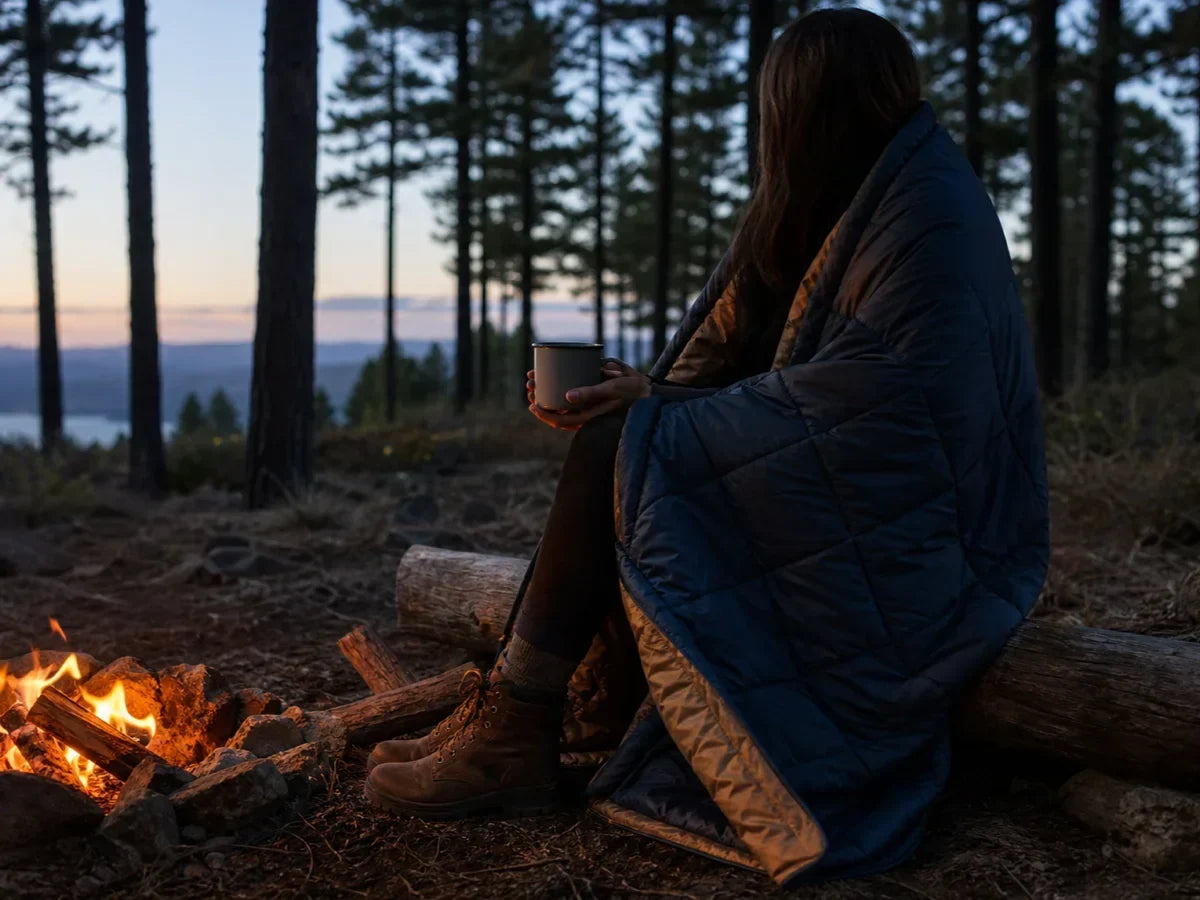
REI ceļvedī ir aprakstīta tipiska vasaras segas lietošanas kārtība: siltajās stundās to viegli pārklāj pāri kājām, bet, temperatūrai krītoties pirms rītausmas, uzvelc to augstāk un iestiprini.
62°F naktī šī pielāgošana aizņem divas sekundes.
62°F naktī guļammaisā jūs vai nu atverat rāvējslēdzēju un zaudējat aizsardzību pret caurvēju, vai arī paliekat aizvērts un pārkarstat.
Segas tipa guļammaiss piedāvā jums vidēju variantu, ko konstrukcijas ziņā nevar nodrošināt parastie guļammaisi.
Spriedums: karstiem gulētājiem un vasaras nometniekiem par pamatu vajadzētu izvēlēties segu. Iespēja dažu sekunžu laikā pielāgot pārklājumu pārspēj guļammaisa visu vai neko tipa noslēgumu.
Biežāk pieļautās kļūdas, kas sabojā jūsu pirmo segas vai guļammaisa braucienu
Es pārskatīju desmitiem ceļojumu pārskatu Reddit, Backpacker Magazine forumos un ekipējuma apskatu vietnēs, lai identificētu kļūmju modeļus, kas atkārtojas atkal un atkal. Katra zemāk minētā kļūda ir saistīta ar vienu un to pašu pamatcēloni: ekipējuma izvēli veikt pirms izolācijas sistēmas izpratnes.
Aprīkojums ir atkarīgs no sistēmas. 350 ASV dolāru guļammaiss nepareizā sistēmā neder tikpat slikti kā 50 ASV dolāru guļammaiss, un vilšanās tikai pieaug, jo pircējs no augstākas cenas gaidīja augstākas klases veiktspēju.
Ja sistēma ir nepareiza, nekāds papildu tēriņš problēmu neatrisinās.
Kļūda 1: Guļammaisa izmantošana šūpuļtīklā bez apakšējās izolācijas
Šis ir visbiežākais kļūmes veids r/hammockcamping kopienā.
Kemperis nopērk guļammaisu ar temperatūras reitingu 20°F, iekāpj šūpuļtīklā un nosalst.
Guļammaisa apakšējā izolācija tiek saspiesta pret šūpuļtīkla audumu un pilnībā zaudē savu apjomu.
Gaiss brīvi cirkulē zem šūpuļtīkla un izvada siltumu caur bezpildījuma apakšējo slāni.
Risinājums nav siltāks guļammaiss.
Risinājums ir apakšējā izolācija: apakšsedziņa, kas aptver šūpuļtīkla apakšpusi un saglabā pildījuma biezumu gaisa spraugā.
Kad pievienojat apakšsegu, guļammaisa apakšējā izolācija kļūst par lieku svaru, tāpēc šādā komplektācijā virssegu ir lietderīgāk izmantot.
2. kļūda: budžeta segas iegāde ar sliktu pēdu nodalījumu
Segas zem 150 $ bieži samazina izmaksas uz pēdu kastes dizaina rēķina.
Pēdu kabata ir slēgta kabata segas apakšdaļā, kur atrodas jūsu pēdas.
Slikti izstrādātai pēdu daļai ir vaļīgas šuves, plāna izolācija savienojuma punktos un spraugas, kas ļauj aukstam gaisam nonākt līdz jūsu pēdām.
Pēdas ir pirmā ķermeņa daļa, kas kļūst auksta, jo tās atrodas vistālāk no ķermeņa centra.
Ja jūsu pirmā pieredze ar segu ir saistīta ar aukstām pēdām, jūs secināsiet, ka segas nedarbojas.
Problēma nebija segas kategorijā.
Problēma bija konkrēta dizaina kļūme budžeta produktā.
Tādu mazāku ražotāju zīmoli kā Enlightened Equipment, Hammock Gear un UGQ izgatavo kāju daļas ar diferenciālu piegriezumu un nepārtrauktām starpsienām, kas novērš aukstuma zonas.
Atšķirība starp 120 ASV dolāru budžeta segu un 250 ASV dolāru kotedžas segu ir atšķirība starp sliktu pirmo iespaidu un uzticamu sistēmu.
Enlightened Equipment, Hammock Gear un UGQ visi publicē detalizētas pēdu daļas konstrukcijas fotogrāfijas savās produktu lapās. Pirms iegādājaties jebkuru segu, pārbaudiet, vai pēdu daļa izmanto nepārtrauktas starpsienas vai cauršūtas šuves. Nepārtrauktas starpsienas novērš aukstos punktus savienojuma vietās. Cauršūtas šuves rada plānas zonas, kur adatas caurumi saspiež pildījumu, un tieši šajās plānajās zonās rodas aukstas pēdas.
Kļūda 3: izlaižot paliktņa piestiprināšanas apguves posmu
Segas sega bez stiprinājuma pie paklājiņa ir sega, kas nakts vidū noslīd no jūsu guļampaklājiņa.
Lielākajai daļai segu ir siksnas vai auklas sistēma, kas savieno segas malas ar jūsu guļammaisu paklājiņu, izveidojot noslēgtu aploksni.
Switchback Travel apskatā norādīts, ka šīs stiprinājumu sistēmas dažādiem zīmoliem ievērojami atšķiras, un dažas ir paredzētas tieši konkrētiem paliktņiem.
Atsauksmju autori Garage Grown Gear un Reddit konsekvent ziņo, ka pirmā nakts ar segu ietver 15–20 minūtes ilgu ķimerēšanos ar elastīgajām auklām galvenluktura gaismā.
Līdz trešajam braucienam lielākajai daļai kempinga cienītāju izdodas piestiprināšanu veikt nepilnās divās minūtēs.
Kļūda ir padoties pēc pirmās neveiklās nakts.
Budžetējiet divus līdz trīs pārgājienus kā ielaušanās periodu, pirms vērtējat, vai segas sistēma jums der.
Kļūda 4: Pārmērīgi lieli tēriņi pirms pirmā ceļojuma
350 ASV dolāru dūnu sega ir slikts ieguldījums, ja nekad neesi pavadījis nakti ārpus telpām.
Tas pats attiecas arī uz 400 ASV dolāru guļammaisu.
Augstākās kvalitātes siltumizolācijas izstrādājumi ir paredzēti cilvēkiem, kuri zina savu kempinga stilu, pajumtes veidu un temperatūras diapazonu.
Ja jūs vēl nezināt šos mainīgos, jūs nevarat pieņemt pamatotu pirkuma lēmumu.
Pirmajās divās izbraukšanās izmantojiet aizlienētu vai budžeta aprīkojumu.
Izsekojiet, kas jūs traucēja: vai jums bija pārāk karsti, pārāk auksti, pārāk smagi, pārāk apjomīgi?
Šie dati precīzi parāda, ko uzlabot un ko paturēt.
The Onewind 11 pēdu kempinga šūpuļtīkls Savienošana ar sākuma līmeņa apakšsegu ir viens no veidiem, kā pārbaudīt šūpuļtīkla sistēmu, neieguldot uzreiz pilnā premium komplektācijā.
Kļūda 5: Uzticēšanās temperatūras vērtējumiem bez komforta rezerves
Temperatūras vērtējumi uz segām un guļammaisiem nosaka izdzīvošanas robežu, nevis komforta robežu.
Maiss ar temperatūras reitingu līdz 20 °F nozīmē, ka jūs izdzīvosiet pie 20 °F, nevis ka jūs ērti gulēsiet pie 20 °F.
Komforta vērtējums parasti ir par 10–15 °F augstāks nekā robežvērtējums.
Segām šī atstarpe ir vēl lielāka, jo tās ir pakļautas caurvējam.
Reddit r/ultralight vienprātība ir tāda, ka segām jāparedz papildu 10°F komforta rezerve, salīdzinot ar to, ko jūs paredzētu guļammaisam.
Ja paredzamā nakts zemākā temperatūra ir 35 °F, 25 °F guļammaiss nodrošinās jums komfortu.
Tām pašām ceļojumam paredzētai segai jābūt paredzētai līdz 20 °F.
Tas nav dizaina trūkums segās.
Tas ir atvērtās mugurpuses konstrukcijas rezultāts, kas vispirms padara segas vieglākas un daudzpusīgākas.
Ātrās lēmuma pieņemšanas kontrolsaraksts
Izmantojiet šo kontrolsarakstu pirms nākamā ekipējuma pirkuma.
Visos scenārijos kopīgais jautājums ir viens un tas pats: kas nodrošina jūsu apakšējo izolāciju?
Atbildiet uz to vispirms. Kad būsiet noskaidrojuši, vai guļammaisa paklājiņš vai apakšsegu pārvalda apakšējo siltuma zonu, augšējās izolācijas izvēle sašaurināsies līdz vienai vai divām iespējām, nevis desmitiem.
Es analizēju REI, Switchback Travel, Enlightened Equipment un Backpacker Magazine pētījumus, lai izstrādātu šī raksta ietvaru. Avoti ir vienisprātis par fiziku. Kur tie atšķiras, ir pārejas punkts, un atbilde ir atkarīga no jūsu pajumtes, temperatūras diapazona un jūsu gatavības ieguldīt 2–3 pārgājienus, lai apgūtu jaunu sistēmu.
Guļammaiss mēģina veikt abus uzdevumus un tērē materiālu apakšdaļai.
Segas pončo labi veic vienu uzdevumu un paļaujas uz īpaši paredzētu paliktni vai apakškabata sega rīkoties ar otru.
Hammoku kempinga cienītājiem sistēmas līmeņa atbilde ir skaidra: virssegas un apakšsegas kombinācija nodrošina tieši šim nolūkam paredzētu siltumizolāciju, kur katrs pildījuma grams tiek izmantots lietderīgi.
Zemes nometņotājiem atbilde ir atkarīga no jūsu svara prioritātes, temperatūras diapazona un tā, vai esat gatavs ieguldīt 2–3 braucienus caurvēja pārvaldības apguvē.
Jebkurā gadījumā lēmums nav saistīts ar produktu.
Lēmums attiecas uz sistēmu.