
Vedenpitävä bivy-pussi kuulostaa yksinkertaiselta lupaukselta.
Sade pysyy ulkona.
Makuualusta pysyy kuivana.
Aitojen bivy-yöpyminen ei ole niin yksinkertaista.
OutdoorGearLabin bivy-testauksen kategorioiden mukaan säänsuoja, mukavuus, pakkauskoko ja ilmanvaihto on arvioitava erikseen.
Tuo erottelu selittää, miksi vedenpitävä kuori voi hylkiä sateen ja silti jättää peiton kosteaksi aamuun mennessä.
Kysymys ei ole siitä, kestääkö ulkokangas vettä.
Kysymys kuuluu, pysyykö koko nukkumisjärjestelmä kuivana sateen jälkeen ulkona, sisällä tiivistyvän kosteuden, alla olevan märän maan ja sisäänkäynnillä olevan märän varustuksen vaikutuksesta huolimatta.
Mitä opit
- ✓ Käytä nelisuuntaista kosteuskarttaa ennen vedenpitävän bivy-säkin valintaa.
- ✓ Erota vedenpitävät, hengittävät ja vettähylkivät väitteet arvailematta.
- ✓ Rakenna märän yön varustus, joka suojaa peiton, saappaat, repun ja sisäänkäynnin.
- ✓ Päätä, milloin the Erittäin kevyt SoloVent-bivy-teltta, Yksin Skyshade-teltto, tai pressun peittävyys on parempi sisäinen ratkaisu.
- ✓ Tiedä, milloin turvallisempi vaihtoehto on yhden hengen teltta tai suurempi suoja.
Tämä opas ei toista perusvastausta siihen Mikä on bivy-pussi?.
Se olettaa, että ymmärrät jo, että bivy suojaa nukkumisjärjestelmää enemmän kuin leiripaikkaa.
Tässä painopiste on kapeampi: miten pysyä kuivana matalassa suojassa ilman, että oma kosteus jää loukkuun sisälle.
Pikavastaus
Vedenpitävä bivy-säkki on hyvä varuste lyhyille retkille, joissa retkeilijä voi hallita ilmanvaihtoa, leiripaikan valintaa ja varusteiden sijoittelua.
Se on huono korvike teltalle, kun matka vaatii oleskelutilaa.
Oletussääntö on yksinkertainen.
Jos tarvitset vain kuivan nukkumapaikan, vedenpitävä bivy-tyyppinen suoja voi olla järkevä valinta.
Jos tarvitset kuivassa leirissä tehtäviä toimia, lisää pressu tai valitse suurempi suoja.
Neljän suuntaan kosteuskartta
Tämä kartta on koko artikkeli.
Useimmat vedenpitävyyteen liittyvät virheet tapahtuvat, koska retkeilijä ratkaisee vain yhden rivin taulukosta.
He ostavat kuoren, joka kestää sateen, ja unohtavat, että hengitys on yhä suojan sisällä.
He valitsevat vedenpitävän kankaan ja nukkuvat matalalla salaojapussilla.
Ne suojaavat peiton ja jättävät saappaat ulos myrskyyn.
Ne tuulettavat hyvin, kunnes sade alkaa, sitten sulkevat kaiken ja heräävät kosteina.
Vedenpitävä bivy-säkki on arvioitava järjestelmänä.
Ulkokangas on vain yksi osa tuota järjestelmää.
Maa, sisäänkäynti, tuuletusaukko ja varustesuunnitelma ovat yhtä lailla todellisia.
Vedenpitävä vs hengittävä vs vettä hylkivä
Vedenpitävä ja hengittävä eivät ole toistensa vastakohtia, mutta käytännössä ne kilpailevat keskenään.
Vedeltä suojaava kuori on arvokas, kun sade, roiskeet tai kaste uhkaavat nukkumisjärjestelmää.
Hengittävyys on tärkeää, koska nukkuja tuottaa kosteutta koko yön ajan.
Vedenkestävyys voi riittää tarpapeitteen alla tai kuivissa ilmastoissa.
Se ei riitä avoimessa sateessa.
Virhe on siinä, että näitä sanoja kohdellaan järjestyksenä.
Parempi kysymys on, minkä kosteuslähteen sinun täytyy ratkaista.
Jos ongelmana on rankkasade, kuori ja kaltevuus ratkaisevat.
Jos ongelma on hengityksen kosteus, ilmanvaihdolla ja sisätilavuudella on merkitystä.
Jos ongelmana on märkä sisäänkäynti, pressu voi ratkaista enemmän kuin paksumpi bivy-kuori.
Mikä vedenpitävä kangas oikeasti suojaa
Bivypussi suojaa ensisijaisesti makuujärjestelmää.
Se ei suojaa koko leiriä.
Tuo ero merkitsee eniten silloin, kun sade alkaa pimeän tultua.
Peittosi voi pysyä kuivana, vaikka reppusi kastuu.
Jalkasi voivat pysyä suojassa, vaikka saappaat keräävät vettä.
Kuoresi voi kestää sadetta, mutta sisäpuoli voi muuttua kosteaksi.
Siksi vedenpitävän bivyn käyttäjät usein yhdistävät suojan huolelliseen leiripaikan valintaan tai pieneen tarppiin.
Ulkokuori hoitaa yhden tehtävän.
Leirirutiini hoitaa loput.
Kondensaatio ei ole tuotevika
Video: kompaktin bivy-suojan kondensaatio- ja pystytysnäkökohdat
Kondensaatio on fysiikkaa, ei brändin loukkaus.
Matala vedenpitävä suoja sisältää hyvin vähän ilmatilavuutta.
Hengityksesi lisää kosteutta.
Kehon lämpösi siirtää kosteutta.
Märät sukat, kosteat aluskerrokset ja sadekuoret lisäävät vielä enemmän.
Redditin ultrakevyiden varusteiden keskusteluissa tämä jakautuminen näkyy selvästi.
Jotkut käyttäjät rakastavat sen pientä tilantarvetta ja nopeaa käyttöönottoa.
Toiset jättävät bivy-leiriytymisen, koska kosteuden hallinta tuntuu liian hankalalta.
Molemmat reaktiot ovat järkeviä.
Suoja toimii parhaiten retkeilijöille, jotka pitävät ilmanvaihtoa osana pystytystä eivätkä jälkikäteen mietittävänä asiana.
Avaa ilmankierto ennen kuin sisäpuoli tuntuu märältä.
Pidä eriste poissa kuorelta.
Tarkista jalkaosa aamulla.
Sitten vaihda seuraavaan asetukseen sen sijaan, että syyttäisit vain kangasta.
Kun pressu kuuluu sen ylle
Video: vedenpitävän bivy-tyylisen suojan ja kompaktin pressu-/telttaratkaisun vertailu
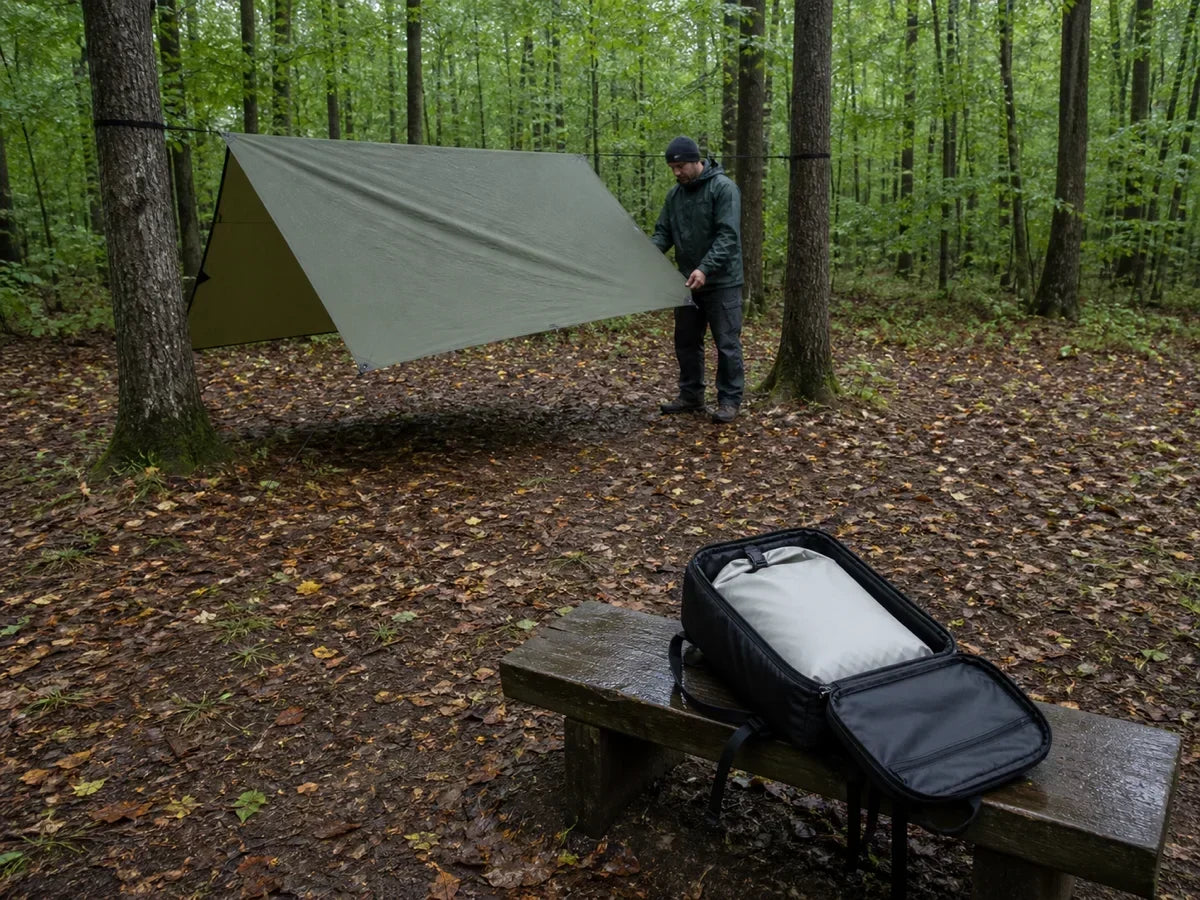
Pressu ei ole vain sadevakuutus.
Se on kuiva työtila.
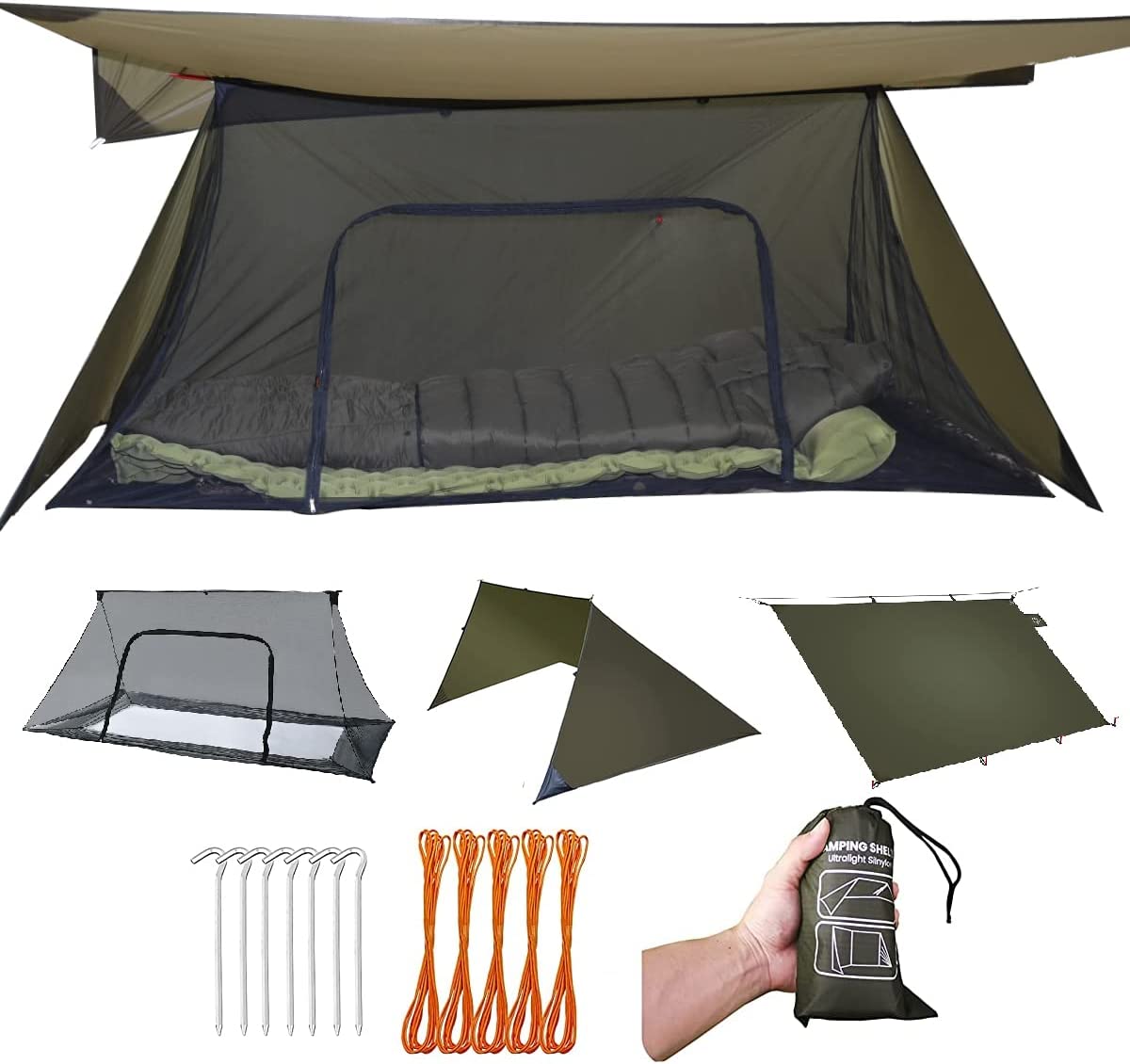
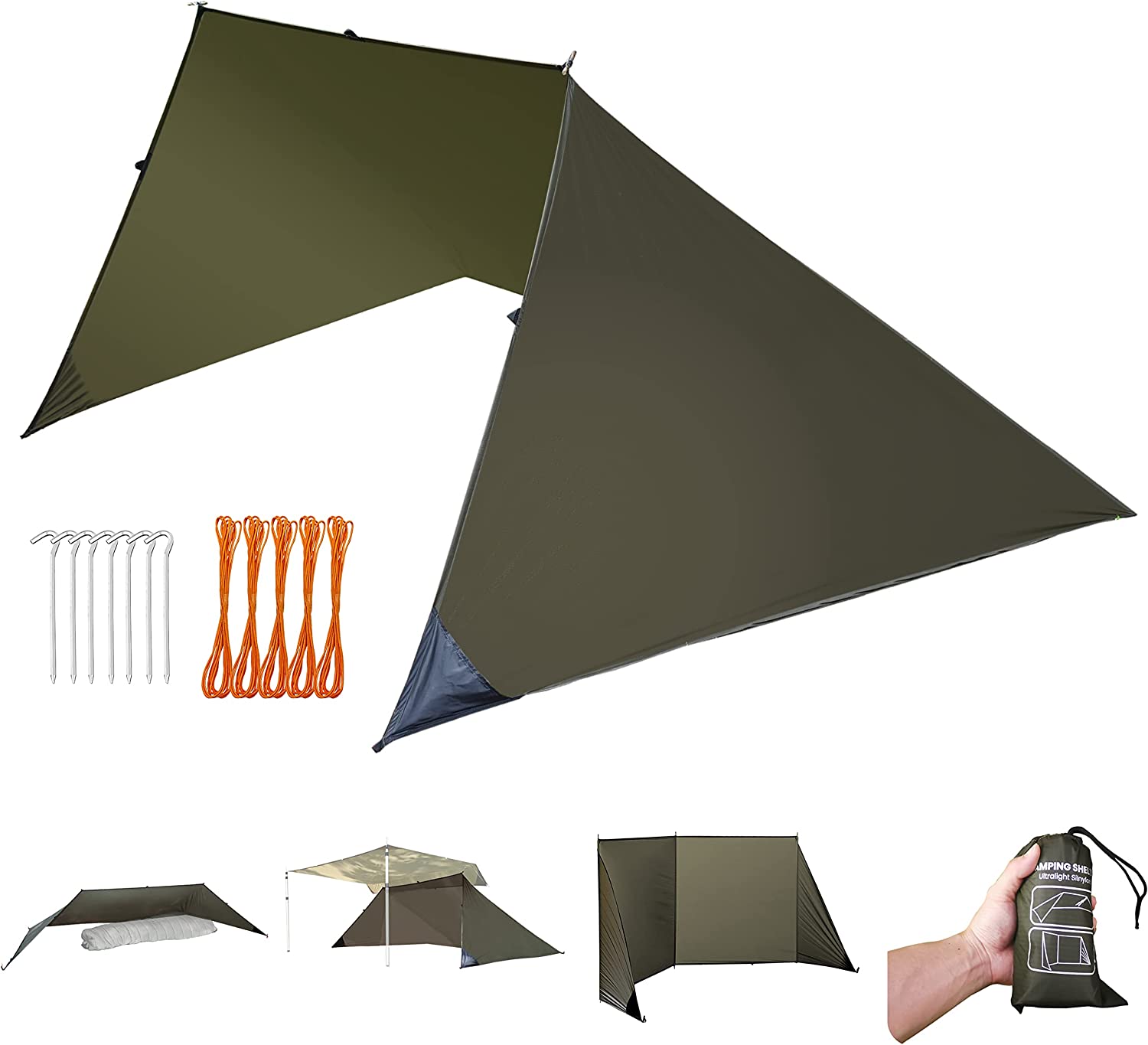
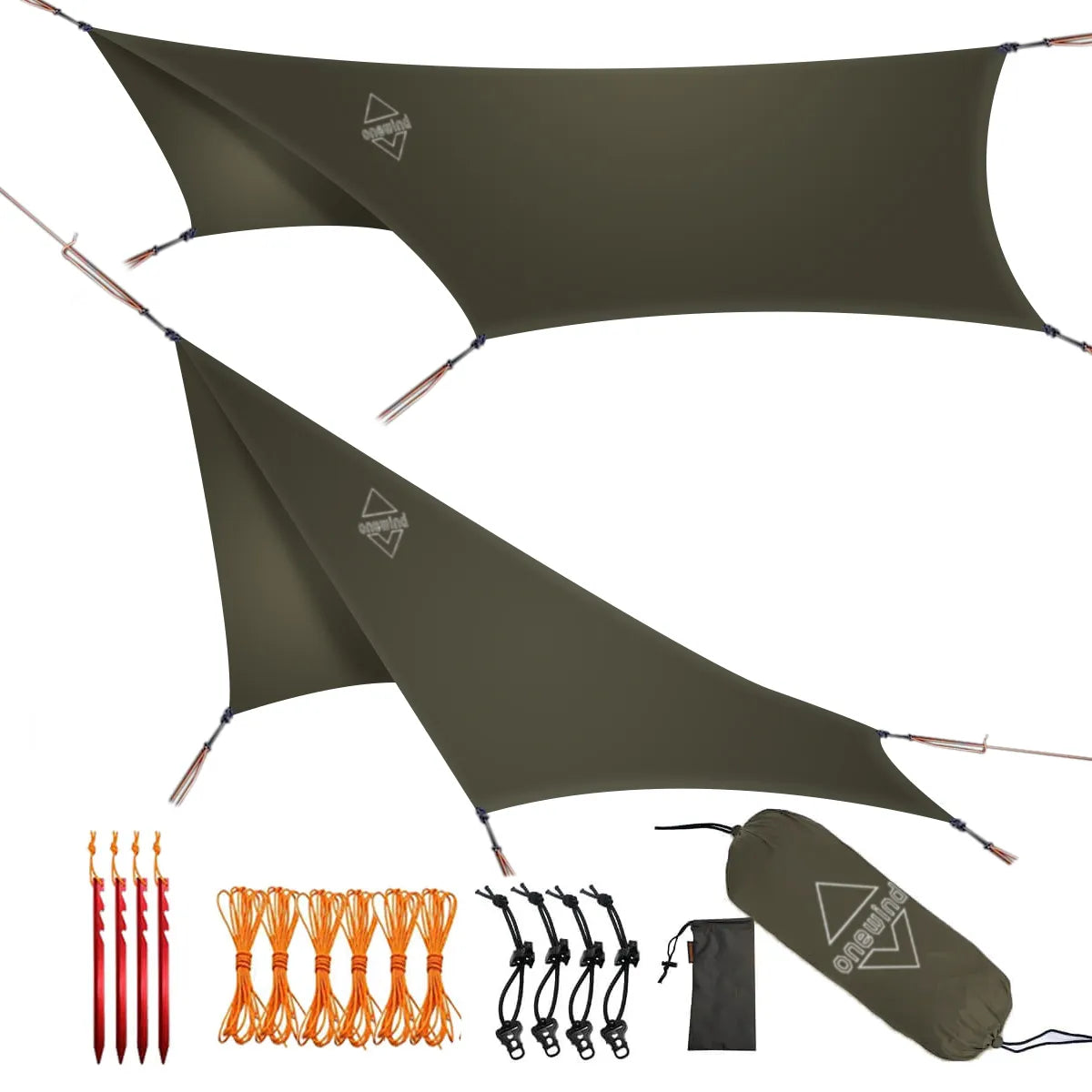
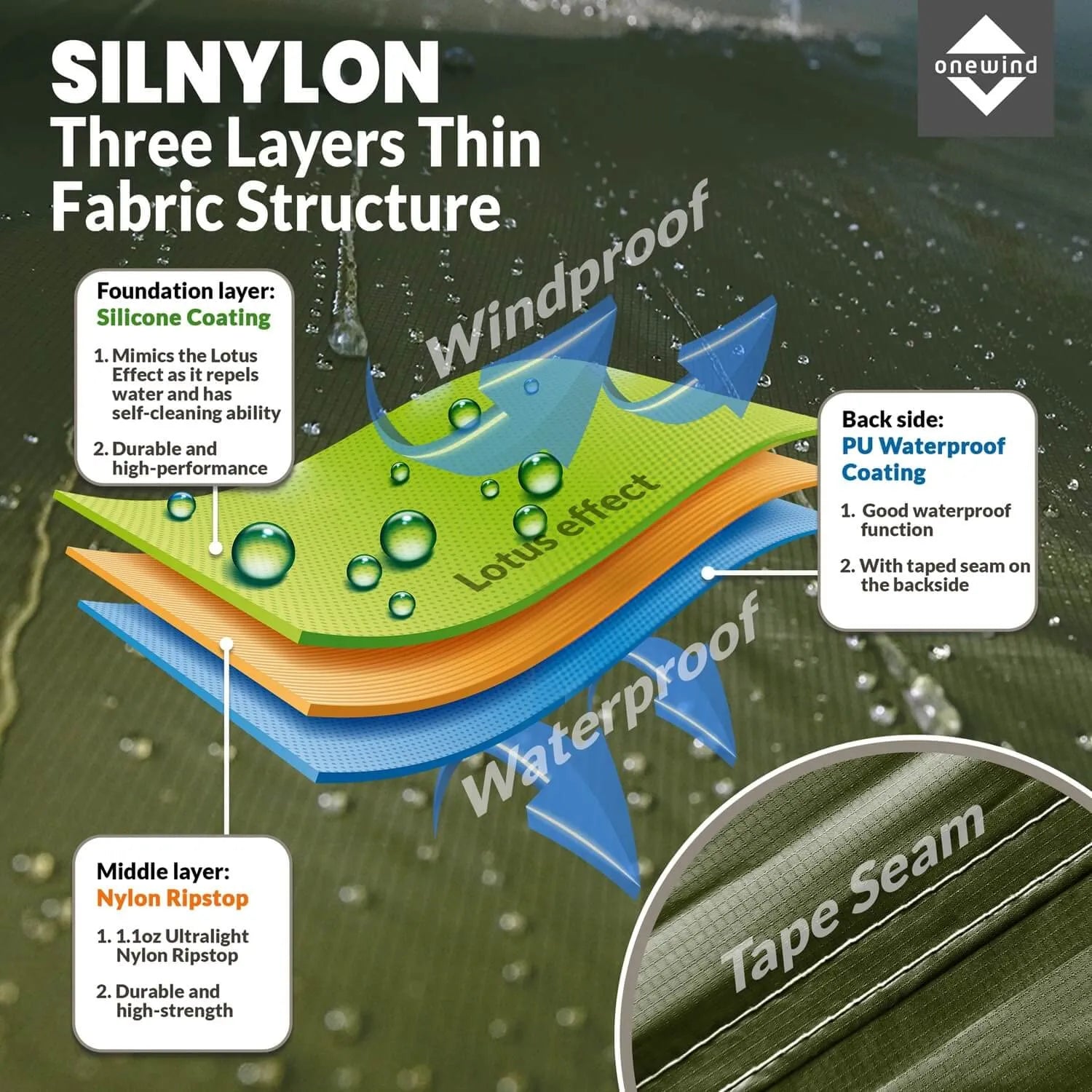
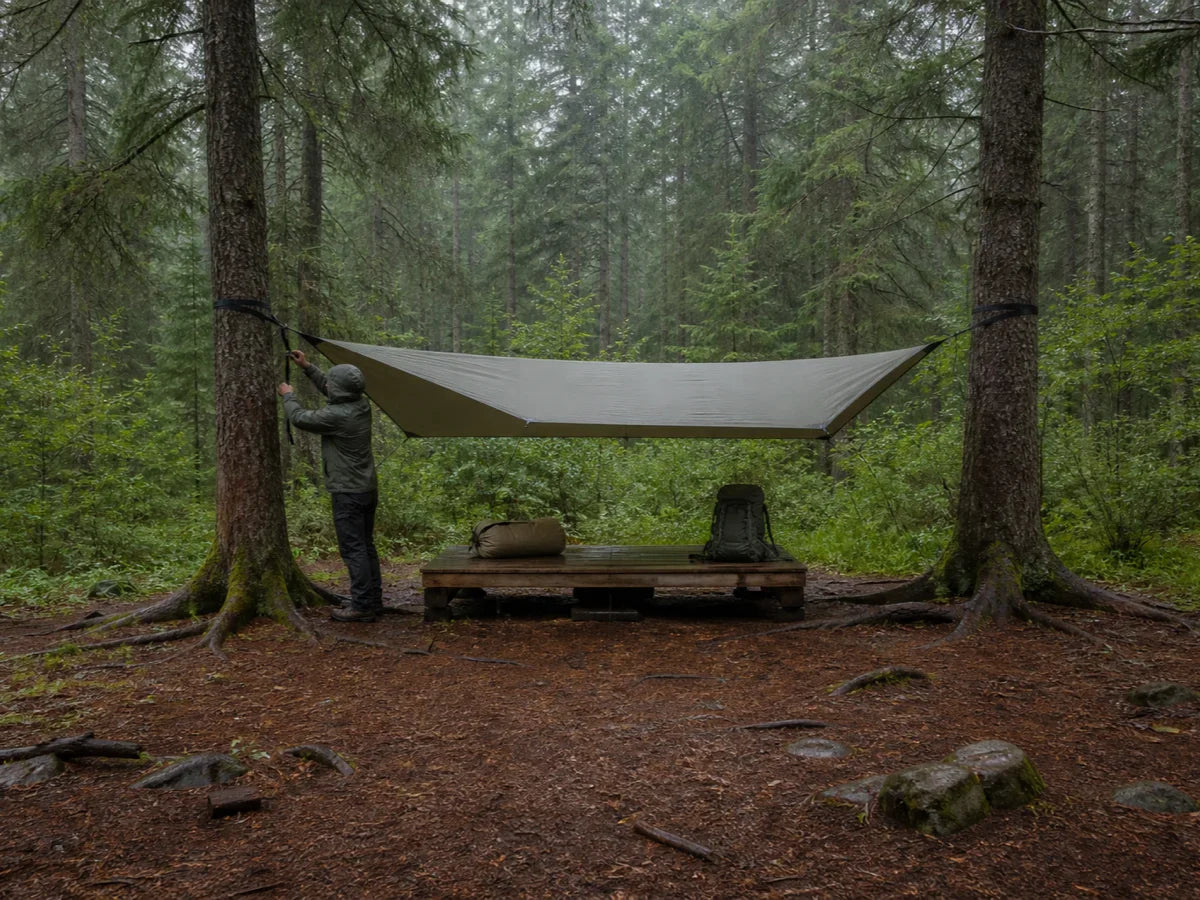
The Onewind 12 jalan silnylon-suojapeite kuuluu keskusteluun, kun sääongelma ulottuu pidemmälle kuin peitto.
Se antaa saappaiden asettua paikalleen.
Se antaa pakkaukselle suojatun alueen.
Se antaa bivyn aukon hengittää samalla kun sade sataa.
Se vähentää riskiä, että märät hihat tai likaiset kädet kuljettavat vettä nukkumatilaan.
Jos retkellä on sadetta, kastetta tai märän varusteen käsittelyä, pressun suoja parantaa järjestelmää usein enemmän kuin täysin tiiviimmän bivy-kuoren tavoittelu.
Märkäyöasennuksen työvaiheet
Pystytä ennen pimeää, jos sade on mahdollinen.
Matalat suojat rankaisevat hätäisiä päätöksiä.
Aloita maasta.
Älä tee maahan upotusta vain siksi, että paikka on tasainen.
Etsi luonnollinen vedenpoisto ja kestävä pinta.
Sitten katso ylös.
Puiden latvuspeite voi vähentää suoraa sadetta, mutta oksista voi edelleen tippua vettä pitkään myrskyn päättymisen jälkeen.
Suuntaa aukko poispäin tuulesta ja valumavedestä.
Laita otsalamppu, vesi ja sadesuoja sellaiseen paikkaan, josta yllät niihin ilman, että joudut raahaamaan märkiä varusteita sisälle.
Avaa ilmanvaihto ennen nukkumaanmenoa.
Aamu kertoo totuuden.
Kosketa seinää, peitteen jalkopäätä, makuualustan reunaa ja pään aluetta.
Jos ne ovat kosteat, seuraava pystytys vaatii muutoksen.
Missä Ultralight SoloVent -bivouacteltta sopii käytettäväksi
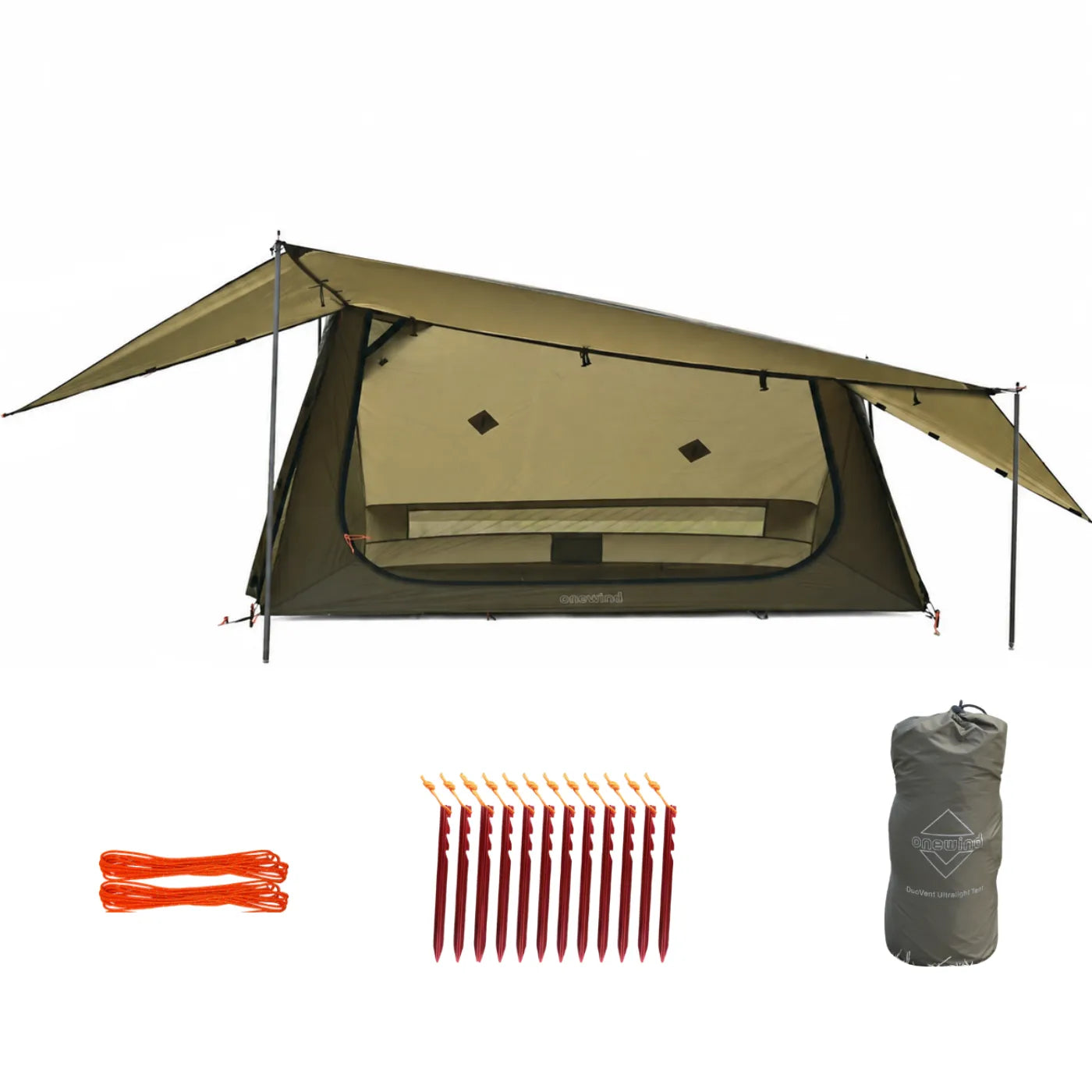
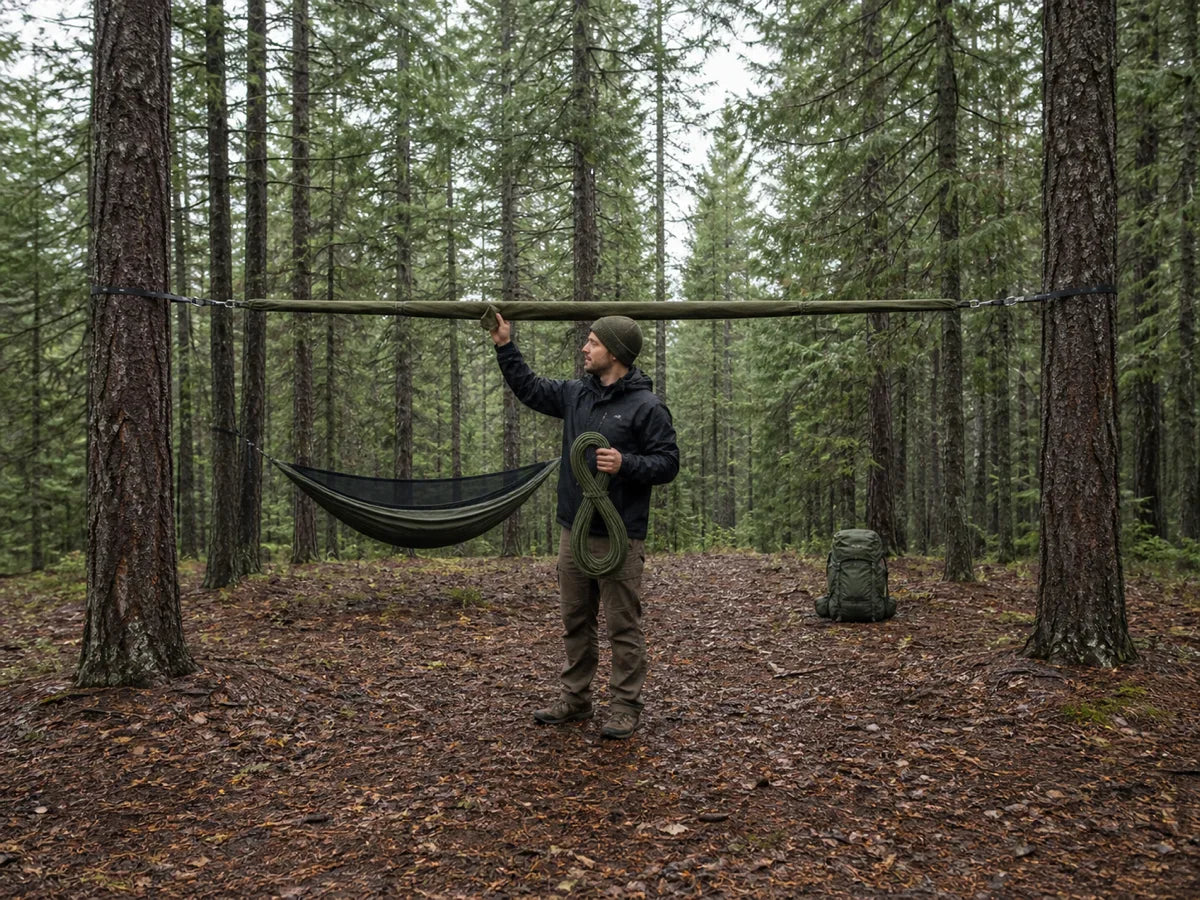
The Erittäin kevyt SoloVent-bivy-teltta Sopii tähän artikkeliin, kun lukija haluaa vedenpitävää bivy-tyylistä suojaa, jossa on enemmän rakennetta kuin litteässä säkissä.
Tuo rakenne on tärkeä kosteuden kannalta, koska se voi auttaa pitämään verkkomateriaalin ja kuoriosan poissa kasvojen alueelta.
Se voi myös estää kankaan roikkumisen eristeen päälle, kun se pystytetään oikein.
Se ei muodosta eteistilaa.
Se ei muuta märkää leiriä telttahuoneeksi.
Käytä sitä uneen keskittyvällä kaistalla.
Jos lukija tarvitsee enemmän suojattua työskentelyaluetta, lisää pressun peittoa tai siirry suurempaan suojaan.
Mihin Solo Skyshade Tartent sopii
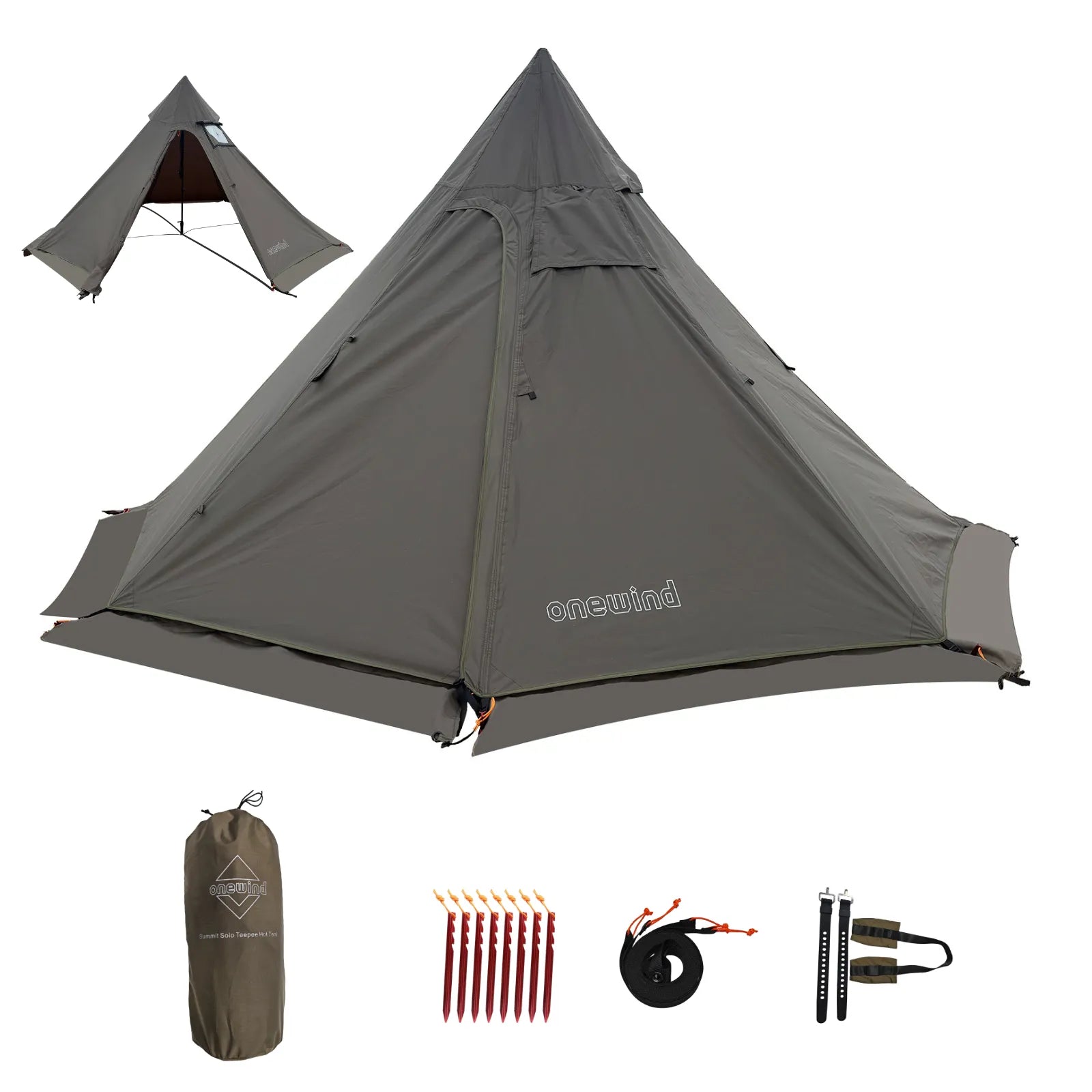
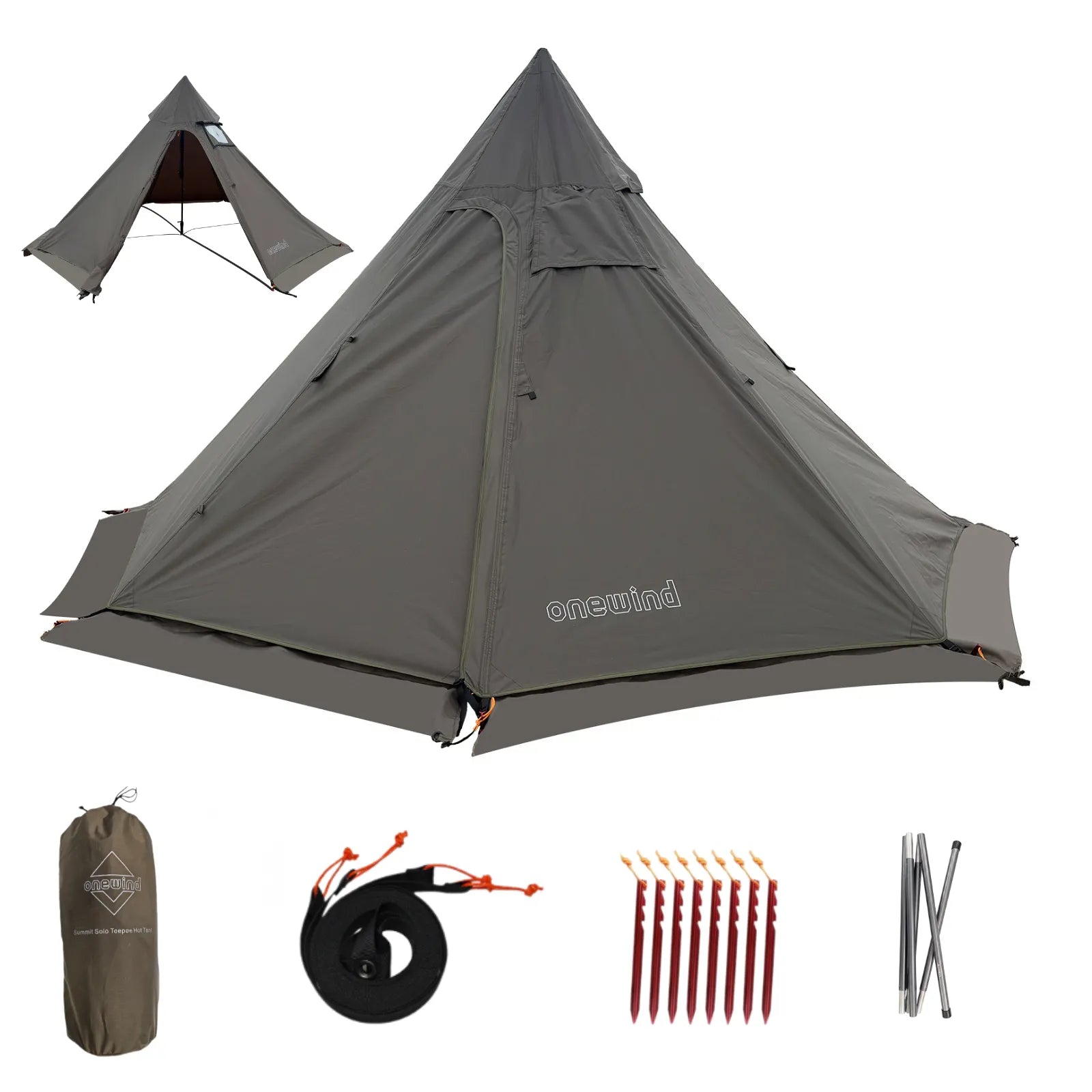
The Yksin Skyshade-teltto onko sisäpuolinen tila tarkoitettu lukijalle, joka haluaa enemmän pään yläpuolista tilaa kuin tavallinen vedenpitävä bivy-säkki tarjoaa.
Se on hyödyllistä mainita tässä, koska monet vedenpitävän bivy-pussin haut liittyvätkin todellisuudessa pelkoon.
Lukija haluaa tietää, heräävätkö he märkänä.
Joskus vastaus ei ole toinen kuori.
Joskus vastaus on muodoltaan enemmän suojakatosta sisäänkäynnin ympärillä.
Käytä tätä tuotekokonaisuutta yksin retkeileville, jotka haluavat matalan suojan, jossa on enemmän pressu- tai teltanomaista luonnetta.
Älä esitä sitä taikaratkaisuna kaikkiin märän sään telttailutilanteisiin.
Skenaario 1: Runsas kaste yön aikana
Tuomio: käytä vedenpitävää bivy-tyylistä suojaa, mutta tuuleta ajoissa.
Kova kaste on hyvä käyttökohde vedenpitävälle bivy-pussille, jos retkeilijä ei sekoita kastesuojaa suljettuun nukkumiseen.
Kuori auttaa pitämään ulkopuolisen kosteuden poissa peitosta.
Tuuletusaukko estää sisäisen kosteuden muuttumasta uudeksi ongelmaksi.
Valitse salaojitettu maa.
Pidä eriste keskellä.
Jätä riittävä ilmankierto.
Jos saappaat ja reppu ovat tärkeitä, peitä ne ennen nukkumaanmenoa.
Aamukaste on ennustettavaa.
Suunnittele se ennen kuin siitä tulee märkä varuste.
Skenaario 2: Lyhyt yksin tehtävä reppuretki
Tuomio: valitse vedenpitävä bivy-kokonaisuus, jos retkellä painopiste on nukkumisessa.
Lyhyt yksin tehtävä matka on alue, jossa tämä kategoria on vahvimmillaan.
Retkeilyvaunu hyötyy pienestä jalanjäljestä ja kompaktista pakkauskoosta.
Suojan tarvitsee vain mahdollistaa nukkuminen, ei koko leirirutiinia.
Silti asennuksen on oltava harkittu.
Pakkaa pohjapiirros.
Tiedä, minne märät kerrokset laitetaan.
Harjoittele sisään- ja ulospääsyä ennen matkaa.
Jos reitti sisältää pitkiä leiriytymisaikoja, suojattua ruoanlaittoa tai vaatteiden vaihtamista sateessa, bivy on väärä väline.
Skenaario 3: Pyöräretkeilijä, jolla on sateen riski
Tuomio: valitse bivy vain, jos sinulla on varustesijoittelusuunnitelma.
Pyörävaeltajat välittävät usein pakatun teltan muodosta enemmän kuin suojan varsinaisesta tilasta.
Vedenpitävä bivy-tyylinen ratkaisu voi sopia tähän rajoitteeseen hyvin.
Heikko kohta on märät varusteet.
Pyöräilykengät, kypärä, sadekuori ja laukut eivät katoa, vaikka suoja olisi matala.
Käytä kuivapusseja.
Valmistele julkaisu.
Lisää pressun suojaus, kun sadetta on todennäköisesti.
Jos pyöräretkireitillä on toistuvasti kosteita öitä, tilavampi suoja voi olla tilan arvoinen.
Skenaario 4: Märkä sää ja tarp-valinta
Päätelmä: lisää sadesuojapeitto, kun märät tehtävät ovat tärkeitä.
Vedenpitävä bivy-kangas suojaa nukkujaa.
Pressukatto suojaa nukkujan ympärillä olevaa aluetta.
Tuo ero on koko märän sään päätöksen ydin.
Jos vain ryömit sisään, nukut ja lähdet, bivy voi olla riittävä.
Jos sinun täytyy järjestellä varusteita, vaihtaa kerroksia tai pitää tuuletusaukot auki sateen sattuessa, pressusuojaus on turvallisempi ratkaisu.
Jos sinun täytyy asua leirissä sään armoilla, vertaile laajempaa bivy-kopan ja teltan vertailuopas ennen kuin pakotat bivy-vastauksen.
Skenaario 5: Aloittelija valitsemassa bivyy- tai teltan välillä
Tuomio: älä tee märästä säästä ensimmäistä bivy-kokemustasi.
Aloittelijat voivat käyttää vedenpitäviä bivy-tyylisiä suojia, mutta ensimmäisen testin pitäisi olla tylsä.
Takapihalla tai leudon sään harjoittelu opettaa sisään- ja uloskäynnin, ilmanvaihdon ja varusteiden valmistelun ilman painetta.
Sade lisää liian monta muuttujaa kerralla.
Jos aloittelija haluaa mahdollisimman vähän stressaavan ensimmäisen retken, yhden hengen teltta on helpompi.
Jos he haluavat opetella bivy-taitoja, aloita kuivissa olosuhteissa, tarkista aamun kosteus ja lisää vaativampaa säätä myöhemmin.
Yleiset virheet vedenpitävien bivypussien kanssa
Kuvio on yksinkertainen.
Retkeilijät ostavat vedenpitävyyttä ja unohtavat kosteudenhallinnan.
Se aiheuttaa huonoja bivy-yöitä, vaikka kuori tekisi sen, minkä lupasi.
Vedenpitävä bivy-säkki ei ole suljettu kapseli.
Se on matala suoja, joka tarvitsee ilmavirtausta, vedenpoistoa ja säännöllisen puhdistusrutiinin.
Virhe 1: Jokaisen ilmanvaihtoaukon sulkeminen
Kaikkien tuuletusaukkojen sulkeminen tuntuu turvalliselta sateella.
Se voi tehdä sisäpuolesta kosteamman aamuun mennessä.
Korjauksena on suojattu ilmavirta.
Suuntaa aukot poispäin tuulesta.
Käytä hyttysverkkoa, kun ötököitä on paikalla.
Lisää pressukate, jos sade pakottaa aukon jatkuvasti suljetuksi.
Jos ainoa tapa pysyä suojassa on sulkea suoja täysin, retki saattaa tarvita suuremman suojan tilavuuden.
Virhe 2: Maan jättäminen huomiotta
Vedenpitävä kangas yläpuolellasi ei korjaa huonoa maata alapuolellasi.
Matalat taskut keräävät valumavettä.
Märkä ruoho voi kastella pohjan ja viilentää nukkumisjärjestelmää.
Kestävä, kohotettu maaperä on tärkeämpää kuin täydellisen tasaiselta näyttävä paikka.
Käytä tarvittaessa maavaatetusta.
Vältä ilmeisiä salaojitusreittejä.
Tarkista, mihin vesi virtaisi, jos sade alkaisi keskiyöllä.
Virhe 3: Märkien varusteiden käsitteleminen jälkiajatuksena
Märät varusteet ovat usein todellinen bivy-ongelma.
Saappaat tarvitsevat paikan.
Pakkaus tarvitsee paikan.
Sadevaatteiden veden on valuttava johonkin muualle kuin peittoon.
Päätä tämä ennen kuin avaat bivyn.
Käytä kuivapussia, repun sisävuorta, pressun reunaa tai katettua valmistelualuetta.
Älä ratkaise unitilaa ja jätä huomiotta kaikki sen ympärillä.
Virhe 4: Ostat vedenpitävän, kun tarvitset huoneen
Vedenpitävä bivy-pussi voi suojata unta.
Se ei voi luoda tilaa.
Jos sinun täytyy nousta istumaan, vaihtaa kerroksia, järjestellä koko rinkka tai valvoa sään yli odottaen, tuoteryhmä on väärä.
Se ei tee bivyistä huonoja.
Se tarkoittaa, että retki tarvitsee erilaisen suojan.
Käytä the bivy-teltan opas jos haluat jäsennellyn välimuodon.
Käytä shelter-kokoelmaa, jos oikea vastaus on enemmän suojaa.
Lopullinen tarkistuslista
Tarkista tämä lista ennen matkaa, älä vasta ensimmäisen kostean yön jälkeen.
Pystytä teltta päivänvalossa.
Makuualustan ja peiton kanssa sisällä.
Sulje se sille tasolle, jolla aiot käyttää sitä.
Avaa sitten ne tuuletusaukot, joihin aiot luottaa.
Tartu vesipulloon ja otsalamppuun.
Poistu vetämättä peittoa märälle maalle.
Jos rutiini on käytännössä kömpelö, korjaa se ennen sadetta.
Lopullinen tuomio
Vedenpitävä bivy-säkki on hyödyllinen, kun tehtävänä on kompakti yhden hengen nukkumissuoja.
Se epäonnistuu, kun retkeilijä odottaa vedenpitävän kankaan ratkaisevan kaikki kosteusongelmat.
Arvioi koko järjestelmä: sade ulkona, kondenssivesi sisällä, märkä maa alla ja varusteet sisäänkäynnillä.
Jäsenneltyä uneen keskittyvää polkua varten aloita Erittäin kevyt SoloVent-bivy-teltta.
Lisää pressu-/telttatyylinen yläosan muoto, vertaa Yksin Skyshade-teltto.
Märkäkulkua ja varusteiden väliaikaista sijoittamista varten lisää se Onewind 12 jalan silnylon-suojapeite tai selaa laajempaa Onewindin suojamallisto.

Shop Ultralight SoloVent Bivy Tent
Shop Now →