
40 asteen päivä tasaisessa sateessa voi ajaa sinut hypotermiaan nopeammin kuin kuiva yö pakkasen puolella, eikä siitä mainita useimmissa sadeohjeissa.
Jokainen artikkeli patikoinnista sateessa kehottaa sinua pysymään kuivana.
Andrew Skurka, joka on opastanut tuhansia vaelluspolkumailia, sanoo sen suoraan: pitkäkestoisessa sateessa kuivana pysyminen on "todennäköisesti mahdoton tavoite".
Vertasin tusinaa sadeoppaita siihen, mitä erämaasääketieteen lähteet ja kokeneet vaeltajat todella sanovat, ja ero oli joka kerta sama.
Listat optimoivat kuivuutta, ja kuivuus on väärä tavoite.
Sade muuttuu vaaralliseksi vasta silloin, kun se tekee sinut kylmäksi, joten todellinen taito on pysyä lämpimänä ja turvassa märkänä ollessa, ei jahdata kuivuutta, jota et koskaan pysty säilyttämään.
Tämä opas antaa sinulle kolme sääntöä, jotka muuttavat sateen uhasta lähinnä harmiksi, ja ohjaa jokaisen varustevalinnan syvempään oppaaseen, jotta voit keskittyä taitoihin.
Mitä opit
Rakensin tämän pysymään lämpimänä ja turvassa, en ostoslistan ympärille, koska varusteet ovat helppo osa ja päätökset ovat se, mikä pitää sinut hengissä.
Tässä on, mitä kukin osio käsittelee.
Pikavastaus
Et pysy kuivana vaeltaessasi sateessa, vaan pysyt lämpimänä ja turvassa ja pärjäät märkänä.
Sade muuttuu vaaralliseksi vasta kylmyyden kautta, joten tee lämmöstä tavoite, suojaa yksi kuiva vaatekerta ja kunnioita sateen aiheuttamia vaaroja.
Tämän oppaan loppuosa selittää, miksi kukin vaihe on sellainen kuin on, ja miten palat sopivat yhdeksi järjestelmäksi.
Pysy lämpimänä, älä kuivana: kolme sääntöä
Kuinka nauttia vaeltamisesta sateessa!
Lopetin taistelun sadetta vastaan sinä päivänä, kun ymmärsin, että kastuminen on ihan okei, ja kylmyys on se, mikä tekee kipeää.
Sadevaeltajalla on kolme tehtävää, eikä yksikään niistä ole kuivana pysyminen.
Ensimmäinen on pysyä lämpimänä, sillä uhkana on hypotermia, ei vesi.
Toinen on suojata kykyäsi lämmetä uudelleen, mikä tarkoittaa yhden kuivan vaatesetin ja nukkumisjärjestelmäsi pitämistä pyhinä.
Kolmas on kunnioittaa asioita, joita sade kirjoittaa uudelleen polulle, sillä liikkuva vesi ja salamat ovat se, mikä todella tappaa ihmisiä.
Hanki kaikki kolme oikein, ja sade on vain harmillinen pikkuhaitta, josta voit jopa nauttia.
Yksi ainoa virhe, ja leuto, tihkusateinen iltapäivä voi muuttua todelliseksi hätätilanteeksi.
Sääntö 1: Pysy lämpimänä, sillä kylmyys on todellinen uhka
Sateessa vaeltamisen vaara ei ole vesi, vaan se, mitä vesi tekee kehon lämpötilallesi.
NOLS:n erämaalääketieteen asiantuntijoiden mukaan "märkä vaatetus ja iho lisäävät merkittävästi hypotermian riskiä", minkä vuoksi märkä 45 asteen päivä on vaarallisuudeltaan kuivaa kylmää päivää riskialttiimpi.
Redditin r/WildernessBackpackingissa eräs vaeltaja sanoi ansan suoraan ja selkeästi: kokeneet rinkkaretkeilijät “tunsivat olonsa kylmemmäksi ja epämukavammaksi 4 °C:ssa kaatosateessa kuin pakkasen puolella lumessa ja kuivassa pakkasessa.”
Se ei ole marginaalinen mielipide; se on se data, joka selittää, miksi märkä kylmyys on ovelampi vaara, koska vesi johtaa lämpöä kehostasi huomattavasti nopeammin kuin paikallaan pysyvä ilma samassa lämpötilassa.
Joten koko homman ydin on lämmön tuottamisessa ja säilyttämisessä märkänä.
Pidä liikkeessä, sillä lihaksesi ovat uunisi, mutta älä puske niin kovaa, että kastat kerroksesi sisältäpäin.
Se on se osa, jonka listaukset jättävät mainitsematta: jopa täydellinen ulkopuolinen vedenpitävyys jättää sinut märäksi sisään jääneen hien takia, joten pukeudu hieman viileäksi juoksua varten ja avaa tuuletusaukot nousuissa sen sijaan, että sulkeudut täysin.
Älä koskaan käytä puuvillaa, josta REI varoittaa, että se "pidättää vettä, myös hikiäsi, ja viilentää sinua", mikä on ketjureaktio, joka "voi johtaa hypotermiaan"; villa ja synteettiset materiaalit säilyttävät lämmittävyytensä myös kosteina.
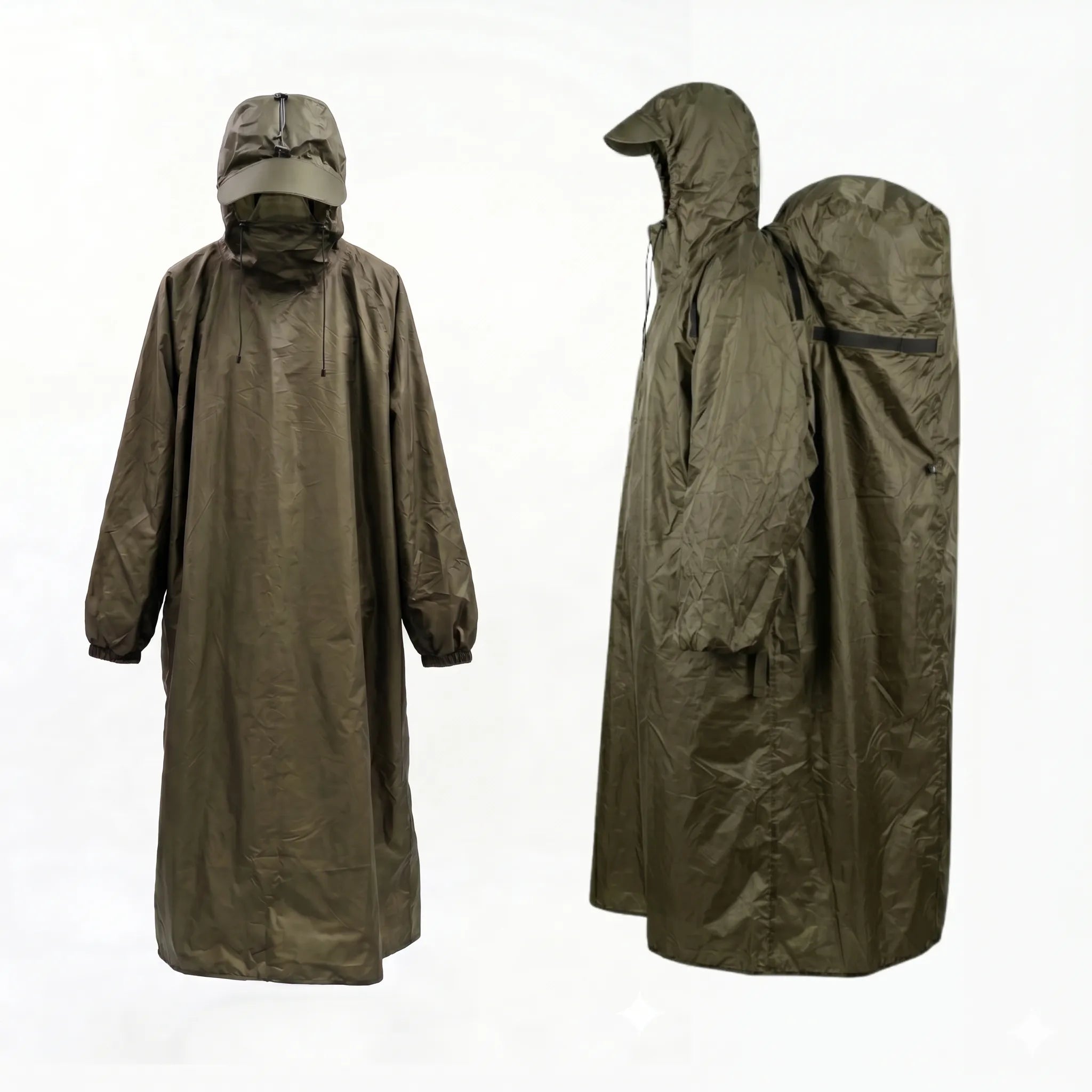
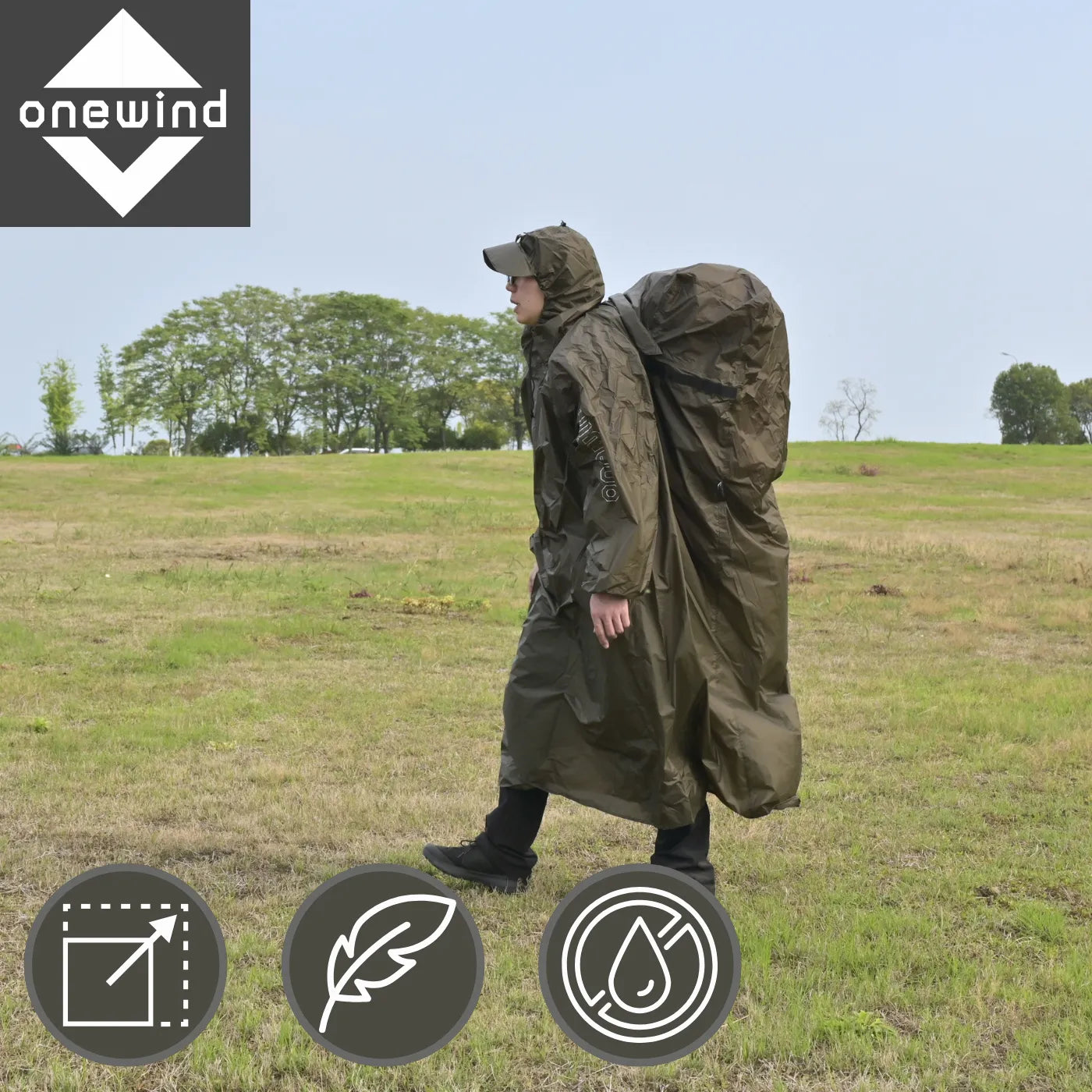
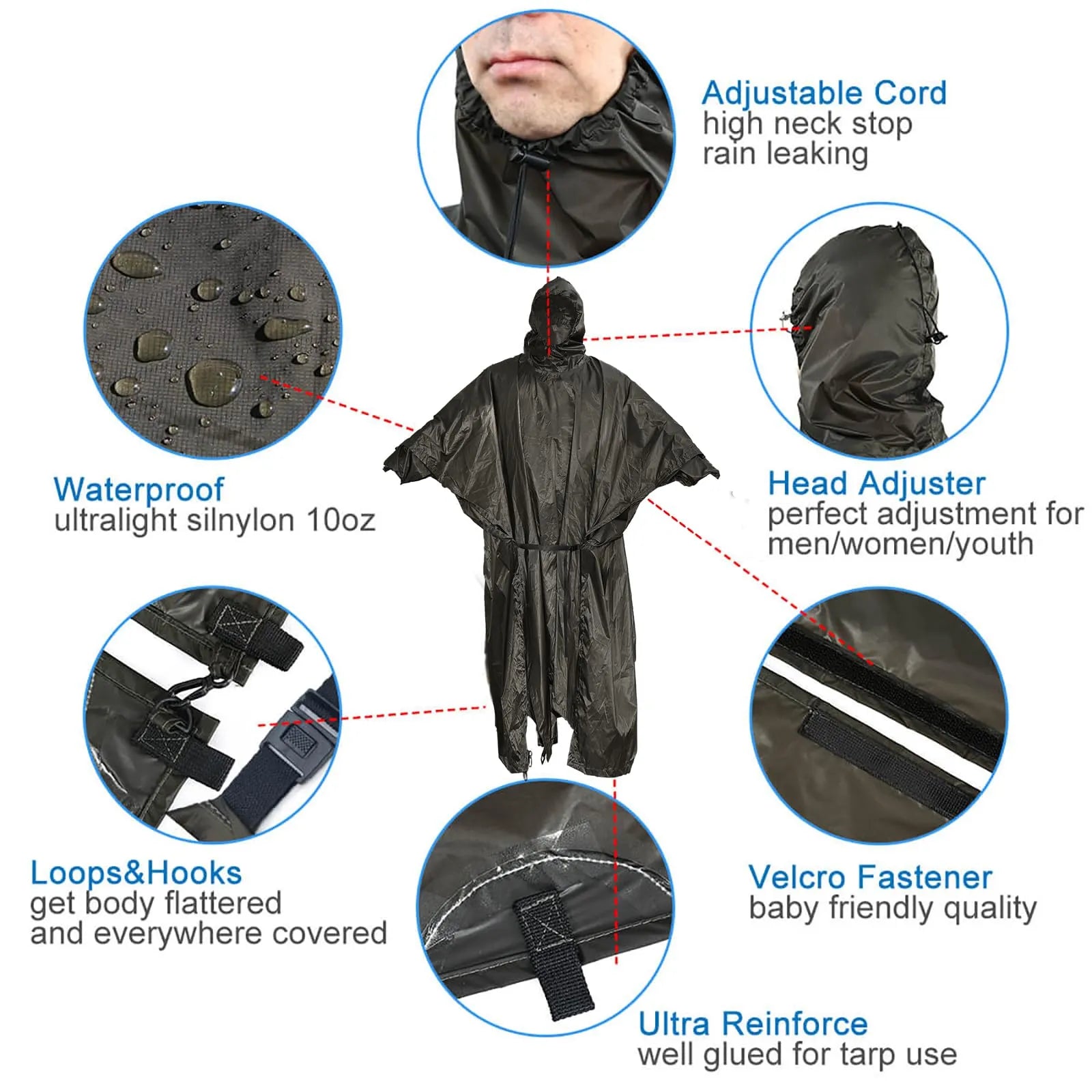
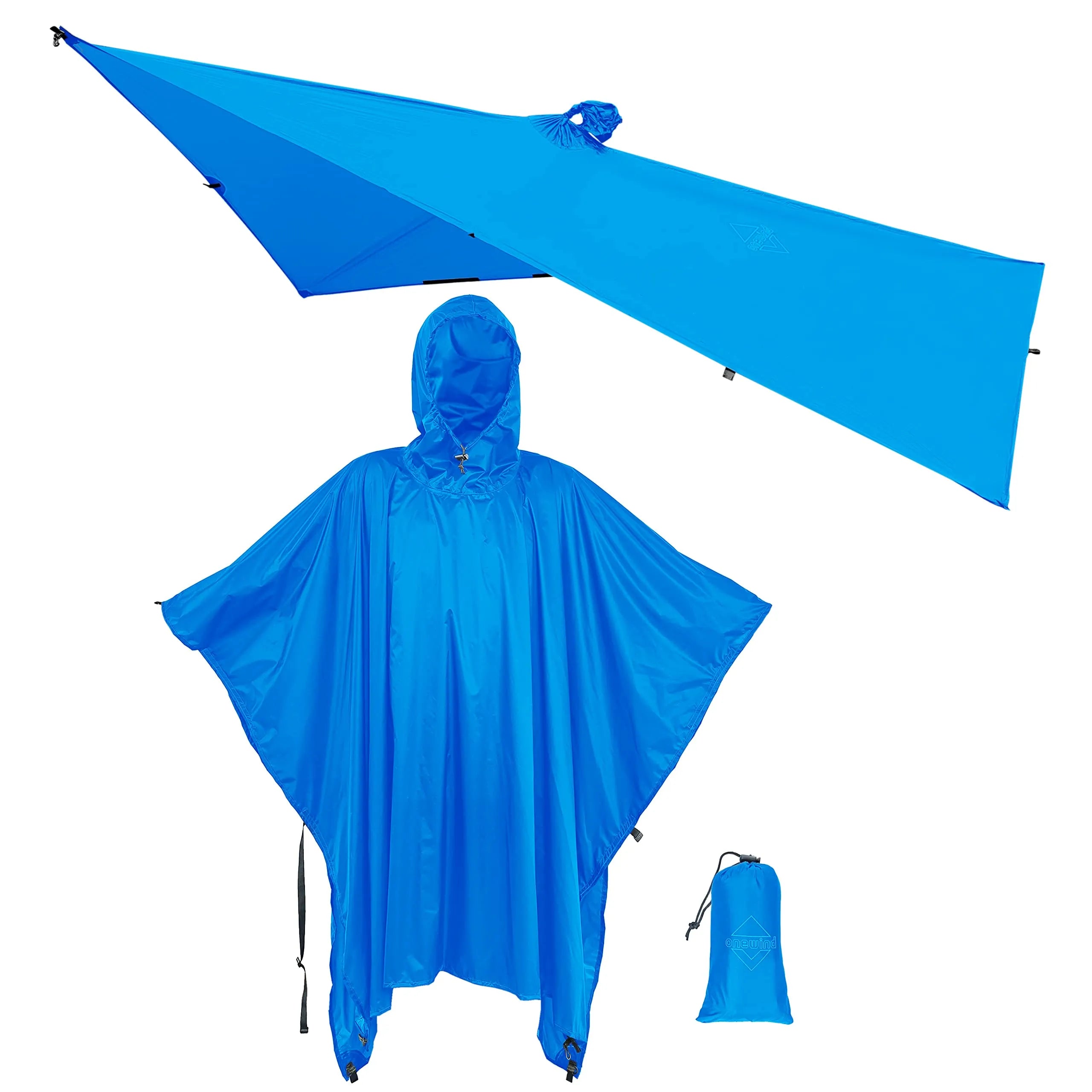
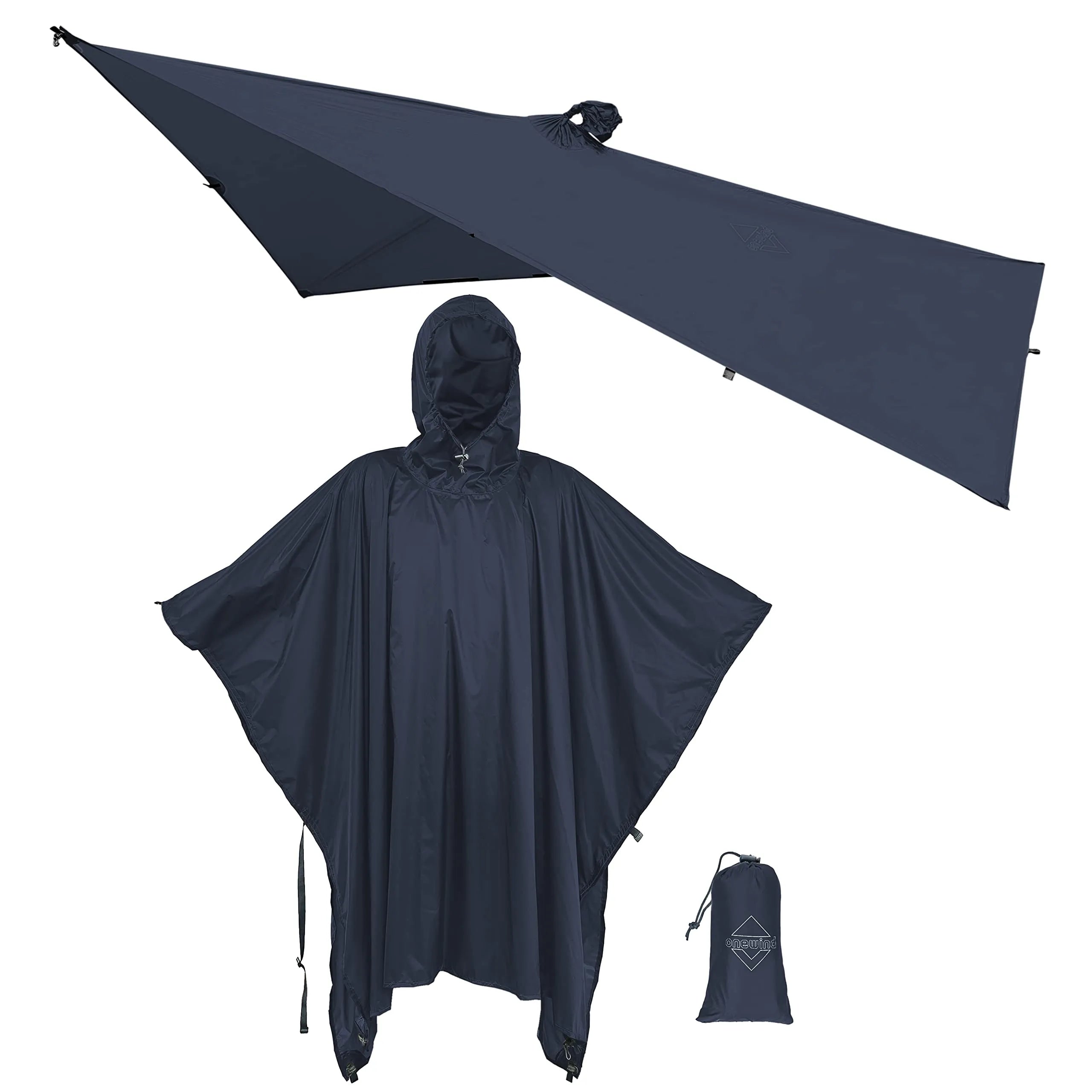
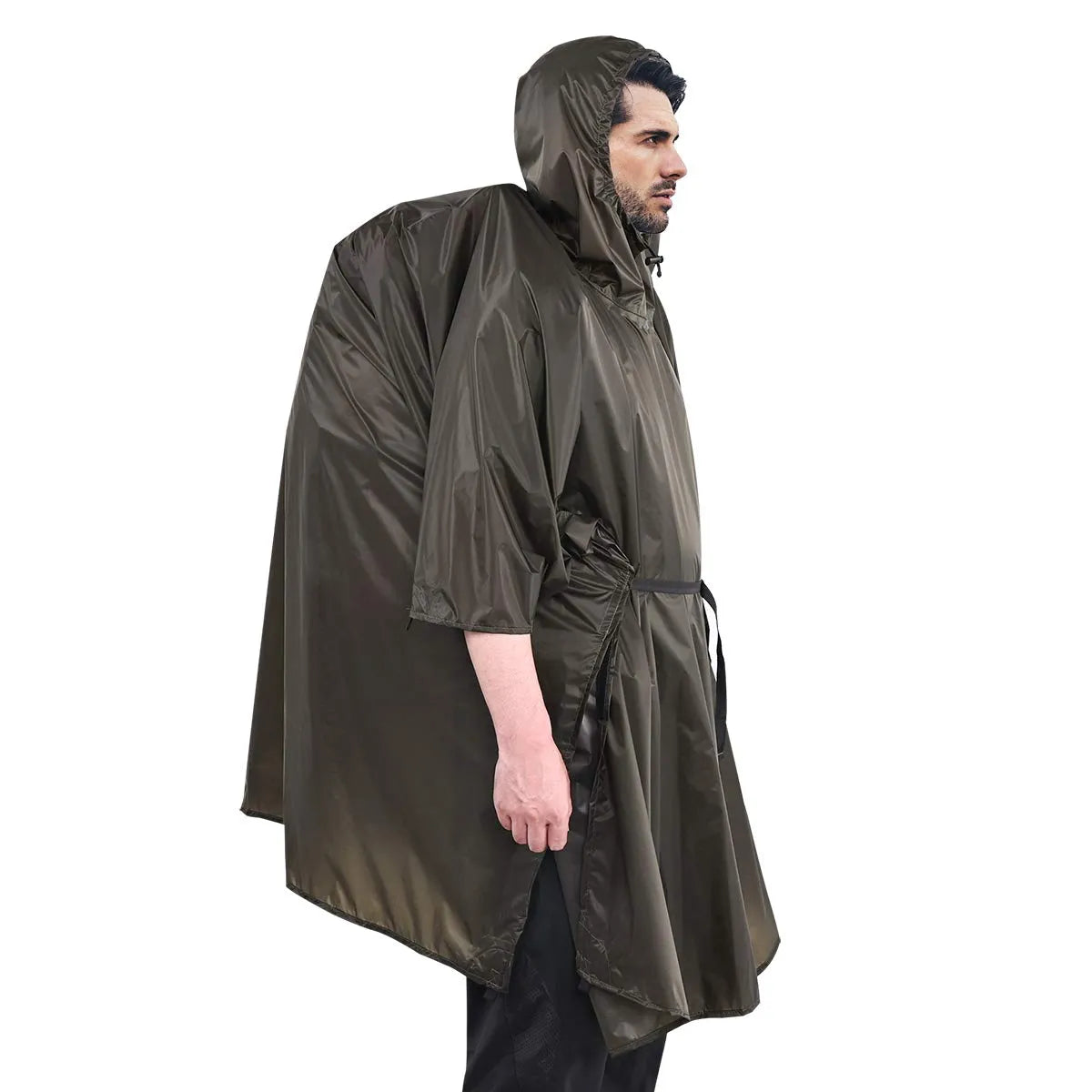
Yksi syy, miksi kokeneet vaeltajat tarttuvat siihen, on että sadeponcho Lämpimässä sateessa juuri tämä on ilmanvaihto-ongelma.
SectionHikerin raportissa todetaan, että poncho peittää reppusi ja kehosi ja "hengittää [näyttää] paremmin kuin täyspitkä sadetakki", joka "kastuu läpi kohdista, joissa reppu koskettaa sitä".
Syö ja juo useammin kuin tekisit auringossa, koska kalorit ovat polttoainetta, jota kehosi polttaa lämmön tuottamiseen, kuten sekä REI että NOLS toteavat suoraan.
Lämpimät nesteet palvelevat tässä kahdessa roolissa, sillä kuuma juoma tuottaa kaloreita ja kohottaa mielialaa samaan aikaan, ja yksi Reddit-ketju sateessa mukavana pysymisestä nosti erityisesti esiin ”kuumavesipullot, teen ja Jolly Ranchers -karkit” vaellusolosuhteissa testattuina lämmönlähteinä.
Tarkkaile varhaisimpia varoitusmerkkejä, joita molemmat lähteet kutsuvat umbleiksi: mutina, haparointi, horjuminen ja murina ovat merkki siitä, että on pysähdyttävä, lisättävä kerros vaatetta ja saatava kuumaa ruokaa kehoon ennen kuin tilanne pahenee.
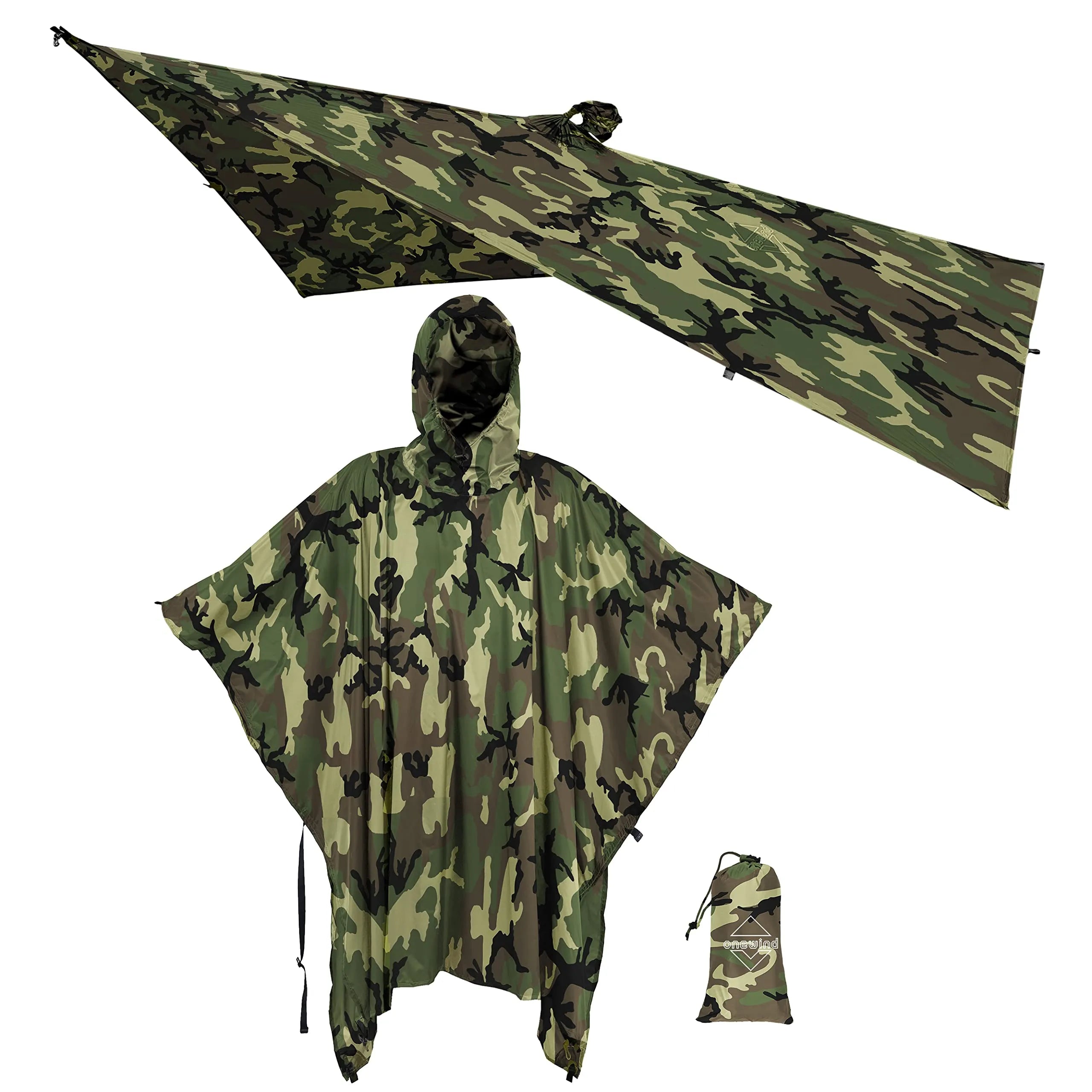
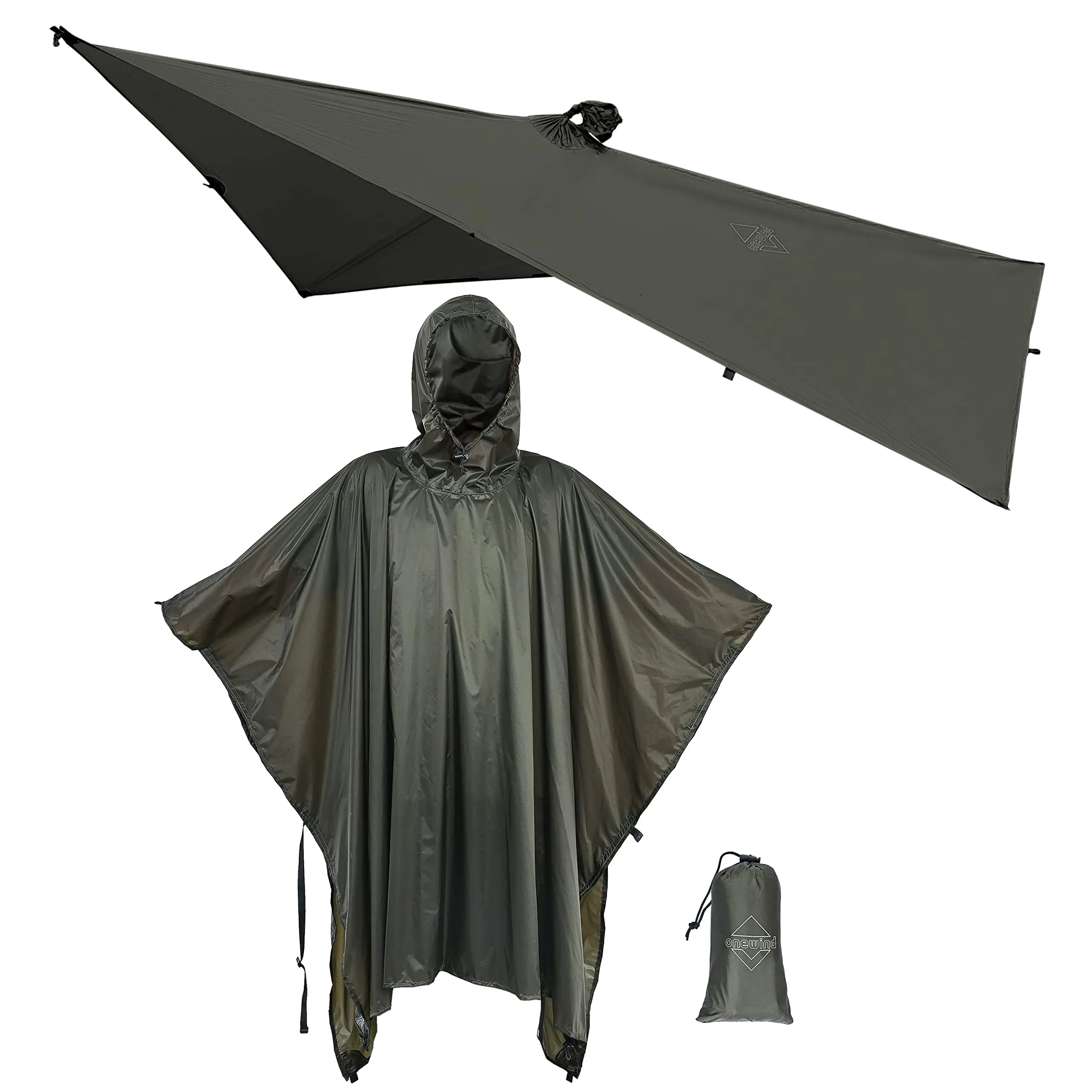
Tähän tehtävään hyvin soveltuvat varusteet ovat oma valintansa, ja koko vartalon sekä järjestelmän valinnat löytyvät parhaat sadevarusteet vaellukseen opas takki- ja ponchovalintaa varten olevan kanssa Sadetakki vai poncho artikkeli.
Valitse: Lämpö kuivuutta tärkeämpänä, ilmanvaihto tiiviyttä tärkeämpänä sekä ruoka ja liike paikallaan seisomista ja palelua tärkeämpinä.
Sääntö 2: Pidä yksi kuiva setti pyhänä
7 vinkkiä, jotka KAIKKIEN reppureissaajien tulisi tietää pysyäkseen kuivina vaelluksella
Koko sadejärjestelmä on olemassa suojaamaan yhtä asiaa: kykyäsi lämmetä uudelleen leirissä.
Suojauksessa on kaksi ehdotonta osaa, ja molemmat ovat enemmän tapoja kuin varusteita.
Ensimmäinen on erillinen nukkumisasusteiden setti, jossa et koskaan, koskaan vaella, ja jota Skurka kutsuu ”puolen punnan sijoitukseksi”, joka muuttaa kaiken.
Kurinalaisuus on julma mutta yksinkertainen: nuo vaatteet pysyvät repussasi kuivina koko päivän, vaihdat niihin leirissä, ja kuten Skurka varoittaa, "aamulla sinun täytyy valitettavasti vaihtaa takaisin märkiin vaellusvaatteisiisi."
Eräs reppureissaaja r/WildernessBackpackingissa kuvaili kentältä saman tavan: hän kantoi mukanaan ”mahdollisimman lämpimiä ja pörröisiä sukkia, vain makuupussia varten”, mikä on yhtä lailla mielialan kohottaja kuin lämmön lähde.
Toinen osa on pitää eristeesi ja nukkumisjärjestelmäsi kuivina repun sisällä, ja siitä huolehtii repun sisäpussi, ei repun ulkokangas.
Yksinkertainen jätesäkki repun sisällä voittaa suojuksen, joka päästää veden valumaan selkääsi pitkin, ja koko reppusuojauksen logiikka on esitetty tässä parhaat sadevarusteet vaellukseen järjestelmäopas; a reppunsuoja Auttaa silti estämään repun kankaan painumista kosteuden vuoksi.
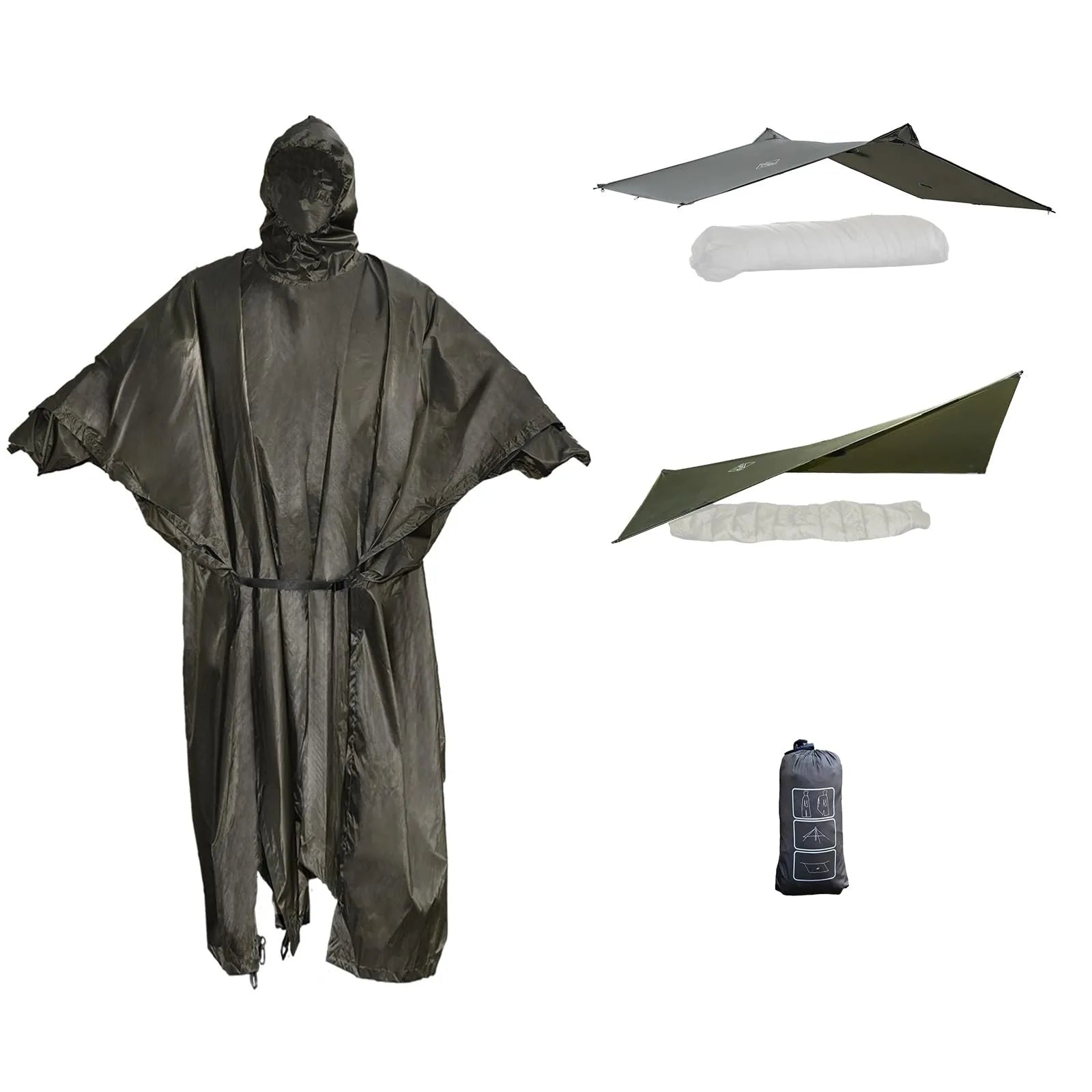
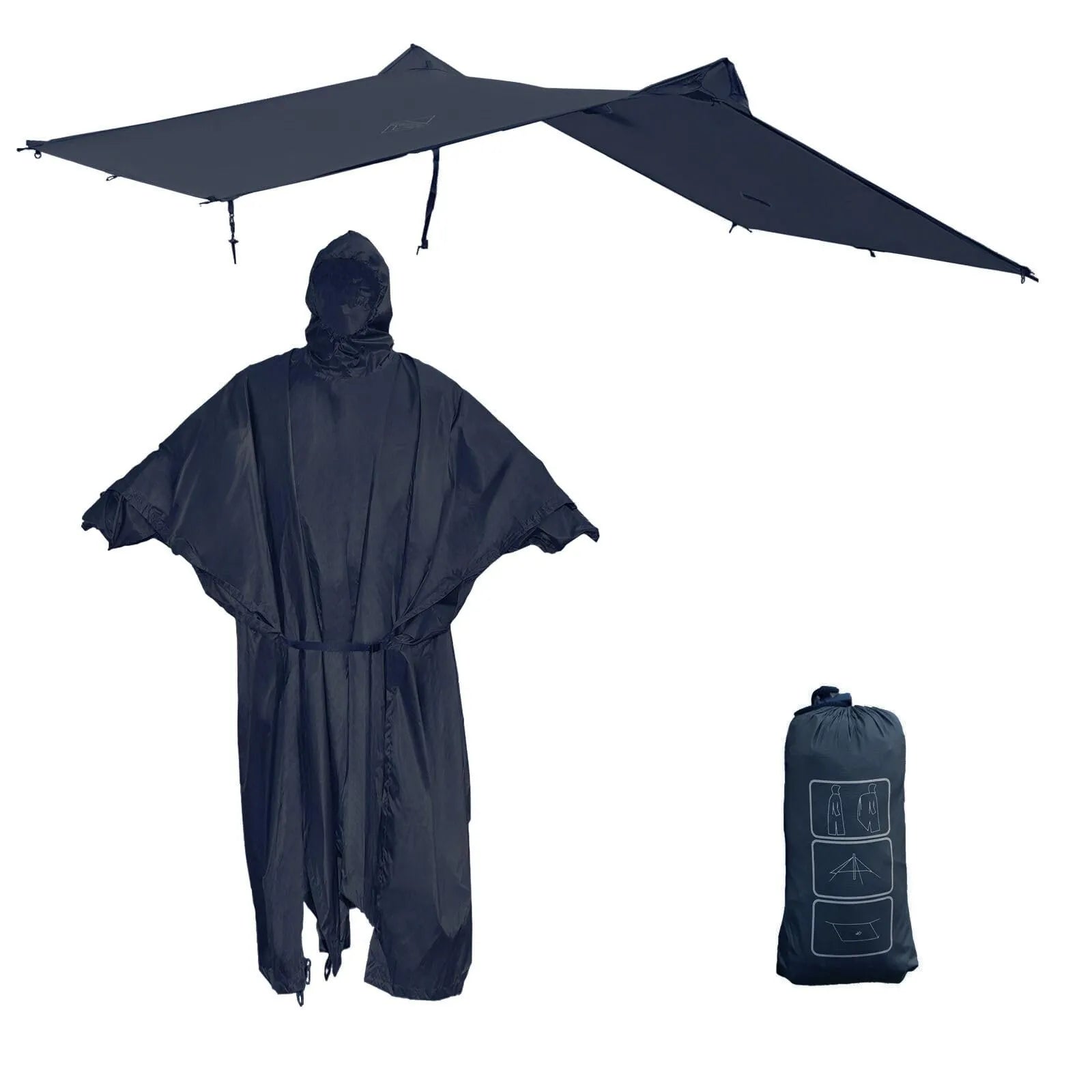
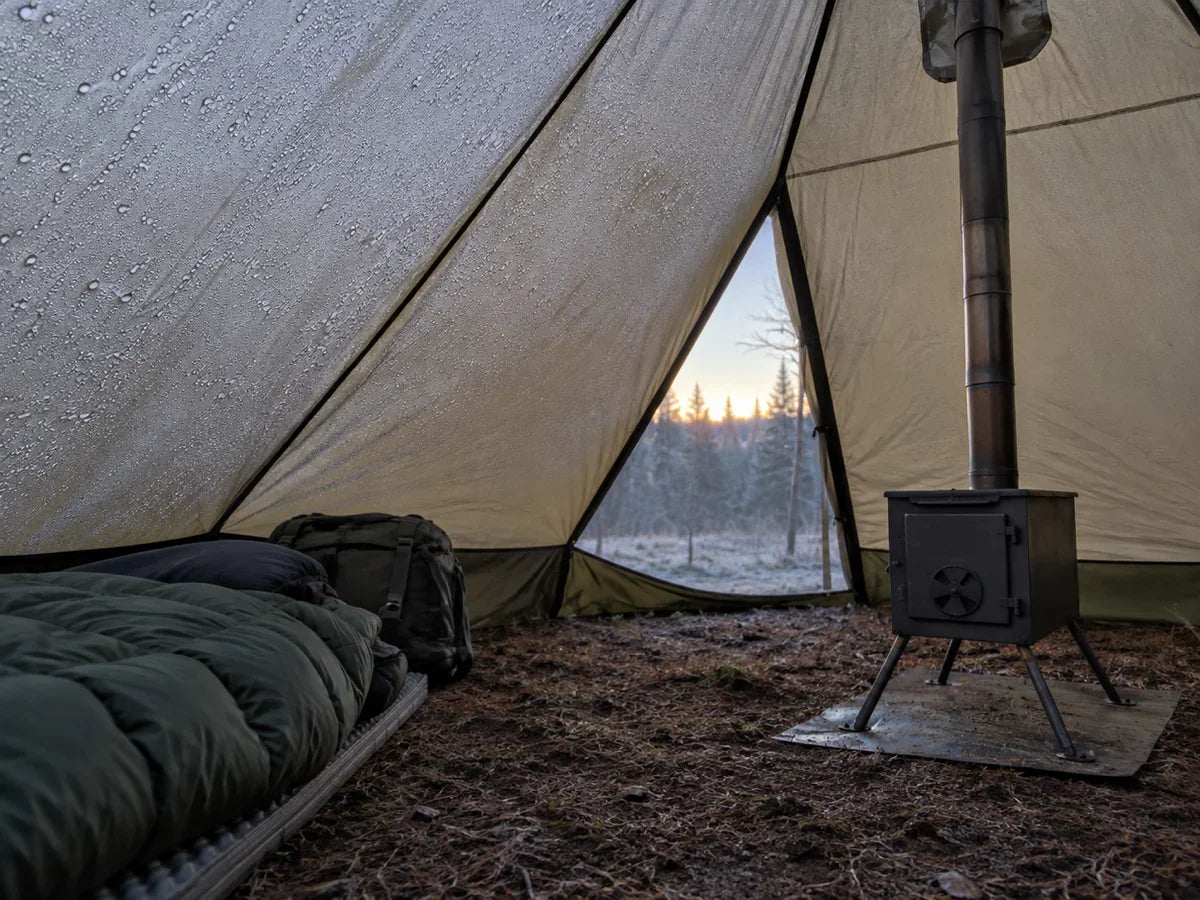
Jos voit päästä suojaan vaihtamaan vaatteet ja lämmittelemään, sitä parempi, ja poncho, joka toimii myös pressuna, voi olla juuri se suoja, jota varten{"} poncho-suoja opas käy läpi.
Suositus: kohtele kuivaa nukkumisasuasi ja pakkausvuoraasi selviytymisvarusteina, ei mukavuustuotteina, äläkä koskaan riko sääntöä, jonka mukaan nukkumisvaatteilla ei koskaan vaelleta.
Sääntö 3: Kunnioita sitä, minkä sade kirjoittaa uudelleen
Sade muuttaa itse polkua, ja kaksi näistä muutoksista on se, mikä itse asiassa tappaa vaeltajat.
Ensimmäinen on virtaava vesi.
National Weather Servicen mukaan "joka vuosi tulvista aiheutuu enemmän kuolemia kuin mistään muusta ukkosmyrskyihin liittyvästä vaarasta", ja "vain 6 tuumaa nopeasti virtaavaa tulvavettä voi kaataa aikuisen."
Aamulla nilkkoihin asti ulottuva puro voi iltapäivään mennessä muuttua ylitsepääsemättömäksi, ja äkkitulva voi saapua, puistopalvelun sanojen mukaan, "minuutteissa tai jopa sekunneissa" "12 jalkaa korkeana vesimuurina" kaukana kilometrien päässä riehuvasta myrskystä.
Kokeneiden vaeltajien sääntö on yksiselitteinen: jos ylitys on nopea ja vettä on reittä korkeammalle, leiriydy ja yritä aamulla, kun lumen sulamisvesien tasot ovat alhaisimmillaan, ja jos sinun on pakko ylittää, käänny virtausta vastaan, suuntaa hieman alavirtaan ja käytä sauvojasi kolmantena jalkana.
Toinen vaara on salama.
Puistopalvelu on suorasukainen: "jos kuulet ukkosen jyrinää, olet tarpeeksi lähellä tullaksesi salamaniskun kohteeksi", "ulkona ei ole mitään paikkaa, joka olisi turvallinen ukkosmyrskyn aikana", ja sinun tulisi odottaa "vähintään 30 minuuttia" viimeisen jyrinän jälkeen ennen kuin jatkat liikkumista.
Poistu harjanteiden laeilta, avoimilta alueilta ja yksittäisten puiden läheisyydestä, ja sadekaudella ajoita kaikki paljaat osuudet aamuun ennen kuin iltapäivän ukkosmyrskyt kehittyvät.
Myös hiljaisemmat muutokset ovat tärkeitä: märät kivet ja juuret tekevät askelluksesta petollista, ja lyhyemmät, pimeämmät päivät lyhentävät turvallista vaellusaikaasi, joten suunnittele hitaampi ja aiempi päivä ja tee rehellisiä päätöksiä kääntymisajankohdasta.
Tuomio: mikään ylitys eikä mikään huippu ole sen arvoinen, että siinä hukkuu tai saa salamaniskun, joten kun vesi tai taivas sanoo pysähdy, sinä pysähdyt.
Jalkasi: Ajoitettu, ehkäistävissä oleva vamma
Märät jalat eivät ole vain epämukavat, ne ovat tietynlainen ajan kanssa etenevä vamma, ja sinä voit voittaa ajan.
Pitkittynyt kosteus aiheuttaa maseraatiota, jota Skurka kuvailee ihoksi, joka “muuttuu aristavaksi, kutisevaksi ja pehmeäksi, mikä tekee siitä alttiin rakkojen muodostumiselle”, ja lopulta kivuliaaksi halkeiluksi sen kuivuessa.
Ennaltaehkäisyllä on tarkka ajoitusikkuna, jonka useimmat ihmiset missaavat.
Vaha-pohjainen jalkavoide "on levitettävä ennen kuin jalkasi kastuvat, mieluiten tuntia aiemmin", koska kuten Skurka toteaa, sen levittäminen jo märkiin jalkoihin antaa "erittäin rajallisen" vaikutuksen.
Leirissä kuivat ja lämpimät sukat antavat jaloillesi “8–9 tuntia palautumisaikaa”, ja kaikilla yli 20 minuuttia kestävillä taukopaikoilla sinun tulisi riisua kengät ja tuulettaa ne.
Älä tavoittele kuivia jalkoja vedenpitävillä saappailla, sillä jatkuvassa sateessa ne täyttyvät ja pidättävät veden, joka olisi valunut kengistäsi pois; tätä jalkinevalintaa käsitellään sadejärjestelmän oppaassa.
Yhteisön lyhyt ohje on yksinkertainen: villasukat ovat ainoa asia, jota kannattaa kantaa mukana kahtena parina; kierrä ja kuivaa vartalolla varapari, niin voit välttää kaivantosienen "kuivaamalla jalat vain yöllä ja käyttämällä sukkia."
Merinovilla on tässä hintansa arvoista, koska se säilyttää jonkin verran lämpöä kosteana, ja Skurkan sanoin se “ei tunnu yhtä kylmältä kuin polyesteri” märkää ihoa vasten.
Koko jalkojen hoitorutiini on oikeastaan sama ajatus kuin kuivana pysymisen sääntö, mutta sovellettuna nilkan alapuolelle: et voi pitää jalkojasi kuivina koko päivää, joten suojelet niiden kykyä palautua yön aikana ja taukojen aikana, etkä koskaan nuku samoissa sukkissa, joissa vaelsit.
Valitse: balsami ennen sateen alkamista, kuivat sukat varattu leiriä varten ja päivän aikana tuuletus sen sijaan, että teeskentelisit jalkojesi pysyvän kuivina.
Skenaario 1: Leuto märän sään päivävaellus
Olet poissa muutaman tunnin, lämpötila on 45 astetta, tihuttaa kevyesti ja tuulee hieman, ja retki tuntuu vähäriskiseltä.
Tämä on se tilanne, joka yllättää ihmiset, koska leuto sää yhdistettynä kosteuteen ja tuuleen luo hypotermiariskin, joka ei näytä vaaralliselta.
Jatka liikkumista pysyäksesi lämpimänä, syö ja juo useammin kuin aurinkoisena päivänä, ja jätä puuvillainen huppari kotiin.
Tuuleta kuoresi nousuissa, jotta et saavu huipulle omassa hiessäsi läpimäräksi, ja pidä lämmin välikerros kuivana repussasi sitä hetkeä varten, kun pysähdyt.
Tarkkaile itseäsi ja kumppaneitasi notkahdusten varalta, sillä sammaltaen puhe ja kömpelöt kädet ovat varhainen varoitus siitä, että sinun on pysähdyttävä ja lämmiteltävä nyt.
Olen muuttanut miellyttävän tihkusateessa kävelyn palelevaksi rämpimiseksi pukeutumalla liian kevyesti sillä ajatuksella, että kyse oli vain "päiväretkestä", ja korjaus oli ruoka, liike ja kuiva kerros.
Syy, miksi tämä tilanne herättää kunnioitusta, on se, että vaara saapuu hitaasti.
Tunnet olosi vain epämukavaksi, kunnes olet todella kylmissäsi, ja siihen mennessä arvostelukykysi ja hienomotoriikkasi alkavat jo heiketä.
Lyhyt vaellus auton lähellä on armollinen.
Samat olosuhteet tunnin syvällä avoimella polulla ovat se, miten leudot päivät muuttuvat pelastuskutsuiksi, joten kanna lämmintä kerrosta mukanasi, vaikka kartta sanoisi sinun olevan lähellä.
Tuomio: Lähde mukaan, mutta käsittele sitä kylmän hallinnan päivänäv, ei poutapäivänä, ja ota mukaan yksi lämmin, kuiva kerros, johon et ole hionnut.
Skenaario 2: Kylmä usean päivän retki
Nyt olet poissa useita öitä, lämpötilat laskevat, ja lämpimänä pysyminen ei enää ole mukavuudesta kiinni, vaan siitä, että selviät jokaisesta yöstä.
Tässä kuivapakkauksen kurinalaisuudesta tulee selviytymisvaruste.
Nukkumisvaatteesi ja eristeesi kulkevat pakkaussäkissä, eivätkä ne koskaan ole käytössä päivän aikana, ja hyväksyt sen kurjuuden, että vedät joka aamu päälle kylmät märät vaellushousut, jotta ne pysyvät sellaisina.
Synteettinen makuupussi, jonka eräs r/WildernessBackpacking-vaeltaja suositteli juuri näihin ”kostean ilmanalan olosuhteisiin”, säilyttää kuohkeutensa, kun untuvapussi menettäisi sen kastuessaan.
Hyödynnä mikä tahansa sään selkeneminen, auringonpilkahdus tai pysähdys kaupungissa kuivataksesi varusteet, sillä muutama kuiva tunti antaa sinulle kyvyn kestää seuraavan märän jakson.
Jos et pysty pitämään makuujärjestelmääsi ja yhtä kuivaa vaatesettiä kuivana tällä matkalla, se on merkki siitä, että matka ylittää nykyisen varustuksesi.
Tuomio: kuivan pakkaamisen ja pakkausvuoren kurinalaisuus on ehdoton, ja jos et pysty pitämään siitä kiinni, älä sitoudu kylmään monipäiväreittiin.
Skenaario 3: Paisuneen puron ylitys
Saavut risteykseen, joka kartalla näytti helpolta ylitykseltä, mutta päivän sateen jälkeen se on nyt nopea, mutainen ja yltää polvien yläpuolelle.
Tämä on se hetki, josta tilastot kertovat, eikä päätös ole machomainen.
Kuusi tuumaa liikkuvaa vettä voi jo kaataa aikuisen, ja tämä on selvästi sitäkin enemmän.
Jos vesi on virtaavaa ja yli reiden korkuista, kokeneiden vaeltajien nyrkkisääntö on leiriytyä ja yrittää aamulla, jolloin sateen paisuttama ja lumen ruokkimien vesien pinta on alimmillaan.
Jos arvioit sen aidosti turvalliseksi ja sinun on ylitettävä, avaa lantiovyö, jotta voit riisua repun, käänny virtaan päin, astu sivuttain kulkien hieman alavirtaan päin, ja aseta sauvasi kolmanneksi ja neljänneksi jalaksi.
Jos se tuntuu vaaralliselta sisään mennessäsi, se on vaarallista, ja perääntyminen on taitava valinta, ei pelkurimainen.
Ajoitus on tässä yhtä tärkeää kuin tekniikkakin.
Lumensulamisvesien ruokkiman joen vedenpinta on alimmillaan aamunkoitteessa ja nousee päivän mittaan, joten sama kahluupaikka, joka pysäyttää sinut kello 16, voi olla helppo ylitys kello 6.
Tarkkaile ylävirtaan Park Servicen nimeämiä äkkitulvan merkkejä: mutaista vettä, kelluvaa irtojätettä ja voimistuvaa jylinää, ja jos näet niitä, kiipeä ylemmäs, sillä "jo muutama jalka korkeammalla voi pelastaa henkesi."
Ylitys on yksi harvoista paikoista sateisella polulla, სადაც yksi huono päätös on peruuttamaton, ja juuri siksi kokenut vastaus on niin varovainen.
Tuomio: Käänny takaisin tai odota; risteys, josta et ole varma, on risteys, jota et ylitä, ja polku on yhä siellä huomenna.
Skenaario 4: Ukkonen avoimella harjanteella
Olet nousemassa kohti korkeaa, avointa harjannetta, kun taivas tummenee ja kuulet ensimmäisen jyrähdyksen.
Sääntö tässä on opeteltu ulkoa, ei laskettu: jos kuulet ukkosen, olet tarpeeksi lähellä saadaksesi salamaniskun.
Käänny ympäri ja laskeudu alemmaksi, poistu harjanteen päältä ja loittony yksittäisistä puista ja avoimista lohkareikoista, ja laskeudu alempaan puustoon, jos se on ainoa vaihtoehtosi.
Ulkona ukkosmyrskyssä ei ole turvallista paikkaa, joten tavoitteena on yksinkertaisesti olla vähiten houkutteleva kohde ja odottaa myrskyn ohimenoa.
Odota vähintään 30 minuuttia viimeisen jyrinän jälkeen ennen kuin nouset takaisin paljaalle maalle, sillä myrsky, jonka luulet jo menneen ohi, voi silti iskeä kilometrien päästä.
Jos jäät täysin avoimelle paikalle ilman mitään alempaa suojaa, hajota ryhmäsi niin, ettei yksi isku voi haavoittaa kaikkia.
Kyykisty matalalle jalkaterien päkiöiden varaan sen sijaan, että makaisit täysin maassa.
Sadekaudella, kun iltapäivän myrskyt ovat tavanomaisia, todellinen ratkaisu on suunnittelu: ajoita kaikki paljaalla alueella kuljettavat ylitykset aamuun, jotta olet alas palannut ennen kuin taivas alkaa tummua.
Kaikissa säännön 3 tapauksissa kaava on sama: vuori palkitsee kärsivällisyyden ja rankaisee egoa, ja pitkän uran tehneet vaeltajat ovat niitä, jotka kääntyivät takaisin ajoissa ja usein.
Tuomio: laskeudu ja odota; huippu ei ole koskaan salamaniskun arvoinen, eikä vuori ole minnekään katoamassa.
Yleiset virheet sateessa vaeltaessa
Lähes jokainen sadevaelluksen kauhutarina palautuu johonkin näistä, ja kaikki kolme johtuvat siitä, että kuivuutta jahdataan lämmön ja riskien hallinnan sijaan.
Tiivistäen ja hikoillen kerroksesi. Vetoketjujen sulkeminen jokaisen tuuletusaukon kohdalla pysyäksesi kuivana vain vangitsee hikoilusi, joten saavut paikalle sisältä märkäna ja sitten palelet; pukeudu juoksemaan hieman viileänä ja avaa tuuletus ylämäissä sen sijaan.
Ei ole mitään kuivaa, mihin vaihtaa. Jos kaikki rinkassasi on yhtä märkää kuin sinä, et saa leirissä millään tavoin itseäsi lämmitettyä, minkä vuoksi yksi kuiva nukkumisasu ja rinkan sisävuori ovat sääntöjä, joista et koskaan poikkea.
Työnnät vettä vasten tai ylös harjanteelle, jonka olisi pitänyt ohittaa. Vaaralliset päätökset sateessa eivät liity mukavuuteen, vaan virtaavaan veteen ja salamoihin, ja taitava ratkaisu on lähes aina odottaa tai kääntyä takaisin.
Nopea päätöksentekolistaa
Käytä tätä ennen sateista vaellusta ja sen aikana, ja anna olosuhteiden, ei aikataulusi, tehdä päätökset.
Parhaat sadevaeltajat eivät ole niitä, jotka pysyvät kuivimpina, vaan niitä, jotka pysyvät lämpiminä, suojaavat yhden kuivan vaatekerran ja tietävät, milloin on aika lopettaa.
Opi ne, niin sateinen ennuste ei enää ole syy perua retkeä, vaan siitä tulee polku, jolla on vähemmän ihmisiä.