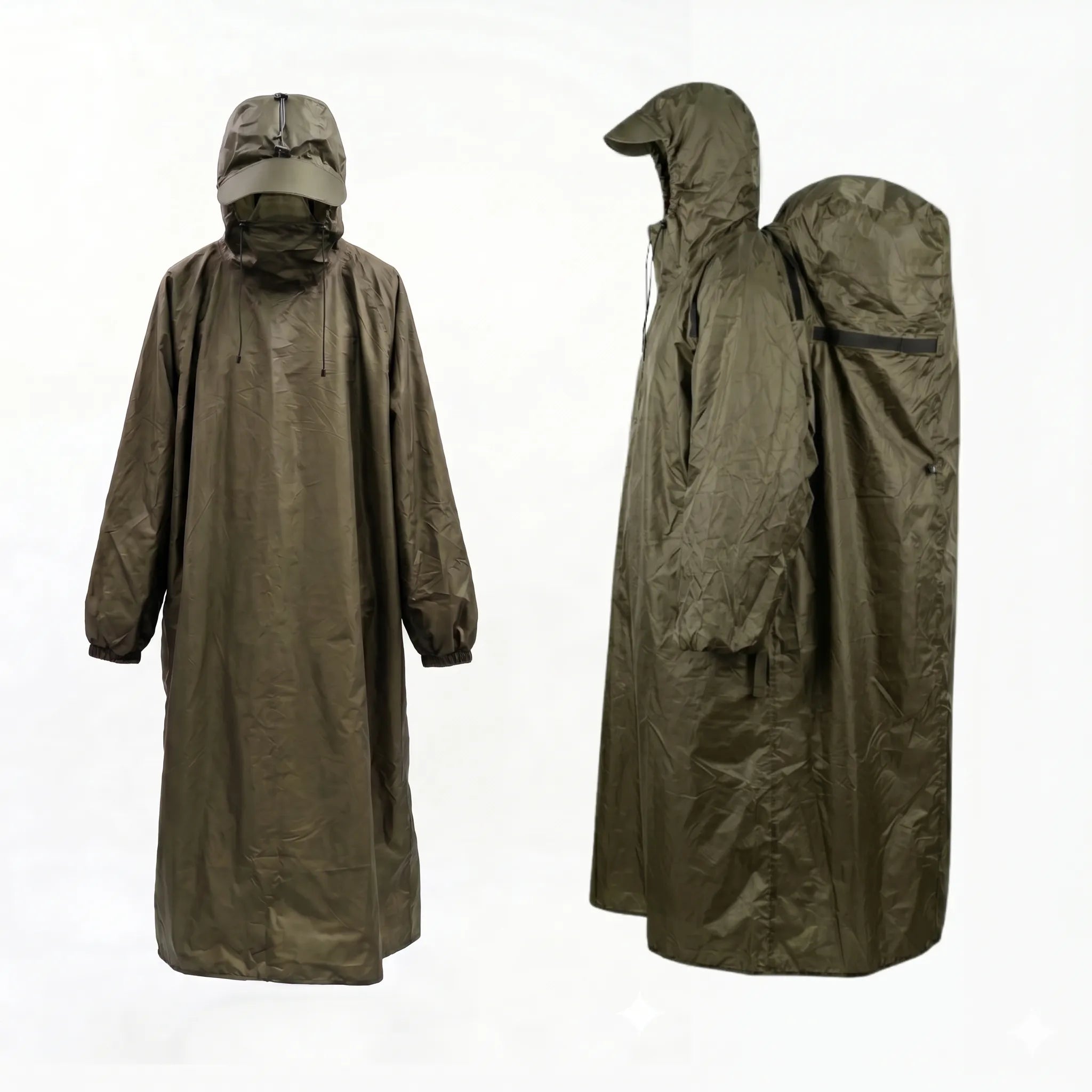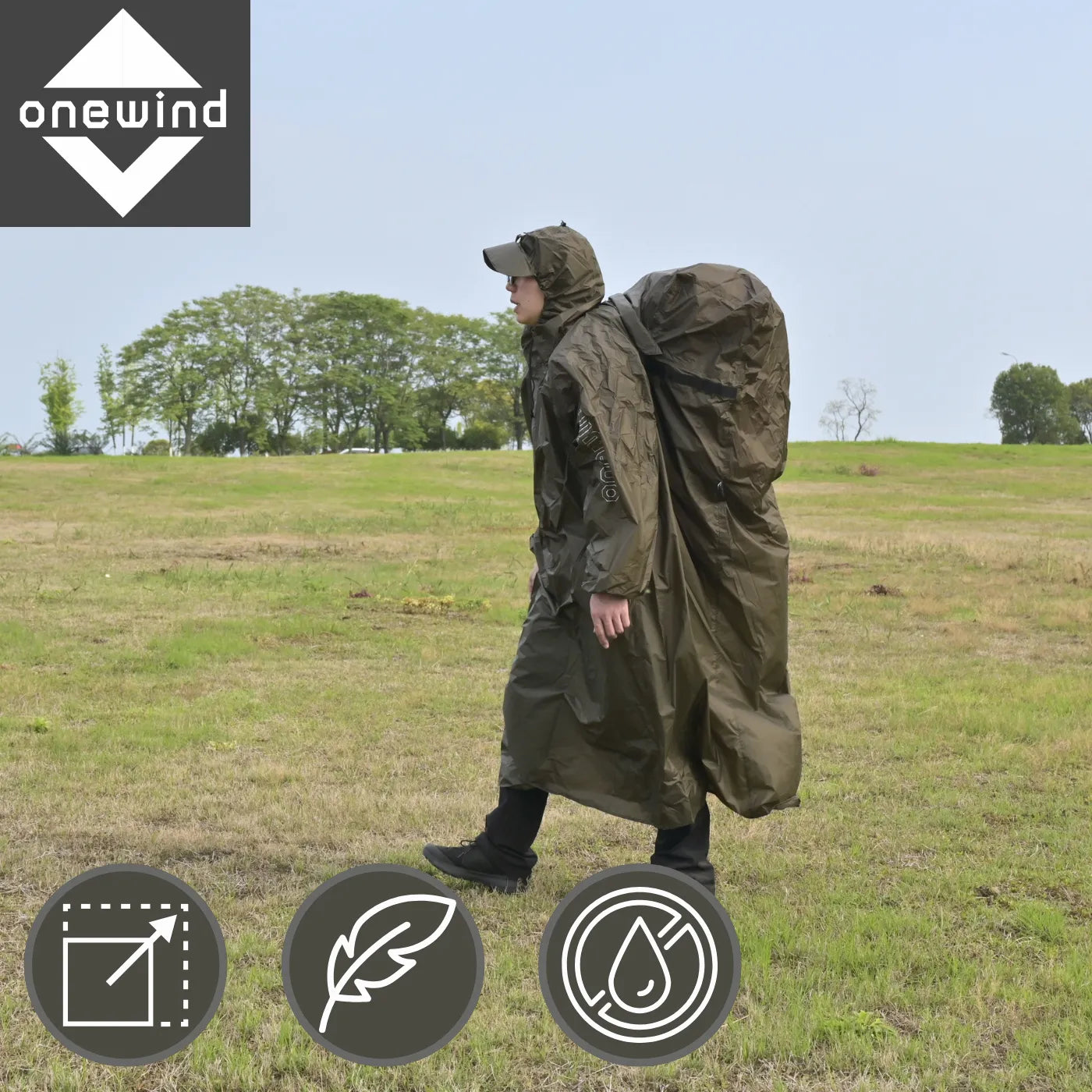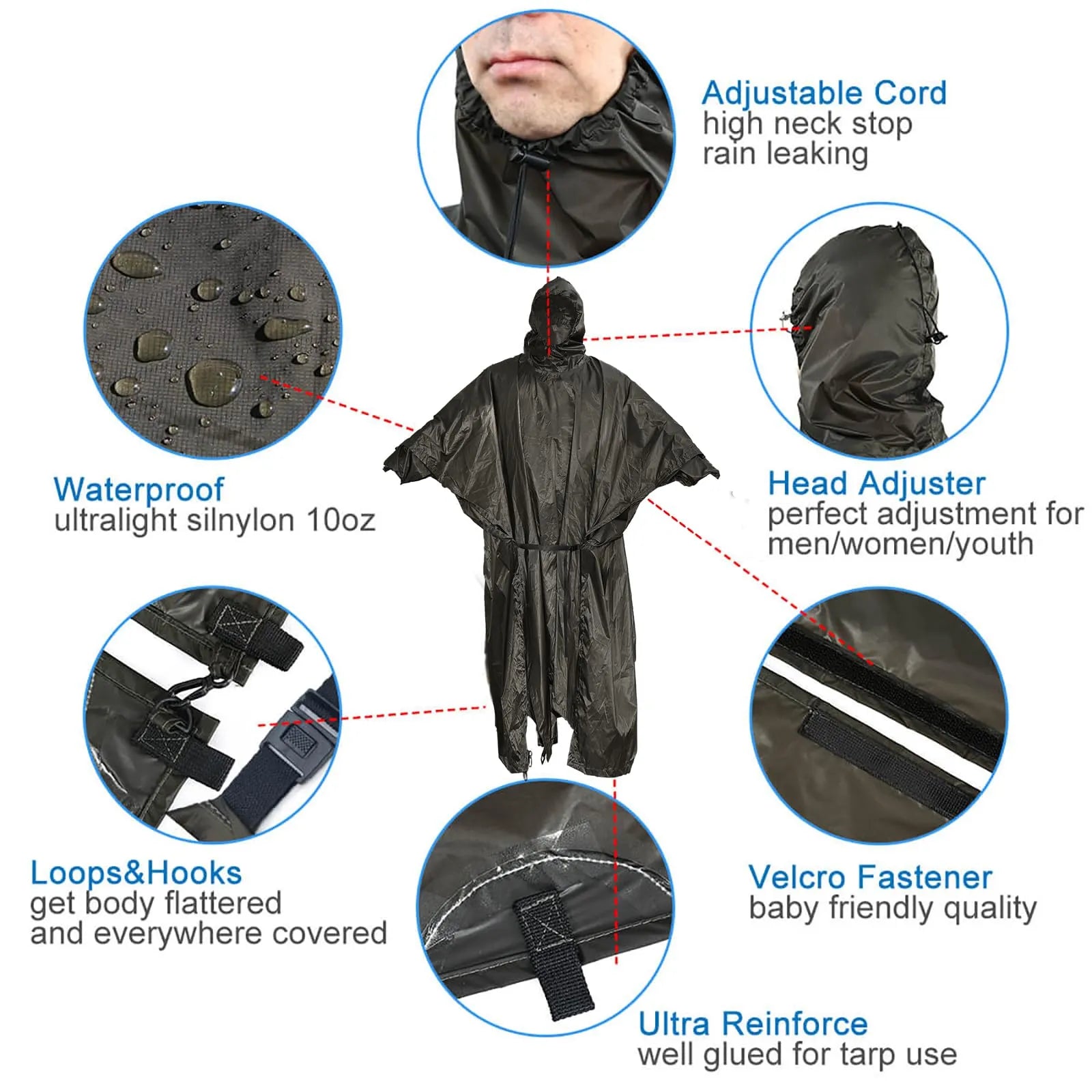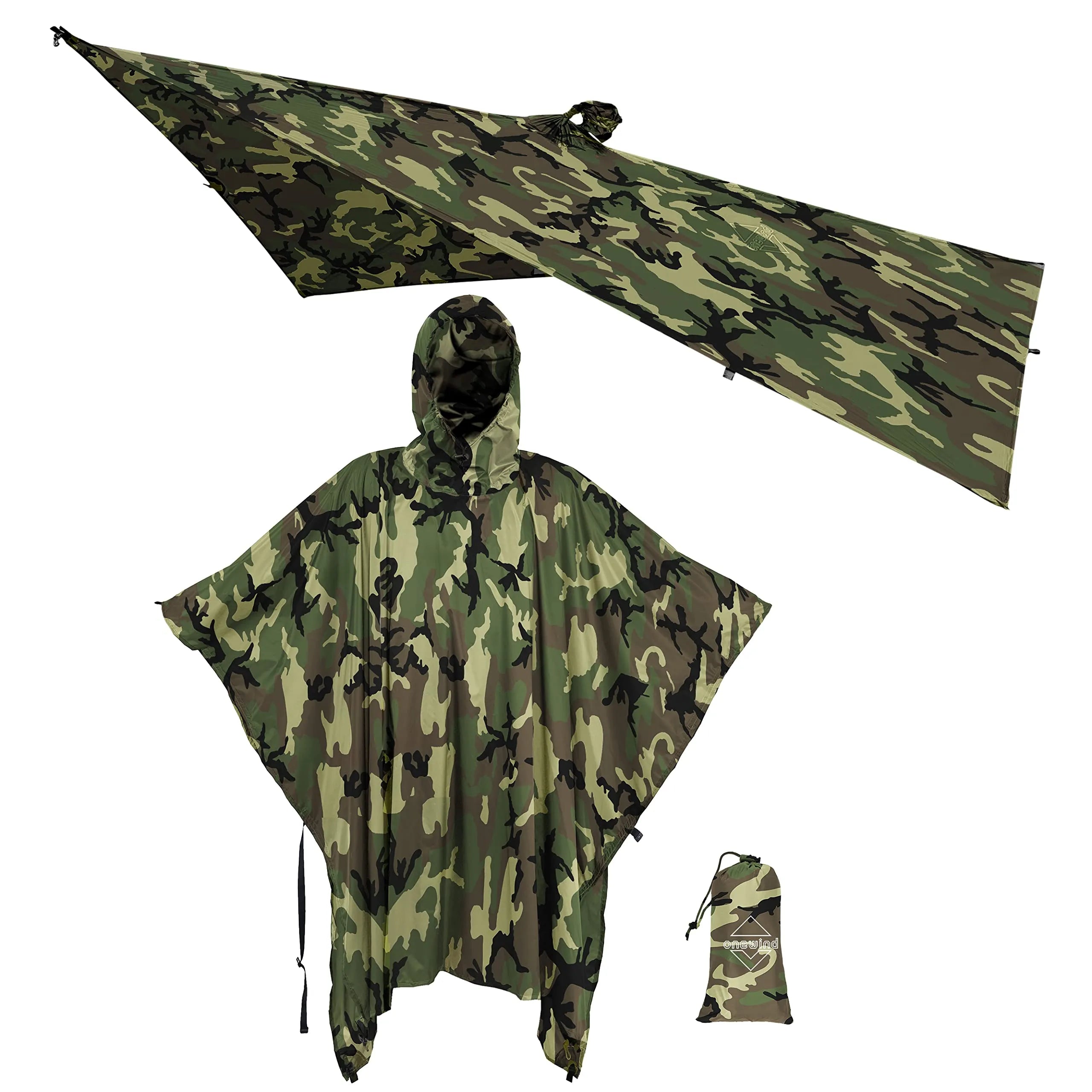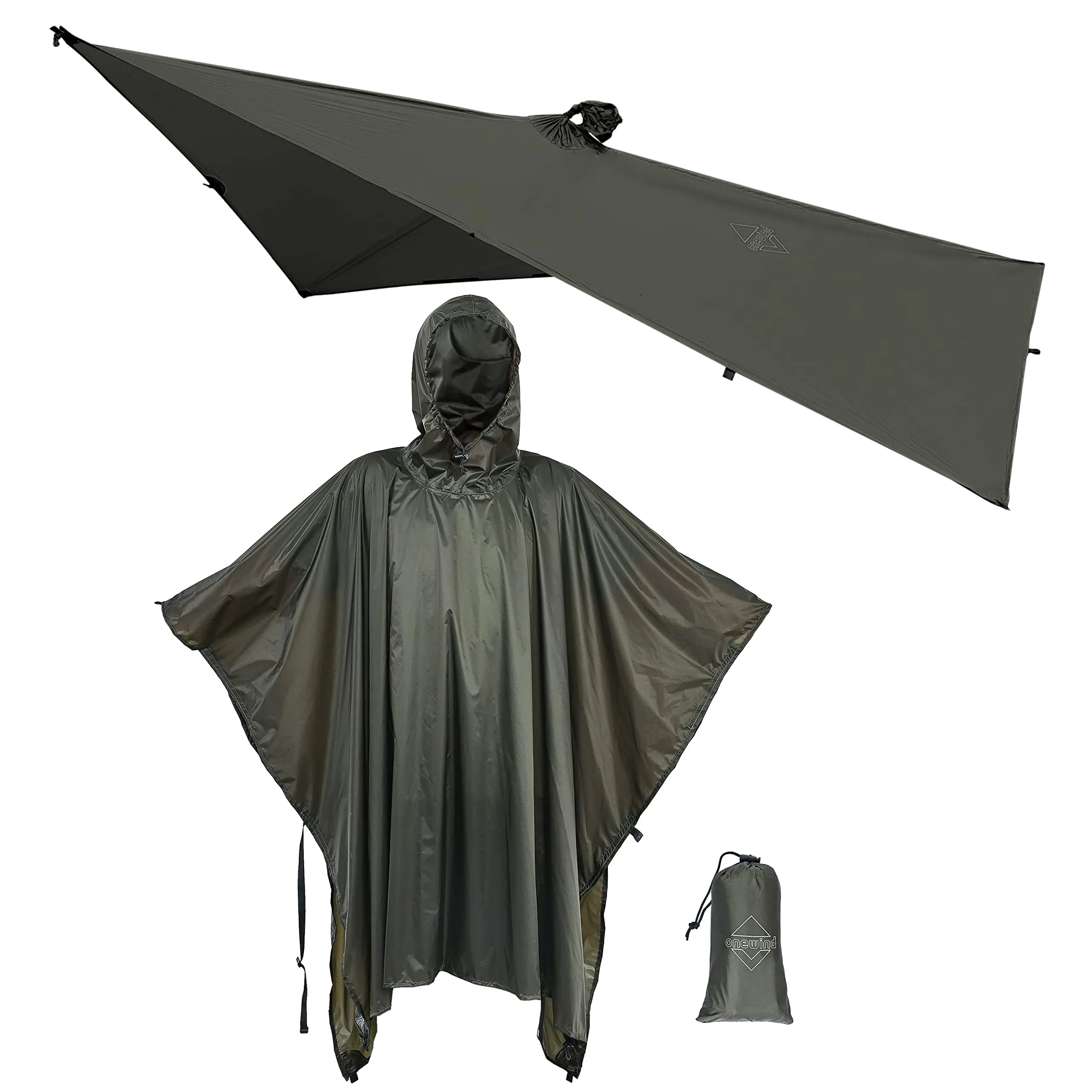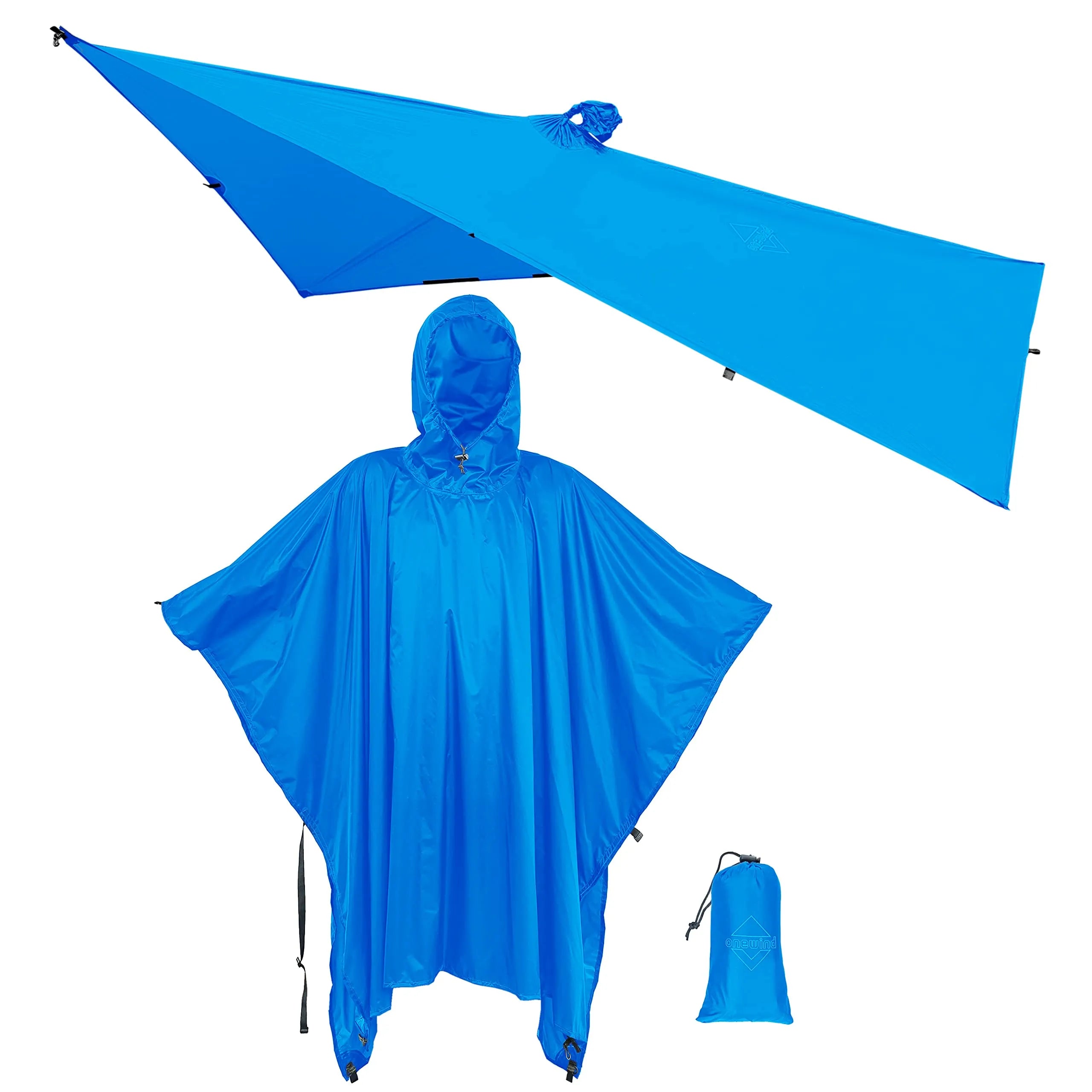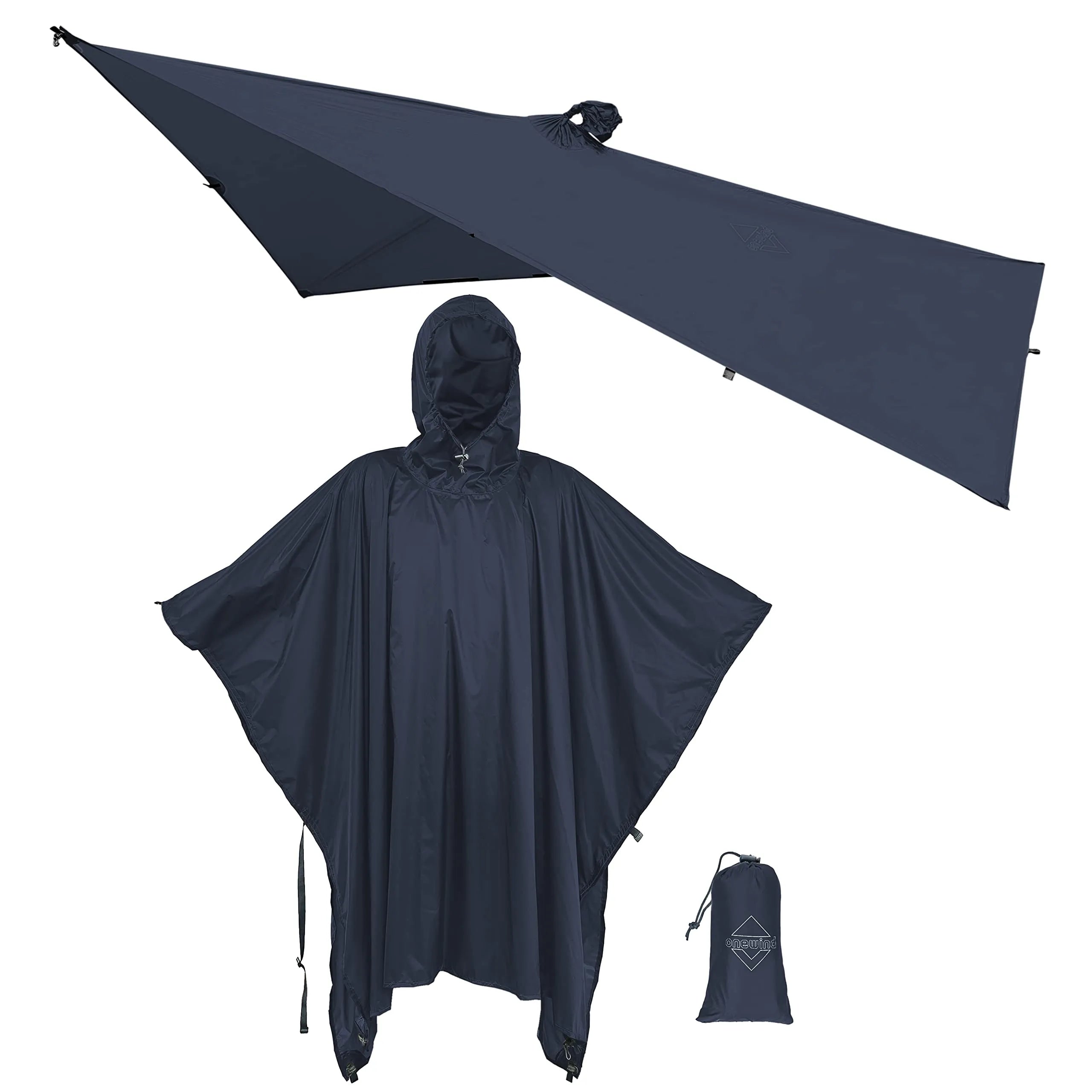

Minun Camo-sadeponchosuojani painaa 257 grammaa, ja ultrakevyet ponchot, joita vaeltajat suosittelevat toisilleen r/Ultralightissa, painavat 238–264 grammaa. Ponchoa vai takkia koskeva valinta on vain vartalokerros suuremmasta taidosta: vaeltaminen sateessa joten kylmyys, ei märkyys, ei koskaan muodostu vaaraksi.
Hyvä ultrakevyt sadetakki sijoittuu samaan kategoriaan.
Vertasin näitä lukuja rinnakkain ja tajusin, että koko ponchoa koskeva väittely on käyty väärällä akselilla.
Jokainen vertailuartikkeli käsittelee tätä vaate vaatteelta -asetelmana, minkä vuoksi ne kaikki päättyvät lauseeseen ”se riippuu mieltymyksistäsi” ja siirtävät päätöksen takaisin sinulle.
Poncho ei voita omalla painollaan, koska sillä ei ole painoetua, jonka varassa voittaa.
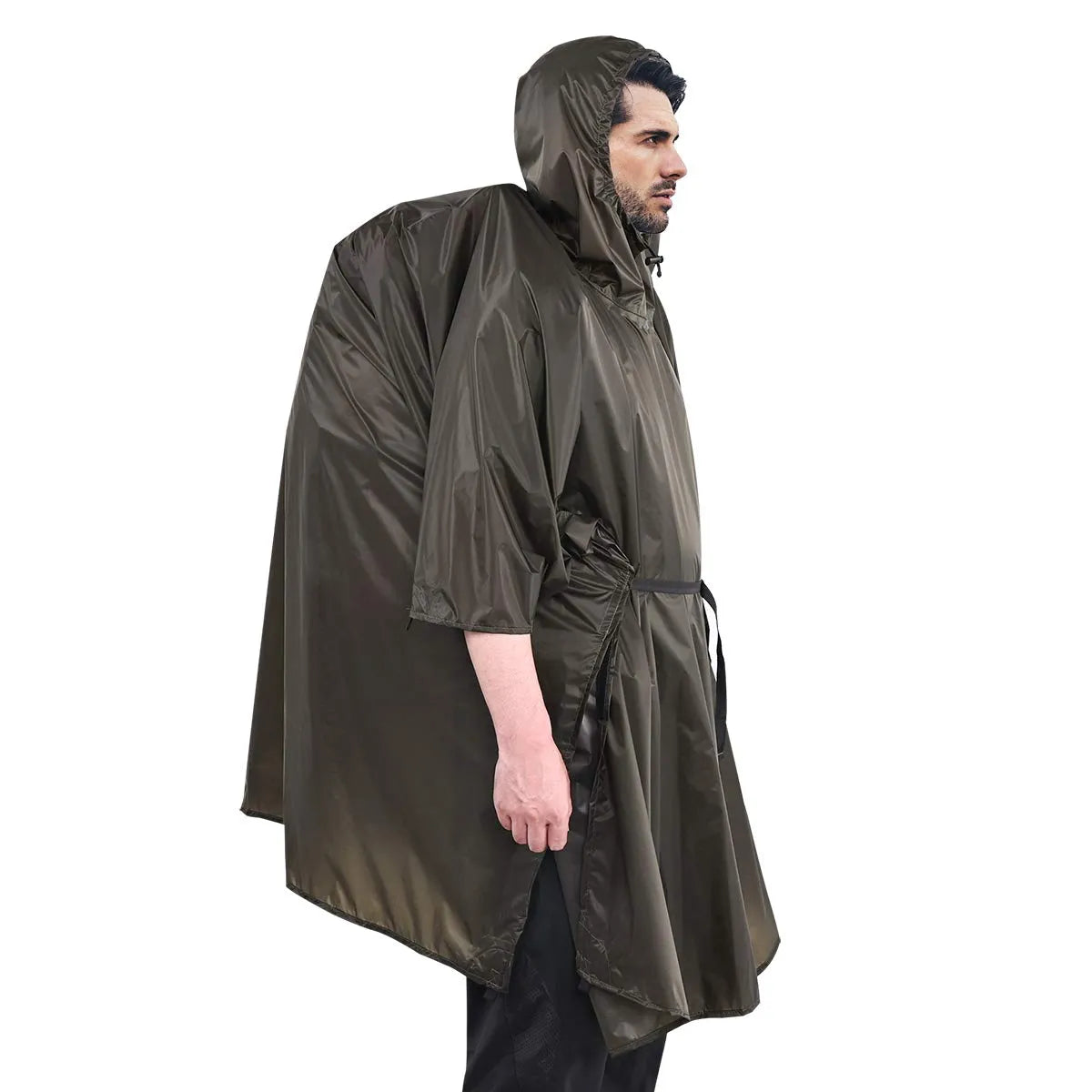
Se voittaa, kun sillä on toinen tehtävä: peittää reppusi, korvata repun sisäpussi tai pystyttäminen suojapeitteenäsi.
Tuo yksi muutos muuttaa mahdottoman mieltymysväittelyn kolmeksi kysymykseksi, joihin voit vastata seuraavaa matkaasi koskien ennen kuin pakkaat sitä varten.
Mitä opit
Pika vastaus
Tässä on se osa, jota mikään vertailuartikkeli ei kerro sinulle, ja se on ristiriidassa niiden varusteiden kanssa, joita myyn.
Poncho ei ole kevyempi vaate kuin hyvä ultrakevyt sadetakki.
Jos ostat ponchon ja kannat silti mukana repun sadesuojaa sekä erillistä pressua, et ole säästänyt mitään ja olet luopunut tuulenkestävyydestä saadaksesi tämän etuoikeuden.
Poncho ansaitsee paikkansa poistamalla tavaroita repustasi, ei siksi, että se painaisi vähemmän kuin esine, jonka se korvaa.
Puumetsärajan testi: kolme kysymystä, jotka ratkaisevat asian
Poncho vs. sadetakki vaellukselle: plussat ja miinukset
Rakensin tämän testin luettuani sijoitusta käsittelevät artikkelit läpi ja huomatessani, että ne kaikki päättyvät samaan kohtaan.
Advnture esittelee tasapainoisen listan kompromisseista ja toteaa lopuksi, että valinta riippuu henkilökohtaisista mieltymyksistä ja vaeltajan erityistarpeista.
Missä The Road Forks esittää pisimmän plussien ja miinusten luettelon hakutuloksissa ja päätyy samaan ei-vastaukseen.
Kumpikaan ei kerro, mitkä olosuhteet todella kääntävät suosituksen, joten kun olet lukenut loppuun, et vieläkään tiedä, mitä pakata.
Ehdot tiivistyvät kolmeen kysymykseen, ja jokaiseen saa vastauksen eikä kompromissia.
Lukusääntö on yhtä tärkeä kuin akselit.
Akseli 1 tai Akseli 2 palauttaa "takki" ja ohittaa Akselin 3 kokonaan.
Yksikään painonsäästö ei oikeuta vaatekappaletta, joka käyttäytyy kuin purje tuulessa tai tarttuu jalkaasi kiipeillessä.
Jos Akseli 1 ja Akseli 2 palauttavat molemmat ”poncho”, Akseli 3 ratkaisee, kuinka selvästi poncho voittaa: niukasti, jos se ei korvaa mitään, ja selvin luvuin, jos se korvaa suojasi.
Akseli 1: Altistuminen - Tuuli, ei sade, on se, mikä tappaa ponchon
Sade ei ole ponchon heikkous, mikä yllättää ihmisiä, jotka olettavat päinvastaista.
Tuuli on.
Eniten ylä-ääniä saanut vastaus r/Ultralight-keskustelussa täsmälleen tähän kysymykseen vetää rajan tarkasti: alppipoluilla ja harjanteilla, joissa tuuli voi yltyä ja joissain tapauksissa repiä ponchon rikki, sekä tilanteissa, joissa kehon lämmön säilyttäminen on tärkeämpää kuin sen päästäminen ulos, kyseinen vaeltaja suosii ponchoa sen huomattavasti paremman ilmanvaihdon ja monipuolisuuden vuoksi.
Lue tuo raja huolellisesti, sillä se tekee kahta asiaa yhtä aikaa.
Se nimeää fyysisen vikaantumisen: poncho muuttuu jatkuvassa tuulessa purjeeksi, ja kuormitettu purje voi revetä.
Se nimeää myös lämpötilainversion (kun olet kerran kylmissäsi, haluat vangita kehon lämpöä, ja ponchon suurimmasta vahvuudesta tulee rasite).
Toinen retkeilijä samassa yhteisössä sanoo sen suoraan: ponchon ainoa todellinen ongelma on se, kuinka tuulista on todennäköisesti, eivätkä ne ole miellyttäviä kovassa tuulessa.
Puunrajan alapuolella logiikka toimii toisin päin, ja se toimii kovaa.
Vedenpitävän, hengittävän takin on johdettava hikoilun höyry kalvon läpi, ja raskaasti pakatun repun alla kosteassa nousussa se ei pysy mukana.
Loppujen lopuksi kastut sisältäpäin, mikä on se vikatila, jonka jokainen takin omistaja tunnistaa ja jota harva artikkeli osaa nimetä.
Ponchossa ei ole kalvo-ongelmaa, koska siinä on kalvon sijasta ilmarako.
Stion mukaan, joka on sadetakkeja myyvä brändi, ponchon väljä istuvuus antaa ilman kiertää vapaasti ja auttaa ehkäisemään hien kertymistä, joka kastaa takin käyttäjät ponnistellessa.
Kun takkimyyjä kertoo, että poncho hengittää paremmin, voit luottaa siihen.
Akseli 2: Maasto – Kun löysä helma muuttuu kompastumisvaaraksi
Jokainen vertailuartikkeli listaa "liikkuvuuden" ponchon haittapuolena, ja se on merkitty samaan luokkaan kuin "ei taskuja" ikään kuin nämä kaksi olisivat samanlaisia valituksen aiheita.
Ne eivät ole.
Taskut ovat kätevä yksityiskohta.
Helma, joka tarttuu saappaaseesi laskeutuessasi, aiheuttaa kaatumisen.
Yksi retkeilijä r/Ultralight-keskustelussa kuvaa sen ehdottomana rajana eikä pelkkänä mieltymyksenä: jos he ovat alueella, jossa ponchoon kompastuminen olisi vaarallista, he hyväksyvät sen, että kastuvat hieman, ja käyttävät sen sijaan takkia.
Se on turvallisuusarvio, eikä se välitä siitä, kuinka hyvin poncho hengittää.
Lajittelin polkutyypit sen mukaan, rankaisevatko ne löysästä helmasta, ja ero on selkeämpi kuin odotin.
Hoidettu polku, metsäautotie ja kumpuileva singletrack eivät rasita sitä lainkaan.
Kivikkoisessa rinteessä eteneminen, pusikon läpi rämpiminen ja jyrkkä, irtonainen kivikko koettelevat sitä heti.
Where The Road Forks vahvistaa takertumisen olevan yksi niistä vastalauseista, joiden kanssa lukijat saapuvat johdonmukaisesti, joten siihen kannattaa vastata suoraan sen sijaan, että se kuitattaisiin pois.
Jos reittisi sisältää käsien käyttöä kallioon, käytä takkia.
Jos reittisi sisältää kävelyä, helma ei ole ongelma, ja saamasi ilmanvaihto on todellista.
Akseli 3: Järjestelmän paino – luku, jota kukaan ei laske
Jokainen vertailuartikkeli päättyy tähän kohtaan, ja tämä on ainoa osa vertailua, joka todella muuttaa vastauksen.
Backpacking Lightin mukaan poncho on parasta ymmärtää järjestelmän osana pikemminkin kuin vaatekappaleena, ja kyseinen lähde on ainoa vertailuartikkeli, joka uskaltaa sanoa, että poncho voi korvata sekä rinkansuojuksen että tarpin.
Kaikki muut vertaavat ponchoa takkiin, toteavat, että luvut ovat lähellä toisiaan, ja jatkavat eteenpäin.
Joten laskin yhteen järjestelmät enkä vaatteita.
Katso ensin vartalon rivistöä, koska se on rehellinen.
Onewind Erittäin kevyt sadeponcho on 1,1 unssia silnylonia hintaan 33,90 dollaria, ja the Camouflage-sadeponchosuoja Painaa 257 grammaa.
Vaeltajien toisilleen ilmoittamat painotiedot kulkevat sen rinnalla: Packa painaa 264 grammaa ja 3F UL -hihallinen poncho 238 grammaa, kaikki luvut on vaihdettu Redditin r/Ultralight-ketjussa, jossa keskustellaan sadejärjestelmän korvaamisesta poncholla.
Hyvää ultrakevyttä takkia vastaan se on tasaväkinen.
Kuka tahansa, joka väittää ponchon voittavan vaatteen painossa, vertaa vääriä kahta lukua.
Katso nyt kahta viimeistä riviä, sillä se on koko argumentti.
Yksi retkeilijä samassa ketjussa toi takki-setupin piilokustannuksen esiin selvästi: heidän ystävänsä käyttävät takki- ja housuyhdistelmää, mutta sitten joissakin tapauksissa tarvitset vielä selkäpeitteen.
Repun suojus on paino, jonka takkajärjestelmä kantaa ja jota poncho-järjestelmä ei kanna, eikä sitä melkein koskaan näy vertailutaulukoissa.
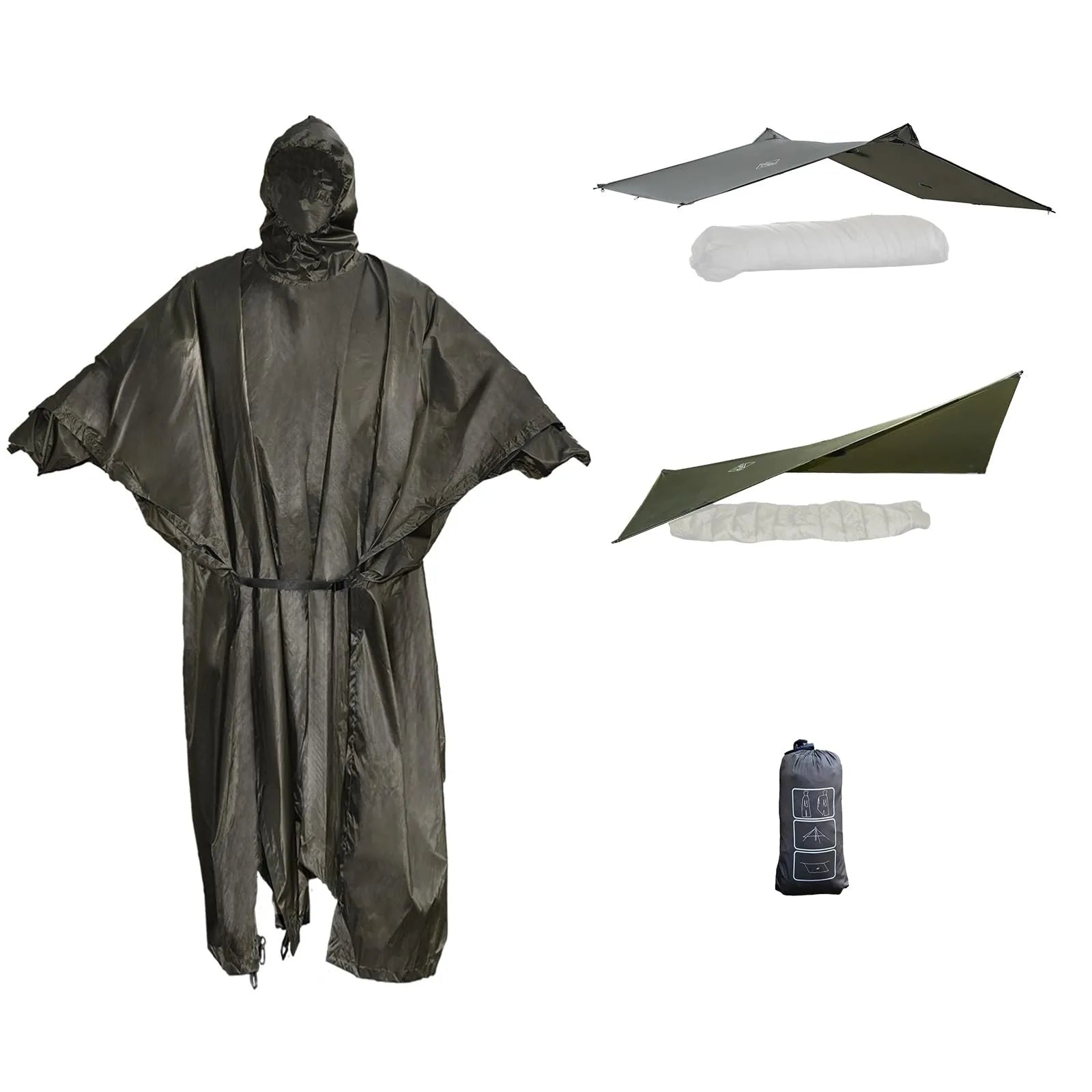
Suojausrivi on vieläkin suurempi, ja se koskee vain, jos ponchosi on oikeasti tarpeeksi suuri pystyttämiseen.
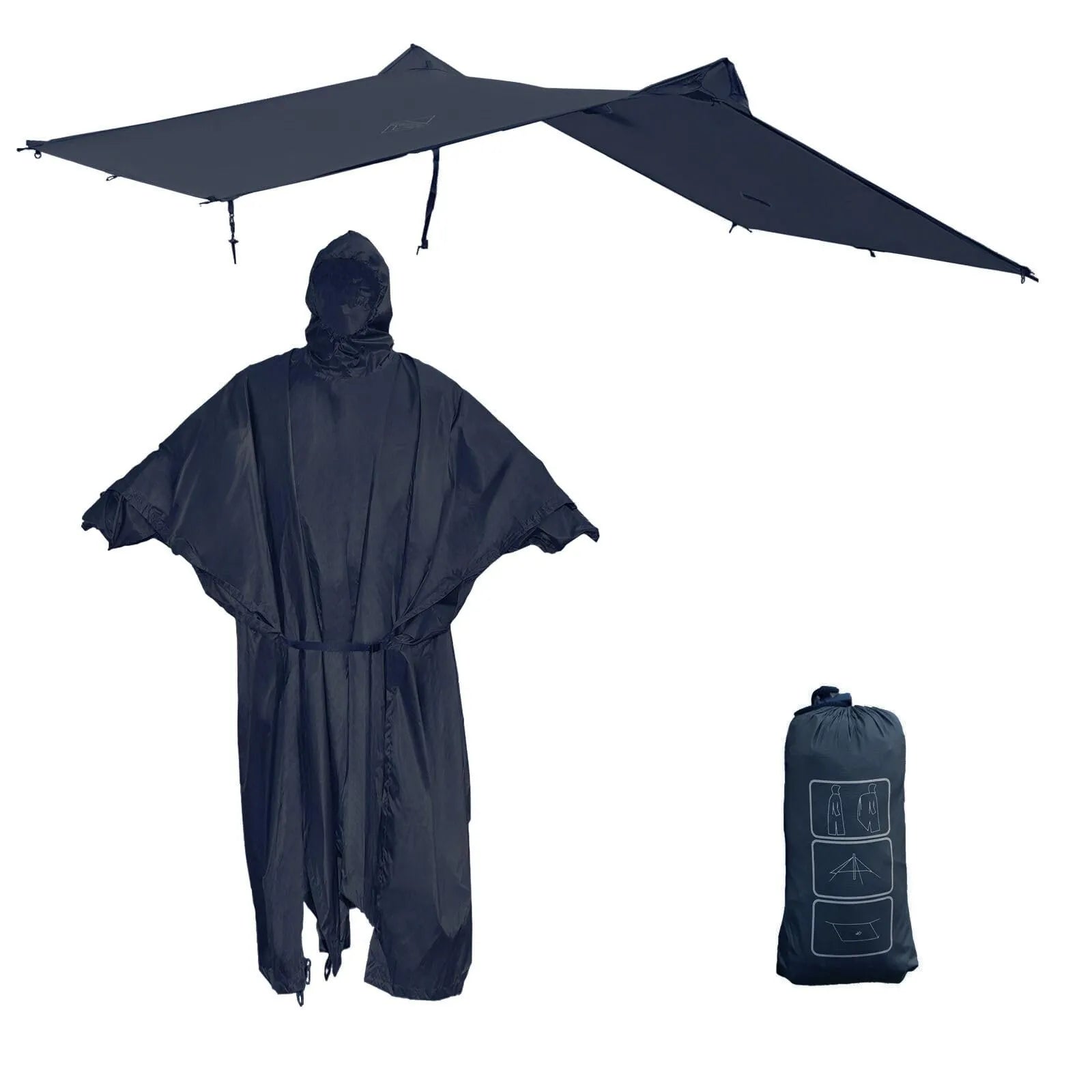
Camo-sadetakkisuoja avautuu 98 x 56 tuumaan, eli 250 x 142 senttimetriin, ja tuo paneeli on riittävän suuri A-kehikon rakentamiseen sen päälle.
Pakattuna se on 7 x 18 senttimetrin sylinteri, jota yksi r/Ultralight-vaeltaja kuvaili pienemmäksi kuin 12 unssin limsatölkki suositellessaan Onewind-sadeviittaa juuri tämän kaksoiskäyttöisen ominaisuuden vuoksi.
Jos poncho on tarppisi, olet poistanut selästäsi 300–500 grammaa, eikä vertailu ole enää lähelläkään tasaväkinen.
Jos poncho ei korvaa mitään, painoargumentti menettää merkityksensä, ja olet taas tilanteessa, jossa päätös tehdään vain akseleiden 1 ja 2 perusteella.
Skenaario 1: Avoin harjanne, jatkuva tuuli
Kuljet harjannetta puuttoman metsärajan yläpuolella, tuuli käy tasaisesti selkäsi takaa, ja sade kulkee sivuttain eikä alaspäin.
Aloittelijan virhe tässä on olettaa, että koska poncho peittää enemmän sinua, se myös suojaa enemmän sinua.
Suojaus on arvotonta, kun suojaava materiaali on ilmassa.
Tässä tuulessa poncho nousee helmasta, ohjaa ilmaa selkäsi pitkin ylöspäin ja läpsyy itseään reppuasi vasten, kunnes jokin pettää saumasta.
r/Ultralight-yhteisön yksimielinen näkemys nimeää tämän kotelon juuri sellaiseksi, jossa tuuli voi yltyä ja joissakin tapauksissa repiä ponchon.
Ensimmäisen päälle kasaantuu toinen epäonnistuminen, ja juuri se satuttaa sinua eniten.
Paljaat harjanteet ovat kylmiä, ja kylmyys tarkoittaa, että sinun on säilytettävä kehon lämpöä, ei päästettävä sitä ulos.
Ponchon ilmarako, joka on sen koko etu puurajan alapuolella, pumppaa nyt lämmintä ilmaa pois järjestelmästäsi jokaisella puuskalla.
Tuomio: Käytä sadetakkia. Onewind ei myy sellaista, ja neuvoisin silti sinua ostamaan sellaisen jostain muualta tätä matkaa varten.
Skenaario 2: Sekava tai umpeenkasvanut polku
Reitillä joudutaan käyttämään käsiä kalliolla, laskeudutaan jyrkkää irtokivistä rinnettä tai kuljetaan puolen mailin verran pusikkoa, joka on kasvanut umpeen sen jälkeen, kun viimeinen polku-urakka kulki tästä läpi.
Riski ei ole se, että kastut.
Riski on siinä, että helma, jota et näe, tarttuu jalkaan, jota et voi siirtää.
Where The Road Forks listaa tarttumisen lukijoiden useimmin esiin nostamien vastaväitteiden joukkoon, ja tällä alueella vastaväite on oikea.
Retkeilijä r/Ultralight-keskusteluketjussa vetää saman rajan ja sanoo hyväksyvänsä, että takki kastuu hieman, mieluummin kuin ottaa riskin kompastua ponchoon tilanteessa, jossa kompastuminen olisi vaarallista.
Olen huomannut, että tämä on se ainoa tapaus, jossa ilmanvaihtoa koskeva argumentti lakkaa olemasta lainkaan merkityksellinen, koska et voi ilmanvaihdolla pelastautua putoamisesta.
Istuva takki pitää kankaan vartaloasi vasten siellä, missä silmäsi ja kätesi odottavat sen olevan.
Tuomio: Pue sadetakki. Tämä on turvallisuuteen liittyvä kehotus, ei mukavuuteen liittyvä.
Skenaario 3: Lämmin, kostea metsäpolku raskaasti pakatun rinkkan kanssa
Kiipeät puurajan alapuolella, lämpötila on 20 celsiusastetta, ilmankosteus on korkea, ja sade on tasaista ja pystysuoraa.
Tämä on matka, jonka useimmat lukijat oikeasti tekevät, ja juuri siinä takki pettää huomaamattomasti.
Vedenpitävä, hengittävä kalvo pystyy siirtämään vain tietyn määrän höyryä, ja kuormattu nousu kosteassa ilmassa tuottaa enemmän höyryä kuin se pystyy siirtämään.
Saavut leiriin märkänä, ja vesi tuli sinusta.
Stio, joka myy sadetakkeja, myöntää omassa vertailussaan, että ponchon väljä istuvuus antaa ilman kiertää vapaasti ja estää juuri tämän hikoilun kertymisen.
Backpacking Light esittää saman ajatuksen ultrakevyen näkökulmasta ja pitää ilmanvaihtoa ponchon rakenteellisena etuna eikä pelkkänä mukavana lisänä.
Tässä on toinenkin hyöty, joka ei maksa mitään.
Reppusi on ponchon alla, joten reppusuoja, jonka muuten kiinnittäisit, jää kotiin.
The Pidennetty ultrakevyt sadeponcho sopii pidemmille vaeltajille ja suuremmille rinkoille, joissa vakiokokoiset suojat jäävät liian lyhyiksi eivätkä yllä rinkan pohjaan asti.
Tuomio: Pue poncho päällesi. Tämä on sen kotikenttä, ja se sopii useimpiin sadepäiviisi.
Skenaario 4: Kannat jo pressua mukana
Pikaponchosuoja - Helppo pystyttää ponchoa käyttäessäsi
Olet lähdössä kahdeksi yöksi, sadesuoja on jo varustelistallasi, ja päätät, mitä pukea yllesi, kun päivällä sataa.
Tämä on se skenaario, jossa laskutoimitukset eivät enää ole lähellä toisiaan.
Poncho, jota käytät koko päivän, muuttuu katoksi, jonka alla nukut koko yön, eikä pressua tarvitse lainkaan.
Camo-sadeponchosuoja on sitä varten suunniteltu malli, ja sen hinta on 39,90 dollaria. Siinä on 250 x 142 senttimetrin paneeli sekä 3000 mm:n silikoni- ja PU-pinnoite.
Se on riittävästi kangasta A-muotoiseen suojaan yhden nukkujan päälle, ja Onewind-sadetakkia suositellut r/Ultralight-vaeltaja nosti esiin juuri tämän: se toimii myös pressuna ja pakkautuu pienempään tilaan kuin limsatölkki.
En liioittelisi sitä suojaa, jonka se antaa sinulle.
250 x 142 senttimetrin paneeli on pieni suojapeite, ei erityisen suuri, ja jos haluat todellista myrskysuojaa tai riittävän suuren ripustettavan peitteen riippumatolle, sinun kannattaa kantaa mukana erillistä suojapeitettä.
Telttakankaan pystytysgeometriasta ja siitä, miten sään mukaan valitaan pressun muoto, kerromme perusteellisesti erillisessä oppaassa sen sijaan, että toistaisimme sen tässä.
Mutta jos matkasi on hyvän sään yöretki, johon voi liittyä sadetta, tämä on se kokoonpano, jossa poncho lakkaa olemasta kompromissi ja alkaa olla vähintään 300 grammaa kevyempi järjestelmä.
Tuomio: Pue poncho päällesi ja jätä pressu kotiin.
Skenaario 5: Takkiyhdistelmä, joka hiljaa sai repunsuojuksen mukaan
Omistat a sade takki, josta pidät, ja uskot, että sinulla on kevyt sadekokonaisuus.
Sitten listaat, mitä paketissa oikeasti on, kun sataa.
Takissa teknisissä tiedoissa on juuri se paino, joka siinä ilmoitetaan.
Sen ympärille kertyi hiljalleen järjestelmä, yksi järkevä hankinta kerrallaan.
Se r/Ultralight-kommentti takin ja housujen yhdistelmän vaatimasta selkäpeitteestä kuvaa juuri tätä harhaa, ja juuri siksi hakutulosten vaate–vaate-vertailu johtaa ihmisiä harhaan.
Käyn läpi oman järjestelmäni ennen jokaista matkaa, ja repun sadesuoja on se esine, joka nousee esiin kerta toisensa jälkeen ilman että siitä koskaan päätetään.
Jos aiot puolustaa takin kokoonpanoa, puolusta koko kokonaisuutta, älä vain sitä osaa, jolla on hyvä tekninen tuoteseloste.
Tuomio: Punnitse järjestelmä, älä vaatetta, ennen kuin päätät tehneesi jo kevyen valinnan.
Yleisiä virheitä ponchon ja sadetakin välillä
Suurin osa ponchoon liittyvästä pettymyksestä johtuu neljästä virheestä, eivätkä ne liity sateeseen.
Virhe 1: Vaatteen painon vertaaminen järjestelmän painoon
Tämä on virhe, jonka koko artikkelin tarkoitus on korjata.
Poncho, joka painaa 257 grammaa verrattuna takkiin, joka painaa 260 grammaa, ei ole painoetu, vaan pyöristysvirhe.
Backpacking Light on ainoa vertailulähde, joka esittää ponchon järjestelmän osana, ja juuri tuo näkökulma on koko syy siihen, miksi ponchoa kannattaa harkita.
Jos ostat ponchon ja pidät pakkosuojuksen sekä tarpinkin, olet vaihtanut tuulenkestävyyden turhaan.
Osta poncho, koska siitä jää pois reppusi sisältö, tai älä osta sitä.
Virhe 2: Ostetaan poncho, joka on liian lyhyt peittämään rinkan
Repun peittävyys on ponchon rakenteellinen etu, ja poncho, joka päättyy repun yläpuolelle, hukkaa tämän edun säilyttäen samalla kaikki haitat.
Silloin kannat mukanasi vaatetta, joka lepattaa, ei suojaa tuulelta ja vaatii yhä pakkaussuojusta, jonka yritit jättää pois.
Erittäin kevyt sadeponcho avautuu mittoihin 98 x 56 tuumaa, mikä peittää tavallisen täyteen lastatun repun.
Jos olet pitkä tai käytät 60 litran tai suurempaa rinkkaa, the Pidennetty ultrakevyt sadeponcho olemassa juuri siksi, että vakiopituus loppuu kesken.
Mittaa olkapäältäsi reppusi yli siihen kohtaan, johon haluat helman ylettyvän, ja osta sitten koko, joka yltää siihen.
Virhe 3: Ponchon yhdistäminen sadehousujen sijaan kiltin kanssa
Sadehousut ponchon alla tekevät jälleen suoksi sen, minkä ponchon oli tarkoitus estää.
Olet nähnyt vaivaa luodaksesi ilmarakon vartalosi kohdalle ja sulkenut sitten jalkasi muovipussiin.
r/Ultralight-yhteisön yksimielinen näkemys tästä on suora: kiltti on parempi kuin housut puurajan alapuolella.
The Kevyt nailoninen sadekaukalo Se on osa, joka viimeistelee ponchosysteemin, ja sen hinta on 19,90 dollaria. Se on valmistettu 1,1 unssin ripstop-nailonista, jossa on PU 3000 mm -pinnoite.
Sen tarrakiinnitteinen vyötärö säätyy 62–130 senttimetriin, joten se puetaan saappaiden ja valjaiden päälle ilman, että mitään tarvitsee riisua.
Puurajan alapuolella tämä on oikea tapa peittää jalat.
Virhe 4: 3000 mm:n luokituksen pitäminen ratkaisevana teknisenä tietona
Hydrostaattinen vesipatsaan kestävyys on vähimmäisvaatimus, ei tasatilanteen ratkaiseva tekijä.
Onewind-sadevarusteissa on 3000 mm:n silikoni- ja PU-pinnoite, joka ylittää selvästi rajan, jossa vaate lakkaa vuotamasta repun hihnojen alla ja jatkuvassa sateessa.
Takki, jota oikeasti harkitsisit, ylittää saman riman.
Joten arvosana ei voi olla se, mikä ratkaisee niiden välillä, ja kaikki siihen nojaava vertailu on täytettä.
Advnture ja muut vertailuoppaat käyttävät paljon sanoja arvioihin, mutta eivät silti pysty tekemään niiden perusteella päätöstä, mikä kertoo, kuinka vähän työtä numero oikeasti tekee.
Jos haluat ymmärtää, mitä nuo luokitukset tarkoittavat ja missä vedenkestävyys päättyy ja vedenpitävyys alkaa, käsittelemme sen perusteellisesti erillisessä oppaassa.
Nopea päätöksentekon tarkistuslista
Käy nämä kolme kysymystä läpi ennen seuraavaa matkaasi tässä järjestyksessä, ja pysähdy ensimmäiseen "kyllä"-vastaukseen.
Jos päädyt ponchoon, koko järjestelmä sijaitsee siinä Sadevarusteet-kokoelma: poncho vartalollesi, sadehame jaloillesi ja ei mitään reppusi suojaksi, koska poncho suojaa sen jo.
Jos päädyt takkiin, osta laadukas sellainen merkiltä, joka valmistaa niitä, ja yhdistä se … Vaellussuoja Pakkaukseen takki ei yllä.
Haluaisin mieluummin, että kannat oikeaa asiaa kuin että kannat minun asiaani.