
Kõige rohkem jagatud võrkkiige sõlmejuhendid loetlevad üheksa sõlme ja lasevad teil arvata, millist neist õppida, ning ükski neist ei ütle teile seda fakti, mis määrab, kas teie sõlm püsib: nöör.
Taut-line-sõlm, mis haarab odava nailoni küljes suurepäraselt, võib libedal Amsteelil vaikselt järele anda, ja seda avastad kell 2 öösel.
Lugesin läbi sõlmede loetelud, tootjate juhendid ja hunniku lõime Redditi r/hammockcampingus ning samad kaks lünka kerkisid esile iga kord.
Keegi ei rühmita sõlmi selle järgi, mida need tegelikult teevad, ja keegi ei hoiata sind, et sõlme all olev nöör muudab vastust.
See juhend teeb mõlemat.
Sa saad kolme küsimusega otsustusskeemi üheksa sõlme meeldejätmise asemel ning lõpuks tead üht või kahte sõlme, mida sinu seadistus vajab, millal sinu nöör välistab mõne sõlme ja millal peaksid sõlmede sidumise üldse lõpetama.
Mida te õpite
Ma koostasin selle otsuse, mitte sõlmede galerii ümber, sest sul ei ole vaja üheksat sõlme, vaid seda õiget sinu töö ja nööri jaoks.
Siin on, mille iga osa katab.
Kiire vastus
Sa ei pea õppima üheksat sõlme.
Peate sobitama ühe sõlme teie ees oleva töö ja käes oleva nööriga ning teadma, millal sidumine lõpetada.
Selle juhendi ülejäänud osa selgitab, miks iga kutse on selline, nagu see on.
Ankru sõlme otsus
Lõpetasin sõlmede päheõppimise sel päeval, kui sain aru, et valik koosneb kolmest küsimusest, mitte ühest nimekirjast.
Esitage need järjestikku ja üheksasõlme nimekiri koondub ühele või kahele, mida teil tegelikult vaja on.
Kõik allolev on nende kolme küsimuse üksikasjalik lahendus, millele on lisatud kaks ohutusreeglit, mida te ei riku.
Küsimus 1: Mis on töö?
Sõlmed liigitatakse selgelt selle järgi, mida nad teevad, ja enamik inimesi vajab ainult ühte või kahte.
Rühmita need töö järgi ja valik muutub ilmselgeks.
Pootsilm on sõlm, mida tasub õppida esimesena, kui õpid ainult ühte sõlme.
The Bear Essentials'i sõlmejuhendi järgi ei libise see koormuse all ning tuleb kergesti lahti, kui teed selle korralikult, mis ongi täpselt see, mida vajad oma kehakaalu hoidmiseks.
Redditis postitas üks algaja alarakendusega telkimise kogukonnas r/hammockcamping, et ainus asi nende ja esimese reisi vahel oli päris sõlmede sidumise õppimine, ning tippvastused ei saatnud neid üheksasõlmelise skeemi juurde.
Nad leidsid, et lahendus oli väiksem kui hirm.
Nad ütlesid, et kaks sõlme katavad kõik vajadused: paelisõlm ja pingutussõlm, alates presendist kuni kajaki kinnitamiseni katuseraamile.
See on ümberraamimine, millest nimekirjaartiklid mööda vaatavad.
Üks sõlm selles tabelis väärib hoiatust enne, kui sellele toetute.
Topeltkalamehesõlm ühendab nööri aasadeks ja hoiab suurepäraselt, kuid My Open Country märgib, et see kiilub pärast koormatud ööd nii tugevasti kinni, et hommikul ei pruugi seda enam lahti saada.
Veesõlm rihmal on sõbralikum viis kahe otsa ühendamiseks ning võrkkiige otsa aasale ei pea te neid tavaliselt ise siduma, sest see on eelnevalt splaissitud.
Otsus: kui õpid ainult kaks sõlme, tee nendeks lipsusõlm ja pingutussõlm ning lisa marliinitipuga haakesõlm, kui liigud tihvti ja whoopie’ga lahenduse juurde.
Küsimus 2: Mis on nöör?
Võrkkiige Becket’ sõlm (Derek Hansen)
See on see tõsiasi, mille järjestusjuhendid välja jätavad, ja just see paneb inimesed kukkuma.
Hõõrdussõlm töötab ainult hea haardega nööril.
Pingutussõlm ja beketisõlm püsivad nailonil ja polüestril suurepäraselt, sest kiud haakuvad.
Siledal Amsteelil, Dyneemal või Spectral libisevad need samad sõlmed koormuse all ja hakkavad nihkuma, sest keerdudel pole millestki kinni haarata.
Derek Hansen, kes kirjutab teost „The Ultimate Hang“ ja on võrkkiigega telkimise valdkonnas autoriteedile kõige lähemal, on selles otsekohene.
Ta hoiatab, et õhuke sile nöör, nagu Amsteel, Spectra või Dyneema, kipub libisema ning et Dyneemaga ei tohi teha becketi sõlme mõlemal poolel.
Bear Essentialsi juhend ütleb sama UHMWPE ja Amsteeli puhul roomava pingesõlme kohta.
Põhjus on kiud ise.
UHMWPE, materjal, millest on valmistatud Amsteel ja Dyneema, on oma olemuselt väga madala hõõrdeteguriga, mis võimaldab sellel olla ühtaegu libe ja tugev, ning just see sama libedus ongi see, millest hõõrsõlm ei suuda kinni haarata.
The Ultimate Hangi soovitus on enne, kui sellele keharaskusega lood, testida iga riputust libisemise suhtes, koormates seda mõne tolli kõrgusel maapinnast ja jälgides, kas sõlm liigub.
Kui see hiilib õuealal pahkluu kõrgusel, hiilib see pimeduses ka rippumiskõrgusel.
Nii et reegel on lihtne.
Haarduv nöör, seo sõlm.
Sile nöör, lõpeta hõõrdussõlmede sidumine ja kasuta selle asemel põimitud aasa või tarvikut.
Otsus: sobita sõlm enne selle usaldamist nööri külge ning mis tahes libedal Dyneema või Amsteel liinil tuleks eelistada ühendust või pannalt hõõrdesõlme asemel.
Küsimus 3: Kas üldse peaksid siduma?
Sõlmed on kõige kergem ja odavam viis riputamiseks ning minimalistile on need õige lahendus.
Need ei ole alati nutikas vastus.
Sõlmedeta kiige riputussüsteem Süsteemid on olemas just nende olukordade jaoks, kus sõlm on vale tööriist.
r/hammockcampingis on Redditi üldine seisukoht otsekohesem kui ükski tooteleht: paljud inimesed pingutavad riputussüsteemi kallal palju liiga palju.
Üks veteran kirjeldas, kuidas ta proovis läbi riistvara, whoopie-slinge, reguleeritavaid köisi ja igasuguseid tõmbeid, enne kui ta lõpuks, kolm hooaega hiljem, jäi lihtsa becketi sõlme juurde pidevate aasadega, sest see lihtsalt töötab.
Siin on, kuidas tegelikud valikud võrdlevad, kus kaalud ja mahutavused on esitatud vahemikena, sest allikad mõõdavad neid erinevalt.
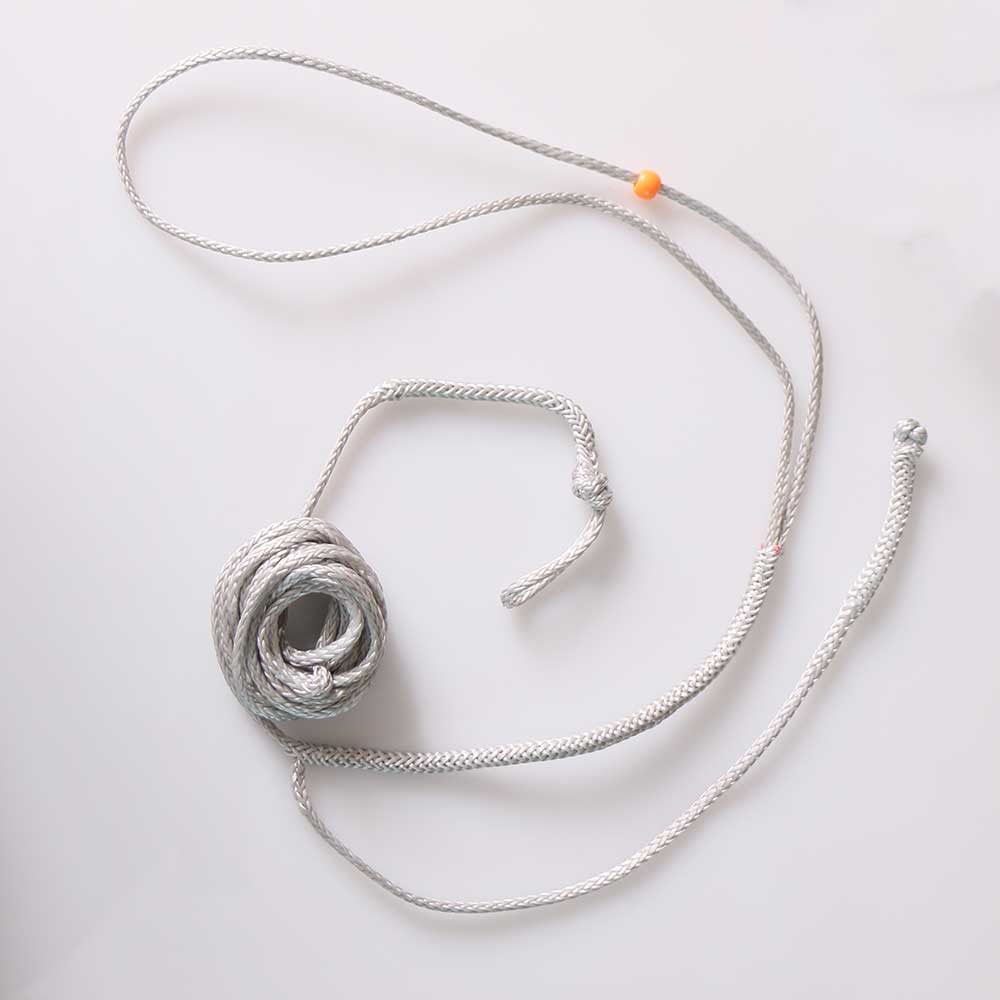
Selle kogu otsuse pöördepunkt on see, et pidev silmus, lühike splaissitud aas, mida enamik kogutava otsaga võrkkiikesid juba mõlemas otsas kannab.
Sa ei seo seda kinni, vaid seod või kinnitad selle külge.
Seo rõngas lõokesepadjaga, paigalda sellele whoopie-sling või kinnita sellele karabiin ning sinu keharaskussõlmede arv langeb nulli või üheni.
Peaaegu iga kaasaegne kogumisotstega võrkkiik on just sel põhjusel varustatud pidevate aasadega, nagu märgivad nii Greenbelly kui ka The Ultimate Hang.
Nad muudavad kõige raskema sammu — sõlme õppimise, mida saad oma raskusega usaldada — kinnita-ja-lähme-kiiruseks, mistõttu veteranid, kes on kõike proovinud, tulevad nende juurde ikka ja jälle tagasi.
Kui soovite kõige kergemat reguleeritavat sõlmedeta riputust, siis a Whoopie-sling sellele aasale on umbes neli untsi ja see reguleerub lõputult.
Kui telgid külmas ja märjas või kannad kindaid, on pingutuspannal aus valik, kuigi see on raskem, sest seda saab kasutada ka paljakäsi.
Kui te pole kunagi varem üles riputanud või seadistate seda rühmale, on daisy chain kõige kiirem lahendus ning selle kasutamine ei eelda õppimist.
Otsus: vali klambriga kinnitus siis, kui ilm ja kindad on määravad; vali whoopie, kui määrav on kaal; ning kasuta karikakraketti siis, kui määrav on nullõppimiskõver. Otsi otse sõlmi sidudes vaid siis, kui iga untsi ja dollari säästmine on kõige olulisem.
Kaks reeglit, mida sa ei riku
Puukaitse, marliinsõlmepulk, ripptooli riputuse klamber
Enamik sõlmevigu maksab sulle vaid lõdva riputuse.
Kaks neist kukutavad sind maapinnale, seega saavad nad omaette osa.
Esimene on ruutpõimissõlm.
Minu Open Country juhendis on kirjas, et see võib lahti tulla isegi siis, kui see on õigesti seotud, ning seda ei tohiks kunagi kasutada üheski koormust kandvas olukorras, ja see on kogu uurimistöö kõige selgem „ära kunagi tee seda“.
Ruutsõlm näib kindel, sest see asub lamedalt ja korralikult, ning just seetõttu see inimesi petab.
Võrkkiiges veereva keha muutuv ja ebaühtlane koormus võib selle lahti raputada ning My Open Country andmed paigutavad selle kindlalt kategooriasse „mitte kunagi koormatav“.
Ära kunagi usalda oma keharaskusega ruutsõlme, mida nimetatakse ka lamesõlmeks.
Teine on lüliti.
Marliinitõmbe sõlm koos tõkkepulgaga on kõige levinum tegelik võrkkiige kinnituse viis ning see on tõepoolest hea, kuid selle füüsika on vastuoluline.
Wikipedia artikli järgi marliinpulga sõlme kohta ei ole sõlm stabiilne, kui sellele ei rakendata koormust; seda tohib koormata ainult seisva otsa poolt ning kui seda koormata valel viisil, läheb see ümber ja muutub lihtsõlmeks noosiks.
Iga allikas kordab, et ripud sõlme, mitte luku küljes.
Koormus peaks suruma lülitit vastu sõlme, mitte püüdma lülitit pooleks murda.
Redditis rippus üks riidepuu leitud oksa küljes, mis oli pistetud läbi aasa, ja kõige populaarsem vastus oli otsekohene: see on kõik lõbu ja mäng kuni see oksake murdub ja sinu sabaluu ka.
Titaanist või kõvast puidust lüliti maksab paar dollarit ja kõrvaldab selle tõrkeviisi täielikult.
Kasuta sobivat metall- või kõvapuust nööbikinnitust, aseta see sõlme vastu ja marlin spike laguneb kohe, kui sa selle koormuse eemaldad, mistõttu lahtivõtmine ongi nii kiire.
Mida iganes te kinni seote või klammerdate, kõigepealt puutub vastu koort lai vöörihm, sest paljas köis ja sõlmed vastu tüve kahjustavad puud.
Stsenaarium 1: Täiesti algaja
Sa tahad täna õhtul lihtsalt aega veeta ega soovi mingit ettevõtmist.
Õpi kaks sõlme selgeks ja peatu seal.
Seo a lai puukinnitusrihm ümber tüve, kinnitage karabiin ja siduge oma riputusliinile bowline-sõlm selle karabiini külge fikseeritud otsa jaoks.
Kui teie nöör on libe nailonist, kasutage teises otsas pingutussõlme, et saaksite seda liigutades reguleerida.
Kui sõlmede sidumine üldse tundub liiga keeruline, vali kohe pingutuspannal või daisy chain ja kinnita.
Kohtuotsus: enamikule algajatele on sõlmipaariks soodusõlm koos pingutussoomusega kogu vajalik oskusteave ning kui te pigem ei taha sõlmida, võimaldab pannal või karikakarkett teil rippuda ilma ühegi sõlmeta.
Stsenaarium 2: reguleeritava riputuse täpne seadistamine
Nöör venib ööga ja riputus, mis hämaras tundus õige, vajub südaööks lõdvaks, seega soovite pinget taastada ilma uuesti sidumata.
Libedal nailonil libiseb ja püsib taut-line-sõlm ning becketi sõlm annab teile kiire reguleeritava rihma-aasa ühenduse.
Libedal Amsteelil või Dyneemal kipuvad mõlemad venima, seega on reguleeritavaks lahenduseks whoopie sling, mille Amsteeli peidetud ühendus pinguldub nagu hiina sõrmelõks, kui teie raskus seda tõmbab.
Otsus: vali reguleeritavuse jaoks ainult haarduva nööri puhul taut-line-sõlm või becket-sõlm; libedal nööril kasuta sõlmega võitlemise asemel whoopie-slingi, sest see kipub libisema.
Stsenaarium 3: libe Amsteel- või Dyneema-nöör
Te ostsite õhukese, suure tugevusega nööri, sest see on kerge ja tugev, ning nüüd ei püsi teie sõlmed kinni.
See ei ole teie tehnika, see on füüsika.
Siledad UHMWPE kiud ei anna hõõrdesõlmele millestki kinni haarata, seetõttu libisevad pingutus- ja becket-sõlmed koormuse all.
Lahendus on lõpetada sõlme käest haaramist palumine ja lasta koelõikel või kinnitustarvikul koormust hoida.
Liimitud pidev ahel, whoopie-sling või pannal sobivad kõik libeda nööriga, sest need hoiavad seda kinni, mitte ei pigista seda.
Järeldus: libedal Amsteelil või Dyneemal ei tohiks üldse hõõrdussõlmele toetuda; kasuta selle asemel spleissitud aasa või pannalt ning hoia see üks sõlm, mille siiski seod, näiteks pootsmanisõlm, kohas, kus see on korralikult vormitud ja lisatoestatud.
Stsenaarium 4: Konstruktsiooniline ridgeline või tarp
Siin hoiab sõlm ridge-line’i või telgikatust, mitte teie keha, seega muutuvad panused ja reeglid.
Reguleeritavus on olulisem kui toores tugevus ning libisemine on pigem tüütu, mitte vigastus.
Pingutuspoomine sõlm, nelk-sõlm või becket’i sõlm sobivad kõik ridgeliinile ning marlinspiik võib paigaldada tenti jaoks toggleid.
Redditis ulatuvad siin riputid prusiku järele ja see on selleks õige kontekst.
Üks kasutaja kirjeldas, et kasutas vihmakatte puhul prusiku sõlme just seetõttu, et see on kergesti reguleeritav, mittekoormust kandev sõlm, ja see ongi aus piir: prusik on ridžiliini ja tarp’i sõlm, mitte riputussõlm, millele oma keha raskusega toetuda.
Kindlaksmääratud pikkusega konstruktsioonilise harjajoone jaoks, üks reguleeritav konstruktsiooniline harjajoon eemaldab sõlme võrrandist täielikult.
Otsus: ridgeliini või tarp’i jaoks kasuta taut-line’i, nelgipidi sõlme või becket-sõlme või reguleeritava, mittekoormust kandva pingutuse jaoks prusikut, kuid ära kunagi kasuta prusikut keharaskuse riputamiseks.
Stsenaarium 5: Külmad, märjad või kinnastatud käed
20 kraadi juures märgade kinnastega on peen sõlmetöö piinarikas ja aeglane ning just siis tekivadki vead.
See on olukord, kus sõlmed on lihtsalt vale lahendus.
Rihmapannal või daisy chain võimaldab sul telgi üles seada ilma kindaid käest võtmata, mistõttu talve- ja grupikasutajad neid väga hindavad.
Redditis teatas üks riputaja, et nad kasutavad riistvara just selleks, et nad saaksid külma ilmaga püsti panna ilma kindaid ära võtmata, ning nimetasid seda tõeliseks mugavuse uuenduseks.
Otsus: külmade, märgade või kinnastega käte puhul vali pigem pingutusklamber või daisy chain kui ükskõik milline sõlm ning lepi mõne lisuntsiga kui hinnaga, mida maksad selle eest, et saad varustuse üles panna tuimade sõrmedega.
Stsenaarium 6: Kiire ühekäeline lahtivõtmine
Sa võtad laagri vihmaga kokku ja tahad, et riputus langeks sekunditega, ilma et peaksid koormatud sõlme näppima.
Kiirkinnitussidemed on loodud just selleks.
Marliinitoru sõlm koos pulgaga vajub kokku kohe, kui te oma raskuse sellelt ära tõstate, pistriku sõlm vabaneb ühe tõmbega vaba otsa küljes ning puud ümbritsev kingapaela stiilis lehvsõlm tuleb lahti sama kiiresti.
Kuna marliinitork on stabiilne ainult koormuse all, on mahavõtmine peaaegu hetkeline, mis ongi selle peamine võlu.
Otsus: kiireks lahtivõtmiseks eelista marliinitõmmatavat sõlme või pistrikunooti ning väldi sõlmi nagu topeltkaluri sõlm, mis kipuvad pärast koormatud ööd kinni kiiluma.
Stsenaarium 7: Sul on juba pidevad silmused
Enamik kogutud otsadega võrkkiikesid tarnitakse mõlemas otsas lühikese põimitud aasaga ning paljud omanikud ei saa kunagi aru, milleks see mõeldud on.
See aas on sinu otsetee sõlmedeta kinnitamiseni.
Sa ei seo pidevat aasa kinni, vaid seod või kinnitad selle külge, nii et sul on üks paeltepea sõlm puudu whoopie-slingist, rõngast või karabiinist.
Kõige kergema võimaliku riputuse jaoks jõudsid mitmed Redditi veteranid pärast kõigi muude lahenduste proovimist järeldusele, et lihtne beketisõlm otse pidevatele aasadele on parim valik.
Verdikt: kui teie võrkkiigel on juba pidevad aasad, kasutage neid; siduge whoopie sling lõokesõlmega või kinnitage karabiin ja teie kehakaalu sõlmede arv langeb nullini või üheni.
Stsenaarium 8: Ülikerge minimalistlik lahendus
Sa loed gramsid ja soovid võimalikult väheseid, kõige kergemaid osi, mis ikka veel hoiavad.
Otse sõlmed võidavad kaalus, olles umbes kaks untsi, mis on vähem kui ükskõik milline riistvara.
Vedrustusnöörist otse pidevatele aasadele tehtud becket-sõlm koos puu juures oleva laia rihmaga on umbes nii kerge kui turvaline riputus üldse olla saab.
Konks on selles, et see toimib ainult nööri puhul, mida becket’i sõlm suudab haarduda, seega vajab minimalistlik kulgev libe Amsteel ikkagi mõlemal poolel sõlme asemel ühendussõlme.
Paarita kerge võrkkiik nagu the 11-jalane ülikerge üksik koos a pidev silmus ja becketi sõlm ning te kannate peaaegu mitte midagi.
Otsus: ülikerge minimalisti jaoks on becket-sõlm pidevate aasadega kõige kergem ohutu riputusviis, seni kuni sinu nöör on piisavalt haarduv, et seda paigal hoida.
Levinud vead
Esimene viga on sõlmede päheõppimine, mida sa kunagi ei kasuta, kui tööülesandest lähtuv vastus on üks või kaks.
Teine on nööri eiramine, pinguli sõlme sidumine libedale Amsteelile ja imestamine, miks see libiseb.
Kolmas on usaldada kandilise sõlme pidamist keharaskusega — seda sõlme, mida allikad ühel meelel kinnitavad, et ei tohi kunagi koormata.
Neljas ripub nööri asemel lüliti küljes, mis paugutab pulgakesi ja muljub sabaluid.
Viies on puu rihma vahele jätmine ja palja köie või sõlme asetamine vastu koort, mis kahjustab puud ning paljudel avalikel maadel rikub reegleid.
Kuues võitleb külmas ja märjas sõlmedega, kui pannal oleks teid sekunditega üles riputanud.
Kiire otsuse kontrollnimekiri
Käivita see enne, kui usaldad sellele kogu oma raskuse.
Sobitage sõlm tööga, kontrollige seda nööri suhtes ja teadke, millal lõpetada sidumine.
Tee seda ja sa ei seisa enam kunagi hämaras puu all, mõeldes, milline üheksast sõlmest on see, mis peab.

Shop Hammock Continuous Loops
Shop Now →