
To 25-tommer liggeunderlag kræver 50 tommer gulvbredde, før du lægger quiltens loft, skrå vægge, vådt udstyr eller den plads, to trætte vandrere har brug for til at bevæge sig uden at støde albuerne sammen.
Det ene tal ændrer den måde, jeg sammenligner alle ultralette 2-personers backpacking-telte på.
Det letteste læ er ikke altid det læ, man fortryder mindst.
Et godt backpacking-telt til to personer er det letteste shelter, der stadig passer til den faktiske tur: liggeunderlagets bredde, regnmargen, adgang til døren, opsætningsstil og vejrudsættelse.
Brug et 2P-telt på under 3 pund, når distance og oppakningsvægt er afgørende.
Vælg mere gulvbredde eller en større kapacitet, når to brede underlag, en hund, en høj sovende eller reel opbevaring i apsis er vigtigt.
Vælg et tungere pyramide- eller tipi-lignende shelter, når stormmargen, siddehøjde og begyndervenlig opsætning er vigtigere end den laveste vægt til vandreturen.
Hvad du vil lære
REI's guide til køb af telte gør grundlæggende pointen klart: Kapaciteten for et backpacking-telt er ikke standardiseret, så mål betyder mere end kapacitetsangivelsen.
CleverHiker's ultralette sheltersammenligning tilføjer afvejningen i beslutningen: lettere telte koster ofte mere og kan kræve mere omhu, større opsætningsfærdigheder eller bedre dømmekraft i forhold til vejret.
Outdoor Life's 2-persons teltdata viser, hvor bred kategorien er, med opførte modeller, der spænder fra kompakte rygsækvenlige shelters til mere rummelige telte med større top højde og højere pakket vægt.
Diskussioner blandt Reddit-brugere viser den samme friktion på almindeligt sprog.
Folk fortryder som regel ikke at bære et par ekstra ounce, fordi et regneark så forkert ud.
De fortryder den nat, hvor begge underlag rørte begge vægge, teltdugen hang slapt i regnen, og hver eneste udgang krævede, at man trådte over den anden person.
Hurtigt svar
Sådan vælger du backpacking-telte || REI
For de fleste backpackere er det sikreste udgangspunkt ikke det letteste telt i kategorien.
Det sikrere standardvalg er det letteste telt, der giver dit sovesystem tilstrækkelig reel bredde og din tur tilstrækkelig vejrmargin.
Hvis du og din partner bruger to 20-tommers underlag, kan et tæt 2P fungere.
Hvis du bruger to 25-tommers puder, skal du betragte 50 tommer som startlinjen, ikke målstregen.
Hvis du camperer i vådt skuldersæsonvejr, så tilføj forhal og ventilationsmargin, før du barberer de sidste få ounce af.
Hvis du er ny inden for backpacking, så lad ikke en lav vægt i rygsækken skjule en svær opstilling.
youtube: https://youtu.be/EhxQhLghMeQ
Beslutningsrammen
Start med tre baner.
Korridor ét er minimumsvægt 2P.
Dette er det rigtige valg, når begge vandrere bruger smalle liggeunderlag, ruten er lang, terrænet er velkendt, og vejrudsigten er typisk rygsæksæsonvejr i 3 sæsoner.
Lane to er ægte komfort til 2 personer.
Dette er den rigtige løsning, når teltet skal kunne rumme to brede liggeunderlag, højere sovende, udstyr, der ikke kan blive udenfor, eller en partner, der har brug for en lettere udgang.
Lane tre er vejrmargin 2P.
Dette er det rigtige valg til åbne teltpladser, regn, vind, begyndervenlig opsætning eller når siddehøjden er vigtigere end vægten i ounces.
Jeg sammenligner telte i den rækkefølge, fordi vægt alene giver dårlige råd.
Et 2-punds telt, der ikke passer til liggeunderlagene, er ikke let.
Det er en dyr måde at sove dårligt på.
Adventure Alan's 2026 rapport om backpacking-telte er nyttig her, fordi den behandler telte som systemer: vægt, pakket volumen, beboelig plads og brugervenlighed tæller alle med.
Det er den rigtige måde at handle på.
Teltet skal passe til ruten og til personerne indeni det.
Scenarie 1: To rygsækrejsende, der bruger to 25-tommer liggeunderlag
Den bedste backpacking-sovemåtte til to personer for par? Big Agnes Rapide SL Double-anmeldelse
Dom: Vælg et bredere 2P-ly eller gå en størrelse op, hvis gulvet ikke giver mere end 50 tommer anvendelig bredde.
Dette er den situation, der ødelægger mange køb af 2P-telte.
To standard brede puder er 25 tommer hver.
Tilsammen fylder de 50 tommer, før nogen af de sovende bevæger sig.
Det tal inkluderer ikke quiltens fyldhøjde.
Det inkluderer ikke en tilspidset fodkasse.
Det inkluderer ikke skrå sidevægge, der presser vådt stof tættere på din taske.
Det omfatter heller ikke den følelsesmæssige pris ved at kravle hen over nogen kl. 2 om natten.
REI's kapacitetsvejledning er vigtig her, fordi en 2P-betegnelse ikke er en målestandard.
Se på gulvbredden ved hoved- og fodenden, ikke kun det angivne gulvareal.
Kontrollér derefter antallet af døre.
To døre får som regel et to-personers telt til at føles større, fordi hver vandrer får sin egen udgang og apsiszone.
Én dør kan fungere, men det forvandler et lille telt til en forhandling.
Reddit-diskussioner om 2P-telte vender ofte tilbage til netop dette problem: teltet er teknisk set stort nok, men underlagene, quiltene og personerne efterlader ingen brugbar margin.
Hvis gulvet er nær 50 tommer på det bredeste punkt og indsnævrer kraftigt, så betragtes det som en tæt 2P.
Hvis begge vandrere bruger smalle puder, kan det stadig være helt fint.
Hvis en af vandrerne bruger en 25-tommers liggeunderlag, vil jeg hellere bære mere gulvbredde end tilbringe en våd nat presset op mod væggen.
youtube: https://youtu.be/z8uOz55A1OU
Scenarie 2: En solo-vandrer, der vælger et 2-personers telt for ekstra plads til udstyr
Dom: Vælg kun en let 2P, hvis den ekstra plads løser et reelt problem: vådt udstyr, langvarige storme, kameraudstyr, en hund eller kondens i skuldersæsonen.
Solovandrere køber ofte et 2P-telt for komfort.
Det kan være smart.
Det kan også være en diskret måde at tilføje vægt på, som aldrig fortjener sin plads.
Det egentlige spørgsmål er ikke "Kan jeg bære den?"
Det egentlige spørgsmål er: "Hvilken funktion har det ekstra gulvareal?"
Til tørre sommernætter giver et lettere 1P-telt ofte bedre mening.
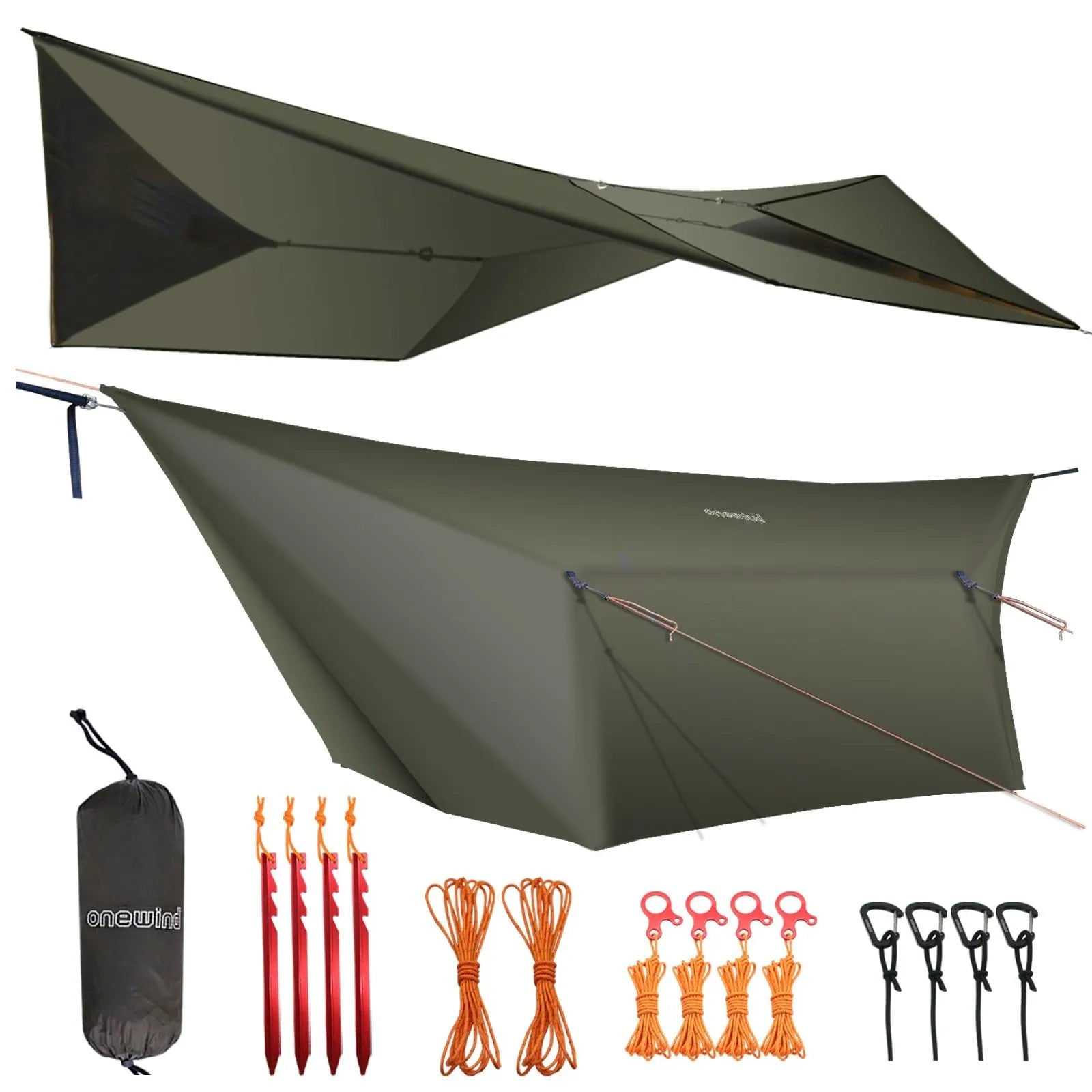
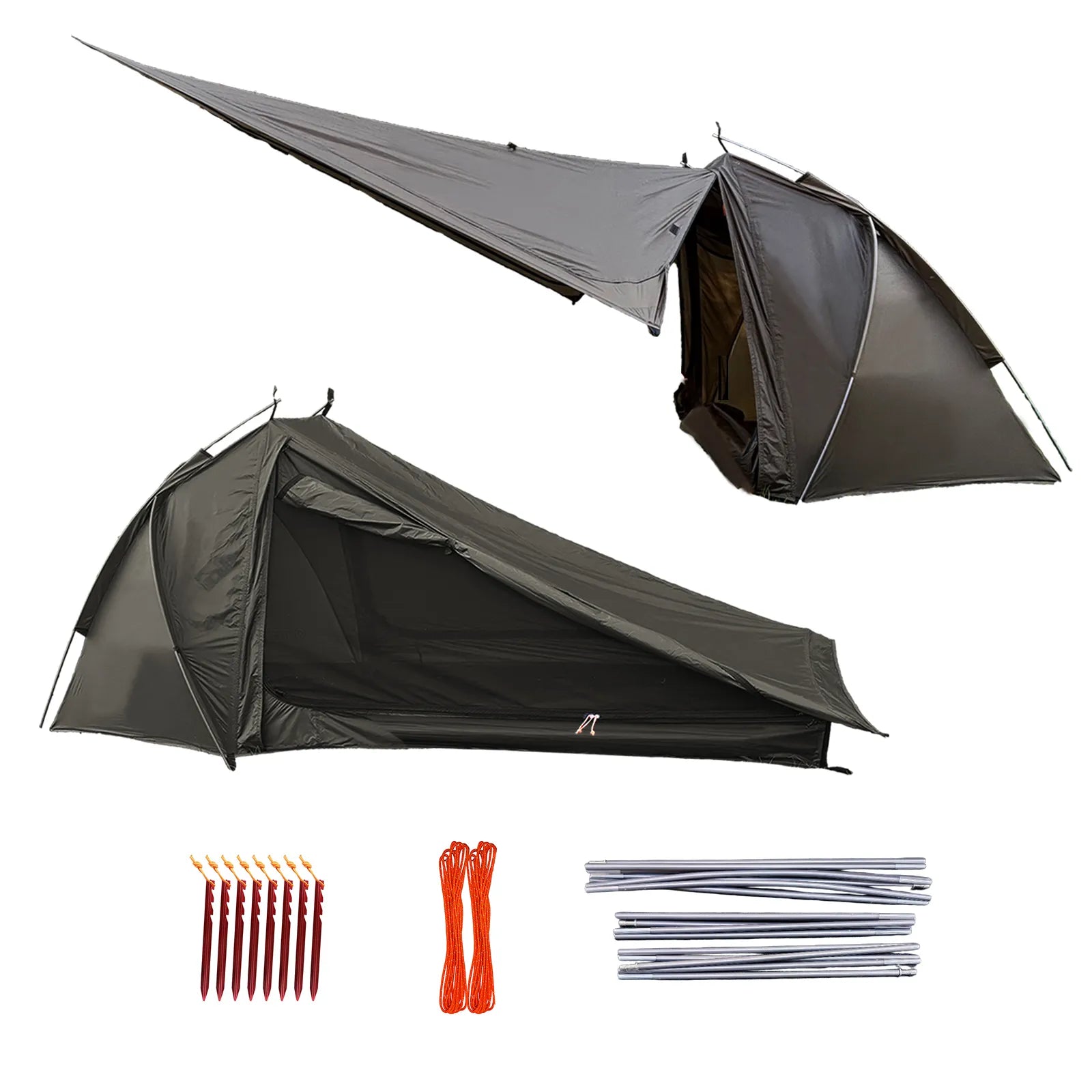
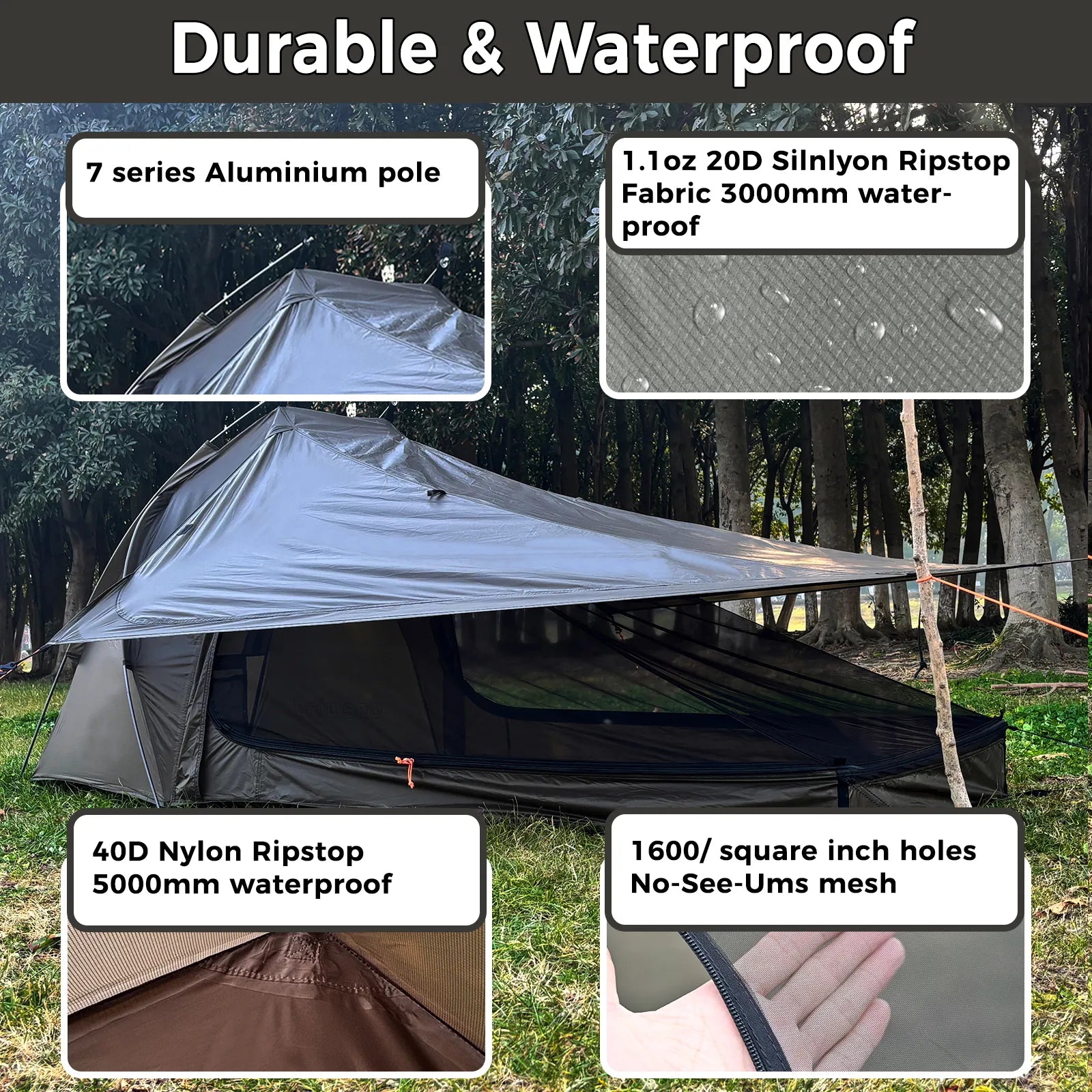
Onewinds 2-personers telt specifikationerne er nyttige som en let reference til én person, selvom produktbeskrivelsen mere lyder som et kompakt sheltersystem til én bruger: 37 oz / 1,04 kg, 82,7 x 23,6 x 39,4 tommer, 1,1 oz silnylon, 3000 mm oversejl og et 5000 mm 40D-gulv.
Den type shelter handler om lav pakket vægt og enkel beskyttelse til solo-brug.
For en solo-vandrer, der ønsker rigtig plads til udstyr, kan et ægte 2P-gulv være prisen værd.
Værdien viser sig i dårligt vejr.
Du kan sortere våde lag uden at ligge på dem.
Du kan opbevare en rygsæk indeni, når gnavere, regn eller udsatte steder gør opbevaring i forrummet mindre attraktiv.
Du kan sidde igennem en storm uden at føle dig lukket inde i en stoftunnel.
Hvis de jobs er virkelige på dine ture, har 2P-opgraderingen et formål.
Hvis de job er teoretiske, så hold det lettere.
Scenarie 3: Par, der deler teltvægt på en langdistancesti
Dom: Vælg det letteste 2P-telt, der passer til begge sovesystemer og nemt kan deles mellem to rygsække.
Et par kan få et 3-punds ly til at føles lettere, end det ser ud.
Én vandrer bærer oversejlet og teltdugen.
Den anden bærer stænger, pløkker, bunddug og reparationssæt.
Den opdeling betyder mere end et ensomt regneark.
Et telt på 3 pund delt mellem to personer er 1,5 pund pr. person.
Et telt på 4,4 pund fordelt mellem to personer er 2,2 pund pr. person før pløkker og tilbehør.
De tal er stadig rygsækbare på mange ture, men de beskriver forskellige mål.
CleverHikers ultralette rapportering er nyttig, fordi den holder afvejningen synlig: jo lettere et teltdugssystem bliver, desto mere skal du som regel være opmærksom på materialets pleje, opsætningens kvalitet og prisen.
Hvis parret er erfarent, kan en lettere vandrestav eller et halvt fritstående shelter være den rigtige løsning.
Hvis parret er nyt, udmattet eller ofte når frem til lejren sent, kan enkel opsætning være værd at betale ekstra vægt for.
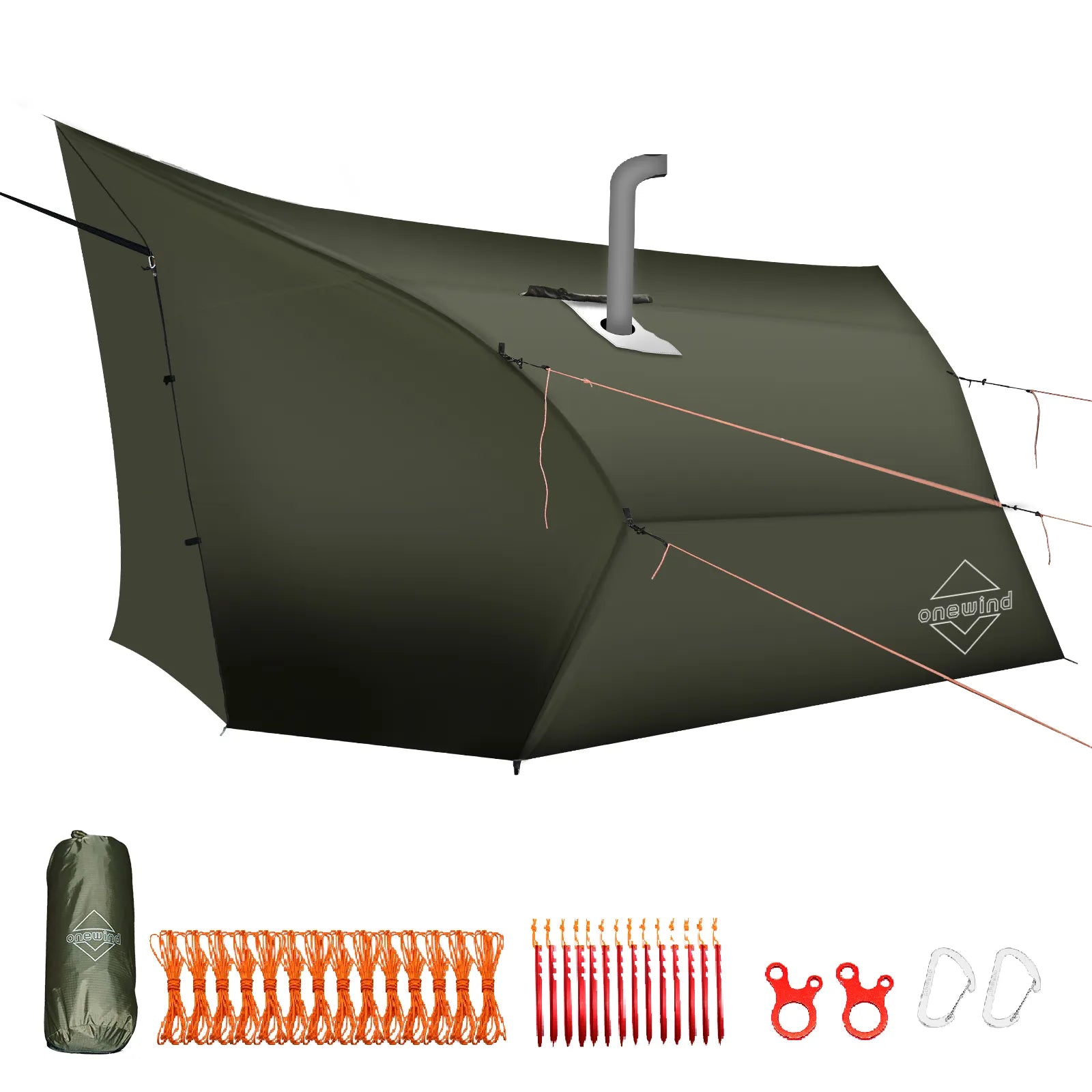
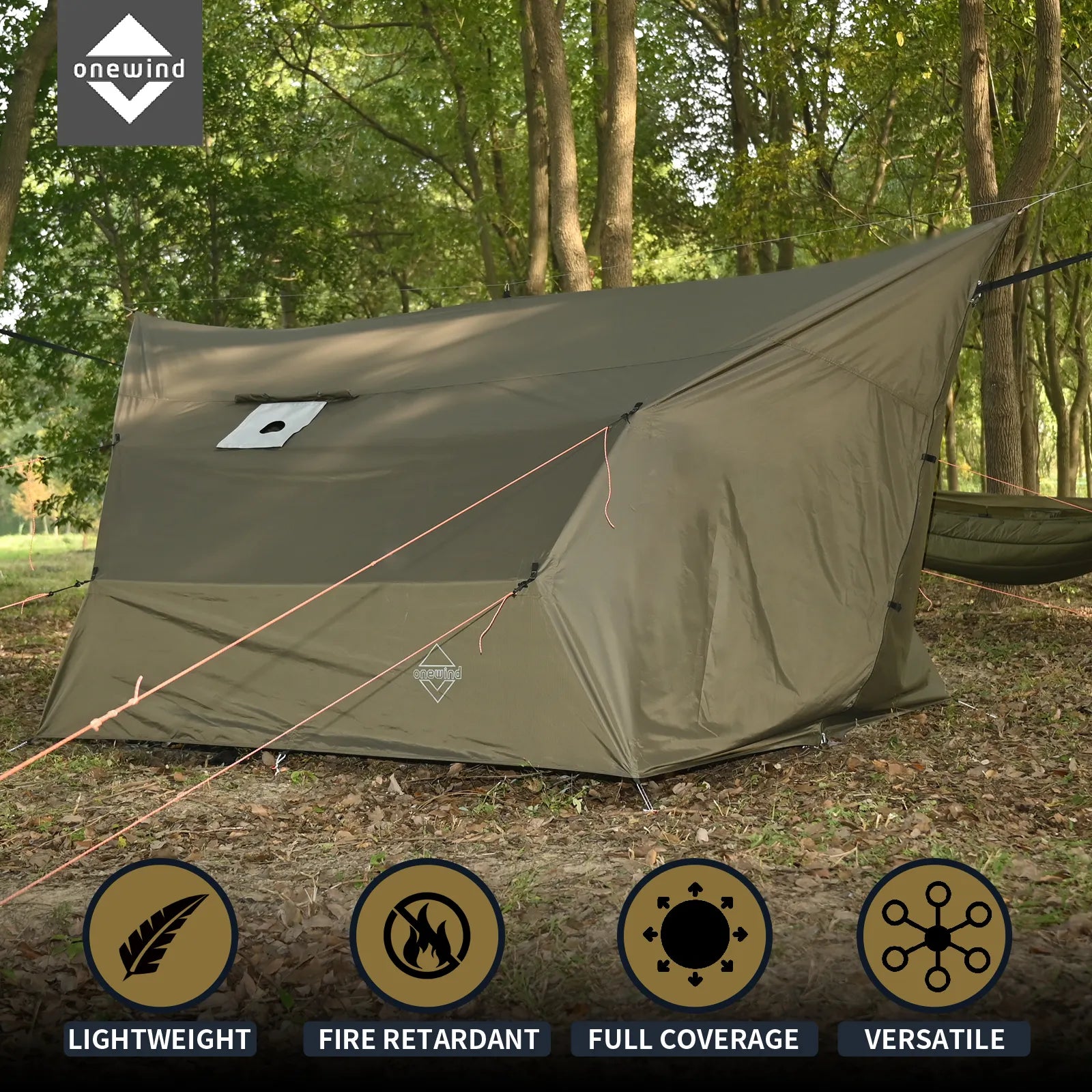
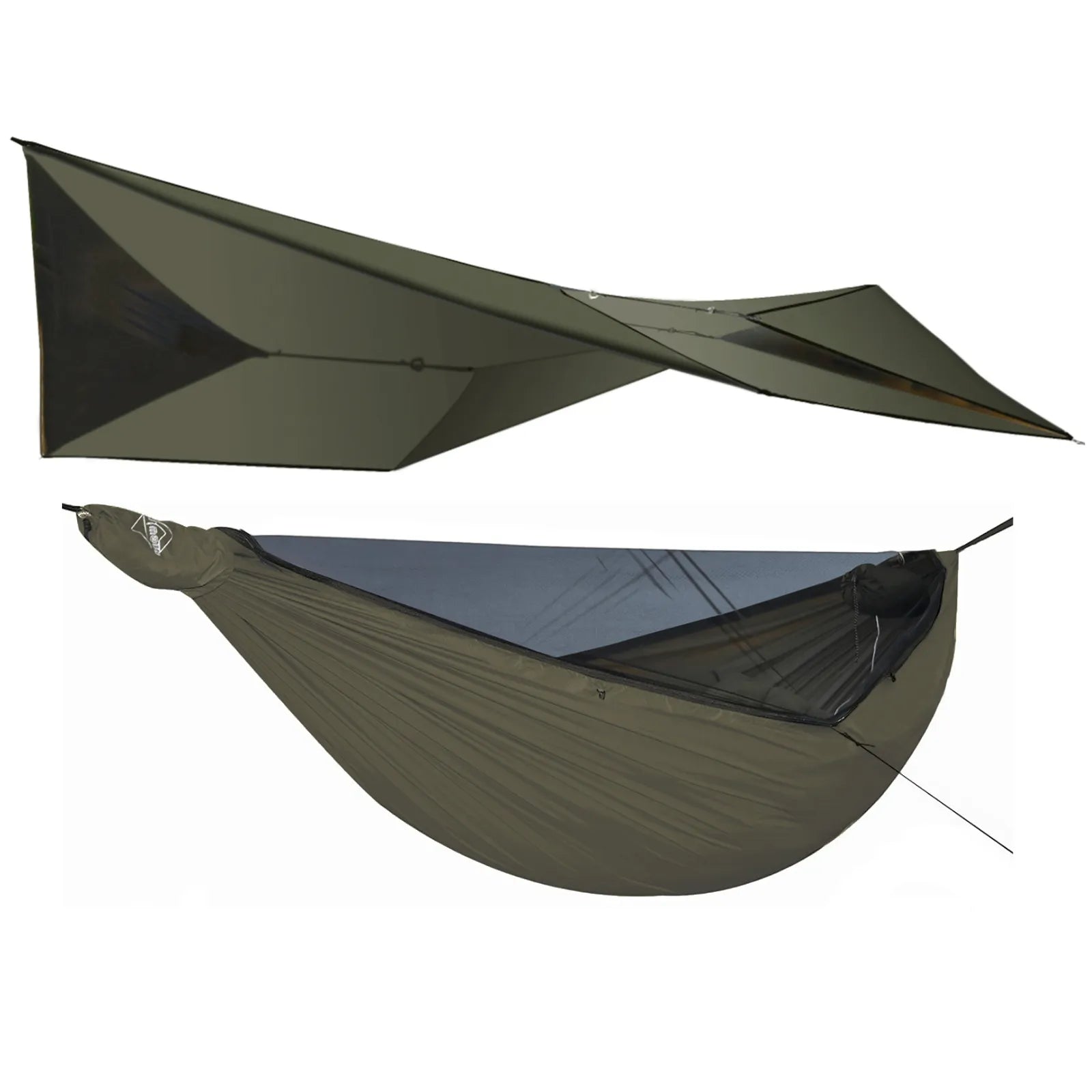
For Onewind, den Blackthorn ultralet tarp-telt passer bedre til den modulære ultralette lejr end til en lejr med høj komfort.
Det er den type shelter, man bør overveje, når et par allerede forstår opsætning af tarp, valg af underlag og valg af lejrplads.
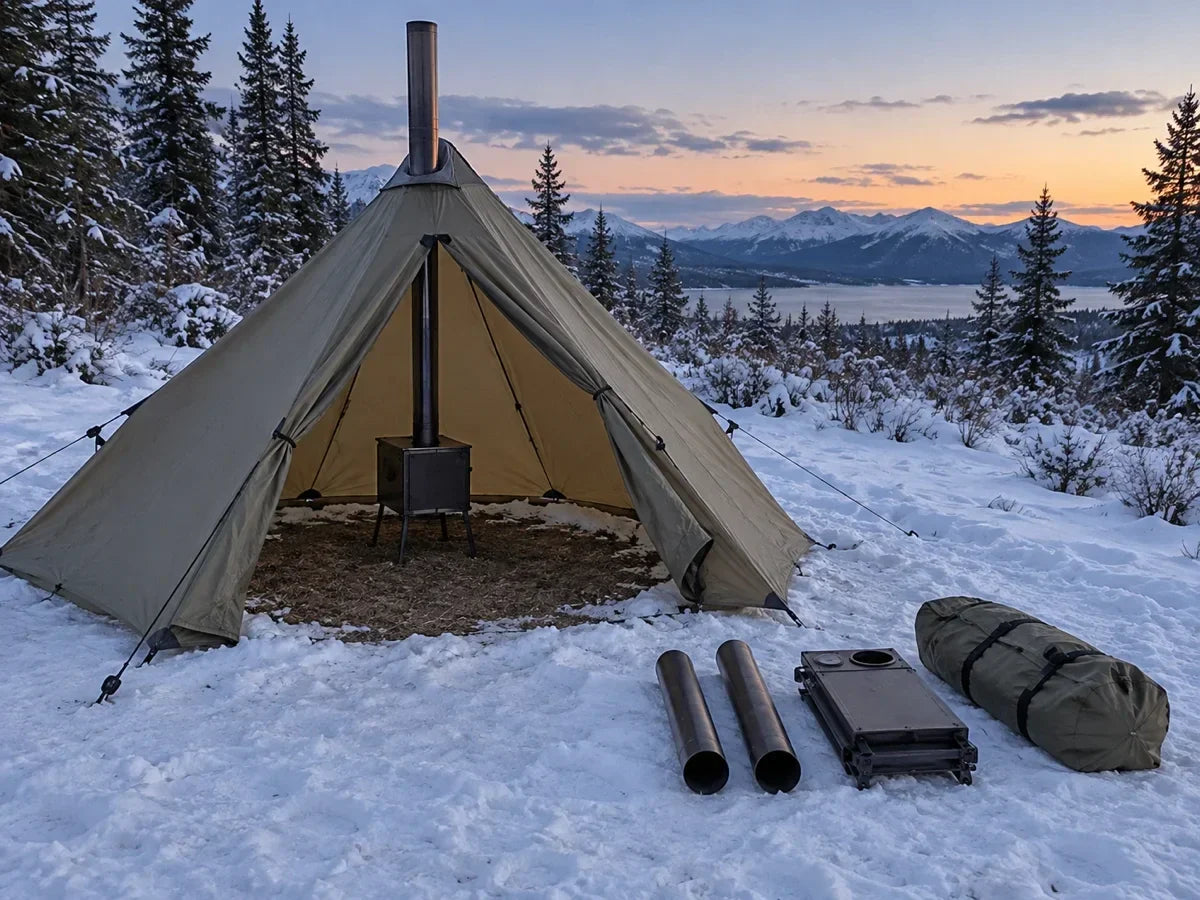
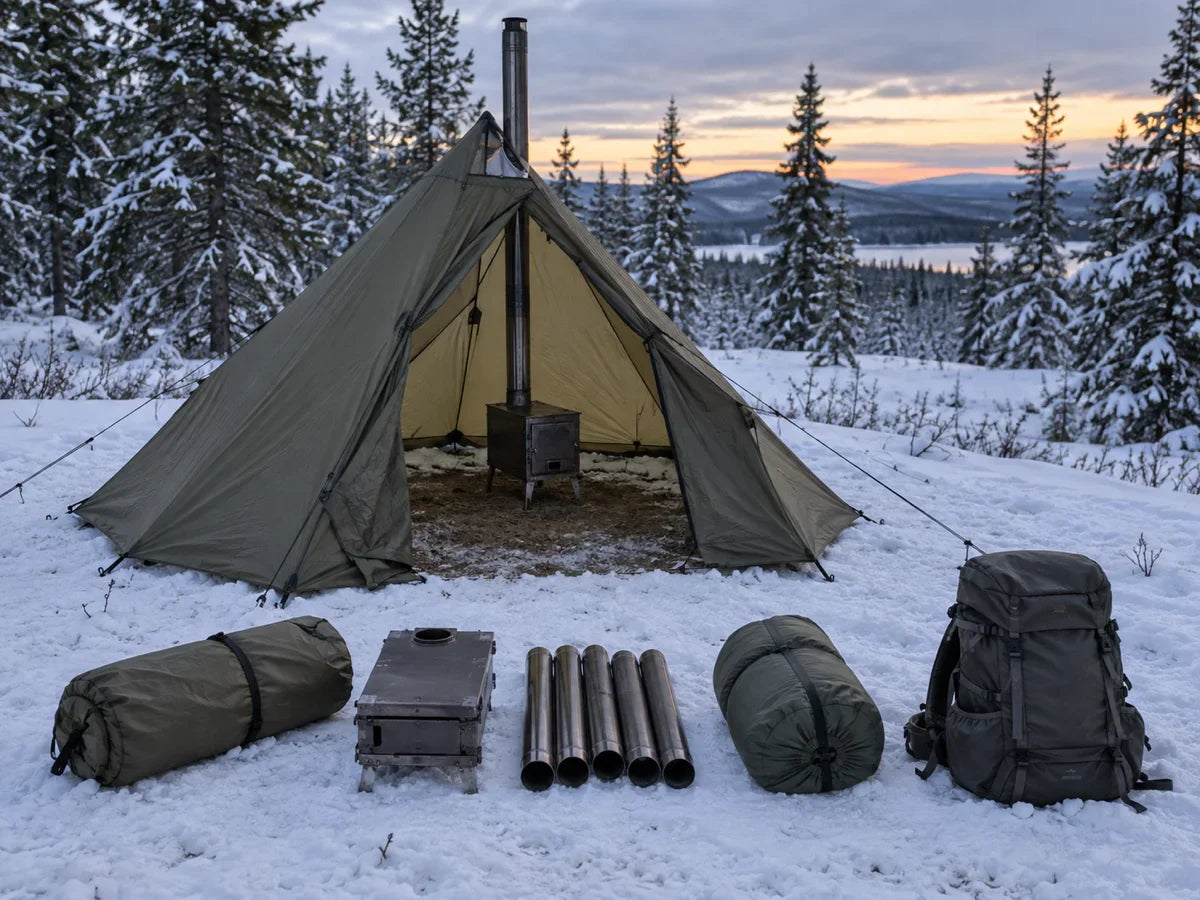
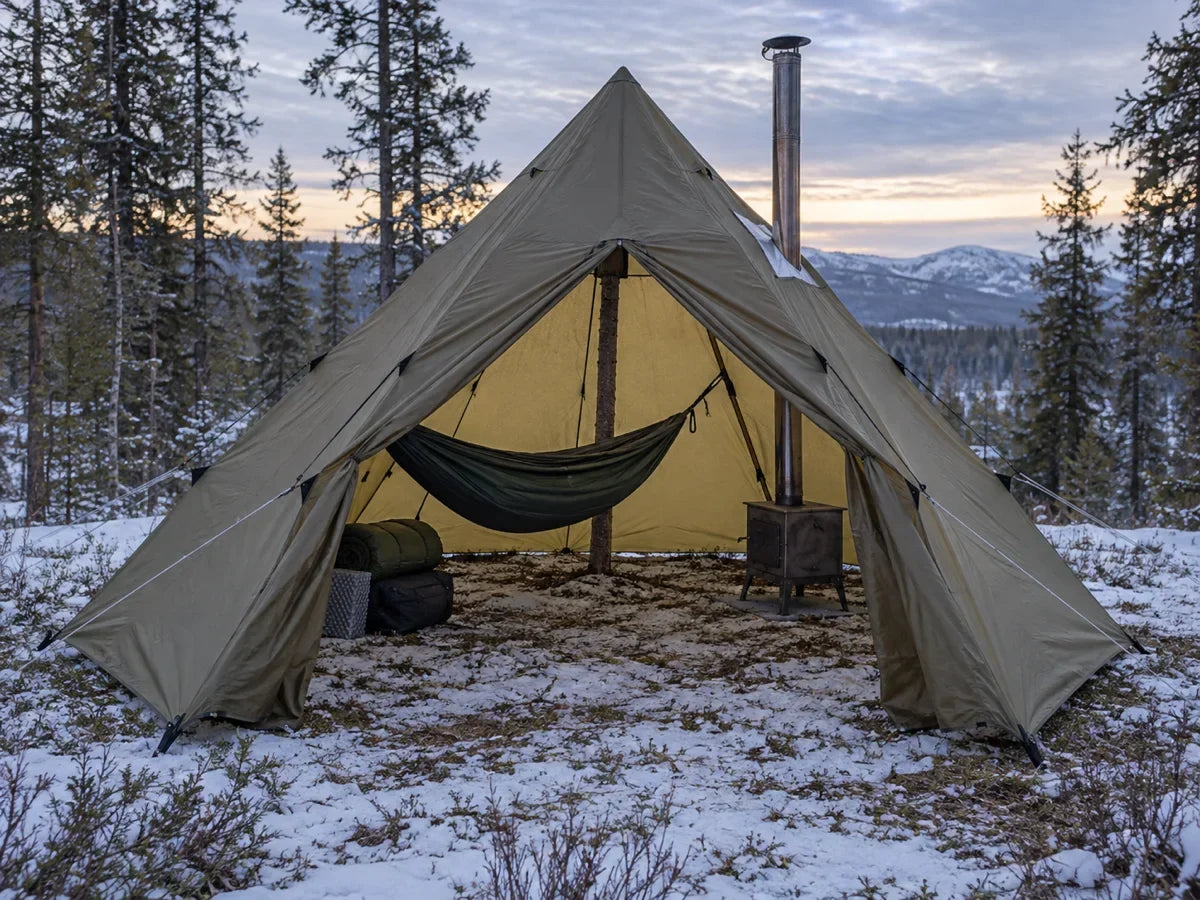
Den SmartPeak-telt passer i en anden bane.
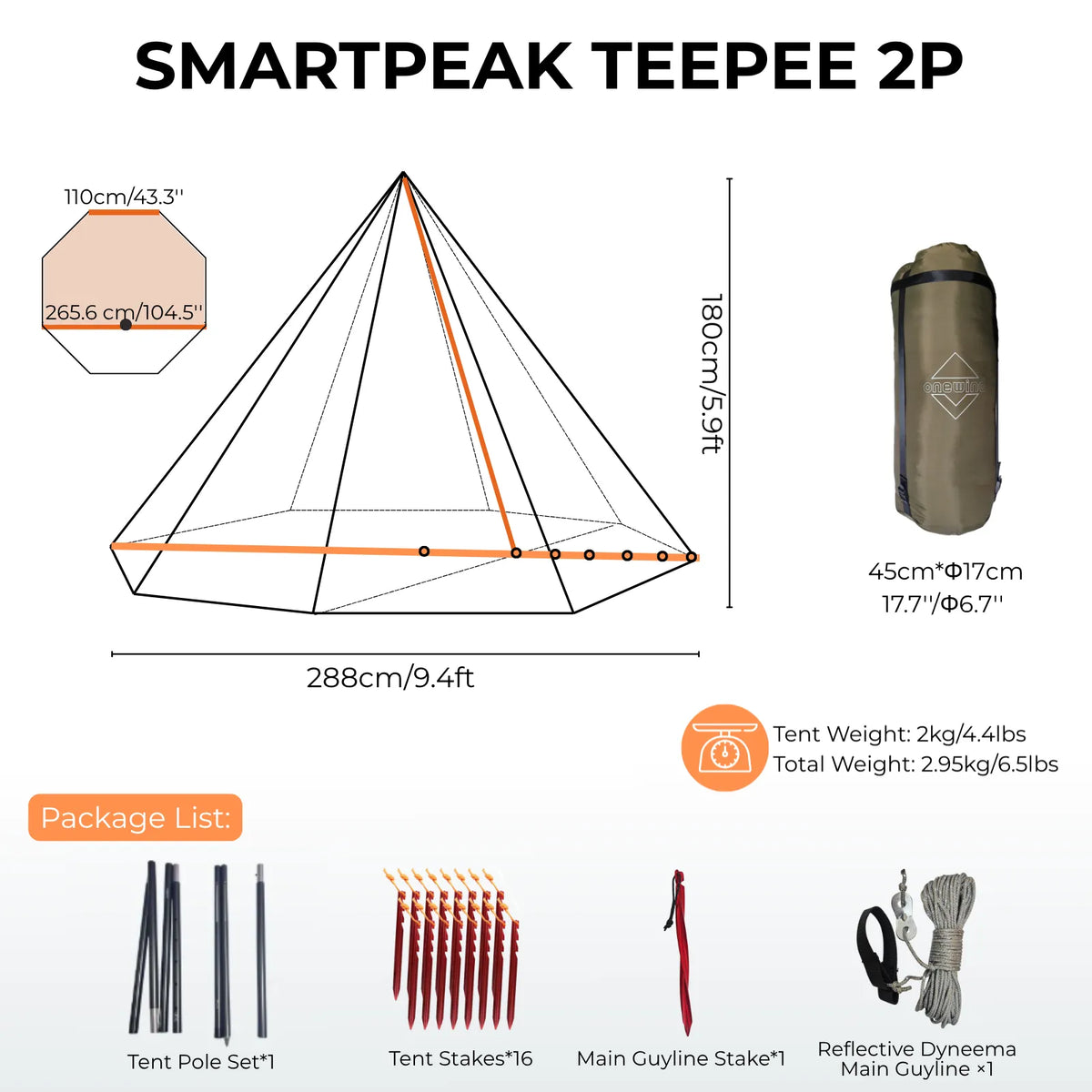
Dets telt-enhed vejer 2 kg / 4,4 lb, hele pakken vejer 2,95 kg / 6,5 lb, og opsætningshøjden når 180 cm / 5,9 ft.
Det er ikke et kapløbstelt på under 2 pund.
Det er et komfort- og vejrmargin-telt til personer, der værdsætter højde, en vandtæthedsgrad på 4000 mm og en mere beskyttende opsætning.
Scenario 4: Begyndervenlig backpacker, der ønsker nem opsætning og stormmargen
Dom: Vælg en vejrmargin før minimumsvægt, hvis du stadig er ved at lære valg af lejrplads, opspænding og opsætning i regn.
Begyndere inden for rygsækturisme køber ofte for aggressivt.
De ser en lav pakket vægt og antager, at teltet vil være lettere.
Nogle gange er det modsatte tilfældet.
Et lettere shelter kan have brug for bedre placering af pløkkerne.
Det kan være nødvendigt at indstille vandrestave til den rette højde.
Det kan have en mindre stofmargin, når vinden skifter i løbet af natten.
Det kan også bruge tyndere stoffer, som straffer hårdhændet håndtering.
REI's købsguide opdeler valg af telt efter sæson, vægt, beboelighed, opsætning og materialer af en grund.
Disse kategorier påvirker hinanden.
Stormmargin er ikke kun en vandtæthedsgrad.
Det handler også om stanggeometri, antal pløkker, overdækning, ventilation, og om du kan opsætte lyet korrekt, når dine hænder er kolde.
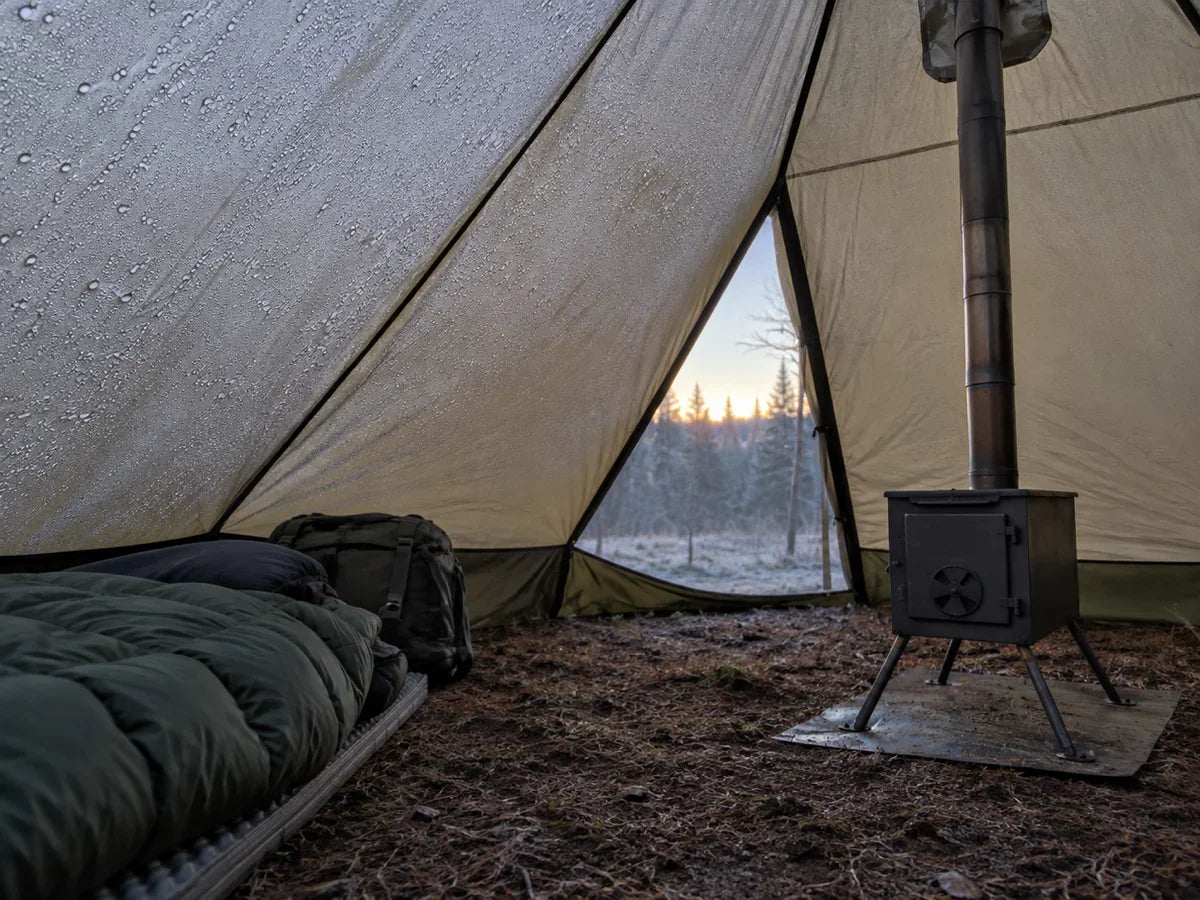
Onewind SmartPeaks specifikationer peger på denne vejrrobuste kategori: silnylon-dug, 40D nylonbund, vandtæthedsvurdering på 4000 mm vandsøjletryk, 16 røde trekantede takkede pløkker, en reflekterende Dyneema-hovedbardun og flere ventilationsåbninger.
Afvejningen er åbenlys.
Den samlede pakkevægt er 2,95 kg / 6,5 lb.
Til lange ultralette ruter er det for tungt til banen med minimumsvægt.
For et begynderpar på våde weekendture i skuldersæsonen kan det være den mere rolige beslutning.
Det bedste telt er det, du kan sætte op korrekt, før vejret bliver værre.
Scenarie 5: Høj backpacker, hundeejer eller forælder, der overvejer at gå en størrelse op
Dom: Vælg en større størrelse, når kropslængde, dyrets bevægelser, barnets sovestilling eller opbevaring af udstyr vil reducere gulvpladsen hver nat.
Kapacitetsangivelser forudsætter ordentlige sovende.
Ture fungerer sjældent på den måde.
En høj vandrer glider ned ad underlaget.
En hund vender sig sidelæns.
Et barn ligger spredt ud.
En våd pakke skal holdes ude af regnen.
Disse små realiteter optager den ekstra plads, som et let 2P-telt knap nok havde.
Outdoor Life's sammenligninger af 2-personers telte er nyttige, fordi de opregner gulvmål, tophøjder, vægte og priser på tværs af meget forskellige designs.
Den slags data er mere nyttig end et rangnummer.
For en høj bruger skal du kontrollere den brugbare længde og væggenes hældning.
Til en hund, tjek gulvets holdbarhed, og hvor mudrede poter vil lande.
For en forælder: kontroller adgang ved indgangen, og om barnet kan sove uden at blokere døren.
Til opbevaring af udstyr skal du tjekke forteltområdet og overdækningen af yderdugen.
Hvis de svar er svage, kan det "lettere" telt koste komfort hver nat.
For Onewind-købere, den Telt til 3 personer eller en presenning-lyopsætning kan være et bedre planlægningsgrundlag end at tvinge hver tur ind i en snæver 2P-form.
Målet er ikke ekstra plads for sin egen skyld.
Målet er at have en tilstrækkelig margen, så shelteret stadig fungerer, når lejrpladsen ikke er perfekt.
Almindelige fejl, der ødelægger begynderes ture
De fleste købsfejl opstår, når man behandler et telt som ét enkelt tal.
Folk sammenligner pakket vægt og ignorerer derefter gulvbredden, opsætningssværhedsgraden, apsider, stofpleje og vejrpåvirkning.
Forskning fra REI, CleverHiker, Adventure Alan, Outdoor Life og Reddit peger på det samme mønster.
Fejlen begynder før rejsen, fordi købekriterierne er for snævre.
Løsningen er at give hvert telt en opgave.
Ét telt er til lange distancer.
Et telt er til to brede liggeunderlag.
Ét telt er til våde weekender for begyndere.
Ét telt er til modulopbyggede tarp-brugere.
De opgaver bør ikke blandes uden at indrømme kompromiset.
Fejl 1: At købe kapacitetsangivelsen i stedet for grundplanen
Et 2P-mærke er et udgangspunkt.
Det er ikke et bevis på, at to voksne vil sove komfortabelt.
De vigtige mål er hovedbredde, fodbredde, gulvlængde, toppunktshøjde, antal døre, forstueindretning og vægkøling.
50-tommer-pude-testen er den hurtigste filtrering.
Hvis to underlag fylder gulvet fra kant til kant, har du ingen margen til kondens, dynens fylde eller bevægelse.
Hvis gulvet skråner kraftigt nær fødderne, kan et tal for hovedsektionens bredde vildlede dig.
Hvis teltet har én dør, kan brugeren indeni være nødt til at klatre hen over brugeren udenfor.
Det er ikke en fatal fejl.
Det er en komfortomkostning.
Skriv den pris ned, før du køber.
Fejl 2: At antage, at alle campingpladser er ens
Et telt, der føles perfekt i en beskyttet skov, kan føles utrygt på en udsat kam.
Underlagets tekstur påvirker også beslutningen.
En blød duff er tilgivende.
Skarp grus straffer tynde gulve.
Vådt græs øger problemer med kondens og fugt fra jorden.
Vind stiller større krav til stanggeometri og pløkker.
Før du vælger et telt, skal du kortlægge de steder, du med størst sandsynlighed vil bruge det.
Skovlejre, ørkenunderlag, alpine bassiner og mudrede campingpladser kræver ikke det samme af stof og konstruktion.
Det er dér, vejrskjoldede shelters virkelig er deres vægt værd.
Hvis dine ture forbliver beskyttede og forudsigelige, så vælg lettere.
Hvis dine ture omfatter våde og udsatte steder, så hav lidt ekstra margin.
Fejl 3: At behandle vandtæthedsklassificering og stormydelse som det samme som hinanden
Vandtæthedsgrad er vigtig.
Det er ikke hele stormhistorien.
Et stoftal fortæller dig ikke, hvordan teltet rejser sig i blæsevejr.
Det fortæller dig ikke, om fluen dræner rent.
Det fortæller ikke, om ventilationerne forbliver åbne i regnvejr.
Det fortæller dig ikke, hvor meget stænk der når nettet.
Onewinds produktspecifikationer viser forskellen mellem stoftype og shelterets funktion.
2-personers telt-referencen bruger et 3000 mm silnylon-ydertelt og et 5000 mm 40D gulv med en vægt på 37 oz / 1,04 kg.
SmartPeak bruger en vandtæthedsvurdering på 4000 mm med en højere tipi-lignende struktur og mere tilbehørsvægt.
Det er forskellige svar.
Den ene foretrækker lav vægt.
Den anden prioriterer beskyttelse, højde og opsætningsmargin.
Vælg jobbet først.
Fejl 4: At købe premiumudstyr før den første pasformstest
Premium ultralette telte kan være fremragende.
De kan også være dyre lærepenge.
Før du køber en, så lav en pasformstest med dit faktiske sovesystem.
Læg begge puder ud.
Tilføj quilts eller soveposer.
Tilføj det udstyr, der skal forblive tørt.
Markér 50 tommer i bredden på gulvet, hvis du bruger to brede puder.
Derefter skal du kontrollere, om det telt, du ønsker, har nok brugbart plads efter indsnævring og væggenes hældning.
Reddit-brugernes rapporter vender gentagne gange tilbage til det samme smertepunkt: Et shelter kan se ideelt ud online, men føles for trangt, når to rigtige sovende kommer ind i det.
Det betyder ikke, at teltet er dårligt.
Det betyder, at køberen sprang pasformstesten over.
Til et første Onewind-lysystem, Gennemse tarps og shelters efter opgave frem for efter et enkelt vægtmål.
Fejl 5: Ignorering af vejrskift på ankomstdagen
Ankomstdagens vejr afslører dårlige teltvalg.
Et shelter, der kræver en perfekt opsætning, bliver sværere i vind.
Et lille forrum bliver irriterende i regnvejr.
Et tætsiddende inderlag bliver fugtigt, når ventilationen er dårlig.
Et skrøbeligt gulv bliver stressende på gruset jord.
Tjek vejrudsigten, men planlæg til den lejrplads, du faktisk kan ende med at få.
Hvis det er sandsynligt, at det regner, så prioriter oversejlsdækning, forteltets arbejdsflow og ventilation.
Hvis der er sandsynlig vind, skal du prioritere pløkkernes geometri og teltets opspændingsstabilitet.
Hvis underlaget kan være stenet, så tilføj gulvbeskyttelse eller vælg et mere robust gulv.
Hvis opsætningen kan ske efter mørkets frembrud, så vælg et shelter, du kan sætte op uden at skulle gætte.
Den Onewind teltunderlag er det det rigtige tilbehør, når slid eller vådt underlag er gulvets problem.
Teltet skal stadig kunne klare vejret ovenover.
Hurtig beslutnings-tjekliste
Denne vejledning bruger tre praktiske tjek, før den endelige købsbeslutning træffes.
Gulvpasningsoversigten kontrollerer, om teltet kan rumme dine faktiske liggeunderlag, quilts og vægskråning.
Vægtklasse-tabellen kontrollerer, om shelteret hører til i kategorien under 2 lb, 2-3 lb eller 4-6 lb.
Beslutningstjeklisten kontrollerer, om vejr, pladsfærdigheder, vestibuler og rejsepartnere ændrer svaret.
Disse tre kontroller forhindrer den almindelige fejl at behandle et telt som et enkelt tal for pakket vægt.
De holder også Onewind-valgene ærlige.
SmartPeak hører hjemme i kategorien til vejrudsatte forhold, fordi dens højde på 180 cm og klassificering på 4000 mm løser et andet problem end et shelter til vandrestave på under 2 lb.
Blackthorn lane er mere modulær.
2-personers teltet er lettere og mere kompakt.
Ingen af de valg er automatisk korrekte.
Det rigtige valg er det, der består pasformstesten til den rejse, du faktisk skal ud på.
Jeg anbefaler at afslutte med én skarp test.
Tegn dit sovesystem på gulvet, før du køber.
To 25-tommers puder skaber de første 50 tommer.
Tilføj derefter den plads, som rigtige ture stjæler: dyner, albuer, våde lag, hundepoter, væggens hældning, udgange til apsis og margen til kondens.
Hvis teltet stadig fungerer efter den test, hører det til på din korte liste.
Hvis det kun virker på specifikationsarket, så vælg et andet shelter.
For minimal vægt skal du vælge den letteste 2P, der består pasformstesten.
For ægte komfort, vælg mere bredde eller gå en størrelse op.
For vejrmæssig sikkerhedsmargin skal du vælge et shelter som SmartPeak-lanen, hvor højde, vandtæthedsklassificering, bardunering og opsætningssikkerhed betyder mere end en lav vægtangivelse til vandring.
Det er forskellen mellem at købe et ultralet telt til 2 personer til backpacking og at købe et telt, der faktisk fungerer for to backpackere.