
เราได้ทบทวนแนวทางจริยธรรมในการใช้งานกลางแจ้ง รีวิวภาคสนามของเฟอร์นิเจอร์แคมป์ ข้อมูลแหล่งที่มาของผลิตภัณฑ์ และแรงเสียดทานในชุมชนเกี่ยวกับเก้าอี้เทียบกับเก้าอี้สตูล
เก้าอี้แคมป์ปิ้งพับได้อาจดูเหมือนเป็นการเพิ่มความสะดวกสบายเพียงเล็กน้อย แต่จะคุ้มค่าพื้นที่ก็ต่อเมื่อช่วยแก้ปัญหางานที่ต้องทำซ้ำ ๆ ในแคมป์ได้จริง
เก้าอี้สตูลไม่ใช่เก้าอี้แคมป์ราคาถูกกว่า แต่มันคือที่นั่งสำหรับงานที่ต้องทำอย่างรวดเร็ว สำหรับทำอาหาร เปลี่ยนรองเท้า กรองน้ำ ตกปลา จัดระเบียบอุปกรณ์ และพักสั้นๆ เมื่อพื้นเปียก หนาว มีแมลง หรือปกคลุมด้วยกรวดทรายละเอียด
ความแตกต่างนั้นสำคัญ เพราะที่นั่งกลางแจ้งล้มเหลวได้ในสองทางที่ตรงกันข้ามกัน
นักตั้งแคมป์บางคนพกเก้าอี้เต็มตัวไปทั้งที่ต้องการเพียงที่นั่งสะอาดๆ สำหรับงานจิปาถะห้านาที ขณะที่บางคนก็พกเก้าอี้เตี้ยขนาดเล็กและคาดหวังให้มันทดแทนการพยุงหลังได้ตลอดค่ำคืนยาวๆ รอบกองไฟ
การทดสอบที่ดีกว่าไม่ใช่ "ฉันต้องการที่นั่งไหม?" การทดสอบที่ดีกว่าคือ "ฉันจะนั่งแบบไหนจริงๆ?"
รูปแบบการวิจัยมีความสม่ำเสมอ: ที่นั่งขนาดเล็กใช้งานได้ดีที่สุดเมื่อการนั่งเป็นช่วงสั้น ๆ ทำซ้ำ ๆ และเกี่ยวข้องกับงานค่ายเฉพาะอย่างหนึ่ง
ข้อมูลจากการวิจัยหมวดหมู่ที่นั่งยังพบว่าคำกล่าวอ้างเรื่องพกพาสะดวกนั้นมีประโยชน์น้อยกว่าการนั่งใช้งานจริงในสภาพจริง
คู่มือนี้ใช้การทดสอบที่นั่งสำหรับงานนั้น
หากชีวิตการตั้งแคมป์ของคุณมีงานนั่งสั้นๆ ที่ต้องทำซ้ำบ่อยๆ และคุณใส่ใจเรื่องขนาดเมื่อจัดเก็บ เก้าอี้แคมป์ปิ้งแบบพับเก็บได้อาจเป็นตัวเลือกที่เหมาะสม
หากการเดินทางของคุณเน้นการนั่งพักผ่อนนานๆ การรองรับแผ่นหลัง พื้นดินที่นุ่ม หรือความสบายแบบแคมป์ในรถ ควรเลือกเก้าอี้หรือที่นั่งขนาดใหญ่แทน
สิ่งที่คุณจะได้เรียนรู้
- ✓ ตัดสินใจว่าสไตล์การนั่งของคุณเป็นแบบนั่งทำงานหรือแบบนั่งพักผ่อน
- ✓ เปรียบเทียบเก้าอี้เตี้ย เก้าอี้ เบาะรองนั่ง และที่นั่งเป้สะพายหลังโดยไม่ต้องเดา
- ✓ ใช้สภาพพื้นดินเป็นตัวกรองด้านความปลอดภัยและผลกระทบต่อพื้นที่ตั้งแคมป์
- ✓ รู้ว่าเมื่อใดเก้าอี้สามขาเหมาะใช้งาน และเมื่อใดมันไม่ใช่อุปกรณ์ที่เหมาะสม
- ✓ เลือกเส้นทางผลิตภัณฑ์ของ Onewind ให้ถูกต้องเฉพาะเมื่อเข้าใจกรณีการใช้งานอย่างชัดเจนแล้ว
คำถามที่สำคัญไม่ใช่ว่าม้านั่งแคมป์ปิ้งแบบพับได้จะนั่งสบายในทางเดินของร้านค้าหรือไม่
คำถามที่เป็นประโยชน์คือการเดินทางของคุณมีงานที่มีลักษณะคล้ายเก้าอี้นั่งถ่ายเพียงพอหรือไม่
เก้าอี้เตี้ยเป็นตัวเลือกที่เหมาะเมื่อคุณต้องการนั่งแบบเตี้ย มั่นคง และรวดเร็ว
มันจะเสียเมื่อคุณต้องการการรองรับที่ผ่อนคลายสำหรับการใช้งานเป็นเวลานาน
คำตอบด่วน
ยังไม่แน่ใจอยู่ใช่ไหม?
เลือกไม่เอาเก้าอี้สำหรับทริปแบกเป้สั้น ๆ ครั้งถัดไปของคุณ แล้วติดตามดูว่าคุณอยากได้ที่นั่งจริงบ่อยแค่ไหน
เลือกเก้าอี้สตูลเมื่อความปรารถนานั้นเกิดขึ้นระหว่างทำกิจกรรม ไม่ใช่แค่ตอนจินตนาการถึงความสบายของการตั้งแคมป์อยู่ที่บ้าน
กรอบการตัดสินใจ
ใช้การทดสอบความมั่นคงก่อนนั่งก่อนที่จะซื้อหรือเก็บเก้าอี้แคมป์ปิ้งแบบพับได้:
เก้าอี้สตูลจะดีที่สุดเมื่อมันช่วยป้องกันความกวนใจเล็กๆ น้อยๆ ไม่ให้สะสมกันจนกลายเป็นปัญหาใหญ่
กางเกงเปียกขณะเปลี่ยนรองเท้า
คุกเข่าในโคลนเพื่อทำอาหาร
นั่งบนกระป๋องเก็บอาหารกันหมีที่เย็นเฉียบ
กำลังทรงตัวอยู่บนก้อนหินขณะกรองน้ำ
นั่นเป็นงานที่ต่ำต้อย
เก้าอี้จะดีที่สุดเมื่อการนั่งเองคือกิจกรรมนั้น
การอ่านหนังสือหนึ่งชั่วโมง การมองดูเปลวไฟ การพักผ่อนที่แคมป์ฐาน การฟื้นตัวหลังจากการเดินป่าหนัก ๆ หรือการให้หลังของคุณได้พัก ล้วนเป็นงานของเก้าอี้
เก้าอี้เตี้ยสามารถรองรับช่วงเวลาเหล่านั้นได้ แต่ก็ไม่ได้แก้ปัญหาได้ดีนัก
การทดสอบความพอดี 1: เก้าอี้เตี้ย vs เก้าอี้ vs แผ่นรองนั่ง
โต๊ะนี้คือจุดที่นักตั้งแคมป์หลายคนอัปเกรดผิดพลาด
พวกเขาเปรียบเทียบสตูลกับเก้าอี้โดยดูแค่ความสบาย แล้วจึงตัดสินว่าสตูลแย่กว่า
แน่นอนว่ามันแย่กว่าสำหรับการนั่งพักผ่อน
นั่นไม่ใช่หน้าที่ของมัน
เปรียบเทียบเก้าอี้กับการคุกเข่า การยอง ๆ การทรงตัวบนท่อนไม้ หรือการใช้เป้ของคุณเป็นม้านั่งสกปรก
ในช่วงเวลานั้น เก้าอี้สตูลเริ่มดูมีเหตุผลมากขึ้น
มันให้ความสูงเพียงพอสำหรับการใช้งาน ให้ระยะห่างจากพื้นเพียงพอเพื่อให้สะอาดกว่าเดิม และมีความเร็วเพียงพอจนคุณใช้งานมันจริงๆ
ถ้าคุณต้องการเพียงวิธีที่ดีกว่าในการพักพิงหลังของคุณ ให้ข้ามเก้าอี้สตูลไปเลย
หากคุณต้องการเครื่องมือสำหรับการตั้งแคมป์ขนาดเล็กที่ใช้นั่งได้ด้วย ให้ทดลองต่อไป
การทดสอบความเหมาะสม 2: จุดที่เก้าอี้สามขาใช้งานได้ดี
เก้าอี้สามขาทำงานได้ดีที่สุดเมื่อพื้นดินไม่เรียบแต่แน่นแข็งแรง
ขา 3 ขาสามารถตั้งได้อย่างมั่นคงโดยไม่โคลงเคลงมากเท่าที่นั่งแบบ 4 ขาบนพื้นดินขรุขระ รากไม้ กรวด หรือแผ่นรองพื้นที่ตั้งแคมป์ที่สึกหรอ
รูปทรงเรียบง่ายยังช่วยให้กางออก เคลื่อนย้าย และจัดเก็บได้อย่างรวดเร็วอีกด้วย
นั่นไม่ได้ทำให้มันเป็นเวทมนตร์
เก้าอี้สามขายังคงมีจุดสัมผัสขนาดเล็ก
บนทรายที่นุ่ม โคลน หิมะ ชั้นใบไม้ผุหนา หรือทุ่งหญ้าที่เปียกชื้น เท้าอาจจมลงได้
บนพืชพรรณที่บอบบาง เท้าที่แคบอาจทำให้แรงกดกระจุกตัวได้
บนทางลาด เก้าอี้อาจรู้สึกไม่มั่นคงเท่าที่ดูในโรงรถของคุณ
ใช้เก้าอี้สามขาที่มีพื้นผิวซึ่งรองรับการใช้งานในแคมป์อยู่แล้ว: ดินอัดแน่น กรวด หิน พื้นที่ตั้งแคมป์ที่จัดไว้แล้ว หญ้าแห้งที่ทนต่อการใช้งานได้ หรือโซนครัวที่มีความทนทาน
อย่าทำให้มันกลายเป็นที่นั่งใหม่เพียงเพราะสตูลพกพาได้ง่าย
ผู้ใช้งานเก้าอี้สามขาที่ดีที่สุดคือผู้ที่มีกิจกรรมรอบแคมป์อย่างสม่ำเสมอ
พวกเขานั่ง ยืน ทำอาหาร เคลื่อนไหว คัดแยก และนั่งอีกครั้ง
ผู้ใช้ที่เรื่องมากที่สุดคาดหวังว่าเก้าอี้เตี้ยตัวเล็กจะให้อารมณ์เหมือนเก้าอี้ปรับเอนพักผ่อน
การทดสอบความพอดี 3: พื้นผิวที่ทนทานและผลกระทบต่อพื้นที่ตั้งแคมป์
ตามแนวทางของ Leave No Trace พื้นผิวที่ทนทานและการใช้พื้นที่ตั้งแคมป์อย่างกะทัดรัดเป็นส่วนหนึ่งของการตั้งแคมป์ที่มีผลกระทบต่ำ
กรมอุทยานแห่งชาติระบุหลักการเดียวกันไว้ในสรุปเจ็ดหลักการของตนว่า ให้กระจุกการใช้งานไว้บนเส้นทางและจุดตั้งแคมป์ที่มีอยู่เดิมในพื้นที่ยอดนิยม และให้จุดตั้งแคมป์มีขนาดเล็ก
แนวทางการไม่ทิ้งร่องรอยระบุชัดเจนให้ใช้พื้นผิวที่ทนทานและรักษาพื้นที่ตั้งแคมป์ให้มีขนาดเล็ก
หลักการนั้นใช้ได้กับที่นั่งด้วย
เก้าอี้ควรช่วยให้คุณใช้พื้นที่ตั้งแคมป์ที่มีอยู่ได้ดียิ่งขึ้น ไม่ใช่กระตุ้นให้คุณขยายออกไปยังพืชพรรณที่บอบบางเพื่อให้ได้วิวที่สวยกว่า
ก่อนที่คุณจะวางเก้าอี้ขาเตี้ย ให้ถามคำถามสามข้อ:
รูปแบบการใช้งานจริงของเก้าอี้ตัวนี้คือ ต้องรองรับกิจวัตรในแคมป์: การทำอาหาร การเปลี่ยนรองเท้า การกรองน้ำ การจัดเก็บสัมภาระ และการพักผ่อนสั้น ๆ ใกล้พื้นที่ที่มีพื้นแข็งแรงทนทาน
หากมันยั่วยวนให้คุณสร้างโซนพักผ่อนแยกต่างหาก แสดงว่ามันกำลังขัดกับมารยาทที่ดีในการตั้งแคมป์
นั่นก็เป็นเหตุผลเช่นกันว่าทำไมเก้าอี้เตี้ยขนาดเล็กจึงอาจดีกว่าการลากท่อนไม้หรือจัดวางก้อนหินใหม่
ที่นั่งพกพาที่เหมาะสมช่วยหลีกเลี่ยงการทำเฟอร์นิเจอร์จากสถานที่นั้น
สถานการณ์ที่ 1: นักแบกเป้กำลังตัดสินใจว่าม้านั่งตัวหนึ่งคุ้มค่ากับน้ำหนักในเป้หรือไม่
คำตัดสิน: โดยปกติให้ข้ามไปก่อน แล้วค่อยเพิ่มทีหลังเฉพาะเมื่อการนั่งทำงานระยะสั้นยังคงรบกวนคุณอยู่
คุณเหมาะกับสถานการณ์นี้หากน้ำหนักเป้ของคุณค่อนข้างจำกัด กิจวัตรในแคมป์ของคุณเรียบง่าย และโดยปกติคุณจะกิน กรองน้ำ และนอน โดยไม่ใช้เวลานั่งพักอยู่เฉย ๆ มากนัก
สำหรับนักเดินทางแบกเป้หลายคน แผ่นรองนั่งหรือเป้สะพายหลังเพียงอย่างเดียวก็ช่วยแก้ปัญหาได้เพียงพอแล้ว
เก้าอี้พับได้เริ่มมีความหมายเมื่อคุณต้องการที่นั่งที่ยกสูงซ้ำแล้วซ้ำเล่า
บางทีคุณอาจทำอาหารในแคมป์ที่เปียกชื้น เปลี่ยนรองเท้าบ่อย ๆ ตกปลาที่แคมป์ หรือมีหัวเข่าที่ไม่ชอบการย่อตัวซ้ำ ๆ
บางทีการเดินทางของคุณอาจมีช่วงเย็นยาว ๆ ที่การยืนและคุกเข่าทำให้เมื่อยล้า แต่คุณก็ยังไม่อาจคุ้มค่าพอที่จะใช้เก้าอี้เต็มตัวได้
ทำการทดสอบสองเที่ยวไปกลับ
ในการเดินทางครั้งแรก อย่านำเก้าอี้ไป และจดบันทึกทุกช่วงเวลาที่หากมีที่นั่งยกสูง งานนั้นจะทำได้ง่ายขึ้น
ในการเดินทางครั้งที่สอง ให้นำเก้าอี้ไปด้วยก็ต่อเมื่อช่วงเวลาเหล่านั้นเป็นเรื่องจริงและเกิดขึ้นซ้ำๆ
รายการตรวจสอบการติดตั้ง:
- แพ็คเก็บเก้าอี้ม้าหลังจากจัดการที่พักพิง น้ำ ฉนวนกันความร้อน และการป้องกันฝนเรียบร้อยแล้วเท่านั้น
- ใช้บนพื้นดินที่แข็งแรง ไม่ใช่พืชพรรณที่บอบบาง
- ให้ถือว่าเป็นเก้าอี้สำหรับนั่งทำงาน ไม่ใช่เก้าอี้พักผ่อน
- ข้ามไปสำหรับการเดินทางระยะไกลที่ทุกชิ้นต้องใช้งานได้หลายหน้าที่
สถานการณ์ที่ 2: นักตั้งแคมป์ในรถที่กำลังเลือกระหว่างเก้าอี้สตูลขนาดกะทัดรัดกับเก้าอี้เต็มตัว
คำตัดสิน: เลือกเก้าอี้สำหรับที่นั่งหลัก; ใช้สตูลเป็นที่นั่งรองสำหรับงานอีกตัวหนึ่ง
การตั้งแคมป์ด้วยรถยนต์ทำให้สมการเปลี่ยนไป
หากคุณมีพื้นที่ในรถและคาดว่าจะต้องนั่งเป็นเวลานาน เก้าอี้เต็มตัวมักจะเป็นที่นั่งหลักที่ดีกว่า
ที่รองหลัง ที่วางแขน ที่วางแก้ว และฐานที่กว้างขึ้นมีความสำคัญเมื่อการเดินทางมีช่วงเวลารอบกองไฟ การอ่านหนังสือ มื้ออาหารกับครอบครัว หรือช่วงเย็นที่ผ่อนคลาย
สตูลขนาดกะทัดรัดก็ยังมีประโยชน์อยู่
ใช้งานได้ข้างเตา ใกล้กล่องเก็บความเย็น ใกล้ประตูเต็นท์ หรือใช้เป็นที่นั่งเสริมสำหรับแขกเมื่อใครสักคนไม่ต้องการเก้าอี้เต็มตัว
มันเคลื่อนย้ายรอบแคมป์ได้ง่ายกว่าตัวเก้าอี้ขนาดใหญ่ และเก็บพับได้ไม่กวนใจเมื่อพื้นที่ตั้งแคมป์เริ่มแออัด
ความผิดพลาดคือการซื้อเก้าอี้ไม่มีพนักเพียงเพราะมันมีขนาดเล็กกว่า แล้วคาดหวังให้มันให้ความสบายได้เท่ากับเก้าอี้ธรรมดา
สำหรับการตั้งแคมป์ด้วยรถยนต์ เก้าอี้ตัวนี้ไม่ใช่บัลลังก์
มันคือที่นั่งผู้ช่วย
รายการตรวจสอบการติดตั้ง:
- นำเก้าอี้จริงหนึ่งตัวสำหรับแต่ละคนที่จะนั่งพักผ่อน
- เพิ่มเก้าอี้สตูลสำหรับทำอาหาร เปลี่ยนรองเท้า หรือที่นั่งเสริมเมื่อมีคนล้นจำนวนที่นั่ง
- เก็บเก้าอี้ไว้ในครัวหรือโซนอุปกรณ์ ไม่ใช่บริเวณพักผ่อนรอบกองไฟ
- ใช้บนพื้นแข็งที่เท้าจะไม่จมลงไป
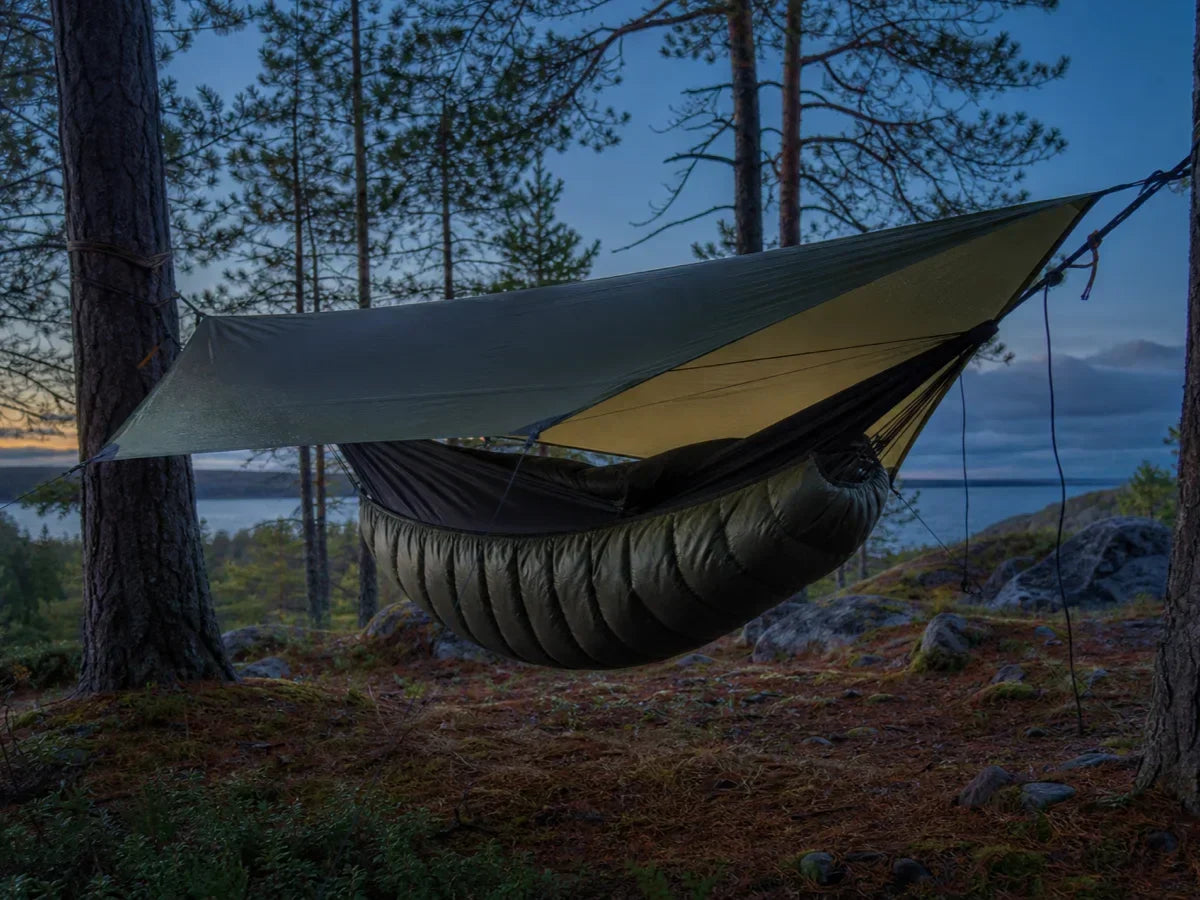
สถานการณ์ที่ 3: นักตั้งแคมป์เปลญวนที่ต้องการที่นั่งขนาดเล็กสำหรับใส่รองเท้า ทำอาหาร และพื้นเปียก
คำตัดสิน: เก้าอี้แคมป์ปิ้งแบบพับเก็บได้คุ้มค่าหากจุดกางเปลของคุณมีความชื้น ต่ำ หรือไม่สะดวกสำหรับงานที่ต้องทำกับพื้นดิน
ผู้ตั้งแคมป์ในเปลญวนมักประเมินต่ำเกินไปว่าพวกเขาใช้เวลายืนครึ่งหนึ่งและย่อตัวครึ่งหนึ่งมากเพียงใด
ถอดรองเท้าไว้ใต้ผ้าใบกันสาด。
ถึงเวลาเปลี่ยนถุงเท้าแล้ว
อาหารเย็นจะสุกด้วยความร้อนต่ำ
อุปกรณ์จะถูกจัดเรียงจากตำแหน่งที่แขวนอยู่
หากพื้นดินเปียกหรือมียุงหรือแมลงรบกวน เก้าอี้เตี้ยขนาดเล็กสามารถทำให้การตั้งแคมป์รู้สึกเป็นระเบียบและควบคุมได้มากขึ้น
ควรวางเก้าอี้ไว้ใต้ขอบผ้าใบหรือใกล้บริเวณห้องครัวที่ทนทาน
ช่วยให้คุณมีพื้นที่ที่สะอาดขึ้นสำหรับเปลี่ยนรองเท้า และมีท่าทางที่ดีกว่าสำหรับงานเล็ก ๆ ในแคมป์
นอกจากนี้ยังช่วยป้องกันไม่ให้คุณต้องใช้เปลญวนเป็นเก้าอี้ทุกครั้งที่ต้องทำงานเล็กๆ น้อยๆ ซึ่งอาจไม่สะดวกเมื่อผ้าห่ม มุ้งกันแมลง หรือผ้าใบกันฝนถูกจัดวางไว้เรียบร้อยแล้ว
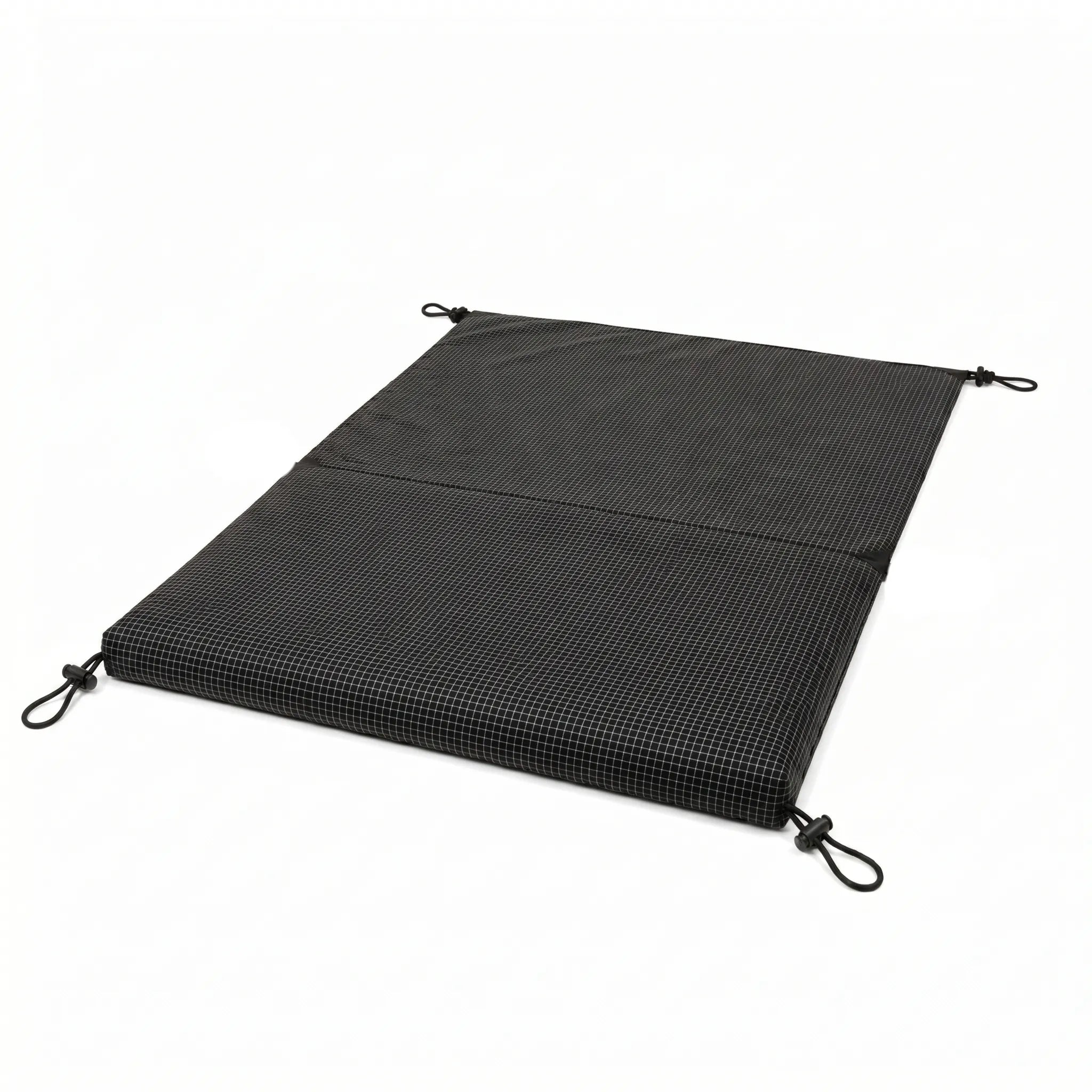
สำหรับกรณีการใช้งานนี้, the แผ่นรองเก้าอี้ขาตั้งสามขาสำหรับตั้งแคมป์ Onewind เหมาะที่สุดในฐานะเก้าอี้ทำงานแคมป์แบบกะทัดรัด
จับคู่กับระบบการนอนจริง ไม่ใช่ใช้แทนระบบนั้น
หากเป้าหมายของคุณคือความสบายในการนอน ให้ให้ความสำคัญกับเปลญวน ผ้าใบกันฝน ฉนวน และหมอนก่อนเป็นอันดับแรก
รายการตรวจสอบการติดตั้ง:
- วางเก้าอี้บนพื้นแข็งแรงทนทาน ใต้หรือใกล้บริเวณที่มีผ้าใบกันน้ำคลุมอยู่
- ใช้สำหรับรองเท้า การตรวจสอบการปรุงอาหาร การกรองน้ำ และการคัดแยกอุปกรณ์
- ห้ามใช้เพื่อขยายพื้นที่ตั้งแคมป์เข้าไปในพืชพรรณที่เปราะบาง
- เก็บไว้ในที่ที่มันจะไม่ทำให้คุณสะดุดตอนออกไปข้างนอกในเวลากลางคืน
สถานการณ์ที่ 4: นักตกปลาหรือนักล่าที่นั่งอยู่เพียงช่วงสั้น ๆ และเปลี่ยนตำแหน่งบ่อย
ข้อสรุป: เก้าอี้ไม่มีพนักพิงเป็นหนึ่งในตัวเลือกที่นั่งที่ดีกว่าเมื่อคุณนั่งเพียงช่วงสั้นๆ ลุกขึ้นบ่อยๆ และเปลี่ยนสถานที่ไปมา
นักตกปลา นักล่า ช่างภาพ และผู้เฝ้าดูสัตว์ป่า มักต้องการที่นั่งที่แตกต่างจากนักตั้งแคมป์ที่นั่งอยู่รอบกองไฟ
การนั่งเตี้ยลง มีจังหวะมากขึ้น และเคลื่อนไหวได้คล่องตัวมากขึ้น
คุณอาจต้องการใช้กล้องส่องทางลาด ผูกเหยื่อ รออยู่ใกล้น้ำ เปลี่ยนถุงเท้า หรือทานอาหารกลางวันอย่างเงียบๆ โดยไม่ต้องกางเก้าอี้ทั้งชุด
เก้าอี้สตูลพับได้เข้ากับจังหวะนั้นพอดี
กางได้อย่างรวดเร็ว ช่วยให้คุณอยู่เหนือพื้นเปียก และจัดเก็บได้โดยไม่ต้องทำให้ทุกจุดแวะพักกลายเป็นการประกอบเฟอร์นิเจอร์
โครงสร้างแบบขาตั้งสามขายังสามารถรองรับพื้นแข็งที่ไม่เรียบได้ดีกว่าเก้าอี้สี่ขาแบบแข็งอีกด้วย
รายงานภาคสนามเกี่ยวกับเก้าอี้น้ำหนักเบาพิเศษและเฟอร์นิเจอร์แคมป์ชี้ให้เห็นถึงรูปแบบความล้มเหลวเดียวกัน: ขาเก้าอี้ขนาดเล็กอาจจมลงเมื่อพื้นดินนุ่ม
จุดที่เกิดความล้มเหลวคือพื้นดินที่อ่อนนุ่ม
ริมแม่น้ำ โคลน หิมะ และหญ้าที่อิ่มน้ำสามารถทำให้เท้าแคบจมลงหรือโคลงเคลงได้
ในสถานที่เหล่านั้น ให้เลือกหิน กรวด ดินอัดแน่น หรือแผ่นรองนั่ง
รายการตรวจสอบการติดตั้ง:
- ใช้เก้าอี้สตูลสำหรับการนั่งรอช่วงสั้นๆ ไม่ควรใช้ตลอดทั้งวันหากยังไม่ได้พิสูจน์แล้วว่านั่งสบาย
- ทดสอบกับรองเท้าและเสื้อผ้าที่คุณใส่จริงๆ
- พับและเคลื่อนย้ายได้อย่างเงียบเชียบ
- เลือกพื้นดินที่แข็งแรงทนทานก่อนนั่งลง
สถานการณ์ที่ 5: ลานตั้งแคมป์สำหรับครอบครัวหรือกลุ่มที่มีที่นั่งเสริมสำหรับแขกเป็นประโยชน์
คำตัดสิน: เก้าอี้สตูลมีประโยชน์สำหรับที่นั่งเสริม แต่ไม่เหมาะที่จะใช้เป็นเก้าอี้หลักสำหรับทุกคน
พื้นที่ตั้งแคมป์สำหรับครอบครัวและกลุ่มทำให้เกิดความวุ่นวายเรื่องที่นั่ง
ใครสักคนต้องการที่สำหรับใส่รองเท้า
มีคนอื่นอยากนั่งขณะทำอาหาร
เด็กคนหนึ่งขโมยเก้าอี้ที่ดีที่สุดไป
แขกมาถึงโดยไม่มีที่นั่ง
เก้าอี้สตูลขนาดกะทัดรัดสามารถแก้ปัญหาในช่วงเวลาสั้น ๆ เหล่านั้นได้ โดยไม่กินพื้นที่เท่ากับเก้าอี้ขนาดเต็มอีกตัว
นั่นไม่ได้หมายความว่าผู้ตั้งแคมป์ทุกคนควรมีเก้าอี้เตี้ยหนึ่งตัว
ผู้ใหญ่ที่วางแผนจะนั่งทานอาหารเป็นเวลานานหรืออยู่ยาวตลอดช่วงเย็นก็ยังคงต้องการเก้าอี้
เด็กๆ อาจใช้เก้าอี้เตี้ยได้ดีสำหรับงานระยะสั้น แต่พวกเขาก็อาจคว่ำ ลาก และย้ายสิ่งของไปมารอบๆ แคมป์ได้เช่นกัน
บทบาทที่ดีที่สุดคือการรองรับเมื่อมีของล้นอย่างเป็นระเบียบ: เก้าอี้เตี้ยหนึ่งหรือสองตัวที่วางอยู่ใกล้ครัว ประตูเต็นท์ หรือโซนเกียร์
หากแคมป์ของกลุ่มมีคนแน่นอยู่แล้ว เก้าอี้เตี้ยขนาดเล็กสามารถช่วยให้การทำกิจกรรมเป็นไปอย่างกะทัดรัดและประหยัดพื้นที่ได้
วางไว้ในจุดที่ผู้คนสัญจรอยู่แล้ว แทนที่จะขยายพื้นที่ตั้งแคมป์ให้กว้างออกไป
รายการตรวจสอบการติดตั้ง:
- ใช้เก้าอี้สตูลสำหรับการเปลี่ยนรองเท้า ผู้ช่วยในครัวแคมป์ และที่นั่งเสริมชั่วคราวสำหรับการใช้งานระยะสั้น
- รองรับการนั่งได้นานเต็มที่สำหรับมื้ออาหารยาวๆ และความสบายยามค่ำคืน
- สอนเด็กให้วางเก้าอี้เตี้ยบนพื้นเรียบที่แข็งแรงทนทาน
- เก็บเก้าอี้สตูลออกไปก่อนมืด หากมันอาจกลายเป็นสิ่งกีดขวางที่ทำให้สะดุดล้มได้
ข้อผิดพลาดที่พบบ่อยเกี่ยวกับเก้าอี้แคมป์ปิ้งแบบพับได้
ข้อผิดพลาดส่วนใหญ่เกี่ยวกับเก้าอี้สตูลเกิดจากการมองหมวดหมู่นี้กว้างเกินไป
เก้าอี้สามขาไม่ได้เบาเป็นพิเศษโดยอัตโนมัติ ไม่สบาย มั่นคง วางตรงไหนก็ได้อย่างเหมาะสมตามหลักจริยธรรม หรือใช้งานได้ในทุกทริป
เป็นเครื่องมือขนาดเล็กที่มีหน้าที่เฉพาะเจาะจงและจำกัด
เคารพงานนั้น และเก้าอี้เตี้ยสามารถมีประโยชน์ได้
ละเลยมัน แล้วเก้าอี้จะกลายเป็นเพียงภาระหนักที่ไร้ประโยชน์ หรือเป็นของกองกะเกะกะน่ารำคาญในแคมป์ปิ้ง
ข้อผิดพลาดที่ 1: ข้ามการทดสอบการเคลื่อนที่ในสวนหลังบ้าน
เก้าอี้เตี้ยอาจนั่งสบายได้สิบวินาทีในร้านค้าหรือโรงรถ แต่ยังคงใช้งานไม่ได้เมื่อไปตั้งแคมป์
ปัญหาคือการเคลื่อนไหว
คุณไม่ได้แค่นั่งอยู่เฉยๆ
คุณบิดตัวเพื่อทำอาหาร ก้มลงผูกเชือกรองเท้า เอื้อมหยิบขวด ลุกขึ้นยืนทั้งที่ขาเมื่อยล้า แล้วนั่งลงอีกครั้งในเสื้อผ้าหลายชั้นที่เทอะทะ
ก่อนเก็บเก้าอี้พับ ให้ฝึกท่าทางจริงก่อน
สวมรองเท้าบู๊ตที่คุณใช้ภายนอก
นั่งทำงานที่มีระดับความสูงเท่าเตากับคุณอยู่ตรงหน้า
แสร้งทำเป็นกรองน้ำ
เปลี่ยนถุงเท้า
เอื้อมมือไปด้านหลังเพื่อหยิบกระเป๋าเป้หนึ่งใบ
ยืนขึ้นด้วยขาที่อ่อนล้า
หากเก้าอี้รู้สึกไม่มั่นคง ต่ำเกินไป หรือแคบเกินไประหว่างการเคลื่อนไหวนั้น อย่าคิดว่าสิ่งนี้จะดีขึ้นเองเมื่อไปตั้งแคมป์
การตั้งแคมป์มักทำให้ปัญหาแย่ลง เพราะพื้นดินเรียบไม่เท่ากัน และร่างกายของคุณก็เหนื่อยล้ามากกว่า
ข้อผิดพลาดข้อที่ 2: การเปรียบเทียบความสบายของเก้าอี้สามขากับความสบายของเก้าอี้ทั่วไป
ความผิดพลาดนี้สร้างความผิดหวังที่ไม่ตรงกับความเป็นจริง
โดยทั่วไปเก้าอี้เตี้ยจะให้ความสบายในการนั่งเป็นเวลานานได้น้อยกว่าเก้าอี้มีพนักพิง
ไม่มีพนักพิงด้านหลัง พื้นที่นั่งน้อยกว่า และมีท่าทางผ่อนคลายน้อยกว่า
นั่นไม่ได้ทำให้มันแย่ลง
หมายความว่าการเปรียบเทียบไม่ถูกต้อง
เปรียบเทียบเก้าอี้พกพากับสิ่งที่มันใช้แทน: การยอง, การคุกเข่า, การนั่งบนท่อนไม้ที่เปียก, การทรงตัวบนกระป๋องกันหมี หรือการใช้เป้ของคุณเป็นเฟอร์นิเจอร์.
ถ้าเก้าอี้เตี้ยช่วยให้ช่วงเวลาเหล่านั้นดีขึ้น นั่นก็ถือว่ามันทำหน้าที่ของมันแล้ว
หากคุณต้องการนั่งเป็นเวลาหนึ่งชั่วโมงหลังอาหารเย็น อย่าฝืนให้เก้าอี้สตูลเป็นอย่างอื่น
นำเก้าอี้ไปด้วย โดยเฉพาะอย่างยิ่งสำหรับการตั้งแคมป์ในรถยนต์
ผู้ซื้อเก้าอี้แบบสตูลที่ซื่อตรงจะมีความสุขมากกว่า เพราะพวกเขาเลิกคาดหวังความสบายแบบเก้าอี้พักผ่อนจากอุปกรณ์ที่นั่งสำหรับงานแล้ว
ข้อผิดพลาดข้อที่ 3: คิดว่าใช้ขาตั้งสามขาแล้วจะมั่นคงเสมอในทุกสภาพแวดล้อม
ขา 3 ขาช่วยได้บนพื้นแข็งที่ไม่เรียบ เพราะเก้าอี้เตี้ยไม่จำเป็นต้องมี 4 จุดสัมผัสเพื่อให้วางได้อย่างสม่ำเสมอ
นั่นไม่ได้หมายความว่าเก้าอี้สามขาจะใช้งานได้บนทุกพื้นผิว
พื้นดินนุ่มก็ยังคงเป็นพื้นดินนุ่มอยู่ดี
เท้าที่แคบอาจจมลงได้
ความลาดเอียงยังอาจทำให้ที่นั่งรู้สึกไม่ปลอดภัยได้
รากที่เปียกและชั้นเศษใบไม้ผุร่วนซุยก็ยังเคลื่อนที่ได้
การแก้ไขภาคสนามทำได้โดยตรง: ทดสอบพื้นก่อนที่จะไว้วางใจเก้าอี้สตูล
กดเท้าแต่ละข้างลงบนพื้นผิว
ถ่ายน้ำหนักของคุณอย่างช้าๆ
นั่งในบริเวณที่พื้นดินมีความทนทานอยู่แล้ว แทนที่จะเคลื่อนลึกเข้าไปในพืชพรรณที่ยังไม่ถูกแตะต้องมากขึ้น
หากเก้าอี้จมลง ให้เปลี่ยนไปใช้ก้อนหิน กรวด ดินอัดแน่น แผ่นรองพื้นที่ตั้งแคมป์ที่เรียบ หรือแผ่นรองนั่ง
อย่าขุดให้เท้าจมลึกลงไปแล้วเรียกมันว่ามั่นคง
ข้อผิดพลาด 4: การละเลยกฎของพื้นผิวที่ทนทาน
ที่นั่งแบบพกพาสามารถขยายพื้นที่แคมป์ได้อย่างเงียบ ๆ
ใครบางคนนำเก้าอี้เตี้ยไปยังจุดชมวิวที่ดีกว่า
จากนั้นอีกคนหนึ่งก็ตามมา
จากนั้นอุปกรณ์ทำอาหารชิ้นหนึ่งก็เคลื่อนที่ไป
ในไม่ช้า พื้นที่ตั้งแคมป์ที่ทนทานก็จะค่อย ๆ รุกล้ำเข้าไปในหญ้า มอส หรือดินนุ่ม ๆ
ใช้เก้าอี้สนามเพื่อรวมกิจกรรมแคมป์ไว้เป็นจุดเดียว ไม่ให้กระจายออกไป
วางไว้ใกล้บริเวณห้องครัวที่จัดไว้ ประตูเต็นท์ ผ้าใบกันฝนของเปลญวน หรือพื้นที่ดินอัดแน่น
หากมุมมองที่ดีที่สุดต้องนั่งบนพืชพรรณที่เปราะบาง ให้หลีกเลี่ยงการนั่งหรือย้ายไปยังพื้นผิวที่ทนทานกว่า
นี่คือเหตุผลหนึ่งที่เก้าอี้พับเตี้ยอาจดีกว่าการทำเฟอร์นิเจอร์แคมป์จากวัตถุธรรมชาติ
คุณสามารถนำที่นั่งมาเองได้ และปล่อยให้ก้อนหิน ท่อนไม้ ต้นไม้ และโครงสร้างของพื้นที่คงเดิมไว้ได้
ความผิดพลาดที่ 5: ทำเป็นว่าสตูลมีพนักพิงรองรับหลัง
การรองรับแผ่นหลังไม่ใช่คุณสมบัติเล็กน้อย
สำหรับนักตั้งแคมป์บางคน นี่คือเหตุผลทั้งหมดที่ต้องพกเก้าอี้ไปด้วย
หากคุณมีอาการปวดหลัง คาดว่าจะต้องนั่งรอบกองไฟยาวนาน หรืออยากอ่านหนังสืออย่างสบาย เก้าอี้สตูลอาจไม่ใช่ที่นั่งหลักที่เหมาะสมที่สุด
นั่นไม่ได้หมายความว่าม้านั่งเตี้ยนั้นไม่มีประโยชน์
อาจยังใช้งานได้เป็นที่นั่งในห้องครัว ที่นั่งสำหรับเปลี่ยนรองเท้า หรือที่นั่งเสริมได้
แต่ไม่ควรให้เป็นแผนหลักเพื่อความสบาย หากความต้องการที่แท้จริงคือการรองรับแรงกดและการพยุงร่างกาย
กฎการปฏิเสธนั้นตรงไปตรงมา: หากประโยคเริ่มต้นด้วย "ฉันต้องการเอนหลัง" ให้เลือกเก้าอี้
หากประโยคเริ่มต้นด้วย "ฉันต้องการที่นั่งที่สะอาดและรวดเร็วขณะทำงานนี้" เก้าอี้สตูลก็ยังคงอยู่ในตัวเลือกด้วย
รายการตรวจสอบสำหรับการตัดสินใจอย่างรวดเร็ว
สรุปคือ: พกเก้าอี้สนามแบบพับเก็บได้ไปด้วยเมื่อมันช่วยแก้ปัญหาในการทำงานที่คุณต้องทำอยู่แล้ว
ข้ามไปได้เลยหากคุณแค่หวังว่าอุปกรณ์ชิ้นเล็ก ๆ จะช่วยให้สบายได้ระดับเก้าอี้
หากจุดทดสอบที่นั่งงานชี้ไปที่เก้าอี้สตูล, the แผ่นรองเก้าอี้ขาตั้งสามขาสำหรับตั้งแคมป์ Onewind เส้นทางผลิตภัณฑ์สำหรับการรีวิวอยู่แล้ว
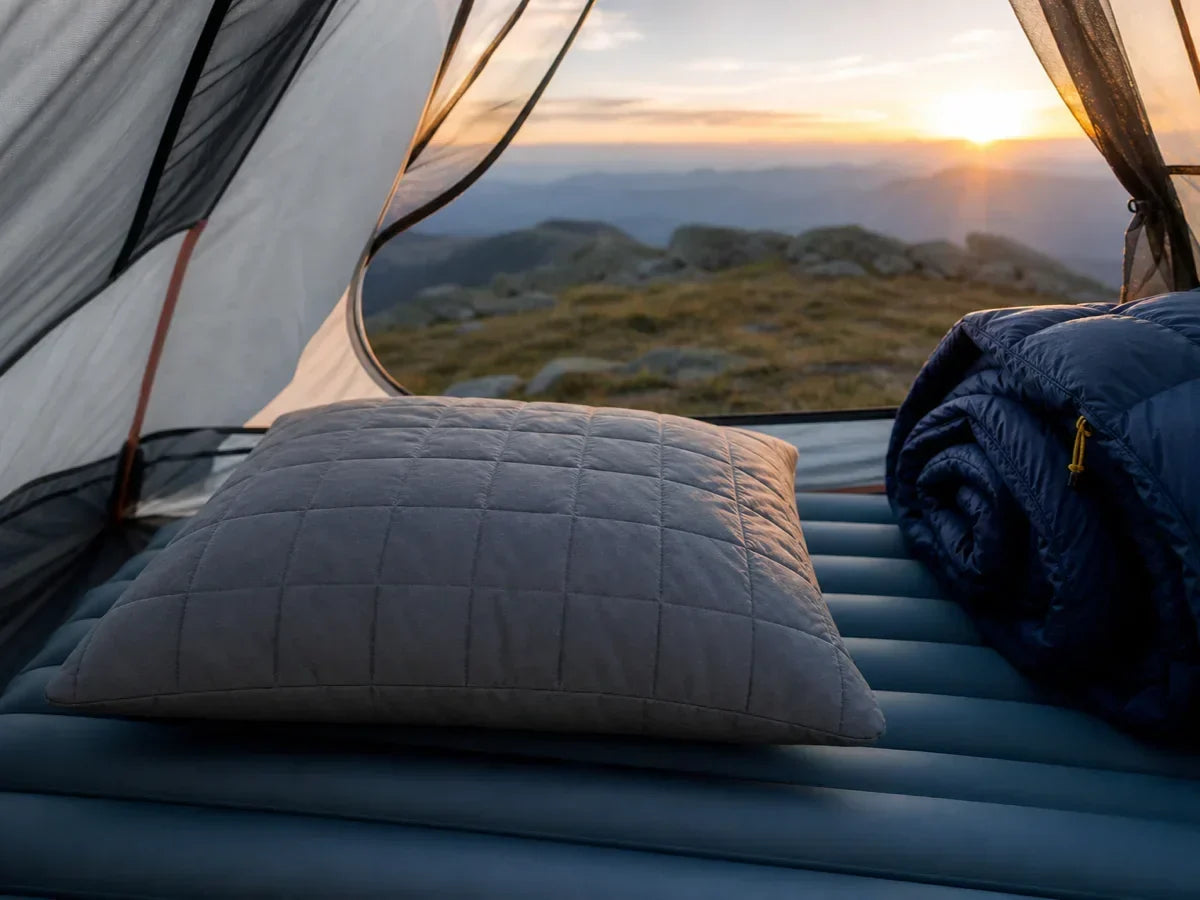
หากปัญหาหลักของคุณคือความสบายในการนอนแคมป์ ลองดูที่ a หมอนตั้งแคมป์ แทนที่จะเป็นสิ่งนั้น
หากปัญหาของคุณคือการจัดระเบียบสิ่งของชิ้นเล็ก ๆ ใกล้แคมป์, an กระเป๋าอุปกรณ์เสริม อาจแก้ปัญหาได้มากกว่าที่นั่งแบบอื่นๆ
สำหรับส่วนที่เหลือของชุดอุปกรณ์ที่เกี่ยวข้องกับการตัดสินใจนี้ โปรดเรียกดู คอลเลกชันอุปกรณ์ตั้งแคมป์.

Shop the compact camp task seat
Shop Now →