
Ocho referencias públicas al aire libre señalan el mismo punto de fallo silencioso: los zapatos son lo primero que muchos campistas se quitan por la noche y lo primero que lamentan haber ignorado por la mañana.
Comparé las especificaciones del producto, las pautas oficiales de seguridad sobre escorpiones, las referencias meteorológicas y las conversaciones de los campistas.
Los datos útiles de esa comparación son prácticos: un artículo de almacenamiento de 40 g puede importar más que una mejora de equipo más grande si mantiene seco, protegido y en condiciones previsibles el único par de zapatos de senderismo.
El asesoramiento experto de REI también muestra por qué las búsquedas de «camp shoes» se desvían hacia lo que llevar alrededor del campamento, mientras que esta guía se centra en dónde va el calzado después de quitárselo.
El patrón fue consistente.
El almacenamiento de zapatos de camping no es un problema de orden.
Es un problema de riesgo matutino.
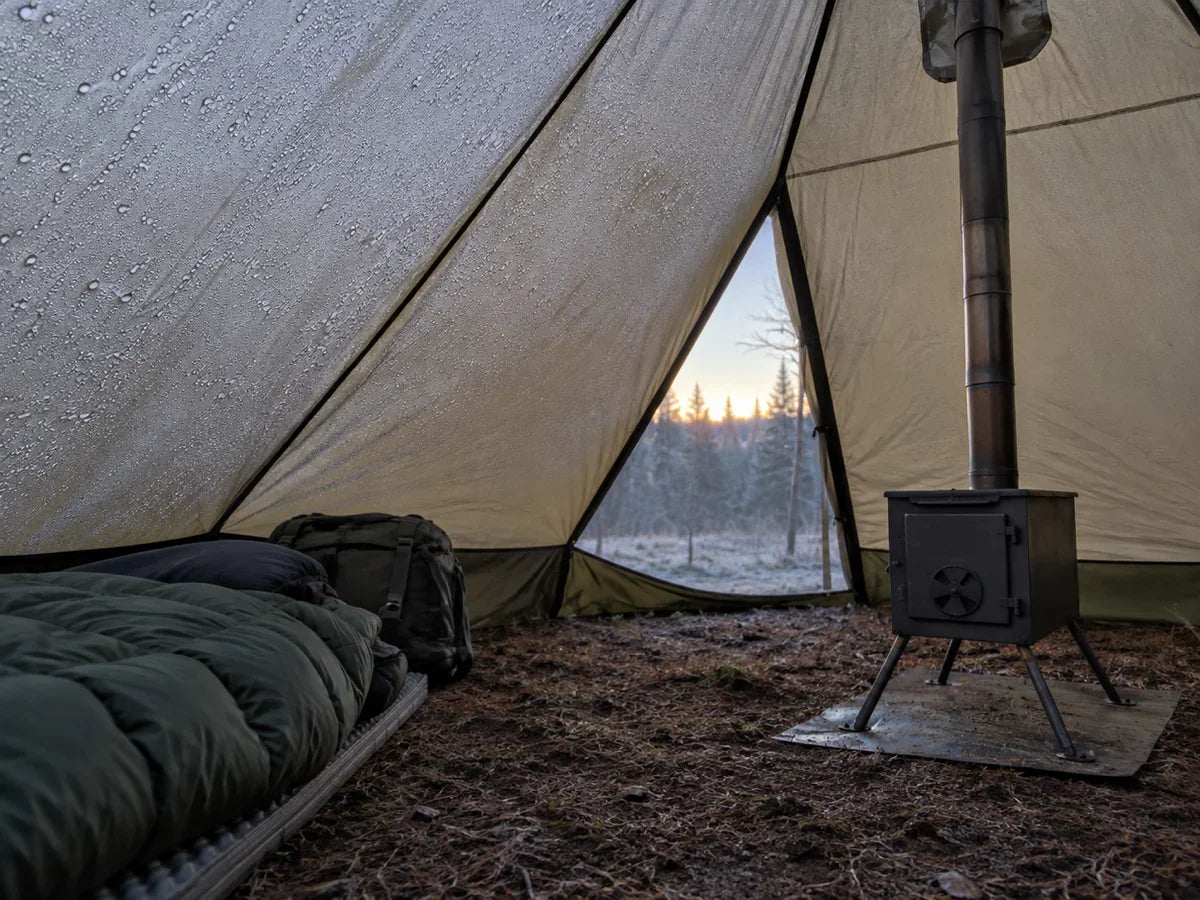
Tus zapatos pueden estar secos a las 9 p. m. y húmedos al amanecer porque el rocío se forma en las superficies expuestas durante la noche.
Su tienda puede mantenerse más limpia si las botas permanecen afuera, pero el almacenamiento exterior crea un segundo riesgo: insectos, babosas, arañas, escorpiones y otros visitantes del suelo pueden encontrar la abertura de los zapatos antes que usted.
La mejor respuesta no siempre está "dentro de la tienda" o "fuera de la tienda".
La mejor opción es el lugar de almacenamiento que controla el mayor riesgo durante la noche sin crear uno peor.
Lo que aprenderás

Uso un pedido de riesgo en lugar de un pedido de equipo.
Primero, comprueba la humedad.
Luego, compruebe si hay suciedad y olor.
Luego, compruebe si hay insectos y acceso de animales pequeños.
Luego, elige la zona de almacenamiento.
Ese orden mantiene el consejo práctico para una pequeña tienda de mochilero, una hamaca bajo un toldo y un área de acampada en coche con varios pares de zapatos cerca de la puerta.
Respuesta rápida
Si los zapatos están limpios y la tienda de campaña tiene espacio, elige el almacenamiento interior.
Si los zapatos están sucios, pero el doble techo crea un vestíbulo real, elige el almacenamiento en el vestíbulo.
Si los zapatos deben permanecer fuera de la zona limpia de descanso, elija una bolsa cubierta, un punto de suspensión o un saco para botas.
A menos que el campamento esté claramente en una zona de bajo riesgo, inspecciona o sacude los zapatos antes de meter un pie dentro.
Ese último paso es el más importante en hábitats de escorpiones, arañas, hormigas, babosas y climas cálidos.
El marco de decisión

Comience con el fallo que está tratando de prevenir.
Divido el almacenamiento de calzado para camping en cuatro preguntas.
Si aparece una sola señal de alerta, no considere el almacenamiento de zapatos como un hábito descuidado.
Elige una zona controlada.
Para una tienda de campaña, eso normalmente significa un vestíbulo, una toalla justo dentro de la puerta o una bolsa junto a la puerta.
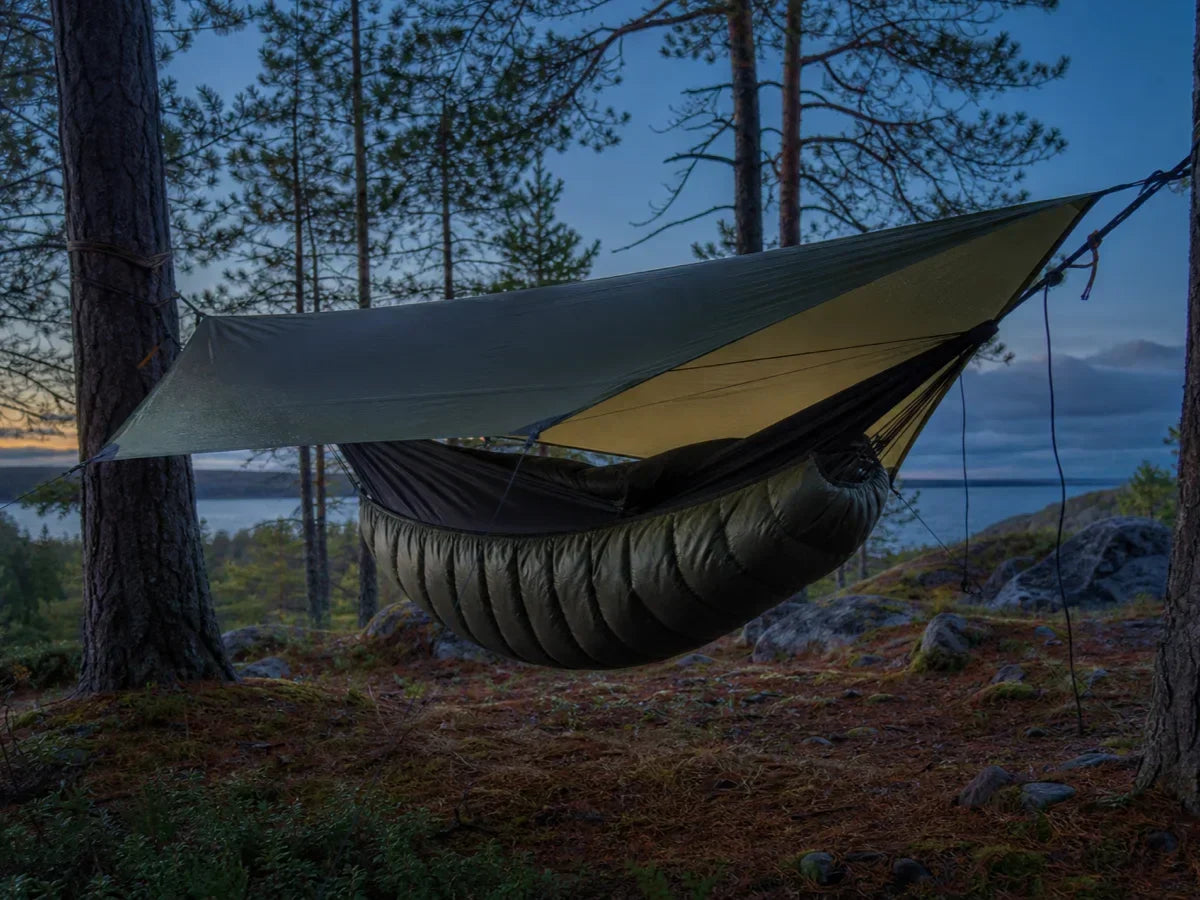
Para una hamaca, eso normalmente significa una bolsa sujeta debajo de la línea del toldo o colgada cerca de la entrada de la hamaca.
Para acampar en coche, eso puede significar un pequeño contenedor, una bandeja para el maletero o una bolsa dedicada cerca de la entrada de la tienda.
El objetivo no es un calzado estéril.
El objetivo es tener una ubicación predecible para los zapatos que esté cubierta, contenida y revisada antes de usarla.
YouTube: https://www.youtube.com/watch?v=2JCP98SQys4
Riesgo 1: el rocío puede empapar los zapatos aunque no llueva

Según Britannica, el rocío son gotas de agua formadas por la noche por la condensación del vapor de agua en superficies expuestas al cielo.
Eso explica la clásica sorpresa del camping: la previsión se mantuvo seca, pero los zapatos estaban mojados al amanecer.
Zapatos expuestos, frescos con el suelo y el aire libre.
La tela del zapato, los cordones, la lengüeta y el borde de la plantilla pueden acumular humedad.
La hierba empeora el problema porque el zapato se asienta dentro de una capa superficial húmeda.
La tierra abierta no siempre es mejor, porque el polvo puede volverse pegajoso y adherirse a las suelas.
Un vestíbulo ayuda cuando el doble techo cubre realmente la zona de los zapatos y mantiene alejadas las salpicaduras.
Un borde de lona solo ayuda si los zapatos quedan debajo de la línea de goteo, no al lado de ella.
A saco para botas ayuda cuando el calzado debe permanecer fuera de la zona de descanso pero no debe quedar expuesto al cielo.
La prueba es práctica.
Si no dejarías una chaqueta de plumón en ese mismo lugar durante la noche, no dejes allí zapatos abiertos y esperes una mañana seca.
YouTube: https://www.youtube.com/watch?v=M7rYXL8rWwI
Riesgo 2: Los zapatos sucios pueden arruinar la zona de descanso

Los zapatos sucios crean un tipo diferente de fracaso.
Mantienen tus pies funcionales, pero pueden hacer que la tienda interior se vuelva arenosa, húmeda y desagradable rápidamente.
Las discusiones de los usuarios de Reddit muestran claramente la división.
Los campistas que guardan las botas en el interior a menudo usan una toalla, una bolsa o un sistema de esquina de la puerta.
Los campistas que rechazan el almacenamiento interior a menudo señalan el barro, el olor, la arena y la pequeña superficie del suelo en los refugios para una persona.
Ambos lados tienen razón en diferentes condiciones.
Considero la tienda interior como la zona limpia.
Los zapatos entran en esa zona solo cuando están lo suficientemente secos como para guardarse en una toalla o dentro de una bolsa específica.
Si los zapatos están mojados, llenos de barro o de agujas, se quedan fuera de la zona limpia.
Eso no significa completamente al aire libre y a la intemperie.
Significa fuera del tejido limpio para dormir, pero todavía dentro de un método de almacenamiento controlado.
El punto intermedio adecuado suele ser una alfombra para vestíbulo, una pequeña pieza impermeable para el suelo o una bolsa cerrada para zapatos.
Riesgo 3: Insectos y pequeños animales como espacios abiertos

Los zapatos abiertos crean un bolsillo protegido oscuro.
Ese bolsillo es exactamente la parte que tu pie toca primero por la mañana.
Según NPS Big Bend, los mochileros y campistas deben revisar la ropa de cama, la ropa y los zapatos si se han dejado al aire libre durante la noche.
La fuente de los CDC/NIOSH ofrece un informe similar sobre escorpiones para los trabajadores al aire libre: sacuda la ropa o los zapatos antes de ponérselos.
Eso no significa que cada campamento sea peligroso.
Significa que el calzado abierto en el suelo merece una rutina.
En los bosques húmedos, el visitante puede ser una babosa, una araña, un escarabajo o un grupo de hormigas.
En campamentos desérticos o cálidos y rocosos, el riesgo puede incluir escorpiones.
En territorio de serpientes, el calzado por sí solo no cuenta toda la historia de la seguridad, pero moverse descalzo a ciegas por el campamento sigue siendo una mala idea.
Una bolsa cerrada reduce el acceso abierto.
Un vestíbulo cubierto reduce la exposición.
Un punto de suspensión reduce el contacto con el suelo.
A toldo de camping con mosquitera también puede ayudar a definir una zona de refugio más limpia y protegida contra insectos cuando el resto del campamento esté activo.
Ninguna de esas opciones sustituye la revisión matutina.
El hábito seguro es el almacenamiento más la inspección, no el almacenamiento en lugar de la inspección.
Riesgo 4: El susto de la mañana es un fallo de planificación

El peor fallo de almacenamiento de zapatos ocurre antes del café.
Te despiertas con frío.
Necesitas el baño.
Tus zapatos están afuera, mojados, oscuros y posiblemente ocupados.
Así es como una pequeña decisión de almacenamiento se convierte en un susto repentino.
La solución empieza antes de dormir.
Oriente las aberturas de los zapatos lejos del lado más expuesto del refugio.
Mantén los zapatos en el mismo lugar todas las noches.
Cierra la bolsa o cubre la abertura.
Deja una toalla pequeña o una alfombrilla donde pueda apoyar el pie con calcetín.
Mantén una linterna frontal al alcance antes del primer paso.
Me gusta la rutina matutina de tres segundos.
Mira primero.
Toca o agita.
Luego úsalo.
Esa rutina lleva menos tiempo que secar calcetines mojados o lidiar con una picadura.
Cuando el almacenamiento dentro de la tienda gana
Consejos de camping con almacenamiento de zapatos y rutinas limpias en el campamento
El almacenamiento en el interior es la opción de menor fricción cuando los zapatos ya están lo suficientemente limpios.
Mantiene el calzado más cálido.
Mantiene la abertura del zapato alejada de la mayoría de los visitantes a nivel del suelo.
Proporciona un acceso rápido para salidas de medianoche.
El costo es espacio y limpieza.
Una tienda de campaña para mochilero de una sola persona puede no tener suficiente espacio libre en el suelo para botas, pantalones impermeables, mochila y equipo para dormir.
Una tienda familiar puede guardar zapatos, pero un montón de zapatos cerca de la puerta puede extender la suciedad más de lo esperado.
Utilice almacenamiento interno con un límite.
Ese límite puede ser una toalla, un forro para mochila, una bolsa pequeña o una esterilla de esquina.
No coloque las suelas embarradas directamente sobre el suelo de la tienda.
Si necesita meter zapatos mojados en el interior por seguridad, primero conténgalos.
La condición para ganar es tener los pies secos mañana sin sacrificar el área limpia para dormir esta noche.
Cuando el almacenamiento en el vestíbulo gana

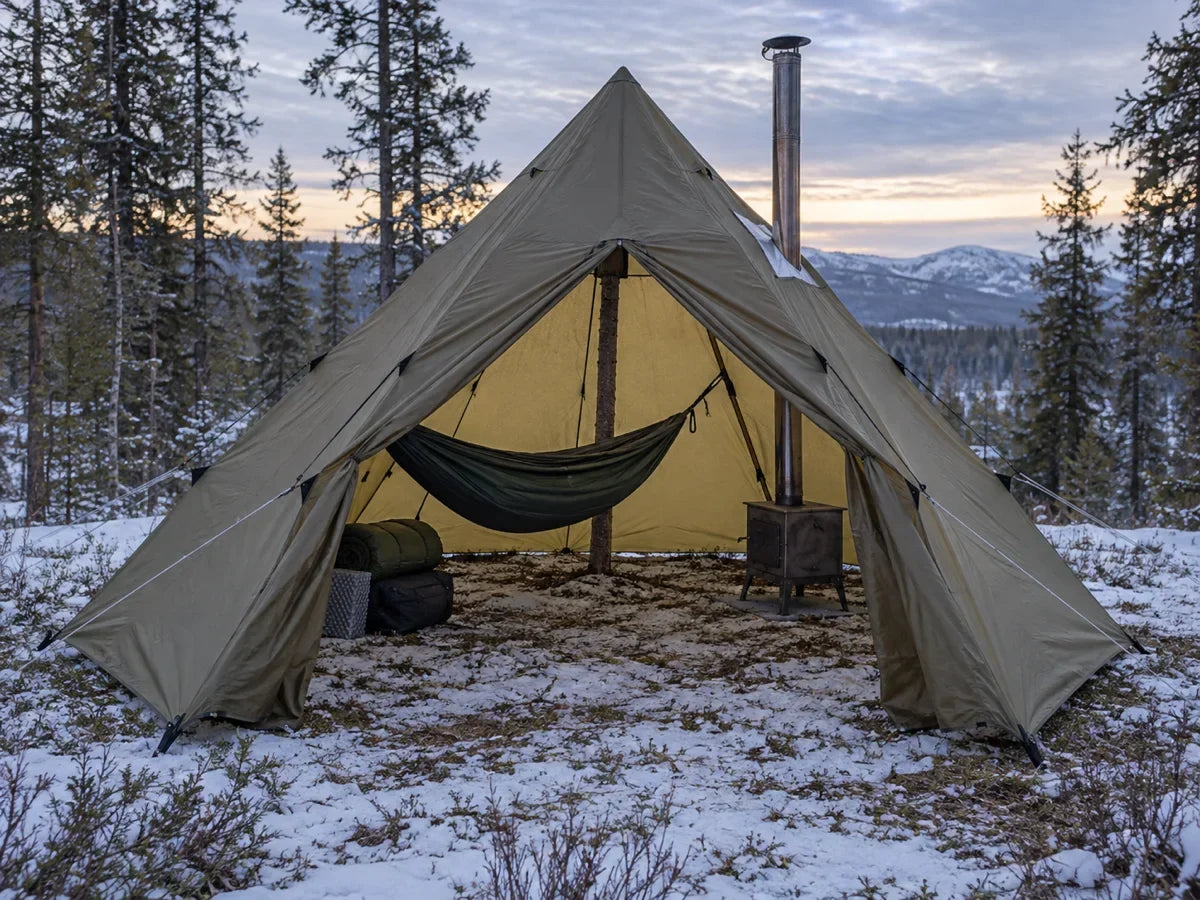
Un vestíbulo es la solución de almacenamiento predeterminada para muchos campistas de tienda de campaña porque resuelve dos problemas a la vez.
Mantiene los zapatos fuera de la tienda interior.
Las mantiene bajo el doble techo.
Eso solo funciona cuando el vestíbulo está realmente cubierto.
Comprueba la línea de goteo antes de confiar en ella.
Un zapato situado a una pulgada fuera del borde del faldón puede recoger salpicaduras durante toda la noche.
Un zapato colocado en un bolsillo bajo del suelo puede mojarse por la escorrentía incluso bajo un toldo.
Un zapato con la abertura orientada hacia un lado aún puede atraer insectos.
Utilice el vestíbulo cuando el terreno sea plano, la lona exterior llegue lo suficiente y pueda colocar la abertura del zapato bajo cubierta.
Añade una pequeña esterilla si el suelo está embarrado.
Añade una bolsa si los insectos están activos.
Cámbialo a un almacenamiento colgante si el agua se acumula bajo el vestíbulo.
El vestíbulo es un porche cubierto, no un casillero sellado.
Cuando una bolsa para botas gana

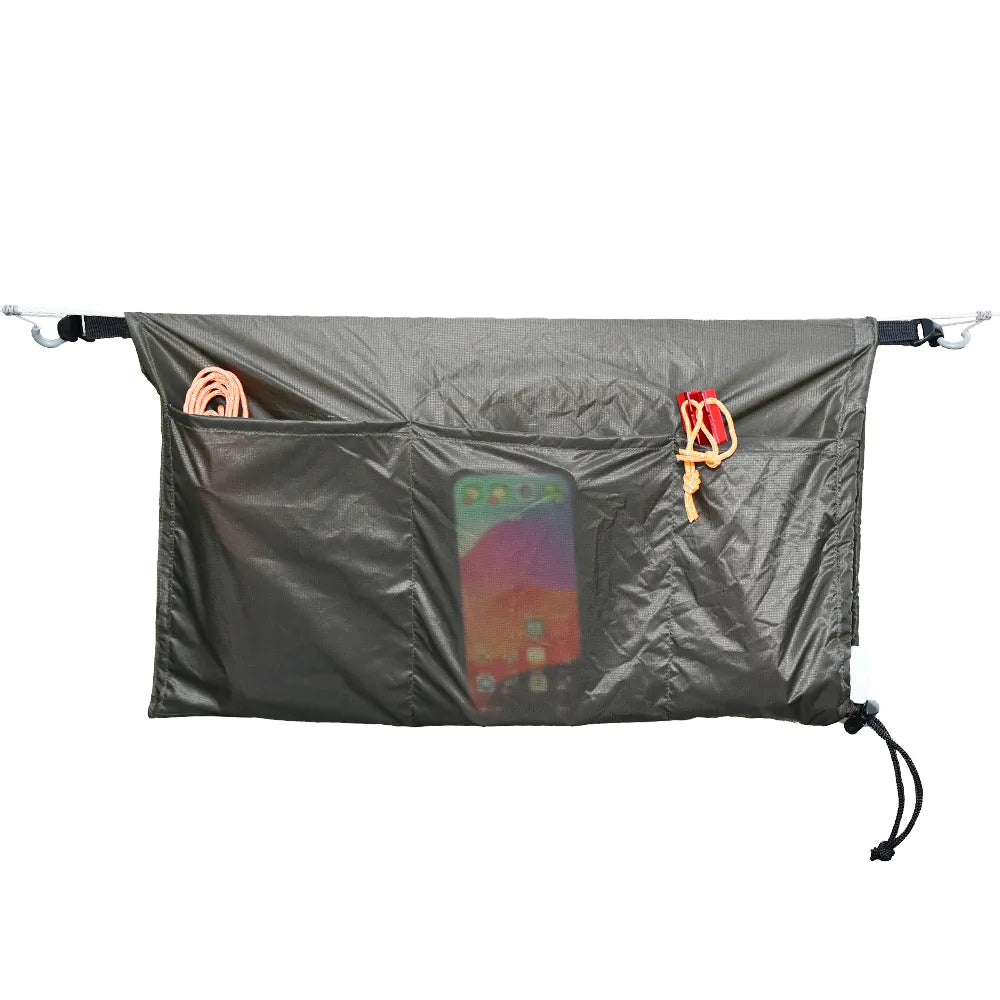
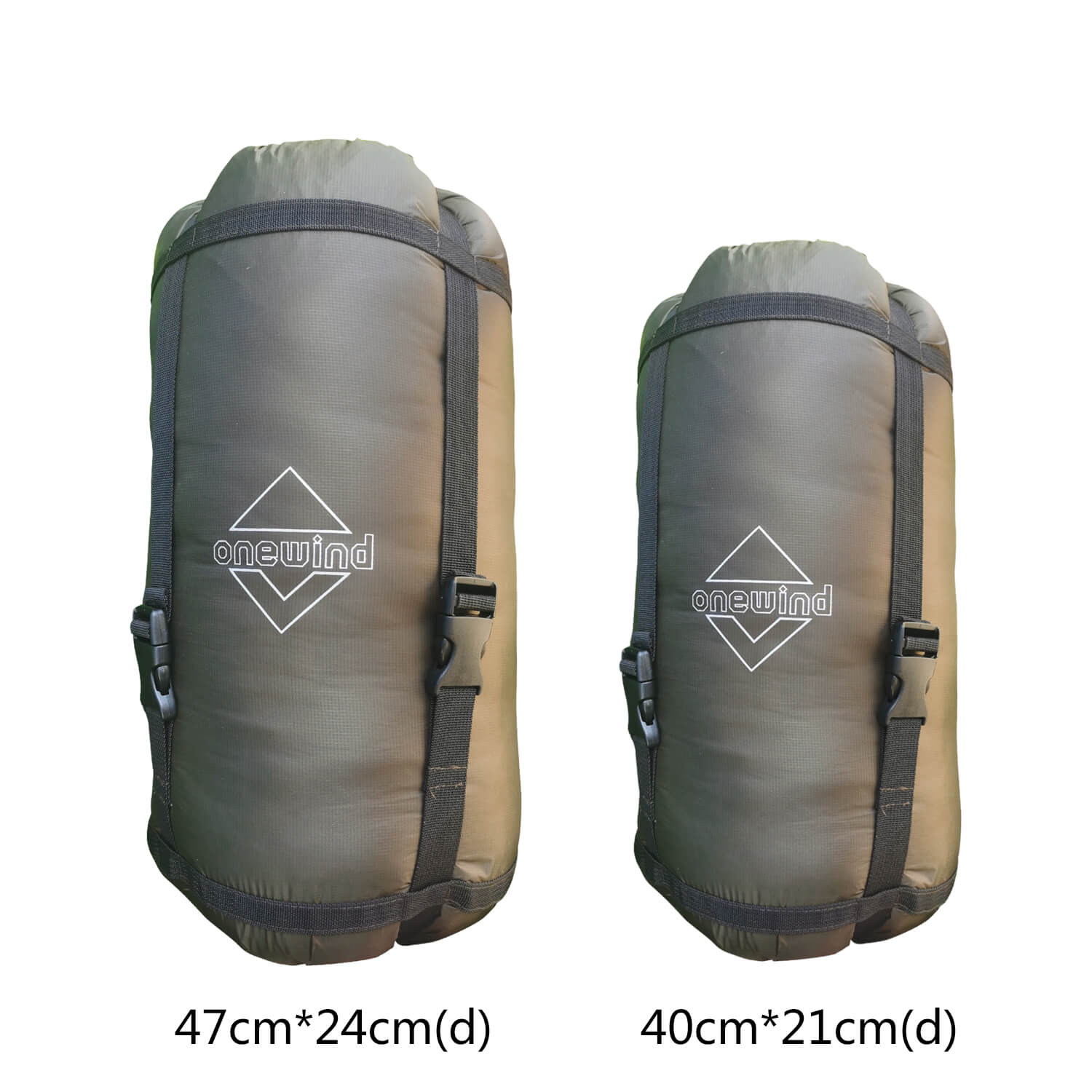
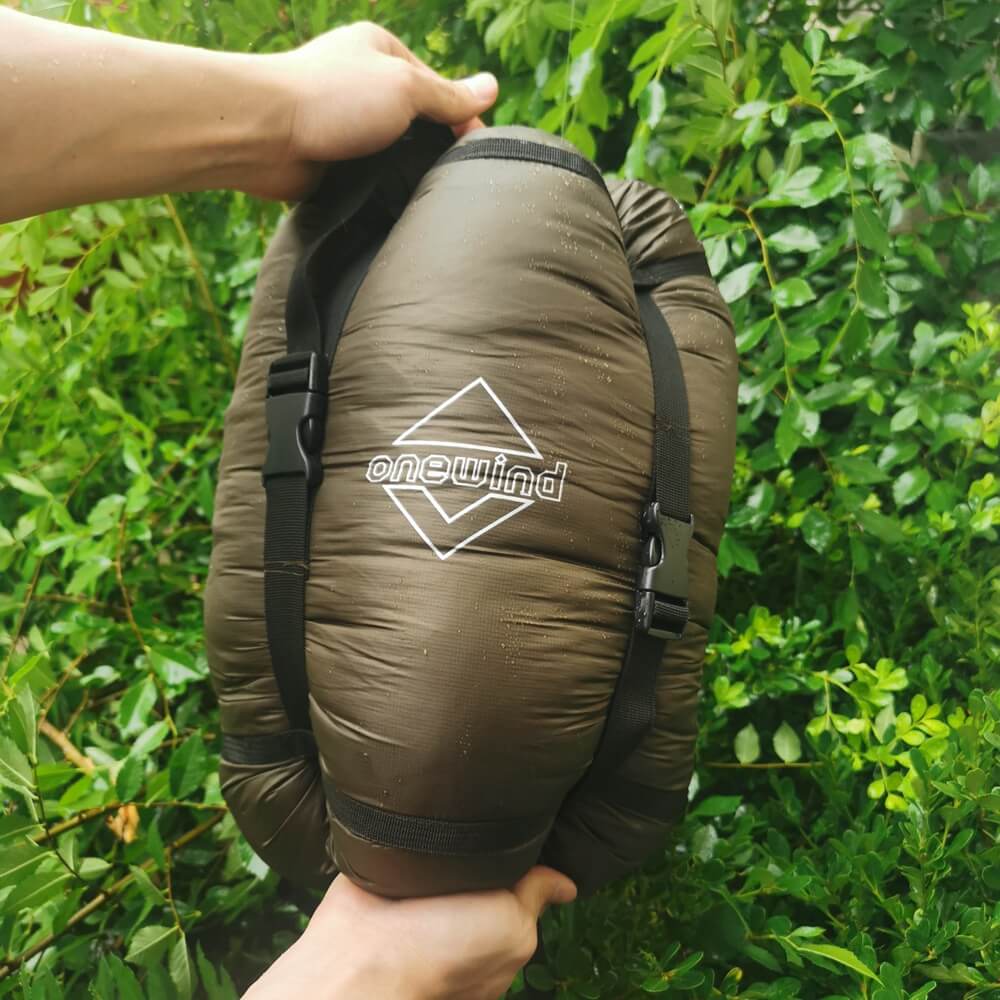
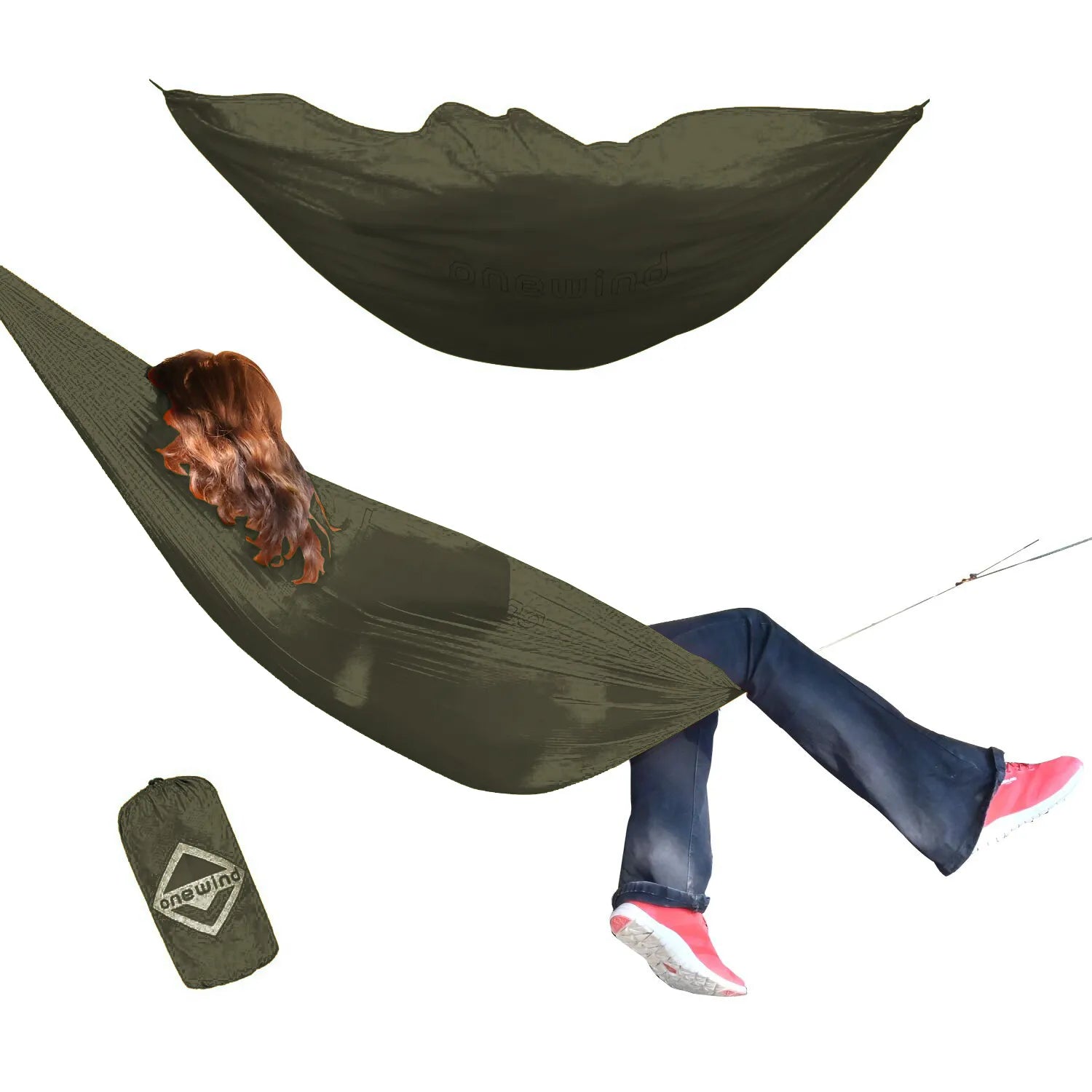
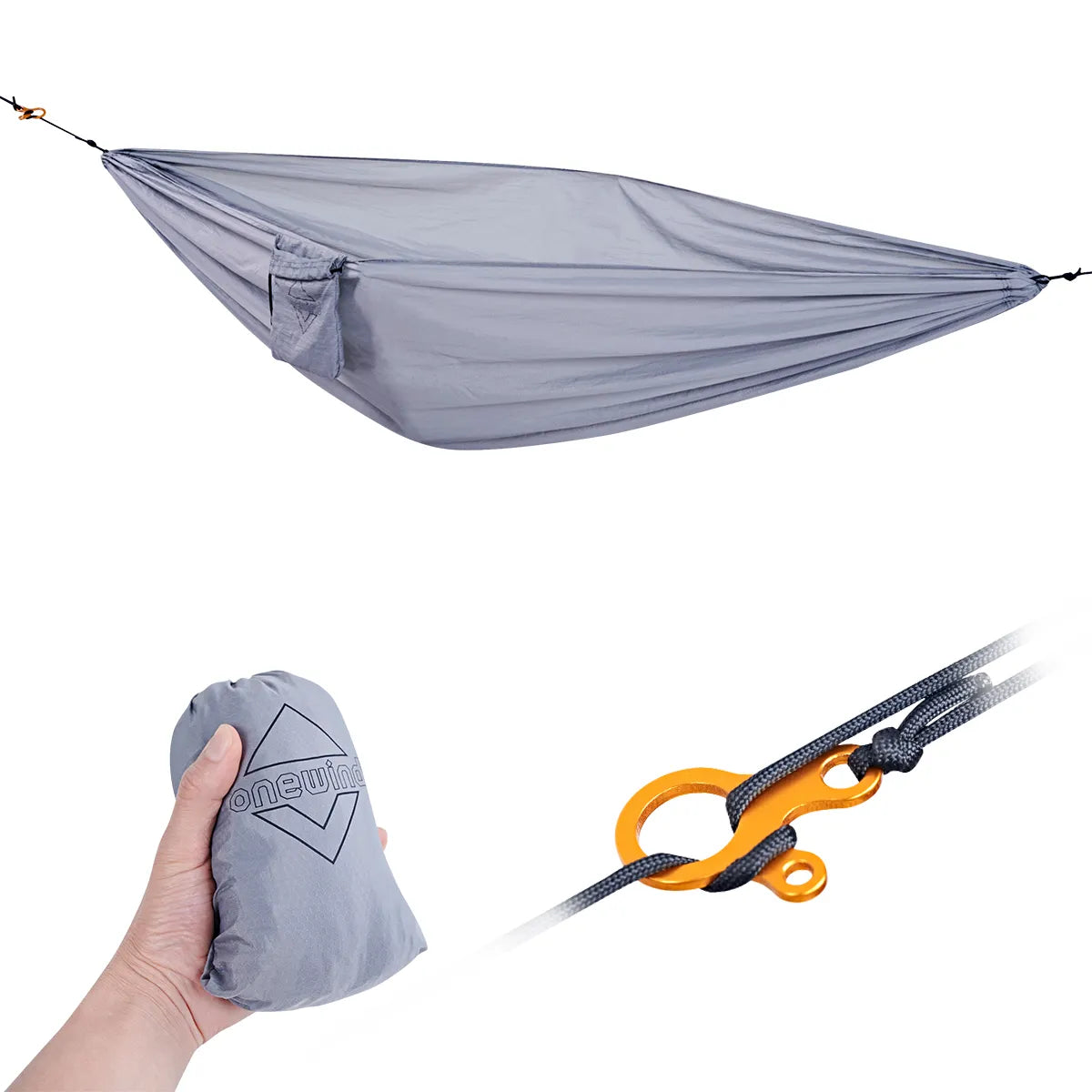
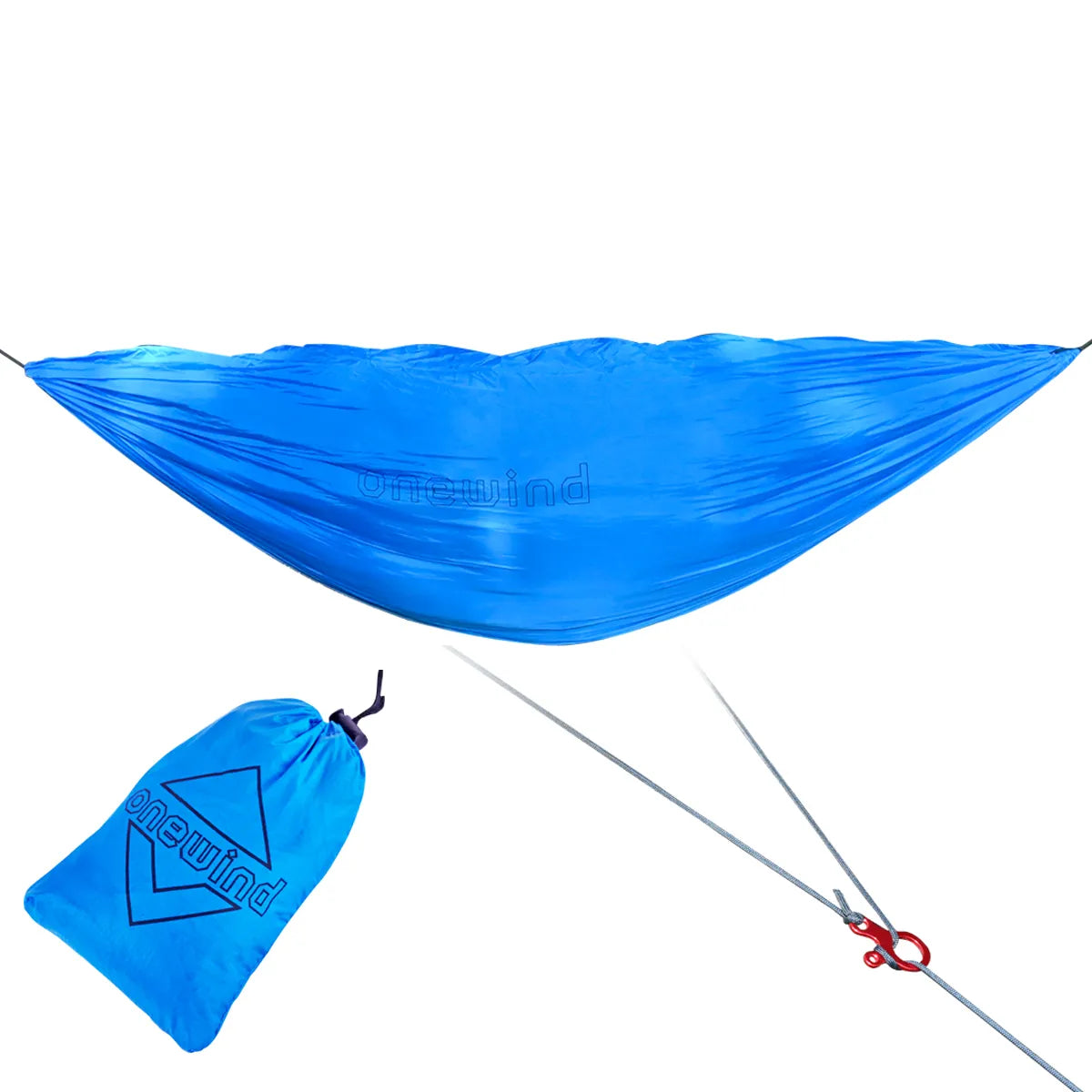
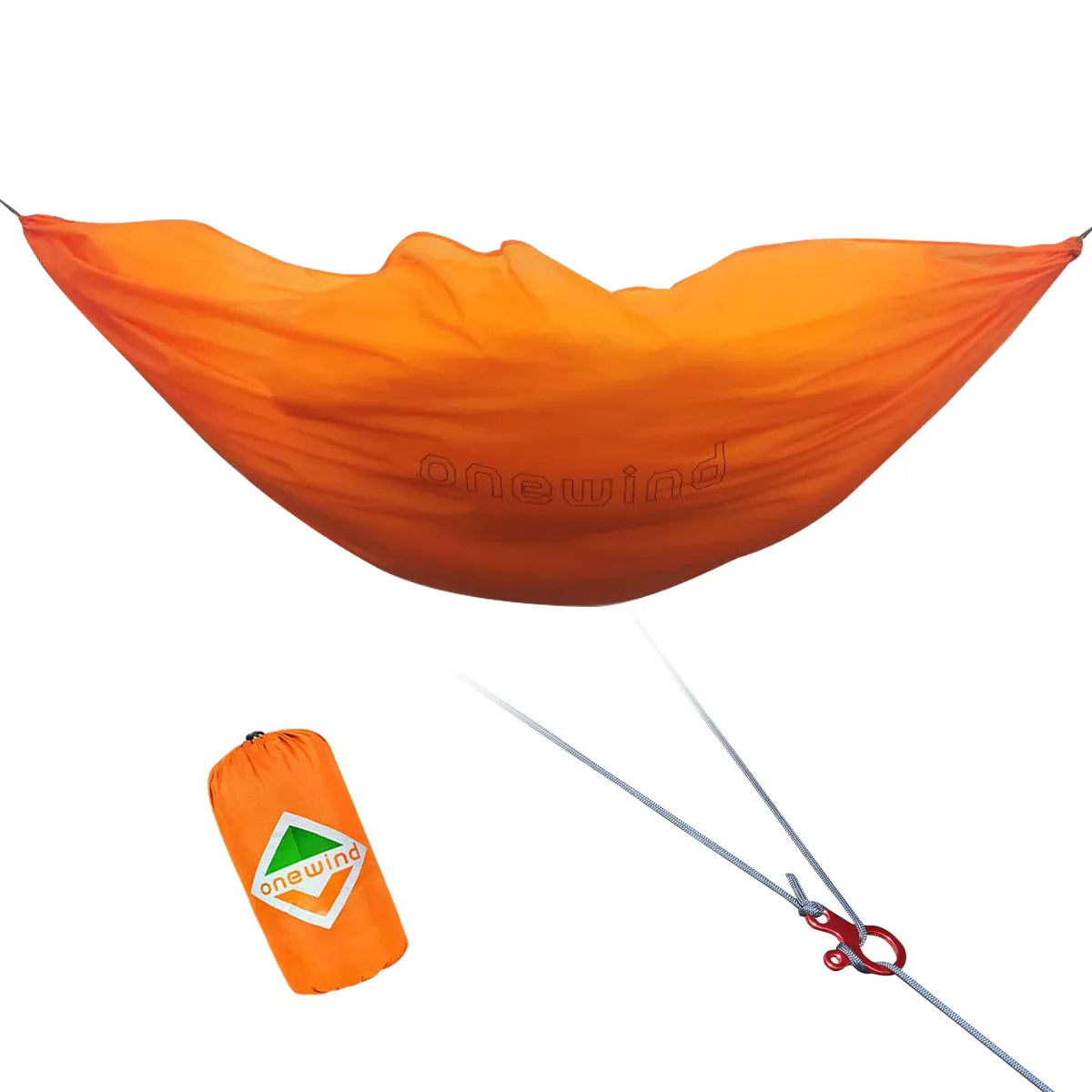
Un Saco para botas Onewind gana cuando los zapatos necesitan mantenerse fuera de la zona de descanso limpia, pero no deben permanecer abiertos en el suelo.
El saco para botas Onewind encaja en esa función porque es lo bastante pequeño como para justificarlo como una capa de control dedicada.
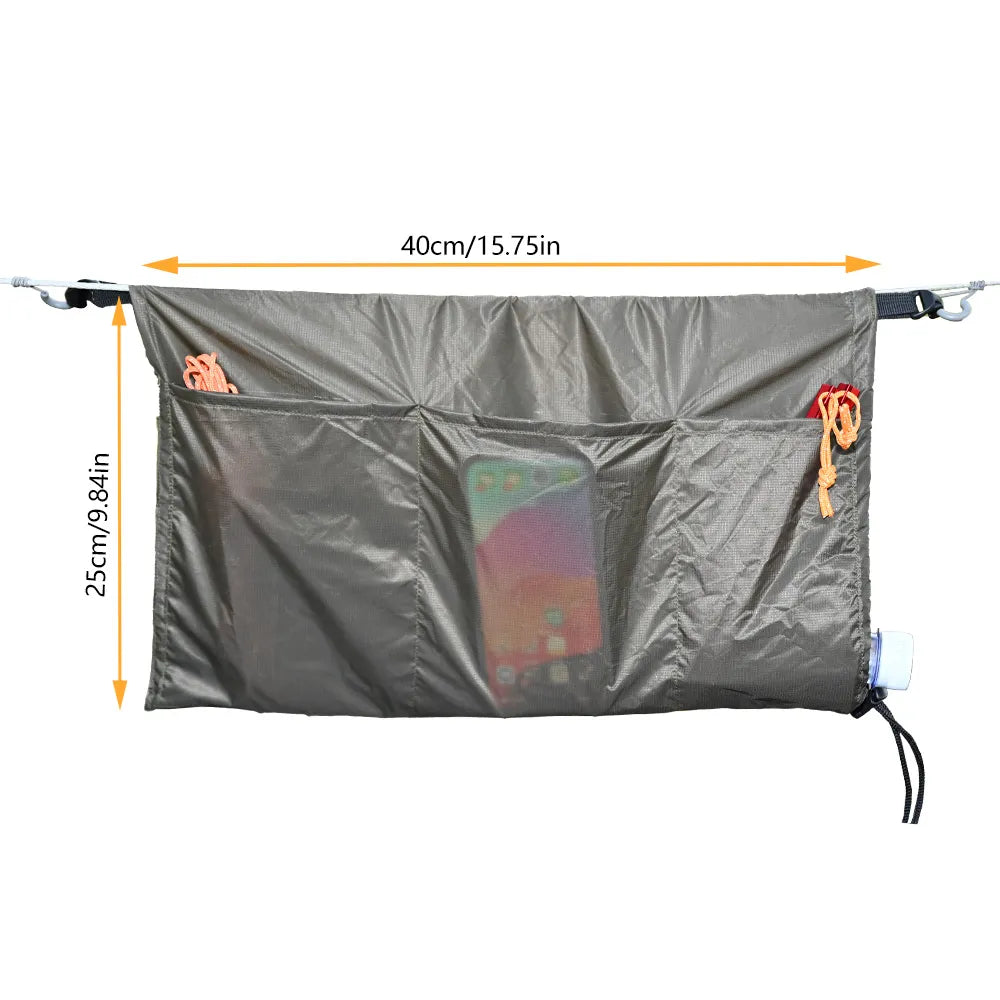
Onewind indica que el saco pesa 40 g / 1,4 oz.
El tamaño sin empaquetar indicado es de 40 cm x 26 cm x 24 cm.
El tamaño empaquetado indicado es de 4 cm x 8 cm.
El material es nailon ripstop de 1,1 oz con recubrimiento de PU.
Tiene cremallera, asa, tejido lavable de secado rápido y una forma de calzado pensada para botas, zapatos, pantuflas y calzado de camping similar.
Eso hace que el producto sea específico para una función.
Mantiene el calzado mojado o sucio contenido.
Reduce la exposición al rocío y a las salpicaduras de lluvia ligera.
Hace que las aberturas de los zapatos sean menos accesibles para los insectos.
Les da a los campistas en hamaca una bolsa que pueden enganchar o colgar bajo la cobertura de la lona.
No hace una bóveda a prueba de veneno.
No sustituye la revisión de los zapatos en hábitat de escorpiones.
No sustituye las normas sobre alimentos y olores en zonas de osos.
Utilízalo como un área de zapatos limpia y cubierta durante la noche.
Esa es la promesa correcta.
Cuando el almacenamiento colgante gana

El almacenamiento colgante es lo más importante para los campistas en hamaca y las configuraciones de tarp sin suelo.
Sin un suelo de tienda de campaña, los zapatos a menudo terminan debajo de la hamaca, cerca del borde del toldo o junto a la suspensión.
Eso puede funcionar en clima seco.
Falla cuando el suelo está mojado, la inclinación de la lona es estrecha o hay insectos activos.
Sujete una bolsa para zapatos a un organizador de línea de cumbrera, un mosquetón, un punto de accesorio de correa para árbol o un punto de suspensión seguro para la lona solo si no distorsionará el montaje del refugio.
Más grande refugio de lona para hamaca de 12 pies da más espacio en el borde cubierto para este tipo de almacenamiento bajo y accesible.
Mantén la bolsa bajo cobertura.
Mantenlo lo suficientemente bajo como para alcanzarlo sin tener que estar descalzo sobre suelo mojado.
Manténgalo alejado de los alimentos y de los artículos perfumados.
No cuelgue botas pesadas y mojadas de un bolsillo de malla débil o de una mosquitera.
La mejor configuración colgante es aburrida.
Mantiene los zapatos alejados del suelo.
Los mantiene cubiertos.
No deforma su lona.
Te permite encontrar calzado sin buscar a tientas en la oscuridad.
Escenario 1: Noche despejada y húmeda sin pronóstico de lluvia

Cielo despejado.
El pronóstico dice que estará seco.
La hierba ya se siente fresca antes de dormir.
Esta es la clásica trampa de rocío.
La explicación de Britannica sobre el rocío importa aquí porque el riesgo no es la lluvia.
El riesgo es la condensación nocturna en superficies expuestas.
Si los zapatos se dejan abiertos sobre la hierba, espere empeines húmedos, cordones mojados y un primer paso más frío.
Elija el almacenamiento en el vestíbulo si la línea del doble techo cubre completamente los zapatos.
Elige un saco para botas o una bolsa cubierta si los zapatos deben permanecer fuera de la tienda.
Elige el almacenamiento interior solo si los zapatos están lo suficientemente limpios para guardarlos.
No las dejes descubiertas junto a la puerta solo porque el pronóstico sea seco.
Veredicto: Elija un almacenamiento cubierto, no el suelo abierto, cuando el clima claro y húmedo puede dejar los zapatos empapados de rocío al amanecer.
Escenario 2: Tienda pequeña o hamaca con botas embarradas

Los zapatos están sucios.
El refugio es pequeño.
La zona de descanso debe mantenerse limpia.
En ese punto, la respuesta de “simplemente tráelos al interior” deja de ser válida.
Una tienda para una persona puede tener espacio para una colchoneta para dormir, un edredón y algunos elementos esenciales.
Las botas embarradas pueden convertir ese suelo en una bandeja de suciedad.
Un campamento con hamaca tiene aún menos lógica de suelo interior porque no hay suelo de tienda.
Elige una alfombrilla para vestíbulo si la tienda tiene una buena cobertura.
Elige un saco para botas si los zapatos están mojados, sucios o son incómodos de colocar.
Elige un almacenamiento colgante debajo de una lona si estás en una hamaca.
Mantenga la zona de zapatos accesible desde la entrada del refugio.
No coloque las botas donde el escurrimiento pueda pasar por debajo de ellas.
Veredicto: Elige una configuración contenida fuera de la zona de sueño cuando las botas embarradas y el espacio reducido del refugio se combinan.
Escenario 3: Campamento cálido con insectos, escorpiones o babosas

El suelo cálido cambia la decisión de almacenamiento.
El zapato ya no es solo un artículo mojado.
Es un bolsillo oscuro cerca del nivel del suelo.
La investigación de NPS Big Bend aconseja a los campistas revisar los zapatos que se dejan fuera durante la noche.
CDC/NIOSH recomienda sacudir los zapatos o la ropa antes de ponérselos en zonas con escorpiones.
Eso es suficiente para cambiar el valor predeterminado.
No deje los zapatos abiertos sobre el suelo desnudo con la abertura expuesta.
Elija una bolsa cerrada, un vestíbulo cubierto o un punto de suspensión.
Mantén las aberturas de los zapatos cubiertas aunque las suelas permanezcan fuera.
Inspeccione por la mañana con luz.
Agítelo o golpéelo antes de usarlo.
Evita exagerar las prestaciones del equipo.
Un saco para botas reduce el acceso, pero la revisión matutina sigue formando parte de la rutina.
Veredicto: Elija almacenamiento cubierto y revíselo cuando puedan entrar insectos, arañas, escorpiones, babosas u otros animales pequeños en zapatos abiertos.
Escenario 4: El primer paseo al baño antes del amanecer

Este escenario trata sobre el acceso.
Necesitas zapatos antes de estar completamente despierto.
El suelo está mojado.
La luz es tenue.
La ubicación del zapato no es evidente.
Esa combinación crea el susto repentino.
Coloca los zapatos donde tu mano los espera.
Mantén una linterna frontal al alcance.
Mantén una zona seca para dejar los calcetines junto a la puerta.
Mantén la abertura del zapato cubierta o la bolsa cerrada.
Si los zapatos están fuera, no salgas descalzo a buscarlos.
Si están en un vestíbulo, colóquelas con la punta de los pies hacia afuera para que pueda levantarlas e inspeccionarlas.
Si están en un saco para botas, abra la bolsa con la abertura del zapato apuntando lejos de su pie.
La rutina debería funcionar en la oscuridad.
Veredicto: Elige un alcance predecible, almacenamiento cubierto y una rutina de sacudida para cualquier campamento en el que un zapato mojado o ocupado provoque una sorpresa matutina.
Errores comunes al almacenar calzado de camping
Problema de condensación y humedad durante la noche
Todos los errores provienen de tratar los zapatos como una idea de último momento.
El calzado es un equipo de misión crítica.
Si se empapa, se pierde, se congela o se ocupa, al día siguiente empieza mal.
Preferiría dedicar tres minutos a elegir una zona de calzado que pasar la primera hora de la caminata con calcetines mojados o con un compañero de campamento estresado.
Las siguientes secciones convierten los errores comunes en comprobaciones.
Error 1: Dejar los zapatos al aire libre en el suelo

El terreno abierto resulta cómodo a la hora de acostarse.
También es la opción de almacenamiento más débil.
Expone los zapatos al rocío desde arriba, a las salpicaduras desde el lateral, al barro desde abajo y a pequeños visitantes desde la abertura.
El riesgo aumenta en noches despejadas y tranquilas, sobre hierba mojada, en suelos desérticos y en campamentos de verano con insectos.
Una mejor configuración no tiene por qué ser complicada.
Coloca los zapatos debajo de una línea de vuelo.
Colócalos sobre una pequeña alfombrilla.
Ponlos en un saco para botas.
Cuelguelos bajo la cubierta de la lona.
Si no tienes equipo, al menos gira la abertura hacia abajo solo después de comprobar que no se acumulará humedad dentro del zapato.
El espacio abierto debe ser la opción de emergencia, no el sistema de almacenamiento predeterminado.
Error 2: Resolver la suciedad creando humedad

Los campistas a menudo sacan los zapatos sucios al exterior para proteger la tienda de campaña.
Eso soluciona la arenilla.
Puede generar humedad.
Un zapato dejado fuera de la línea de vuelo puede permanecer más limpio que la tienda de campaña, pero aun así puede mojarse.
Un zapato sellado demasiado herméticamente mientras está empapado puede atrapar el mal olor y ralentizar el secado.
La solución es separar «cubierto» de «sellado».
Use un vestíbulo cuando el flujo de aire importe y la protección contra las inclemencias del tiempo sea fiable.
Utilice un saco para botas resistente al agua cuando la contención sea más importante que el secado completo.
Abre y airea los zapatos por la mañana cuando las condiciones lo permitan.
Retira las plantillas solo si puedes mantenerlas limpias y encontrarlas antes de empaquetar.
La configuración adecuada para pasar la noche protege la mañana siguiente, no el almacenamiento a largo plazo del calzado mojado en casa.
Error 3: Suponer que un saco para botas reemplaza la inspección

Un saco para botas mejora la zona de almacenamiento.
No cancela la biología.
Tanto las orientaciones del NPS como las de los CDC respaldan revisar o sacudir artículos como los zapatos después de una exposición nocturna en contextos con riesgo de escorpiones.
Usa esa orientación como el nivel mínimo de seguridad.
Cierra la bolsa por la noche.
Mantén la bolsa alejada del suelo mojado cuando sea posible.
Ábrelo por la mañana.
Mira dentro del zapato.
Golpee o agite antes de usar.
Esa rutina no es excesiva en entornos cálidos o desérticos.
Es un hábito de bajo coste con una gran desventaja si se omite.
El producto te ayuda a controlar la exposición.
Tu revisión matutina confirma que el zapato está listo para tu pie.
Esos dos pasos funcionan juntos.
Error 4: Mezclar el almacenamiento de alimentos con el almacenamiento de zapatos

Una bolsa para zapatos es para el calzado.
No es una bolsa para alimentos.
No es un sistema a prueba de olores para la fauna silvestre.
No es un atajo para el país de los osos.
Ese límite importa porque las categorías de almacenamiento de campamento pueden difuminarse después del anochecer.
Los calcetines sucios, los aperitivos, el protector solar, la pasta de dientes y los zapatos no deberían acabar todos en un solo montón aleatorio de equipo.
Mantén el calzado en su propia zona.
Sigue las normas locales sobre alimentos y artículos perfumados para comida, basura, artículos de aseo y utensilios de cocina.
Si un campamento requiere un bote contra osos, una taquilla, colgar la comida u otro método de almacenamiento aprobado, use ese sistema para los elementos atrayentes.
Use la bolsa para botas para botas.
Usa el método de almacenamiento de fauna silvestre para las normas de fauna silvestre.
Las categorías claras evitan malos hábitos.
Error 5: Olvidar la capacidad de empaquetado hasta la última milla

Cualquier método de almacenamiento de zapatos tiene un coste de transporte.
Un contenedor de plástico funciona para acampar en coche.
Es absurdo para hacer senderismo con mochila.
Una toalla funciona si ya necesitas una toalla.
Una bolsa seca completa funciona si ya está en el kit.
Un saco exclusivo para botas funciona cuando su peso y su tamaño empaquetado se mantienen lo suficientemente pequeños como para justificar el control adicional que aporta.
Onewind presenta el saco para botas con un peso de 40 g / 1,4 oz y un tamaño empaquetado de 4 cm x 8 cm.
Por eso forma parte de la conversación sobre mochilerismo.
No está intentando reemplazar un gran vestíbulo de engranajes.
Está diseñado para una sola tarea concreta: guardar el calzado durante la noche sin ensuciar la zona de descanso ni dejar los zapatos totalmente expuestos.
Empácalo cuando aparezca ese trabajo en tu viaje.
Omítalo cuando su refugio ya resuelva el problema de forma limpia.
La lista de verificación para una decisión rápida
- ✓ Consulta el pronóstico, pero no confíes en que un pronóstico seco evitará el rocío.
- ✓ Comprueba la línea de vuelo, porque la cobertura importa más que la palabra «vestíbulo».
- ✓ Comprueba la abertura del zapato, porque el interior del zapato es el primer punto de contacto.
- ✓ Comprueba la ruta matutina, porque los paseos al baño ocurren antes de prestar toda la atención.
- ✓ Verifique la afirmación del producto, porque un saco para botas resistente al agua es un accesorio de almacenamiento, no una garantía de vida silvestre.
Mi valor predeterminado es lo suficientemente simple como para recordarlo.
Los zapatos limpios y secos pueden entrar por el perímetro.
Los zapatos sucios se quedan fuera de la zona de descanso limpia.
Los zapatos expuestos necesitan cubierta.
Los zapatos en el hábitat de criaturas necesitan inspección.
Veredicto final

El almacenamiento de zapatos para camping debería responder a una pregunta: ¿qué arruinaría más rápido la mañana de mañana?
Si la respuesta es rocío, elige almacenamiento cubierto.
Si la respuesta es barro o mal olor, mantén los zapatos fuera de la zona limpia para dormir.
Si la respuesta es insectos, escorpiones, arañas, babosas o un primer paso oscuro, cubra la abertura del zapato e inspeccione antes de usarlo.
Si el vestíbulo de tu tienda ya se encarga de esas tareas, úsalo.
Si tu hamaca o pequeña instalación de tienda deja los zapatos expuestos, utiliza una pequeña bolsa colgante o saco para botas.
Si desea una opción ligera dedicada de la colección de almacenamiento para camping, el saco para botas Onewind se adapta bien a una función estrecha: 40 g, nailon ripstop resistente al agua, con cremallera, plegable y con forma para calzado.
Considéralo una zona de limpieza para botas durante la noche.
No lo considere como una garantía.
La mejor mañana es aburrida.
Tus zapatos están donde los dejaste.
Están lo suficientemente secas.
No están llenos de arenilla.
No te sorprenden.
Eso es toda la victoria.