
Ein Biwaksack ist eine der kleinsten Unterkünfte, die ein Camper mit sich führen kann, aber die Definition ist leicht misszuverstehen.
Laut den Tests der Bivy-Kategorie von OutdoorGearLab sind die wichtigen Fragen der Wetterschutz, der Komfort, das Packmaß und die Belüftung – nicht das Etikett auf dem Packsack.
Ein Biwaksack schützt das Schlafsystem.
Es erstellt keinen Raum.
Dieser eine Unterschied erklärt die meisten guten Biwaknächte und die meisten schlechten.
Verwenden Sie einen Biwaksack, wenn die Tour ein kompaktes, auf Schlaf ausgelegtes Shelter belohnt und Sie den Standort, die Luftzirkulation, den Einstieg und die Aufbewahrung der Ausrüstung gut steuern können.
Lassen Sie es weg oder ergänzen Sie eine Tarp-Abdeckung, wenn Sie zeltähnlichen Raum, wiederholten Komfort bei nassem Wetter oder einen primären Unterschlupf aus einer Notfalltasche benötigen.
Was Sie lernen werden
Sie werden den Unterschied zwischen einem Schlafsacküberzug und einem Shelter-Workflow lernen.
Sie werden sehen, warum manche Camper Biwaksäcke für kurze Solotouren lieben und warum andere nach nur einer feuchten Nacht aufgeben.
Sie erhalten eine Ersteinrichtungssequenz für die erste Nacht, die funktioniert, bevor das Wetter kompliziert wird.
Sie werden auch wissen, wann Sie von einem flachen Biwaksack zu einem strukturierten Biwakzelt, einem Tarp-System oder einem normalen Zelt wechseln sollten.
Schnelle Antwort
Ein Biwaksack lässt sich am besten als Hülle für ein Schlafsystem verstehen.
Es umhüllt den Schlafenden, die Unterlage und den Schlafsack mit einem platzsparenden Unterschlupf, der sich klein verpacken lässt und nur wenig Bodenfläche benötigt.
Diese schmale Form ist der Vorteil.
Es ist auch der Kompromiss.
Der Camper muss für Atemraum, Feuchtigkeit, Einstieg und Ausrüstung außerhalb des Biwaks sorgen.
Wenn Ihnen diese Aufgaben lästig erscheinen, ist ein Zelt möglicherweise der bessere Unterschlupf.
Wenn diese Aufgaben machbar klingen, kann der Biwaksack ein effizientes Werkzeug für Alleinunternehmungen sein.
Der Entscheidungsrahmen
Beginnen Sie mit dem Job, nicht mit der Kategorie.
Wenn es sich um eine Notfall-Überlebensausrüstung handelt, kann ein Not-Biwaksack sinnvoll sein, denn Komfort ist nicht das Ziel.
Wenn die Tour für eine Übernachtung geplant ist, muss der Biwaksack mit Kondenswasser, dem Ein- und Ausstieg und einer echten Isomatte zurechtkommen.
Wenn die Aufgabe ein regnerisches Camp ist, bei dem Stiefel, Rucksack, Kleidungsschichten und Kochutensilien geschützten Platz benötigen, ist ein Biwaksack allein in der Regel zu schmal.
Die Wikipedia-Definition eines Biwaksacks gibt die grundlegende Idee wieder: ein leichter Schutz um einen Schlafsack herum.
Die Feldentscheidung ist spezifischer.
Sie entscheiden, wie viel Schutzvolumen Sie aufgeben können, bevor die Nacht schwieriger, nasser oder weniger sicher wird.
Was ein Biwaksack tatsächlich abdeckt
Ein Biwaksack schützt das Schlafsystem eher als den Campingplatz.
Das unterscheidet es von einem Zelt.
Die Unterlage und die Steppdecke werden je nach Design ganz oder teilweise in die Hülle eingelegt.
Ihre Körperwärme, Ihr Atem und nasse Kleidung gelangen ebenfalls in denselben kleinen Raum, wenn Sie unvorsichtig sind.
Deshalb kann sich ein Biwaksack in einer trockenen Nacht warm und effizient anfühlen, bei kalter Luftfeuchtigkeit jedoch feucht und frustrierend.
Die Hülle schützt vor Spritzwasser, Wind, leichtem Niederschlag, Insekten, wenn ein Mesh vorhanden ist, und Bodenkontakt.
Es löst nicht automatisch die Aufbewahrung von Stiefeln, die Aufbewahrung von Ausrüstung, den Kochunterstand oder das Umziehen.
Diese Aufgaben verlagern sich außerhalb des Biwaks.
Plane sie vor Einbruch der Dunkelheit.
Die sechs Biwak-Typen
Bivysäcke erklärt: Wählen Sie gleich beim ersten Mal den richtigen aus
Diese Kategorien sollten nicht miteinander vermischt werden.
Ein Notfall-Biwaksack ist nicht dasselbe wie ein geplanter Unterschlupf.
Ein Mückenschutzzelt ist nicht dasselbe wie eine wasserdichte Außenschicht.
Ein Biwaksackzelt ist nicht dasselbe wie ein Zelt in voller Höhe.
Die Biwak-Abdeckung von OutdoorGearLab ist hier nützlich, weil sie Komfort, Wetterschutz, Packmaß und Belüftung als separate Leistungsbereiche behandelt.
Diese Trennung entspricht dem, was im Camp passiert.
Der Unterstand kann sich wunderbar zusammenpacken lassen und sich trotzdem falsch anfühlen, wenn der Kopfbereich beengt ist.
Es kann Wind abhalten und dennoch Kondenswasser sammeln.
Es kann ein Mesh haben und dennoch bei Regen eine Plane benötigen.
Nennen Sie den genauen Typ, bevor Sie beurteilen, ob ein Biwakzelt geeignet ist.
Einrichtungsablauf für die erste Nacht
Wie man einen Biwaksack + Schlafsack verwendet - Der ultimative Leitfaden
Machen Sie die erste Bivy-Nacht, wenn die Wettervorhersage langweilig ist.
Spätes Lernen im Regen ist ein schlechter Test.
Beginnen Sie auf festem Untergrund, der natürlich entwässert.
Vermeiden Sie tiefer liegende Taschen, in denen sich kalte Luft und Wasser sammeln.
Richten Sie den Eingang vom Wind weg aus, wenn das Design dies zulässt.
Legen Sie die Isomatte und den Quilt aus, bevor Sie hineinkriechen.
Legen Sie die Stirnlampe, das Wasser und die Kleidungsschichten so ab, dass Ihre Hand sie erreichen kann.
Entscheiden Sie, wo die Stiefel hingehören, bevor der Biwaksack geöffnet wird.
Lüften Sie die Hülle, bevor Sie Feuchtigkeit spüren.
Der Morgen sagt die Wahrheit.
Berühren Sie die Innenwand, die Oberseite des Quilts und die Fußbox.
Wenn etwas feucht ist, ändern Sie den nächsten Aufbau, bevor Sie ihm weiter weg von zu Hause vertrauen.
Kondensation ist die Fähigkeit
Kondensation ist keine kleine Randnotiz.
Es ist die Biwak-Fähigkeit.
Ein Biwaksack schafft weniger Luftvolumen um den Schlafenden herum als ein Zelt.
Weniger Luftvolumen bedeutet, dass die Feuchtigkeit aus Atem und Körper weniger Raum hat, um sich zu verteilen.
Reddit-Diskussionen über Ultralight zeigen diese Spaltung deutlich: Einige Nutzer lieben die Grundfläche und das unauffällige Profil, während andere sich dafür entscheiden, dass ein Zelt einfacher ist, sobald Feuchtigkeit Teil der Reise wird.
Beide Antworten sind sinnvoll.
Eine trockene Übernachtungstour gibt einem Biwakraum Spielraum, um zu funktionieren.
Eine mehrtägige nasse Route gibt jedem Fehler Zeit, sich zu summieren.
Verwenden Sie den Luftstrom frühzeitig.
Warten Sie nicht, bis sich das Innere feucht anfühlt.
Wenn Regen dazu zwingt, den Biwaksack geschlossen zu halten, ergänzen Sie eine Tarp-Abdeckung oder wählen Sie eine andere Unterkunft.
Wohin deine Ausrüstung geht
Ein Zelt gibt Ihnen Zonen.
Ein Biwaksack gibt dir Struktur.
Das ist der entscheidende Unterschied beim Umgang mit der Ausrüstung.
Sie können nasse Gegenstände nicht in einer engen Hülle verteilen und erwarten, dass das Schlafsystem trocken bleibt.
Bringen Sie schmutzige und nasse Gegenstände vor dem Betreten außerhalb des Biwaks unter.
Bewahren Sie einen kleinen Dry Bag für Gegenstände auf, die sauber bleiben müssen.
Wenn Regen wahrscheinlich ist, verwenden Sie eine Plane oder einen Rucksackschutz, um einen Arbeitsbereich zu schaffen.
Das Biwak ist zum Schlafen.
Behandle alles andere als Staging.
Wenn eine Tarp über das Biwakzelt gehört
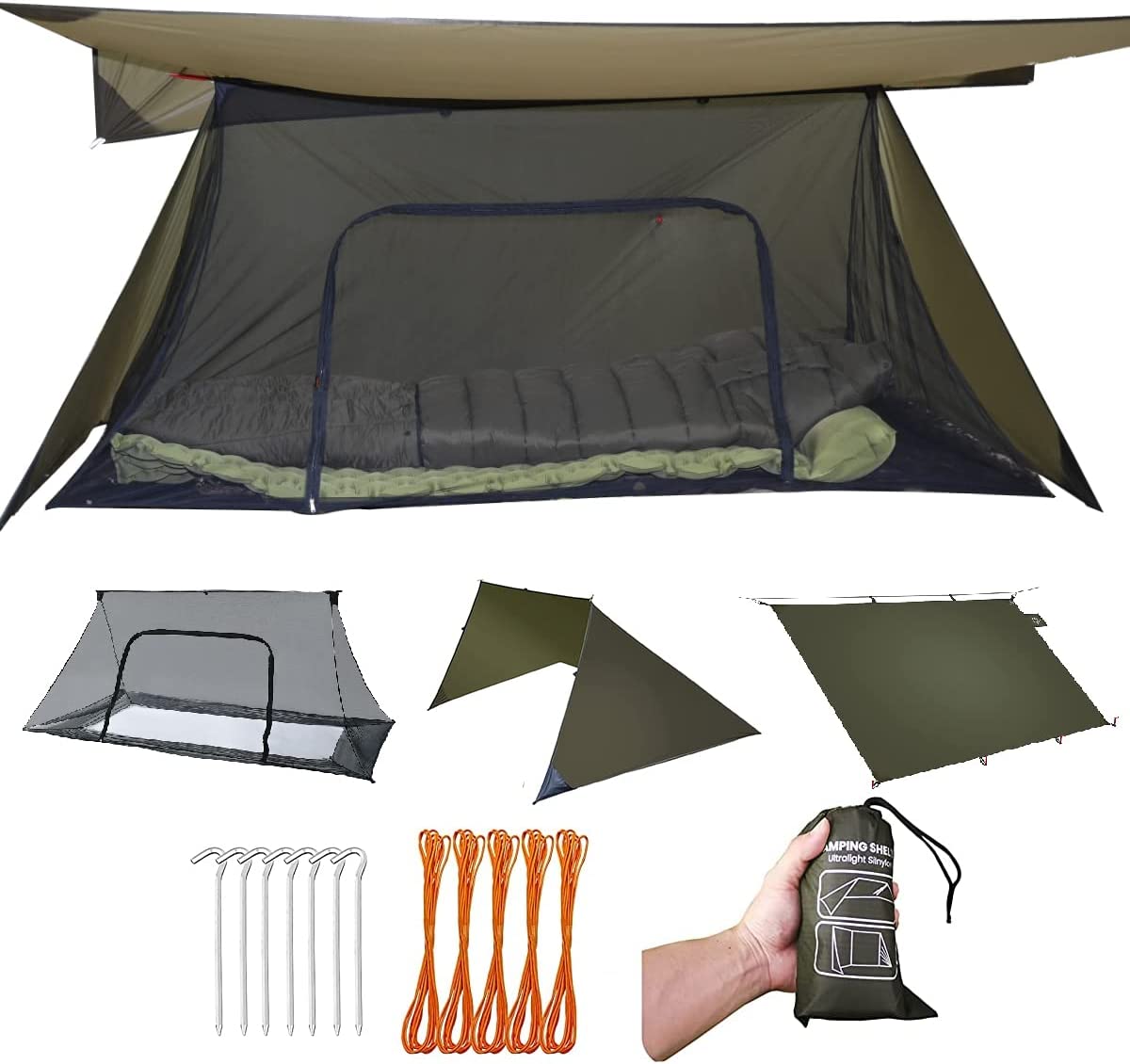
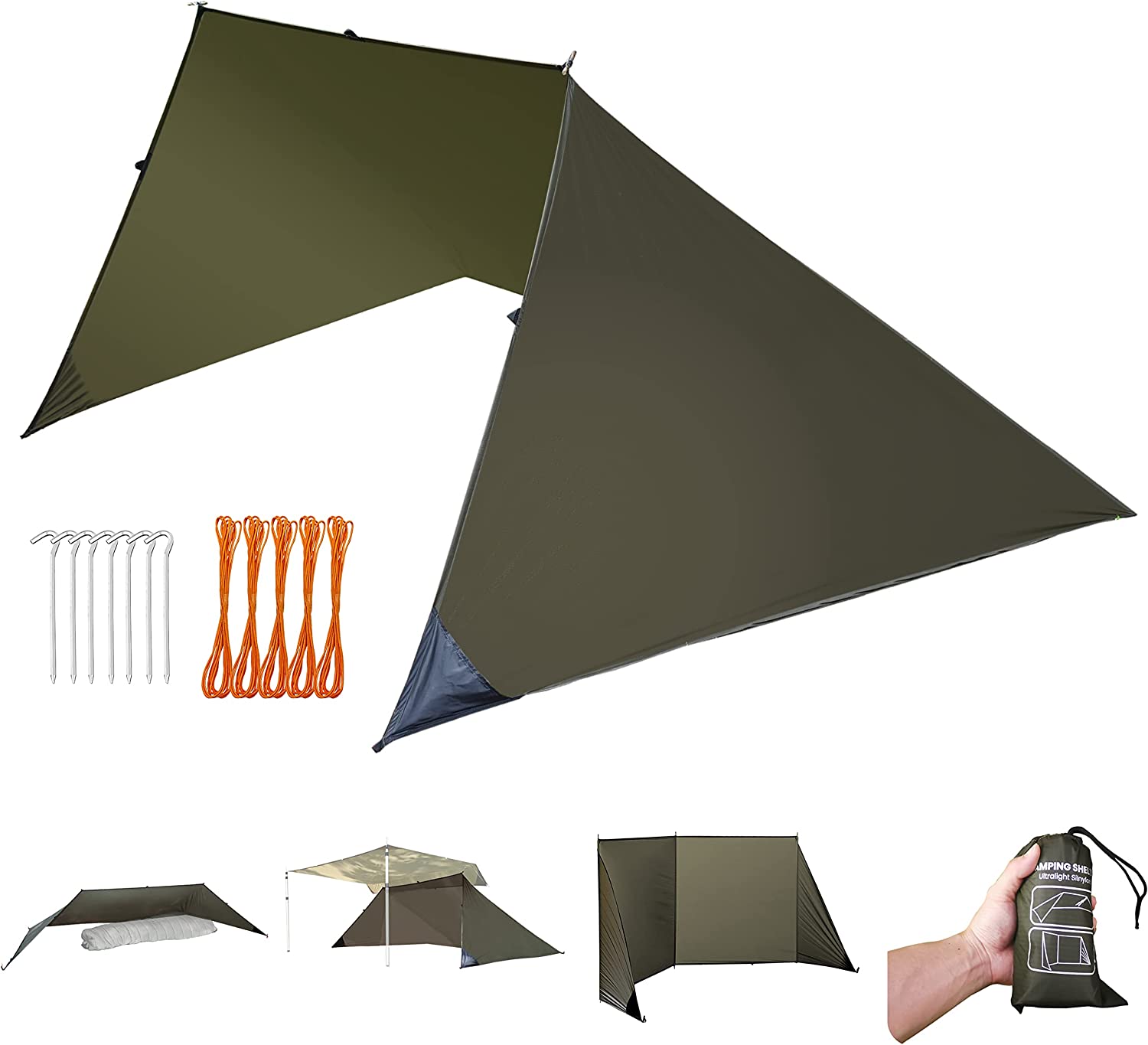
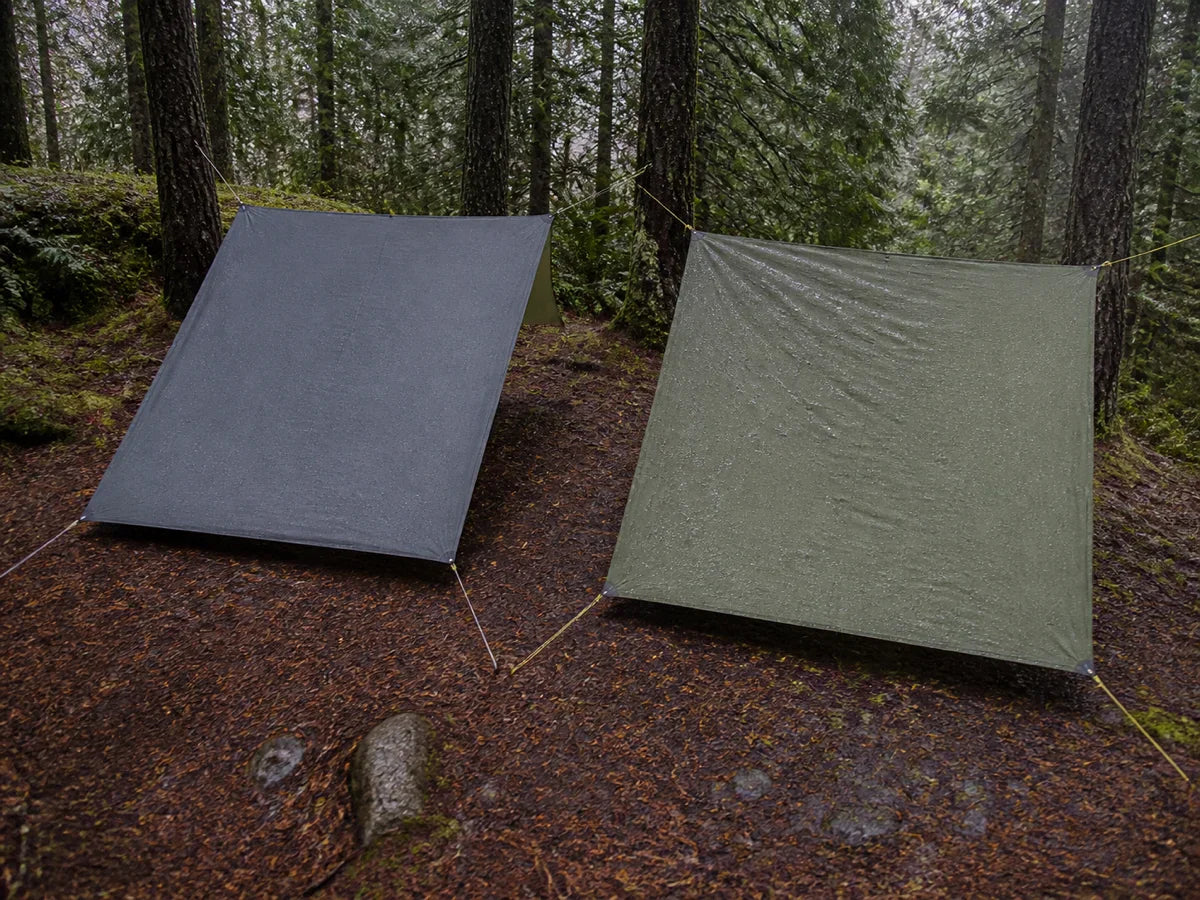
Eine Plane verwandelt den Biwaksack von einem abgeschlossenen Schlafschlauch in ein praktikables Schutzsystem.
Die Plane schützt den Eingang.
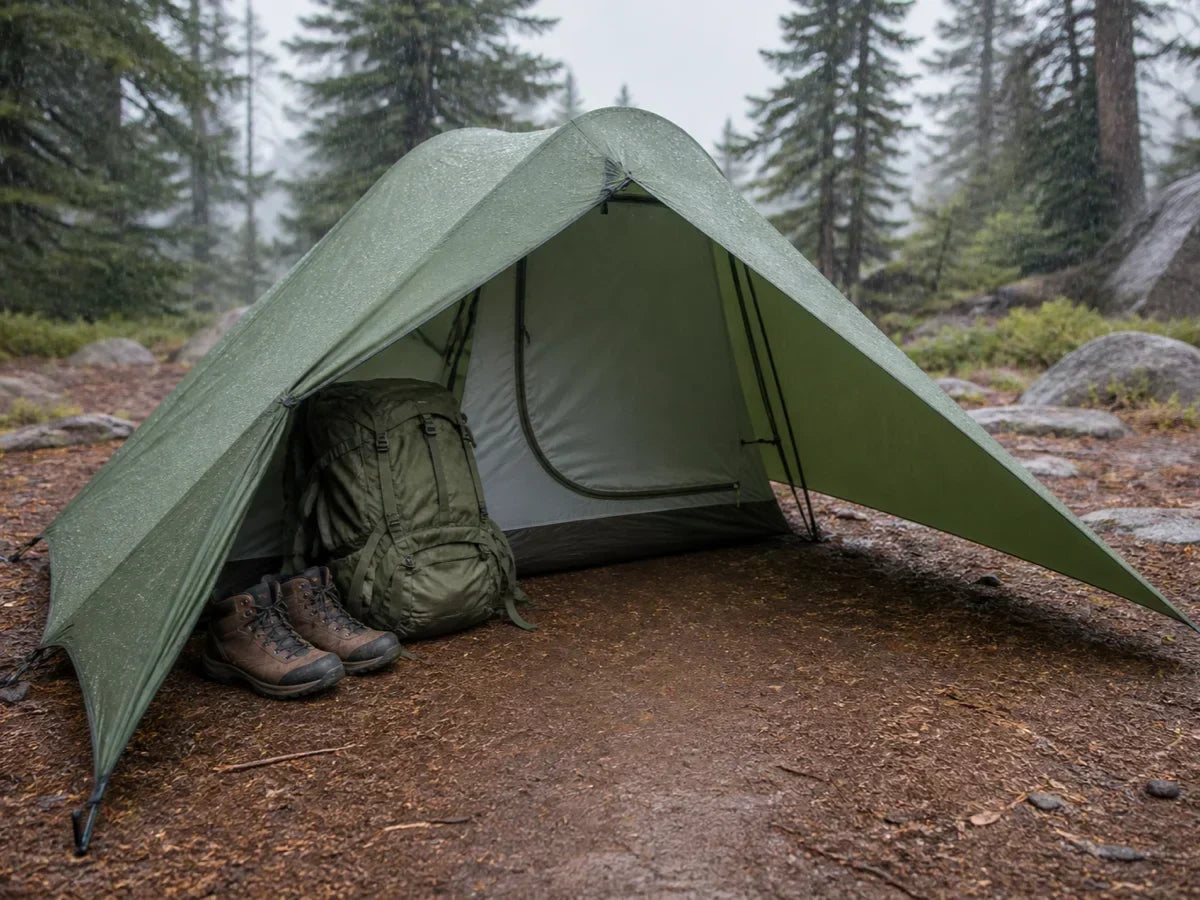
Es verleiht Stiefeln und Ausrüstung eine trockene Kante.
Es ermöglicht Ihnen, den Biwaksack bei Regen aggressiver zu belüften.
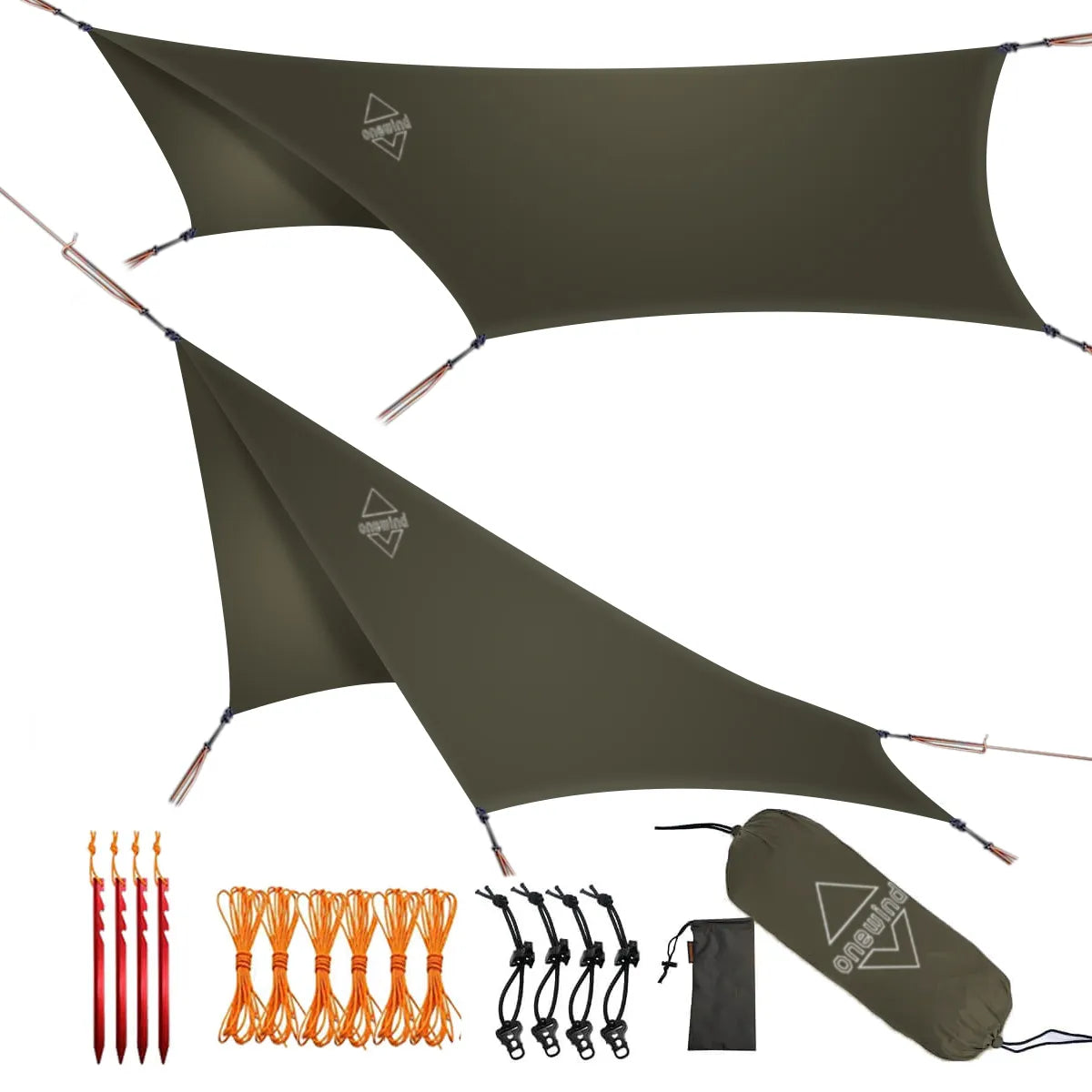
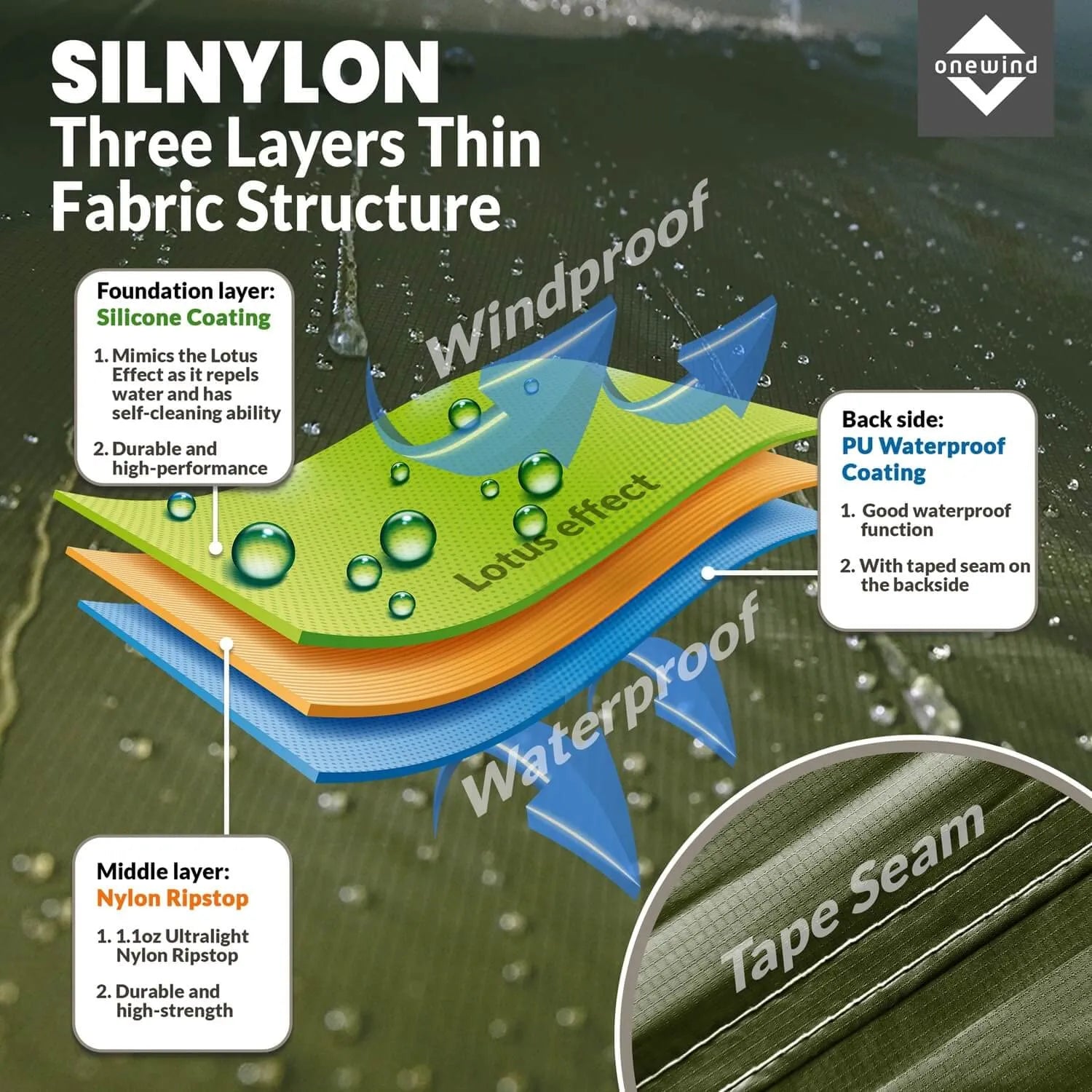
Die Onewind 12 Fuß Silnylon-Tarp passt zu diesem Teil des Gesprächs, weil es den Ablauf bei Regen von oben ergänzt, ohne das Biwaksack in ein Zelt zu verwandeln.
Die Plane ersetzt nicht die sorgfältige Auswahl des Standorts.
Es entfernt kein Kondenswasser.
Es gibt Ihnen mehr Kontrolle über diese Probleme.
Wenn Ihre Wettervorhersage Regen oder starken Tau enthält, entscheiden Sie sich vor der Reise für die Abdeckung mit der Plane.
Entdecken Sie den Bedarf nicht erst, wenn Ihre Bettdecke bereits feucht ist.
Wo ein Biwakzelt passt
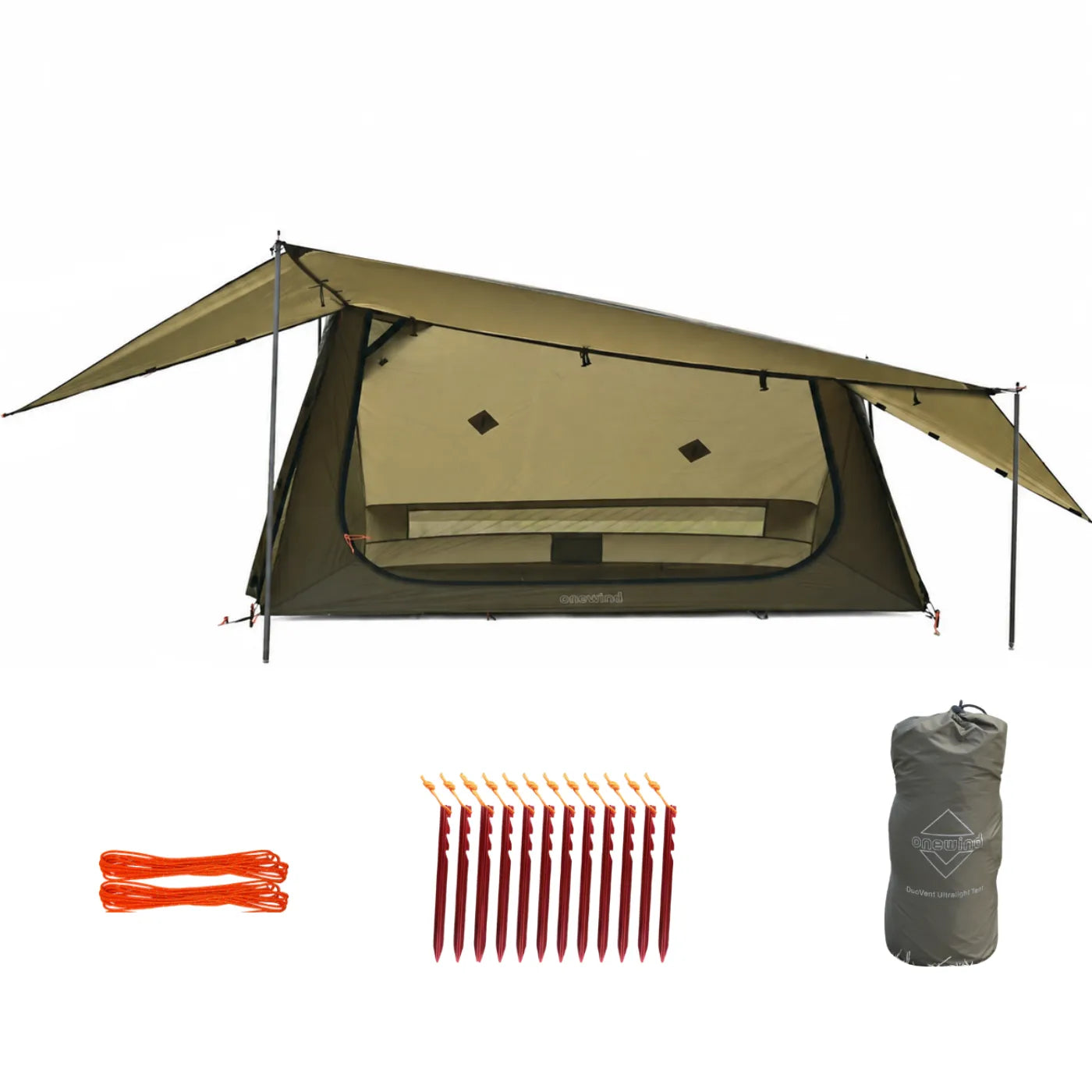
Die Onewind Ultralight SoloVent Biwakzelt liegt zwischen einem einfachen Biwaksack und einem vollständigen Zelt.
Onewind-Produktdaten listen den Live-Griff als /products/updated-bivy-tent, ein Preis von 139,90 $, die Variante OD Green, die Positionierung des Silnylon-Unterstands und ein Varianten-Gewichtsfeld von 1100 g.
Diese Daten sind wichtig, da das Produkt nicht als Notfalldecke oder als reiner Gramsack dargestellt werden sollte.
Es ist ein strukturiertes Ein-Personen-Bivy-ähnliches Shelter.
Mesh und Form können den Schlafbereich benutzerfreundlicher machen.
Sie schaffen weder einen Vorraum noch einen Aufrichtbereich.
Wählen Sie diese Art von Unterschlupf, wenn ein flaches Solo-Format das Ziel ist.
Wählen Sie ein Zelt, wenn geschützter Wohnraum das Ziel ist.
Szenario 1: Anfänger fragt, ob es nur ein Schlafsacküberzug ist
Die kurze Antwort lautet nein.
Ein Biwaksack ist nicht nur eine Hülle für einen Schlafsack, wenn Sie vorhaben, darin im Freien zu schlafen.
Es ist Teil des Unterstandsystems.
Es kann den Schlafsack bedecken, verändert aber auch den Luftstrom, den Einstieg, den Insektenschutz und die Handhabung der Ausrüstung.
Eine Abdeckung ist eine Schicht.
Ein Biwak-Abend ist Routine.
Beginnen Sie mit einer trockenen Übungsnacht in der Nähe von zu Hause.
Legen Sie das passende Polster und die Steppdecke hinein.
Reißverschluss schließen oder das Biwak so verschließen, wie Sie es im Camp tun würden.
Liegen Sie lange genug dort, um zu wissen, ob sich der Gesichtsbereich angenehm anfühlt.
Wenn es sich zu Hause beengt anfühlt, wird es sich nach einer anstrengenden Wanderung nicht besser anfühlen.
Urteil: Behandle einen Biwaksack als einen kleinen Unterstand im Einsatz, nicht als einfache Hülle, die du über irgendeinen Schlafsack wirfst.
Szenario 2: Erster Ein-Nacht-Bivy-Test
Die erste richtige Biwak-Tour sollte kurz und langweilig sein.
Wählen Sie mildes Wetter, eine bekannte Route und einen Ort, an dem Sie Anpassungen vornehmen können, falls sich das Setup falsch anfühlt.
Bringen Sie die gleiche Isolierung mit, die Sie später verwenden möchten.
Testen Sie den Biwaksack nicht mit einem zufälligen Sommerschlafsack, wenn Sie auf Ihrer eigentlichen Tour eine höhere Decke und eine dickere Isomatte verwenden.
Überprüfen Sie morgens drei Dinge.
War die Innenwand feucht?
Berührte die Steppdecke nasse Stoffe?
Können Sie hineingehen und wieder hinausgehen, ohne Schmutz in den Schlafbereich zu tragen?
Dieser kurze Bericht ist nützlicher als eine Ausrüstungsbewertung.
Wenn der Biwaksack bestanden hat, machen Sie sich auf eine etwas anspruchsvollere Tour.
Wenn es nicht funktioniert hat, korrigiere zunächst die Standortwahl, den Luftstrom, die Abdeckung der Plane oder den Unterstandstyp, bevor du weitergehst.
Urteil: Nutzen Sie einen Test über eine Nacht bei mildem Wetter, um Ihren Biwaksack-Workflow zu erproben, bevor Sie sich aus der Ferne darauf verlassen.
Szenario 3: Bikepacker, der ein Biwakzelt für kleines Packvolumen auswählt
Bikepacker verstehen Biwaks oft schneller als Rucksackwanderer.
Das Fahrrad bestraft ungeschickte, eng gepackte Formen.
Ein kompaktes Biwak passt dort, wo Zeltstangen und ein größeres Außenzelt nicht Platz finden.
Dieser Vorteil beim Packvolumen ist real.
Es löscht die Biwakroutine immer noch nicht.
Stiefel werden neben dem Fahrrad zu Schuhen.
Der Rucksack wird zu Rahmentaschen.
Regenkleidung braucht immer noch einen trockenen Platz.
Wenn die Route kurze Lager, späte Ankünfte und mildes Wetter hat, kann ein Biwaksack effizient sein.
Wenn die Route lange regenreiche Campstunden hat, wird das Zelt- oder Tarp-System robuster.
Verwende das Biwakzelt, weil es die Einschränkung beim Bikepacking löst.
Verwenden Sie es nicht, nur weil das Wort „ultraleicht“ automatisch besser klingt.
Urteil: Wählen Sie ein Biwakzelt für Bikepacking, wenn die verpackte Form die harte Einschränkung ist und der Übernachtungsplan weiterhin auf Schlaf ausgerichtet bleibt.
Szenario 4: Camper im feuchten Klima, der über eine Plane nachdenkt
Feuchte Klimazonen legen den Schwachpunkt des Biwaks frei.
Das Problem ist nicht nur der Regen, der auf die Hülle fällt.
Das Problem besteht darin, das Unterstand aufzubauen, nasse Ausrüstung zu handhaben und zu lüften, ohne die Isolierung durchnässen zu lassen.
Laut dem Quellkonsens aus Bivy-Tests und Berichten aus der Community ist die Abdeckung durch ein Tarp oft der Unterschied zwischen einer netten Bivy-Idee und einem praktikablen Bivy-System.
Verwenden Sie die Plane, wenn die Wettervorhersage Regen, starken Tau oder lange feuchte Nächte ankündigt.
Spanne es niedrig genug, um Regen abzuhalten, aber hoch genug, um Luftzirkulation zu ermöglichen.
Halten Sie die Biwaköffnung unter der Abdeckung.
Stiefel und Rucksack unter die Kante der Plane stellen.
Wenn die Route mehrere nasse Nächte und kein Trocknungsfenster hat, kann ein Zelt dennoch besser sein.
Die Plane verbessert den Arbeitsablauf.
Es macht aus einem Biwak kein Zimmer.
Urteil: Füge bei feuchtem Klima eine Plane über einem Biwaksack hinzu, es sei denn, die Tour ist kurz, trocken und bereits erprobt.
Szenario 5: Notfall-Set-Benutzer
Ein Notbiwaksack ist eine zusätzliche Absicherung.
Es ist nicht die gleiche Entscheidung wie die Wahl eines Hauptunterstands.
Die Notfallversion wird anhand von Packmaß, Wärmespeicherung, Sichtbarkeit und Geschwindigkeit beurteilt.
Komfort ist zweitrangig.
Das ist in Ordnung, wenn die Tour eine Tageswanderung, Jagd, Fahrt oder Route ist, bei der ein erzwungener Stopp möglich ist.
Es ist nicht in Ordnung, wenn der Plan ein normaler Übernachtungscampingausflug ist.
Ein geplantes Schlafsystem benötigt Belüftung, Einstieg, Bodenschutz und einen trockenen Arbeitsablauf.
Ein Notfall-Biwaksack kann dir helfen, eine ungeplante Nacht zu überstehen.
Es sollte nicht als Rechtfertigung dafür verwendet werden, auf einer geplanten Reise auf einen echten Unterschlupf zu verzichten.
Kategorien getrennt halten.
Urteil: Führen Sie einen Notfall-Biwaksack als Backup mit, aber zählen Sie ihn nicht als komfortablen primären Unterschlupf.
Verwenden Sie keinen Biwaksack, wenn
Die ehrliche Antwort schafft Vertrauen.
Ein Biwaksack ist kein universeller Unterschlupf.
Verwenden Sie es nicht für die erste Fernreise, wenn der enge Raum nicht getestet ist.
Verwenden Sie es bei lang anhaltendem nassem Wetter nicht als komfortables Schutzdach, es sei denn, die gesamte Plane und das Belüftungssystem haben bereits funktioniert.
Verwenden Sie einen Notfall-Biwaksack ohne Netz nicht als Insektenschutzunterkunft.
Erwarten Sie nicht, dass es Stiefel, Rucksack, nasse Kleidungsschichten und Schlafisolierung gleichzeitig aufnehmen kann.
Der Biwaksack funktioniert, wenn seine Grenzen zur Tour passen.
Es versagt, wenn der Camper erwartet, dass es ein Zelt ist.
Häufige Fehler bei Biwaksäcken
Die meisten Biwaksack-Fehler entstehen dadurch, dass man den Unterschlupf als Ausrüstung statt als Verhalten betrachtet.
Das Biwakzelt ist so klein, dass jeder unachtsame Schritt das Schlafsystem berührt.
Deshalb ist die Routine wichtig.
Wählen Sie zuerst die Website aus.
Bühnenausrüstung im zweiten Zustand.
Dritte Belüftungsöffnung.
Treten Sie ordentlich ein.
Feuchtigkeit am Morgen prüfen.
Fehler 1: Den falschen Typ kaufen
Das Wort „Bivy“ umfasst zu viele Produkte.
Ein Notfall-Biwaksack, Moskito-Biwaksack, wasserdichter Packsack, Biwak mit Gestänge und Biwakzelt lösen unterschiedliche Probleme.
Der Kauf des falschen erzeugt falsche Erwartungen.
Ein Insektenschlafsack kann unter einer Tarp-Abdeckung hervorragend und allein im Regen ungeeignet sein.
Ein Notbiwaksack kann im Tagesrucksack sinnvoll sein und als geplante Unterkunft äußerst unangenehm.
Ein Biwakzelt kann den Komfort erhöhen, bietet aber dennoch keinen Wohnraum wie ein Zelt.
Nennen Sie zuerst den Job.
Dann wähle die Art.
Fehler 2: Den Bewegungstest im Hinterhof überspringen
Der Test der Hinterhofbewegung ist nicht albern.
Es ist der schnellste Weg, den K.-o.-Kriterien zu finden.
Verwenden Sie das echte Pad.
Verwenden Sie die echte Steppdecke.
Tragen Sie die Kleidung, in der Sie schlafen möchten.
Üben Sie, den Reißverschluss, die Stirnlampe, das Wasser und die Schuhe zu erreichen.
Nach beiden Seiten aufrollen.
Setzen Sie sich so weit auf, wie der Biwaksack es zulässt.
Wenn sich der Biwaksack an einem sicheren Ort stressig anfühlt, wird es bei schlechtem Wetter noch schlimmer sein.
Beheben Sie das vor der Route.
Fehler 3: Die morgendliche Feuchtigkeit vergessen
Die Morgeninspektion ist Teil des Aufbaus.
Der Biwaksack mag um Mitternacht noch in Ordnung erscheinen und das Problem bei Sonnenaufgang offenbaren.
Berühre die Innenwand.
Überprüfen Sie den Fußsack der Steppdecke.
Schau in der Nähe der Gesichtsöffnung.
Prüfe die Unterseite der Unterlage, wenn der Boden feucht war.
Dieser kleine Datenpunkt sagt Ihnen, ob die nächste Nacht mehr Belüftung, einen anderen Standort oder eine Abdeckung mit einer Plane benötigt.
Verstaue den Biwaksack nicht, ohne daraus zu lernen.
Fehler 4: Zu erwarten, dass die Produktstruktur die Fähigkeiten überflüssig macht
Struktur hilft.
Es entfernt die Biwaksack-Fertigkeit nicht.
Ein Bivy mit Gestänge oder ein Bivy-Zelt kann den Platz im Gesichtsbereich, den Abstand zum Mesh und die Sturmform verbessern.
Es kann sich immer noch Kondenswasser bilden, wenn es in feuchter Luft dicht verschlossen wird.
Es kann immer noch Stiefel draußen lassen.
Es kann sich für jemanden, der ein Zelt möchte, dennoch klein anfühlen.
Verwenden Sie die Struktur als Komfortabstand.
Verwenden Sie dies nicht als Erlaubnis, den Luftstrom und die Ausrüstungsstufen zu ignorieren.
Die schnelle Checkliste für die erste Verwendung
- ✓ Verwenden Sie einen Biwaksack für kompakte Schlaf-First-Touren.
- ✓ Füge eine Plane hinzu, wenn Regen, Tau oder der Umgang mit Ausrüstung wichtig sind.
- ✓ Testen Sie das komplette Schlafsystem, bevor Sie sich darauf verlassen.
- ✓ Bewahre Notfall-Bivaks in der Kategorie „Ersatz“ auf.
- ✓ Lesen Sie die Biwaksack- vs. Zelt-Ratgeber wenn die eigentliche Frage ist, ob ein Zelt besser zu deiner Reise passen würde.
Endgültiges Urteil
Ein Biwaksack ist eine kompakte Hülle um ein Schlafsystem.
Es ist nützlich, weil es klein, flach, schnell und auf Schlaf ausgerichtet ist.
Es ist schwierig, weil es Platz, Stauraum und den Arbeitsablauf bei jedem Wetter beeinträchtigt.
Wählen Sie es, wenn diese Grenzen zur Reise passen.
Wählen Sie eine Plane, ein Biwakzelt oder ein Zelt, wenn sie keins haben.
Für Allein-Camper, die mehr Struktur als einen flachen Sack wünschen, ist die Onewind Ultralight SoloVent Biwakzelt ist der relevante Onewind-Bivy-ähnliche Unterschlupf zur Bewertung.
Für Camper, die noch Schutzkategorien vergleichen, stöbern Sie in den Onewind-Unterstand-Kollektion oder verwenden Sie das vorhandene Biwakzelt-Leitfaden als die nächste Entscheidungsebene.
Die beste Biwaknacht ist nicht die mit der kleinsten Ausrüstungsliste.
Es ist dasjenige, bei dem der Camper genau weiß, wo vor Einbruch der Dunkelheit die Luft, das Wasser, die Stiefel, der Rucksack und die Schlafisolierung hingehören.

Shop the SoloVent Bivy Tent
Shop Now →