
Eine ultraleichte Hängematten-Plane kann das Packgewicht deutlich reduzieren, aber nur, wenn die eingesparten Unzen nicht den Schutz verringern, der Ihre Hängematte trocken hält.
Der Fehler passiert normalerweise, bevor die Plane den Packsack verlässt.
Camper vergleichen das Gewicht von Tarps, bevor sie Überhang, seitliche Abdeckung, Aufbauhöhe, Gewebedehnung und die zusätzliche Schnur, die sie trotzdem mittragen müssen, vergleichen.
So wird aus einer leichteren Plane eine nassere Plane.
Ich verwende einen anderen Filter.
Die richtige ultraleichte Hängematten-Plane ist die leichteste Plane, die Ihrer Hängematte dennoch einen Endschutz von 15 bis 30 cm bietet, ausreichend seitliche Abdeckung für Ihr Wetter und ein Spannsystem, das nicht nachgibt, wenn der Regen beginnt.
Dieser Leitfaden ist keine weitere Rangliste für Tarps.
Es bietet Ihnen ein Unzen-zu-Risiko-Rahmenwerk, damit Sie entscheiden können, wann sich eine leichtere Hex-Tarp-Lösung lohnt, wann sich eine rechteckige Tarp mit Türen trotz des zusätzlichen Gewichts auszahlt und wann DCF eher ein Spezial-Upgrade als ein automatischer Vorteil ist.
Was Sie lernen werden
Am Ende sollten Sie wissen, ob Sie sich für eine leichtere Hex-Tarp entscheiden, eine Silpoly-Tarp mit voller Abdeckung behalten, in DCF investieren oder aufhören sollten, Gramm zu jagen, bis Ihre Aufbau-Fähigkeiten besser sind.
Schnelle Antwort
Wählen Sie ein ultraleichtes Hängematten-Tarp, wenn es mindestens 4 bis 8 oz einspart, ohne unter Ihre Abdeckungsgrenze zu fallen.
Lehnen Sie sie ab, wenn die leichtere Option den benötigten Endüberhang, die seitliche Abdeckung, die Abspannkontrolle oder die Sturmneigung entfernt.
Laut dem Leitfaden von The Ultimate Hang zur Abdeckung durch Hängemattenplanen sollte eine Plane an jedem Ende der Hängematte mindestens 6 Zoll überstehen.
Ich betrachte das als das Minimum, nicht als das Ideal.
Bei starkem Regen bieten 15 bis 30 cm pro Ende mehr Spielraum, da das Tarp schrägen Regen, herabtropfendes Wasser von der Aufhängung und kleine Fehler bei der Neigung abfangen muss.
Die Recherche aus diesem Abdeckungsleitfaden macht die Entscheidung zu einem messbaren Passformtest statt zu einer vagen Vorliebe für Leichtgewicht.
Die aktuellen Tarp-Spezifikationen von Onewind zeigen, warum dies ein echter Kompromiss ist.
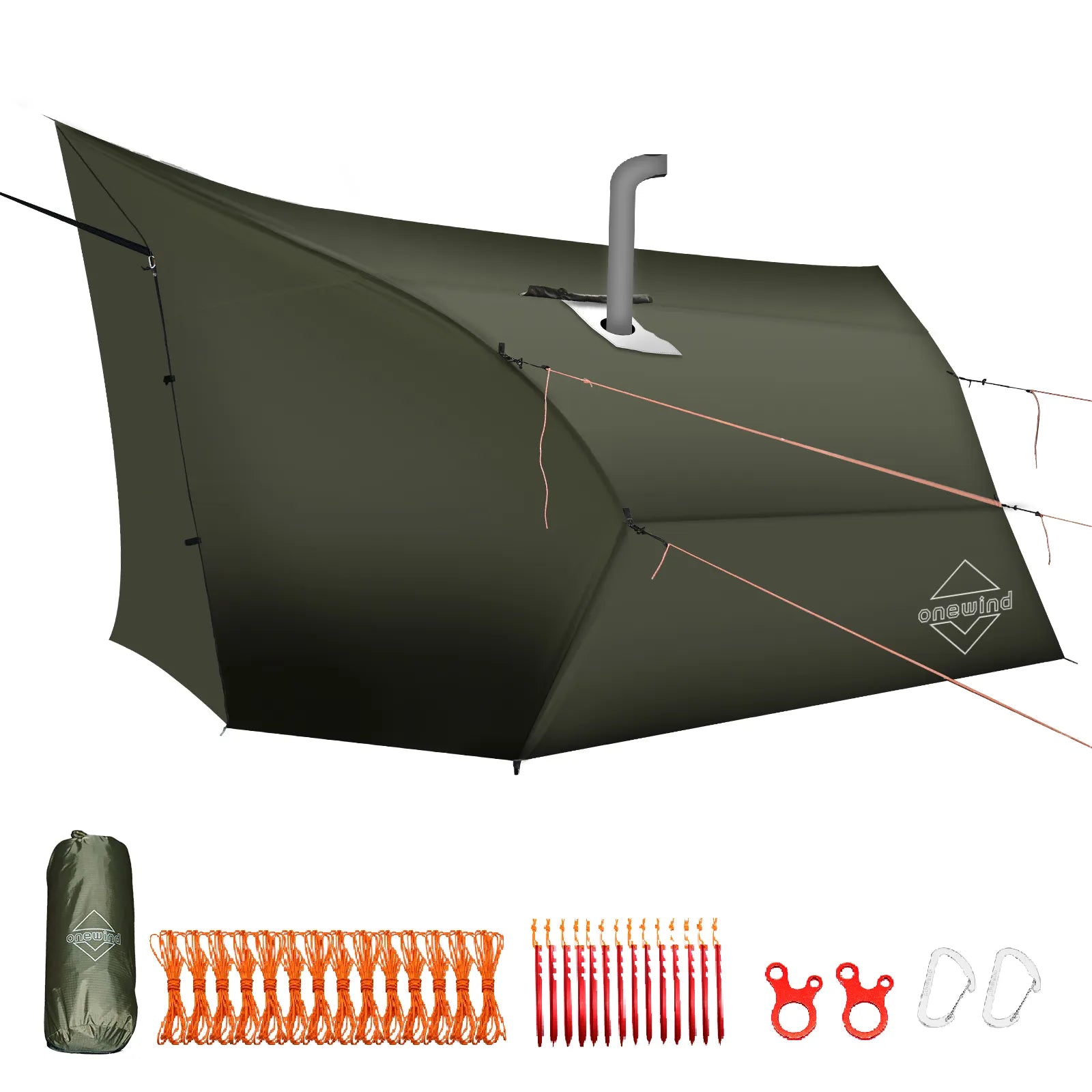
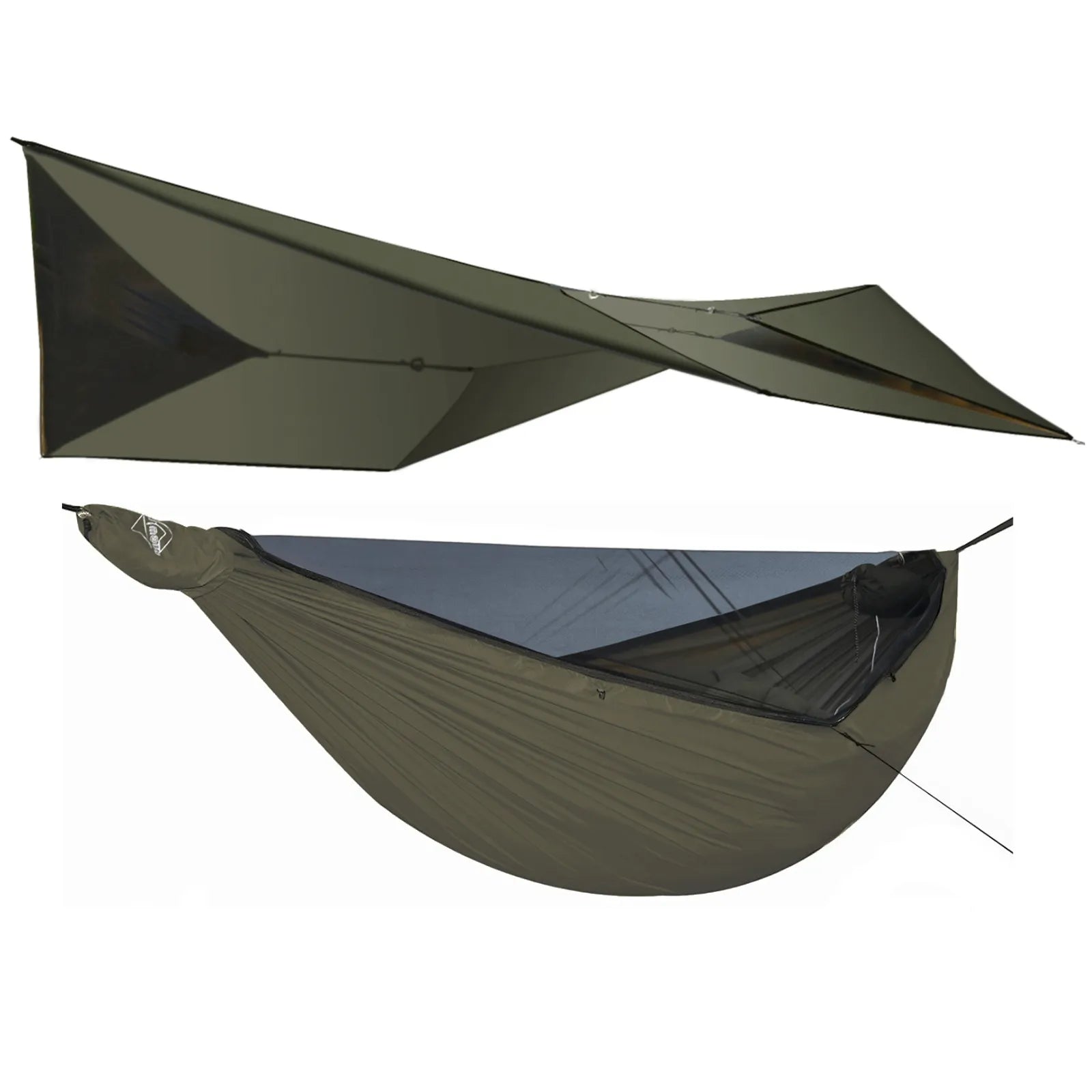
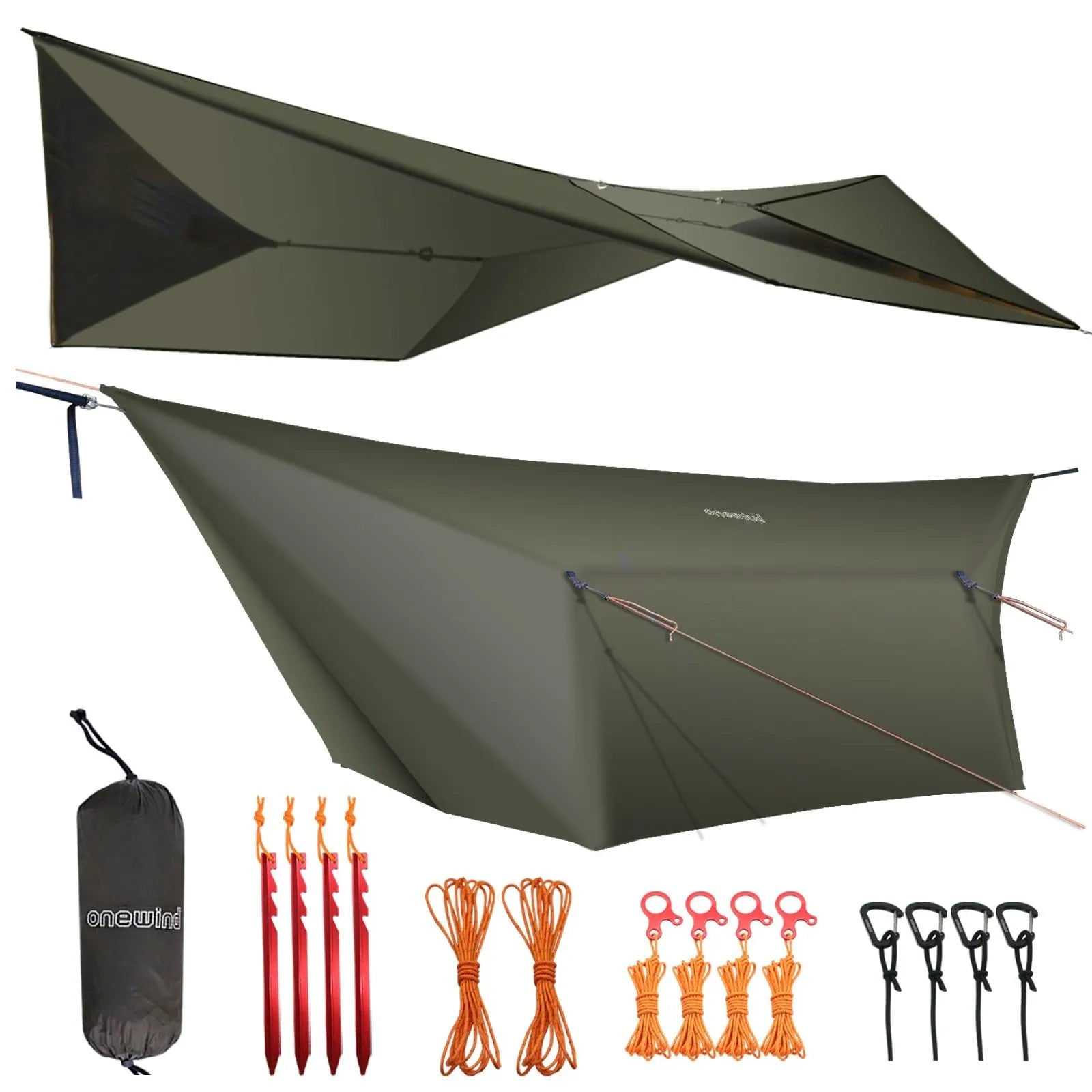
Die Nebula Hängematten-Regenplane verwendet eine sechseckige Form mit 12 x 9,7 ft, wiegt insgesamt etwa 650 g inklusive Aufhängung und gibt etwa 450 g für das Tarp-Gewebe an.
Die Billow 12 ft rechteckige Hängemattenplane verwendet die gleiche breite Größenklasse von 12 x 9,7 Fuß, fügt jedoch Türabdeckung hinzu und wiegt insgesamt etwa 845 g, davon etwa 580 g für das Tarp-Gewebe.
Das ist ein Unterschied von 195 g im Gesamtsystem.
Die Daten zeigen, dass der eigentliche Vergleich nicht „Hexagon gegen Rechteck“ ist.
Es sind 195 g zusätzliches Gewicht gegenüber zusätzlicher Sturmreserve.
Die Frage ist, ob diese 195 g Freiheit kaufen oder die Wetterreserve entfernen, die Sie eigentlich gebraucht haben.
Der Entscheidungsrahmen
Ultraleichtes Hängematten-Tarp mit Einzelaufhängungssystem
Ich treffe die Plane-Entscheidung in dieser Reihenfolge.
Zuerst die Enden schützen.
Wenn die Plane nicht an jedem Ende 6 bis 12 Zoll über die Hängematte hinausragt, ist es mir egal, wie leicht sie ist.
Zweitens: Passen Sie den seitlichen Schutz an das Wetter an.
Eine kleine Hex-Tarp kann bei regnerischem Drei-Jahreszeiten-Wetter im Wald hervorragend funktionieren, aber auf einem kalten, windigen Grat oder bei einer exponierten Tour in der Übergangssaison braucht man mehr Fläche und manchmal auch Türen.
Drittens: das mitgeführte Systemgewicht zählen.
Das Gewicht des Tarp-Gewebes ist nicht dasselbe wie das Packgewicht.
Sie führen weiterhin Aufhängung, Abspannleinen, Heringe, Ärmel, Beschläge, Gummischnur, Spanner und manchmal Tarp-Stangen.
Viertens: Bewerten Sie das Risiko.
DCF spart am meisten Gewicht und dehnt sich bei Nässe nicht, ist aber teurer, kann bei Wind lauter sein, ist durchscheinender und belohnt ein sorgfältiges Abspannen.
Hier ist die kurze Regel.
Wenn das leichte Tarp den Schutz beibehält und das mitgeführte Gewicht deutlich reduziert, dann wählen Sie es.
Wenn das leichte Tarp eine hohe Spannung, einen kurzen Überhang, eine schwache Abspannlösung oder ein freiliegendes Unterbett erfordert, behalten Sie das schwerere Tarp.
Test 1: Haben Sie noch 6 bis 12 Zoll Endüberstand?
Dies ist der erste Test, weil er die teuersten Fehler frühzeitig aufdeckt.
Eine Hängematte ist lang, gebogen und an beiden Enden offen.
Eine Plane, die auf dem Datenblatt großzügig wirkt, kann dennoch am Kopf- oder Fußende offen bleiben, sobald die Hängematte mit Durchhang aufgehängt ist.
Der ultimative Hang-Abdeckungsleitfaden verwendet 6 Zoll Überhang an jedem Ende als Mindestziel.
Also sollte eine Hängematte mit 11 Fuß nicht mit einer Plane kombiniert werden, die kaum mit der Ridgeline übereinstimmt.
Die minimale Mathematik ist kurz.
Messen Sie die Ridgeline der Hängematte oder die effektive Spannweite, die Sie abdecken müssen.
Fügen Sie insgesamt mindestens 12 Zoll hinzu.
Fügen Sie mehr hinzu, wenn Sie mit schrägem Regen, Anfängerfehlern beim Aufbau, lockerer Aufhängung oder exponierten Campingplätzen rechnen.
Eine 12 Fuß lange Plane bleibt selbst in einer Ultraleicht-Diskussion nützlich, weil sie dem Aufbau mehr Spielraum gibt, um Regenwinkel und das Durchhängen der Aufhängung auszugleichen.
Bei einer Hängematte von 11 Fuß ergibt dieser Richtwert etwa 12 Zoll zusätzliche Gesamtlänge, bevor Anstellwinkel und Durchhang die Reserve aufbrauchen.
Wenn Sie ein risikoärmeres Setup wünschen, würde ich eher mit mehr Länge beginnen und beim Stoff, den Abspannleinen oder der Hardware Gewicht sparen.
Ich würde kein Gewicht einsparen, indem ich das Tarp zu kurz mache.
Urteil: Kaufen Sie die leichtere Plane niemals, bis der End-Überhang-Test zuerst bestanden wurde.
Test 2: Blockiert das leichtere Tarp immer noch seitlichen Regen und Wind unter der Unterdecke?
Aufbau einer Regenplane für die Hängematte
Die Endabdeckung hält schrägen Regen vom Hängemattenkörper fern.
Seitlicher Schutz hält windgetriebenen Regen und kalte Luft von Ihrem Schlafsystem fern.
Das sind verschiedene Aufgaben.
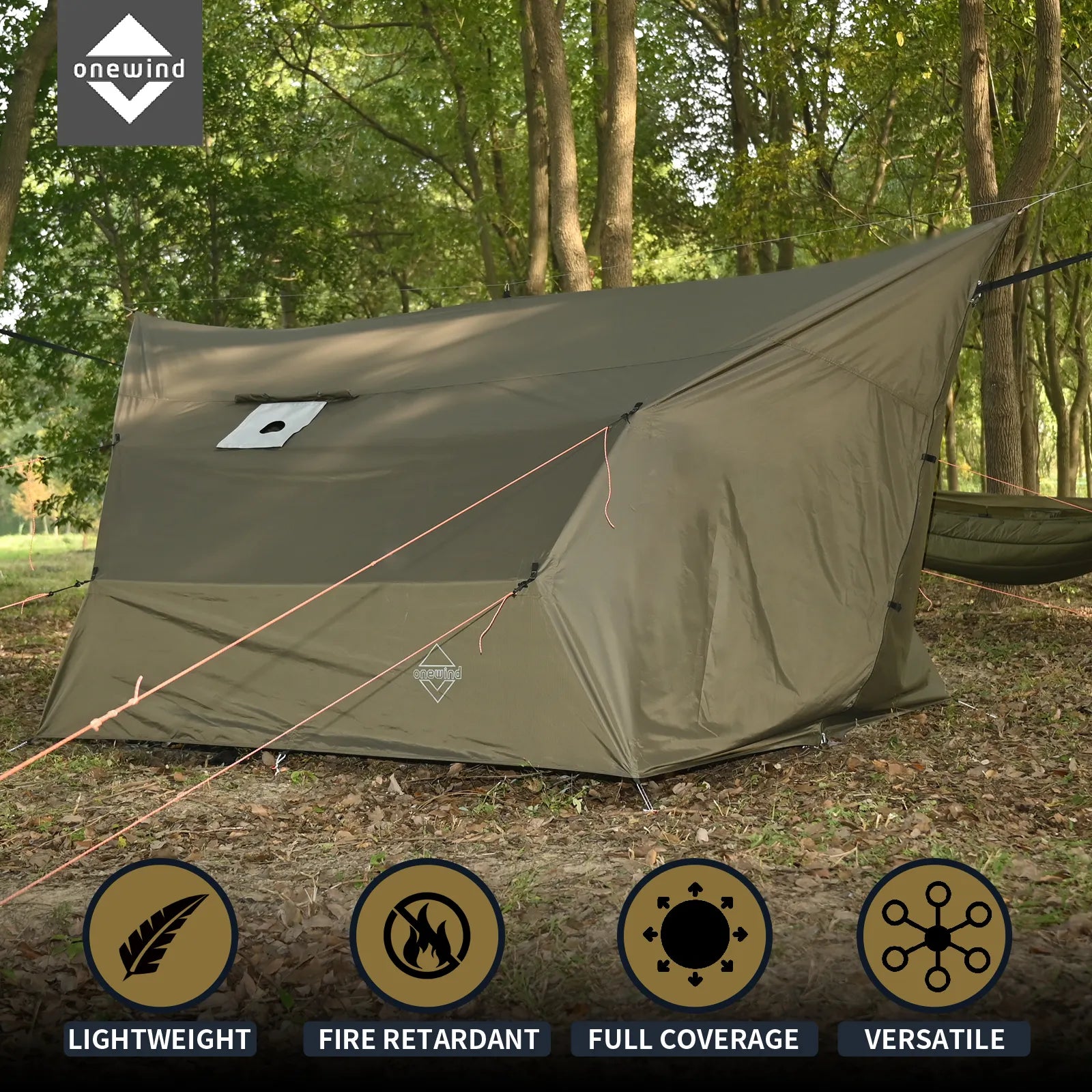
Eine leichte Hex-Tarp kann die Hängematte in bewaldeten Lagern gut schützen, wo der Regen meist von oben fällt und der Wind durch Bäume abgeschwächt wird.
Die gleiche Plane kann sich exponiert anfühlen, wenn der Standort offen ist, der Wind über Nacht dreht oder die Unterdecke vor bewegter Luft geschützt werden muss.
Warbonnet’s Tarp-Anleitung ist hier nützlich, weil sie normale Hängematten-Abdeckung von Allwetter-Abdeckung trennt.
Die Logik der größeren Sturmplane besteht darin, dass Seitenwände und Türen mehr schützen als nur den Hängemattenkörper.
Sie schützen die Isolierung, die Ausrüstung, die Privatsphäre und den kleinen Bereich stehender Luft um den Schlafenden.
Wenn Sie einen Underquilt verwenden, ist Seitenwind kein Komfortdetail.
Es kann warme Luft aus der Decke entziehen und dazu führen, dass eine korrekt ausgelegte Isolierung kälter wirkt als erwartet.
Aus diesem Grund behandle ich Kälte und Seitenwind als Warnzeichen gegen extremen Minimalismus.
Die leichtere Plane kann richtig sein.
Es muss einfach zur Website und zur Saison passen.
Urteil: Wählen Sie nur dann eine leichtere Plane, wenn das Wetter es zulässt, sie niedrig aufzuspannen und die Seiten dennoch kontrolliert zu halten.
Test 3: Zählen Sie das gesamte getragene Systemgewicht?
Die meisten Entscheidungen bei Tarps werden verzerrt, weil Menschen nur das Gewicht des Tarp-Gewebes vergleichen.
Diese Nummer ist nützlich, aber sie ist nicht die Nummer auf Ihrer Verpackung.
Onewinds Produktspezifikationen machen den Unterschied sichtbar.
Die Nebula Hex-Tarp wiegt für das Tarpgewebe etwa 450 g und insgesamt mit Aufhängung etwa 650 g.
Die rechteckige Billow-Plane gibt etwa 580 g für das Planengewebe und insgesamt etwa 845 g an.
Der gesamte getragenen Unterschied beträgt etwa 195 g bzw. ungefähr 6,9 oz.
Das ist bedeutungsvoll.
Es ist keine Magie.
Wenn Sie schwerere Heringe, zusätzliche Abspannleinen, eine Hülle oder Vorzeltstangen hinzufügen, geht ein Teil dieser Ersparnis wieder verloren.
Das macht das leichtere Tarp nicht falsch.
Es bedeutet, dass Sie vollständige Schutzsysteme vergleichen sollten, nicht bloß nacktes Tarp-Gewebe.
Ein kompaktes Aufbewahrungsstück wie ein 12 Fuß Tarp-Hülle Kann das Handling einer nassen Plane erleichtern, sollte jedoch als Teil der getragenen Ausrüstung mitgerechnet werden.
Gleiches gilt für Lichtreflektierende Abspannleine oder HMWPE-Zeltabspannleine.
Die Wahl der Schnur verbessert Kontrolle, Sichtbarkeit und Packgewicht nur dann, wenn sie es dir weiterhin ermöglicht, die Plane in sinnvollen Winkeln abzuspannen.
Urteil: Vergleichen Sie das verpackte Tarp-System, nicht nur die Tarp-Plane allein.
Szenario 1: Weitwanderer im bewaldeten Dreijahreszeiten-Regen, der ein niedriges Hex-Tarp wählt.
Dies ist das sauberste Zelt für eine ultraleichte Hängematten-Plane.
Der Wanderer wiederholt Nacht für Nacht dieselbe grundlegende Aufgabe beim Aufbau des Unterschlupfs.
Die Campingplätze sind größtenteils bewaldet.
Regen ist normal, aber anhaltender seitlicher Wind bei freier Exposition ist nicht der Standard.
In dieser Spur ergibt ein 12-Fuß-Hex-Tarp Sinn.
Es bietet weiterhin einen nützlichen Hängematten-Schutz, spart Gewicht im Vergleich zu einem Tür-Tarp und lässt sich einfacher verstauen als ein großes Sturmzelt.
Ich würde es bei Regen trotzdem niedrig aufstellen.
Die Gewichtsersparnis berechtigt nicht dazu, bei einem Sturm eine hohe Veranda aufzubauen.
Die Spezifikationen des DCF-Hex-Tarps von Hammock Gear zeigen die High-End-Version dieser Kategorie: ein sehr leichter Tarp-Körper, keine Dehnung bei Nässe und die Notwendigkeit, zu starkes, unachtsames Festziehen zu vermeiden.
Das ist sinnvoll für jemanden, der häufig campt, seine Ausrüstung sorgfältig behandelt und über eine ganze Saison hinweg jedes Gramm zu schätzen weiß.
Für viele Wanderer ist ein leichtes Silpoly-Hex der vernünftigere Mittelweg.
Es ist leichter als ein Türzelt-Tarp, günstiger als DCF und verzeiht mehr bei der routinemäßigen Nutzung in drei Jahreszeiten.
Ein Onewind-Setup kann hier mit dem praktisch bleiben Hängematten-Regenplane, leichte reflektierende Abspannleinen und eine niedrige Bauhöhe.
Urteil: Für wiederholte Waldtouren in drei Jahreszeiten wählen Sie eine leichtere 12-Fuß-Sechseck-Plane und richten Sie Ihre Aufmerksamkeit auf einen niedrigen Aufbau, guten Endschutz und eine präzise Abspannkontrolle.
Szenario 2: Wochenendcamper im Südosten oder im pazifischen Nordwesten, der mehr Spielraum bei Stürmen benötigt.
Der Wochenendcamper hat ein anderes Risikoprofil.
Die Reise ist kürzer, daher spielt das eingesparte Gewicht eine geringere Rolle.
Der Regen kann immer noch die einzige Nacht im Freien verderben.
Deshalb empfehle ich die leichteste Plane für den regnerischen regionalen Wochenendausflug nicht automatisch.
Der Südosten, der Pazifische Nordwesten und die Wälder der Übergangssaison können langen Regen, nasses Gestrüpp, hohe Luftfeuchtigkeit und wechselnde Winde mit sich bringen.
Eine Tarp, die auf einer sauberen Zeichnung technisch ausreichend wirkt, kann sich klein anfühlen, wenn Ausrüstung, eine Unterdecke, nasse Schuhe und eine nächtliche Nachbesserung beim Aufbau dazukommen.
In dieser Situation macht sich eine rechteckige Plane oder eine Plane mit Türen bezahlt.
Das rechteckige Billow-Plane mit 12 ft fügt in den aktuellen Spezifikationen von Onewind etwa 195 g im Vergleich zum Nebula-Sechseck-Setup hinzu.
Das zusätzliche Gewicht bringt mehr Seitenabdeckung, mehr Türoptionen und eine höhere Toleranz bei schlechtem Wetter.
Für einen Wochenendausflug halte ich das oft für einen besseren Kompromiss, als weniger als ein halbes Pfund zu sparen und mit einem engeren Wetterschutzbereich zurechtkommen zu müssen.
Der Planen- und Unterstand-Kollektion ist hier nützlich, weil die richtige Wahl davon abhängt, ob die Plane als einfaches Dach für das Backpacking oder als vollständige Sturmhülle dient.
Urteil: Für feuchte Wochenendregionen sollten Sie zuerst den Abdeckungsrand wählen und Gewicht nur dann sparen, wenn die Tour weiterhin eine trockene Low-Pitch-Option hat.
Szenario 3: Anfänger, der von einer günstigen Plane aufrüstet, bevor er Premiumgewebe kauft.
Anfänger rüsten oft aus dem falschen Grund auf.
Sie sehen ein hochwertiges Planengewicht und gehen davon aus, dass der leichtere Stoff jedes Problem lösen wird.
Es wird nicht.
Wenn das ursprüngliche Problem eine zu geringe Aufbauhöhe, fehlende Abtropflinien, ein zu großer Baumabstand oder ein unzureichender Überhang war, macht ein teureres Tarp den Fehler möglicherweise nur weniger schwerwiegend.
Bevor ich Premium-Stoff kaufe, würde ich drei Tests im Garten durchführen.
Spanne das Tarp so niedrig ab, dass beide Seiten die Hängematte schützen.
Stellen Sie sicher, dass jedes Ende mindestens 6 Zoll über die Hängematte hinausragt, und möglichst eher bis zu 12 Zoll, wenn die Wettervorhersage schlecht ist.
Packen Sie das vollständige System, einschließlich Abspannleinen, Heringe, Hülle und Hardware, und wiegen Sie dann dieses Bündel.
Das sagt Ihnen, was das Upgrade wirklich einspart.
Ein Anfänger, der bereits eine schwere blaue Plane oder eine sperrige Budget-Plane besitzt, kann dennoch von einem leichteren Silpoly-Hängematten-Tarp profitieren.
Der Punkt ist die Reihenfolge.
Kaufen Sie die Plane, die das wiederkehrende Problem im Gelände löst, nicht die Plane, die in einer Gewichtstabelle am beeindruckendsten aussieht.
Wenn das Hauptproblem nasses Aufbauen und Verstauen ist, ein Netz-Planenhülle kann das System mehr verbessern als zuerst den Stoff zu ändern.
Urteil: Anfänger sollten erst dann auf eine leichtere Hängematten-Plane umsteigen, wenn sie nachweisen können, dass Aufbau, Überhang und das komplette gepackte System bereits unter Kontrolle sind.
Szenario 4: Hängematten-Camper bei kaltem Wetter, der einen Underquilt vor Wind schützt.
Kälte verändert die Gewichtsberechnung.
Ein Underquilt funktioniert, indem er warme Luft unter der Hängematte hält.
Wind, der unter der Plane hindurchweht, kann diese Wärme schneller entziehen, als viele Anfänger erwarten.
Dadurch wird der seitliche Schutz durch die Plane Teil des Isoliersystems.
Wenn die Tour kalt, exponiert oder sturmgefährdet ist, frage ich nicht zuerst, wie viele Unzen das Tarp einsparen kann.
Ich frage, ob die Plane den Wind vom Underquilt abhalten kann und es dem Camper ermöglicht, ohne ständige Aufbauangst zu schlafen.
Eine rechteckige Plane mit Türen kann eine ruhigere Luftpolsterzone um die Hängematte schaffen.
Es kann auch mehr Privatsphäre und Schutz für die Ausrüstung während langer dunkler Nächte bieten.
Das ist sein Gewicht wert.
Die Positionierung von Warbonnet für ein Allwetter-Tarp und die Spezifikationen des voll abdeckenden Silpoly-Tarps von Hammock Gear weisen beide in die gleiche Richtung.
Wenn sich das Wetter ändert, muss sich auch die Plane ausdehnen.
Für Onewind-Nutzer, die Billow 12 ft rechteckige Hängemattenplane gehört in diese Fahrspur natürlicher als eine minimalistische Plane.
Urteil: Bei kalten oder windigen Hängemattenausflügen solltest du den Schutz beibehalten und das Gewicht an anderer Stelle reduzieren.
Szenario 5: DCF-neugieriger Grammzähler, der den Preis pro eingesparter Unze berechnet.
DCF ist kein Hype.
Es ist wirklich leicht, wasserdicht und widerstandsfähig gegen Dehnung im nassen Zustand.
Es kann die richtige Wahl für häufige Langstreckenwanderer sein.
Es ist auch nicht die Standardantwort für jeden Hängematten-Camper.
Die Reddit-Diskussion über ultraleichte Hängematten-Tarps zeigt die tatsächliche Kaufzurückhaltung der Käufer.
Die Leute fragen nicht nur, ob DCF leichter ist.
Sie fragen, ob Preis, Geräuschentwicklung, Lichtdurchlässigkeit, Schatten, Packmaß, Abnutzung und die Handhabung der Abspannpunkte die Ersparnis wert sind.
Das ist die richtige Frage.
Ich würde den DCF in drei Schritten berechnen.
Vergleiche zuerst die gesamten verpackten Systeme, nicht die Tarpkörper.
Zweitens, teile die Preisdifferenz durch die eingesparten Unzen.
Drittens entscheiden Sie, ob die Kompromisse bei der Handhabung für die Anzahl der Nächte, die Sie tatsächlich zelten, akzeptabel sind.
Wenn Sie 40 Nächte im Jahr campen und lange Strecken wandern, kann sich die Rechnung lohnen.
Wenn Sie vier Nächte im Jahr campen, ist eine Silpoly-Plane möglicherweise die klügere Wahl.
Die Hinweise von Hammock Gear zu DCF sind ebenfalls wichtig, weil DCF nicht dazu gedacht ist, so stark gespannt zu werden wie einige gewebte Stoffe.
Die Plane mag leicht sein, aber der Benutzer muss dennoch diszipliniert sein.
Urteil: Kaufen Sie DCF, wenn Sie die Gewichtseinsparung oft genug nutzen werden, um den Preis und die sorgfältige Handhabung zu rechtfertigen.
Häufige Fehler bei ultraleichten Hängematten-Tarps
Die meisten Fehler bei ultraleichten Tarps beginnen mit einer falschen Annahme.
Der Camper betrachtet weniger Gewicht als Beweis für einen besseren Unterschlupf.
Das ist rückwärts.
Eine leichtere Plane ist nur dann besser, wenn sie weiterhin die Tests für Abdeckung, Wetterfestigkeit und Systemgewicht besteht.
Die fünf Fehler unten sind die Abkürzungen, die ich vermeiden würde, bevor ich Geld ausgebe.
Fehler 1: Den leichtesten Tarp kaufen, bevor der Überhang an den Enden geprüft wurde
Dieser Fehler sieht in einem Produktgitter logisch aus.
Die leichteste Plane ist zuerst aufgeführt.
Der Camper sieht weniger Unzen und nimmt an, dass es die bessere Wahl fürs Rucksackwandern ist.
Dann erreicht der erste schräge Regen die Enden der Hängematte.
Das Problem ist nicht, dass die Plane ultraleicht war.
Das Problem ist, dass die Plane für die Hängematte und den Aufbau zu kurz war.
Die Mindestangabe von 6 Zoll bei The Ultimate Hang gibt dir eine einfache Ablehnungslinie.
Wenn die Plane nicht über beide Enden hinausragen kann, ist sie ungeeignet, noch bevor Preis, Material oder Marke eine Rolle spielen.
Ich würde 6 Zoll als Untergrenze und 12 Zoll als besseres Ziel für nasse Touren verwenden.
Vermeiden Sie es: Messen Sie zuerst den Überhang und vergleichen Sie dann die Gewichte.
Fehler 2: Das Gewicht des Tarp-Körpers statt des Gewichts des gesamten Packsystems vergleichen
Das beworbene Gewicht der Plane kann ehrlich und dennoch unvollständig sein.
Die Zahl bezieht sich möglicherweise nur auf den Stoff.
Ihr Rucksack trägt mehr als nur Stoff.
Es trägt Abspannleinen, Heringe, Spanner, Hüllen, Befestigungshardware für Abspannpunkte und manchmal eine separate Firstleine.
Onewinds Stoff- und Gesamtgewichtsangaben sind wichtig, weil sie das beworbene Planenmaterial vom Set unterscheiden, das ein Wanderer tatsächlich trägt.
Das Nebula-hex-Beispiel steigt von etwa 450 g Stoff auf etwa 650 g Gesamtgewicht mit Aufhängung.
Das rechteckige Billow-Beispiel steigt von etwa 580 g Stoff auf insgesamt etwa 845 g.
Diese vollständigen Zahlen sind das, was der Wanderer empfindet.
Der gemessene Abstand verändert sich, sobald Heringe, Hüllen, Ridgelines und Abspannleinen im verpackten Set enthalten sind.
Wenn Sie eine nackte DCF-Plane mit einem vollständig gepackten Silpoly-Setup vergleichen, überschätzen Sie möglicherweise die Einsparungen.
Wenn Sie dem DCF-Tarp schwere Heringe und sperrige Schnur hinzufügen, geben Sie möglicherweise einen Teil der Einsparungen wieder auf.
Vermeiden Sie es: Bauen Sie das komplette Tarp-Set auf und wiegen Sie es, bevor Sie das Upgrade als lohnenswert bezeichnen.
Fehler 3: DCF als automatische Verbesserung betrachten
DCF ist hervorragend für den richtigen Benutzer.
Es ist kein universelles Upgrade.
Seine Stärken liegen auf der Hand.
Es ist sehr leicht, wasserdicht und hängt sich durch Wasseraufnahme nicht durch.
Auch seine Kompromisse sind real.
Es kostet mehr, kann bei Wind lauter klingen, kann durchsichtiger sein und mag kein unvorsichtiges Zu festes Anziehen.
Die Diskussion der Community rund um den Kauf neuer Hängematten-Tarps landet oft hier.
Käufer schätzen die Gewichtseinsparung, zögern jedoch wegen der Kosten, des Verschleißes, der Packform und der Alltagstauglichkeit.
Dieses Zögern ist keine Unwissenheit.
Es ist ein gutes Urteilsvermögen.
Ich würde einen gelegentlichen Wochenend-Camper nicht von DCF überzeugen, nur weil es technisch leichter ist.
Ich würde einen häufigen Weitwanderer davon überzeugen, die Preis-pro-Unze-Rechnung ehrlich zu machen.
Vermeiden Sie es: Betrachten Sie DCF als Spezialwerkzeug, nicht als die Endstufe jeder Tarp-Aufrüstung.
Fehler 4: Türen oder seitliche Abdeckung für das falsche Klima entfernen
Türen und Seitenwände erhöhen das Gewicht.
Sie lösen auch echte Probleme.
Sie blockieren Seitenwind.
Sie schützen die Isolierung.
Sie bieten mehr Privatsphäre.
Sie reduzieren Spritzwasser und vom Wind getriebenen Regen in unordentlichen Camps.
Das Entfernen ist nur dann sinnvoll, wenn die Bedingungen der Reise es zulassen.
Ein leichteres Hex-Tarp im sommerlichen Regenwald kann eine gute Wahl sein.
Die gleiche Plane kann dich bei kaltem Wind zu einem fragilen Aufbau zwingen, der eine perfekte Platzauswahl erfordert.
Das ist nicht ultraleicht.
Das ist unterdimensioniert.
Das eingesparte Gewicht durch das Entfernen von Türen ist weniger wichtig, wenn der Preis ein kälterer Unterquilts oder ein nasses Fußende ist.
Vermeiden Sie es: Lassen Sie das Wetter den Schutz bestimmen, bevor Unzen den Schutz bestimmen.
Fehler 5: Ein ultraleichtes Tarp zu hoch aufspannen
Eine hohe Tonhöhe wirkt geräumig.
Es legt auch die Hängematte frei.
Dies ist besonders riskant bei einer kleineren oder leichteren Plane, da die Plane ohnehin weniger Spielraum hat.
Wenn Sie die Ränder für den Verandamodus anheben, tauschen Sie Regenschutz gegen Luftzirkulation und Aussicht ein.
Das kann bei ruhigem Wetter perfekt sein.
Es kann bei starkem Regen leicht zu Fehlern kommen.
Ich verwende den Verandamodus nur, wenn die offene Seite geschützt ist und das Tarp schnell abgesenkt werden kann.
Wenn sich der Wind dreht, senken Sie die freiliegende Kante ab, bevor Sie irgendetwas anderes anpassen.
Tarpstangen und Vorzeltaufbauten können dennoch zu einem leichten System gehören, sollten aber keine Sturmaufstellung ersetzen.
Kompakt Tarpstangen-Mods ergibt als kontrolliertes Verandalwerkzeug Sinn, nicht als Erlaubnis, eine Regenschutzplane die ganze Nacht hoch zu halten.
Vermeiden Sie es: Zuerst niedrig aufbauen und die Höhe nur dann erhöhen, wenn das Wetter es zulässt.
Die schnelle Entscheidungs-Checkliste
- ✓ Beginnen Sie mit der Abdeckung.
- ✓ Überhang bestätigen.
- ✓ Zählen Sie das komplette System.
- ✓ Passe die Plane an das Wetter an.
- ✓ Wählen Sie DCF nur, wenn der Preis und die Handhabungs-Kompromisse es wert sind.
- ✓ Verwenden Sie Silpoly oder eine praktische Hex-Tarp, wenn Sie spürbare Gewichtsersparnis wünschen, ohne das Shelter in ein enges Spezial-Setup zu verwandeln.
Ich würde ein ultraleichtes Hängematten-Tarp kaufen, wenn es Gewicht spart, ohne die trockene Schlafreserve zu verringern.
Ich würde die ultraleichte Option auslassen, wenn sie jedes regnerische Aufbauen in einen Präzisionstest verwandelt.
Das ist das gesamte Rahmenwerk.
Die Plane sollte leicht genug sein, um sie den ganzen Tag zu tragen, und breit genug, um sich die ganze Nacht darauf verlassen zu können.

Start with the lightest tarp that still protects your hammock length, weather, and underquilt instead of chasing the smallest packed number.
Shop Now →