
Bežnou chybou pri ultralahkom bivaku je posudzovať prístrešok podľa čísla uvedeného vedľa „hmotnosť“.
To bolo príliš jednoduché.
Podľa odborných odporúčaní REI pre bivaky medzi používateľov bivakov často patria sólo turisti v divočine, cyklistickí kemperi, lezci, zimní kemperi a ľudia, ktorí chcú zhodiť každú možnú uncu. To znie ako čisto príbeh o hmotnosti.
Ale ten istý zdroj oddeľuje tradičné bivakovacie vaky od viac stanom podobných bivakovacích prístreškov, pretože vetranie, priestor nad hlavou, uzavretie proti počasiu a ochrana pred hmyzom menia funkciu prístrešku.
To je tá časť, na ktorej mi teraz záleží.
Ultraľahký bivakovací vak je naozaj ultraľahký len vtedy, ak celý systém spania zostane jednoduchý aj po pridaní skrytých súčastí: plachty, kolíkov, vypínacích šnúr, ochrany proti hmyzu, manipulácie s mokrou výbavou, úložiska na pach jedla a postupu pri suchom vstupe.
Ak tieto doplnky zostanú malé, bivakovací vak môže byť vynikajúcou voľbou prístrešku pre jednotlivca.
Ak sa tie doplnky stanú skutočným prístreškom, ľahšie vyzerajúca voľba zlyhala.
Tento sprievodca nie je len ďalší zoznam najľahších vakov.
Ide o audit systémovej hmotnosti.
Otázka nie je: „Ktorý bivakovací vak je najľahší?“
Lepšia otázka je: „Koľko váži táto zostava potom, čo prežije noc, ktorú si naozaj beriem?“
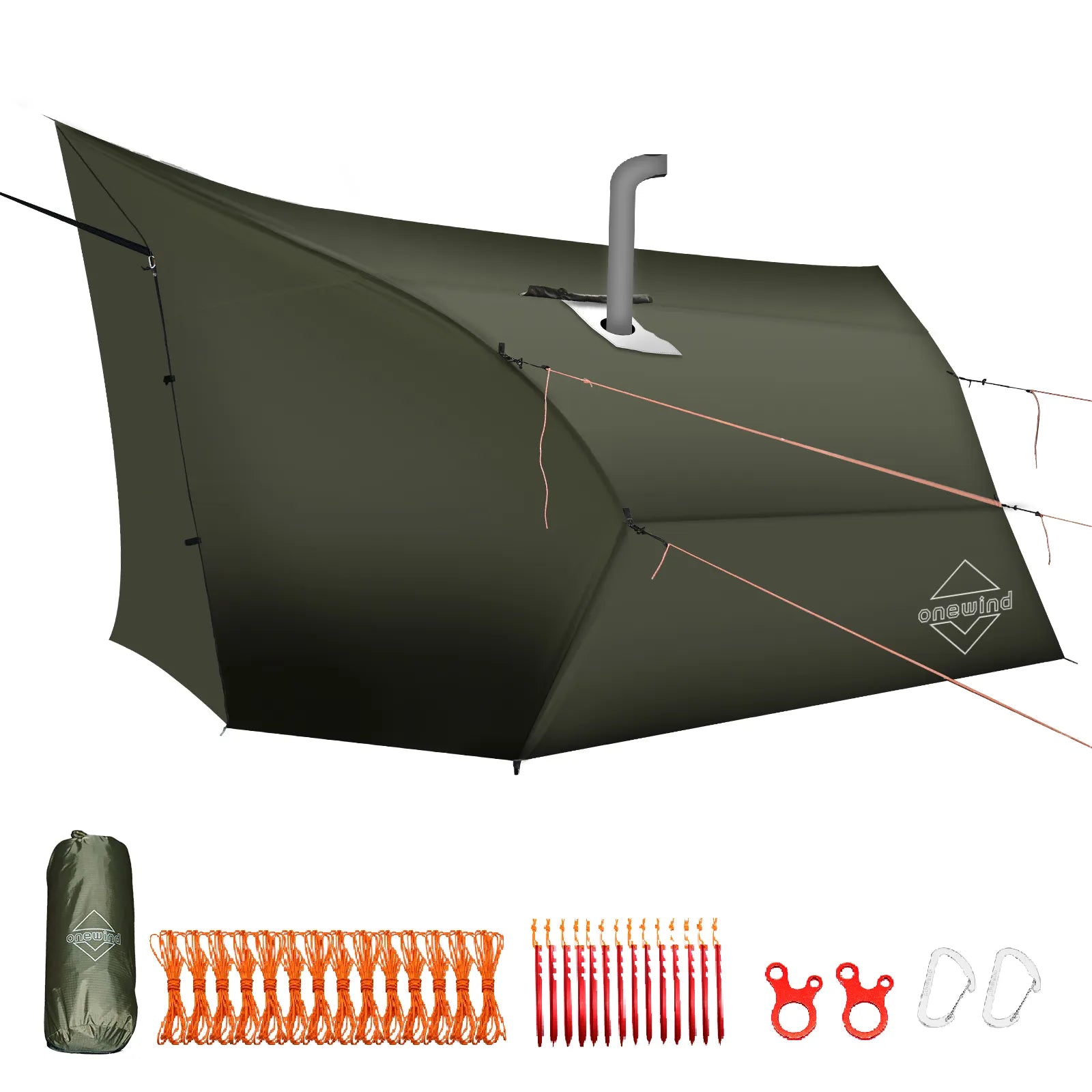
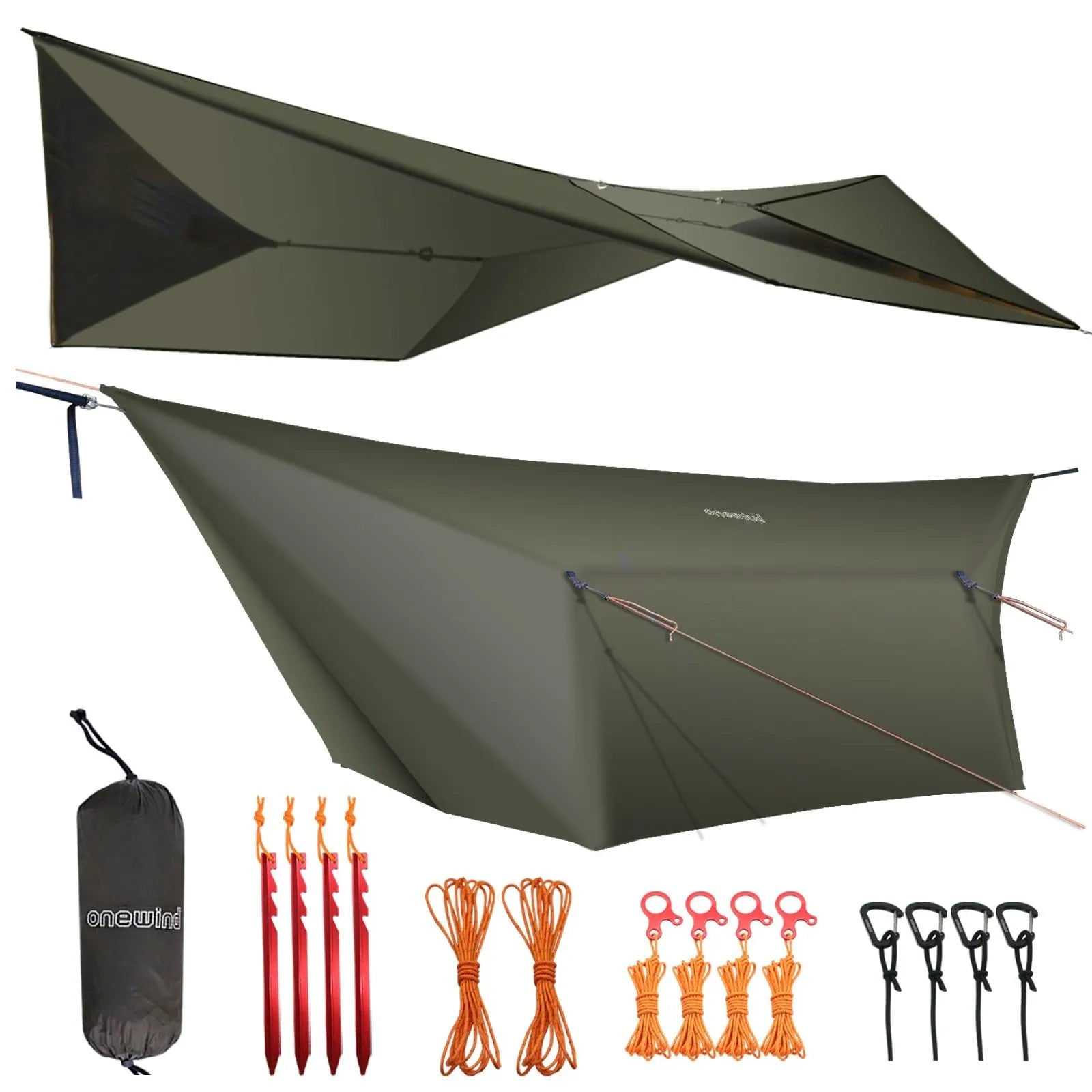
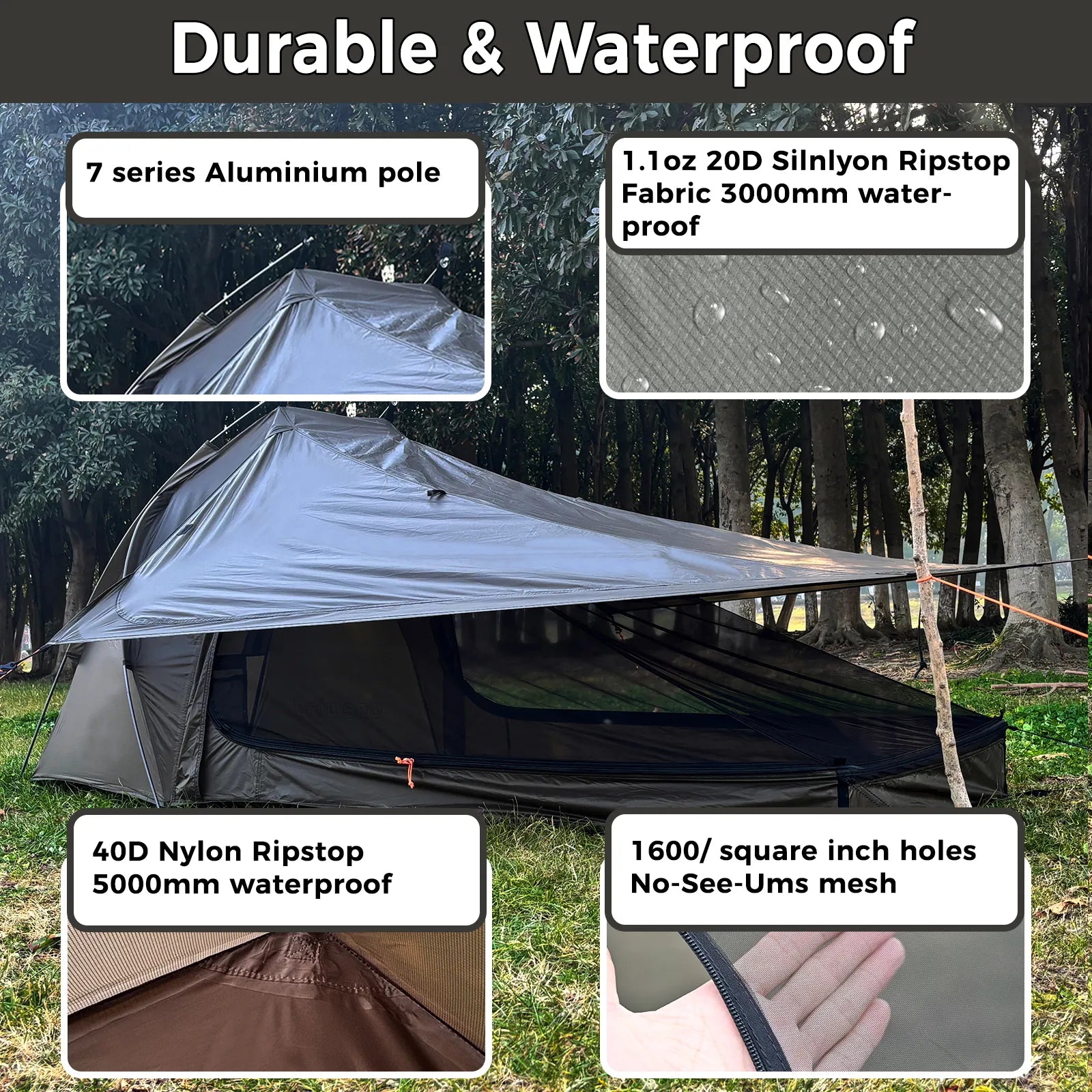
Údaje o produkte poskytujú užitočné porovnávacie hodnoty. SoloVent je uvedený s hmotnosťou 37 uncí, s vrchlíkom 3000 mm a podlahou 5000 mm, zatiaľ čo 12-stopová plachta je uvedená s celkovou hmotnosťou 1,86 lb a s 4000 mm vodeodolným povlakom. Tieto čísla nie sú konkurenti v rovnakej kategórii. Sú to referenčné body pre audit celého systému.
Čo sa naučíte
Pojem „ultralight bivy sack“ budem používať v širšom zmysle, ako ho používa mnoho zákazníkov.
To zahŕňa ploché bivakovacie vaky, oblúkové bivaky a prístrešky v štýle bivaku.
Ale oddelím ich, keď sa rozhodnutie zmení.
Plochý vak a konštruovaný nízky prístrešok neriešia tú istú noc.
Toto rozlíšenie zabraňuje tomu, aby sa článok zmenil na nejasné rozprávanie o vybavení.
Rýchla odpoveď
Zvoľte cestu ultralight bivy vaku, keď vak zostáva prístreškom.
Vyhnite sa tomu, keď sa vak stane len jednou časťou zložitej skladačky prístrešku.
Pri väčšine pokojnych sólo nocovaní nie je rozhodujúcou hranicou komfortný luxus. Ide o to, či dokážete udržať spacák v suchu, zabrániť hmyzu vniknúť dovnútra, zvládnuť kondenzáciu a dostať sa dnu alebo von bez toho, aby ste do systému vniesli vodu.
Preto neporovnávam bivakovacie vaky iba podľa uncí.
Porovnávam celú noc.
Rozhodovací rámec
Použite tento kontrolný zoznam pred kúpou alebo balením.
Rám je zámerne bez ozdôb.
Ak vak plus plachta plus kolíky plus plán proti hmyzu plus rutina pre mokrú výbavu plus skladovanie voňajúceho jedla zostáva ľahšie a pokojnejšie než štruktúrovaný prístrešok pre jedného, zvoľte cestu ultralahkého bivakovacieho vaku.
Keď sa hmyz, zatekanie dažďa, kondenzácia alebo mokrá výbava stanú skutočným problémom, uprednostnite konštrukčne riešený prístrešok pre jedného alebo priestrannejší tarpový stan namiesto naháňania sa za najnižšou uvedenou hmotnosťou zbaleného obalu.
Ľahšia položka nie je vždy ľahší systém.
Rovnako zaobchádzam s núdzovými vakmi odlišne od plánovaných prístreškov.
Núdzový bivakovací vak môže byť rozumnou poistkou.
Nemalo by sa automaticky stať vaším hlavným domovom pre plánované mokré prenocovanie.
Test prispôsobenia 1: Spočítajte skrytú hmotnosť
Splash Bivy | Prehliadka produktu
Najjednoduchšia chyba je odvážiť len vak.
To číslo pôsobí čisto.
Je to tiež neúplné.
REI uvádza, že bivakovací prístrešok podobný stanu pridáva chránený priestor nad hlavou a úplné uzavretie pre nepriaznivé počasie a hmyz. Tieto doplnky zvyšujú hmotnosť, ale môžu nahradiť samostatné provizórne riešenia.
To je skrytá matematika.
Rád si robím jednoduchý audit zbalenej hmotnosti.
Vložte bivak, plachtu, kolíky, šnúry, ochranu proti zemi a ochranu proti hmyzu na ten istý zoznam.
Potom porovnajte toto číslo s kompletným prístreškom.
Niekedy aj tak zvíťazí bivak.
Niekedy je štruktúrovaný prístrešok pre jednu osobu len o niečo ťažší a omnoho pohodlnejší na používanie.
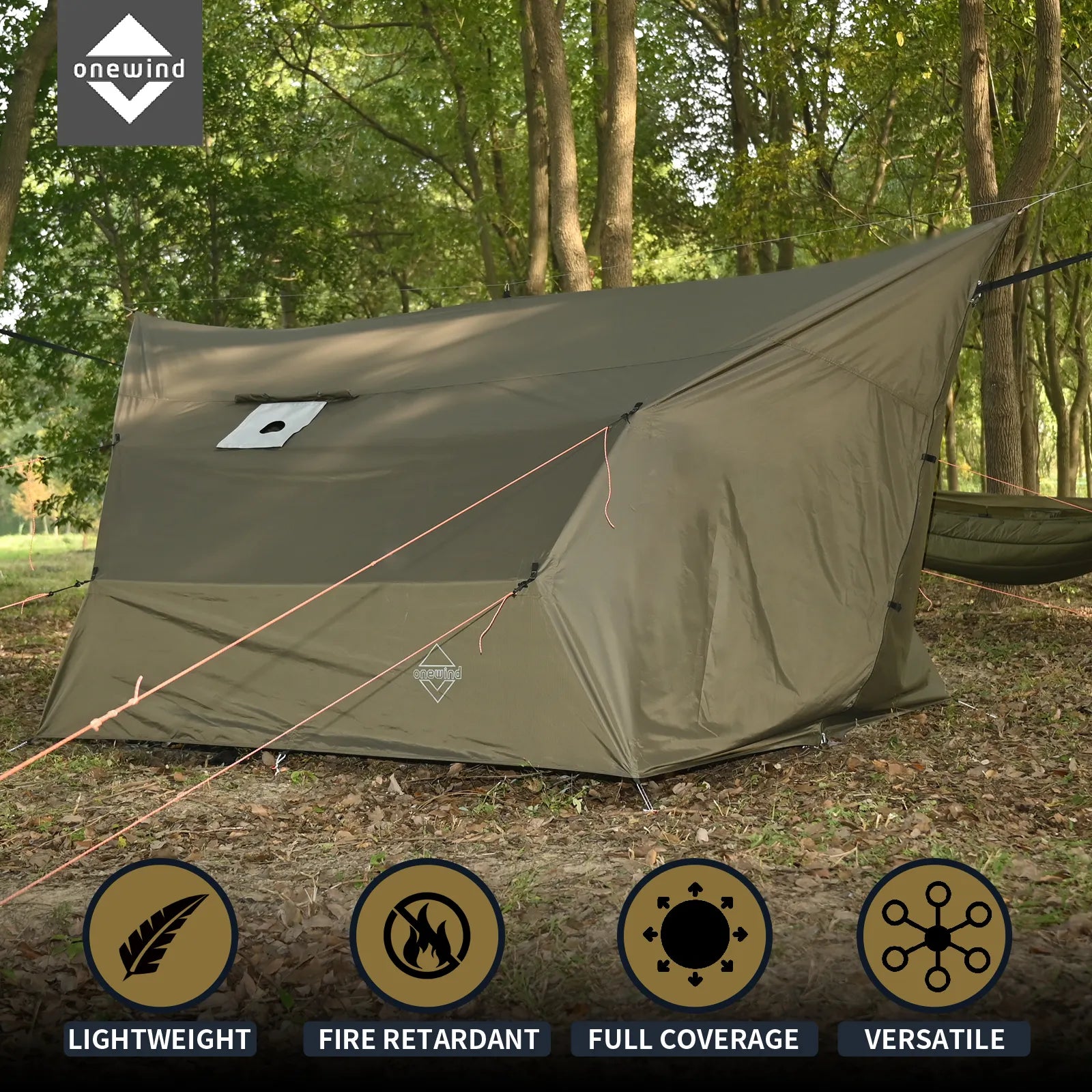
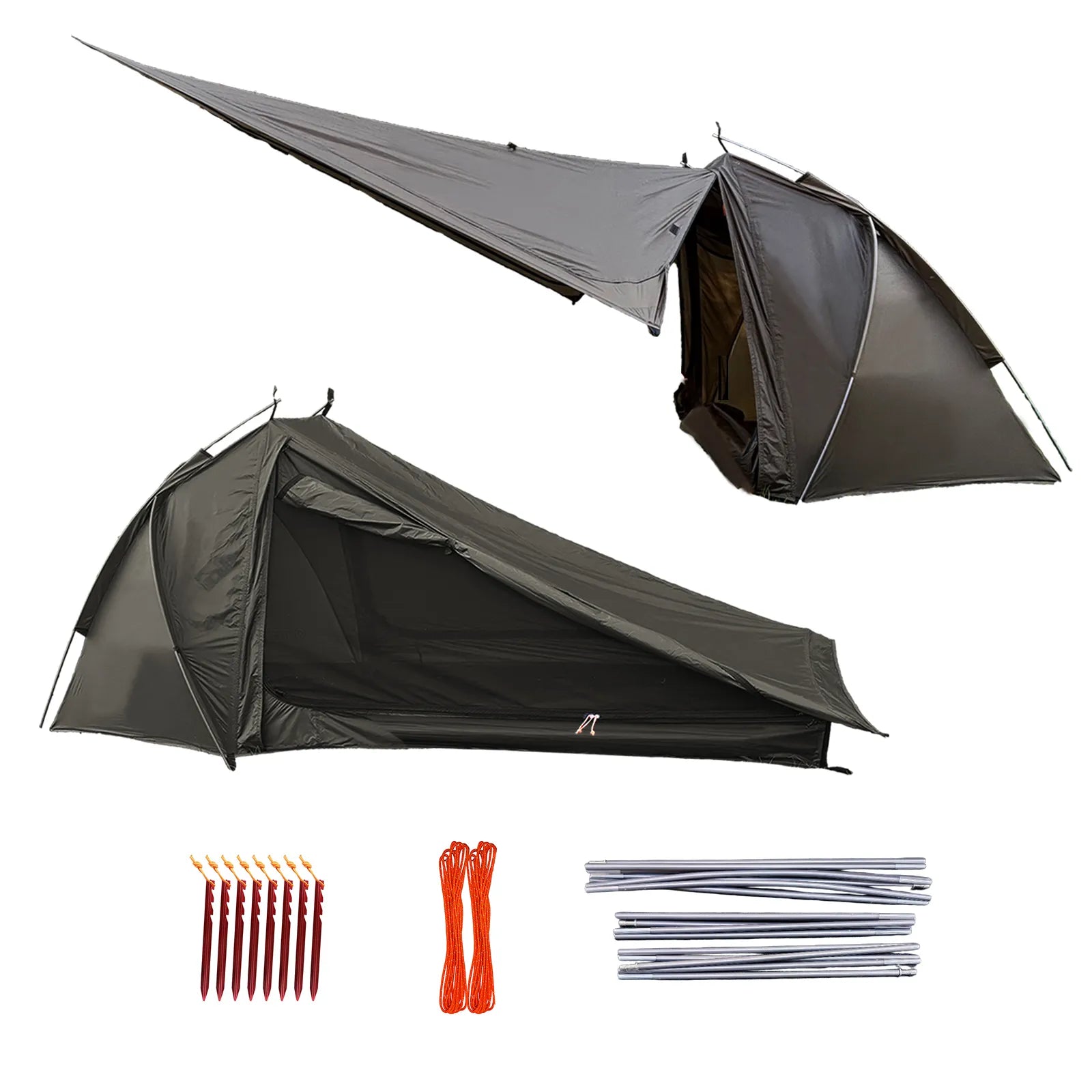
To je miesto, kde sa hodí prístrešok s malou ekologickou stopou, ako napríklad the Onewind Ultraľahký SoloVent bivakovací stan vstupuje do konverzácie. Nie je to plochý bivakovací vak. Je to jednoplášťový bivakovací stan pre jedného človeka určený pre kemperov, ktorí chcú sieťovinu, priestor nad hlavou, nepremokavú podlahu, kolíky, napínacie šnúry a rýchlejšie zatváranie v jednom nízkom prístrešku.
Uvedená hmotnosť 37 uncí nie je rovnaká ako hmotnosť prázdneho vaku.
Je to iná kategória.
Táto kategória môže dávať zmysel, keď nahrádza niekoľko menších doplnkov.
Test strihu 2: Počasie a kondenzácia sa stále počítajú
Bivakovacie vrece umiestňuje tkaninu tesne k vášmu spaciemu systému.
To je vhodné pre malé kempingy a rýchle postavenie.
Nie je automaticky vhodný do vlhkého prostredia.
REI vysvetľuje, že ku kondenzácii môže dôjsť, pretože bivak funguje ako jednoplášťový stan. Vlhkosť z vášho tela a dychu sa môže stretnúť so studenším vzduchom a usadzovať sa na vnútornej stene.
To neznamená, že každá noc v bivaku je mokrá.
Znamená to, že vetranie a výber miesta sú súčasťou systému hmotnosti.
Ak všetko dôkladne uzavriete, aby ste zablokovali dažďom hnaný vietor, môžete znížiť prúdenie vzduchu.
Ak otvoríte časť pri hlave kvôli prúdeniu vzduchu, dažďu alebo hmyzu sa môže stať problémom.
Ak postavíte stan pod stromami, aby ste znížili rosu, môžete si priniesť živicu, nečistoty alebo zlý odvod vody.
Ak sa presťahujete na lúku kvôli výhľadom, môže sa zvýšiť rosa a vystavenie poveternostným vplyvom.
Preto najľahší vak môže vyžadovať najviac disciplíny.
Plachta mení rutinu.
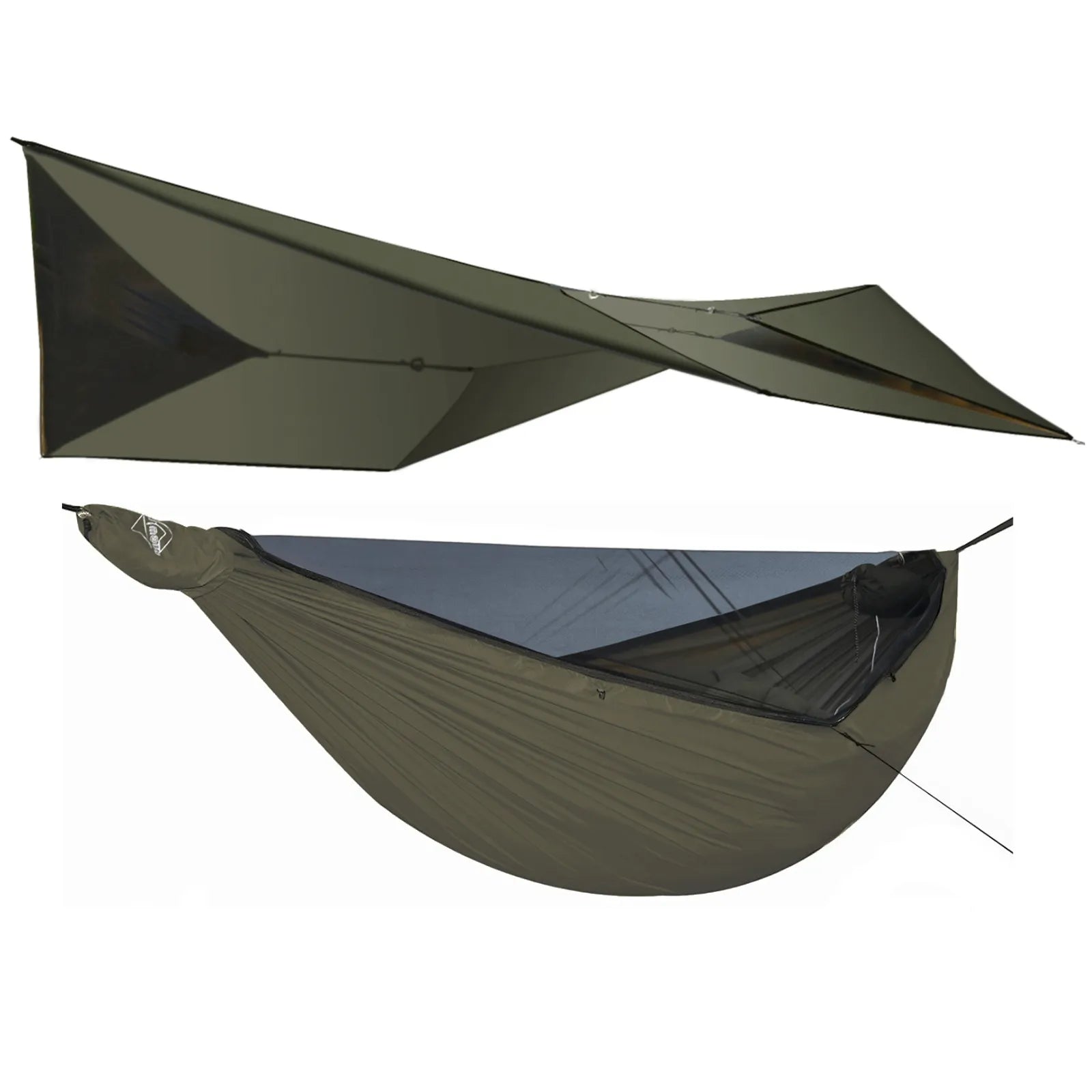
The 12 ft Onewind silnylonová plachta nie je to bivakovací vak, ale môže spraviť minimalistický pozemný spací systém znesiteľnejším tým, že vám poskytne suchý vstupný priestor, miesto na odloženie topánok a ochranu pred striekajúcou vodou. Jeho uvedené pokrytie 12' × 9,7' a celková hmotnosť 1,86 lb si zaslúžia poctivo započítať ako údaje o systéme, nie ignorovať ako „navyše“.
Na niektoré výlety je tá plachta príliš veľká.
Pri iných výpravách je plachta dôvodom, prečo bivak funguje.
Test strihu 3: Hmyz, kliešte a problém otvorenej hlavy
Ochrana proti hmyzu je miesto, kde sa mnohé minimalistické plány bivaku stávajú menej minimalistickými.
Plochý vak môže chrániť spacák a spodnú časť tela, ale otvor pre hlavu zostáva slabým miestom.
Môžete ho pevne utiahnuť.
Môžete pridať sieťku na hlavu.
Môžete spať pod sieťovým prístreškom.
Každá odpoveď mení hmotnosť, pohodlie alebo rýchlosť.
Usmernenia CDC týkajúce sa kliešťov sú tu dôležité, pretože terén nie je neutrálne prostredie. CDC odporúča vyhýbať sa krovinám a vysokej tráve, používať repelenty registrované EPA, ošetrovať topánky a vybavenie permetrínom a po vystavení vykonávať kontrolu na kliešte.
To nie je strach.
Je to pracovný postup.
Ak vás vaša ultralight zostava núti plaziť sa do trávy, držať topánky voľne vedľa tváre a vynechávať kontrolu, pretože je všetko stiesnené, prístrešok síce ušetril gramy, ale ukradol pozornosť.
Uprednostňujem plán pre bivakovanie, ktorý je viditeľný pred zotmením.
Kam sa dávajú topánky?
Kam sa balenie umiestňuje?
Môžem dosiahnuť na svoje čelovky?
Môžem sa posadiť dosť na to, aby som skontroloval ponožky a manžety?
Môže sieťovina zostať mimo mojej tváre?
Ak je odpoveď nie, zvážte konštrukčne riešený bivakový stan alebo priestrannejší samostatný prístrešok, skôr než označíte plochý vak za „jednoduchší“.
Test strihu 4: Zoznámte sa s kategóriou prístrešku
Slovo „bivy“ skrýva niekoľko rôznych produktov.
Nepozerajte na to, akoby išlo o tú istú položku.
Riešia rôzne poruchy.
Ak je problémom, že sa môj spacák môže dotýkať vlhkej zeme, vak ho môže vyriešiť.
Ak je problémom, že „komáre mi budú počas celej noci poletovať nad tvárou“, vrece môže potrebovať sieťovinu.
Ak je problémom, že „dážď začne, kým si vymením vrstvy“, vrece môže potrebovať kryt z plachty.
Ak je problém „panikárim, keď je látka niekoľko palcov nad mojou tvárou“, vrece nie je správna kategória.
Pre samostatného kempera, ktorý chce viac priestoru bez prechodu na plnohodnotný tradičný stan, ten Solo Skyshade Tartent je priestrannejšia cesta pre jednu osobu. Je ťažšia ako plochý vak, ale ten extra priestor môže priniesť pohodlný vstup, ochranu pred hmyzom a pokojnejšiu rannú rutinu.
That is a valid ultralight decision even when it is not the absolute lightest item.
Scenario 1: Solo Backpacker Cutting Pack Weight On A Mostly Dry Forecast
This is the best-case scenario for an ultralight bivy sack.
You are solo.
The forecast is stable.
The site is well-drained.
Bug pressure is low.
You are not planning to sit out hours of rain.
In this case, the bivy can stay close to its original job: protect the sleep system with the least shelter bulk possible.
I would still pack with a failure check.
Can the sleeping bag loft without touching wet fabric?
Can the bivy opening face away from wind?
Can you keep shoes and pack reachable without blocking the opening?
Can you ventilate enough to reduce condensation?
If those answers are clean, the ultralight bivy sack path makes sense.
Do not turn it into a fake cabin.
Pack the simplest version that fits the actual night.
Verdict: choose the ultralight bivy sack when the forecast, bugs, and site all let the sack remain the main shelter instead of one piece of a complicated backup system.
Scenario 2: Bikepacker Arriving Late To A Buggy Site
How to Setup ANDA Ultra Light Bivy
Bikepacking makes bivy sacks attractive.
Packed shape matters.
Fast deployment matters.
Small campsite footprint matters.
But late arrival changes the decision.
You may not have time to hunt for perfect drainage.
You may be pitching near grass, brush, or a buggy water source.
You may be tired enough to skip the careful routine that makes minimalist shelters work.
At that point, the smallest packed item starts to look less convincing.
The best late-night shelter is the one you can pitch correctly while tired.
If your bivy plan requires a precise tarp angle, separate bug net, careful boot placement, and a food storage walk after dark, the system may be too fussy for the scenario.
A structured low shelter can be smarter because it bundles more of the job.
For bikepacking trips where you still want a low one-person footprint, the SoloVent Bivy Tent fits the "less fiddling at dusk" lane better than a flat sack plus several loose fixes.
Verdict: choose the flat ultralight bivy only if your late-arrival routine is already rehearsed; otherwise choose a more self-contained bug-secure shelter.
Scenario 3: Fast-And-Light Hiker With An Emergency-Style Sack
This is the risky scenario.
An emergency-style sack can be useful.
It is small.
It can add warmth.
It can help during an unplanned night.
But a backup item is not automatically a planned shelter.
The problem starts when a hiker says, "I have a bivy, so I do not need a shelter."
Maybe that works for a clear, dry emergency.
It is a poor plan for a normal overnight with rain, bugs, wet shoes, and repeated entry or exit.
REI's traditional bivy description is narrow: protecting the sleeping bag and adding warmth are core jobs. That does not mean the sack handles living space, head clearance, rain waiting, or gear organization.
If you are planning to sleep out, plan the whole sleep system.
That may mean a tarp.
It may mean a bug shelter.
It may mean moving from an emergency sack to a real bivy shelter.
It may mean accepting a slightly heavier tent because the route has weather risk.
Verdict: carry an emergency-style bivy as insurance, but do not count it as your primary ultralight shelter unless tarp cover, bug control, and wet-gear handling are already solved.
Scenario 4: Shoulder-Season Dew, Condensation, And Wet Gear
Shoulder season punishes lazy weight math.
The air cools fast.
Dew forms.
Rain gear gets damp.
Your breath has fewer warm escape routes.
A low sack may protect the sleeping bag from outside moisture but still collect internal condensation if ventilation is poor.
In those conditions, I usually prefer more margin.
That margin can come from a tarp pitch that gives the bivy air and splash protection.
It can come from a structured bivy tent with mesh and headspace.
It can come from a roomier one-person tarp-tent that lets you handle wet layers without dragging them over the quilt.
The lightest setup is not the one that looks heroic in a gear photo.
It is the one that still works at 5 a.m. when the grass is soaked and your jacket is wet.
If you choose the bivy sack path, choose your site before dark.
Avoid depressions.
Vent the opening when weather allows.
Keep wet gear outside the sleep bag zone.
Use a tarp if entry and exit will be wet.
Verdict: in shoulder-season moisture, choose the ultralight bivy sack only with a deliberate tarp and ventilation plan; otherwise move to a structured low shelter or roomier solo shelter.
Product Path: Where Onewind Gear Fits
I would not force every ultralight bivy reader into the same product.
The decision path matters.
This table is not a shopping list.
The full tarp shelter collection belongs in the same comparison when the trip needs overhead cover more than a smaller sack.
It is a category map.
If you already own a tarp and can pitch it fast, you may not need a more structured shelter.
If you hate tarp pitching in rain, a more complete solo shelter can be the lighter mental load.
That is the kind of weight that does not show up on a scale.
Common Mistakes With Ultralight Bivy Sack
Most bad bivy nights do not come from one dramatic failure.
They come from trusting one spec too much.
Weight matters.
So does the campsite.
So does the weather.
So does the user.
The mistakes below all share the same pattern: the camper bought a light item and forgot the job around it.
Mistake 1: Treating Listed Weight As System Weight
The listed weight is useful.
It is not the final answer.
If the bivy requires a tarp, count the tarp.
If the tarp requires stakes and guylines, count those.
If the site has bugs, count the bug solution.
If wet grass is likely, count the ground routine.
If the sleeping bag must stay protected, count the dry storage.
A fair comparison puts every required piece in the same column.
Only then can you say the bivy system is lighter.
Reddit user discussions around ultralight bivies often land on the same audit: the sack may be light, but the tarp, stakes, groundsheet, and bug solution decide whether the setup stays light in the field.
That field report is useful because it matches the measured comparison I want the reader to make at home.
Mistake 2: Buying Waterproofing And Forgetting Ventilation
Waterproof fabric is comforting until the inside gets clammy.
That is why the existing waterproof bivy sack guide separates rain protection from condensation control.
For this article, the lesson is narrower.
Do not let waterproof rating hide the airflow problem.
If you must close the sack tightly to block rain, you need another way to manage moisture.
That may mean site selection.
It may mean a tarp.
It may mean a bivy shelter with more face space.
It may mean choosing a roomier shelter because the trip is too damp for a flat sack.
Mistake 3: Ignoring Food Smells Because The Shelter Is Tiny
A tiny shelter does not make scented items disappear.
NPS food-storage guidance treats food, trash, toiletries, sunscreen, bug repellent, fuel, and cookware as scented items.
That matters in bivy camping because there is no vestibule to absorb messy habits.
Do not sleep with dinner wrappers beside your face.
Do not tuck bug repellent into the bivy because it is convenient.
Do not use the pack as a scented-item closet and then lean it against the sleep opening.
Plan the smell zone before dark.
The smaller the shelter, the cleaner the routine needs to be.
Mistake 4: Assuming Bug Pressure Is A Comfort Issue Only
Bugs are not just annoying.
They change the shelter category.
CDC tick guidance points to real routines: avoid brush and high grass, use repellents, treat boots and gear, and check your body after exposure.
A bivy sack that makes those routines hard is not a good fit for buggy ground.
This is especially true when the sack opening sits close to grass.
If you need mesh, choose mesh.
If you need a cleaner standing or sitting routine, choose more shelter.
If you need a tarp to keep boots and pants organized away from the sleep opening, count it.
Bug management is not a luxury feature.
It is part of the overnight system.
Mistake 5: Treating Every Bivy As The Same Kind Of Shelter
A flat sack, a hooped bivy, a bivy tent, and a tarp-tent are not interchangeable.
The broad bivy vs tent guide covers the larger shelter comparison.
Here, the mistake is more specific.
Do not buy one category and expect another category's benefits.
If you want the smallest backup layer, choose a sack and accept the limits.
If you want headspace and bug mesh, choose a structured low shelter.
If you want room to manage gear, choose a roomier solo shelter or tarp-tent.
If you want flexible overhead cover, build a tarp plus bivy system.
The right category saves more frustration than the lowest product weight.
Mistake 6: Forgetting The Morning Exit
The morning is where many bivy setups reveal the truth.
Can you reach your shoes without dragging dew into the sleeping bag?
Can you pack the quilt before the wet shell touches it?
Can you sit up enough to layer clothing?
Can you get rain gear on before leaving the shelter?
Can you keep mud, grass, and ticks out of the sleep system?
If the answer is no, the bivy may still be light, but the routine is heavy.
I like to rehearse the morning in my head before I accept the setup.
If the morning exit sounds clumsy in good weather, it will be worse in rain.
The Quick Decision Checklist
- ✓ Choose an ultralight bivy sack when the complete system stays simple.
- ✓ Count tarp, stakes, guylines, bug protection, and wet-gear handling before judging weight.
- ✓ Treat emergency bivies as backup unless the full shelter plan is solved.
- ✓ Use a structured bivy shelter when mesh, headspace, and quick closure replace multiple workarounds.
- ✓ Use a roomier solo shelter when a few extra ounces buy easier entry, comfort, and morning control.
- ✓ Use a tarp when rain entry, boot staging, and splash protection are the real problems.
- ✓ Reject the lightest sack when it forces you to improvise in bugs, rain, wet grass, or shoulder-season condensation.
The best ultralight bivy sack is not always the smallest item in the cart.
It is the one that leaves you with the lightest working night.

Compare the low-profile solo shelter path
Shop Now →