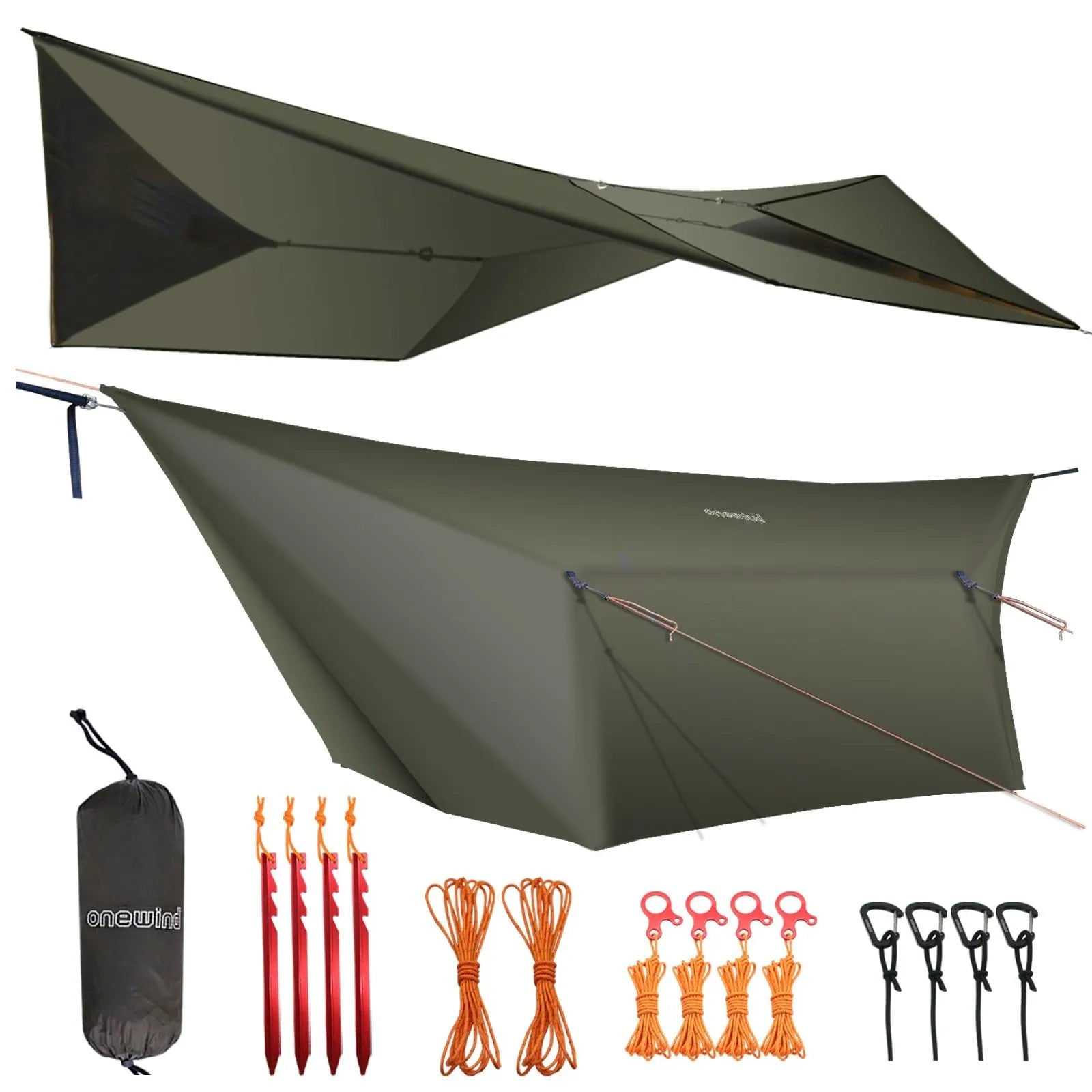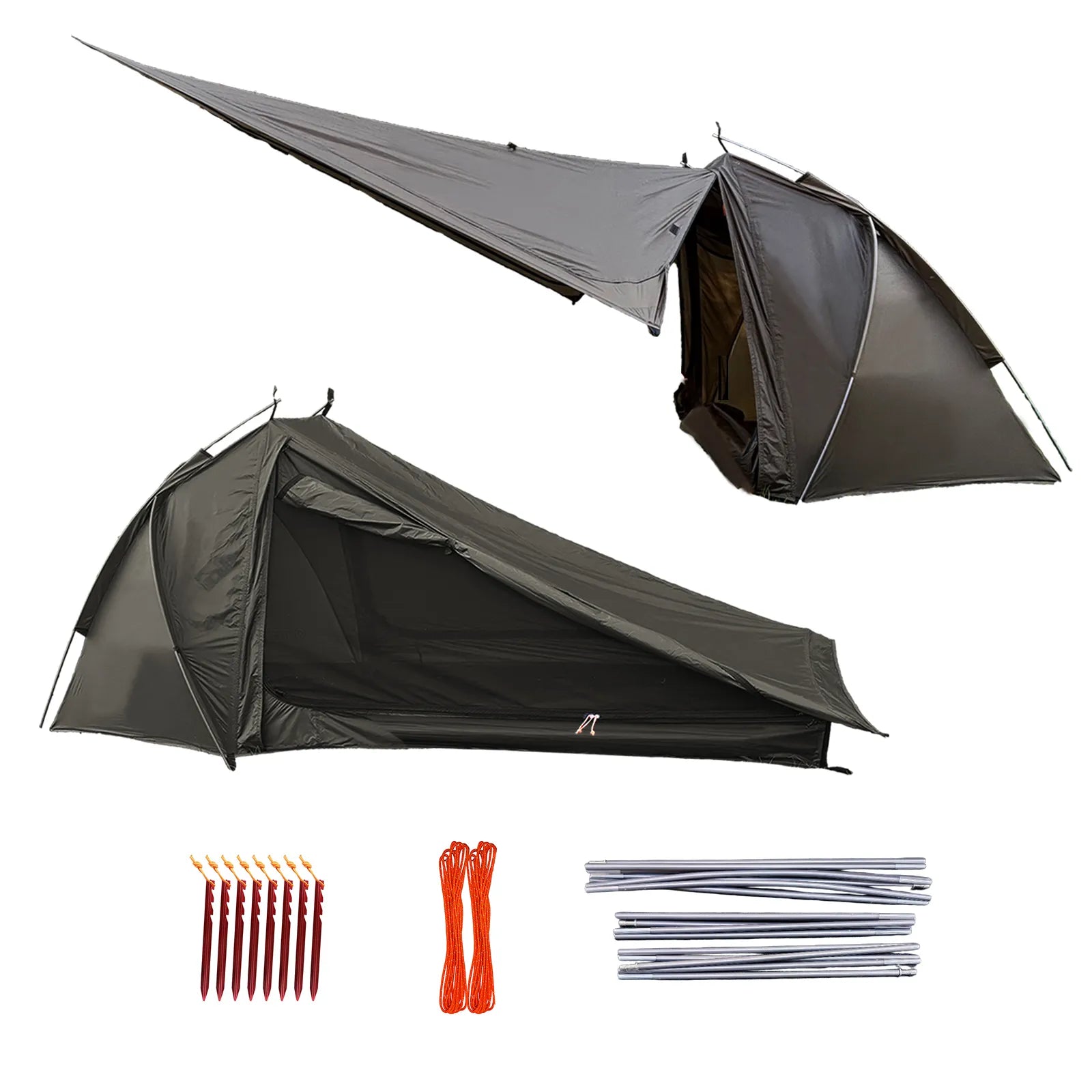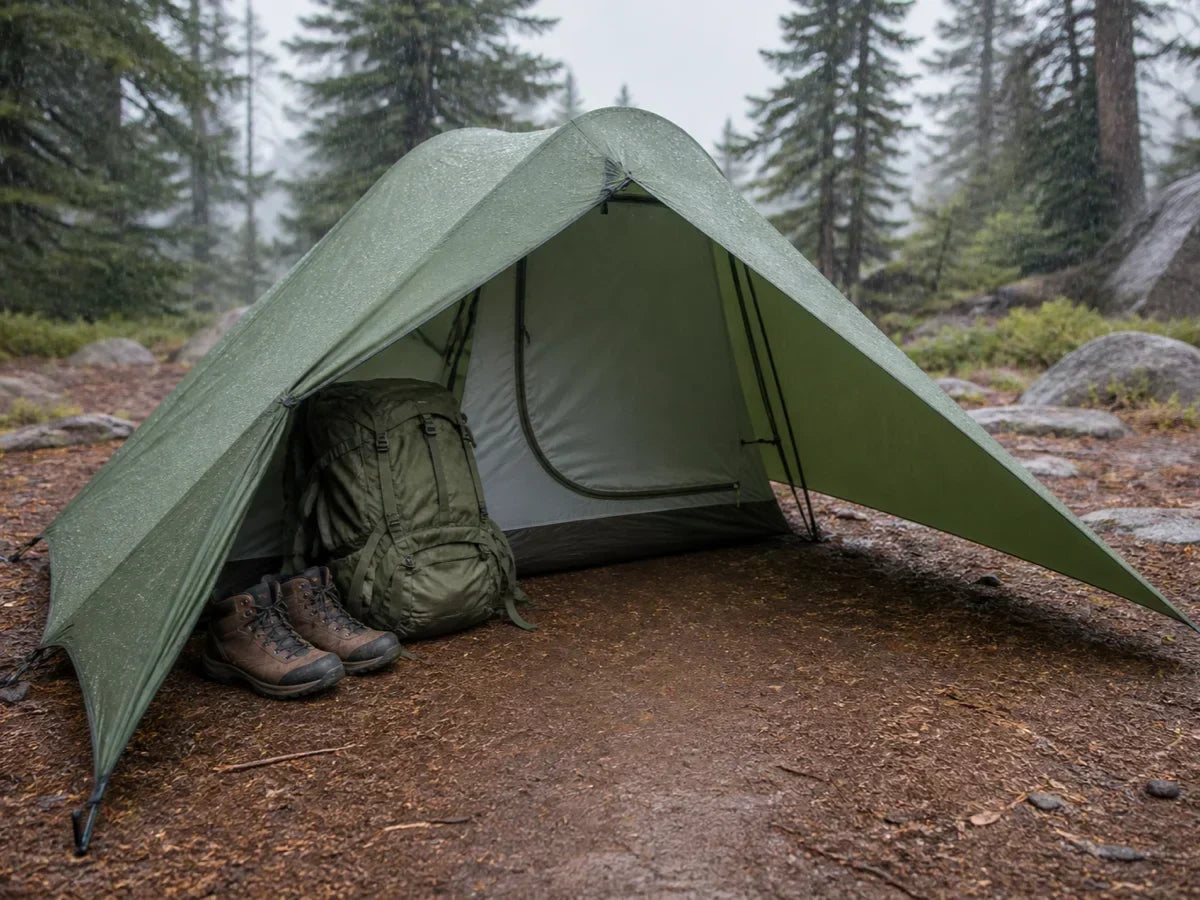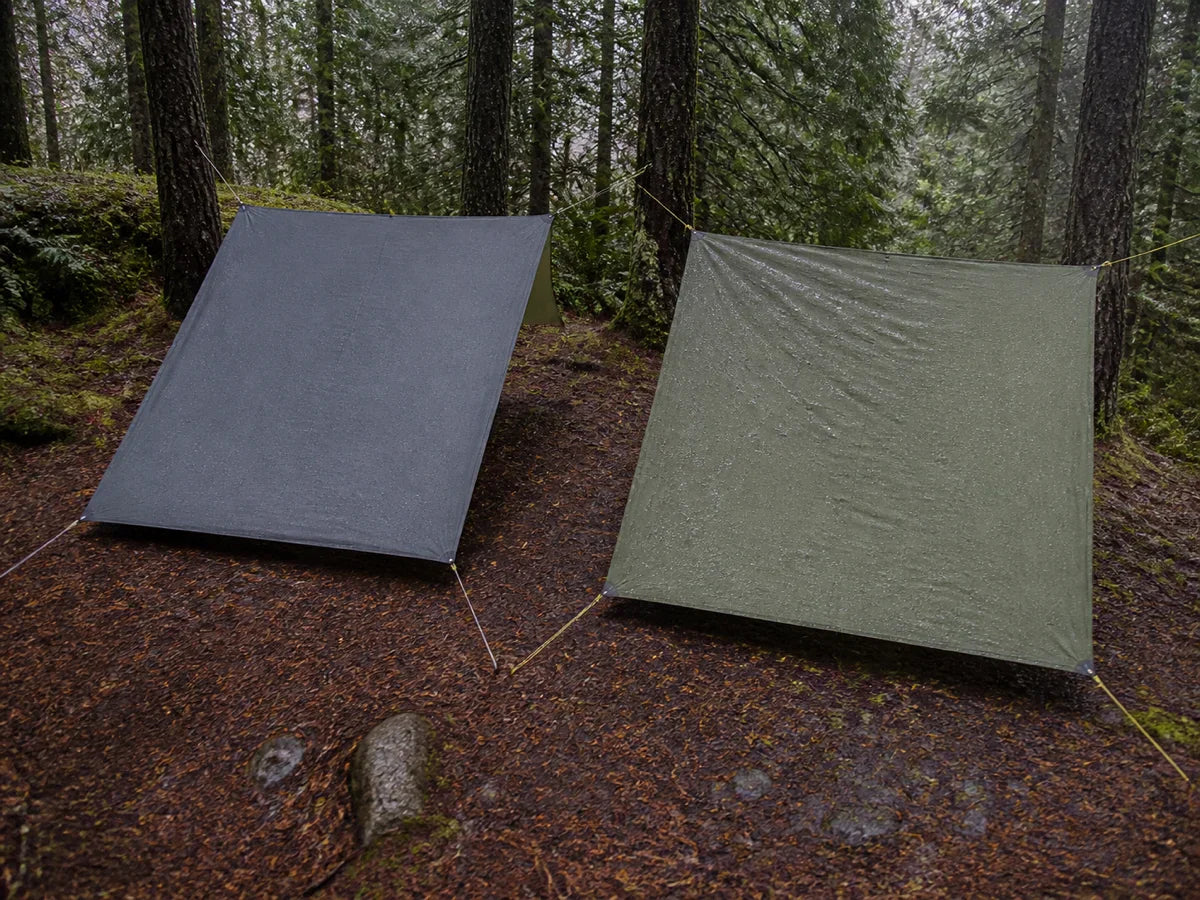

10-osaline 15 g alumiiniumist Y-kujuliste vaiade komplekt kaalub enne pakkekotti umbes 150 g, mis on ligikaudu ühe väikese matkaroa kaal.
See number tundub lihtne vähendada, kuni üks nõrk kinnitus laseb putukavõrgul vajuda, matkatugedega varjualusel kuju kaotada või tuulepoolsel nurgal hakata üle märja pinnase liikuma.
Võrdlesin selle juhendi jaoks toote spetsifikatsioone, REI ülesseadmise juhiseid, Cascade Designs/MSR-i tugimärkmeid, sõltumatuid vaiakatseid ja ultrakerge varustuse kogukonna aruandeid.
Muster on otsene: ülikerged telgivaia töötab ainult siis, kui vai vastab endiselt koormusele.
Rohelise tule otsus ei ole „osta kõige kergem vai“.
Rohelise tule otsus on „hoida kaalu kokku pärast ankrupunkti, kui pinnase tüüp, ilmastik ja ülesvõtmise plaan on endiselt mõistlikud.“
Mida te õpite
Sa õpid, kuidas ehitada vaiakomplekti, mitte kopeerida tootenimekirja.
Kasutage ühte pakkimisküsimust enne, kui vaatate teist grammist tabelit.
Millised vaiad võivad ebaõnnestuda ilma suurema tagajärjeta ja millised vaiad hoiavad varjualuse kuju?
Nurgakinnitused, ridgeliini kinnitused, tipu kinnitused ja tuulepoolsed pingutusnöörid väärivad rohkem austust kui madalad külgmised kinnituspunktid rahulikul ja kõval pinnasel.
Kontrollin esmalt neid suure koormusega kohti.
Siis otsustan, kas kergemal vaiul on ikka piisavalt kuju, sügavust ja nähtavust, et töö ära teha.
Kiire vastus
Enamiku seljakotirändurite jaoks on kõige turvalisem ülikerge telgivaia komplekt segatud.
Kasutage tugevamaid Y- või V-kujulisi vaiasid seal, kus varjualune kannab tegelikku koormust.
Kasuta kergemaid konkse või peenemaid vaiu ainult seal, kus nööri koormus on väiksem ja pinnas on kõva.
Võta kaasa vähemalt üks varusai, sest kadunud vai võib muuta täiusliku kaalu tabeli halvaks laagripaigaks.
Cascade Designs/MSR-i järgi tarnitakse telgid tavaliselt vaiade ja pingutusnööridega tavapäraseks ülesseadmiseks, kuid erinevad tingimused võivad nõuda erinevaid kinnitusvahendeid või varuosi.
See on kogu ostureegel ühes lauses.
Tavaline seadistus ei ole iga seadistus.
Otsustusraamistik
Kasuta enne ostmist neli küsimust.
Mida ankur hoiab?
Milline pinnas hoiab vaia?
Mis juhtub, kui see ankur üles ütleb?
Kas saaksid hommikul vai üles leida ja eemaldada?
Need küsimused muudavad ebamäärase ülima kerge varustuse uuenduse pakkimise plaaniks.
Samuti selgitavad nad, miks kaks matkalist võivad mõlemad eri vaiakomplektidega õiged olla.
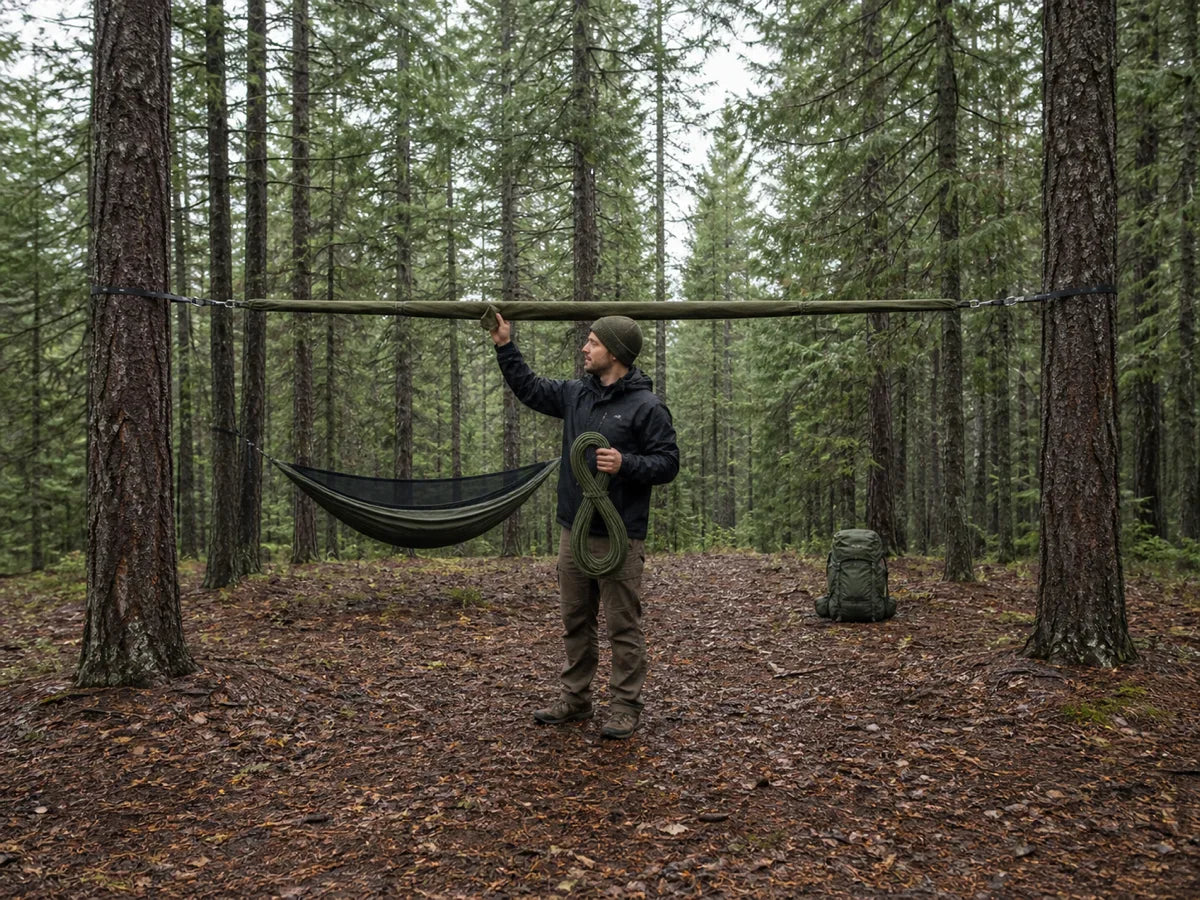
Võrkkiige kattevarjend kindlal metsamullal võib vajada teistsugust komplekti kui matkapulkadega varjualune lahtisel alpikruusal, isegi kui mõlemad matkajad soovivad ülima kergusega telgivaideid.
REI sõnul tuleks vaiad enamiku pinnase puhul tavaliselt täielikult maasse lüüa, nii et välja jääks vaid nii palju, kui on vaja nööri kinnitamiseks.
See juhis eelistab vaiasid, millel jääb pärast kaalu vähendamist alles piisav pikkus, profiil ja peakujundus.
Kui väike konks ei pea vastu tugevale käest tõmbamisele, siis säästetud grammidest pole kasu.
Kui Y-kujuline vai hoiab tuulepoolset nurka, lennukülge või tarp’i tippu, võivad lisagrammid olla kogu varustuses odavaim ilmastikukindlustus.
Jälgi põhimõtet „ära jäta jälgi“ ja lisa veel üks piir: vali vastupidavad pinnad ning väldi laagripaiga mõju laiendamist.
Ära lahenda väikest vaia probleemi, kaevates habrast pinnast välja, kuni see püsima jääb.
Liigutage kinnituspunkti, vahetage vai või muutke asukohta enne, kui muudate õrna pinna kraaviks.
See väikese mõjuga reegel on ultrakerge varustuse puhul veelgi olulisem, sest pisikesed ankrud ahvatlevad inimesi mulda rohkem töötlema, kui muld taluda suudab.
Sobivustest 1: koormusklass ei ole mugavusklass
Telgivaiaotid ja kuidas neid kasutada
Pealkiri ütleb koormusklassi, kuid vaiaversioon on koormuse prioriteet.
Vaiakomplektis ei pea iga osa olema võrdselt tugev.
See vajab tugevaimaid osi seal, kus rike teeb kõige rohkem kahju.
Ma võrdlen ankrupunkte enne, kui võrdlen gramme.
Matkakepi varikatuse tipp võib kanda kogu varikatuse kuju.
Madal külgne kinnitus võib tõmmata kangast ainult teie õla küljest eemale.
Need kaks ülesannet ei peaks automaatselt kasutama sama ülikerget vaiat.
Mõelge komplektist kui väikesest eelarvest.
Investeeri kinnitamisjõusse seal, kus varjualune muutub vaiksemaks, kuivemaks ja stabiilsemaks.
Säästa kaalu seal, kus nöör teeb väiksema töö, ja kasuta seda laagris, kus pinnas on sinu suhtes sõbralik.
REI sõnul peaksid telkijad tuule korral nurgad varakult kinnitama ja hoidma telki püstitamise ajal kontrolli all.
See tuule suund näitab sulle, millised ankrud saavad esmaklassilise käsitluse.
Varjualust paigal hoidev ankur väärib suuremat kinnitamisjõudu kui ankur, mis vaid korrastab väikest paneeli.
Sobivuse test 2: Paljud järjestuslehed loetlevad parimaid vaiasid, kuid nad
Pingeread aitavad teil tuvastada häid tooteid.
Nad ei paki teie varjualust.
CleverHiker hindab telgivaelasid kaalu, pakitavuse, vastupidavuse, hoidmisjõu ja kasutusmugavuse alusel, mis on õige muutujate kogum.
Puuduv samm on nende muutujate määramine ankurpunktidele.
Esimese matka komplekt võib alata nelja tugevama ankruga nurkade, ridgelinide, tippude või tuulepoolsete punktide jaoks.
Seejärel lisage kaks kuni neli kergemat ankrut väiksema koormusega pingutusnööride jaoks.
Seejärel lisa üks või kaks varuosi, kui ilm, vahemaa või kivine pinnas suurendab ebaõnnestumise kulu.
Paljude varjualuste puhul tähendab see 8–10 vaiaga komplekti.
Täpne arv sõltub ustest, eestoast, telgi pingutuspunktidest, presendi kujust ja sellest, kas jagate ankrupunkte aluskatte ja telgi nurga vahel.
Ära eemalda vaiat komplektist enne, kui tead, millisest aasast see tuli.
Eelistaksin säästa gramme lisariietelt, enne kui asendaksin iga suure koormuse vaiad õrna konksuga.
OutdoorGearLabi testikategooriad viitavad samuti kompromissidele, mitte ühele võitjale.
Õige küsimus ei ole: "Milline vai võidab?"
Õige küsimus on: „Milline vai võidab selles augus, selle joone all, selles pinnases?“
Sobivustest 3: Paljud tootelehed loetlevad materjali
Kas peaksid oma telgivaigud välja vahetama? Telgivaigud selgitatud.
Materjal on oluline, kuid kuju määrab tavaliselt, kuidas see materjal maapinnas käitub.
Alumiinium võib olla kerge ja piisavalt jäik laialdaseks üldkasutuseks.
Titaan võib olla väga kerge, kuid õhukesed konksukujulised detailid võivad tugevamate külgjõudude all painduda või pöörduda.
Süsinikkiud võib vähendada grammide arvu, kuid väliraportites ja sõltumatutes testides käsitletakse purunemisohtu sageli selle kompromissina.
Teras talub karmit kohtlemist, kuid see kuulub harva ülima kerge matkavarustuse komplekti, välja arvatud juhul, kui kõva pinnas või autoga telkimine muudab otsust.
Plastikust ja laiad ankrud võivad aidata liivas või lumel, sest pinnalaotus on olulisem kui kerge pakkekaaluju.
Kuju on kõigi nende materjalide väljatõlkija.
Y-profiil annab mullale parema vastupanu kui ümar pulk.
Konks pakitakse kompaktselt ja kaalub vähe, kuid see loobub pinnapindalast.
Naelakujulise vaiaga saab tungida kõvemasse pinnasesse, kuid see ei pruugi lahtises mullas nii hästi püsida.
Lai liiva- või lumekiil näib pakis ebaefektiivne, kuni pinnas keeldub kitsast kinni hoidmast.
Onewindi näide on kasulik, sest 15 g, 7-tolline 7075 alumiiniumist Y-kujuline vai asub selle kompromissi keskel.
See ei ole kõige kergem võimalik vai.
See on üldotstarbeline kerge ankur telkide, varikatuste, maapinnakatete, varjualuste ja võrkkiige vihmakatte nööride jaoks, kui pinnas ja koormus sobivad kujuga.
Otsese tootenäite jaoks, Onewind alumiiniumist telgivaiad tähenduslikuks pärast seda, kui otsustate, et ankurpunkt vajab kerget, kuid tugevamat Y-tüüpi vaii.
Stsenaarium 1: Seljakotirändur vahetab enne nädalavahetuse reisi välja rasked varustuse vaiad.
Retk on lühike, ilmaprognoos on tavapärane ja matkaauto soovib vähendada pakkekaalu kogu varjualusesüsteemi ümber ehitamata.
Viga on asendada kõik vaiad korraga lihtsalt sellepärast, et uus komplekt tundub kaalul kergem.
Alusta varjualuse kaardiga.
Märgi neli nurka, vihmakatte või eeskoja kinnituspunktid ning tuginöörid, mis hoiavad seina kuju.
Cascade Designs/MSR-i järgi sisaldab tavaline ülesseadmine piisavalt vaiu ja pingutusnööre, kuid olud võivad nõuda erinevaid ankruid või varuosi.
Komplektis on teile antud kogus.
See ei anna teile ideaalset uuendusmisteed.
Asendage kõrgeima koormusega ankrud kõigepealt kergete, kuid tugevate Y- või V-kujuliste vaiadega.
Seejärel kaalu väiksemaid panuseid madala kõrvalpunktide korral.
Võta nädalavahetuseks kaasa üks varutikk, sest kivised aluspinnad, kaduma läinud telgivaialed ja kõveraks läinud telgivaialed on piisavalt tavalised, et nende pärast tasub muretseda.
Ma ei katsetaks täiesti uut ülima kergusega vaiakomplekti esimest korda tormi saabumise ajal.
Pinguta see kord päevavalges üles ja märgi, millised ankrud vajavad kõige rohkem käejõudu.
Kui vai tundub juba tagahoovis või kohalikus pargis kahtlane, ei muutu see pärast vihma kämpingukoha pehmendamist usaldusväärsemaks.
Kohtuotsus: Täienda segakomplektina, mitte täieliku ruloo vahetusena, sest esimese kaalulangetuse puhul tuleks säilitada varjualuse kõige tugevamad kinnituspunktid.
Stsenaarium 2: ülikerge matkaja, keda ahvatleb osta absoluutselt kõige kergemad titaanist konksud iga ankurduspunkti jaoks.
Matkaja näeb pisikest konksvaiad ja hakkab grammisäästu korrutama.
Arvutustabel näeb suurepärane välja.
Laagriplats ei pruugi.
Väikesed konksud võivad toimida väikese koormusega punktides kõvas pinnases, kuid need ei ole iga ankru puhul hea vaikimisi valik.
Redditi ultrakergete varustuse aruanded kujutavad seda sageli segatüüpi vaiaprobleemina: tugevamad vaiad sinna, kus koormus on oluline, kergemad vaiad sinna, kus risk on väiksem.
Peamine test on tugev käsitsi tõmme pärast seda, kui vai on täielikult paigas.
Kui vai väändub, libiseb või paindub, ei ole mõõteskaalal olev number enam otsustav number.
Kasuta kõige kergemaid konkse külgmiste pingutuspunktide, aluskatte nurkade või varupunktide jaoks.
Hoia tugevamaid ankruid tippudel, nurkades, tuulepoolsetel külgedel ja igal pingutusnööril, mis kaitseb sisepinda.
Samuti on olemas käsitlustasu.
Pisikesed tumedad vaiad kaovad metsaalusesse, painduvad kiirustades neile astudes ning neid võib külmade sõrmedega olla raskem eemaldada.
Kui vai säästab küll gramme, kuid aeglustab iga üles- ja kokkupakkimist, võib see olla pigem võistluspäeva tööriist kui tavapärase matka tööriist.
Kohtuotsus: Kasuta kõige kergemaid titaanist konkse valikuliselt, mitte igal pool, sest suurima koormusega punktid määravad, kas varjualune ikka toimib.
Stsenaarium 3: Tarp- või matkakeppidest varjualuse kasutaja, kelle tipu- või harjajoonenurgad kannavad suuremat koormust kui madalamad külgmised kinnituskohad.
Tarp või matkakeppidega varjualune võib nihutada suurema osa koormusest mõnele ankrule.
Harja- ja harjajoone jooned ei ole dekoratiivsed.
Need hoiupaiga kõrgust, kanga kuju ja tormiprofiili.
Kui üks tipukinnitus lahti tuleb, võib varjualune kaotada üheaegselt nii pearuumi kui ka ilmastikukaitse.
REI juhised ülesseadmiseks vaiade kasutamise kohta tuule käes on siin olulised, sest tuulepoolne külg võib varjualust koormata juba enne, kui püstitamine on lõpetatud.
Anna tipu- ja tuulepoolsetele ankrutele komplektis kõige tugevamad vaiad.
Kasutage pärast peamise konstruktsiooni kindlustamist madalama külje pingutustel kergemaid vaiu.
Kui pinnas on lahtine, vaheta laiemate ankrute, pikemate vaiade, surnud ankru meetodi või kivitoe vastu, selle asemel et püüda panna väike vai täitma tippankru ülesannet.
Modulaarsete varikatuse varjendite puhul on vaiakomplekt osa konstruktsioonist.
Siin võib väljend „telgipiik” varikatuse all telkijaid eksitada.
Vai ei hoia mitte ainult kangast maas.
See võib samaaegselt tagada tugiposti kõrguse, seina nurga, sissepääsu vaba ruumi ja vihmavee äravoolu.
Kohtuotsus: Pange oma kõige tugevamad ülikerged vaiad esmalt tarpide tippudele ja harjajoonele, seejärel säästke grammides madalama koormusega külgpingutuskohtadelt.
Stsenaarium 4: Esimene reis piiratud ajaga seadistuse katsetamiseks
Esimese reisi probleem on ebakindlus.
Te ei pruugi teada kämpingukoha pinnast, tegelikku tuule mõju või seda, kuidas varjualune vihmakoormuse all käitub.
See ei ole õige reis kõige agressiivsema vaiakärpe jaoks.
Paki konservatiivne segakomplekt.
Kasutage peavarju kuju määravate ankrute jaoks nelja kuni kuut tugevamat vaiu.
Kasutage oma varjualuse madalama koormusega punktides kahte kuni nelja kergemat vaiat, kui see neid kasutab.
Lisa üks või kaks varuosa, sest esimesel retkel on puuduv varustus kõige valusam.
REI sõnul on lisavaiade kaasas kandmine osa praktilisest telgi ülesseadmise ettevalmistusest.
Eelistan ka esimestel matkadel nähtavaid tõmbenööre või erksaid otsikuid, sest hommikuses varjus juhtuvad pakkimisvead kiiresti.
Kui esimene matk läheb hästi, vähenda komplekti alles pärast seda, kui oled kindlaks teinud, millised ankrud tegelikult töötasid.
Pärast matka sortige vaiad kolme hunnikusse.
Üks vaia kandis tegelikku konstruktsiooni.
Üks vaia hoidis kerget kangast vormis.
Üks karv ei tulnud kunagi kotist välja.
Ainult kolmas hunnik on lihtne kaalulangetamise kandidaat.
Kohtuotsus: Esimesel katsetamata matkal kaasa pigem konservatiivne segakomplekt ja vähenda kaalu pärast seda, kui varjualune on end tõestanud.
Levinumad vead ülilihtsate telgivaiatidega
Enamik ülikergete telgipiikide vigu tuleneb sellest, et kaalu käsitletakse ainsa näitajana.
Kaal on oluline.
Hoidmisjõud, kuju, materjal, nähtavus ja pinnas on samuti olulised.
Järgmised vead on need, mis muudavad nutika varustuse lõikevarjendiprobleemiks.
Viga 1: käsitleda mahutavust kui unekvaliteedi lubadust
Vale eeldus on see, et vai on kas piisavalt tugev või mitte piisavalt tugev.
Parem küsimus on, kui hästi see ööd kaitseb.
Nõrk nurgavaia ei pruugi telki kohe kokku kukutada.
See võib telgikatte lõdvaks teha, põrandat nihutada, suurendada kanga laperdamist või lasta märjal kangal puudutada siseseina.
See on unekvaliteedi rike enne, kui sellest saab konstruktsiooniline rike.
Iseseisvad vaiade ülevaated kasutavad vastupidavust ja hoidmisjõudu, kuna need omadused ilmnevad tegeliku pinge all.
Ma käsitlen suure koormusega ankruid kui une kaitse punkte.
Säästa kaalu seal, kus rike oleks tüütu.
Ära hoia seda esmalt kohas, kus läbikukkumine muudaks varjualuse lärmakaks, märjaks või ebastabiilseks.
See kehtib eriti nende kohta, kes telgivad vihmas magamiskottides.
Ankur, mis hoiab telgiriide sisetelgist eemal, võib kaitsta mugavust rohkem kui kergem vai suudab kaitsta seljakoti kaalu.
Viga 2: Eeldades, et üks present ja putukavõrk katavad kõik kahekohalised paigutused
Pealkiri pärines automaatsest spetsifikatsioonist, kuid vaiade viga on päris: üks varjualuse silt ei loo ühte vaiavastust.
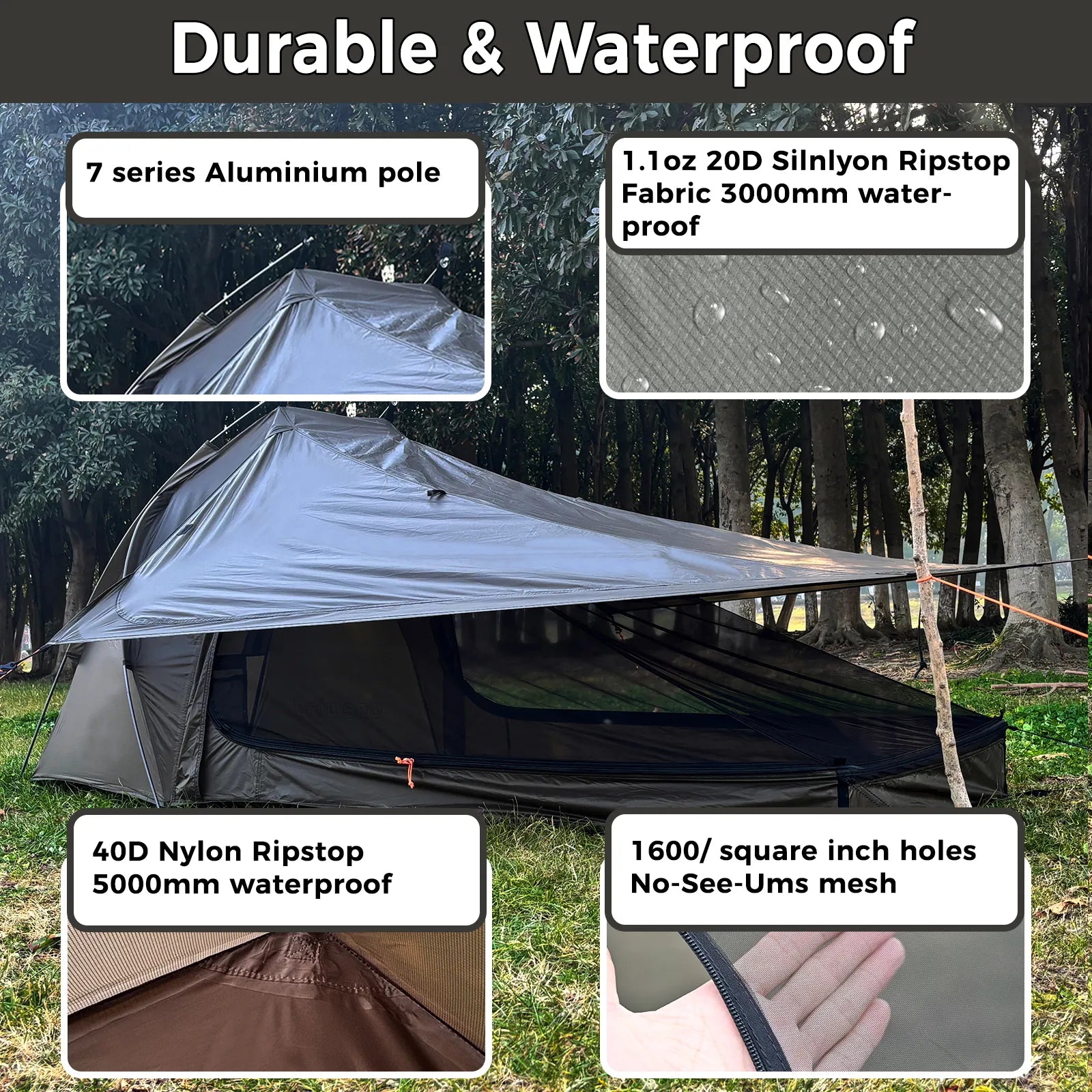
Lame telkvarikatus, kujuga telkvarikatus, matkakepiga varjualune, iseseisev telk, bivakk-varikatus ja võrkkiige vihmakate koormavad vaiasid erinevalt.
Putukavõrk võib tekitada pingepunkte.
Eesruum võib lisada ilmastikukindluse seisukohalt olulisi eeliseid.
Harjajoonele võib kanda palju suuremat koormust kui külgpaneelile.
Onewindi vaiade kollektsioon hõlmab telke, katteid, aluskatteid, varikatusi ja võrkkiikede vihmakatte kasutust, mis on kasulik meeldetuletus.
Sama vai võib ühes paigutuses olla õige ja teises nõrk.
Kaardista varjualune enne vaiakomplekti pakkimist.
Ära määra komplekti ainult toote etiketilt.
Joonistan selle kaardi kui ankrutöid, mitte kui varustuse nimetusi.
Sildid on "tipp", "tuulepealne nurk", "eesruum", "külgmine väljapikendus" ja "aluskate", sest need sõnad ütlevad mulle, kui oluline on tõrge.
Viga 3: Paljud järjestuslehed loetlevad parimaid vaiasid, kuid
Viga on käsitleda paremusjärjestuse võitjat pakkimisplaanina.
Parim vaiade loend on sisend.
See ei ole lõppvastus.
CleverHiker ja OutdoorGearLab hindavad mõlemad mitut jõudlusnäitajat, mistõttu üksainus number ei saa komplekti üle otsustada.
Kaal ilma kandekindluseta on vaid pool lugu.
Hoidmisjõud ilma pakkimisvõimeta võib olla pikal marsruudil vale valik.
Vastupidavus ilma maapinnaga sobivuseta võib ikka liivas või lumes alt vedada.
Kasuta järjestusi kandidaatide lühinimekirja koostamiseks.
Seejärel määrake kandidaadid ankrutöökohtadele.
See lisasamm ongi koht, kus tehakse tegelik ülikerge varustuse valik.
Üks nimekiri võib premeerida kõige kergemat varianti.
Veel üks raport võib premeerida hoidmisjõudu.
Teie varjualune vajab endiselt roll-põhist vastust, sest üksik vai, mis võidab ühes kategoorias, võib ühe ankurduspunkti jaoks olla vale.
Viga 4: Paljud tootelehed loetlevad materjali
Materjaliloendid on kasulikud, kuid need võivad varjata kuju ja maapinda.
7075 alumiinium, titaan, süsinikkiud, teras ja plast ei ole iseenesest otsused.
Õhuke titaanist konks ja laiem titaanist V-kujuline vai ei käitu samamoodi.
Y-kujuline alumiiniumvai ja ümar alumiiniumtihvt ei talu sama joonekoormust.
REI järgi nõuavad liiv ja lumi nende keskkondade jaoks mõeldud vaiasid.
Materjal on vaid üks valiku kihtidest.
Üldiseks matkamiseks mõeldud pinnase jaoks, Onewind alumiiniumist telgivaiad pakkuda praktiline kesktee: piisavalt kerge seljakotimatkaks, vormitud suurema haarduvuse jaoks kui õhuke tikk ning nähtav helkivate tõmbenööride kaudu.
Ära palu sellel samal vaial asendada tõelist liiva- või lumeankrut, kui pinnas ütleb teisiti.
Viga 5: ehita grammi kohta hoidejõu raamistik
Viga on raamistikust möödahiilimine ja otse mastaapi hüppamine.
Hoidmisjõud grammi kohta algab ankrutööga.
Varikatuse kõrgust hoidval tipuvaiul on suurem hoidmisjõu nõue.
Madal külgmine kinnitusaas nõuab vähem.
Pehme pinnas suurendab nõudeid.
Tuul tõstab selle uuesti üles.
Tume pakkimine lisab veel ühe nõude: nähtavuse.
Peegeldavad tõmbepaelad ja erksad otsad ei tee telgivaia tugevamaks, kuid aitavad teil selle enne laagrist lahkumist üles leida.
Kui soovite lihtsat välireeglit, kasutage seda: pakkige kõige kergem vai, mis läbib koormus-, pinnase-, ilma- ja väljatõmbamistestid.
Kui see ei läbi ühte testi, siis ei ole see selle ankru jaoks õige ülikerge vai.
Samuti arvestan, mitu vaiakest võin kaotada, enne kui varjualune muutub ohtlikult ebastabiilseks.
Lühikeseks ilusate ilmadega reisiks võib ühest varuosast piisata.
Kaugemal toimuvaks tarp-matkaks kivise pinnase ja tuulise avatud alaga võib turvalisem lahendus olla kaks varunööri või väike segu varunöörist ja maasse kinnitatavatest surnud ankru variantidest.
Kiire otsustamise kontrollnimekiri
Kasuta kontrollnimekirja enne ostmist ja enne pakkimist.
Kui soovite üldotstarbelist kerget Y-kujuliste vaiade komplekti, alustage Onewind alumiiniumist telgivaiad ja sobita iga vai tegeliku ankurtööga.
Varjualussüsteemide puhul, mis koormavad rohkem presendi nurki, tippe või vihmakatte kinnituspunkte, võrrelge laiemat Presendid ja varjualused kogu valik enne kui otsustate, kui palju vaiasid ja varuvaiasid kaasa pakkida.
Liiva, lume, külmunud pinnase või tugeva tuule korral vali kõigepealt ankurmeetod ja seejärel ülima kerge vaia meetod.