
I went through the current REI and National Park Service family camping guidance for one reason.
Most beginner family camping checklists are technically complete and practically useless.
They tell you every object that could exist at a campsite.
They do not tell you what actually breaks a first trip.
For most families, the first trip does not fail because someone forgot a camp mug.
It fails because the tent is too tight, the kids are cold after sunset, the bathroom plan is fuzzy, dinner is late, or nobody can find a headlamp when the first child needs to pee.
That is why this guide uses a different structure.
Instead of packing by broad category, you will pack by failure point.
Sleep first.
Then weather.
Then food and water.
Then kid-specific comfort and bathroom management.
Everything else is optional until those four systems are covered.
What You'll Learn in This Guide
10 TIPS FOR CAMPING WITH KIDS
The core idea is simple.
For most beginners, a successful family camping checklist should protect the first weekend, not prepare you for every possible future trip.
That means choosing the safer default.
A developed campground close to home is usually better than a remote dream destination.
A slightly bigger tent is usually better than a cramped one.
A tarp, dry sleep clothes, and a clear bathroom plan are usually better than one more piece of entertainment gear.
Quick Answer
If you only remember one thing from this article, remember this:
For most beginner family trips, choose a developed campground, upsize comfort before accessories, and cover sleep, weather, water, and kid nighttime comfort before anything else.
That is the smarter default.
Not the flashier one.
- ✓ Default packing order: sleep first, weather second, water and food third, kid comfort always visible.
If you need shelter examples, start with a compact SmartPeak Teepee Tent 2 Person, add a Tent Footprint, and size up to a roomier family shelter before you buy less important extras.
The Biggest Checklist Mistake: Packing by Category Instead of Failure Point
This is the part most generic camping checklists miss.
They assume equal importance across every item.
That is not how first trips work.
A forgotten serving spoon is annoying.
A child without a dry layer at 9 p.m. is trip-altering.
REI and NPS overlap on the same operational truth.
The basics are not glamorous.
They are shelter, bedding, water, lights, layers, and a campsite setup that works in the dark.
So build your family checklist around the moments that create stress.
Not around store departments.
That one change makes the entire list easier to use.
The Weekend-First Packing System
This is the system I would use for the first trip because it matches how campsites actually break down in real time.
You do not need one giant camping tote.
You need to be able to grab the sleep bin the second the sun starts dropping.
You need the weather bin the second the forecast shifts.
You need the kid bag when one child gets cold and the other spills juice on their hoodie.
REI expert advice supports this modular approach directly.
It recommends keeping gear organized in separate bins and giving each child a predictable bag for personal items.
That matters more than it sounds.
When kids know where their own pajamas, flashlight, and water bottle live, the campsite feels less chaotic.
When adults know the kitchen is one bin and cleanup is another, dinner starts faster.
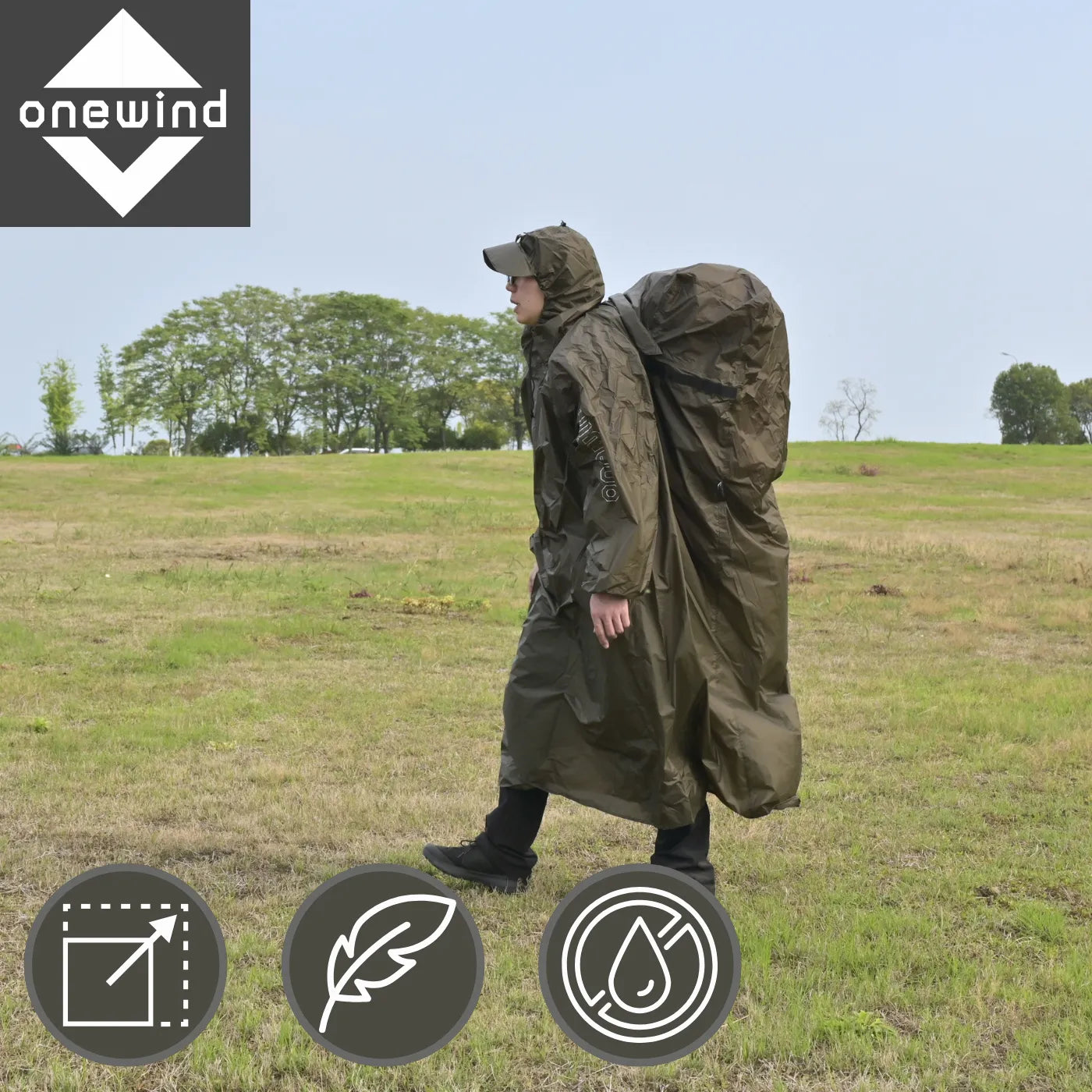
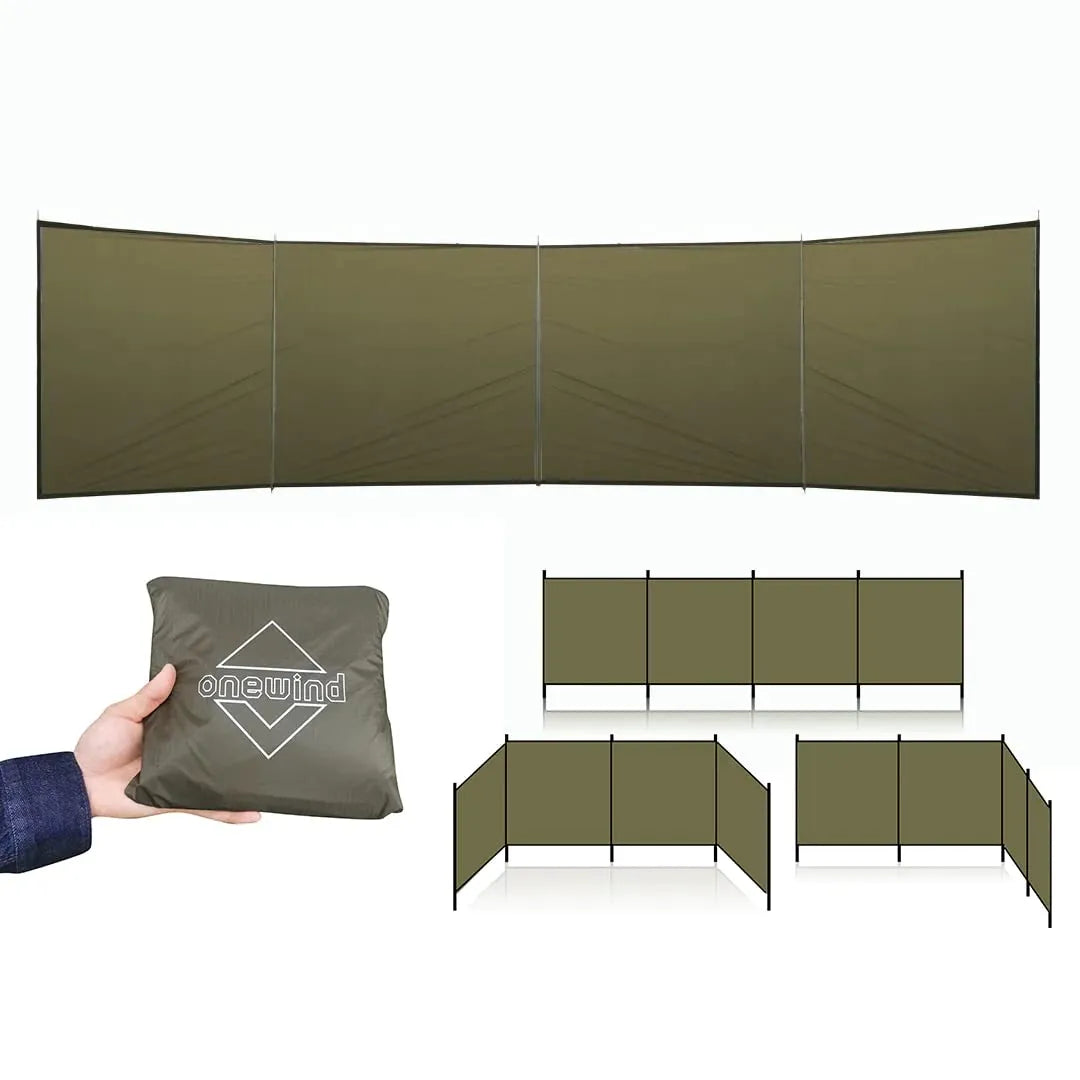
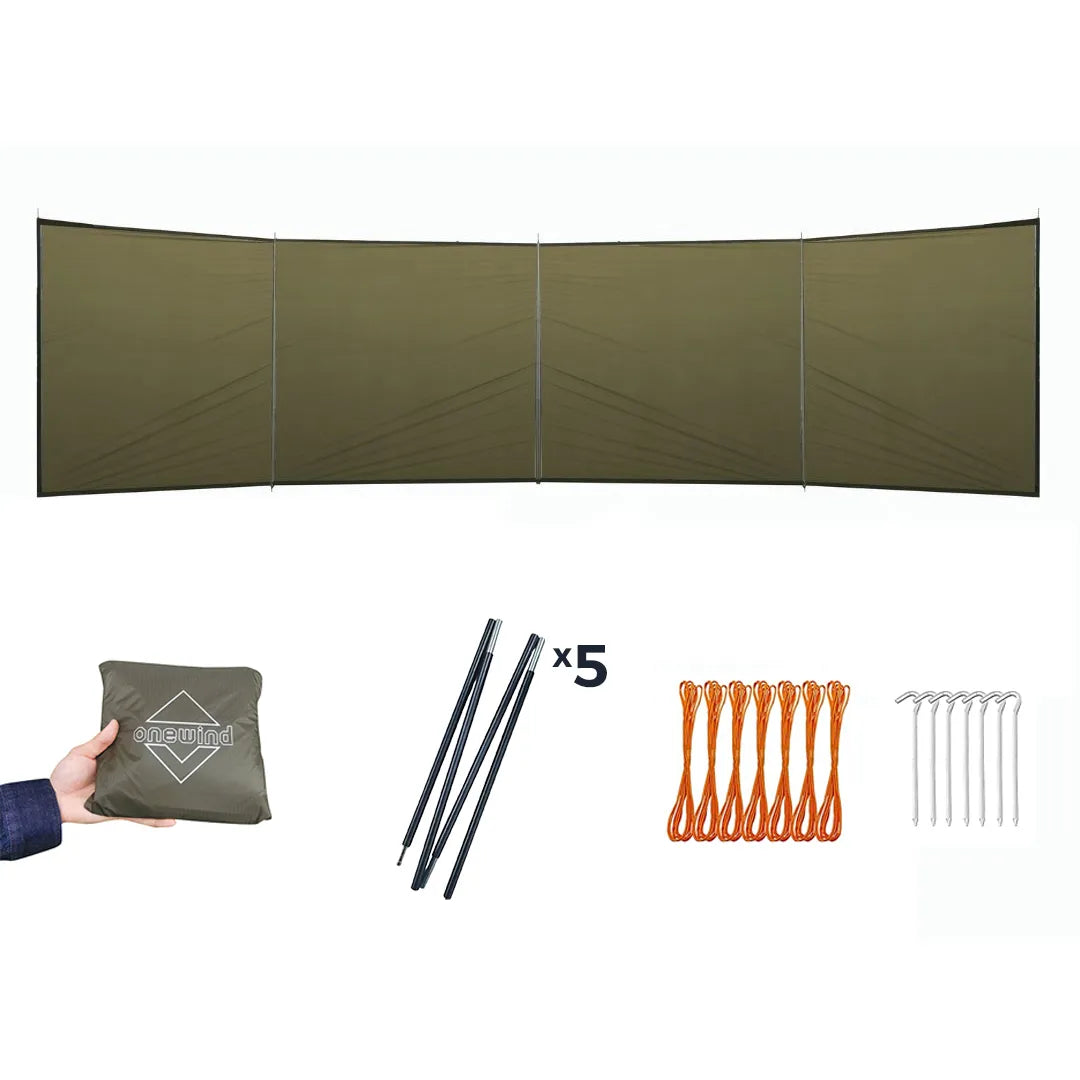
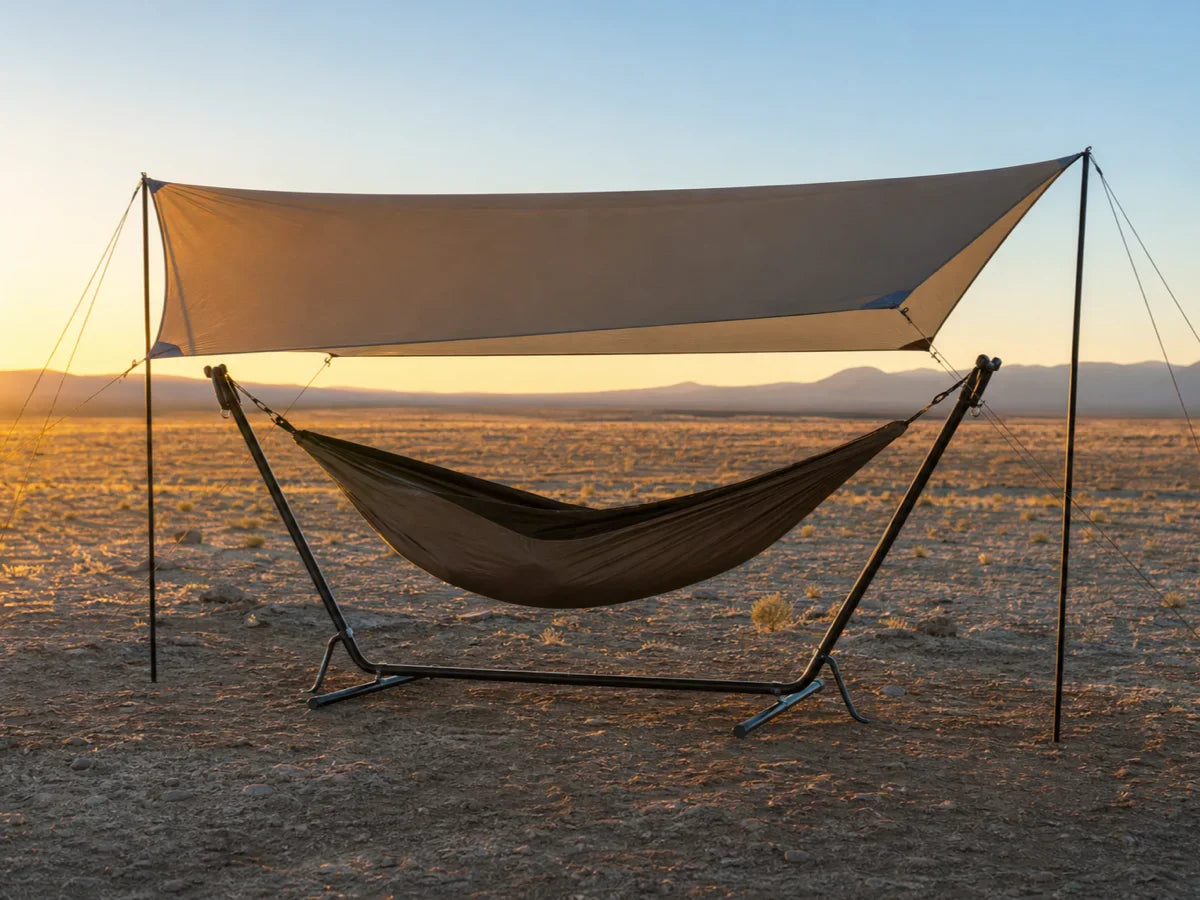
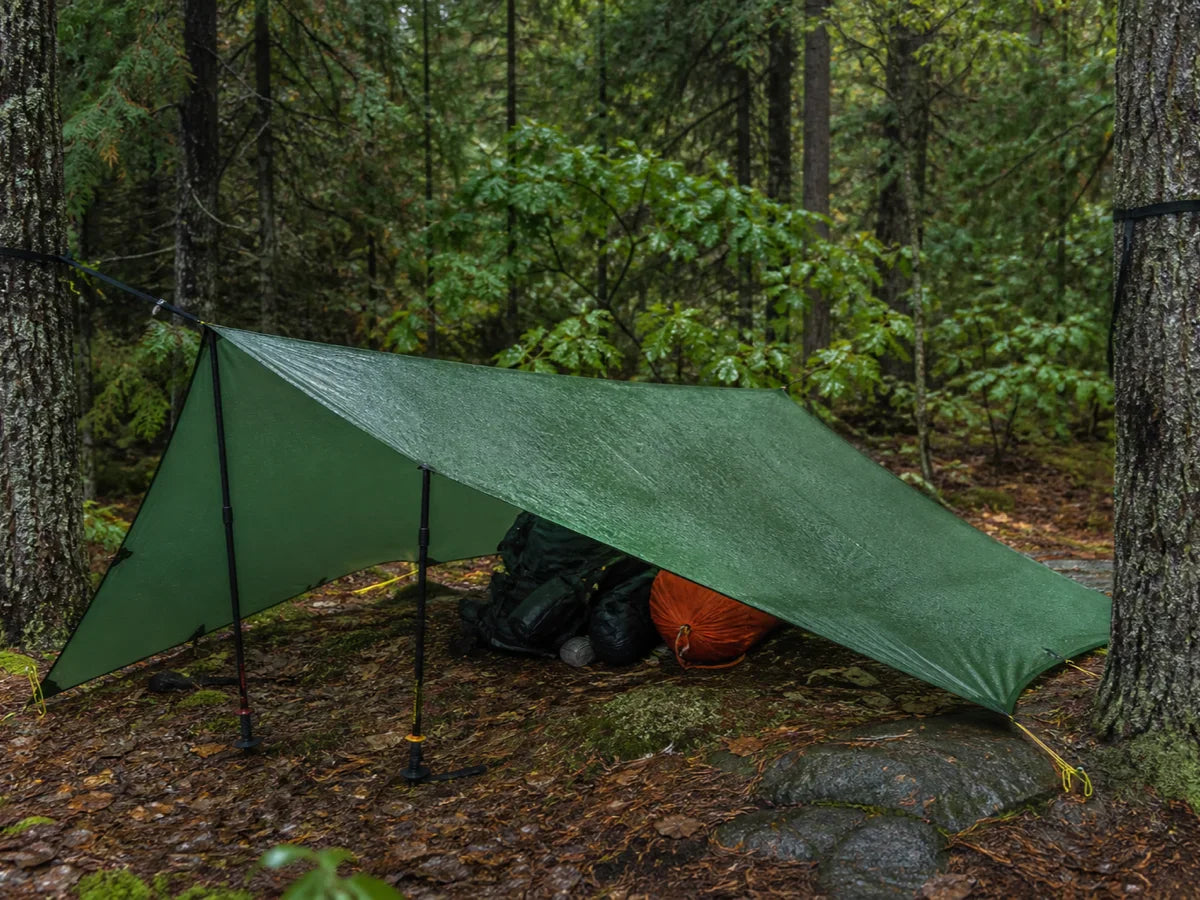
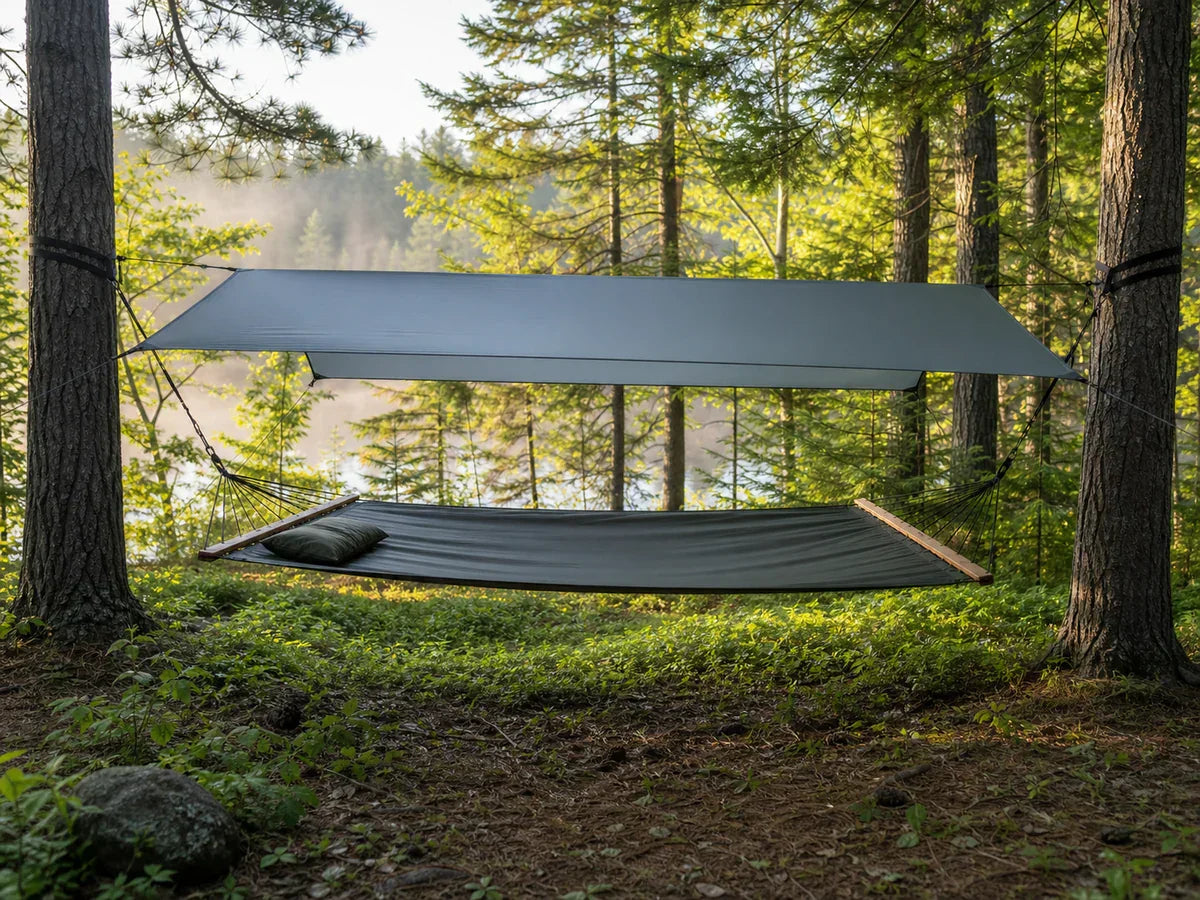
If your campsite layout needs extra weather help, the Billow Ultralight Hammock Tarp Shelter 12' or the Tarps & Shelters Collection fits naturally into the weather bin.

Your Actual Beginner Family Camping Checklist
Here is the practical filter:
If an item protects sleep, dryness, food, hydration, visibility, or bathroom access, it belongs.
If it exists to make a good trip slightly prettier, it is optional.
That filter keeps the first trip sane.
Data from NPS gives a useful reality check on bedding and hydration.
Its camping guidance treats water as the top survival need and gives a rule of thumb of 2 liters per person per day or more, especially in hot weather.
For families, that is a floor.
Not a target.
You still need water for food and dishes.
NPS also notes you should match bedding to actual weather and change into dry clothes before bed.
That is one of those tiny details that matters disproportionately with kids.
Going to sleep in damp clothes feels minor at 7 p.m.
It feels terrible at 2 a.m.
For comfort add-ons that are actually useful, a Camping Pillow earns its place earlier than most parents expect.
Sleep comfort is not luxury on a first trip.
It is risk management.

Family-Specific Numbers That Matter
These are the numbers I would actually write on a printable checklist.
They are specific enough to guide action.
They are also easy to remember at camp.
Tent size is the one parents underestimate most.
REI’s tent guidance is blunt about this.
Capacity labels are close fits.
If you want room for a small child, messy sleepers, or extra elbow room, upsize.
That makes a roomier shelter a safer default than a perfectly packed smaller tent for many first family trips.
The next overlooked number is lights.
Children do better when they know exactly which light is theirs.
A shared flashlight system sounds fine at home.
It breaks down immediately when one child needs the bathroom and another is trying to find pajamas.
Then there is dish cleanup.
NPS recommends three basins: soap, rinse, sanitize.
That sounds fussy until you try to clean up after dinner with kids asking for dessert and parents trying to protect bedtime.
Simple systems beat vague intentions.
The IF/THEN Decision Framework
At this point the checklist becomes a decision tool instead of a shopping list.
For most families, the first trip should feel easy enough that everyone agrees to go again.
That should be the benchmark.
Not whether the campsite looked impressive.
If you have to choose between more fun gear and more weather protection, choose weather protection.
If you have to choose between a slightly bigger tent and an extra gadget, choose the bigger tent.
If you have to choose between a second game bag and a clearer bedtime setup, choose the bedtime setup.
That is the best first-trip logic.
And it is why the Camping Gear Collection makes more sense as a supporting pool of options than as a mandate to buy everything at once.

5 Real Family Scenarios
EASY Family camp set up using air tent
Scenario 1: Family Of Four On A One-Night Campground Trial Run
This is the ideal beginner test case.
Choose a site close enough that leaving early does not feel catastrophic.
Pack only one easy dinner, one easy breakfast, and the core sleep system.
Verdict: Choose the shortest checklist that still protects sleep, water, and weather.
Scenario 2: Two Adults And A Toddler
Your trip is not really about toys.
It is about reducing friction between dinner and sleep.
Pack a bathroom shortcut, one backup sleep layer, wipes, and one familiar bedtime item.
Verdict: Choose toddler logistics over campsite aesthetics every time.
Scenario 3: Two Adults And Grade-School Kids
This is the point where individual ownership starts to matter.
Each child should have their own light, their own water bottle, and one meaningful job.
That might be carrying napkins, laying out sleeping bags, or helping fill bottles.
Verdict: Choose structure before freedom and the campsite gets easier fast.
Scenario 4: Rain In The Forecast
A first family camping trip in questionable weather can still work.
But only if weather cover is treated like core gear instead of optional backup.
Stage the tarp and dry clothes early.
Do not wait until dinner.
Verdict: Choose cover, dry storage, and a simple hot meal before you pack one more entertainment item.
Scenario 5: Debating A 2-Person Vs. 3-Person Tent
This is usually not a technical tent debate.
It is a sleep-quality debate.
If your family already feels tight on floor space in the living room, it will feel tighter at 1 a.m. in a campground.
Verdict: For most beginners, choose comfort capacity first and grow into the extra room.
The First 30 Minutes At Camp
Most checklists tell you what to bring.
Very few tell you what to do first.
That is a miss.
The order matters.
The NPS report on camping basics specifically says filling a water jug early is one of the first things to handle on arrival.
That is exactly right.
Water, shelter, and bedtime setup are the three tasks that protect the rest of the evening.
Only after those are stable should you bother optimizing the campsite.
If the ground is rough or wet, the Tent Footprint and a clean stash of Aluminum Tent Stakes do more for your evening than one more decorative extra ever will.
Final Verdict
The best family camping checklist for beginners is not the biggest list on the internet.
It is the list that gives you the highest odds of wanting to do a second trip.
For most families, that means a developed campground, a tent with breathing room, an early water-and-shelter setup, and a checklist built around the moments that usually go wrong.
That is the smarter first move.
If you want to turn this into an actual starter setup, begin with your shelter and weather system first: a SmartPeak Teepee Tent 2 Person, a Tent Footprint, and weather cover from the Tarp & Shelter Collection.
Then stop.
You probably have enough for trip one.
Family Dry-Run Plan (Night Before You Leave)
A beginner family trip usually fails before the car leaves the driveway.
The problem is not missing one dramatic item.
The problem is ten small misses that compound at camp.
Do one dry-run the night before departure and you catch most of those misses while stakes are low.
Start with sleep.
Lay out the full sleep system in the living room: tent, groundsheet, pads, sleeping bags, kid comfort item, and each person's night light.
If a child cannot find their own night light in under ten seconds, your camp bedtime will become chaotic.
Then run the kitchen block.
Test stove ignition, verify fuel level, and stage one simple meal from your plan.
If dinner requires three pans and six tools at home, simplify it now before you cook outdoors in wind.
Next, run bathroom and hygiene.
Put wipes, toilet paper, sanitizer, and a full spare set of kid clothes in one clearly labeled bag.
That bag should stay near the car door, not buried under sleeping gear.
Finally, do a weather backup drill.
Pretend forecast just shifted to rain.
Can you reach tarp, spare layers, and dry bags in under one minute?
If not, repack so weather gear sits on top.
This single repack decision prevents the most common beginner spiral: unloading everything in rain to find one missing layer.
If your family can complete this dry-run in under one hour, your first night success rate goes up fast.
Everyone starts camp calmer, kids see a predictable routine, and parents stop solving avoidable emergencies after dark.

Shop Family Shelter Options
Shop Now →