
A bivy sack is one of the smallest shelters a camper can carry, but the definition is easy to misunderstand.
According to OutdoorGearLab's bivy category testing, the useful questions are weather protection, comfort, packed size, and ventilation, not the label printed on the stuff sack.
A bivy sack protects the sleeping system.
It does not create a room.
That one distinction explains most good bivy nights and most bad ones.
Use a bivy sack when the trip rewards a compact sleep-first shelter and you can manage site choice, airflow, entry, and gear storage.
Skip it, or add tarp coverage, when you need tent-like space, repeated wet-weather comfort, or a primary shelter from an emergency-only bag.
What You'll Learn
You will learn the difference between a sleeping bag cover and a shelter workflow.
You will see why some campers love bivies for short solo trips and why others give up after one damp night.
You will get a first-night setup sequence that works before the weather gets complicated.
You will also know when to move from a flat bivy sack to a structured bivy tent, tarp system, or normal tent.
Quick Answer
A bivy sack is best understood as a sleep-system shell.
It wraps the sleeper, pad, and bag in a low-volume shelter that packs small and needs little ground space.
That narrow shape is the advantage.
It is also the tradeoff.
The camper must manage breathing space, moisture, entry, and gear outside the bivy.
If those jobs sound annoying, a tent may be the better shelter.
If those jobs sound manageable, the bivy can be an efficient solo tool.
The Decision Framework

Start with the job, not the category.
If the job is backup survival, an emergency bivy can make sense because comfort is not the score.
If the job is planned overnight sleep, the bivy has to handle condensation, entry, and a real sleeping pad.
If the job is a rainy camp where boots, pack, layers, and cooking gear need protected space, a bivy alone is usually too narrow.
Wikipedia's definition of a bivouac sack gives the basic idea: a light shelter around a sleeping bag.
The field decision is more specific.
You are choosing how much shelter volume you can give up before the night becomes harder, wetter, or less safe.
What a Bivy Sack Actually Covers

A bivy sack covers the sleep system more than the campsite.
That makes it different from a tent.
The pad and quilt go inside or partly inside the shell depending on the design.
Your body heat, breath, and wet clothing also enter the same small space if you are careless.
That is why a bivy can feel warm and efficient on a dry night but damp and frustrating in cold humidity.
The shell protects from splash, wind, light precipitation, insects if mesh exists, and ground contact.
It does not automatically solve boot storage, pack storage, cooking shelter, or changing clothes.
Those tasks move outside the bivy.
Plan them before dark.
The Six Bivy Types
Bivi Bags Explained: Pick the Right One First Time

These categories should not be mixed together.
An emergency bivy is not the same as a planned shelter.
A bug bivy is not the same as a waterproof shell.
A bivy tent is not the same as a full-height tent.
OutdoorGearLab's bivy coverage is useful here because it treats comfort, weather protection, packed size, and ventilation as separate performance areas.
That separation matches what happens in camp.
The shelter can pack beautifully and still feel wrong if the face area is cramped.
It can block wind and still collect condensation.
It can have mesh and still need a tarp in rain.
Name the exact type before you judge whether a bivy is right.
First-Night Setup Workflow
How to use a Bivy Bag + Sleeping Bag - The Ultimate Guide

Do the first bivy night when the forecast is boring.
Late-night learning in rain is a bad test.
Start on durable ground that drains naturally.
Avoid low pockets where cold air and water collect.
Face the entry away from wind if the design allows it.
Lay out the pad and quilt before you crawl in.
Put the headlamp, water, and layers where your hand can reach them.
Decide where boots go before the bivy is open.
Vent the shell before you feel damp.
Morning tells the truth.
Touch the inside wall, the top of the quilt, and the footbox.
If anything is damp, change the next setup before you trust it farther from home.
Condensation Is the Skill

Condensation is not a small side note.
It is the bivy skill.
A bivy creates less air volume around the sleeper than a tent.
Less air volume means moisture from breath and body has fewer places to go.
Reddit ultralight discussions show this divide clearly: some users love the footprint and low profile, while others decide a tent is simpler once moisture becomes part of the trip.
Both responses make sense.
A dry one-night trip gives a bivy room to work.
A multi-day wet route gives every mistake time to compound.
Use airflow early.
Do not wait until the inside feels wet.
If rain forces the bivy closed, add tarp coverage or choose a different shelter.
Where Your Gear Goes

A tent gives you zones.
A bivy gives you sequence.
That is the key difference in gear handling.
You cannot spread wet items around a narrow shell and expect the sleep system to stay dry.
Put dirty and wet items outside the bivy before entry.
Keep one small dry bag for items that must stay clean.
If rain is likely, use a tarp or pack cover to create a working zone.
The bivy is for sleep.
Treat everything else as staging.
When a Tarp Belongs Above the Bivy

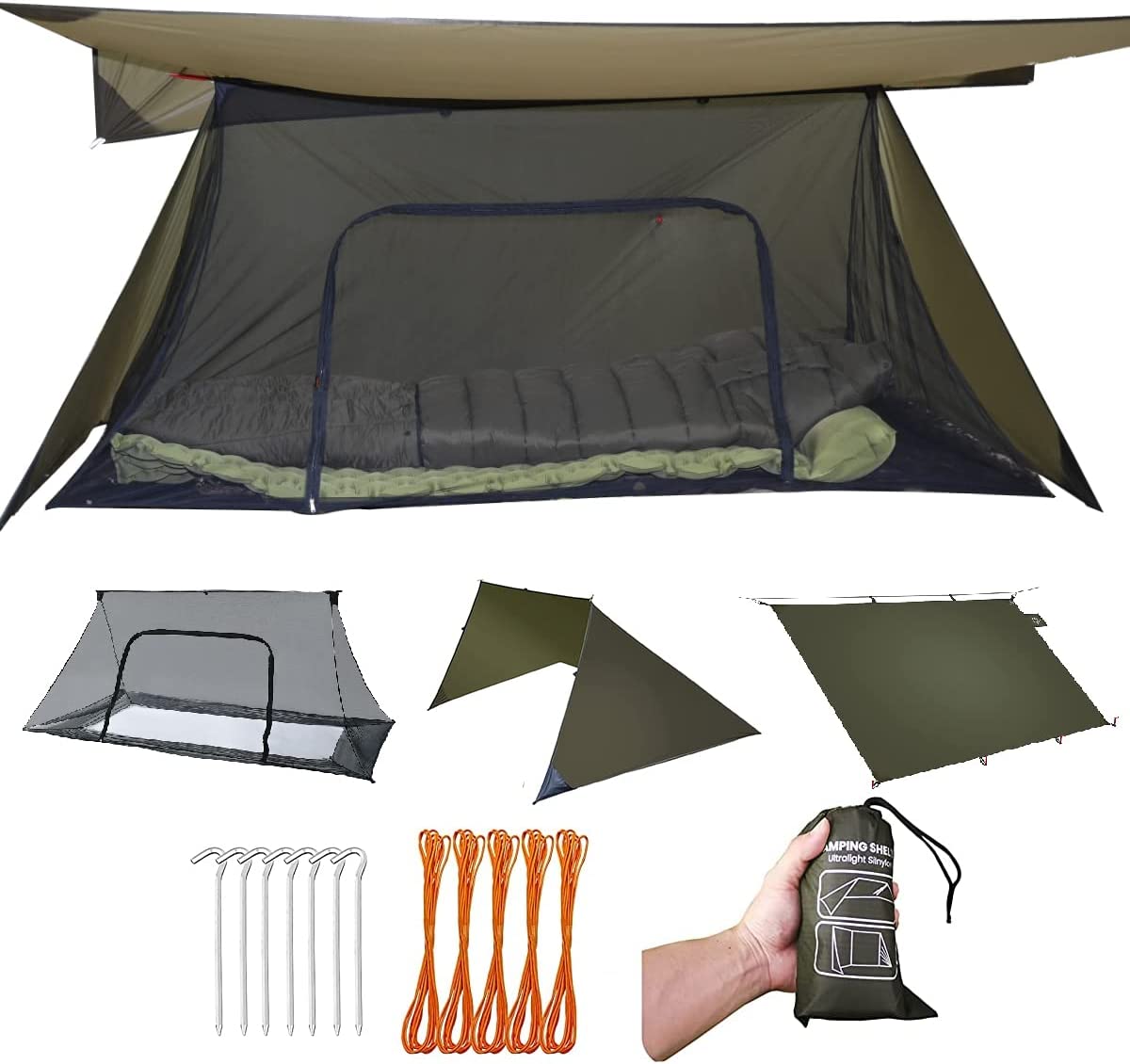
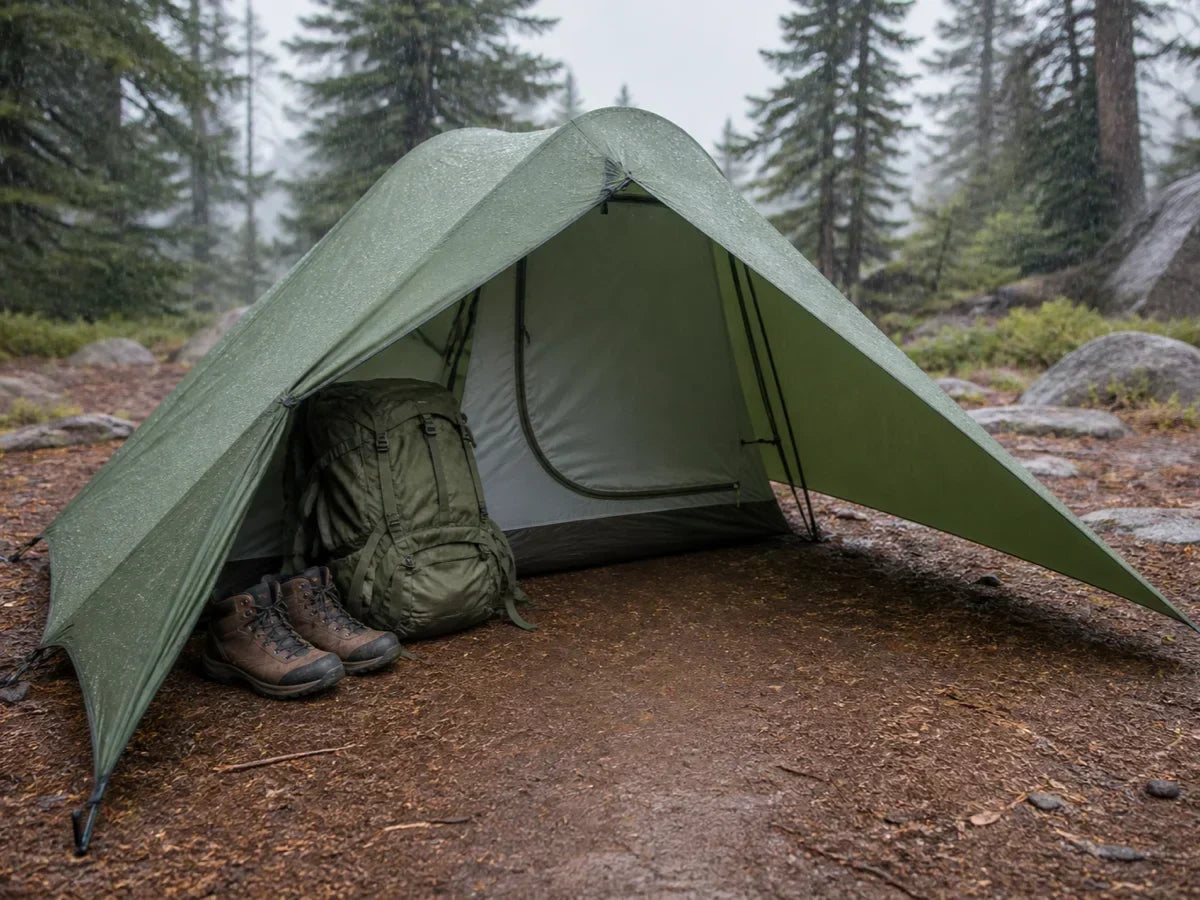
A tarp changes the bivy from a sealed sleep tube into a workable shelter system.
The tarp protects entry.
It gives boots and pack a dry edge.
It lets you vent the bivy more aggressively in rain.
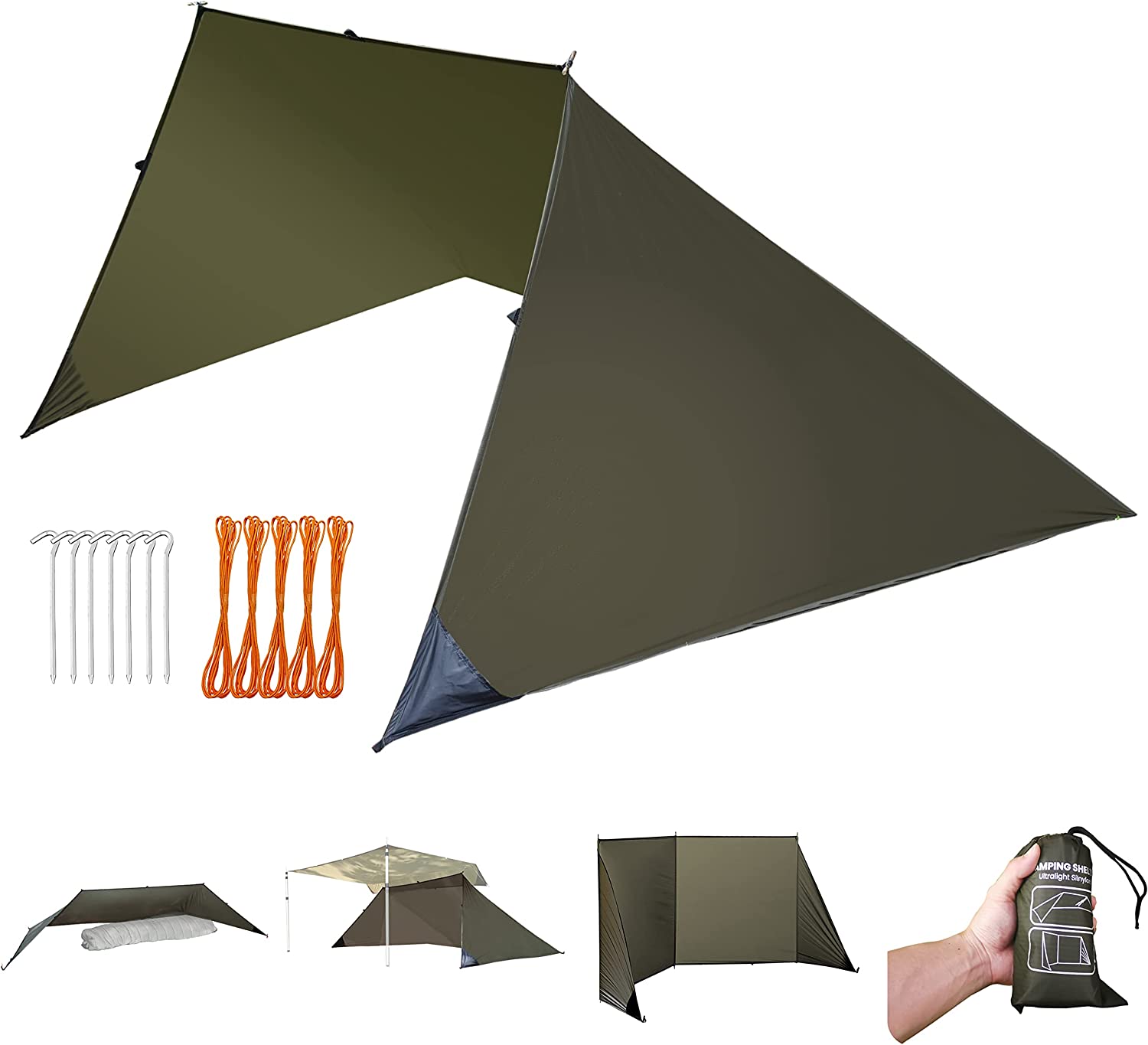
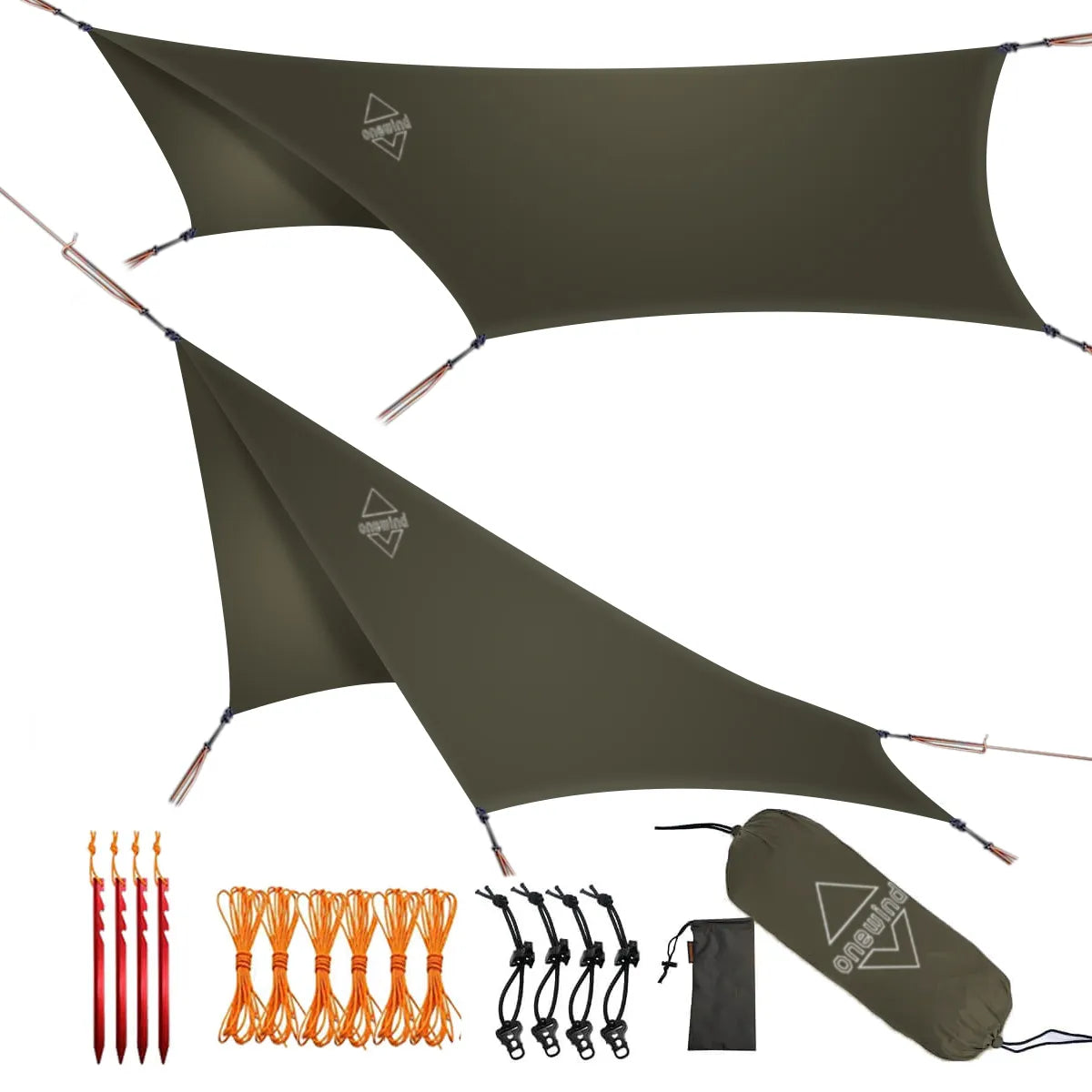
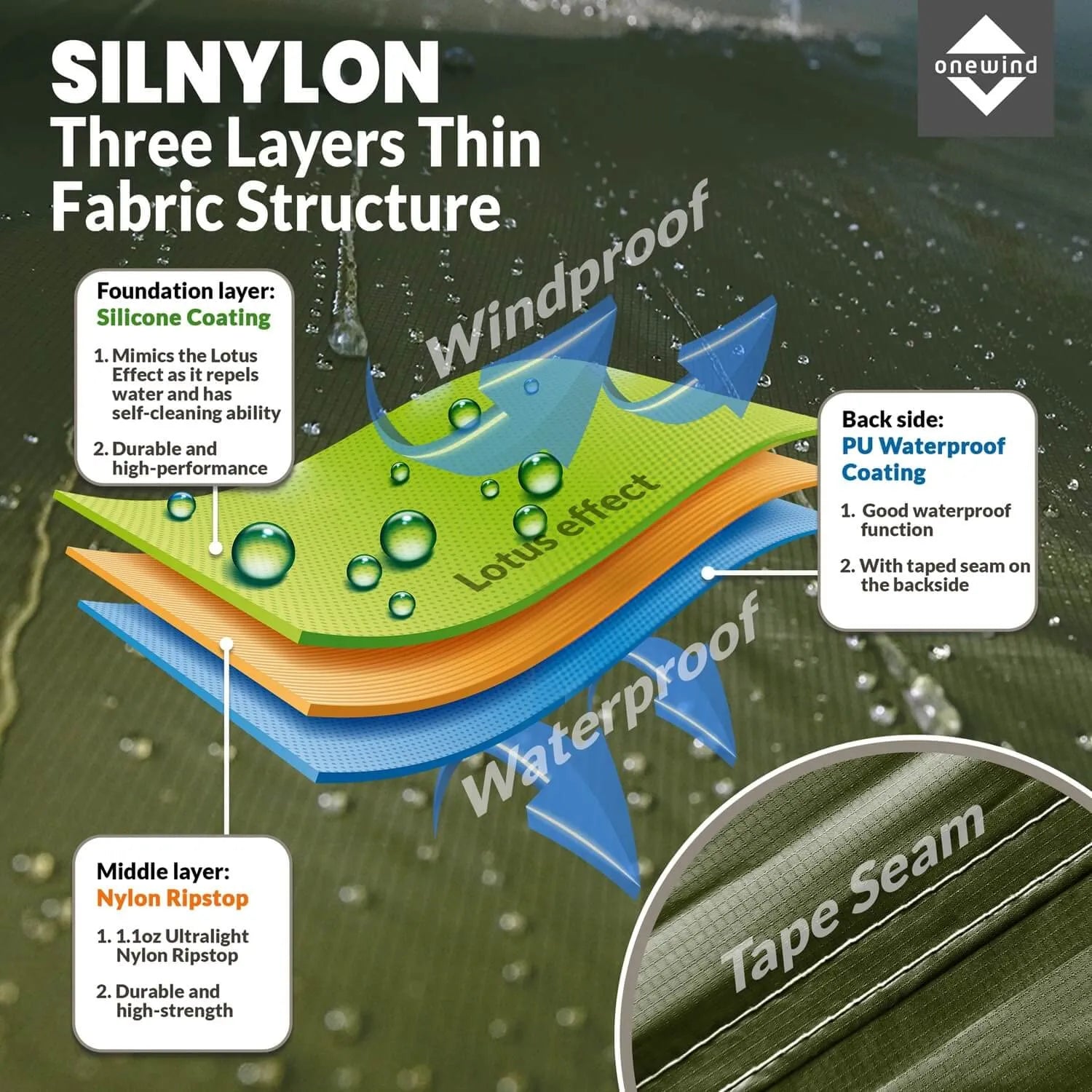
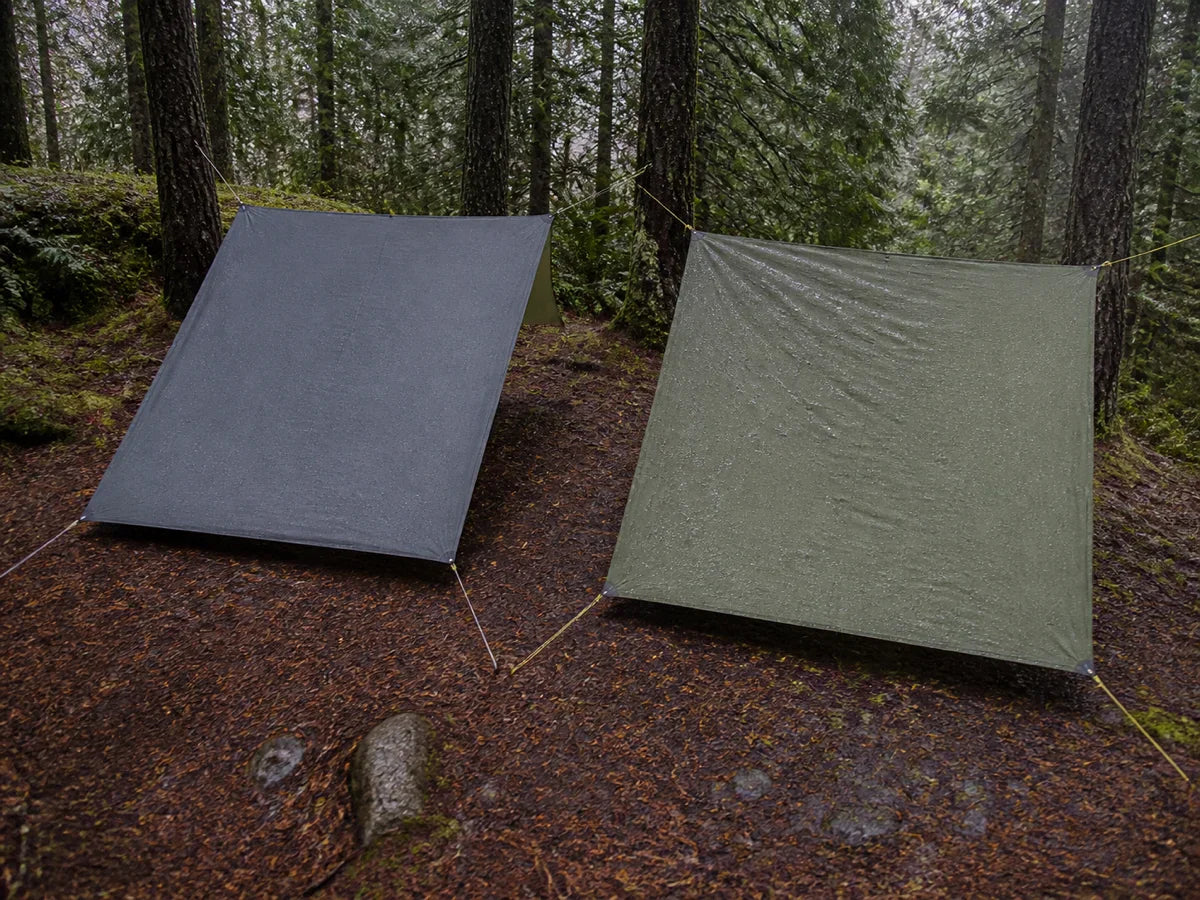
The Onewind 12 ft silnylon tarp fits this part of the conversation because it adds overhead rain workflow without turning the bivy into a tent.
The tarp does not remove the need for site choice.
It does not remove condensation.
It gives you more control over those problems.
If your forecast includes rain or heavy dew, decide on tarp coverage before the trip.
Do not discover the need after your quilt is already damp.
Where a Bivy Tent Fits

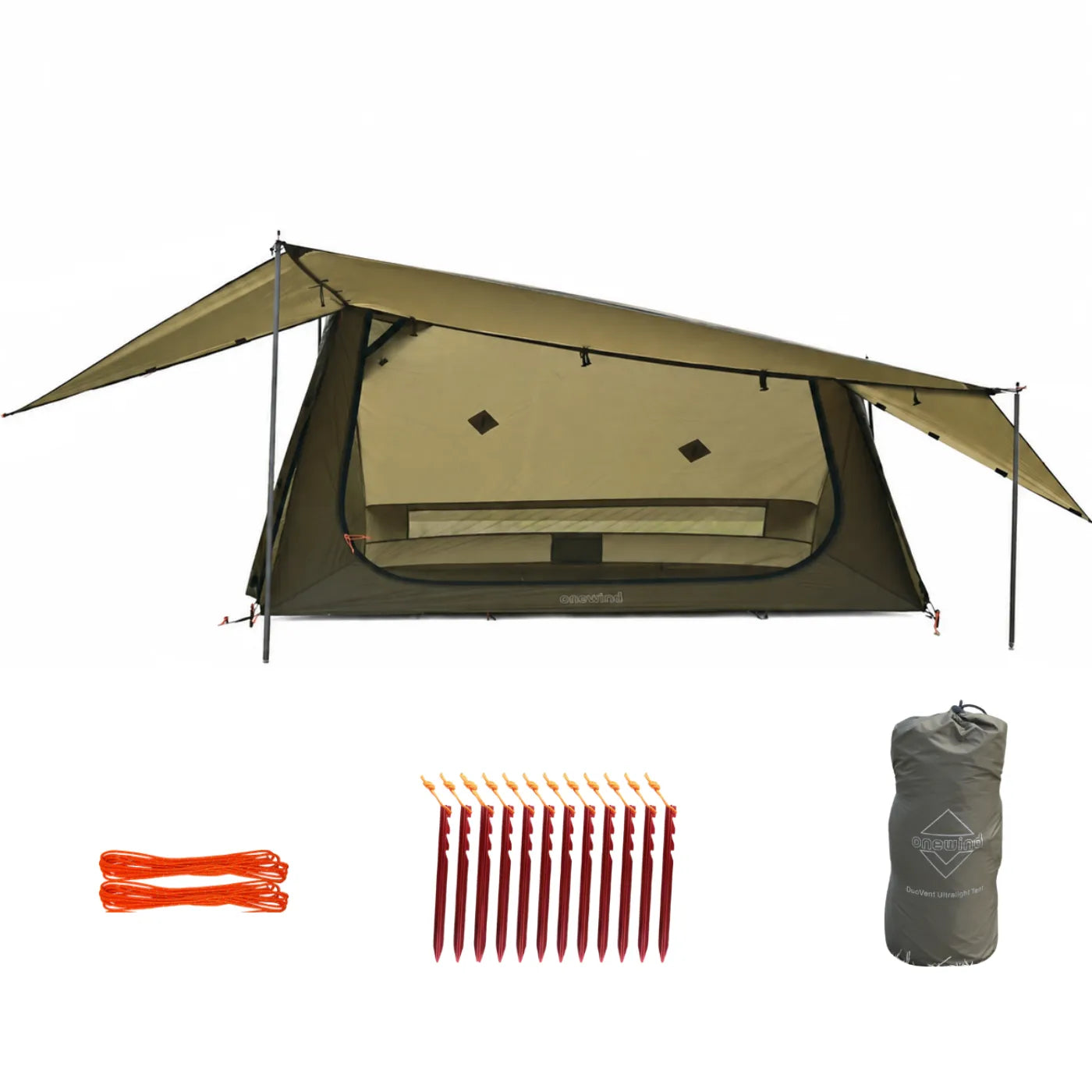
The Onewind Ultralight SoloVent Bivy Tent belongs between a simple bivy sack and a full tent.
Onewind product data lists the live handle as /products/updated-bivy-tent, a $139.90 price, OD Green variant, silnylon shelter positioning, and an 1100g variant weight field.
That data matters because the product should not be framed as an emergency blanket or a gram-only sack.
It is a structured solo bivy-style shelter.
Mesh and shape can make the sleep space easier to use.
They do not create a vestibule or sit-up room.
Choose this kind of shelter when the low-profile solo format is the goal.
Choose a tent when protected living space is the goal.
Scenario 1: Beginner Asking If It Is Just a Sleeping Bag Cover

The short answer is no.
A bivy sack is not just a sleeping bag cover if you plan to sleep outside in it.
It is part of the shelter system.
It may cover the sleeping bag, but it also changes airflow, entry, bug protection, and gear handling.
A cover is a layer.
A bivy night is a routine.
Start with a dry practice night near home.
Put the exact pad and quilt inside.
Zip or close the bivy the way you would in camp.
Lie there long enough to know whether the face space feels comfortable.
If it feels cramped at home, it will not feel better after a hard hike.
Verdict: treat a bivy sack as a small shelter workflow, not as a simple cover you throw over any sleeping bag.
Scenario 2: First One-Night Bivy Test

The first proper bivy trip should be short and boring.
Choose mild weather, a known route, and a site where you can adjust if the setup feels wrong.
Bring the same insulation you expect to use later.
Do not test the bivy with a random summer bag if your real trip uses a taller quilt and thicker pad.
Check three things in the morning.
Was the inside wall damp?
Did the quilt touch wet fabric?
Could you enter and exit without dragging dirt into the sleep space?
That small report is more useful than a gear review.
If the bivy passed, move to a slightly more demanding trip.
If it failed, fix site choice, airflow, tarp coverage, or shelter type before going farther.
Verdict: use a one-night mild-weather test to prove your bivy workflow before relying on it remotely.
Scenario 3: Bikepacker Choosing a Bivy for Packed Volume

Bikepackers often understand bivies faster than backpackers.
The bike punishes awkward packed shapes.
A compact bivy can fit where tent poles and a larger fly do not.
That packed-volume advantage is real.
It still does not erase the bivy routine.
Boots become shoes beside the bike.
The pack becomes frame bags.
Rain gear still needs a dry place.
If the route has short camps, late arrivals, and mild weather, a bivy can be efficient.
If the route has long rainy camp hours, the tent or tarp system gets stronger.
Use the bivy because it solves the bikepacking constraint.
Do not use it because the word ultralight sounds automatically better.
Verdict: choose a bivy for bikepacking when packed shape is the hard constraint and the overnight plan remains sleep-focused.
Scenario 4: Wet-Climate Camper Deciding About a Tarp

Wet climates expose the bivy weak point.
The problem is not only rain falling on the shell.
The problem is opening the shelter, handling wet gear, and venting without soaking the insulation.
According to the source consensus across bivy testing and community reports, tarp coverage is often the difference between a neat bivy idea and a workable bivy system.
Use the tarp when the forecast includes rain, heavy dew, or long humid nights.
Pitch it low enough to block rain but high enough to allow airflow.
Keep the bivy opening under cover.
Stage boots and pack under the tarp edge.
If the route has several wet nights and no drying window, a tent may still be better.
The tarp improves workflow.
It does not make a bivy into a room.
Verdict: add a tarp above a bivy for wet climates unless the trip is short, dry, and already tested.
Scenario 5: Emergency-Kit User

An emergency bivy is backup insurance.
It is not the same decision as choosing a primary shelter.
The emergency version is judged by packability, heat retention, visibility, and speed.
Comfort is secondary.
That is fine when the plan is a day hike, hunt, ride, or route where a forced stop is possible.
It is not fine when the plan is a normal overnight camp.
A planned sleep system needs ventilation, entry, ground protection, and a dry workflow.
An emergency bivy may help you survive an unplanned night.
It should not be used to justify skipping a real shelter on a planned trip.
Keep the categories separate.
Verdict: carry an emergency bivy as backup, but do not count it as a comfortable primary shelter.
Do Not Use a Bivy Sack If

The honest answer builds trust.
A bivy sack is not a universal shelter.
Do not use it for a first remote trip if the narrow space is untested.
Do not use it as a comfort shelter in long wet weather unless the whole tarp and ventilation system has already worked.
Do not use a meshless emergency bivy as a bug shelter.
Do not expect it to hold boots, pack, wet layers, and sleep insulation at the same time.
The bivy works when its limits match the trip.
It fails when the camper expects it to be a tent.
Common Mistakes With Bivy Sacks

Most bivy mistakes come from treating the shelter as gear rather than behavior.
The bivy is small enough that every sloppy step touches the sleep system.
That is why the routine matters.
Choose the site first.
Stage gear second.
Vent third.
Enter cleanly.
Check moisture in the morning.
Mistake 1: Buying the Wrong Type

The word bivy covers too many products.
An emergency bivy, bug bivy, waterproof sack, hooped bivy, and bivy tent solve different problems.
Buying the wrong one creates false expectations.
A bug bivy may be excellent under a tarp and poor in rain alone.
An emergency bivy may be smart in a daypack and miserable as planned shelter.
A bivy tent may add comfort but still not give tent living space.
Name the job first.
Then pick the type.
Mistake 2: Skipping the Backyard Movement Test

The backyard movement test is not silly.
It is the fastest way to find the deal-breaker.
Use the real pad.
Use the real quilt.
Wear the clothing you expect to sleep in.
Practice reaching the zipper, headlamp, water, and shoes.
Roll to both sides.
Sit up as far as the bivy allows.
If the bivy feels stressful in a safe place, it will feel worse in weather.
Fix that before the route.
Mistake 3: Forgetting Morning Moisture

Morning inspection is part of the setup.
The bivy may seem fine at midnight and reveal the problem at sunrise.
Touch the inside wall.
Check the quilt footbox.
Look near the face opening.
Check the underside of the pad if the ground was damp.
This small data point tells you whether the next night needs more venting, a different site, or tarp coverage.
Do not pack the bivy without learning from it.
Mistake 4: Expecting Product Structure to Remove Skill

Structure helps.
It does not remove the bivy skill.
A hooped bivy or bivy tent can improve face space, mesh clearance, and storm shape.
It can still collect condensation if closed tightly in humid air.
It can still leave boots outside.
It can still feel small to someone who wants a tent.
Use structure as comfort margin.
Do not use it as permission to ignore airflow and gear staging.
The Quick First-Use Checklist
- ✓ Use a bivy sack for compact sleep-first trips.
- ✓ Add a tarp when rain, dew, or gear handling matter.
- ✓ Test the full sleep system before relying on it.
- ✓ Keep emergency bivies in the backup category.
- ✓ Read the bivy vs tent guide if the real question is whether a tent would fit your trip better.
Final Verdict

A bivy sack is a compact shell around a sleeping system.
It is useful because it is small, low, fast, and sleep-focused.
It is difficult because it gives up room, storage, and weather workflow.
Choose it when those limits match the trip.
Choose a tarp, bivy tent, or tent when they do not.
For solo campers who want more structure than a flat sack, the Onewind Ultralight SoloVent Bivy Tent is the relevant Onewind bivy-style shelter to evaluate.
For campers still comparing shelter categories, browse the Onewind shelter collection or use the existing bivy tent guide as the next decision layer.
The best bivy night is not the one with the smallest gear list.
It is the one where the camper knows exactly where the air, water, boots, pack, and sleep insulation go before dark.

Shop the SoloVent Bivy Tent
Shop Now →