
Jeder Camping-Kissenratgeber gibt Ihnen eine Rangliste benannter Produkte und eine Sternebewertung.
Keiner von ihnen sagt dir das, was tatsächlich über deine Nacht entscheidet.
Ein Campingkissen hat eine Aufgabe, und die drei Arten scheitern an dieser Aufgabe auf drei unterschiedliche Weisen.
Wählen Sie den Typ nach dem Fehler, den Sie nicht tolerieren wollen, und nicht nach der Bewertung einer Rezension.
Und das richtige Kissen ist offensichtlich.
Was Sie lernen werden
Schnelle Antwort
Ein Campingkissen hält Ihren Kopf in der richtigen Höhe, damit Ihr Nacken gerade bleibt, und es muss das tun, ohne von der Unterlage zu rutschen.
Drei Typen teilen die Arbeit unterschiedlich auf.
Aufblasbar ist am leichtesten und lässt sich auf ein Minimum zusammenpacken, rutscht jedoch, fühlt sich kalt und hart an und kann innerhalb weniger Monate undicht werden.
Komprimierbarer Schaumstoff ist am bequemsten und am zuverlässigsten, aber er ist schwer und sperrig.
Hybrid-Aufbauten kombinieren Schaumstoff mit einem Luftkern, um das Verrutschen und das kalte, feste Gefühl zu beseitigen und dabei leicht zu bleiben.
- ✓ Wählen Sie ein aufblasbares Modell, wenn Sie jedes Gramm zählen und mit einem nackten Bladder leben können.
- ✓ Wählen Sie Schaumstoff, wenn Sie mit dem Auto campen und das Gewicht keine Rolle spielt.
- ✓ Wählen Sie ein Hybrid-Modell, wenn Sie ein Kissen möchten, das alle drei Versagensarten beseitigt.
⚠ Bevor du irgendetwas kaufst, stopfe die Kleidung für morgen heute Abend in einen Packsack und schau, ob du überhaupt ein eigenes Kissen brauchst.
Die einzige Aufgabe, die ein Campingkissen hat
Abseits des Marketings erfüllt ein Campingkissen einen Zweck.
Es hebt Ihren Kopf an, um Ihre Wirbelsäule im Schlaf in einer geraden Linie zu halten.
Für einen Rückenschläfer ist die Erhöhung klein, und für einen Seitenschläfer entspricht sie der Breite Ihrer Schulter, was viel ist.
Dieser eine Auftrag ist der Grund, warum sich die ganze Entscheidung um die Höhe und ums Dableiben dreht.
Ein zu flaches Kissen lässt Ihren Nacken verspannt zurück.
Ein Kissen, das von der Unterlage rutscht, lässt Ihren Kopf um 3 Uhr morgens auf dem kalten Boden liegen.
Alles andere – das Stoffgefühl, das Gewicht, das Packmaß – ist ein Kompromiss, den man für genau diesen einen Zweck eingeht.
Die Höhe ist der Punkt, den die meisten Menschen am häufigsten falsch einschätzen. Zu Hause haben Sie ein dickes Kissen und eine weiche Matratze, die Ihre Schulter einsinken lässt, sodass Ihr Nacken ganz automatisch in einer neutralen Position bleibt. Auf einer festen Schlafunterlage sinkt Ihre Schulter überhaupt nicht ein, was bedeutet, dass ein Campingkissen die gesamte Lücke zwischen Unterlage und Ohr ausgleichen muss. Deshalb kann ein Kissen, das sich im Bett gut anfühlt, im Zelt zu Verspannungen im Nacken führen, und deshalb leiden Seitenschläfer, bei denen diese Lücke am größten ist, am meisten unter einem zu niedrig aufgebauten Kissen. Achten Sie zuerst auf die richtige Höhe, und erst danach auf Komfort und Halt.
Die drei Typen und was dich jeder einzelne kostet
Outdoor-Tester ordnen Campingkissen in drei Typen ein, und die Bezeichnungen zu kennen, lohnt sich, weil jedes den Komfort mit einer anderen Währung erkauft.
Aufblasbare Kissen verwenden einen Luftbeutel, den Sie aufblasen.
OutdoorGearLab merkt an, dass sie „tendenziell am leichtesten sind, aber nicht unbedingt am bequemsten“ und sich „auf fast nichts zusammenpacken lassen“.
Komprimierbare Kissen haben eine Stoffhülle, die mit Schaumstoff oder Polyester gefüllt ist.
„Sie sind die bequemsten, aber nicht unbedingt die stützendsten“, und der Haken ist, dass „sie oft sperrig und schwer sind.“
Hybride sind die Mischung: ein Luftkern, der „von zusätzlicher Füllung oder Polsterung umgeben ist“ für eine anpassbare Höhe sowie ein weicheres Liegegefühl.
Der Rest dieses Leitfadens sind die drei Arten, wie das aufblasbare, die günstigste und am häufigsten gewählte Option, tatsächlich versagt.
Fehlermodus Eins: Es rutscht die ganze Nacht von der Unterlage herunter
Das ist das Scheitern, das niemand fotografiert und mit dem jeder lebt.
Isomatten und aufblasbare Kissen bestehen aus demselben glatten, beschichteten Stoff.
Wie Adventure Alan es ausdrückt: „Ultraleichte Outdoor-Stoffe sind bekanntermaßen rutschig und haben nur sehr wenig Reibung“, daher wird ein vollständig aufgeblasenes Kissen „Mühe haben, an seinem Platz zu bleiben.“
Du schläfst mit dem Kissen unter dem Kopf ein und wachst damit an der Zeltwand auf.
Die Ausrüstungsbranche weiß das, weshalb es überhaupt rutschfeste Hardware gibt.
Sea to Summit verkauft PillowLock-Klettstreifen, und Exped integriert Schlaufenbefestigungspunkte in seine Kissen.
Die Korrekturen fallen in drei Kategorien, und der ehrliche Hinweis ist, dass keine davon perfekt ist.
Wenn Ihr Kissen jede Nacht verrutscht, sollten Sie Griffigkeit oder einen Riemen als Voraussetzung betrachten und nicht als nette Zusatzfunktion.
Wie verhindert man, dass ein Kissen verrutscht
Das Verrutschen hat eine einfache und günstige Lösung, daher sollten Sie diese ausprobieren, bevor Sie ein Kissen ersetzen, das Ihnen sonst gefällt.
Das eigentliche Problem sind zwei glatte, beschichtete Oberflächen, die aufeinandertreffen. Die Lösung besteht also einfach darin, zwischen dem Kissen und der Unterlage für mehr Reibung zu sorgen. Das können Sie auf drei Arten tun, und sie lassen sich miteinander kombinieren.
Zuerst für mehr Haftung im Stoff sorgen. Ein Kissen mit gestrickter oder aufgerauter Oberfläche greift eine glatte Unterlage deutlich besser als nacktes Nylon, und Reddit-Nutzer berichten, dass ein Buff oder ein über ein glattes aufblasbares Kissen gezogenes Hemd denselben Halt kostenlos verschafft.
Zweitens: Sichern Sie das Kissen. Das PillowLock von Sea to Summit und die Schlaufen von Exped gibt es genau für diesen Zweck, aber ein universeller elastischer Gurt um die Isomatte funktioniert mit jedem Kissen, und ein Stück Spannseil, das an den Ösen der Matte befestigt wird, ist die klassische Version für Rucksacktouren.
Drittens: Stecken Sie ihn ein. Positionieren Sie das Kissen gegen das erhöhte Kopfende der Unterlage oder gegen einen vollgepackten Rucksack, damit es nirgendwo mehr hinwandern kann.
Die Daten zeigten, dass Grip-Dots allein „das Verrutschen verringern, aber es definitiv nicht beseitigen“, daher sollten Sie das Kissen festbinden, anstatt es nur zu strukturieren, wenn das Verrutschen Ihren Schlaf wirklich beeinträchtigt. Ein Langstreckenwanderer stellte fest, dass der Gurt das einzige war, das das Kissen während einer windigen Nacht auf einem exponierten Grat unter seinem Kopf hielt.
Fehlermodus Zwei: Der kalte, feste, knisternde Blase
Ein nackter Luftschlauch direkt an deinem Gesicht hat drei kleine Nachteile, die das Datenblatt nie aufführt.
Es ist kalt, weil der dünn beschichtete Stoff nichts dazu beiträgt, die Wärme deiner Haut zu halten.
Die Tester von Treeline Review beschreiben genau das: ein dünner Stoff, der sich „kalt auf meiner Haut“ anfühlt.
Es ist fest, denn ein aufgeblasener Luftschlauch ist wie eine Trommel, und wenn man den Druck senkt, um ihn weicher zu machen, sinkt Ihr Kopf einfach bis zum Boden durch.
Und es ist laut, denn dünne Luftkammern machen bei jeder Bewegung ein „Knistern“.
Eine Füllschicht über dem Bladder entfernt alle drei auf einmal.
Schaumstoff oder synthetische Wattierung ist warm an Ihrem Gesicht, macht die Trommel weicher und dämpft das Rascheln.
Das ist genau der ganze Grund, warum der Hybrid existiert, und deshalb fühlt sich ein nacktes ultraleichtes aufblasbares Kissen in dem Moment wie ein Kompromiss an, in dem Ihre Wange es berührt.
Die Füllschicht verändert nicht nur das Gefühl, sondern auch die Art und Weise, wie das Kissen Ihren Kopf stützt. Eine nackte Luftkammer stützt nur mit dem Druck, den Sie einstellen, und ist daher entweder zu fest oder, sobald Sie Luft ablassen, zu flach. Eine Füllschicht verteilt die Last und bettet Ihren Kopf ein, während die Luft darunter weiterhin die Höhe bestimmt. Genau diese Kombination – anpassbare Höhe durch die Luft und nachgiebige Weichheit durch die Füllung – meinen Tester, wenn sie ein Hybridmodell als das Beste aus beiden Welten bezeichnen. Das ist auch der Grund, warum das Absenken des Luftdrucks bei einem rein aufblasbaren Kissen die Festigkeit nie ganz so behebt, wie es sich viele erhoffen.
Fehlermodus Drei: Das langsame Leck, das billige aufblasbare Produkte zerstört
Die Kaufleitfäden erwähnen diesen Punkt fast nie, und genau das ist die lauteste Beschwerde in der Community.
Ein Wanderer auf r/Ultralight beschrieb das Muster genau: Günstige aufblasbare Matten „verlieren schon 2 Monate nach dem Kauf Luft und halten sie nach 6 Monaten nicht einmal über Nacht“, „durch lokale Delamination, die zu vielen kleinen Luftlöchern führt“, und „das Leck ist unhörbar“.
Das Auf- und Abrollen des Stoffes verschlimmert es.
Der Faden spaltet auf die Weise, wie dieser Fehler die Menschen immer spaltet.
Manche kaufen garantierte Premium-Luft und berichten, sie habe „ewig gehalten“.
Andere verzichten ganz auf Luft: „Nimm stattdessen ein Therm-a-Rest-Rucksack-Kompressionskissen anstelle von etwas, das sich aufbläst.“
Beachten Sie die letzte Reihe, da es sich um das stille Gehäuse für den Hybrid handelt.
Wenn der Luftkern in einem Hybrid jemals undicht wird, haben Sie immer noch ein weiches Kissen.
Wenn ein reiner Luftschlauch undicht wird, hast du ein flaches Stück Stoff.
Was die Gewichte und Packungsgrößen tatsächlich sind
Der Kompromiss zwischen den Typen lässt sich am besten anhand echter Testwerte erkennen.
Aufblasbare sind wirklich winzig: Ein aufblasbares Zpacks-Modell wiegt 1,4 oz, ein Sea to Summit Aeros Ultralight 1,9 oz und ein Sea to Summit Aeros Premium 3,5 oz bei 55 Dollar.
Komprimierbarer Schaum ist das, was das Gewicht ausmacht: Ein Therm-a-Rest Compressible Cinch wiegt 11,5 oz, lässt sich auf 10 x 14 Zoll komprimieren und wird als „sehr sperrig und überhaupt nicht gut für Rucksacktouren geeignet“ bezeichnet.
Hybride liegen dazwischen: Ein NEMO Fillo wiegt 9,2 oz und kostet 50 Dollar, ein NEMO Fillo Elite wiegt 3,0 oz und kostet 60 Dollar.
Für einen Weitwanderer ist der Unterschied zwischen 1,4 oz und 11,5 oz die ganze Debatte.
Für einen Autocamper verschwindet derselbe Unterschied im Rauschen, und der Komfort gewinnt.
Der kostenlose Test, den dir niemand verkauft
Bevor Sie auch nur einen Cent ausgeben, führen Sie den Test durch, den jede Affiliate-Seite auslässt, weil er nichts verkauft.
Stecke die Kleidung von morgen in eine Packbeutel heute Abend und darüber schlafen.
Adventure Alan ist unverblümt: „Ein Packsack-Kissen ist die leichteste Möglichkeit, deinen Kopf zu stützen.“
Es ist kostenlos, wiegt nichts zusätzlich und für viele Rückenschläfer ist es tatsächlich völlig ausreichend.
Aber dieselbe Quelle nennt die beiden harten Grenzen, und Sie sollten sie respektieren.
Es gibt „nicht genug Höhe/Unterstützung für Seitenschläfer“, und es „funktioniert nur, wenn Sie nicht alle Ihre Kleidungsschichten im Bett tragen müssen.“
In einer kalten Nacht, wenn bereits jede Schicht an deinem Körper ist, ist der Packsack leer und dein Kopf liegt flach.
Ein Hängematten-Camper beschrieb die Decke noch unverblümter, nachdem er ein Packmaß in einen Kopfkissenbezug gestopft hatte: Sie „bot keinerlei Halt“.
Führen Sie zuerst den Test aus.
Wenn es funktioniert, hast du dir das Geld gespart.
Wenn Sie flach oder mit steifem Nacken aufwachen, haben Sie genau gelernt, was Sie brauchen: Höhe und Halt.
Ist ein Campingkissen das Mitnehmen wert
Die am häufigsten gesuchte Frage zu Campingkissen ist, ob es sich überhaupt lohnt, sie mitzunehmen, und die ehrliche Antwort hängt davon ab, wie Sie schlafen und wie weit Sie laufen.
Schlechter Schlaf ist nicht kostenlos. Ein steifer Nacken oder eine Nacht, in der man einem verrutschenden Kissen hinterherjagt, kostet dich die Kilometer des nächsten Tages und deine Stimmung. Ein paar Unzen, die das beheben, können also das am besten investierte Gewicht im ganzen Rucksack sein.
Das Gegengewicht ist für Ultralight-Wanderer ebenso real. Ein Weitwanderer stellte fest, dass sogar ein geliebtes selbstgemachtes Schwammpolster „gegen Ende platt wie ein Pfannkuchen war“ auf einem viermonatigen Trail, und viele Grammzähler entscheiden, dass gestopfte Kleidung plus ein wenig Toleranz es besser macht, überhaupt kein eigenes Kissen zu tragen.
Die einzige Studie, die darüber entscheidet, ist diejenige, die Sie mit Ihrem eigenen Schlaf durchführen. Wenn Sie auf gestopfter Kleidung ausgeruht aufwachen, haben Sie Ihre Antwort und können den Kauf ganz überspringen. Wenn Sie zwei Nächte hintereinander gerädert aufwachen, ist das Kissen kein Luxus mehr, sondern der Unterschied zwischen einer Reise, die Sie genießen, und einer, die Sie nur ertragen.
Die Frage ist nie, ob ein Kissen gut ist, sondern nur, ob Ihr Schlaf eines braucht, und der kostenlose Test beantwortet das, bevor auch nur ein Cent den Besitzer wechselt.
Wo das Hybrid hineinpasst und wo Onewind steht
Jeder Tester landet am selben Punkt: Für die meisten Camper ist der Hybrid die beste Allround-Wahl, weil er die Fehlerquellen beseitigt, ohne das Gewicht des Schaums.
OutdoorGearLab sagt, die besten Kissen „sind Hybridsysteme, die ein aufblasbares Kissen für die Höhe mit einem Kissenbezug für weiche, anschmiegsame Behaglichkeit kombinieren.“
Der Haken an Hybriden war schon immer der Preis, wobei die beliebten Modelle 50 bis 65 Dollar kosten.
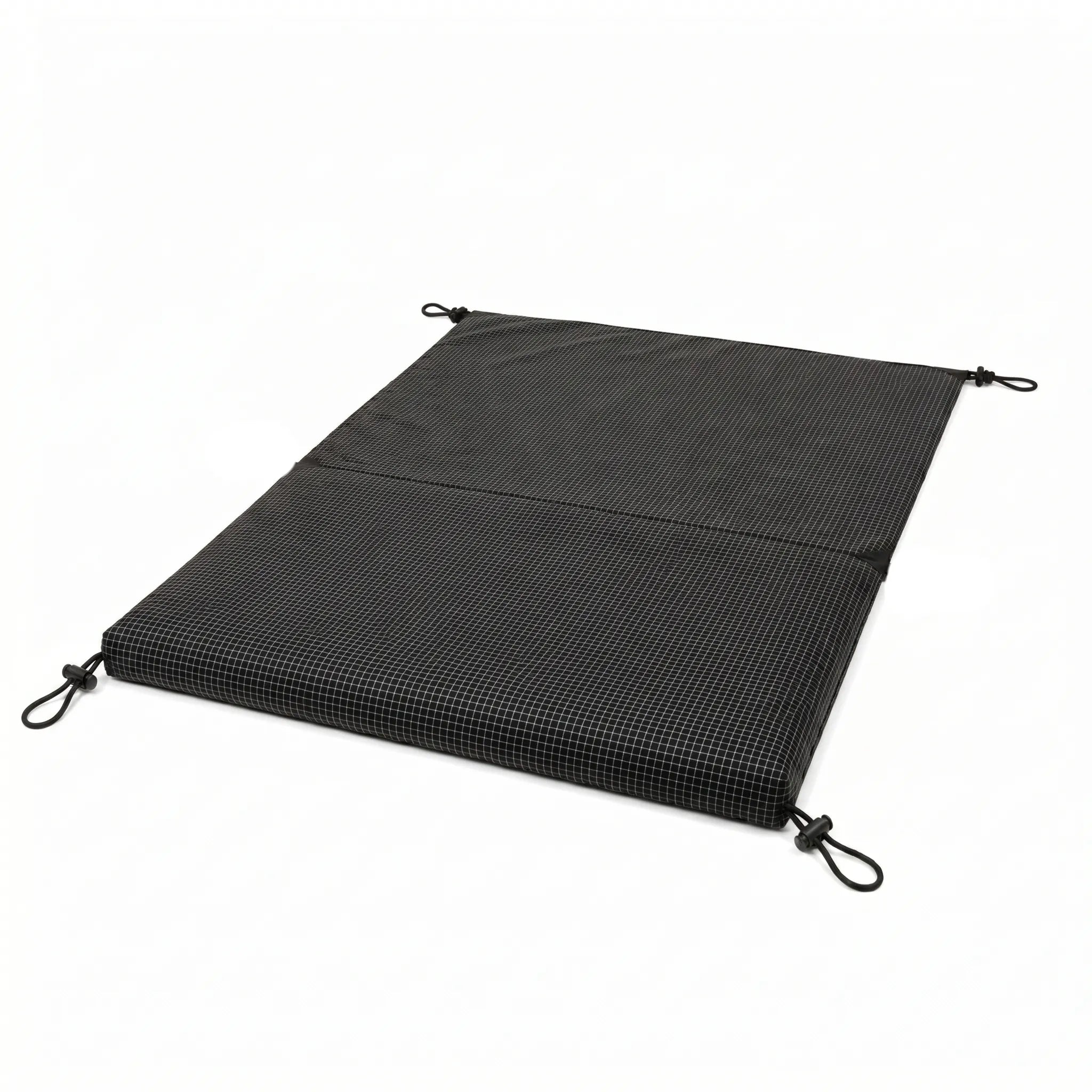
Onewind verkauft ein Kissen, das VersaComfort Dual-Fill Campingkissen für 19,90 und es ist ein Hybrid, der entwickelt wurde, um alle drei Ausfallarten zu beantworten.
Es kombiniert einen TPU-Luftschlauch zur Höhenverstellung mit einer weichen synthetischen Füllung für Wärme und ein angenehmes Gefühl.
Es ist mit einem dehnbaren Peach-Skin-Strickstoff umhüllt, der den Bezug statt auf ihm zu rutschen fest um das Polster greift, und es verfügt über ein verstellbares Befestigungssystem zum Festzurren.
Mit etwa 4,2 oz ist es nicht das leichteste, was Sie mit sich tragen können.
Ehrlich gesagt: Ein Gramm-zählender Weitwanderer, der mit einer nackten Wasserblase zurechtkommt, sollte sich dennoch für ein reines aufblasbares Kissen oder mit Kleidung gefüllte Kissen entscheiden, und dies ist eher ein festes Kissen als eine Auswahl verschiedener Größen.
Für eine passende Unterlage dazu, siehe die Leitfaden für Schlafunterlagen für Hängematten, und für das breitere Set die Leitfaden zum Vergleich von Camping-Steppdecke und SchlafsackDas Kissen wird zusammen mit dem restlichen Schlafset in der aufbewahrt Campingzubehör-Kollektion.
Szenario 1: Du zählst jedes Gramm
Für eine Grammwaage ist die Mathematik einfach, und die Ausfallmodi sind ein Preis, den man bereit ist zu zahlen.
Sie sollten ein reines aufblasbares Modell mit etwa 1,4 bis 2 oz oder mit Kleidungsstücken gestopftes für null zusätzliches Gewicht bevorzugen und die Rutschigkeit sowie das feste Gefühl akzeptieren.
Die einzige Falle sind kalte Nächte, wenn deine Kleidung an deinem Körper ist und der Packsack leer ist.
Urteil: Reine aufblasbare oder gestopfte Kleidung, es sei denn, kalte Nächte lassen Ihren Packsack leer zurück.
Szenario 2: Sie schlafen auf der Seite
Seitenschlafen ist der Fall, bei dem sich Optionen am schnellsten ausschließen.
Ihr Kopf liegt eine ganze Schulterbreite neben dem Polster, und ein flaches Kissen oder eine Tasche mit Kleidung kann diese Lücke einfach nicht füllen.
Sie sollten einen verstellbaren Air-Core-, aufblasbaren oder Hybrid-Kissen wählen, den Sie auf die exakte Höhe aufpumpen können, die Ihre Schulter erfordert.
Urteil: Wählen Sie einen verstellbaren Luftkern und verzichten Sie vollständig auf gestopfte Kleidung.
Szenario 3: Ihr Kissen rutscht jede Nacht herunter
Wenn das nächtliche Abrutschen dein Problem ist, dann ist die Lösung mehr Reibung, und du solltest das zur Voraussetzung machen.
Entweder kaufen Sie ein Kissen mit griffiger Strickoberfläche oder befestigen Sie das Kissen, das Sie bereits besitzen, mit einem Universalriemen am Polster.
Ein glattes, aufblasbares Produkt wird sich immer verschieben, ganz gleich, wie Sie es positionieren.
Urteil: Priorisieren Sie Grip oder einen Gurt; ein nackter, glatter Schlauch wird immer verrutschen.
Szenario 4: Du wurdest von einer platten aufblasbaren Matratze enttäuscht
Sobald sich ein aufblasbares Produkt bei Ihnen delaminiert hat, geht es nicht mehr um Komfort, sondern um Vertrauen.
Sie sollten entweder auf garantierte Premium-Luft mit lebenslanger Garantie umsteigen oder die Luft hinter sich lassen und sich für kompressiblen Schaum entscheiden, der nichts hat, was undicht werden kann.
Wenn du weiterhin die Packbarkeit von Luft möchtest, ist ein Hybrid die sichere Wahl, denn er bleibt auch dann noch ein nutzbares Kissen, nachdem die Luftkammer versagt hat.
Urteil: Schaum für null Risiko oder ein Hybrid, wenn Sie Luft mit einer weichen Reserve möchten.
Szenario 5: Du campst mit dem Auto und das Gewicht ist irrelevant
Wenn das Gewicht des Rucksacks dein Stamm ist, ändert sich die ganze Berechnung.
Ein 11,5 oz Schaumstoffkissen, das eine Durchquerungswanderung belasten würde, ist einfach die bequemste Wahl, also sollten Sie standardmäßig zu Schaumstoff greifen und ihn genießen.
Nur wenn dasselbe Kissen auch beim Rucksackwandern als Ersatz dienen muss, sollten Sie auf ein Hybridmodell umsteigen.
Urteil: Wählen Sie komprimierbaren Schaumstoff; kaufen Sie ihn für den Komfort, denn das Gewicht ist kostenlos.
Die richtige Campingkissen-Auswahl
Die Entscheidung reduziert sich auf vier Fragen in folgender Reihenfolge.
Es gibt kein bestes Campingkissen, nur den Typ, der auf eine Weise versagt, mit der man leben kann.
Für die meisten Wochenendcamper ist das eine Hybridlösung, da sie die Rutschgefahr, die kalte, feste Blase und das Leckagerisiko in einem Kissen beseitigt.
Für einen Weitwanderer ist es nur eine nackte aufblasbare Matte oder ein Packsack, bewusst mit offenem Blick für den Kompromiss gewählt.
Führen Sie zuerst den kostenlosen Test durch und kaufen Sie dann den Typ, der das Problem behebt, das Sie nicht noch einmal erleben möchten.

Onewind VersaComfort Dual-Fill Pillow, $19.90
Shop Now →